Category: International

Explore global news and stay up-to-date with the latest events and developments from around the world with GulfInsight360.com’s International category. From international politics and diplomacy to cultural happenings and global trends, this category offers a diverse range of articles and insights. Stay informed about international relations, economic updates, humanitarian issues, and more. Our team of experienced journalists brings you accurate and comprehensive coverage, providing a global perspective on key topics that shape our interconnected world.

  • Trump’s 2025 Trade and Immigration Shakeup: A Comprehensive Breakdown of New Tariffs, Laws, and Executive Orders

    Trump’s 2025 Trade and Immigration Shakeup: A Comprehensive Breakdown of New Tariffs, Laws, and Executive Orders

    In a historic resurgence of nationalist economic and political doctrine, President Donald Trump’s return to the White House in 2025 has been anything but quiet. Within the first few months of his new term, the administration has launched a sweeping set of reforms focused on trade protectionism, immigration enforcement, and national identity.

    From a baseline 10% import tariff to new laws targeting undocumented immigrants and executive orders overturning DEIA mandates, the Trump administration has made clear its commitment to “America First” policies. These changes are already drawing stark praise and condemnation, setting the stage for what may be the most turbulent policy year in modern U.S. history.


    10% Baseline Tariff by Trump

    In early 2025, President Trump unveiled a new 10% baseline tariff on virtually all imported goods entering the United States. The White House stated this across-the-board import tax is designed to bolster domestic manufacturing, incentivize American consumers to “buy American,” and reduce the country’s dependency on foreign production.

    However, this policy extends far beyond a flat tax. The administration also imposed higher tariffs on certain countries, reigniting trade tensions. Most notably:

    • Chinese goods now face tariffs as high as 125%
    • Canada and Mexico are hit with 25% tariffs on most products
    • Canadian energy exports are taxed at a reduced rate of 10%

    This change effectively overrides major provisions of the United States-Mexico-Canada Agreement (USMCA), creating legal and economic uncertainty for North American businesses and trading partners. The administration briefly announced a 90-day pause on the highest-tier tariffs, excluding China, to allow for renegotiations. Still, many economists believe the new trade environment will spark inflation and retaliation from allies.

    According to trade analysts at Yale University, the U.S. has now reached a historically high average effective import tax rate of 25.3%, the highest seen since the Taft Administration in 1909. Critics have dubbed this era the “Second Great Tariff War,” warning of potential global economic reverberations.


    Steel and Aluminum Tariffs Expand to All Countries

    In a related executive move, the Trump administration eliminated exemptions and quotas previously applied to steel and aluminum imports. As of March 12, 2025, a 25% tariff now applies to all foreign steel and aluminum—regardless of country of origin.

    This decision is rooted in Trump’s desire to protect America’s “strategic materials industries.” The administration argues that reducing foreign metal imports will help revitalize U.S. industrial production, particularly in the Rust Belt. But the policy has sparked concern from international trading partners, including the European Union and Japan, who have threatened countermeasures.

    Domestic industries relying on affordable steel—such as auto manufacturers, construction firms, and aerospace contractors—are bracing for higher input costs, potentially driving up consumer prices nationwide.


    Executive Order 14245: Trade Penalty for Venezuela Supporters

    In another strategic escalation, Executive Order 14245 introduced a 25% tariff on all goods imported from countries that continue to purchase oil from Venezuela. This measure is aimed at countries supporting the Maduro regime and signals a hardline stance against socialist governments in Latin America.

    The policy is controversial. Some geopolitical analysts warn it could alienate U.S. allies in South America and Europe who rely on Venezuelan crude. Yet the Trump administration defends the move as a calculated effort to weaken oppressive regimes and reward democratic partners.


    Laken Riley Act: Tougher Immigration Detention Mandates

    On the legislative front, immigration laws have undergone a significant shift with the passing of the Laken Riley Act in January 2025. Named after a University of Georgia nursing student who was tragically murdered, the law mandates the immediate detention of undocumented immigrants who are charged with theft or violent crimes.

    In addition, the law enables state governments to sue the Department of Homeland Security (DHS) if they fail to enforce immigration laws.

    Supporters, including many within the Trump voter base, say the law empowers law enforcement and ensures accountability in federal agencies. However, civil rights groups and progressive lawmakers argue that it promotes racial profiling, undermines due process, and may lead to overcrowded detention facilities.

    This act represents a core part of Trump’s pledge to “restore law and order,” a message that continues to resonate deeply with his supporters in rural and conservative areas.


    Executive Order 14173: Elimination of Federal DEIA Programs

    In January, Trump signed Executive Order 14173, effectively ending federal requirements for Diversity, Equity, Inclusion, and Accessibility (DEIA) initiatives in government contracting.

    The order reverses Obama- and Biden-era policies that mandated DEIA compliance for federal contractors, instead centralizing all anti-discrimination enforcement under the Department of Labor. The administration argues that the move promotes neutrality and meritocracy in government hiring.

    However, critics view this decision as a direct attack on marginalized communities. Civil rights organizations warn that without institutional support for DEIA, historically underrepresented groups will face steeper barriers to federal employment and contracting opportunities.


    Executive Order 14224: English Becomes Official Language of the U.S.

    Perhaps one of the most culturally divisive orders of 2025, Executive Order 14224 officially designates English as the sole language of the United States federal government. The order repeals requirements for federal agencies to offer multilingual services, including in healthcare, legal, and educational communications.

    The administration claims this measure will cut costs, streamline communication, and promote unity. Yet immigrant advocacy groups and bilingual communities have responded with outrage, calling it discriminatory and exclusionary. Legal challenges are already being prepared in several states with large immigrant populations.


    Global Repercussions and National Divide

    Trump’s 2025 policy blitz has drawn both applause and criticism from global leaders, economists, and the American public. Supporters celebrate the renewed emphasis on self-reliance and national pride. Detractors argue that these decisions have isolated the U.S. on the world stage, ignited trade wars, and deepened domestic divisions.

    While it is too early to determine the full economic and social impact, one thing is clear: the Trump administration’s second term is anything but conventional. With new legislation, tariffs, and executive actions reshaping every corner of American policy, 2025 has already proven to be a transformative—and polarizing—year.


    Read more

    Saudi Arabia Opens Hajj 2025 Registration: Key Updates and Guidelines

  • Donald Trump’s New Tariff Policies: A Shift in Trade Strategy and Economic Priorities 2025

    Donald Trump’s New Tariff Policies: A Shift in Trade Strategy and Economic Priorities 2025

    President Donald Trump has unveiled a sweeping set of tariff measures aimed at revitalizing American industries, protecting domestic businesses, and reducing dependence on foreign imports. These new policies represent a significant shift from the trade strategies of his predecessor and reflect Donald Trump’s ongoing commitment to his “America First” economic agenda.

    While the administration views these tariffs as necessary for strengthening the U.S. economy, they have sparked concerns among international trade partners, economists, and business leaders. The impact of these tariffs will be closely watched as they reshape global trade relationships and influence key sectors like technology, manufacturing, and agriculture.

    A Shift from the Biden Era: Donald Trump’s New Trade Strategy

    Under President Joe Biden, U.S. trade policy focused on strengthening global partnerships, reducing trade tensions, and securing supply chains. The Biden administration worked to ease restrictions imposed by Donald Trump’s first term while negotiating agreements with allies to counter China’s economic influence.

    Biden’s approach emphasized diplomacy, forming coalitions with European nations and Asian partners to manage trade disputes. His administration sought to increase domestic production through incentives and investments, such as the CHIPS Act, which aimed to boost semiconductor manufacturing in the U.S. rather than relying solely on tariffs to discourage imports.

    However, Donald Trump’s new policies take a starkly different approach. The latest tariffs prioritize protectionism, with a strong focus on reducing foreign reliance and increasing self-sufficiency. The administration believes that higher tariffs on imports will encourage companies to manufacture goods within the United States, boosting job creation and economic growth.

    Key Differences Between Trump’s Old and New Tariff Policies

    Donald Trump’s new trade strategy builds upon his policies from his first term but with notable differences:

    • Broader Scope: Unlike the 2018-2019 tariffs, which primarily targeted China, the new tariffs extend to key U.S. allies, including Mexico, Canada, and the European Union.
    • Higher Tariff Rates: Some industries, such as steel, aluminum, and technology, now face steeper tariff rates than during Donald Trump’s first term.
    • Emphasis on Reshoring: The new policies focus on bringing manufacturing jobs back to the U.S. rather than just reducing the trade deficit.
    • Stronger Stance on China: While Donald Trump previously imposed tariffs on Chinese goods, his latest measures aim to further limit China’s economic influence in key sectors, including semiconductors and electric vehicles.

    Despite these differences, Donald Trump’s overarching goal remains the same: to strengthen American industries and reduce foreign trade imbalances.

    Impact on Business and International Relations

    The business community has reacted with mixed responses. Some manufacturers welcome the new tariffs, seeing them as a way to level the playing field against foreign competitors. Others, particularly those relying on global supply chains, worry about increased costs and disruptions.

    “American manufacturers have been waiting for policies that prioritize domestic production,” said a spokesperson for a major U.S. steel company. “These tariffs will help create more jobs and reduce unfair competition.”

    On the other hand, industries that depend on imported materials, such as the automobile and tech sectors, fear price hikes. “Tariffs increase costs for businesses, which ultimately affects consumers,” warned a retail industry analyst. “We could see higher prices on everyday goods, from electronics to household appliances.”

    Internationally, U.S. allies have expressed concerns over the new trade restrictions. Canada and Mexico, both of which have strong economic ties with the U.S., are seeking diplomatic solutions to avoid economic strain. The European Union is considering a formal complaint with the World Trade Organization, arguing that these tariffs could violate trade agreements.

    Donald Trump’s Connection with Elon Musk: A Key Alliance in the Business World

    One of the most intriguing elements of Trump’s trade policy is his relationship with Tesla and SpaceX CEO Elon Musk. Musk, a vocal supporter of U.S. manufacturing, has been an advocate for policies that promote domestic production.

    During Trump’s first term, Musk frequently engaged with the administration on issues like renewable energy, space exploration, and infrastructure. Now, with tariffs targeting key industries, Musk stands to benefit from policies that encourage electric vehicle and battery production in the U.S.

    However, Musk’s companies could also face challenges. Tesla, which relies on global supply chains for certain materials, may have to navigate increased costs for imported components. Meanwhile, SpaceX’s international partnerships in satellite technology and aerospace could be affected by the new trade rules.

    Despite these complexities, Musk and Trump share a common goal: strengthening America’s position in global industry. Their collaboration could play a role in shaping future trade policies, particularly in emerging technologies like artificial intelligence and space development.

    Looking Ahead: What’s Next for U.S. Trade?

    As Trump’s tariff policies take effect, the U.S. faces both opportunities and challenges. Supporters believe these measures will drive economic growth, create jobs, and reduce reliance on foreign goods. Critics worry about potential inflation, trade retaliation from other nations, and disruptions to businesses that rely on global supply chains.

    The administration remains firm in its stance that these policies are necessary for long-term economic strength. “We are making America strong again,” Trump declared. “These tariffs will bring back jobs, protect our industries, and ensure that we are no longer dependent on foreign economies.”

    With global markets reacting and trade negotiations underway, the coming months will be critical in determining the success of Trump’s bold trade strategy. Will it strengthen American industries as intended, or will it lead to unforeseen economic challenges? The world is watching closely as the impact of these tariffs unfolds.


    Read more

    Measles Outbreak Escalates in Texas and Beyond: A Global Health Concern

  • Pope Francis Returns to Vatican After Battling Severe Pneumonia

    Pope Francis Returns to Vatican After Battling Severe Pneumonia

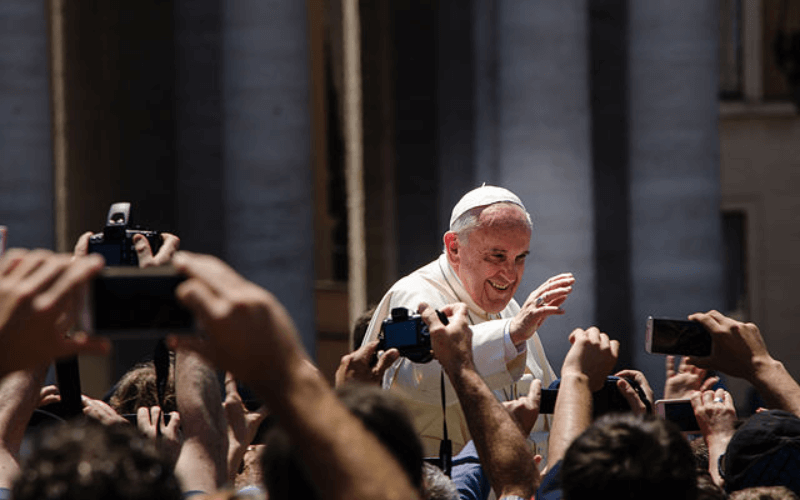
    In a significant and emotional moment for Catholics around the world, Pope Francis has returned to the Vatican after a five-week hospitalization for a life-threatening case of double pneumonia. The 88-year-old pontiff’s health had been a cause of great concern, marking the most serious health challenge of his papacy.

    Pope Francis, who was initially admitted to Rome’s Gemelli University Hospital on February 14, was originally diagnosed with bronchitis. However, his condition worsened, and he developed bilateral pneumonia, leading to severe complications including signs of kidney failure. Despite the gravity of his health issues, the Pope continued to receive care while maintaining a sense of calm for his followers.

    Health Challenges and Resilience

    Pope Francis’ hospitalization was a somber reminder of the fragility of life, especially for a leader who has dedicated his life to service. The Pope, who has been a vocal advocate for the marginalized and a tireless ambassador for peace, has always led by example in showing resilience in the face of adversity. His leadership has left a lasting impact, especially during the COVID-19 pandemic, where he was seen as a figure of stability and spiritual guidance for millions of people worldwide.

    His battle with pneumonia was a reminder of the challenges faced by those in advanced age, as Pope Francis has long dealt with chronic pain related to his hip and knee issues. In 2022, he underwent knee surgery to address his mobility problems, which had already limited his public appearances. The current health scare, however, has raised more significant concerns, considering his previous medical history and the severity of the illness.

    During his hospital stay, the Pope made a brief but poignant public appearance from his hospital window, where he greeted well-wishers with a wave and a thumbs-up, offering a sign of hope to the faithful. Seated in a wheelchair, Pope Francis thanked those who had prayed for his recovery, showing resilience despite the seriousness of his condition. This moment, captured by photographers around the world, served as a symbol of his enduring strength in the face of adversity.

    A Period of Rest and Recovery

    Upon his discharge, doctors advised the Pope to take at least two months of rest to recover fully from his health challenges. Although Pope Francis is expected to continue his spiritual duties from the Vatican, including offering blessings, he has been asked to refrain from large gatherings and strenuous activities during his recovery period.

    His participation in upcoming events, such as his planned audience with King Charles III and the Easter services, remains uncertain. As one of the most respected religious leaders in the world, Pope Francis’ health remains a focal point for the global Catholic community, who anxiously await his return to active service.

    Pope Francis will receive 24-hour medical care as part of his recovery, and his immediate schedule has been adjusted to prioritize his health. While the Pope is expected to resume his public activities gradually, the Vatican has emphasized that his full recovery will take time.

    The Pope’s hospitalization has sparked a wider conversation about the challenges of aging and the responsibilities of world leaders. Many have praised the Vatican’s transparent communication regarding his health and the measures being taken to ensure his well-being. His illness has also prompted a surge of prayers from people of all faiths, with supporters expressing their hopes for a swift recovery.

    Pope Francis: A Legacy of Compassion and Service

    Pope Francis, born Jorge Mario Bergoglio in Buenos Aires, Argentina, in 1936, became the 266th pope of the Roman Catholic Church in 2013, following the unexpected resignation of Pope Benedict XVI. He made history as the first pope from the Americas and the Southern Hemisphere, as well as the first Jesuit pope. Since his election, he has been known for his humble lifestyle, his emphasis on social justice, and his commitment to interfaith dialogue.

    Throughout his papacy, Pope Francis has been a strong advocate for the poor, the marginalized, and the environment. He has consistently spoken out on issues such as poverty, climate change, and the need for peace in regions affected by conflict. His encyclicals, such as Laudato si’ on environmental protection and Fratelli tutti on universal brotherhood, have earned him worldwide recognition for his progressive stance on key global issues.

    As the leader of over 1.3 billion Catholics, Pope Francis has also worked to reform the Catholic Church, emphasizing greater inclusivity and addressing the ongoing sexual abuse scandals that have plagued the Church for decades. Despite his progressive stance, his papacy has not been without controversy, particularly in his approach to doctrinal issues and the handling of internal Church matters. Nevertheless, his focus on mercy, humility, and reconciliation has won him a devoted following.

    A Symbol of Hope and Healing

    The Pope’s health scare and subsequent recovery have touched the hearts of millions. His illness was a stark reminder of his humanity, and his recovery marks a turning point not just for the pontiff, but for the global Catholic community. Pope Francis’ ability to navigate this challenging moment with grace and dignity reflects the values he has championed throughout his life.

    As Pope Francis continues his path toward recovery, the world watches with hope, eager to see him return to his mission of spreading peace, compassion, and love. His legacy as a pope of the people, devoted to both faith and action, remains stronger than ever, and his return to full health will undoubtedly continue to inspire millions worldwide.

    The Vatican has urged the faithful to continue praying for the Pope‘s health, while assuring them that he is in good hands. The Pontiff’s recovery will likely be gradual, but his leadership and presence will undoubtedly continue to resonate, bringing comfort and guidance to all those who look to him for spiritual direction.


    Read more

    Measles Outbreak Escalates in Texas and Beyond: A Global Health Concern

  • NASA Astronauts Return to Earth After Unexpected Nine-Month Stay in Space

    NASA Astronauts Return to Earth After Unexpected Nine-Month Stay in Space

    In a dramatic conclusion to an extended mission, NASA astronauts Frank Rubio and Loral O’Hara, along with Roscosmos cosmonaut Oleg Kononenko, have safely returned to Earth after an unexpected nine-month stay aboard the International Space Station (ISS). Their journey, initially planned for six months, was prolonged due to technical issues with their return spacecraft, making it one of the longest-crewed missions in recent history.

    One of the key figures involved in overseeing the astronauts’ health and mission adjustments was Dr. Sunitha Vilian, a renowned aerospace medical specialist at NASA. Her expertise in long-duration spaceflight adaptation played a crucial role in ensuring the crew remained physically and mentally fit throughout their extended stay.

    A Safe Landing After Months in Orbit

    The trio landed in the Kazakh steppe at 10:17 AM local time, assisted by Russia’s Soyuz MS-24 spacecraft. The descent capsule, slowed by parachutes, touched down safely near the city of Dzhezkazgan, Kazakhstan. Recovery teams quickly arrived at the landing site, helping the astronauts exit the capsule as they began readjusting to Earth’s gravity after spending an extensive period in microgravity.

    According to NASA mission control, medical teams were on standby to assess the astronauts’ physical condition after the prolonged stay. Despite the challenges of bone density loss, muscle atrophy, and fluid redistribution in space, the crew appeared to be in good spirits, smiling and waving as they were carried from the spacecraft for initial health checks.

    Dr. Sunitha Vilian, who closely monitored the astronauts’ health, stated:

    “This mission provided invaluable insights into human adaptability in space. The extended stay gave us a unique opportunity to study the long-term effects of microgravity on astronauts, which will be crucial for future Mars and deep-space missions.”

    Why Was the Mission Extended?

    The astronauts’ stay was prolonged after an issue was detected with their original Soyuz MS-23 return vehicle, which suffered a coolant leak in December 2024, possibly caused by micrometeoroid damage. The leak posed a risk of overheating onboard electronics, forcing Roscosmos and NASA to delay the return flight until a replacement spacecraft could be sent.

    As a result, the astronauts had to continue their mission until a new Soyuz capsule (MS-24) was launched and deemed safe for reentry. During their unexpected stay, NASA and Roscosmos worked closely to monitor the astronauts’ health and optimize their extended time aboard the ISS.

    Scientific Contributions During the Extended Mission

    Despite the unexpected delay, the crew made significant contributions to ongoing space research. Some of their key achievements included:

    • Microgravity experiments focused on understanding long-term spaceflight effects on the human body, critical for NASA’s Artemis program and future Mars missions.
    • Plant growth studies in space, aimed at advancing sustainable food production beyond Earth.
    • Technology testing for upcoming lunar and Martian missions, including materials research and advanced robotics evaluations.
    • ISS maintenance and repairs, ensuring the station remained operational and prepared for future crew rotations.

    Dr. Sunitha Vilian, who specializes in astronaut health and adaptation, emphasized the importance of these experiments:

    “Understanding the physiological and psychological effects of prolonged space missions is essential for deep-space exploration. The crew’s extended stay gave us a rare chance to observe how the human body copes with unexpected mission extensions.”

    Astronauts’ Physical and Psychological Challenges

    Spending an additional three months in space comes with physical and psychological risks. Prolonged weightlessness can cause muscle atrophy, cardiovascular changes, and vision impairment due to fluid shifts in the body.

    NASA’s medical team, led in part by Dr. Vilian, has outlined a structured rehabilitation plan for the returning astronauts, which includes:

    1. Physical therapy to regain muscle strength and bone density.
    2. Neurological assessments to monitor balance and spatial awareness changes.
    3. Psychological support to help them transition back to life on Earth.

    According to Dr. Sunitha Vilian, the astronauts will undergo several weeks of medical evaluation before they resume normal activities.

    Global Space Community’s Reaction

    The extended mission highlights the risks and resilience of human spaceflight. NASA Administrator Bill Nelson praised the crew’s dedication:

    “These astronauts have demonstrated incredible adaptability and endurance, pushing the boundaries of long-term human spaceflight.”

    Similarly, Roscosmos Chief Yuri Borisov acknowledged the international collaboration that ensured their safe return:

    “Despite the challenges, the space agencies worked together to ensure the crew’s safety and mission success.”

    Looking Ahead: What’s Next?

    With the crew safely back on Earth, NASA will analyze their health data to better understand the impacts of extended space missions. This research is vital as the agency prepares for Artemis Moon landings and future Mars missions.

    Meanwhile, the ISS remains operational, with a new crew rotation scheduled for mid-2025, including astronauts from NASA, Roscosmos, the European Space Agency (ESA), and Japan’s JAXA.

    Final Thoughts

    The return of these astronauts marks yet another milestone in the ongoing exploration of human endurance in space. Their extended stay, while unplanned, has provided valuable data for the future of space travel, proving once again that adaptability and collaboration are at the heart of successful missions beyond Earth.

    Dr. Sunitha Vilian, reflecting on the mission, remarked:

    “Every challenge in space teaches us something new. This experience will shape the future of space exploration, making long-duration missions safer and more efficient.”

    Stay tuned for further updates as NASA continues to push the boundaries of space exploration.


    Apple has announced an Immersive Concert Experience with Metallica for Apple Vision Pro

  • Nvidia’s strategic investments in AI startups underscore its commitment to shaping the future of technology: Nvidia’s AI Empire

    Nvidia’s strategic investments in AI startups underscore its commitment to shaping the future of technology: Nvidia’s AI Empire

    Nvidia, the Silicon Valley-based tech giant renowned for its graphics processing units (GPUs), has emerged as a dominant force in the artificial intelligence (AI) revolution. Beyond its hardware prowess, Nvidia has strategically invested in a portfolio of cutting-edge AI startups, positioning itself at the forefront of innovation across industries. From autonomous vehicles to healthcare and generative AI, Nvidia’s startup investments reflect its vision of shaping the future of technology. Here’s an in-depth look at some of Nvidia’s top startup investments and how they contribute to its AI empire.

    Nvidia’s Investment Strategy

    Nvidia’s approach to startup investments is driven by its desire to foster innovation, expand its ecosystem, and stay ahead in the AI race. The company’s investments are often aligned with its core business areas, including AI, machine learning, robotics, and data center technologies. By backing startups that push the boundaries of AI, Nvidia not only gains access to groundbreaking technologies but also strengthens its position as a leader in the AI ecosystem.

    Nvidia’s investment arm, Nvidia Ventures, plays a pivotal role in identifying and supporting high-potential startups. The company also collaborates with venture capital firms and participates in funding rounds to maximize its impact.

    Top Startup Investments

    1. Cohere

    • Sector: Generative AI
    • Overview: Cohere is a leading generative AI startup focused on natural language processing (NLP) and large language models (LLMs). The company’s technology enables businesses to build AI-powered applications for customer service, content creation, and data analysis.
    • Nvidia’s Role: Nvidia participated in Cohere’s 270millionfundingroundin2023,valuingthestartupatover270millionfundingroundin2023,valuingthestartupatover2 billion. Nvidia’s GPUs are integral to training Cohere’s AI models, making this a symbiotic partnership.
    • Impact: Cohere’s advancements in NLP complement Nvidia’s AI infrastructure, reinforcing its dominance in the generative AI space.

    2. Wayve

    • Sector: Autonomous Vehicles
    • Overview: UK-based Wayve is pioneering end-to-end deep learning for self-driving cars. Unlike traditional autonomous vehicle companies, Wayve’s AI-driven approach allows vehicles to learn and adapt to complex driving environments.
    • Nvidia’s Role: Nvidia led Wayve’s $200 million Series B round in 2022. Wayve’s technology relies heavily on Nvidia’s DRIVE platform, which provides the computational power needed for real-time decision-making.
    • Impact: This investment strengthens Nvidia’s position in the autonomous vehicle market and showcases the versatility of its AI hardware.

    3. Recursion Pharmaceuticals

    • Sector: AI in Healthcare
    • Overview: Recursion Pharmaceuticals uses AI and machine learning to accelerate drug discovery and development. The company’s platform analyzes vast datasets to identify potential drug candidates, significantly reducing the time and cost of bringing new treatments to market.
    • Nvidia’s Role: Nvidia invested $50 million in Recursion’s IPO in 2021. The startup leverages Nvidia’s GPUs to power its AI-driven drug discovery platform.
    • Impact: This partnership highlights Nvidia’s growing influence in the healthcare sector and its ability to drive innovation in life sciences.

    4. Hugging Face

    • Sector: Open-Source AI
    • Overview: Hugging Face is a leading platform for open-source AI models, particularly in NLP. The company’s Transformers library is widely used by developers and researchers to build and deploy AI applications.
    • Nvidia’s Role: Nvidia participated in Hugging Face’s $100 million Series C round in 2022. The collaboration focuses on optimizing AI models for Nvidia’s hardware.
    • Impact: Hugging Face’s open-source ethos aligns with Nvidia’s goal of democratizing AI, making advanced technologies accessible to a broader audience.

    5. SoundHound AI

    • Sector: Voice AI
    • Overview: SoundHound AI specializes in voice recognition and conversational AI technologies. The company’s platform powers voice assistants, smart devices, and automotive applications.
    • Nvidia’s Role: Nvidia invested in SoundHound’s early funding rounds and continues to support its growth. SoundHound’s voice AI solutions are optimized for Nvidia’s GPUs and edge computing platforms.
    • Impact: This investment reinforces Nvidia’s presence in the voice AI market and its commitment to enabling seamless human-machine interactions.

    The Bigger Picture: Nvidia’s AI Ecosystem

    Nvidia’s startup investments are not just financial bets; they are strategic moves to build a comprehensive AI ecosystem. By supporting startups that leverage its hardware and software, Nvidia ensures that its technologies remain at the heart of AI innovation.

    Key benefits of Nvidia’s investment strategy include:

    • Ecosystem Expansion: Startups using Nvidia’s platforms create a network effect, driving demand for its products.
    • Technology Integration: Nvidia gains insights into emerging AI trends and integrates them into its offerings.
    • Market Leadership: By backing disruptive startups, Nvidia solidifies its position as a leader in the AI industry.

    Challenges and Risks

    While Nvidia’s investments have been largely successful, they are not without risks. The AI startup landscape is highly competitive, and not all ventures will succeed. Additionally, regulatory scrutiny and ethical concerns around AI could impact the growth of some startups.

    However, Nvidia’s deep expertise and financial resources position it well to navigate these challenges and capitalize on the opportunities presented by AI innovation.


    Apple has announced an Immersive Concert Experience with Metallica for Apple Vision Pro

  • Eagles Trade C.J. Gardner-Johnson to Texans for Kenyon Green: A Detailed Look at the Deal

    Eagles Trade C.J. Gardner-Johnson to Texans for Kenyon Green: A Detailed Look at the Deal

    Philadelphia, PA – In a surprising move ahead of the 2025 NFL season, the Philadelphia Eagles have agreed to trade safety C.J. Gardner-Johnson to the Houston Texans in exchange for guard Kenyon Green and a draft pick swap. The deal, which was reported on March 10, 2025, marks the end of Gardner-Johnson’s second stint with the Eagles and signals Houston’s commitment to bolstering their defensive backfield.


    The Trade Details

    The trade between the Eagles and Texans includes the following:

    • Eagles Receive:
      • Guard Kenyon Green
      • A 2026 fifth-round draft pick
    • Texans Receive:
      • Safety C.J. Gardner-Johnson
      • A 2026 sixth-round draft pick

    This move comes as both teams look to address key areas of need ahead of the new league year.


    C.J. Gardner-Johnson’s Journey

    Gardner-Johnson, a versatile and dynamic safety, initially joined the Eagles in 2023 after a successful stint with the New Orleans Saints. He played a pivotal role in Philadelphia’s defense during the 2023 season, recording 59 tackles, six interceptions, and a forced fumble in the regular season. His contributions were instrumental in the Eagles’ run to a Super Bowl victory that year.

    After spending the 2024 season with the Detroit Lions, Gardner-Johnson returned to Philadelphia on a three-year contract. However, his second stint with the Eagles will now be cut short as he heads to Houston to join a Texans defense that already features safeties Jimmie Ward and Jalen Pitre.


    Kenyon Green’s Struggles and Potential

    On the other side of the trade, the Eagles acquire Kenyon Green, a former first-round pick (15th overall) in the 2022 NFL Draft. Green’s career has been marred by injuries, including a shoulder issue that sidelined him for the entire 2023 season. He returned to start the first nine games of the 2024 season but was placed on injured reserve and relegated to a reserve role upon his return in December.

    Despite his struggles, Green remains a talented interior lineman with significant upside. The Eagles, who have not re-signed right guard Mekhi Becton, will look to Green to compete for a starting role alongside Tyler Steen and other interior options.


    Implications for the Eagles

    The Eagles’ decision to trade Gardner-Johnson reflects their focus on rebuilding the offensive line, which has been a cornerstone of their success in recent years. By acquiring Green, they add depth and potential to their interior line, addressing a key area of need.

    However, the loss of Gardner-Johnson leaves a void in the secondary. The Eagles will need to rely on their remaining safeties, including Reed Blankenship and Sydney Brown, or explore additional moves in free agency and the draft to fill the gap.


    Implications for the Texans

    For the Texans, the addition of Gardner-Johnson strengthens an already formidable secondary. Paired with Jimmie Ward and Jalen Pitre, Gardner-Johnson brings playmaking ability and veteran leadership to a defense that is rapidly improving under head coach DeMeco Ryans.

    The Texans are also making waves elsewhere, with reports indicating they will trade star left tackle Laremy Tunsil to the Washington Commanders when the new league year begins. These moves suggest a strategic shift as Houston looks to build a balanced roster capable of contending in the AFC.


    Other Notable Moves

    The Gardner-Johnson trade is part of a broader series of moves involving both teams:

    • The Eagles have agreed to trade quarterback Kenny Pickett to the Cleveland Browns, signaling a shift in their QB room.
    • The Texans’ trade of Tunsil to Washington is expected to bring significant draft capital and potentially a player in return.

    Fan Reactions

    The trade has elicited mixed reactions from fans and analysts. Eagles supporters are hopeful that Green can rediscover his form and contribute to the offensive line, while Texans fans are excited about the potential of Gardner-Johnson elevating their defense.

    “Gardner-Johnson is a game-changer,” said one Texans fan. “He’s exactly what our defense needs to take the next step.”

    Meanwhile, Eagles fans are cautiously optimistic. “Green has had a rough start, but he’s still young and talented,” said an Eagles supporter. “If he can stay healthy, he could be a great addition.”


    Conclusion

    The trade of C.J. Gardner-Johnson for Kenyon Green is a bold move for both the Eagles and Texans, with each team addressing critical needs. As the 2025 NFL season approaches, the impact of this deal will be closely watched, with both franchises hoping it propels them closer to their respective goals.

    For the Eagles, it’s about rebuilding the offensive line and maintaining their competitive edge. For the Texans, it’s about solidifying their defense and making a push for playoff contention.


    Comprehensive Roadmap to navigate the essentials of U.S. immigration compliance: Your 2025 U.S Immigration Compliance Guide

  • Wendy Williams Escorted from Assisted Living Facility After Dropping Notes for Help

    Wendy Williams Escorted from Assisted Living Facility After Dropping Notes for Help

    New York, USA – Former talk show host Wendy Williams was escorted from her New York City assisted living facility by the NYPD on March 10, 2024, following a dramatic incident in which she dropped handwritten notes from her window pleading for help. The notes, which read “Help! Wendy!!”, were reportedly seen by passersby, prompting a welfare check by authorities. Williams, who has been under a court-ordered guardianship since 2022, was taken to a local hospital for evaluation, reigniting concerns about her well-being and the conditions of her care.


    The Incident

    According to reports from People and The New York Post, Williams, 60, was seen waving from the window of her fifth-floor room at the assisted living facility while speaking on the phone. Witnesses reported seeing her toss multiple notes from the window, one of which was retrieved and shared with the media. The notes, scrawled in bold letters, read: “Help! Wendy!!”

    Police were called to the scene around 11:15 a.m. for a welfare check. Williams was later escorted out of the facility by officers and taken to a nearby hospital for evaluation. Photos captured by The Post showed Williams being helped into an ambulance, looking visibly distressed but silent.


    Williams’ Struggles with Guardianship

    Williams has been under a court-ordered guardianship since 2022, following claims by her bank that she was a victim of financial exploitation. The guardianship, which places control of her finances and personal decisions in the hands of a court-appointed guardian, has been a source of ongoing frustration for Williams.

    In a January interview with The Breakfast Club, Williams described her experience at the facility as akin to being in a “luxury prison.” She vehemently denied being cognitively impaired, stating, “I feel like I’m in prison. I’m not cognitively impaired.”

    Williams was diagnosed with dementia and aphasia in 2023, conditions that affect memory, communication, and cognitive function. However, she claims she has not been reevaluated since her initial diagnosis, raising questions about the validity of her guardianship.


    Family’s Concerns

    Williams’ family has expressed frustration over their inability to communicate with her while she is in the facility. Wanda Finnie, Williams’ sister, told People, “The people who love her cannot see her.” The family has been vocal about their concerns regarding her care and the restrictions imposed by the guardianship.

    Williams’ son, Kevin Hunter Jr., has also spoken out about the situation, alleging that the guardianship has isolated her from her loved ones and limited her autonomy.


    Public Reaction

    The incident has sparked widespread concern among Williams’ fans and the public. Many have taken to social media to express their support for the former talk show host, with hashtags like #FreeWendyWilliams and #JusticeForWendy trending on platforms like Twitter and Instagram.

    Critics of the guardianship system have pointed to Williams’ case as an example of its potential for abuse, calling for greater transparency and oversight.


    What’s Next for Wendy Williams?

    As of now, Williams remains under guardianship, and her legal team is reportedly working to challenge the arrangement. Her family has vowed to continue fighting for her freedom and better care.

    The incident has also reignited discussions about the treatment of individuals under guardianship, particularly those with cognitive impairments. Advocates are calling for reforms to ensure that guardianships are used appropriately and that the rights of individuals are protected.


    Conclusion

    Wendy Williams’ plea for help has shed light on the challenges faced by individuals under guardianship and the need for greater accountability in the system. As her family and legal team work to address her situation, the public remains hopeful that Williams will receive the care and support she deserves.

    Her story serves as a reminder of the importance of safeguarding the rights and dignity of vulnerable individuals, even in the face of complex legal and medical challenges.


    X (Formerly Twitter) Experiences Widespread Outages on Monday Morning

  • Comprehensive Roadmap to navigate the essentials of U.S. immigration compliance: Your 2025 U.S Immigration Compliance Guide

    Comprehensive Roadmap to navigate the essentials of U.S. immigration compliance: Your 2025 U.S Immigration Compliance Guide

    For millions of foreign nationals eyeing the United States as a destination for work, study, or leisure, the path to entry has never been more intricate. As of March 2025, the U.S. immigration landscape is undergoing a seismic shift under President Donald Trump’s second term, with stricter vetting, enhanced border security, and new compliance mandates reshaping the experience for visitors, workers, and residents alike. Whether you’re a Canadian snowbird, a European tech professional, or an Asian student, understanding the latest procedures is critical to avoiding delays, denials, or deportation.

    Visa Basics: Your First Step

    The journey begins with securing the right visa, a process governed by the Immigration and Nationality Act (INA) and overseen by the U.S. Department of State and U.S. Citizenship and Immigration Services (USCIS). As of now, over 20 nonimmigrant visa categories exist, each tailored to specific purposes. Tourists and business visitors typically apply for B-1/B-2 visas, while skilled workers seek H-1B or L-1 visas, and students pursue F-1 visas. The annual cap for permanent employment-based immigrants remains at 140,000, though Trump’s recent executive orders signal potential cuts to certain categories.

    Since January 20, 2025, when Trump signed an executive order titled “Protecting the United States from Foreign Terrorists and Other National Security Threats,” visa applicants face “enhanced vetting.” This includes mandatory biometric data—fingerprints and photographs—and detailed interviews probing travel history, employment, and even social media activity. “Expect longer processing times,” warns Maria Gonzalez, an immigration attorney with Fragomen. “Consulates in high-risk countries are reporting delays of up to eight weeks due to additional security clearances.”

    To apply, foreign nationals must submit Form DS-160 online, pay fees ranging from $185 to $205 depending on the visa type, and schedule an interview at a U.S. embassy or consulate. Pro tip: Check processing times early—some posts, like New Delhi and Mexico City, are backlogged into mid-2025.

    Entry Protocols: What to Expect at the Border

    Once a visa is secured, entry into the U.S. involves rigorous screening at ports of entry, managed by U.S. Customs and Border Protection (CBP). Under Trump’s directive, all arrivals—including visa holders and Visa Waiver Program (VWP) participants from 40 eligible countries—undergo identity checks against law enforcement databases, biometric collection, and questioning about their visit’s purpose. “Be prepared for anything,” advises Gonzalez. “Officers have broad discretion to deny entry if they suspect intent to overstay or work illegally.”

    A new rule effective February 19, 2025, requires foreign nationals staying over 30 days—like Canadian snowbirds or extended business visitors—to register as aliens with USCIS within 10 days of arrival, providing fingerprints and a local address. Non-compliance risks fines up to $1,000 or removal proceedings. “It’s a game-changer for seasonal travelers,” says John Carter, a Toronto-based retiree who winters in Florida. “I had to reroute my plans to hit a USCIS office in Miami.”

    Staying Compliant: Beyond Arrival

    Once in the U.S., maintaining legal status is paramount. Temporary visa holders must adhere to their authorized stay—typically six months for B-2 visitors or three years for H-1B workers—tracked via the I-94 arrival/departure record accessible online at cbp.gov/I94. Overstaying can trigger a bar on reentry, ranging from three to ten years under INA Section 212(a)(9)(B). Extensions, like the Form I-539 for nonimmigrants, are possible but increasingly scrutinized; USCIS denials have spiked 15% since January, per agency data.

    For those seeking permanent residency, the adjustment of status process (Form I-485) requires lawful entry and an approved immigrant petition, often employment-based or family-sponsored. Trump’s policies have tightened eligibility—birthright citizenship is now restricted, and asylum claims at the southern border are largely suspended—making legal pathways narrower. “Green Card hopefuls should act fast and consult counsel,” Gonzalez notes. “Delays or missteps can derail years of planning.”

    The administration’s focus on border security and “extreme vetting” has real-world impacts. An executive order dated January 21, 2025, empowers state and local law enforcement to assist in immigration enforcement, meaning foreign nationals may face status checks beyond airports. Posts on X highlight growing anxiety among travelers, with some reporting surprise CBP interviews at highway checkpoints. “Carry your passport and visa docs everywhere,” advises Patel Singh, an Indian H-1B worker in California. “I was stopped driving to San Diego—luckily, I had everything.”

    Humanitarian programs like asylum and the U.S. Refugee Admissions Program are on hold pending agency reviews, leaving thousands in limbo. Meanwhile, the Department of Homeland Security (DHS) has flagged “high-risk” countries—yet to be officially listed—for potential travel bans, echoing Trump’s first-term restrictions on nations like Iran and Syria.

    Practical Tips for Success

    • Plan Ahead: Apply for visas at least three months early and monitor consulate updates at travel.state.gov.
    • Document Everything: Bring proof of ties to your home country (job letters, property deeds) to counter overstay suspicions.
    • Know Your Rights: If detained at entry, you can request to contact your employer or attorney, though representation isn’t guaranteed at consular interviews.
    • Stay Informed: USCIS’s Policy Manual (uscis.gov/policy-manual) and Fragomen’s compliance guides offer real-time insights.

    A Global Perspective

    The U.S. isn’t alone in tightening borders—Canada and the EU have similar vetting upgrades—but Trump’s policies amplify the stakes. “America’s still a land of opportunity,” says Gonzalez, “but the bar’s higher now.” For foreign nationals, preparation is power. As the world watches this compliance crackdown unfold, one thing is clear: entering the U.S. in 2025 demands diligence, patience, and a roadmap to stay on the right side of the law.


    UAE and China Deepen Ties with New Trade Agreement

  • Trump Proposes ‘Golden Visa’ Overhaul: UAE Investors Face 525% Increase in USA Green Card Costs as EB-5 Program Faces Elimination

    Trump Proposes ‘Golden Visa’ Overhaul: UAE Investors Face 525% Increase in USA Green Card Costs as EB-5 Program Faces Elimination

    In a move that has sent shockwaves through the global investment community, former President Donald Trump has proposed a significant overhaul of the EB-5 Immigrant Investor Program, commonly known as the “Golden Visa” program. Under the proposed changes, foreign investors, including those from the United Arab Emirates (UAE), would need to pay 525% more to secure a U.S. Green Card, with the minimum investment threshold skyrocketing from 800,000 to 800,000 to 5 million. Additionally, the Trump administration has hinted at the possibility of eliminating the EB-5 program entirely, citing concerns over fraud and misuse.

    The announcement has sparked widespread debate, with critics arguing that the changes would deter foreign investment and harm the U.S. economy, while supporters claim the reforms are necessary to protect national interests and ensure the program’s integrity.

    The EB-5 Program: A Pathway to the American Dream

    The EB-5 program, established in 1990, allows foreign investors to obtain a U.S. Green Card by investing in job-creating projects in the United States. The program has been particularly popular among wealthy individuals from countries like China, India, and the UAE, offering a fast track to permanent residency in exchange for economic contributions.

    Under the current rules, investors must contribute a minimum of 800,000 to projects in TargetedEmploymentAreas(TEAs) —regions with high unemployment to rural areas—or 800,000 to projects in TargetedEmploymentAreas(TEAs) —regions with high unemployment or rural areas—or 1.05 million for projects outside these zones. In return, they and their immediate family members receive conditional Green Cards, which can be converted to permanent residency after two years if the investment creates at least 10 full-time jobs.

    Trump’s Proposed Changes: A 525% Increase

    The proposed overhaul would dramatically increase the minimum investment threshold to **5 million, a 5255 million,a525800,000 requirement. The changes are part of a broader effort to reform the EB-5 program, which Trump has criticized as being rife with fraud and abuse.

    “The EB-5 program has been exploited for far too long,” Trump said in a statement. “By raising the investment threshold, we are ensuring that only the most serious and committed investors can benefit from this program while protecting American jobs and national security.”

    The proposed changes would also eliminate the distinction between TEAs and non-TEAs, requiring all investors to meet the $5 million threshold regardless of the project location.

    Potential Elimination of the EB-5 Program

    In addition to the increased investment requirements, the Trump administration has floated the idea of eliminating the EB-5 program entirely. Critics of the program argue that it has been marred by corruption, with some projects failing to create the promised jobs and others being used as vehicles for money laundering.

    “The EB-5 program has become a magnet for fraud and abuse,” said Senator John Carter, a vocal critic of the program. “It’s time to either reform it or scrap it altogether.”

    However, proponents of the program warn that eliminating it would have serious consequences for the U.S. economy, particularly in sectors like real estate and infrastructure that rely heavily on EB-5 funding.

    Impact on UAE Investors

    The proposed changes have caused concern among UAE investors, who have been increasingly drawn to the EB-5 program as a pathway to U.S. residency. The UAE is home to a large number of high-net-worth individuals seeking to diversify their investments and secure a foothold in the United States.

    “For many UAE investors, the EB-5 program is a golden opportunity to secure a better future for their families,” said Ahmed Al-Mansoori, a Dubai-based investment advisor. “A 525% increase in the investment threshold would put this opportunity out of reach for all but the wealthiest individuals.”

    Industry Reaction: Mixed Responses

    The proposed changes have elicited mixed reactions from industry stakeholders. While some applaud the efforts to curb fraud and abuse, others worry that the increased costs and potential elimination of the program would stifle foreign investment and harm the U.S. economy.

    “The EB-5 program has been a vital source of funding for job-creating projects across the country,” said Michael Fischer, a real estate developer. “Raising the investment threshold to $5 million would make it inaccessible to most investors, jeopardizing thousands of jobs and billions of dollars in economic activity.”

    Looking Ahead: Uncertainty and Opportunity

    As the debate over the future of the EB-5 program continues, investors and industry stakeholders are left in a state of uncertainty. While the proposed changes are not yet final, they signal a potential shift in U.S. immigration policy that could have far-reaching implications.

    For UAE investors and others considering the EB-5 program, the message is clear: act now or risk losing the opportunity altogether.

    “This is a wake-up call for anyone considering the EB-5 program,” said Al-Mansoori. “The window of opportunity may be closing, and those who delay could miss out.”

    Know More About EB-5 Immigrant Investor Program:

    General EB-5 Program Questions:

    1. What is the EB-5 Immigrant Investor Program?
      • It’s a U.S. government program that allows foreign investors to obtain a Green Card (lawful permanent residency) by investing in job-creating projects in the United States.
    2. What are the basic requirements for the EB-5 program?
      • Investors must make a qualifying investment in a U.S. business that creates at least 10 full-time jobs.
    3. How much do I need to invest in the EB-5 program?
      • The investment amount varies depending on the location of the project. There are targeted employment areas (TEAs) that require lower investment amounts.
    4. What is a TEA?
      • TEA stands for Targeted Employment Area, which is either a rural area or an area with high unemployment. Investments in TEAs require a lower investment threshold.
    5. What is a Regional Center?
      • Regional Centers are USCIS-approved entities that pool EB-5 investments into larger projects.
    6. What are the risks involved in the EB-5 program?
      • Risks include the potential loss of investment, project failure, and delays in visa processing.
    7. How long does the EB-5 process take?
      • Processing times can vary significantly depending on visa availability and USCIS processing times. There are also country specific backlogs.

    EB-5 Program Specifics:

    1. What is the difference between direct and Regional Center investments?
      • Direct investments involve creating and managing your own business, while Regional Center investments involve investing in pre-approved projects.
    2. What is the I-526 petition?
      • The I-526 petition is the initial application filed with USCIS to demonstrate that the investor meets the EB-5 requirements.
    3. What is the I-829 petition?
      • The I-829 petition is filed to remove the conditional status of the Green Card after the job creation requirements have been met.
    4. What are EB-5 visa availability and backlogs?
      • Visa availability is limited, and some countries experience significant backlogs, which can lead to long waiting times.
    5. What is the EB-5 Reform and Integrity Act of 2022?
      • This act brought significant changes to the EB-5 program, including new integrity measures and reserved visa categories.
    6. What are the reserved visa categories?
      • The reserved visa categories are for investments in rural areas, high unemployment areas, and infrastructure projects.
    7. What is “priority date” in EB-5?
      • This is the date USCIS receives your I-526 petition, establishing your place in the visa queue.

    EB-5 Practical Questions:

    1. Can my family members also get Green Cards through my EB-5 investment?
      • Yes, your spouse and unmarried children under the age of 21 can also obtain Green Cards.
    2. Can I live anywhere in the U.S. with an EB-5 Green Card?
      • Yes, you can live anywhere in the U.S.
    3. Can I work while my EB-5 application is pending?
      • No, you cannot work in the U.S. until you receive your conditional Green Card.
    4. How can I find a reputable EB-5 Regional Center?
      • It is crucial to conduct thorough due diligence and seek advice from experienced immigration attorneys.
    5. What are the tax implications of the EB-5 program?
      • EB-5 investors are subject to U.S. tax laws, and it is advisable to consult with a tax professional.
    6. Where can I find the most up-to-date information on the EB-5 program?
      • The USCIS website and reputable immigration law firms are excellent sources of information. Also organizations like IIUSA provide very important information.

    UAE Job Market: Tech-Savvy Doctors and Skilled Specialists in High Demand

  • South Korea Bans DeepSeek Downloads Over Censorship Concerns

    South Korea Bans DeepSeek Downloads Over Censorship Concerns

    South Korea has officially blocked the download of DeepSeek, a Chinese AI-powered search engine, from local app stores due to growing concerns over content censorship and information control. The decision comes after reports that DeepSeek selectively filters search results, particularly those related to China’s government, human rights, and geopolitical issues.

    Censorship and Propaganda Allegations

    DeepSeek, which launched as China’s AI-driven alternative to Google, has been accused of acting as a tool for Beijing’s propaganda by restricting access to information on Tiananmen Square, Taiwan, Hong Kong protests, and other sensitive topics. Critics argue that the search engine aligns closely with China’s strict internet censorship policies, commonly known as the Great Firewall.

    Several South Korean government officials and internet watchdogs raised concerns over national security risks and digital sovereignty, leading to the ban. A source within South Korea’s Ministry of Science and ICT confirmed that DeepSeek’s filtering of search results contradicts the country’s commitment to internet freedom and democratic values.

    Government and Public Reaction

    The Korea Communications Commission (KCC) stated that the ban is aimed at preventing the spread of foreign digital censorship into South Korea. The move aligns with efforts to ensure open access to information and protect users from manipulated search results.

    Many South Koreans took to social media, supporting the ban and questioning China’s growing influence over global AI technologies. However, some criticized the government’s decision, arguing that it limits consumer choice.

    DeepSeek’s Response

    DeepSeek has yet to release an official statement regarding the ban, but Chinese state media outlets have called the decision “an overreaction based on misinformation.”

    As global concerns over AI-driven search platforms grow, South Korea’s stance could set a precedent for other countries looking to regulate AI search engines with potential censorship risks.


    TikTok Returns to Apple and Google App Stores in the U.S. as Trump Administration Delays Ban