Category: UAE

Stay informed about the latest news and happenings in the United Arab Emirates (UAE) with GulfInsight360.com’s UAE category. Explore a wide range of topics, including politics, economy, culture, tourism, and more, providing comprehensive coverage of the UAE’s dynamic landscape. Our dedicated team of writers delivers timely updates, insightful analysis, and in-depth features to keep you well-informed about the UAE’s developments, achievements, challenges, and opportunities.

  • UAE Higher Education Ministry Launches AI-Powered Scholarship Platform on ‘EduHub’

    UAE Higher Education Ministry Launches AI-Powered Scholarship Platform on ‘EduHub’

    DUBAI : In a major step toward accelerating digital transformation and eliminating administrative bureaucracy, the UAE Ministry of Higher Education and Scientific Research (MoHESR) has officially launched an advanced, AI-powered scholarship platform. Integrated directly into the Ministry’s unified digital higher education portal, EduHub, the new system slashes application processing times to as little as five minutes.

    The platform represents a overhaul in how Emirati students apply for and manage higher education scholarships abroad and locally. By deploying artificial intelligence tools and establishing direct cross-governmental digital integration, the Ministry has drastically streamlined the entire user journey.

    Key Highlights & Metric Improvements

    • Application Time: Reduced to just 5 minutes (down from lengthy multi-step manual entries).
    • Application Steps: Cut down from 5 steps to 3.
    • Data Fields: Reduced from 22 fields to only 4 required inputs.
    • Document Requirements: Applicants now need to upload only 2 documents.

    Seamless AI Integration & Cross-Government Connectivity

    According to Rashid Karam Al Kaabi, Director of the International Education Support and Scholarships Department at MoHESR, the platform connects seamlessly with federal entities, including the Federal Authority for Identity, Citizenship, Customs and Port Security.

    Through this backend integration, personal details and secondary school transcripts for government curriculum students are retrieved automatically, removing the burden of manual data entry.

    Furthermore, artificial intelligence tools integrated within the portal automatically scan, read, and verify submitted documentation. Key operational enhancements include:

    • Automated Document Verification: AI tools instantly audit and process uploaded files to eliminate manual errors.
    • Digital Contract Signing: Scholarship agreements are executed completely electronically within the portal, ending physical office visits and lengthy paper signatures.
    • Real-Time Status Tracking: Applicants receive instant updates, status alerts, and access to direct messaging with department officers to prevent duplicate submissions.

    Solving Legacy Bottlenecks

    The launch addresses long-standing challenges previously reported by applicants, such as tracking updates over email threads, visiting Ministry centers for minor technical glitches, and navigating slow manual approvals.

    The Ministry confirmed it will continuously monitor service completion rates, customer satisfaction metrics, and overall platform performance to further optimize digital higher education services across the UAE.


  • GCC Nations Deport Over 21,000 Pakistani Nationals in Four-Month Crackdown: Here Is Why

    GCC Nations Deport Over 21,000 Pakistani Nationals in Four-Month Crackdown: Here Is Why

    In one of the most coordinated immigration and security enforcement drives in recent years, Gulf Cooperation Council (GCC) member states deported more than 21,900 Pakistani nationals between March 1 and July 13, 2026.

    The figures were officially disclosed during a National Assembly session in Islamabad following inquiries addressed to Pakistan’s Ministry of Interior and Ministry for Narcotics Control. The total reflects an intensified, multi-agency drive across all six GCC nations Saudi Arabia, the United Arab Emirates (UAE), Oman, Bahrain, Qatar, and Kuwait to enforce labor market compliance, eliminate unauthorized residency, and safeguard national security.

    WHY WERE OVER 21,000 DEPORTED? KEY GROUNDS AND CATEGORIES

    According to official parliamentary disclosures and regional security updates, the repatriation campaign was triggered by a combination of administrative infractions, legal violations, and national security directives:

    1. Absconders and Labor Contract Breaches

    The single largest specific group comprised workers classified as “absconders” individuals who abandoned their official sponsors (Kafala), left designated job placements, or engaged in freelance work without legal authorization. Saudi Arabia led this category with 3,921 cases, followed by the UAE with 636.

    2. Illegal Entry, Visa Overstays, and Expired Residency

    Thousands were apprehended during routine street inspections and workplace raids for overstaying visit, tourist, or pilgrimage visas, as well as holding expired Iqamas (residency permits). Saudi Arabia repatriated 1,924 individuals under this category, while Oman and the UAE deported 295 and 347, respectively.

    3. Jailed Convicts and Immigration Blacklists

    A total of 1,294 jailed convicts were repatriated following the completion or commuting of their prison sentences for various civil and criminal offenses. Additionally, 968 individuals were formally added to regional immigration blacklists and deported to prevent re-entry into the GCC.

    4. Security Regulations & Unauthorized Social Media Filming

    GCC authorities significantly increased scrutiny over public order and digital media usage. Multiple individuals were detained and deported for capturing, uploading, or sharing unauthorized video footage related to regional security incidents, military movements, or critical infrastructure without permission. In Bahrain alone, security agencies processed 521 deportations linked to security and public order infractions.

    5. Anti-Begging Campaigns

    Municipal authorities and police departments across Gulf cities executed strict seasonal crackdowns against organized begging rings. A total of 472 Pakistani nationals were arrested and deported for public begging, which GCC governments classify as a high-priority public nuisance and illegal enterprise.

    6. Documentation Discrepancies and Refused Entry

    1,155 deportation cases involved lost, damaged, or fraudulent travel documents, while 342 individuals were turned back immediately at regional ports of entry under refused-entry status due to unverified hotel bookings, insufficient funds, or mismatched visa categories.

    Regional Impact & Diplomatic Response

    The GCC region remains home to millions of Pakistani expatriates whose annual remittances constitute a major pillar of Pakistan’s foreign exchange reserves. However, Gulf interior ministries have emphasized that strict adherence to residency laws, labor policies, and public safety mandates remains non-negotiable for all resident foreign communities.

    Addressing the assembly in Islamabad, Minister for Parliamentary Affairs Dr. Tariq Fazal Chaudhry clarified that the reported 21,951 cases represent formal deportations processed through emergency travel documents issued by Pakistani diplomatic missions. Voluntary repatriations and standard departures on valid passports were not included in these figures.

    To curb further immigration violations, Pakistani authorities have initiated measures against rogue Overseas Employment Promoters (OEPs) and implemented stricter scrutiny for outbound travelers to the Gulf region.

  • Sibling Innovators Zahi and Ezzah Najmal Named Semifinalists in UAE’s Top Young Innovators 2025-26

    Sibling Innovators Zahi and Ezzah Najmal Named Semifinalists in UAE’s Top Young Innovators 2025-26

    UAE: Two young UAE based innovators, Zahi Najmal and Ezzah Najmal, have been named semifinalists in UAE’s Top Young Innovators 2025-26, a national platform that gives creators aged 10 to 22 the opportunity to showcase real world solutions on a global stage. Their project, Muttasil, was selected for its approach to modernizing how communities connect with mosques across the UAE.

    What Is Muttasil?

    Muttasil, Arabic for “Connected,” carries the tagline “Connected Mosques, Effortless Prayer.” The initiative addresses a problem familiar to worshippers, travelers, and new residents alike: mosque information such as exact locations, prayer timings, and facility details is often scattered, outdated, or simply unavailable online.

    Muttasil brings this information together in one place, an interactive directory that lets users explore nearby mosques, check verified details, and stay informed about facilities and community programs, all through a single platform.

    Solving a Real Community Gap

    According to Zahi Najmal and Ezzah Najmal, the lack of centralized, verified mosque information, covering everything from facilities like women’s prayer areas and parking to community programs and Friday sermon announcements, creates a disconnect between mosques and the people they serve. Muttasil positions itself as the bridge, aiming to keep mosques accessible, informative, and, in the duo’s words, “truly muttasil with its people.” The project is also framed around supporting the UAE’s broader digital transformation goals, including Ajman’s Smart City vision.

    About Zahi Najmal and Ezzah Najmal

    Zahi Najmal is based in the UAE. Zahi Najmal is a young innovator and student at Habitat School Al Jurf, Ajman, recognized for building platforms aimed at students and communities. He has represented the UAE at national and international innovation showcases and has taken on leadership roles across several youth led projects, reflecting a consistent focus on using his skills to serve the people around him.

    Ezzah Najmal is a Grade 12 student in the UAE who has taken on active roles in youth research and outreach. She currently serves as an NSRI Associate Officer, contributing to global outreach and research partnership efforts, and has built a track record across robotics and innovation competitions, bringing a research minded approach to projects like Muttasil.

    Together, the siblings conceived and developed Muttasil as a way to make mosque information more accessible and more useful for the communities that rely on it, reflecting a shared interest in applying innovative thinking to real world civic needs. Their recognition as semifinalists in UAE’s Top Young Innovators 2025-26 marks a shared milestone for both innovators.

    Recognition at Top Young Innovators UAE 2025-26

    Muttasil’s semifinalist placement puts it among a wide field of UAE based youth projects spanning sustainability, health, and community focused innovation, reflecting the growing number of young UAE innovators applying creative solutions to everyday civic problems. The announcement was shared publicly following the release of the official semifinalist list.

    Why It Matters

    UAE’s Top Young Innovators continues to serve as a platform for young people to bring forward ideas that address real community needs. Muttasil’s recognition highlights how youth led initiatives are increasingly focused on strengthening the connection between residents and essential community institutions like mosques, in line with the UAE’s wider push toward accessible, community oriented innovation.

    GulfInsight360.com will continue to follow the UAE’s Top Young Innovators 2025-26 challenge as it progresses toward the finals.

  • Ten Major Changes Coming to the UAE This July: What Residents Need to Know

    Ten Major Changes Coming to the UAE This July: What Residents Need to Know

    As July begins, residents across the United Arab Emirates can expect a series of changes affecting transport, travel, education, government services, and daily life.

    From the launch of new passenger rail services to changes in visa rules and seasonal working hours, here are 10 major developments set to take effect this July.

    1. Etihad Rail Passenger Services Move Closer to Launch

    The long-awaited passenger network of Etihad Rail is entering a new phase, with bookings and preparations progressing ahead of wider operations. The rail service is expected to improve connectivity between several emirates and reduce travel times across the country.

    2. Summer School Holidays Begin

    Schools across the UAE will close for the summer break in early July. The holiday period is expected to increase outbound travel and reduce traffic volumes during weekday morning peak hours.

    3. UAE Visa Grace Period Nears End

    The temporary visa grace period introduced to assist travellers affected by regional disruptions will expire in early July. Eligible residents and visitors are advised to complete their visa procedures before the deadline to avoid penalties.

    4. Indian Passport Service Changes Take Effect

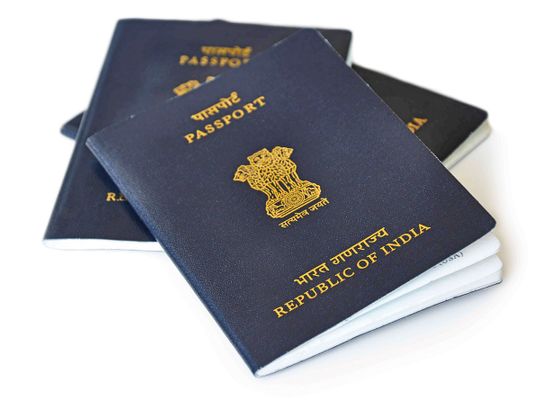
    Beginning July 1, passport, visa, and consular services for Indian nationals in the UAE will transition to a new service provider. Updated passport fees will also come into effect under revised regulations issued by the Government of India.

    5. Armenia Updates Entry Rules for UAE Residents

    Visa-free access for many UAE residents travelling to Armenia will change from July, with travellers encouraged to verify entry requirements before making travel plans.

    6. Dubai Summer Surprises Returns

    The annual Dubai Summer Surprises festival will begin in early July, bringing citywide retail promotions, entertainment events, family activities, and dining offers throughout the summer season.

    7. Flexible Summer Working Hours Continue

    Flexible summer working arrangements for many Dubai Government employees will remain in effect through July, supporting employee wellbeing during the hotter months while maintaining public services.

    8. Peak Summer Travel Season Begins

    Airports across the UAE are preparing for one of the busiest travel periods of the year as schools close and families begin their summer holidays. Airlines are advising passengers to arrive early due to expected increases in passenger traffic.

    9. Retail and Hospitality Promotions Expand

    Hotels, restaurants, and shopping malls are launching seasonal promotions throughout July, with retailers expecting increased consumer spending during the annual summer shopping campaign.

    10. Focus on Infrastructure and Public Services

    July also marks continued progress on several national infrastructure initiatives, including transportation and public service improvements designed to enhance mobility and support the UAE’s long-term economic development goals.

    Why It Matters

    The changes arriving this July reflect the UAE’s continued focus on improving transport, government services, tourism, and quality of life. While some updates affect specific groups such as travellers and students, others are expected to have a broader impact on businesses, commuters, and residents across the country.

    As the summer season begins, authorities are encouraging residents to stay informed about new regulations, travel requirements, and public service announcements.

  • Indian Passport, Visa and Attestation Services in UAE to Pause for Five Days as Al Hind Tours Takes Over

    Indian Passport, Visa and Attestation Services in UAE to Pause for Five Days as Al Hind Tours Takes Over

    The Embassy of India in Abu Dhabi has announced a five-day suspension of routine passport, visa and attestation services across the UAE as the country transitions to a new service provider. Starting June 26 and running through June 30, 2026, all regular appointments will be unavailable.

    Al Hind Tours and Travel LLC will take over the delivery of outsourced passport, visa and attestation services across the UAE from July 1, 2026.

    The pause affects the UAE’s 3.5 million-strong Indian expatriate community, one of the largest Indian diasporas in the world, and comes at a time when passport renewals, visa applications, and document attestation remain among the most time-sensitive administrative needs for residents across Dubai, Abu Dhabi, and the Northern Emirates.

    Key Dates Every Indian Expat Must Know

    The transition follows a clear and non-negotiable timeline.

    Existing service providers BLS International, which handles passport and visa services, and SGIVS Global, responsible for attestation services, will stop accepting new applications after the close of business on June 25.

    A total five-day suspension will take effect between June 26 and June 30, 2026. External application centres across the country will remain entirely closed to the public, and no routine appointments or document drop-offs will be processed.

    The entire infrastructure will reset on July 1, 2026, when Al Hind Tours and Travel LLC officially assumes responsibility, launching a unified network of service centres and a completely redesigned online booking portal.

    Anyone with an upcoming passport renewal, visa application, or attestation requirement should submit before June 25 or wait until July 1. There is no middle ground.

    Emergency Services Will Continue

    The suspension covers routine services only.

    The Embassy of India in Abu Dhabi and the Consulate General of India in Dubai will continue to provide emergency passport, visa and attestation services during the transition period.

    Applicants requiring urgent assistance can connect with the official teams through the toll-free helpline at 800 46342, via the official assistance WhatsApp channel at plus 971 54 309 0571, or by sending a direct query to [email protected].

    The Embassy has explicitly warned the community to rely only on official embassy channels and verified social media accounts for accurate information, and to ignore unauthorised third-party booking agents.

    What Changes With Al Hind Tours and Travel

    The transition is not simply a change of name on a service counter. It represents a significant expansion of physical infrastructure designed to reduce waiting times and travel distances for Indian residents across the country.

    The new network will include six centres in Abu Dhabi, located in Al Khalidiya, Al Reem Island, Musaffah, Madinat Zayed, Ghayathi and Al Ain. Dubai will have two centres in Bur Dubai and Dubai Investment Park, while Sharjah will be served by centres in Al Majaz and Rolla. The remaining centres will be located in Ajman at Al Jurf, Fujairah, Umm Al Quwain, Khor Fakkan Corniche, Kalba and Ras Al Khaimah.

    A new appointment portal for passport, visa and attestation services will be launched before the new provider begins operations.

    Indian nationals are urged to register through the official portal only once it goes live on July 1.

    What You Should Do Right Now

    If your passport is expiring within the next 60 days, submit your renewal application before close of business on June 25. Do not wait until July 1, as demand on the new system’s opening day is expected to be high.

    If your application is already in progress with BLS International or SGIVS Global, contact them directly before June 25 to confirm the status of your documents and whether collection is possible before the cutoff.

    For genuine emergencies between June 26 and June 30, use the toll-free helpline 800 46342 or WhatsApp the Embassy at plus 971 54 309 0571. Do not visit any external service centre during this window as they will be closed.

    Bookmark the official website of the Embassy of India in Abu Dhabi and the Consulate General of India in Dubai and verify all information exclusively through those channels.

    Related: Al Hind Tours takes over Indian passport services UAE from July 1 | BLS International UAE service closure date confirmed | UAE Indian expat community news June 2026 | How to renew Indian passport in UAE 2026 | Document attestation UAE guide

  • UAE Announces Shift to Distance Learning for All Schools from May 5 to May 8

    UAE Announces Shift to Distance Learning for All Schools from May 5 to May 8

    The UAE Ministry of Education (MoE), in coordination with the National Emergency Crisis and Disasters Management Authority (NCEMA), has officially announced a temporary shift to distance learning for all educational institutions across the United Arab Emirates.

    The transition is scheduled to take effect from Tuesday, May 5, 2026, until Friday, May 8, 2026. This proactive measure applies to all government and private schools, as well as higher education institutions nationwide.

    The decision comes as a precautionary step to ensure the safety of students and teaching staff following recent regional security developments and to maintain the continuity of the educational process without interruption. “The safety of our students is our top priority,” a Ministry spokesperson stated. “Our digital infrastructure is fully prepared to host a seamless virtual learning environment for these four days.”

    Parents and students are advised to follow the specific schedules and technical instructions provided by their respective schools. Normal in-person classes are expected to resume on Monday, May 11, following the weekend.

  • UAE Intercepts 19 Aerial Threats: 12 Ballistic Missiles and Drones Neutralized

    UAE Intercepts 19 Aerial Threats: 12 Ballistic Missiles and Drones Neutralized

    In a significant escalation of regional tensions, the United Arab Emirates Air Defense Force successfully engaged and neutralized a massive coordinated aerial assault targeting various strategic locations across the country on May 4, 2026.

    According to military spokespersons, the nation’s multi-layered defense shield, including the Terminal High Altitude Area Defense (THAAD) and Patriot systems, successfully intercepted 12 ballistic missiles, 3 cruise missiles, and 4 long-range drones. The operation began in the early morning hours, with residents in several emirates reporting loud booms as interceptors met the incoming threats mid-air.

    “Our defense systems operated with 100% efficiency today,” a senior military official stated. “The rapid detection and engagement of nineteen simultaneous threats demonstrate the high level of readiness and technological superiority of our armed forces.”

    Authorities have confirmed that there were no casualties or significant infrastructure damage reported. The UAE Ministry of Foreign Affairs issued a stern statement condemning the “cowardly attempt to undermine national security” and reiterated the country’s right to defend its sovereignty. International allies have already begun voicing support, praising the UAE’s sophisticated response to what appears to be one of the largest single-day aerial challenges in recent years.

  • Zayed International Airport Introduces Shopping Pass Allowing Non-Travellers to Access Duty-Free Retail

    Zayed International Airport Introduces Shopping Pass Allowing Non-Travellers to Access Duty-Free Retail

    Zayed International Airport Introduces Shopping Pass Allowing Non-Travellers to Access Duty-Free Retail

    In a move set to redefine the airport experience in the UAE, Zayed International Airport in Abu Dhabi has launched a new Shopping Pass that allows non-travellers to enter designated terminal areas and enjoy duty-free shopping, dining, and leisure offerings all without needing a boarding pass.

    The initiative positions the airport as more than just a transit hub, transforming it into a lifestyle and retail destination accessible to residents and visitors alike.

    Expanding Airport Access Beyond Travellers

    Traditionally restricted to ticketed passengers, airport retail zones have long been off-limits to the general public. The introduction of the Shopping Pass changes that dynamic, opening doors for families, tourists, and residents to explore premium retail outlets and dining spaces within the airport.

    Visitors can now browse luxury brands, electronics, perfumes, and travel-exclusive products typically reserved for international travellers. The concept mirrors similar programs introduced in select global hubs, but marks a significant first for Abu Dhabi’s flagship airport.

    Airport officials say the pass is part of a broader strategy to enhance customer experience and diversify non-aeronautical revenue streams.

    Seamless Entry with Security Measures

    While access is expanded, strict security protocols remain in place. Non-travellers must register for the Shopping Pass in advance, undergo identity verification, and pass through airport security checks similar to departing passengers.

    Authorities confirmed that access will be limited to specific zones and time windows to ensure operational efficiency and passenger safety are not compromised.

    A spokesperson for the airport noted:

    “The Shopping Pass is designed to balance accessibility with security. We are offering a unique experience while maintaining the highest aviation safety standards.”

    Boosting Retail and Tourism Appeal

    The initiative is expected to deliver a strong boost to airport retail performance, particularly for duty-free operators that rely heavily on international passenger traffic. By attracting local shoppers, the airport creates an additional revenue channel independent of flight volumes.

    Retail analysts see this as a strategic move aligned with Abu Dhabi’s ambition to strengthen its position as a global tourism and shopping destination. The airport’s modern infrastructure and curated retail mix make it well-suited for such experiential offerings.

    “This concept effectively turns idle airport capacity into an active commercial space,” said a regional aviation consultant. “It also strengthens brand engagement for retailers operating within the terminal.”

    Enhancing Customer Experience

    Beyond shopping, pass holders can access a range of food and beverage outlets, from quick-service cafés to upscale dining experiences. The airport environment, known for its architecture, ambiance, and international flair, offers a unique outing for residents seeking something beyond traditional malls.

    For aviation enthusiasts, the pass also provides an opportunity to experience the airport atmosphere, including views of aircraft operations and terminal activity, without booking a flight.

    Families and social groups are expected to be among the key beneficiaries, especially during weekends and holiday periods.

    A Growing Global Trend

    Zayed International Airport joins a growing number of global airports experimenting with public access programs aimed at maximizing infrastructure value. Airports in Asia and Europe have piloted similar concepts, often combining retail, entertainment, and cultural experiences within secure environments.

    In the Middle East, where airports are rapidly evolving into multi-functional hubs, this initiative reflects a broader shift toward experience-driven aviation ecosystems.

    Looking Ahead

    The Shopping Pass is expected to evolve based on user demand and operational feedback. Authorities may expand access areas, introduce exclusive promotions, or integrate the pass with loyalty programs and tourism packages in the future.

    As Abu Dhabi continues to invest in aviation innovation and customer-centric services, the initiative signals a new chapter in how airports engage with communities, turning gateways into destinations in their own right.

  • UAE FTA new tax penalties : FTA Implements Major Penalty Reductions to Boost Business Competitiveness

    UAE FTA new tax penalties : FTA Implements Major Penalty Reductions to Boost Business Competitiveness

    DUBAI – In a significant move to enhance the “Ease of Doing Business” in the Emirates, the UAE Federal Tax Authority (FTA) has officially implemented a sweeping reform of its administrative penalty framework. The new rules, which came into effect on April 14, 2026, drastically reduce fines for common tax violations and simplify how penalties are calculated.

    The reform, under Cabinet Decision No. 129 of 2025, marks a strategic shift from a rigid punishment model to one that prioritizes voluntary compliance and supports businesses in regularizing their tax positions.

    Key Penalty Slashes at a Glance

    The FTA has targeted several procedural violations where fines were previously seen as a heavy burden for SMEs and technical firms.

    Violation TypeOld PenaltyNew Penalty (Effective April 2026)
    Failure to submit records in ArabicAED 20,000AED 5,000
    Failure to update tax recordsAED 5,000 (1st) / 10k (Repeat)AED 1,000 (per case) / AED 5,000 (Repeat)
    Legal Rep. notification failureAED 10,000AED 1,000
    Incorrect Tax Return submissionVaries / Up to tax differenceAED 500 (1st) / AED 2,000 (Repeat)

    A New Approach to Late Payments

    Beyond flat fines, the FTA has overhauled the late payment penalty structure. The previous complex system—which included immediate 2% hits followed by compounding 4% monthly fees—has been replaced by a flat 14% annualized rate, calculated monthly on outstanding balances. This change provides businesses with a predictable, transparent cost for delays, allowing for better cash-flow planning.

    Incentivizing Honesty: The “Voluntary Disclosure” Window

    One of the most business-friendly aspects of the new rules is the recalibration of Voluntary Disclosures (VD).

    • Proactive Correction: Businesses that identify and correct errors before being notified of an audit will now only face a 1% monthly penalty on the tax difference.
    • Post-Audit Notification: Even if a VD is filed after an audit notice is received, the fixed penalty has been slashed from 50% down to 15%.

    “The new amendments come within the framework of the leadership’s directives to implement a tax system characterized by flexibility and responsiveness to change,” said Abdulaziz Mohammed Al Mulla, Director General of the FTA. “These measures are designed to support economic growth and ensure a legislative framework that keeps pace with evolving requirements.”

    What This Means for GCC Businesses

    For industrial and technical companies—particularly those managing complex logistics and multi-national technical parts—this update offers a critical window to review past filings. By significantly lowering the “cost of a mistake,” the FTA is encouraging firms to audit their own records and fix discrepancies without the fear of crippling financial setbacks.

    As the UAE continues to position itself as a global financial hub, these reforms signal a more collaborative relationship between the tax authority and the private sector, ensuring that compliance remains a tool for growth rather than a barrier to entry.


    For more updates on UAE business regulations and Gulf market insights, stay tuned to GulfInsight360.com.

  • UAE Updates Distance Learning Rules for Schools: New Guidelines Aim for Balanced Digital and On-Campus Education

    UAE Updates Distance Learning Rules for Schools: New Guidelines Aim for Balanced Digital and On-Campus Education

    The UAE’s education authorities have introduced updated distance learning rules for schools across the country, refining policies to promote a more balanced approach between online and on-campus education. The latest directives, announced this week, form part of the government’s continued effort to ensure academic continuity, inclusivity, and quality in the post-pandemic era.

    Set by education regulatory bodies including the Ministry of Education (MoE), the Knowledge and Human Development Authority (KHDA) in Dubai, and the Abu Dhabi Department of Education and Knowledge (ADEK), these rules apply to both private and public schools nationwide.

    Hybrid Education Gets Clearer Structure

    Under the new framework, UAE schools may offer distance or hybrid learning options under specific circumstances such as health emergencies, exceptional weather, or verified personal situations supported by medical or travel documentation.

    The key updates clarify that distance learning will remain a regulated option rather than an alternative to full-time physical attendance. Schools must file approval requests through their governing authority and submit learning continuity plans outlining academic schedules, teacher availability, and assessment formats.

    A KHDA representative in Dubai stated:

    “The aim is to protect learning flexibility while reinforcing that physical interaction in classrooms remains central to a child’s development. Digital tools are a support mechanism, not a substitute.”

    Attendance Monitoring and Performance Tracking

    The updated rules also require schools to implement real-time attendance monitoring systems for students participating online. Schools must record engagement levels and participation through platforms approved by regulators ensuring accountability equal to that of in-person classes.

    For assessment, both continuous evaluation and final grades may include performance from online sessions, provided that learning outcomes meet official national standards.

    ADEK emphasized that audit mechanisms and random inspections will continue across digital and physical classrooms to guarantee consistent educational quality across the emirates.

    Teacher Readiness and Technology Standards

    To support the rollout, the Ministry of Education has launched new training programs for teachers to improve digital instruction competencies, including virtual engagement, assessment integrity, and remote classroom management.

    Schools are also required to maintain certified e-learning platforms, reliable connectivity, and multimedia lesson formats that meet UAE School Digital Readiness Standards.

    “Teachers are the linchpin of successful distance learning,” said Dr. Huda Al-Sayegh, an education technology advisor. “These new rules recognize the need for professional development and uniform technology frameworks to maintain equity in access to digital education.”

    Parental Role and Student Support

    Parents continue to play a central role under the revised policy. Schools must provide them with clear weekly schedules, learning outcomes, and progress reports for students enrolled in remote or hybrid formats.

    Additionally, UAE authorities encouraged schools to include well-being programs for students studying remotely, ensuring emotional balance and social interaction through structured live sessions and extracurricular online clubs.

    KHDA underscored that the policy’s priority is student welfare and engagement maintaining human connection even when learning at a distance.

    Emergency Protocols and Learning Continuity

    In situations such as extreme weather events or health alerts, the updated rules give school principals more autonomy to activate temporary online learning with prior coordination with regulators.

    The system aims to avoid disruptions like those experienced during previous nationwide closures while maintaining a seamless academic schedule.

    Moreover, the regulations reinforce that each school must have a contingency continuity plan integrated into its annual curriculum strategy, ensuring readiness for rapid transitions between classroom and remote modes.

    Upholding Educational Excellence Amid Digital Transformation

    The UAE’s move reflects its broader strategy to lead in digital education transformation, while preserving the value of physical learning environments. Authorities have positioned the new rules as a model for adaptive, resilient schooling, aligning with Vision 2031 goals for innovation and skills-based education.

    Analysts see the update as part of a long-term national framework balancing technological advancement, inclusivity, and quality assurance. The guidelines also underscore how the UAE has transitioned from emergency-driven e-learning to a sustainable hybrid education ecosystem.

    Looking Ahead

    As schools implement the new rules across all emirates, education experts expect smoother coordination between regulatory bodies and academic institutions. Already, several schools have begun revising their operational policies and updating digital infrastructure in compliance with ministry directives.

    The shift reflects growing confidence in the UAE’s ability to maintain academic excellence under all circumstances ensuring learning never stops, regardless of physical classroom settings.


    Eid Al Adha and Arafah Day 2026 Set to Give UAE Residents the Longest Public Holiday of the Year, and Here Is How to Turn It Into Nine Days Off