Category: Lifestyle

Explore the vibrant world of lifestyle news and trends with GulfInsight360.com’s Lifestyle category. Discover a diverse range of topics including fashion, beauty, travel, health, home, and more. Stay informed about the latest lifestyle trends, expert tips, and insights to enhance your everyday life. From style inspiration to wellness advice, our comprehensive coverage brings you the latest updates and inspiration to live your best life. Dive into the Lifestyle category and discover a world of possibilities to enrich your lifestyle.

  • Lionel Messi Retires From Argentina: Why the Football Legend Finally Said “I Have Nothing Left to Give”

    Lionel Messi Retires From Argentina: Why the Football Legend Finally Said “I Have Nothing Left to Give”

    Lionel Messi has officially retired from international football, bringing one of the greatest chapters in Argentina’s football history to an emotional close after more than two decades with the national team.

    The 39-year-old captain announced his decision on Monday, saying that although the choice was painful, he believes the time has come to step away.

    Messi leaves Argentina as the country’s most-capped player and all-time leading scorer, with 207 appearances and 125 goals. He also departs after helping Argentina win the 2021 Copa América, the 2022 FIFA World Cup and the 2024 Copa América.

    Why Did Messi Retire?

    The most important reason is simple: Messi believes he has reached the end of what he can give Argentina.

    In his farewell message, Messi explained that time is running short and that some chapters of his career are coming to an end. He said he had given everything to the Argentina shirt and now believes younger players deserve an opportunity.

    His decision was therefore not presented as a reaction to one particular defeat. Instead, it appears to be the culmination of age, physical demands, emotional exhaustion and the natural transition toward a new generation of Argentine players.

    The 2026 World Cup Was the Final Chapter

    Messi’s final international tournament was the 2026 FIFA World Cup.

    Argentina reached the final but lost 1–0 to Spain after extra time, denying Messi the fairytale ending of lifting the World Cup for a second time.

    Despite the defeat, Messi produced a remarkable tournament at 39, scoring eight goals and helping Argentina reach another World Cup final.

    The defeat appears to have reinforced a decision Messi had already been considering.

    FIFA reported that Messi had written his retirement statement shortly after the World Cup final and later said that events following the tournament made him even more certain that it was time to leave the national team.

    The Death of His Father Also Influenced His Decision

    Another deeply personal factor was the death of Messi’s father, Jorge Messi, in August.

    According to FIFA and Sky Sports, the loss had a significant emotional impact on Messi and strengthened his conviction that it was time to step away from football at international level.

    Messi had already indicated that he was questioning how much longer he wanted to continue playing football. Following his father’s death, those doubts became more decisive.

    Messi’s Relationship With Argentina Was Never Simple

    Messi’s international career was not always the success story it is today.

    For years, he faced enormous pressure from Argentine supporters and constant comparisons with Diego Maradona.

    He lost the 2014 World Cup final to Germany and suffered defeats in the 2015 and 2016 Copa América finals. After the 2016 Copa América final against Chile, Messi briefly announced his international retirement before returning to the national team.

    The criticism was intense.

    But everything changed with the 2021 Copa América.

    That victory gave Messi his first major senior international trophy with Argentina. One year later came the moment that permanently changed his legacy: Argentina defeated France in the 2022 World Cup final in Qatar.

    He subsequently added another Copa América title in 2024.

    The player who once struggled to satisfy expectations in Argentina had finally become the undisputed leader of a golden generation.

    He Leaves After Winning Almost Everything

    Messi’s Argentina legacy now includes:

    2021: Copa América champion
    2022: FIFA World Cup champion
    2024: Copa América champion
    2026: World Cup finalist

    He also leaves as Argentina’s record goalscorer and record appearance holder.

    Messi made his senior Argentina debut in 2005 and represented the country for 21 years, appearing at six World Cups.

    This Is Not Necessarily Retirement From Football

    Importantly, Messi has not announced that he is retiring from professional club football.

    He remains under contract with Inter Miami, with his current deal running through the end of the 2028 MLS season.

    That means fans could still see Messi playing at club level even though his Argentina career is over.

    His international retirement is therefore the closing of one chapter, not necessarily the end of his playing career.

    A Painful Ending to a Legendary Story

    Messi wanted another World Cup.

    Instead, his final Argentina match ended in defeat.

    But the final result does little to diminish what he achieved.

    He transformed a career once defined by painful international defeats into one of the most successful national-team careers in modern football.

    From the disappointment of four major finals to the Copa América triumph, the World Cup victory and another Copa América title, Messi ultimately delivered the trophies Argentina had waited decades to see.

    Now, at 39, he believes there is nothing more he needs to prove.

    Gulf Insight 360 Analysis

    Messi’s retirement is about more than age or one lost World Cup final.

    It represents the natural conclusion of a 21-year international journey that included extraordinary highs, painful lows, relentless criticism and ultimately redemption.

    His own words provide the clearest explanation: he feels he has given everything he had to Argentina and believes it is now time for younger players to take their opportunity.

    The next generation will inherit the famous No. 10 shirt and an enormous responsibility.

    But they will also inherit an Argentina team whose modern identity was profoundly shaped by Lionel Messi.

    For Argentina, the Messi era is over.

    For football, his legacy remains.
  • GCC Nations Deport Over 21,000 Pakistani Nationals in Four-Month Crackdown: Here Is Why

    GCC Nations Deport Over 21,000 Pakistani Nationals in Four-Month Crackdown: Here Is Why

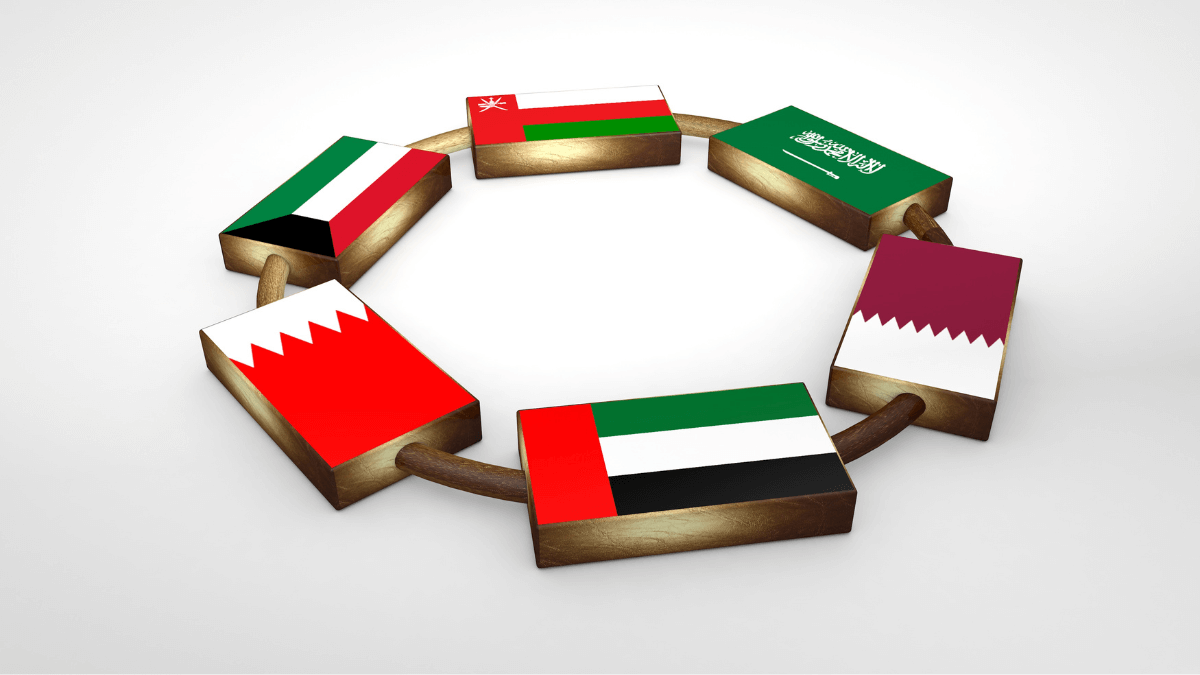
    In one of the most coordinated immigration and security enforcement drives in recent years, Gulf Cooperation Council (GCC) member states deported more than 21,900 Pakistani nationals between March 1 and July 13, 2026.

    The figures were officially disclosed during a National Assembly session in Islamabad following inquiries addressed to Pakistan’s Ministry of Interior and Ministry for Narcotics Control. The total reflects an intensified, multi-agency drive across all six GCC nations Saudi Arabia, the United Arab Emirates (UAE), Oman, Bahrain, Qatar, and Kuwait to enforce labor market compliance, eliminate unauthorized residency, and safeguard national security.

    WHY WERE OVER 21,000 DEPORTED? KEY GROUNDS AND CATEGORIES

    According to official parliamentary disclosures and regional security updates, the repatriation campaign was triggered by a combination of administrative infractions, legal violations, and national security directives:

    1. Absconders and Labor Contract Breaches

    The single largest specific group comprised workers classified as “absconders” individuals who abandoned their official sponsors (Kafala), left designated job placements, or engaged in freelance work without legal authorization. Saudi Arabia led this category with 3,921 cases, followed by the UAE with 636.

    2. Illegal Entry, Visa Overstays, and Expired Residency

    Thousands were apprehended during routine street inspections and workplace raids for overstaying visit, tourist, or pilgrimage visas, as well as holding expired Iqamas (residency permits). Saudi Arabia repatriated 1,924 individuals under this category, while Oman and the UAE deported 295 and 347, respectively.

    3. Jailed Convicts and Immigration Blacklists

    A total of 1,294 jailed convicts were repatriated following the completion or commuting of their prison sentences for various civil and criminal offenses. Additionally, 968 individuals were formally added to regional immigration blacklists and deported to prevent re-entry into the GCC.

    4. Security Regulations & Unauthorized Social Media Filming

    GCC authorities significantly increased scrutiny over public order and digital media usage. Multiple individuals were detained and deported for capturing, uploading, or sharing unauthorized video footage related to regional security incidents, military movements, or critical infrastructure without permission. In Bahrain alone, security agencies processed 521 deportations linked to security and public order infractions.

    5. Anti-Begging Campaigns

    Municipal authorities and police departments across Gulf cities executed strict seasonal crackdowns against organized begging rings. A total of 472 Pakistani nationals were arrested and deported for public begging, which GCC governments classify as a high-priority public nuisance and illegal enterprise.

    6. Documentation Discrepancies and Refused Entry

    1,155 deportation cases involved lost, damaged, or fraudulent travel documents, while 342 individuals were turned back immediately at regional ports of entry under refused-entry status due to unverified hotel bookings, insufficient funds, or mismatched visa categories.

    Regional Impact & Diplomatic Response

    The GCC region remains home to millions of Pakistani expatriates whose annual remittances constitute a major pillar of Pakistan’s foreign exchange reserves. However, Gulf interior ministries have emphasized that strict adherence to residency laws, labor policies, and public safety mandates remains non-negotiable for all resident foreign communities.

    Addressing the assembly in Islamabad, Minister for Parliamentary Affairs Dr. Tariq Fazal Chaudhry clarified that the reported 21,951 cases represent formal deportations processed through emergency travel documents issued by Pakistani diplomatic missions. Voluntary repatriations and standard departures on valid passports were not included in these figures.

    To curb further immigration violations, Pakistani authorities have initiated measures against rogue Overseas Employment Promoters (OEPs) and implemented stricter scrutiny for outbound travelers to the Gulf region.

  • Sibling Innovators Zahi and Ezzah Najmal Named Semifinalists in UAE’s Top Young Innovators 2025-26

    Sibling Innovators Zahi and Ezzah Najmal Named Semifinalists in UAE’s Top Young Innovators 2025-26

    UAE: Two young UAE based innovators, Zahi Najmal and Ezzah Najmal, have been named semifinalists in UAE’s Top Young Innovators 2025-26, a national platform that gives creators aged 10 to 22 the opportunity to showcase real world solutions on a global stage. Their project, Muttasil, was selected for its approach to modernizing how communities connect with mosques across the UAE.

    What Is Muttasil?

    Muttasil, Arabic for “Connected,” carries the tagline “Connected Mosques, Effortless Prayer.” The initiative addresses a problem familiar to worshippers, travelers, and new residents alike: mosque information such as exact locations, prayer timings, and facility details is often scattered, outdated, or simply unavailable online.

    Muttasil brings this information together in one place, an interactive directory that lets users explore nearby mosques, check verified details, and stay informed about facilities and community programs, all through a single platform.

    Solving a Real Community Gap

    According to Zahi Najmal and Ezzah Najmal, the lack of centralized, verified mosque information, covering everything from facilities like women’s prayer areas and parking to community programs and Friday sermon announcements, creates a disconnect between mosques and the people they serve. Muttasil positions itself as the bridge, aiming to keep mosques accessible, informative, and, in the duo’s words, “truly muttasil with its people.” The project is also framed around supporting the UAE’s broader digital transformation goals, including Ajman’s Smart City vision.

    About Zahi Najmal and Ezzah Najmal

    Zahi Najmal is based in the UAE. Zahi Najmal is a young innovator and student at Habitat School Al Jurf, Ajman, recognized for building platforms aimed at students and communities. He has represented the UAE at national and international innovation showcases and has taken on leadership roles across several youth led projects, reflecting a consistent focus on using his skills to serve the people around him.

    Ezzah Najmal is a Grade 12 student in the UAE who has taken on active roles in youth research and outreach. She currently serves as an NSRI Associate Officer, contributing to global outreach and research partnership efforts, and has built a track record across robotics and innovation competitions, bringing a research minded approach to projects like Muttasil.

    Together, the siblings conceived and developed Muttasil as a way to make mosque information more accessible and more useful for the communities that rely on it, reflecting a shared interest in applying innovative thinking to real world civic needs. Their recognition as semifinalists in UAE’s Top Young Innovators 2025-26 marks a shared milestone for both innovators.

    Recognition at Top Young Innovators UAE 2025-26

    Muttasil’s semifinalist placement puts it among a wide field of UAE based youth projects spanning sustainability, health, and community focused innovation, reflecting the growing number of young UAE innovators applying creative solutions to everyday civic problems. The announcement was shared publicly following the release of the official semifinalist list.

    Why It Matters

    UAE’s Top Young Innovators continues to serve as a platform for young people to bring forward ideas that address real community needs. Muttasil’s recognition highlights how youth led initiatives are increasingly focused on strengthening the connection between residents and essential community institutions like mosques, in line with the UAE’s wider push toward accessible, community oriented innovation.

    GulfInsight360.com will continue to follow the UAE’s Top Young Innovators 2025-26 challenge as it progresses toward the finals.

  • Ten Major Changes Coming to the UAE This July: What Residents Need to Know

    Ten Major Changes Coming to the UAE This July: What Residents Need to Know

    As July begins, residents across the United Arab Emirates can expect a series of changes affecting transport, travel, education, government services, and daily life.

    From the launch of new passenger rail services to changes in visa rules and seasonal working hours, here are 10 major developments set to take effect this July.

    1. Etihad Rail Passenger Services Move Closer to Launch

    The long-awaited passenger network of Etihad Rail is entering a new phase, with bookings and preparations progressing ahead of wider operations. The rail service is expected to improve connectivity between several emirates and reduce travel times across the country.

    2. Summer School Holidays Begin

    Schools across the UAE will close for the summer break in early July. The holiday period is expected to increase outbound travel and reduce traffic volumes during weekday morning peak hours.

    3. UAE Visa Grace Period Nears End

    The temporary visa grace period introduced to assist travellers affected by regional disruptions will expire in early July. Eligible residents and visitors are advised to complete their visa procedures before the deadline to avoid penalties.

    4. Indian Passport Service Changes Take Effect

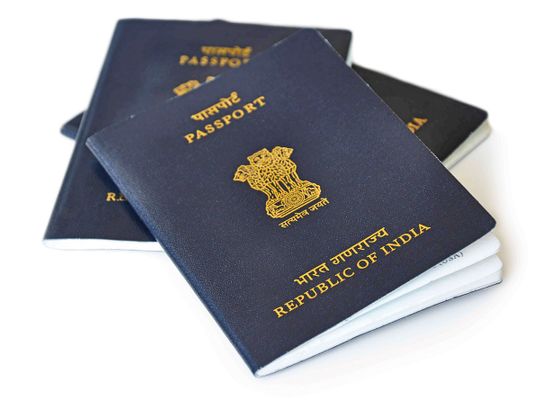
    Beginning July 1, passport, visa, and consular services for Indian nationals in the UAE will transition to a new service provider. Updated passport fees will also come into effect under revised regulations issued by the Government of India.

    5. Armenia Updates Entry Rules for UAE Residents

    Visa-free access for many UAE residents travelling to Armenia will change from July, with travellers encouraged to verify entry requirements before making travel plans.

    6. Dubai Summer Surprises Returns

    The annual Dubai Summer Surprises festival will begin in early July, bringing citywide retail promotions, entertainment events, family activities, and dining offers throughout the summer season.

    7. Flexible Summer Working Hours Continue

    Flexible summer working arrangements for many Dubai Government employees will remain in effect through July, supporting employee wellbeing during the hotter months while maintaining public services.

    8. Peak Summer Travel Season Begins

    Airports across the UAE are preparing for one of the busiest travel periods of the year as schools close and families begin their summer holidays. Airlines are advising passengers to arrive early due to expected increases in passenger traffic.

    9. Retail and Hospitality Promotions Expand

    Hotels, restaurants, and shopping malls are launching seasonal promotions throughout July, with retailers expecting increased consumer spending during the annual summer shopping campaign.

    10. Focus on Infrastructure and Public Services

    July also marks continued progress on several national infrastructure initiatives, including transportation and public service improvements designed to enhance mobility and support the UAE’s long-term economic development goals.

    Why It Matters

    The changes arriving this July reflect the UAE’s continued focus on improving transport, government services, tourism, and quality of life. While some updates affect specific groups such as travellers and students, others are expected to have a broader impact on businesses, commuters, and residents across the country.

    As the summer season begins, authorities are encouraging residents to stay informed about new regulations, travel requirements, and public service announcements.

  • Indian Passport, Visa and Attestation Services in UAE to Pause for Five Days as Al Hind Tours Takes Over

    Indian Passport, Visa and Attestation Services in UAE to Pause for Five Days as Al Hind Tours Takes Over

    The Embassy of India in Abu Dhabi has announced a five-day suspension of routine passport, visa and attestation services across the UAE as the country transitions to a new service provider. Starting June 26 and running through June 30, 2026, all regular appointments will be unavailable.

    Al Hind Tours and Travel LLC will take over the delivery of outsourced passport, visa and attestation services across the UAE from July 1, 2026.

    The pause affects the UAE’s 3.5 million-strong Indian expatriate community, one of the largest Indian diasporas in the world, and comes at a time when passport renewals, visa applications, and document attestation remain among the most time-sensitive administrative needs for residents across Dubai, Abu Dhabi, and the Northern Emirates.

    Key Dates Every Indian Expat Must Know

    The transition follows a clear and non-negotiable timeline.

    Existing service providers BLS International, which handles passport and visa services, and SGIVS Global, responsible for attestation services, will stop accepting new applications after the close of business on June 25.

    A total five-day suspension will take effect between June 26 and June 30, 2026. External application centres across the country will remain entirely closed to the public, and no routine appointments or document drop-offs will be processed.

    The entire infrastructure will reset on July 1, 2026, when Al Hind Tours and Travel LLC officially assumes responsibility, launching a unified network of service centres and a completely redesigned online booking portal.

    Anyone with an upcoming passport renewal, visa application, or attestation requirement should submit before June 25 or wait until July 1. There is no middle ground.

    Emergency Services Will Continue

    The suspension covers routine services only.

    The Embassy of India in Abu Dhabi and the Consulate General of India in Dubai will continue to provide emergency passport, visa and attestation services during the transition period.

    Applicants requiring urgent assistance can connect with the official teams through the toll-free helpline at 800 46342, via the official assistance WhatsApp channel at plus 971 54 309 0571, or by sending a direct query to [email protected].

    The Embassy has explicitly warned the community to rely only on official embassy channels and verified social media accounts for accurate information, and to ignore unauthorised third-party booking agents.

    What Changes With Al Hind Tours and Travel

    The transition is not simply a change of name on a service counter. It represents a significant expansion of physical infrastructure designed to reduce waiting times and travel distances for Indian residents across the country.

    The new network will include six centres in Abu Dhabi, located in Al Khalidiya, Al Reem Island, Musaffah, Madinat Zayed, Ghayathi and Al Ain. Dubai will have two centres in Bur Dubai and Dubai Investment Park, while Sharjah will be served by centres in Al Majaz and Rolla. The remaining centres will be located in Ajman at Al Jurf, Fujairah, Umm Al Quwain, Khor Fakkan Corniche, Kalba and Ras Al Khaimah.

    A new appointment portal for passport, visa and attestation services will be launched before the new provider begins operations.

    Indian nationals are urged to register through the official portal only once it goes live on July 1.

    What You Should Do Right Now

    If your passport is expiring within the next 60 days, submit your renewal application before close of business on June 25. Do not wait until July 1, as demand on the new system’s opening day is expected to be high.

    If your application is already in progress with BLS International or SGIVS Global, contact them directly before June 25 to confirm the status of your documents and whether collection is possible before the cutoff.

    For genuine emergencies between June 26 and June 30, use the toll-free helpline 800 46342 or WhatsApp the Embassy at plus 971 54 309 0571. Do not visit any external service centre during this window as they will be closed.

    Bookmark the official website of the Embassy of India in Abu Dhabi and the Consulate General of India in Dubai and verify all information exclusively through those channels.

    Related: Al Hind Tours takes over Indian passport services UAE from July 1 | BLS International UAE service closure date confirmed | UAE Indian expat community news June 2026 | How to renew Indian passport in UAE 2026 | Document attestation UAE guide

  • UAE Announces Shift to Distance Learning for All Schools from May 5 to May 8

    UAE Announces Shift to Distance Learning for All Schools from May 5 to May 8

    The UAE Ministry of Education (MoE), in coordination with the National Emergency Crisis and Disasters Management Authority (NCEMA), has officially announced a temporary shift to distance learning for all educational institutions across the United Arab Emirates.

    The transition is scheduled to take effect from Tuesday, May 5, 2026, until Friday, May 8, 2026. This proactive measure applies to all government and private schools, as well as higher education institutions nationwide.

    The decision comes as a precautionary step to ensure the safety of students and teaching staff following recent regional security developments and to maintain the continuity of the educational process without interruption. “The safety of our students is our top priority,” a Ministry spokesperson stated. “Our digital infrastructure is fully prepared to host a seamless virtual learning environment for these four days.”

    Parents and students are advised to follow the specific schedules and technical instructions provided by their respective schools. Normal in-person classes are expected to resume on Monday, May 11, following the weekend.

  • UAE Intercepts 19 Aerial Threats: 12 Ballistic Missiles and Drones Neutralized

    UAE Intercepts 19 Aerial Threats: 12 Ballistic Missiles and Drones Neutralized

    In a significant escalation of regional tensions, the United Arab Emirates Air Defense Force successfully engaged and neutralized a massive coordinated aerial assault targeting various strategic locations across the country on May 4, 2026.

    According to military spokespersons, the nation’s multi-layered defense shield, including the Terminal High Altitude Area Defense (THAAD) and Patriot systems, successfully intercepted 12 ballistic missiles, 3 cruise missiles, and 4 long-range drones. The operation began in the early morning hours, with residents in several emirates reporting loud booms as interceptors met the incoming threats mid-air.

    “Our defense systems operated with 100% efficiency today,” a senior military official stated. “The rapid detection and engagement of nineteen simultaneous threats demonstrate the high level of readiness and technological superiority of our armed forces.”

    Authorities have confirmed that there were no casualties or significant infrastructure damage reported. The UAE Ministry of Foreign Affairs issued a stern statement condemning the “cowardly attempt to undermine national security” and reiterated the country’s right to defend its sovereignty. International allies have already begun voicing support, praising the UAE’s sophisticated response to what appears to be one of the largest single-day aerial challenges in recent years.

  • Iran War Day 42: High Stakes Talks Begin in Islamabad as Hormuz Crisis and Ceasefire Deadline Loom

    Iran War Day 42: High Stakes Talks Begin in Islamabad as Hormuz Crisis and Ceasefire Deadline Loom

    The Iran War entered Day 42 with high level diplomatic talks underway in Islamabad, as global attention shifts toward whether negotiations can prevent further escalation across the region.

    With tensions spanning nuclear demands, the Strait of Hormuz, and the situation in Lebanon, the coming days are being viewed as critical in determining the next phase of the conflict.

    Here are the 10 key developments shaping Day 42 of the Iran War.

    Delegations Arrive in Islamabad for High Level Talks

    Senior representatives from both sides have arrived in Pakistan, with the United States delegation led by JD Vance and Iran sending a large team of officials, negotiators, and security personnel.

    Pakistan, which is hosting the talks, has signaled that expectations remain limited, with the immediate goal focused on identifying enough common ground to continue dialogue rather than securing a full agreement.

    Iran Signals Willingness to Talk but Deep Distrust Remains

    Iranian Parliament Speaker Mohammad Bagher Ghalibaf said upon arrival that Tehran enters the talks with “goodwill” but without trust, citing past negotiations with the United States that it claims ended in broken commitments.

    The remarks highlight the deep divide that continues to define the Iran War diplomacy.

    Preconditions Set Before Negotiations Begin

    Iran has outlined key preconditions ahead of any formal talks, including a ceasefire in Lebanon and the release of frozen Iranian financial assets abroad.

    So far, the United States has not agreed to these demands, raising uncertainty over whether substantive negotiations have fully begun.

    Trump Emphasizes Nuclear Focus of the Iran War Talks

    U.S. President Donald Trump made clear that preventing Iran from acquiring nuclear weapons remains the central objective of the talks.

    He also warned that the Strait of Hormuz would be reopened with or without Iran’s cooperation, adding that Washington is prepared to escalate if negotiations fail.

    Talks May Include Rare Direct US Iran Engagement

    Officials indicate that discussions may begin indirectly through Pakistani mediation before moving to direct face to face talks later.

    If confirmed, this would mark one of the most significant direct engagements between U.S. and Iranian officials since 1979, a notable shift in the diplomatic trajectory of the Iran War.

    Lebanon Tensions Threaten to Derail Negotiations

    The situation in Lebanon remains one of the most volatile elements in the conflict.

    Recent Israeli strikes targeting Hezbollah positions have led to significant casualties, prompting strong warnings from Iranian officials that continued escalation could halt negotiations entirely.

    Israeli officials, however, have indicated that any discussions would focus on disarmament rather than a ceasefire.

    Pope Leo XIV Calls for End to Conflict

    From Rome, Pope Leo XIV condemned the war, stating that violence cannot be justified and calling for restraint.

    The remarks add to growing international pressure for de escalation.

    Strait of Hormuz Remains Restricted

    The Strait of Hormuz continues to face severe disruption, with around 230 oil tankers reportedly unable to exit the Gulf.

    Sultan Ahmed Al Jaber confirmed that access remains restricted and tightly controlled, highlighting the ongoing economic impact of the Iran War on global energy markets.

    US Negotiation Team Composition Raises Concerns in Tehran

    The presence of Steve Witkoff and Jared Kushner in the U.S. delegation has reportedly raised concerns in Tehran.

    Iran has previously expressed reluctance to engage with both figures following earlier failed negotiations, preferring to work through alternative channels.

    Ceasefire Deadline Approaches

    A temporary ceasefire linked to ongoing negotiations is set to expire on April 22, leaving less than two weeks to resolve key disputes.

    Major gaps remain between U.S. and Iranian proposals, particularly on nuclear issues, regional security, and maritime access through the Strait of Hormuz.

    Gulf Insight 360 Analysis

    As the Iran War enters its sixth week, diplomacy is now racing against time.

    With unresolved tensions over nuclear policy, regional conflicts, and energy security, the outcome of the Islamabad talks could determine whether the crisis stabilizes or escalates further.

    The next 10 to 11 days may prove decisive not only for the region but for global markets and geopolitical stability.


    UAE Updates Distance Learning Rules for Schools: New Guidelines Aim for Balanced Digital and On-Campus Education

  • UAE Updates Distance Learning Rules for Schools: New Guidelines Aim for Balanced Digital and On-Campus Education

    UAE Updates Distance Learning Rules for Schools: New Guidelines Aim for Balanced Digital and On-Campus Education

    The UAE’s education authorities have introduced updated distance learning rules for schools across the country, refining policies to promote a more balanced approach between online and on-campus education. The latest directives, announced this week, form part of the government’s continued effort to ensure academic continuity, inclusivity, and quality in the post-pandemic era.

    Set by education regulatory bodies including the Ministry of Education (MoE), the Knowledge and Human Development Authority (KHDA) in Dubai, and the Abu Dhabi Department of Education and Knowledge (ADEK), these rules apply to both private and public schools nationwide.

    Hybrid Education Gets Clearer Structure

    Under the new framework, UAE schools may offer distance or hybrid learning options under specific circumstances such as health emergencies, exceptional weather, or verified personal situations supported by medical or travel documentation.

    The key updates clarify that distance learning will remain a regulated option rather than an alternative to full-time physical attendance. Schools must file approval requests through their governing authority and submit learning continuity plans outlining academic schedules, teacher availability, and assessment formats.

    A KHDA representative in Dubai stated:

    “The aim is to protect learning flexibility while reinforcing that physical interaction in classrooms remains central to a child’s development. Digital tools are a support mechanism, not a substitute.”

    Attendance Monitoring and Performance Tracking

    The updated rules also require schools to implement real-time attendance monitoring systems for students participating online. Schools must record engagement levels and participation through platforms approved by regulators ensuring accountability equal to that of in-person classes.

    For assessment, both continuous evaluation and final grades may include performance from online sessions, provided that learning outcomes meet official national standards.

    ADEK emphasized that audit mechanisms and random inspections will continue across digital and physical classrooms to guarantee consistent educational quality across the emirates.

    Teacher Readiness and Technology Standards

    To support the rollout, the Ministry of Education has launched new training programs for teachers to improve digital instruction competencies, including virtual engagement, assessment integrity, and remote classroom management.

    Schools are also required to maintain certified e-learning platforms, reliable connectivity, and multimedia lesson formats that meet UAE School Digital Readiness Standards.

    “Teachers are the linchpin of successful distance learning,” said Dr. Huda Al-Sayegh, an education technology advisor. “These new rules recognize the need for professional development and uniform technology frameworks to maintain equity in access to digital education.”

    Parental Role and Student Support

    Parents continue to play a central role under the revised policy. Schools must provide them with clear weekly schedules, learning outcomes, and progress reports for students enrolled in remote or hybrid formats.

    Additionally, UAE authorities encouraged schools to include well-being programs for students studying remotely, ensuring emotional balance and social interaction through structured live sessions and extracurricular online clubs.

    KHDA underscored that the policy’s priority is student welfare and engagement maintaining human connection even when learning at a distance.

    Emergency Protocols and Learning Continuity

    In situations such as extreme weather events or health alerts, the updated rules give school principals more autonomy to activate temporary online learning with prior coordination with regulators.

    The system aims to avoid disruptions like those experienced during previous nationwide closures while maintaining a seamless academic schedule.

    Moreover, the regulations reinforce that each school must have a contingency continuity plan integrated into its annual curriculum strategy, ensuring readiness for rapid transitions between classroom and remote modes.

    Upholding Educational Excellence Amid Digital Transformation

    The UAE’s move reflects its broader strategy to lead in digital education transformation, while preserving the value of physical learning environments. Authorities have positioned the new rules as a model for adaptive, resilient schooling, aligning with Vision 2031 goals for innovation and skills-based education.

    Analysts see the update as part of a long-term national framework balancing technological advancement, inclusivity, and quality assurance. The guidelines also underscore how the UAE has transitioned from emergency-driven e-learning to a sustainable hybrid education ecosystem.

    Looking Ahead

    As schools implement the new rules across all emirates, education experts expect smoother coordination between regulatory bodies and academic institutions. Already, several schools have begun revising their operational policies and updating digital infrastructure in compliance with ministry directives.

    The shift reflects growing confidence in the UAE’s ability to maintain academic excellence under all circumstances ensuring learning never stops, regardless of physical classroom settings.


    Eid Al Adha and Arafah Day 2026 Set to Give UAE Residents the Longest Public Holiday of the Year, and Here Is How to Turn It Into Nine Days Off

  • UAE Universities Ease Admissions and Extend Support After Board Exam Cancellations

    UAE Universities Ease Admissions and Extend Support After Board Exam Cancellations

    UAE Universities Ease Admissions and Extend Support After Board Exam Cancellations

    In a decisive and empathetic response to recent disruptions in international school board examinations, universities across the UAE have announced flexible admission measures and academic support programs for affected students. The move follows the cancellation of upcoming CBSE, ISC, IGCSE, A Level, and IB exams, leaving thousands of high-school pupils uneasy about college placement and academic futures.

    Universities Offer Reassurance Amid Student Uncertainty

    Major institutions, including the University of Sharjah, American University in Dubai (AUD), and Heriot-Watt University Dubai, have confirmed updated admission guidelines designed to ensure fairness and continuity for students impacted by school board assessment cancellations.

    Admissions teams are now accepting teacher-assessed grades, past academic performance, and predicted results in place of traditional board exam results. The universities have also pledged special counseling sessions to help students confidently navigate revised criteria.

    “Our priority is to protect educational progression,” said an admissions officer from a leading UAE university. “Students should not be penalized for factors beyond their control. We’re building flexibility into our process to keep their academic pathways intact.”

    Alternative Assessment and Conditional Offers

    Under the new system, applicants will be eligible for conditional admissions that confirm placements while awaiting verified scores. Institutions are coordinating closely with international boards to validate records once official results or grade equivalences are released.

    Additionally, several campuses have extended application deadlines, enabling families to adjust documentation and transition smoothly. This approach mirrors international practices adopted by universities in the UK, Australia, and Canada reflecting the UAE’s commitment to global education standards.

    Student Support and Academic Counseling

    Beyond admission flexibility, universities are ramping up academic and psychological support for students affected by exam cancellations. Dedicated help desks have been set up to assist with course selection, credit transfers, and mental well-being.

    Some are introducing bridging programs and foundation courses that prepare students entering university without complete board results. These initiatives ensure continuous learning and help maintain the academic momentum disrupted by exam uncertainties.

    “Education is about supporting learners through challenges,” said Dr. Noura Al-Mansouri, an education policy analyst. “UAE universities are setting a model of compassion and adaptability that mirrors the country’s broader educational vision.”

    Broader Impact on UAE’s Education Landscape

    The board exam cancellations have triggered extensive reevaluation of admission frameworks across international schools and higher education providers in the Emirates. Experts note that data-based performance assessments and continuous evaluation may become permanent features in university placements moving forward.

    The Ministry of Education and Knowledge and Human Development Authority (KHDA) have also been in contact with institutions to ensure policy alignment. Together, they aim to maintain consistency so that local and expatriate students face no disadvantage in access to higher education.

    Upholding Academic Integrity and Equity

    While universities are easing admission requirements, officials underline that academic integrity remains a cornerstone. Each new applicant’s credentials will still undergo validation using teacher certification, transcript reviews, and exam board communications.

    “We understand the exceptional circumstances,” said a representative from Heriot-Watt University Dubai, “but we also maintain robust screening so every student begins their degree journey prepared and ready.”

    Looking Ahead: 2026 Admissions and Smart Evaluation

    Education stakeholders anticipate that the 2026 admission cycle could serve as a testing ground for future hybrid evaluation models, combining standardized examination data and continuous assessment metrics.

    This shift aligns with the UAE’s broader push toward digital transformation and adaptive education — ensuring continuity even under external disruptions. Universities are incorporating data analytics and predictive modeling to support fair student placement, marking a modern evolution in admission systems.

    Community Response and Student Relief

    Parents and students across the Emirates have welcomed the decisions, praising universities for balanced and humane approaches. Social media channels are buzzing with gratitude and relief, with many describing the move as “a lifeline for education continuity.”

    The collaborative response highlights the UAE’s long-standing reputation as a regional leader in educational resilience, guaranteeing that students can pursue academic goals without uncertainty clouding their future.


    Cristiano Ronaldo Returns to Boost Al Nassr’s Title Charge as Edu Mendy Stands Tall for Al Ahli