Category: UAE

Stay informed about the latest news and happenings in the United Arab Emirates (UAE) with GulfInsight360.com’s UAE category. Explore a wide range of topics, including politics, economy, culture, tourism, and more, providing comprehensive coverage of the UAE’s dynamic landscape. Our dedicated team of writers delivers timely updates, insightful analysis, and in-depth features to keep you well-informed about the UAE’s developments, achievements, challenges, and opportunities.

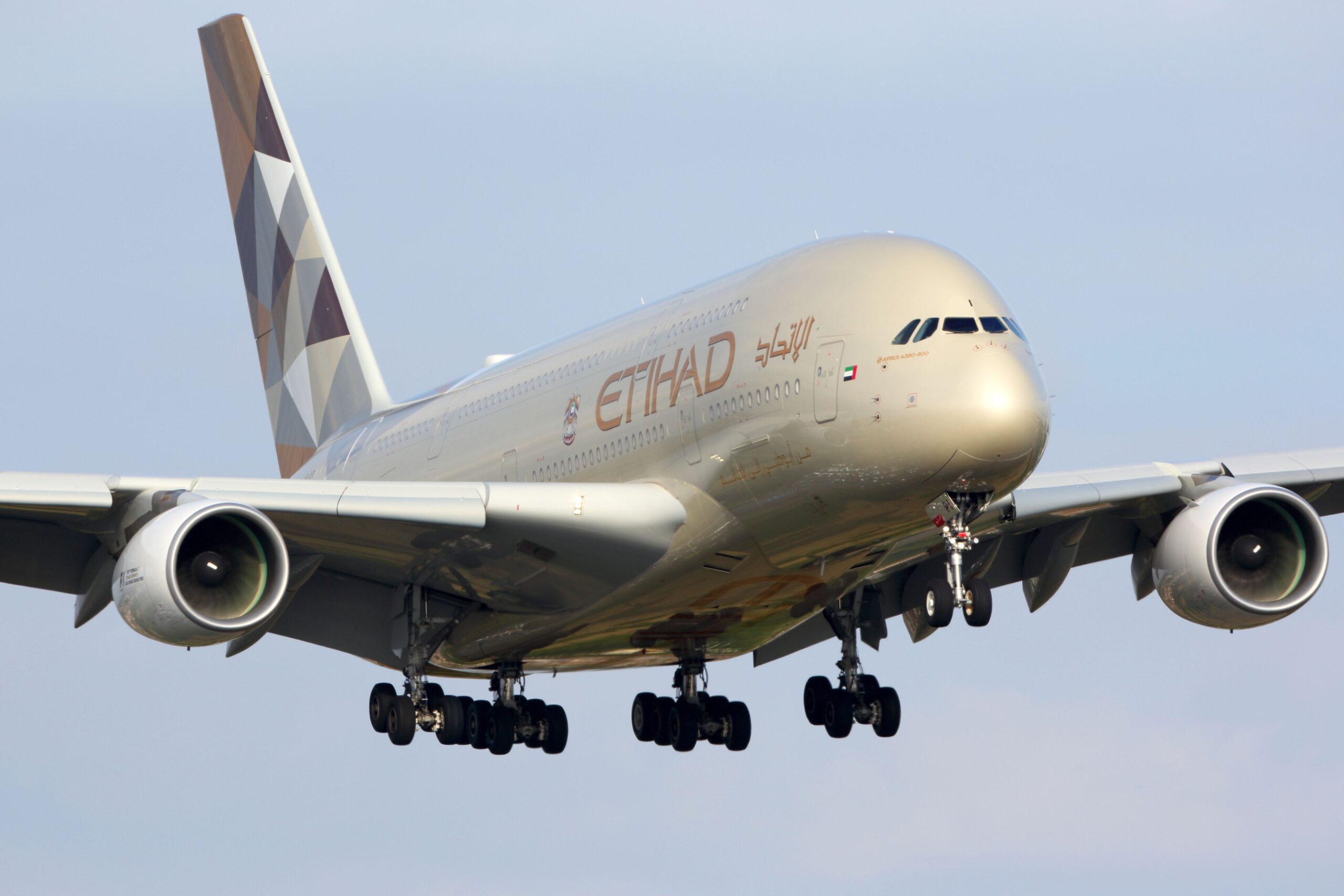
  • Etihad Airbus A380 Returns to Abu Dhabi: Service Resumption Amidst Rising Demand

    Etihad Airbus A380 Returns to Abu Dhabi: Service Resumption Amidst Rising Demand

    Etihad Airbus: A380 Returns to Abu Dhabi, Meeting High Demand for Air Travel. Third Reactivated A380 Safely Arrives; London Heathrow Route to Benefit. Fourth A380 to Follow, Ensuring Ample Capacity and Passenger Comfort

    Introduction

    Etihad Airways, the renowned Middle Eastern carrier, is making strategic moves to meet the surge in travel demand. With increased interest from travelers, the airline has welcomed back another Airbus A380 to its fleet after undergoing maintenance. As part of the carrier’s plan to reintroduce the A380s, the third aircraft of the four set for reactivation has safely returned to its hub in Abu Dhabi. In this article, we explore the details of the A380’s journey back to service and the upcoming plans to operate on the popular route to London Heathrow.

    Rejoining the Fleet: Etihad Airbus A380 Returns to Service

    Etihad Airways is taking significant strides to cater to the increasing demand for air travel. As part of its efforts, the airline has successfully brought back another Airbus A380 to its fleet. The third aircraft, A6-API, recently arrived at its hub in Abu Dhabi, marking a crucial step in the service resumption plan.

    The Journey Back: Reactivated A380’s Safe Arrival

    The reactivated Airbus A380, A6-API, embarked on a remarkable journey from Xiamen Gaoqi International Airport in China to Abu Dhabi. Spanning multiple countries, the superjumbo landed safely at Abu Dhabi International Airport after an eight-hour and fourteen-minute flight.

    A380’s Remarkable Features: The Residence Suite and More

    Etihad’s Airbus A380s boast impressive features that set them apart. The Residence suite, exclusive to Etihad’s A380s, offers a luxurious experience for up to two guests with a private bedroom, en-suite bathroom with a shower, and a separate living area. The aircraft, configured to accommodate 498 passengers, also features first-class, business-class, and economy-class seats.

    Steady Resumption: Fourth A380 to Follow Soon

    With the third A380’s successful reactivation, the fourth and final aircraft, A6-APJ, is now undergoing maintenance. Once completed, it will join the other A380s to bolster capacity and meet the surging demand for air travel.

    Conclusion

    As the demand for air travel rises, Etihad Airways is proactively reintroducing Airbus A380s to its fleet. The recent arrival of the third A380 in Abu Dhabi signifies the steady resumption of services. Passengers can soon look forward to the A380 operating on the Abu Dhabi-London Heathrow route, offering an exceptional travel experience onboard. With the fourth A380’s reactivation anticipated to follow soon, Etihad Airways aims to provide ample capacity and unmatched comfort to cater to the growing travel needs of its customers.


  • Increase in Dubai’s Real Estate Transactions: A 37% Rise in Q2, According to Report

    Increase in Dubai’s Real Estate Transactions: A 37% Rise in Q2, According to Report

    Dubai’s real estate transactions in the sector have witnessed remarkable growth in the second quarter of 2023, with transactions surging by 37 percent compared to the same period last year, according to recent data published by Better Homes and recorded by the Dubai Land Department. The total value of properties sold during this period reached a staggering 69.8 billion dirhams ($19 billion), with a total of 27,215 transactions taking place.

    The data also revealed that apartment transactions experienced the most significant growth, jumping by 57 percent in comparison to the second quarter of the previous year. On the other hand, villa and townhouse transactions observed a slight decline of 9 percent. This decrease can be attributed to a drop in off-plan villa transactions. Consequently, the total value of townhouse and villa properties sold fell by 10 percent quarter on quarter. In contrast, apartments witnessed a 5 percent increase in the same period.

    Among the different areas in Dubai, Dubai Production City demonstrated the highest growth in apartment prices, witnessing a 23 percent increase quarter on quarter. Following closely behind were Living Legends and Al-Habtoor City, which experienced growth rates of 21 and 13 percent respectively. On the other hand, Jumeirah Islands recorded the fastest growth in villa prices, with an impressive 13 percent increase quarter on quarter and a remarkable 32 percent increase year on year.

    The report highlighted the robust demand for real estate, with Better Homes witnessing an 82 percent surge in buyer leads year on year. Notably, the proportion of end-users purchasing real estate rose to 40 percent. Rising rents have played a significant role in driving renters toward the sales market.

    The data also shed light on the substantial number of new real estate projects announced in Dubai, with more than 34,000 units launched thus far in 2023.

    In the luxury properties segment, transactions increased by 3 percent on a quarterly basis and an impressive 50 percent year on year.

    However, the rental market in Dubai has faced challenges. The report noted that due to the significant increase in rental prices over the last 18 months, many tenants have chosen to renew their contracts instead of seeking new accommodations. Consequently, leasing transactions at Better Homes decreased by 29 percent compared to the second quarter of 2022.

    Furthermore, the secondary market has experienced constraints in terms of supply, with Better Homes observing a 4 percent decline in new listings compared to the same period last year.

    In conclusion, Dubai’s real estate sector continues to demonstrate commendable growth, with significant increases in transactions and property values. The apartment segment has particularly stood out, while the villa and townhouse markets have experienced some challenges. The report’s findings emphasize the robust demand for real estate and the impact of rising rents on the market. Despite these challenges, the city has seen a consistent influx of new real estate projects, showcasing Dubai’s resilience and attractiveness as a destination for property investment.

  • Understanding UAE Corporate Tax: A Guide to the Recent Implementation

    Understanding UAE Corporate Tax: A Guide to the Recent Implementation

    Details at a Glance

    Introduction:

    The implementation of corporate tax in the United Arab Emirates (UAE) marks a significant milestone in the country’s tax landscape. As per the UAE Federal Decree-Law No. 47 of 2022, businesses are now subject to UAE Corporate Tax starting from their first financial year commencing on or after June 1, 2023. This guide provides key insights into the scope, objectives, exemptions, and rates of UAE corporate tax, empowering businesses with the necessary knowledge to navigate this new tax regime.

    Understanding Corporate Tax (CT):

    Corporate tax is a direct tax levied on the net income or profit generated by corporations and other entities from their business activities. The introduction of corporate tax in the UAE aligns with the country’s strategic objectives, aiming to solidify its position as a global business and investment hub, expedite its development, and adhere to international tax transparency standards.

    Scope of UAE Corporate Tax:

    UAE Corporate Tax applies to all businesses and individuals conducting commercial activities under a valid commercial license within the UAE. Free zone businesses, while subject to certain CT incentives based on compliance and non-engagement in mainland activities, are also within the scope of the UAE corporate tax regime. Foreign entities and individuals fall under the purview of corporate tax only if they conduct ongoing or regular trade or business activities in the UAE. Furthermore, specific sectors such as banking operations and businesses engaged in real estate management, construction, development, agency, and brokerage activities are also subject to corporate tax.

    Exemptions from Corporate Tax:

    Certain exemptions exist within the UAE corporate tax framework. Businesses engaged in the extraction of natural resources remain subject to the current Emirate-level corporate taxation and are exempt from CT. Dividends and capital gains earned by a UAE business from qualifying shareholdings are also exempt from corporate tax. Qualifying intra-group transactions and reorganizations meeting necessary conditions are not subject to CT. Additionally, corporate tax does not apply to individual earnings from salary and employment income, interest income from bank deposits or saving schemes, foreign investors’ income from dividends, capital gains, interest, royalties, and other investment returns, personal real estate investments, and personal ownership of shares or securities.

    Corporate Tax Rate:

    According to the Ministry of Finance, the corporate tax rates in the UAE are structured as follows: taxable income up to AED 375,000 is subject to a 0% tax rate, taxable income above AED 375,000 is subject to a 9% tax rate, and large multinationals meeting specific criteria under ‘Pillar two’ of the OECD Base Erosion and Profit Shifting Project will be subject to a different tax rate (yet to be specified). The Federal Tax Authority (FTA) is responsible for administering, collecting, and enforcing corporate tax in the UAE, and businesses can expect further guidance on registration and filing procedures on the FTA’s website.

    Conclusion:

    The implementation of corporate tax in the UAE signifies the country’s commitment to international tax standards and its efforts to enhance economic development and sustainability. Businesses operating in the UAE must stay informed about the scope, exemptions, and rates of corporate tax to ensure compliance and proper tax planning. Consulting qualified tax advisors or accounting professionals is recommended to navigate the new tax regime effectively. By understanding the implications of corporate tax, businesses can adapt their strategies and contribute to the growth and prosperity of the UAE.

  • Chilling Profits: Air Conditioning Companies Thrive Amid Soaring Gulf Temperatures

    Chilling Profits: Air Conditioning Companies Thrive Amid Soaring Gulf Temperatures

    Introduction:

    As temperatures soar in the Gulf region, air conditioning companies are experiencing a surge in demand for their services. With scorching heat becoming a norm, the need for effective cooling solutions has become more crucial than ever. In this article, we explore how air conditioning companies are thriving amidst soaring Gulf temperatures, ensuring people can stay cool and comfortable during the sweltering summer months. Additionally, we delve into the climate conditions in the Gulf countries, particularly in the UAE, and the significance of the aftermarket for spare parts in the HVAC industry.

    The Gulf Climate and Rising Temperatures:

    The Gulf countries are known for their hot and arid climates, with soaring temperatures that can reach extreme levels during the summer. The UAE, in particular, experiences scorching heat, making air conditioning an absolute necessity for both residential and commercial spaces. The combination of high temperatures and humidity levels can make it unbearable to live or work without proper cooling systems in place. Air conditioning companies play a vital role in ensuring indoor comfort and combating the heat-related challenges faced by Gulf residents.

    The Aftermarket for Spare Parts:

    As the demand for air conditioning units increases, so does the requirement for spare parts in the aftermarket. HVAC systems, like any other mechanical equipment, may require occasional repairs or replacement of components to maintain optimal performance. The availability of spare parts is crucial to ensure efficient and timely repairs. HVAC unit manufacturers understand the significance of providing comprehensive aftermarket support to end users. They invest in extensive spare parts inventories, ensuring quick access to components and facilitating timely repairs. The market volume for HVAC spare parts in the Gulf region is substantial, driven by the need for maintenance and replacement services.

    Thriving Air Conditioning Companies:

    Air conditioning companies in the Gulf region are witnessing a boom in business due to the high demand for cooling solutions. They offer a wide range of services, including HVAC system installations, repairs, maintenance, and upgrades. These companies employ skilled technicians and engineers who specialize in air conditioning technology and are well-equipped to handle various cooling challenges. They work closely with clients to understand their specific cooling needs and recommend suitable systems that deliver optimal performance and energy efficiency.

    The Role of HVAC Services:

    Expert HVAC services provided by air conditioning companies are essential for maintaining a comfortable indoor environment. They offer routine maintenance plans to ensure that HVAC systems operate efficiently and perform at their best. Regular inspections, cleaning, and tune-ups are carried out to enhance the lifespan and performance of the units. In case of breakdowns or repairs, these companies provide prompt and reliable service, minimizing downtime and restoring cooling comfort swiftly. Their expertise and dedication to customer satisfaction make them valuable partners in the battle against the Gulf’s scorching temperatures.

    Conclusion:

    As Gulf temperatures continue to rise, air conditioning companies play a vital role in keeping residents and businesses cool and comfortable. Their expertise in HVAC systems, coupled with their dedication to customer service, ensures that people can navigate the intense heat with ease. Whether it’s installing new systems, providing maintenance services, or offering prompt repairs, these companies are the go-to solution for all cooling needs in the Gulf region. Stay cool and beat the heat with the assistance of these thriving air conditioning companies.

  • Unraveling Corporate Taxes in the UAE: Rates, Exemptions, and Registration Process

    Unraveling Corporate Taxes in the UAE: Rates, Exemptions, and Registration Process

    Title: Unraveling Corporate Taxes in the UAE: Rates, Exemptions, and Registration Process

    Summary

    The corporate tax system in the UAE has experienced significant transformations in recent times. Companies must achieve an annual turnover of more than Dh1 million to be subject to corporate tax. To comply with corporate tax regulations, companies must complete the registration process and obtain a unique tax registration number from the Federal Tax Authority (FTA). Exemptions are available to businesses operating within strategic sectors. The UAE’s standard corporate tax rate of 9% is lower than the average top corporate tax rates in EU countries and OECD member states. Comprehending the intricacies of corporate taxation in the UAE is essential for businesses to prosper.

    (more…)