Category: Lifestyle

Explore the vibrant world of lifestyle news and trends with GulfInsight360.com’s Lifestyle category. Discover a diverse range of topics including fashion, beauty, travel, health, home, and more. Stay informed about the latest lifestyle trends, expert tips, and insights to enhance your everyday life. From style inspiration to wellness advice, our comprehensive coverage brings you the latest updates and inspiration to live your best life. Dive into the Lifestyle category and discover a world of possibilities to enrich your lifestyle.

  • UAE Residents Travelling for Umrah Urged to Get Meningitis Vaccine: Here’s What You Need to Know

    UAE Residents Travelling for Umrah Urged to Get Meningitis Vaccine: Here’s What You Need to Know

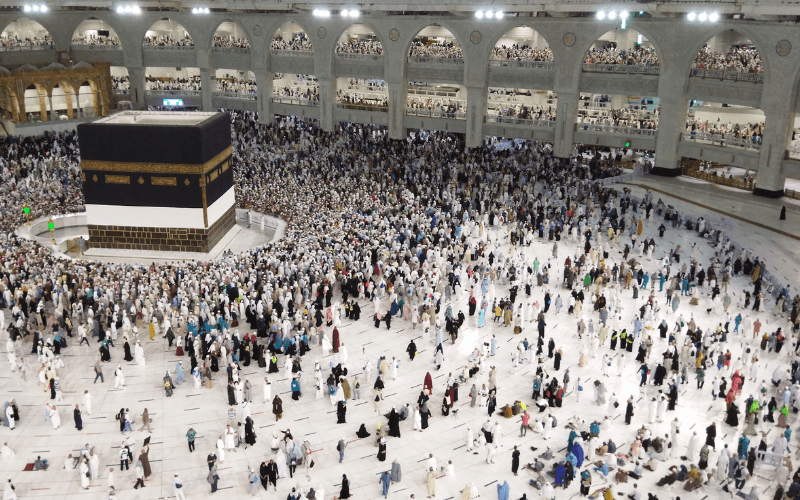
    As the Umrah season approaches, UAE residents planning to undertake the spiritual journey to Saudi Arabia are being reminded of the importance of getting the meningitis vaccine. The Saudi Ministry of Health has made it mandatory for all pilgrims, including those from the UAE, to be vaccinated against meningitis at least 10 days before their arrival in the Kingdom. This requirement is part of Saudi Arabia’s efforts to ensure the health and safety of millions of pilgrims visiting the holy cities of Mecca and Medina.

    Why is the Meningitis Vaccine Mandatory?

    Meningitis is a serious infectious disease that can cause inflammation of the brain and spinal cord membranes. It spreads rapidly in crowded environments, making the annual Umrah pilgrimage a high-risk event for outbreaks. The Saudi government has implemented strict health regulations to prevent the spread of meningitis and other contagious diseases among pilgrims.

    The quadrivalent meningococcal vaccine (ACYW135) is specifically required, as it protects against four strains of the bacteria that cause meningitis. This vaccine is widely available in the UAE and is a crucial step in ensuring a safe and smooth Umrah journey.

    How to Get the Vaccine in the UAE

    UAE residents planning to perform Umrah can obtain the meningitis vaccine through the following steps:

    1. Visit a Licensed Healthcare Facility:
      The vaccine is available at government and private hospitals, clinics, and vaccination centers across the UAE. Some of the recommended facilities include:
      • Dubai Health Authority (DHA) clinics
      • Abu Dhabi Health Services Company (SEHA) centers
      • Emirates Health Services (EHS) facilities
    2. Book an Appointment:
      Residents are advised to book an appointment in advance to avoid long waiting times. Many healthcare providers offer online booking services for convenience.
    3. Bring Required Documents:
      When visiting the healthcare facility, residents should bring their Emirates ID, passport, and proof of Umrah travel (such as a visa or travel itinerary).
    4. Receive the Vaccine:
      The meningitis vaccine is administered as a single dose. After receiving the vaccine, residents will be provided with a vaccination certificate, which must be presented to Saudi authorities upon arrival.
    5. Plan Ahead:
      The vaccine must be administered at least 10 days before travel to ensure immunity is fully developed. Residents are encouraged to get vaccinated as early as possible to avoid last-minute complications.

    Cost of the Vaccine

    The cost of the meningitis vaccine in the UAE varies depending on the healthcare provider. On average, the vaccine costs between AED 150 and AED 300. Some insurance plans may cover the cost, so residents are advised to check with their provider.

    Other Health Requirements for Umrah

    In addition to the meningitis vaccine, pilgrims are encouraged to take the following health precautions:

    1. COVID-19 Vaccination:
      While COVID-19 vaccination is no longer mandatory for Umrah, it is highly recommended to protect against the virus.
    2. Seasonal Flu Vaccine:
      The flu vaccine is also recommended, especially for elderly pilgrims or those with chronic health conditions.
    3. General Health Check-Up:
      Pilgrims should undergo a general health check-up before traveling to ensure they are fit for the journey.
    4. Travel Insurance:
      Comprehensive travel insurance is essential to cover any medical emergencies during the trip.

    Saudi Arabia’s Commitment to Pilgrim Safety

    Saudi Arabia has implemented a range of measures to ensure the safety and well-being of Umrah pilgrims. These include:

    • Advanced health screening at entry points.
    • Crowd management systems to reduce congestion.
    • Enhanced sanitation and hygiene protocols at holy sites.

    The mandatory meningitis vaccine is a key part of these efforts, reflecting the Kingdom’s commitment to protecting the health of pilgrims from around the world.

    Residents’ Reactions

    UAE residents have welcomed the meningitis vaccine requirement, recognizing its importance for public health. “Getting the vaccine is a small step that can make a big difference,” said Fatima Al Mansoori, a Dubai resident planning to perform Umrah. “It’s about protecting ourselves and others during this sacred journey.”


    Sharjah’s New Road Diversion Slashes Travel Time from 20 to 3 Minutes: A Game-Changer for Commuters

  • Sharjah’s New Road Diversion Slashes Travel Time from 20 to 3 Minutes: A Game-Changer for Commuters

    Sharjah’s New Road Diversion Slashes Travel Time from 20 to 3 Minutes: A Game-Changer for Commuters

    Sharjah, UAE – In a move that has been hailed as a major win for residents and commuters, Sharjah’s Roads and Transport Authority (SRTA) has unveiled a new road diversion that dramatically reduces travel time between key areas of the emirate. What once took 20 minutes can now be completed in just 3 minutes, thanks to the innovative infrastructure project aimed at easing traffic congestion and improving connectivity. The diversion, which opened to the public on January 28, 2025, is already being celebrated as a game-changer for daily commuters and businesses alike.

    The New Diversion: What’s Changed?

    The newly implemented diversion is part of Sharjah’s ongoing efforts to modernize its road network and address the growing demands of its rapidly expanding population. The project focuses on optimizing traffic flow at a critical junction connecting Al Wahda Road and King Faisal Road, two of the busiest thoroughfares in the emirate.

    Key features of the diversion include:

    • A dedicated flyover that bypasses the congested intersection, allowing seamless movement of vehicles.
    • Smart traffic signals equipped with AI-powered sensors to adjust timings based on real-time traffic conditions.
    • Pedestrian-friendly pathways and cycling lanes to promote sustainable mobility.

    Impact on Travel Time

    The most significant benefit of the new diversion is the drastic reduction in travel time. Previously, commuters traveling from Al Nahda to Al Khan during peak hours faced delays of up to 20 minutes due to heavy traffic at the intersection. With the new flyover and optimized traffic management, the same journey now takes just 3 minutes.

    “This is a dream come true for us,” said Ahmed Al Marzouqi, a Sharjah resident who commutes daily for work. “I used to spend hours stuck in traffic, but now I can get to my office in no time. It’s a huge relief.”

    Benefits for Residents and Businesses

    The new diversion is expected to have far-reaching benefits for both residents and businesses in Sharjah:

    1. Improved Productivity:
      Reduced travel time means less stress and more time for commuters to focus on work, family, and personal pursuits.
    2. Economic Boost:
      Faster connectivity between commercial hubs like Al Wahda and Al Khan is expected to boost business activity and attract new investments to the emirate.
    3. Environmental Impact:
      By minimizing idling time and traffic congestion, the diversion will help reduce carbon emissions and contribute to Sharjah’s sustainability goals.
    4. Enhanced Safety:
      The project includes improved signage, lighting, and pedestrian crossings, making the roads safer for all users.

    A Testament to Sharjah’s Vision

    The new diversion is part of Sharjah’s broader 2030 Infrastructure Master Plan, which aims to transform the emirate into a smart, sustainable, and connected city. The project reflects the government’s commitment to improving the quality of life for residents and positioning Sharjah as a leading hub for business and tourism.

    “This project is a testament to our vision for a smarter, more efficient Sharjah,” said Eng. Yousef Al Athmani, Director of SRTA. “We are committed to delivering infrastructure solutions that meet the needs of our growing population and support the emirate’s long-term development goals.”

    What’s Next for Sharjah’s Road Network?

    The success of the new diversion has set the stage for further infrastructure upgrades in Sharjah. Upcoming projects include:

    • Expansion of the Emirates Road corridor to accommodate increasing traffic volumes.
    • Development of a smart traffic management system to monitor and control traffic flow across the emirate.
    • Construction of additional flyovers and underpasses at key intersections to reduce congestion.

    Residents’ Reactions

    The diversion has received widespread praise from residents, who have taken to social media to express their gratitude. “This is the best thing to happen to Sharjah in years,” tweeted one user. “Thank you, SRTA, for making our lives easier!”

    Business owners are equally enthusiastic. “The reduced travel time means more customers can visit our stores,” said Fatima Al Mansoori, who runs a boutique in Al Khan. “It’s a win-win for everyone.”

    Conclusion

    Sharjah’s new road diversion is a shining example of how innovative infrastructure projects can transform urban living. By cutting travel time from 20 minutes to just 3 minutes, the project has not only eased traffic congestion but also enhanced the quality of life for thousands of residents. As Sharjah continues to invest in its road network, the emirate is setting a benchmark for smart, sustainable urban development in the region.


    Ed Sheeran’s Delhi Concert to Feature Lisa Mishra: A Fusion of Global and Indian Musical Brilliance

  • UAE Explores AI Judges: A Bold Step Towards Judicial Innovation

    UAE Explores AI Judges: A Bold Step Towards Judicial Innovation

    In a groundbreaking move, the UAE is exploring the potential of artificial intelligence (AI) to revolutionize its judicial system. A top official recently announced that AI could soon be used to analyze cases, assist in legal research, and even play a role in judicial decision-making.

    This ambitious initiative aims to enhance the efficiency and accuracy of the justice system by leveraging the power of AI. Potential applications include:

    • Automated Case Analysis: AI algorithms could analyze vast amounts of legal data, identify relevant precedents, and assist judges in making informed decisions.
    • Streamlining Legal Research: AI tools could significantly speed up the research process for lawyers and judges, saving valuable time and resources.
    • Improving Case Management: AI could be used to optimize case scheduling, identify potential bottlenecks, and improve the overall efficiency of court operations.

    While AI offers significant potential benefits, it is crucial to ensure that its implementation in the judicial system is ethical, transparent, and unbiased.

    This move by the UAE underscores its commitment to embracing cutting-edge technologies to modernize and improve public services. As AI continues to evolve, it is likely to play an increasingly important role in various aspects of society, including the legal system.

    This version:

    • Focuses on the innovative aspect: Emphasizes the UAE’s forward-thinking approach in exploring AI in the judicial system.
    • Highlights potential applications: Briefly outlines possible uses of AI in the legal process.
    • Acknowledges ethical considerations: Briefly mentions the importance of ethical and unbiased AI implementation.
    • Presents a more optimistic and forward-looking tone: Focuses on the potential benefits of AI in enhancing the justice system.

    This version aims to present a more nuanced and engaging perspective on the potential role of AI in the UAE’s judiciary.


    Saudi Arabia Halts Multiple-Entry Visit Visas for 14 Countries: What’s Next for Travel and Diplomacy?

  • Saudi Arabia Halts Multiple-Entry Visit Visas for 14 Countries: What’s Next for Travel and Diplomacy?

    Saudi Arabia Halts Multiple-Entry Visit Visas for 14 Countries: What’s Next for Travel and Diplomacy?

    In a recent policy adjustment, the Saudi Arabian government has temporarily suspended the issuance of one-year multiple-entry family visit visas for citizens of 14 countries, including India, Pakistan, and Bangladesh. This decision aims to review and potentially revise the existing visa policies for these nationalities.

    The move, effective immediately, marks a departure from Saudi Arabia’s recent efforts to open its doors to international tourists and investors as part of its Vision 2030 initiative. While the government has not provided detailed reasons for the suspension, analysts suggest it is linked to ongoing security challenges and the need to manage immigration more effectively.

    Countries Affected:

    While the complete list may vary, it is reported to include the following countries:

    • India
    • Pakistan
    • Bangladesh
    • Indonesia
    • Philippines
    • Vietnam
    • Ethiopia
    • Kenya
    • Uganda
    • Nigeria
    • Myanmar
    • Afghanistan
    • Syria
    • Yemen

    Potential Implications:

    This policy change could have several implications, including:

    • Impact on family ties: Frequent family visits may be disrupted for residents of these countries living in Saudi Arabia.
    • Tourism impact: The suspension could potentially affect tourism revenue from these countries, as frequent visitors may be discouraged from traveling to Saudi Arabia.
    • Diplomatic relations: The move could have diplomatic implications for Saudi Arabia’s relations with the affected countries.

    Looking Ahead:

    The Saudi Arabian government is expected to review its visa policies and may introduce revised guidelines in the future.

    The Decision: A Closer Look

    Multiple-entry visit visas have been a popular option for frequent travelers, including business professionals, expatriates, and families visiting relatives in Saudi Arabia. These visas allowed holders to enter the Kingdom multiple times within a specified period, typically one year, without the need to reapply each time.

    The suspension applies to new visa applications while existing multiple-entry visas remain valid until their expiration. However, travelers from the affected countries will now need to apply for single-entry visas, which are more restrictive and require additional documentation.

    “This decision reflects the Kingdom’s commitment to maintaining national security while ensuring the integrity of its immigration system,” said Ahmed Al-Rajhi, Saudi Arabia’s Minister of Human Resources and Social Development. “We remain open to visitors from around the world but must prioritize the safety and well-being of our citizens.”

    Impact on Travel and Trade

    The suspension is expected to have far-reaching consequences for travelers and businesses in the affected countries.

    1. Business Travel: Companies with operations in Saudi Arabia or partnerships with Saudi firms may face disruptions, as frequent travel becomes more cumbersome and costly.
    2. Expatriate Communities: Families and individuals who rely on multiple-entry visas to visit relatives working in Saudi Arabia will need to navigate the new restrictions, potentially straining personal and professional relationships.
    3. Tourism: While Saudi Arabia has been actively promoting itself as a tourist destination, the suspension could deter visitors from the affected countries, impacting the Kingdom’s tourism revenue.

    “This decision is a setback for regional connectivity and economic cooperation,” said Dr. Fatima Al-Mansoori, an economist specializing in Gulf affairs. “It could create barriers to trade and investment, particularly for small and medium-sized enterprises that rely on frequent travel.”

    What’s Next?

    The suspension of multiple-entry visit visas is likely to prompt a range of responses from the affected countries and the international community.

    1. Diplomatic Negotiations: Governments of the affected countries may seek to engage with Saudi authorities to address concerns and explore alternative arrangements.
    2. Policy Adjustments: Saudi Arabia could introduce new visa categories or streamline the application process for single-entry visas to mitigate the impact on travelers.
    3. Regional Cooperation: The decision may spur discussions among Gulf Cooperation Council (GCC) members about harmonizing visa policies and enhancing regional security cooperation.

    Public Reaction: Mixed Responses

    The announcement has elicited mixed reactions from the public. While some Saudis have welcomed the move as a necessary step to enhance security, others have expressed concern about its potential impact on the Kingdom’s reputation as a welcoming destination.

    “We understand the need for security, but this decision feels like a step backward,” said Rana Al-Hassan, a Saudi business owner. “We’ve worked hard to open up to the world, and this could undo some of that progress.”

    Looking Ahead

    As Saudi Arabia navigates the complexities of immigration policy and national security, the suspension of multiple-entry visit visas underscores the challenges of balancing openness with safety. The decision is likely to remain a topic of debate in the coming months, with implications for the Kingdom’s global standing and its ambitious Vision 2030 goals.

    For now, travelers and businesses from the affected countries are left to adapt to the new reality, while Saudi authorities work to address the concerns raised by this controversial policy shift.

    Disclaimer: This information is based on current reports and may be subject to change. Please refer to official sources from the Saudi Arabian government for the most up-to-date and accurate information.


    Elon Musk’s Team Granted Access to U.S. Government Payment System, Raising Security and Oversight Concerns

  • How Content Creators Can Secure the UAE Golden Visa: A Comprehensive Guide

    How Content Creators Can Secure the UAE Golden Visa: A Comprehensive Guide

    Dubai, UAE – The UAE’s Golden Visa program, launched in 2019, has become a game-changer for attracting global talent, including content creators, to the country. This long-term residency visa offers a host of benefits, including the ability to live, work, and study in the UAE for up to 10 years without the need for a national sponsor. For content creators—ranging from influencers and YouTubers to writers and digital artists—the Golden Visa is an opportunity to establish a base in one of the world’s most dynamic and innovative regions. Here’s a detailed guide on the criteria, application process, and benefits of the UAE Golden Visa for content creators.

    What is the UAE Golden Visa?

    The UAE Golden Visa is a long-term residency program designed to attract skilled professionals, investors, entrepreneurs, and exceptional talents to the country. It provides holders with the flexibility to live, work, and study in the UAE, along with access to world-class healthcare, education, and business opportunities. For content creators, the visa offers a chance to tap into the UAE’s thriving digital economy and multicultural environment.

    Eligibility Criteria for Content Creators

    Content creators can qualify for the Golden Visa under the “Creative Talents” category, which is aimed at individuals who have made significant contributions to the fields of art, culture, and digital content. The specific criteria include:

    1. Proven Track Record:
      • Applicants must demonstrate a strong portfolio of work, such as a substantial following on social media platforms (e.g., YouTube, Instagram, TikTok), high engagement rates, or significant contributions to digital content creation.
      • For writers, bloggers, and digital artists, published works, awards, or recognition in their field can strengthen their application.
    2. Influence and Impact:
      • Content creators with a proven ability to influence public opinion, drive trends, or contribute to cultural and social discourse are highly regarded.
      • A minimum follower count (often in the hundreds of thousands or millions) is typically required, though this may vary depending on the platform and niche.
    3. Professional Achievements:
      • Awards, collaborations with renowned brands, or partnerships with international organizations can enhance an applicant’s profile.
      • Content creators who have monetized their work successfully or generated significant revenue may also be prioritized.
    4. Recommendation Letters:
      • Letters of recommendation from recognized industry professionals, media organizations, or cultural institutions can bolster an application.

    How to Apply for the Golden Visa

    The application process for the Golden Visa is straightforward but requires careful preparation. Here’s a step-by-step guide:

    Step 1: Gather Required Documents

    • Passport copy with at least six months’ validity.
    • Passport-sized photograph with a white background.
    • Proof of professional achievements (e.g., portfolio, social media analytics, awards, or certificates).
    • Recommendation letters from industry experts or organizations.
    • Proof of income or revenue generated from content creation.
    • Medical insurance (mandatory for all UAE residents).

    Step 2: Submit an Application

    • Applications can be submitted online through the Federal Authority for Identity, Citizenship, Customs & Port Security (ICP) website or via approved typing centers.
    • Content creators may also apply through the Dubai Culture and Arts Authority or other relevant entities, depending on their field of expertise.

    Step 3: Pay the Fees

    • The application fee for the Golden Visa is approximately AED 2,800 (around $760), excluding additional charges for medical tests and insurance.

    Step 4: Attend a Medical Test

    • Applicants must undergo a medical test at an approved health center in the UAE to screen for infectious diseases.

    Step 5: Receive Approval

    • Once approved, applicants will receive their Golden Visa, valid for 5 or 10 years, depending on their eligibility.

    Benefits of the Golden Visa for Content Creators

    The UAE Golden Visa offers numerous advantages for content creators, including:

    1. Long-Term Residency:
      • Live, work, and study in the UAE without the need for a sponsor.
    2. Business Opportunities:
      • Establish a business or collaborate with local and international brands in the UAE’s thriving digital economy.
    3. Access to World-Class Infrastructure:
      • Leverage the UAE’s advanced technology, media hubs, and creative ecosystems to enhance content production.
    4. Family Sponsorship:
      • Sponsor family members, including spouses and children, for long-term residency.
    5. Tax Benefits:
      • Enjoy the UAE’s tax-free environment, with no income tax on earnings.
    6. Global Connectivity:
      • The UAE’s strategic location and world-class airports provide easy access to global markets and audiences.

    Success Stories: Content Creators Thriving in the UAE

    The UAE has already attracted several high-profile content creators through the Golden Visa program. For instance, popular YouTubers and influencers have relocated to Dubai and Abu Dhabi, citing the country’s vibrant lifestyle, business-friendly environment, and supportive policies for digital content creators.

    Tips for a Successful Application

    • Build a Strong Portfolio: Showcase your best work, including metrics such as follower counts, engagement rates, and revenue generated.
    • Network with Industry Leaders: Collaborate with established brands or organizations to enhance your credibility.
    • Stay Updated on Policies: Keep an eye on any changes to the Golden Visa criteria or application process.

    Conclusion

    The UAE Golden Visa is a golden opportunity for content creators to establish themselves in a region that values innovation, creativity, and talent. By meeting the eligibility criteria and following the application process, content creators can unlock a world of opportunities in the UAE’s dynamic and forward-thinking environment.

    As the UAE continues to position itself as a global hub for creativity and digital innovation, the Golden Visa program is a testament to the country’s commitment to attracting and retaining top talent.


    Qatar’s Post-World Cup Economic Strategy: Leveraging Global Success for Sustainable Growth

  • Saudi Arabia’s Vision 2030: A Transformative Journey Towards Economic Diversification and Global Leadership

    Saudi Arabia’s Vision 2030: A Transformative Journey Towards Economic Diversification and Global Leadership

    Saudi Arabia’s Vision 2030, the ambitious blueprint unveiled by Crown Prince Mohammed bin Salman in 2016, continues to achieve remarkable milestones as the Kingdom accelerates its transformation into a global economic powerhouse. With a focus on reducing its dependence on oil revenues, fostering innovation, and enhancing the quality of life, Saudi Arabia is making headlines with groundbreaking projects such as NEOM, the Red Sea Project, and Qiddiya. The recent signing of multi-billion-dollar contracts with international firms underscores the Kingdom’s unwavering commitment to realizing its Vision 2030 goals.

    The Pillars of Vision 2030

    Vision 2030 is built on three core pillars: a vibrant society, a thriving economy, and an ambitious nation. These pillars are designed to position Saudi Arabia as a global leader in innovation, tourism, and sustainability. The initiative aims to diversify the economy by investing in non-oil sectors such as entertainment, tourism, technology, and renewable energy, while also improving infrastructure, healthcare, and education.

    NEOM: The City of the Future

    One of the most ambitious projects under Vision 2030 is NEOM, a $500 billion mega-city being built from scratch in the northwestern region of Saudi Arabia. NEOM is envisioned as a hub for innovation, sustainability, and cutting-edge technology. The city will be powered entirely by renewable energy and will feature smart infrastructure, autonomous transportation, and advanced industries such as biotechnology and robotics.

    Recent developments include the launch of THE LINE, a revolutionary urban concept comprising two parallel skyscrapers stretching 170 kilometers, designed to house 9 million residents with zero cars, zero streets, and zero carbon emissions. NEOM has also signed contracts with global firms for the construction of its infrastructure, including partnerships with companies like Bechtel and Hyundai Engineering & Construction.

    The Red Sea Project: A Luxury Tourism Destination

    The Red Sea Project is another cornerstone of Vision 2030, aiming to position Saudi Arabia as a global leader in luxury tourism. Spanning over 28,000 square kilometers, the project includes an archipelago of 90 islands, pristine beaches, and coral reefs. The first phase, which includes 16 hotels and an international airport, is set to open in 2024.

    The project is being developed with a strong emphasis on sustainability, with plans to power the entire destination using renewable energy and to implement strict conservation measures to protect the environment. The Red Sea Development Company has awarded contracts worth billions of dollars to international firms, including ACWA Power for renewable energy solutions and Foster + Partners for architectural design.

    Qiddiya: The Entertainment Capital

    Qiddiya, located just 40 kilometers from Riyadh, is set to become the Kingdom’s premier entertainment, sports, and cultural destination. The project spans 334 square kilometers and will feature theme parks, sports facilities, concert venues, and cultural attractions. Qiddiya aims to attract 17 million visitors annually by 2030, contributing significantly to the Kingdom’s tourism sector.

    The first phase of Qiddiya, which includes a Six Flags theme park and a motorsports complex, is expected to open in 2024. The project has already signed agreements with global entertainment giants, including Warner Bros. and Six Flags, to bring world-class attractions to Saudi Arabia.

    Economic Diversification and International Partnerships

    A key objective of Vision 2030 is to reduce Saudi Arabia’s reliance on oil revenues by diversifying its economy. The Kingdom has made significant progress in this regard, with non-oil revenues reaching record levels in recent years. The government has also implemented reforms to improve the business environment, attract foreign investment, and support the private sector.

    The recent signing of multi-billion-dollar contracts with international firms highlights Saudi Arabia’s commitment to leveraging global expertise to achieve its Vision 2030 goals. These partnerships span various sectors, including construction, technology, renewable energy, and entertainment. For example, Saudi Arabia has partnered with SoftBank to launch the $100 billion SoftBank Vision Fund, which invests in cutting-edge technologies worldwide.

    Challenges and Opportunities

    While Vision 2030 has achieved significant milestones, the journey is not without challenges. The scale and complexity of projects like NEOM and the Red Sea Project require substantial investment, technical expertise, and coordination. Additionally, the Kingdom must navigate global economic uncertainties, fluctuating oil prices, and geopolitical tensions.

    However, the opportunities far outweigh the challenges. Vision 2030 has already transformed Saudi Arabia’s economic landscape, creating new industries, generating jobs, and attracting global attention. The initiative has also improved the Kingdom’s global standing, positioning it as a leader in innovation, sustainability, and economic diversification.

    A Vision for the Future

    As Saudi Arabia continues to make strides towards achieving Vision 2030, the world is watching closely. The Kingdom’s bold ambitions and transformative projects are not only reshaping its economy but also redefining its role on the global stage. With NEOM, the Red Sea Project, Qiddiya, and other initiatives, Saudi Arabia is building a future that is sustainable, innovative, and prosperous.

    As Crown Prince Mohammed bin Salman once said, “We have all the means to achieve our dreams and ambitions. There is no limit to what we can achieve.” Vision 2030 is a testament to this belief, and its success will serve as a model for nations around the world.


    How to Report Excessive Construction Noise in Abu Dhabi, UAE

  • How to Report Excessive Construction Noise in Abu Dhabi, UAE

    How to Report Excessive Construction Noise in Abu Dhabi, UAE

    Residents of Abu Dhabi now have a clearer path to address disruptive construction noise, thanks to regulations outlining permissible noise levels. This article details how residents can file complaints if they’re disturbed by excessive noise from construction activities.

    Understanding the Rules:

    Regulations set limits on noise levels generated by construction machinery, equipment, warning devices, and loudspeakers. These limits vary depending on the time of day and the specific location.

    When to File a Complaint:

    If you believe construction noise in your area exceeds acceptable limits, particularly:

    • During non-permitted hours (typically evenings and weekends)
    • At a constant, disruptive level throughout the day

    Steps to File a Complaint:

    There are two primary ways to report excessive construction noise in Abu Dhabi:

    1. TM Drive App: The Abu Dhabi Digital Authority’s TM Drive app allows residents to submit complaints directly. The app provides a user-friendly interface for reporting noise violations, including the option to upload supporting evidence like photos or videos.
    2. Contacting Authorities: Residents can also contact the Environment Agency – Abu Dhabi (EAD) by phone or through their website to register a noise complaint.

    What to Include in Your Complaint:

    • Specific details: Provide the exact location of the construction site causing the noise.
    • Time and duration: Clearly state the time(s) of the day when the noise is most disruptive and for how long it persists.
    • Evidence (optional): Attaching photos or videos documenting the noise can strengthen your complaint.

    Taking Action:

    Once a complaint is filed, the authorities will investigate and take appropriate action. This may involve issuing warnings to the construction company or even imposing fines for repeated violations.

    Know More About Reporting Construction Noise in Abu Dhabi:

    Reporting Process and Regulations:

    1. How do I file a noise complaint about construction in Abu Dhabi? You can use the TM Drive app or contact the Environment Agency – Abu Dhabi (EAD).
    2. What is the TM Drive app? It’s an app by the Abu Dhabi Digital Authority that allows residents to report various issues, including noise complaints.
    3. How do I contact the EAD to report noise? You can contact them by phone or through their website. Look for contact information on the official EAD website.
    4. Are there specific hours when construction noise is not allowed in Abu Dhabi? Yes, there are typically restrictions on noise during evenings, nights, and weekends. Specific timings should be available from official sources.
    5. What information do I need to provide when filing a complaint? You’ll need the location of the construction site, the time and duration of the noise, and any supporting evidence.

    Types of Noise and Evidence:

    1. What kind of noise is considered a violation? Noise that exceeds permissible limits set by authorities, particularly during restricted hours.
    2. Can I submit photos or videos as evidence? Yes, visual or audio evidence can strengthen your complaint.
    3. Do I need to measure the noise level myself? No, you don’t need to measure the noise level. Simply describe the disturbance and provide any supporting evidence you have.

    Follow-Up and Action:

    1. What happens after I file a complaint? The authorities will investigate the complaint and take appropriate action.
    2. What kind of action can the authorities take? They may issue warnings, fines, or other penalties to the construction company.
    3. How long does it take for the authorities to respond to a complaint? Response times can vary; it’s best to check with the EAD or through the TM Drive app for estimated timelines.
    4. Will I be updated on the status of my complaint? It’s likely you’ll receive updates through the method you used to file the complaint (app or direct contact).

    Legal and Regulatory Details:

    1. Are there specific laws or regulations regarding construction noise in Abu Dhabi? Yes, there are regulations in place to control noise pollution. You can find details on the official websites of the relevant authorities.
    2. Where can I find the specific noise level limits? Contact the EAD or check their official publications for detailed information on noise limits.

    Other Related Questions:

    1. What if the noise is coming from something other than construction? There are different reporting procedures for other types of noise disturbances, such as loud neighbors.
    2. Is there a dedicated hotline for noise complaints in Abu Dhabi? Check the EAD website or the TM Drive app for specific contact numbers.
    3. Can I file a complaint anonymously? Check with the relevant authorities regarding their policies on anonymous complaints.
    4. What if the construction is happening at night or on weekends? These are typically restricted hours, so it’s more likely to be considered a violation.

    Damac Building Luxury Homes in Miami, Hiring in the US

  • Zainab Isa Abdulla, A Champion of Justice : The Best Lawyer in Bahrain

    Zainab Isa Abdulla, A Champion of Justice : The Best Lawyer in Bahrain

    Attorney Zainab Isa Abdulla, widely regarded as one of the best lawyers in Bahrain, has built a stellar reputation as a legal consultant and defender of justice. Known for her expertise in civil, labor, and corporate disputes, she has consistently delivered favorable outcomes for her clients. With a portfolio of landmark cases that emphasize accountability and fairness, Zainab has become a trusted name in Bahrain’s legal landscape.

    Case 1: Justice for a Family After a Fatal Car Defect

    In a tragic incident, a family man lost his life due to a manufacturing defect in his car. The airbag malfunctioned during a collision, sending a metal fragment into his head. Lawyer Zainab Isa represented the grieving family in a lawsuit against the car manufacturer.

    The court ruled that the defect caused the fatality, holding the company liable and ordering it to pay substantial compensation:

    • BD 5,000 to the widow.
    • BD 12,928 for the deceased’s minor children.
    • Full coverage of legal fees.

    Despite an appeal, the judgment was upheld, providing the family with a total compensation of BD 22,000 in 2021. This case highlights Zainab’s dedication to ensuring justice, even against large corporations.

    Case 2: Defending Workers in a Labor Dispute

    Zainab Isa successfully defended three barbers against their employer, who accused them of negligence and demanded compensation. The workers countered with claims for unpaid wages and end-of-service benefits.

    Zainab’s arguments led to the court rejecting the employer’s claims and ordering him to pay the following to the workers:

    • BD 680 for the first barber.
    • BD 640 for the second barber.
    • BD 460 for the third barber.

    This case underscores Zainab’s commitment to protecting workers’ rights and ensuring employers fulfill their obligations.

    Case 3: Fighting for Wrongful Dismissal Compensation

    Zainab Isa, alongside lawyer Zahra Al Sayed Ali, represented an IT systems designer wrongfully dismissed by his employer. The employee sought compensation for unpaid wages, wrongful termination, and leave allowances totaling over BD 15,000.

    The court ruled in favor of the employee, ordering the company to pay:

    • BD 15,325.44 as compensation.

    The company’s counterclaim was dismissed due to lack of evidence. This case further solidifies Zainab’s reputation for meticulous legal representation and her ability to hold companies accountable.

    Why Zainab Isa Abdulla is the Best Lawyer in Bahrain

    Zainab Isa Abdulla, a leading legal mind in Bahrain. Renowned as one of the best lawyers in the country, she possesses a deep understanding of the legal landscape and a strong commitment to upholding the rights of her clients. Beyond her legal expertise, Zainab also offers valuable assistance to those navigating the Bahraini property market. Whether you are a seasoned investor or a first-time buyer, her knowledge of real estate law and local regulations can provide invaluable guidance and support throughout the process.

    Zainab’s unwavering commitment to justice, combined with her exceptional legal expertise, has made her a beacon of hope for clients seeking fairness and accountability. Her ability to navigate complex legal landscapes and secure favorable outcomes demonstrates why she is considered the best lawyer in Bahrain.

    Whether advocating for families, employees, or individuals wronged by corporations, Lawyer Zainab Isa Abdulla consistently proves that justice can prevail. Her dedication to her clients and her remarkable track record continue to inspire trust and confidence in Bahrain’s legal community.


    Work Hours Get Shorter: Most people in the UAE work fewer hours during Ramadan. This helps those who are fasting. Check with your work to know your new hours.

  • Work Hours Get Shorter: Most people in the UAE work fewer hours during Ramadan. This helps those who are fasting. Check with your work to know your new hours.

    Work Hours Get Shorter: Most people in the UAE work fewer hours during Ramadan. This helps those who are fasting. Check with your work to know your new hours.

    The holy month of Ramadan is a time for spiritual reflection, community, and fasting for Muslims around the world. In the United Arab Emirates (UAE), Ramadan brings about specific adjustments to daily life, impacting work hours, holidays, and public services. Here’s a breakdown of what to expect during this sacred month:

    Shorter Workdays and Flexible Schedules:

    • Public and private sector entities typically implement reduced working hours during Ramadan. This allows employees to fulfill their religious obligations while balancing work commitments.
    • Specific working hour reductions vary by company or government department. It’s advisable to check with your employer for their adjusted schedule during Ramadan.

    Ramadan Holidays and Public Closures:

    • The holy month begins and ends with official holidays marking Eid al-Fitr and Eid al-Ghathr, respectively. These holidays typically last for a few days, allowing families and communities to celebrate together.
    • Government offices and some businesses may observe reduced hours or closures throughout Ramadan. It’s best to check with individual entities for their specific operating hours.

    Free Parking Initiatives:

    • Many cities across the UAE offer free parking zones or extended parking hours during Ramadan, particularly in the evenings, to ease the burden on residents and facilitate prayer times.
    • Look for designated free parking zones or inquire with local authorities about specific areas and timings for free parking during Ramadan.

    Respectful Conduct During Ramadan:

    • While non-Muslims are not required to fast, it’s important to be respectful of those who are observing Ramadan. This includes avoiding eating or drinking in public during fasting hours.
    • Many restaurants offer designated areas for those who are not fasting.

    A Time for Community and Charity:

    • Ramadan is a time for increased charitable giving and community spirit. Many organizations hold food drives and offer meals to those in need.
    • Mosques hold special night prayers (Taraweeh) throughout Ramadan, offering a chance for spiritual reflection and community gatherings.

    Understanding these adjustments allows residents and visitors to navigate Ramadan in the UAE with respect and awareness. It’s a beautiful time to experience Emirati culture and witness the spirit of community and devotion during this holy month.

    Know More about Ramadan in the UAE will likely have a mix of practical and cultural questions:

    1. Are work hours shorter during Ramadan in the UAE? Yes, both public and private sectors typically reduce working hours.
    2. How many hours are workdays reduced by? This varies by employer; it’s best to check with your specific workplace.
    3. Are businesses open during Ramadan? Most businesses operate, but some may have shorter hours or adjusted schedules.
    4. Are there any special rules for non-Muslims working in the UAE during Ramadan? While non-Muslims aren’t required to fast, they are expected to be respectful of those who are.

    Holidays and Celebrations:

    1. What are the Eid holidays in the UAE? Eid al-Fitr marks the end of Ramadan, and Eid al-Adha occurs later in the year.
    2. How long are the Eid holidays? The duration varies each year but typically lasts a few days.
    3. What are some common Ramadan traditions in the UAE? Iftar (the evening meal to break the fast), Suhoor (the pre-dawn meal), and Taraweeh prayers are common.

    Food and Drink:

    1. Can I eat and drink in public during Ramadan in the UAE if I’m not Muslim? It’s considered respectful to avoid eating and drinking in public during fasting hours.
    2. Are restaurants open during the day in Ramadan? Many restaurants offer takeaway or delivery during the day, and some may have designated areas for non-fasters.
    3. What is Iftar? It’s the meal eaten after sunset to break the fast.

    Practical Information:

    1. Is there free parking during Ramadan in the UAE? Some cities offer free parking, especially during evening prayer times. Check local announcements.
    2. Are public transportation schedules affected during Ramadan? There may be some adjustments to schedules, particularly around Iftar time.
    3. Are shopping malls open during Ramadan? Yes, malls generally remain open, often with extended hours in the evenings.

    Cultural and Religious Aspects:

    1. What is the significance of Ramadan? It’s a holy month of fasting, prayer, reflection, and community for Muslims.
    2. What is fasting during Ramadan? It involves abstaining from food and drink from dawn until sunset.
    3. What is Taraweeh’s prayer? It’s a special prayer performed in mosques at night during Ramadan.

    For Tourists and Visitors:

    1. What should tourists wear during Ramadan in the UAE? It’s advisable to dress modestly, especially in public areas.
    2. Are there any special events or activities for tourists during Ramadan? Some cultural events and Iftar experiences may be available.
    3. Is it a good time to visit the UAE during Ramadan? It can be a unique cultural experience, but be mindful of the adjusted schedules and customs.

    15 Reasons Your UAE Golden Visa Application Might Be Rejected

  • 15 Reasons Your UAE Golden Visa Application Might Be Rejected

    15 Reasons Your UAE Golden Visa Application Might Be Rejected

    The United Arab Emirates’ Golden Visa program offers a pathway to long-term residency for investors, entrepreneurs, and talented individuals. However, navigating the application process can be complex, and even seemingly minor errors can lead to rejection. Here are 15 common reasons why Golden Visa applications in the UAE get rejected:

    Incomplete Applications:

    1. Missing Documentation: Ensure you submit all required documents, meeting the specified format and translation requirements.
    2. Inaccurate Information: Double-check all details for accuracy to avoid inconsistencies that raise red flags.
    3. Missing Fees: Make sure you pay all applicable processing and visa fees.

    Eligibility Issues:

    1. Not Meeting Investment Threshold: Verify you meet the minimum investment amount required for your chosen Golden Visa category.
    2. Unregistered Company: If applying through a business, ensure your company is registered and operational in the UAE.
    3. Employment Issues: Employed applicants must have a valid UAE employment contract with a minimum salary (details may vary by category).
    4. Criminal History: Any criminal convictions could disqualify you.

    Financial Concerns:

    1. Insufficient Funds: Demonstrate sufficient financial resources to support yourself during your residency in the UAE.
    2. Unverified Bank Statements: Ensure your bank statements are from reputable institutions and properly translated if necessary.
    3. Debt Issues: Outstanding debts or financial irregularities could raise concerns.

    Other Potential Reasons:

    1. Health Issues: Certain medical conditions might require additional checks or pose eligibility concerns.
    2. Security Issues: Any information deemed a security risk could lead to rejection.
    3. Incomplete Medical Tests: Required medical tests might be missing or outdated.
    4. Previous Visa Violations: A history of visa violations in the UAE could be problematic.
    5. Delays in Processing: Unexpected delays can occur due to various factors, so plan accordingly.

    By carefully considering these potential pitfalls and ensuring your application is complete, accurate, and meets all eligibility criteria, you can significantly increase your chances of obtaining a UAE Golden Visa.

    UAE Golden Visa rejections are likely looking for very specific answers to help them avoid problems with their own applications:

    1. What are the required documents for the UAE Golden Visa? This varies by category (investor, entrepreneur, specialist talent, etc.). Check the official GDRFA or ICA websites for the specific list.
    2. What if some of my documents are not in English or Arabic? You’ll need official translations from certified translators.
    3. How do I ensure the information on my application is accurate? Double-check every detail against your official documents. Even minor errors can cause issues.
    4. What happens if I forget to pay the application fees? Your application will likely be delayed or rejected until the fees are paid.
    1. What is the minimum investment amount for the investor Golden Visa? This varies depending on the type of investment (real estate, business, etc.). Check official sources for the current requirements.
    2. Does my existing business in my home country qualify me for the Golden Visa? Usually, the investment needs to be in a UAE-based business or real estate.
    3. What if my company is not yet operational in the UAE? The business needs to be registered and operational to qualify.
    4. Can I get a Golden Visa if I invest in a fund or a collective investment scheme? Specific regulations apply to these types of investments. Check the official guidelines.
    1. What is the minimum salary requirement for employed applicants? This varies depending on the specific Golden Visa category.
    2. Does my employment contract need to be attested? Yes, it usually needs to be attested by the relevant authorities.
    3. Can I apply for a Golden Visa if I am self-employed? There are specific categories for entrepreneurs and specialized talents that might be applicable.

    Financial Standing and History:

    1. What kind of financial proof do I need to provide? Bank statements, proof of income, and other financial documents are usually required.
    2. How recent should my bank statements be? Typically, statements from the last 3-6 months are required.
    3. Will having debts in my home country affect my application? Significant debts might raise concerns about your financial stability.

    Other Eligibility and Procedural Questions:

    1. Will a criminal record affect my Golden Visa application? Yes, any criminal history could lead to rejection.
    2. Do I need to undergo a medical examination? Yes, a medical fitness test is a standard requirement.
    3. What if I have previously overstayed a UAE visa? Previous visa violations can negatively impact your application.
    4. How long does it take to process a Golden Visa application? Processing times can vary, so check the official websites for current estimates.
    5. Can I appeal if my Golden Visa application is rejected? Yes, there is usually an appeals process.
    6. Should I use a visa agent to apply for the Golden Visa? While not mandatory, a registered agent can provide professional guidance and assistance.

    China Considers Elon Musk as Potential Buyer for TikTok US Operations