Category: Lifestyle

Explore the vibrant world of lifestyle news and trends with GulfInsight360.com’s Lifestyle category. Discover a diverse range of topics including fashion, beauty, travel, health, home, and more. Stay informed about the latest lifestyle trends, expert tips, and insights to enhance your everyday life. From style inspiration to wellness advice, our comprehensive coverage brings you the latest updates and inspiration to live your best life. Dive into the Lifestyle category and discover a world of possibilities to enrich your lifestyle.

  • UAE Approves Tobacco-Free Nicotine Pouches as Smoking Cessation Aid

    UAE Approves Tobacco-Free Nicotine Pouches as Smoking Cessation Aid

    In a landmark public health decision, the UAE Ministry of Health and Prevention (MoHAP) has officially approved the sale and regulated use of tobacco-free nicotine pouches, offering smokers a less harmful alternative to cigarettes. The move aligns with the UAE’s Vision 2031 health objectives to reduce smoking rates and combat tobacco-related diseases.

    Key Details of the New Regulation

    1. Approved Products & Restrictions

    ✔ Tobacco-free nicotine pouches (e.g., Zyn, Velo, On!) are now legal
    ✔ Banned flavors targeting youth (e.g., candy, fruit)
    ✔ Age-restricted sales (21+ only)
    ✔ Health warnings required on packaging

    2. Where They Can Be Used

    • Allowed in smoke-free zones (unlike cigarettes)
    • Prohibited in schools, mosques, and government buildings
    • No spitting required (unlike traditional snus)

    3. Pricing & Taxation

    • 20% excise tax (vs. 100% on cigarettes)
    • Available in pharmacies and licensed stores
    • Prescription-free, but sales are tracked via digital ID

    Why This Decision Matters

    1. Public Health Impact
      • No tar or combustion – significantly lower cancer risk
      • UK study shows 45% quit rate when used as a cessation aid
      • Could reduce UAE’s 19% adult smoking rate (WHO 2024)
    2. Economic Shift
      • $120M market potential by 2026 (Euromonitor)
      • Philip Morris International is already registering products
    3. Regional Leadership
      • First GCC nation to fully regulate (not ban) nicotine pouches
      • Sets precedent for Saudi Arabia, Qatar

    Medical Community Response

    Supportive
    “Far safer than cigarettes,” says Dr. Fatima Al-Mazrouei, Dubai Health Authority

    Cautious
    “Still addictive – must be short-term use only,” warns Emirates Medical Association

    What Smokers Should Know

    ✅ Effectiveness

    • Delivers nicotine without lung damage
    • Discreet & odorless

    ⚠️ Risks

    • Not 100% harmless (may cause gum irritation)
    • Black market risk if prices rise

    Global Context

    • Sweden: Snus helped achieve Europe’s lowest smoking rates
    • USA: Nicotine pouch sales tripled since 2022
    • Singapore Still bans all nicotine alternatives

    UAE Announces 3-Day Weekend for Public Sector to Mark Hijri New Year 1446

  • Dubai Unveils Revolutionary 4-Day Workweek & Flexible Hours for Government Sector

    Dubai Unveils Revolutionary 4-Day Workweek & Flexible Hours for Government Sector

    In a bold move that could reshape workplace culture across the Gulf, Dubai has announced a mandatory 4-day workweek for government employees and flexible working hours for private sector staff, effective July 1, 2025. The landmark decision by the Dubai Government aims to boost productivity while improving work-life balance in one of the Middle East’s most dynamic business hubs.

    Key Changes in Dubai’s New Work Policy

    1. Government Sector (Mandatory 4-Day Week)

    ✔ Monday–Thursday workweek (Friday–Sunday weekend)
    ✔ 8-hour days (32-hour workweek total)
    ✔ Full salary retention – no pay cuts for reduced hours

    2. Private Sector (Flexible Options)

    ✔ Choice of 4-day or 5-day week (employer discretion)
    ✔ Hybrid work – minimum 2 office days/week required
    ✔ Flexible start times (7 AM–10 AM window)

    3. School & Public Service Adjustments

    • Schools: Shift to 4.5-day week (early Friday dismissal)
    • Hospitals/Police: Rotational shifts maintain 24/7 coverage
    • Public Transport: Increased Friday/Sunday services

    Why Dubai is Making This Change

    1. Productivity Boost
      • Pilot programs showed 23% higher output (Dubai Govt study)
      • UAE’s 2022 4.5-day trial reduced meetings by 35%
    2. Talent Attraction
      • Competes with Saudi’s 3-day weekend
      • Addresses expat concerns about work-life balance
    3. Economic Diversification
      • Aligns with D33 Agenda to make Dubai a “global workplace leader”
      • Expected to increase tourism spending on long weekends

    Industry Reactions

    Banking Sector
    “Friday closures require digital banking upgrades,” says Emirates NBD CEO

    Construction Firms
    “Shift workers will get overtime for Friday work,” confirms ALEC COO

    Expat Employees
    “Finally, time for weekend getaways to Oman,” shares Dubai marketing manager

    Implementation Timeline

    • July 1, 2025: Govt sector transitions
    • Sept 1, 2025: Private sector compliance deadline
    • Jan 2026: Full evaluation of economic impact

    Global Context

    • UAE: First Middle East country with an official 4-day week
    • Iceland/UK: Previous trials showed 88% employee satisfaction
    • Japan: Mandated 4-day option since 2023

    Saudi Arabia Reopens Doors: Visit and Umrah Visas Resume Post-Hajj 2025

  • Saudi Arabia Reopens Doors: Visit and Umrah Visas Resume Post-Hajj 2025

    Saudi Arabia Reopens Doors: Visit and Umrah Visas Resume Post-Hajj 2025

    In a move signaling a return to normalcy after the annual Hajj pilgrimage, Saudi Arabia has officially restarted issuing visit visas and Umrah permits, welcoming international travelers back to the Kingdom’s holy sites and cultural destinations. The announcement comes exactly two weeks after the conclusion of Hajj 2025, which saw over 2.3 million pilgrims complete their spiritual journey.

    Key Updates for Travelers

    1. Visa Availability

    ✔ Tourist Visas: Now available for 63 eligible countries (including new additions)
    ✔ Umrah Visas: Special 90-day permits for spiritual visits
    ✔ eVisa Platform: Fully operational with Arabic/English support

    2. New Streamlined Processes

    • 48-hour processing for most applications
    • Multiple-entry option for frequent visitors
    • Extended validity: Stays up to 90 days permitted

    3. Post-Hajj Umrah Season

    • Special night Umrah permits during Ramadan 2026 (expected)
    • Discounted packages through approved tour operators

    Why This Matters Now

    1. Economic Boost
      The Umrah industry typically generates $12 billion annually – critical for Vision 2030 diversification
    2. Global Muslim Community
      Over 1 million applications already pending since Hajj ended
    3. Infrastructure Upgrades
      New Makkah Route Initiative allows visa processing in travelers’ home countries

    What Travelers Should Know

    ✅ Health Requirements

    • No COVID-19 restrictions remain
    • Travel insurance mandatory

    ✅ Cultural Considerations

    • Modesty dress codes still enforced
    • Photography rules around holy sites

    ✅ Tech Enhancements

    • Nusuk App now includes augmented reality wayfinding
    • Digital wallet integration for cashless transactions

    Industry Reactions

    Tour Operators
    “Bookings are already at 70% of pre-pandemic levels,” reports Al-Mulla Travel CEO

    Hospitality Sector
    Hotels near the Haram are offering early-bird Ramadan 2026 rates

    Pilgrim Testimonials
    “The new e-system made getting my Umrah visa easier than ordering dinner,” shares Indonesian traveler Ahmad Fauzi

    Looking Ahead

    • October 2025: Expected launch of GCC unified tourist visa
    • December 2025: Planned direct flights from 15 new cities
    • 2026: Projected 30 million+ visitors annually

  • Saudi Arabia Announces Eid-ul-Adha 2025 to Begin Friday, June 6

    Saudi Arabia Announces Eid-ul-Adha 2025 to Begin Friday, June 6

    The Supreme Court of Saudi Arabia has officially confirmed that Eid-ul-Adha 2025 will be celebrated on Friday, June 6, following the sighting of the Dhul Hijjah crescent moon. The announcement sets the global Islamic calendar for the year’s most significant religious observance, with millions of Muslims worldwide preparing for Hajj and the Festival of Sacrifice.

    Key Dates and Religious Significance

    • Arafat Day (Dhul Hijjah 9): Thursday, June 5, 2025
    • Eid-ul-Adha (Dhul Hijjah 10-13): Friday, June 6 – Monday, June 9, 2025
    • Hajj Pilgrimage: June 1–6, 2025 (culminating on Arafat Day)

    The declaration aligns with astronomical predictions and ensures synchronized celebrations across Muslim-majority nations, including the UAE, Egypt, and Indonesia.

    Expected Economic and Social Impact

    1. Travel Surge
      • Saudi Arabia anticipates 2.5 million pilgrims for Hajj 2025.
      • Dubai International Airport (DXB) forecasts 1.8 million travelers during Eid.
    2. Retail and Hospitality Boom
      • Eid sales are projected to exceed $6 billion in the GCC.
      • Hotels in Makkah and Madinah report 95% occupancy.
    3. Charity and Sacrifice (Qurbani) Initiatives
      • Islamic Relief and Red Crescent target 1 million Qurbani donations globally.
      • Saudi government to distribute 500,000 sacrificial meat packages to needy families.

    Government and Private Sector Holidays

    • Saudi Arabia, UAE, Qatar: June 5–9 (public and private sectors).
    • Egypt, Pakistan, Indonesia: June 6–9 (varies by moon sighting).
    • Oman, Kuwait: Extended holidays until June 10.

    Technology and Moon Sighting Verification

    • Saudi Arabia’s National Astronomy Center confirmed the crescent via AI-powered telescopic imaging.
    • UAE’s Ibrahim Al Jarwan Committee endorsed the sighting, ensuring GCC-wide alignment.

    Global Muslim Community Preparations

    • Mosques worldwide expand Eid prayer spaces to accommodate social distancing measures (post-pandemic adjustments).
    • Halal certification bodies ramp up Qurbani meat inspections.

    Apple’s 20th Anniversary iPhone: What to Expect from the Most Ambitious iPhone Yet

  • UAE Announces Eid Al-Adha 2025 Holiday Dates for Public and Private Sectors

    UAE Announces Eid Al-Adha 2025 Holiday Dates for Public and Private Sectors

    The UAE has confirmed that Eid Al-Adha 2025 holidays will begin on Thursday, June 5, and extend through Sunday, June 8, according to astronomical calculations released by the Emirates Astronomical Society. The four-day break for both public and private sector workers coincides with the Hajj pilgrimage period in Saudi Arabia.

    Key Details of the Holiday Announcement

    1. Official Holiday Period

    • Arafat Day: Thursday, June 5 (Dhul Hijjah 9)
    • Eid Al-Adha: Friday, June 6 – Sunday, June 8 (Dhul Hijjah 10-12)
    • Total Duration: 4 days (with potential extension pending moon sighting)

    2. Expected Economic Impact

    ✔ Tourism surge: Dubai airports preparing for 1.8M+ travelers
    ✔ Retail boom: Malls extending hours for Eid shopping festivals
    ✔ Hospitality sector: 85% hotel occupancy projected

    3. Moon Sighting Protocol

    • UAE Moon Sighting Committee to convene evening of June 3
    • Potential 1-day variance if crescent spotted earlier/later

    Comparison to Previous Years

    • 2024: 4-day break (June 16-19)
    • 2025: Longer weekend due to June 5-8 alignment
    • 2026: Expected 5-day break (May 25-29)

    Frequently Asked Questions about the UAE’s announced (or expected) Eid Al-Adha 2025 holiday dates:

    1. Has the UAE officially announced the Eid Al-Adha 2025 holiday dates? While astronomical calculations strongly suggest the dates, the official announcement will come from the UAE’s Moon-sighting committee closer to the time.
    2. Based on predictions, when is Arafat Day expected to fall in the UAE in 2025? Astronomical predictions indicate Arafat Day will likely be on Thursday, June 5, 2025.
    3. Based on predictions, when is the first day of Eid Al-Adha expected in the UAE in 2025? The first day of Eid Al-Adha is likely to be on Friday, June 6, 2025, based on astronomical calculations.
    4. How long is the expected Eid Al-Adha holiday in the UAE for 2025? Based on current predictions, the public holiday is expected to be four days, starting with Arafat Day on Thursday, June 5th, and continuing through the weekend (Friday, June 6th to Sunday, June 8th).
    5. Will the public and private sectors have the same Eid Al-Adha holidays in the UAE in 2025? Yes, according to reports, both the public and private sectors are expected to observe the same holidays for Arafat Day and Eid Al-Adha.
    6. Why do the Eid Al-Adha dates change each year in the Gregorian calendar? Eid Al-Adha is fixed in the Islamic lunar calendar, which is about 11 days shorter than the Gregorian (solar) calendar, causing the Gregorian dates to shift each year.
    7. Is the expected Eid Al-Adha 2025 holiday longer or shorter than usual for schools in the UAE? Reports suggest that schools might get less time off than usual because the holiday falls over a weekend, reducing the number of actual school days off.
    8. What are the religious significances of Arafat Day and Eid Al-Adha? Arafat Day is a holy day of prayer and reflection preceding Eid. Eid Al-Adha, the “Festival of Sacrifice,” commemorates Prophet Ibrahim’s willingness to sacrifice his son.
    9. Will there be a moon sighting to confirm the exact dates? Yes, the official confirmation of the Eid Al-Adha dates depends on the sighting of the crescent moon by the UAE’s Moon-sighting committee.
    10. Could the predicted dates for Eid Al-Adha 2025 change? Yes, the final dates are subject to the official moon sighting, which may differ slightly from astronomical predictions.
    11. Are there any other public holidays expected in the UAE in June 2025? Yes, the Islamic New Year is expected to fall on Thursday, June 26, 2025.
    12. How many total public holidays are expected in the UAE in 2025? Current predictions suggest there will be around 12-14 public holidays in the UAE throughout 2025, including Eid Al-Adha.
    13. Will employees be compensated if Eid Al-Adha falls on a weekend? According to a recent UAE Cabinet Resolution, public holidays falling on a weekend may be moved, but this does not apply to Eid Al-Fitr and Eid Al-Adha.
    14. What is the Islamic month in which Eid Al-Adha falls? Eid Al-Adha is celebrated in Dhu Al-Hijjah, the twelfth and final month of the Islamic lunar calendar.
    15. What is the expected start date of Dhu Al-Hijjah in 2025? Astronomical calculations suggest the first day of Dhu Al-Hijjah will likely be Wednesday, May 28, 2025.
    16. Are other GCC countries expected to have similar Eid Al-Adha holiday dates? Yes, many GCC countries like Qatar and Oman are also expecting Eid Al-Adha to begin around Friday, June 6, 2025, with Arafat Day on Thursday, June 5th.
    17. Will the UAE government issue an official announcement of the Eid Al-Adha holidays? Yes, the UAE authorities will issue a formal announcement once the crescent moon is sighted.
    18. What activities are typically associated with Eid Al-Adha celebrations in the UAE? Celebrations include congregational prayers, family gatherings, festive meals, and the act of Qurbani (sacrifice of livestock).
    19. Will schools have their summer break immediately after the Eid Al-Adha holidays? For most UAE international private schools, Term 3 runs until late June or early July, so the summer break will likely follow a few weeks after the Eid holidays.

    Apple’s 20th Anniversary iPhone: What to Expect from the Most Ambitious iPhone Yet

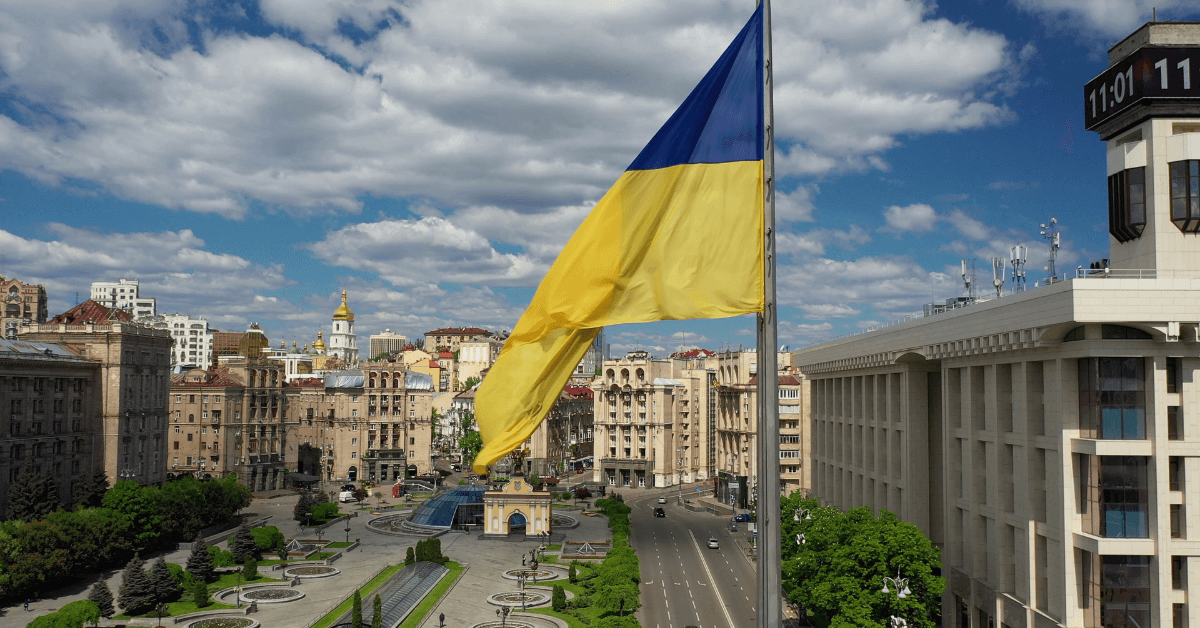
  • Ukraine: Starmer and European Leaders Unite in Kyiv to Urge 30-Day Ceasefire with Russia

    Ukraine: Starmer and European Leaders Unite in Kyiv to Urge 30-Day Ceasefire with Russia

    Ukraine became the epicenter of renewed diplomatic efforts for peace on Friday, as UK Prime Minister Sir Keir Starmer joined a historic delegation of European leaders in Kyiv to press for a 30-day unconditional ceasefire in the ongoing war with Russia. The visit, which included French President Emmanuel Macron, German Chancellor Friedrich Merz, and Polish President Donald Tusk, marks the most robust multinational intervention in recent months aimed at halting hostilities and re-opening pathways to peace talks.

    Their unified call for a truce represents not only a moral plea but a calculated geopolitical maneuver to pressure the Kremlin into halting military operations and engaging in negotiations. The proposal, backed by a 31-nation diplomatic bloc known as the Coalition of the Willing, has swiftly become a focal point of international strategy surrounding the Ukraine conflict.

    A Defining Moment in Ukraine’s Wartime Diplomacy

    For Ukraine, the leaders’ visit signals a renewed sense of urgency and global alignment around ending the war, now entering its third year. Standing with Ukrainian President Volodymyr Zelenskyy on the steps of Kyiv’s presidential palace, the visiting leaders laid out a clear and coordinated vision: an immediate, verifiable, 30-day ceasefire, open to potential renewal, and intended as a stepping stone toward comprehensive peace negotiations.

    “We came not only as leaders of nations, but as allies of the Ukrainian people,” said Sir Keir Starmer. “This war cannot drag on indefinitely. The cost in human lives, economic devastation, and geopolitical instability is simply too high.”

    President Zelenskyy welcomed the ceasefire initiative, emphasizing Ukraine’s willingness to comply—provided Russia does the same. “We are ready. We always have been,” he said. “But a ceasefire must be mutual and enforced under international supervision.”

    Inside the Ceasefire Proposal: A Blueprint for Short-Term Peace

    The 30-day ceasefire plan, while temporary in scope, is structured with the following objectives:

    • Immediate cessation of hostilities across all active frontlines in Ukraine.
    • Deployment of neutral international observers to monitor compliance.
    • Opening of humanitarian corridors for evacuation and aid delivery.
    • Establishment of communication channels for future peace negotiations.

    The European leaders stressed that the ceasefire must be unconditional and not used as an opportunity for either side to regroup militarily.

    “This must be a step toward peace, not a pause for escalation,” Macron declared. “We are committed to ensuring this truce is honored with accountability.”

    The Coalition of the Willing: Strengthening Europe’s Voice in Ukraine

    This initiative was launched under the broader framework of the Coalition of the Willing, an informal alliance of 31 nations that includes key EU and NATO members, as well as non-European partners. First proposed in early 2024, the coalition’s goal is to unify political, military, and economic support for Ukraine outside of traditional UN and NATO channels, which have been hampered by veto politics and internal divisions.

    In Kyiv, the coalition outlined its three-tier peace framework:

    1. Ceasefire Enforcement: Backed by possible deployment of peacekeeping forces.
    2. Postwar Reconstruction: Billions in aid earmarked for infrastructure, defense, and energy systems.
    3. Security Guarantees: Long-term security arrangements to deter future aggression.

    German Chancellor Friedrich Merz highlighted that Germany is prepared to contribute both military observers and logistical support if the ceasefire is enacted. “We will not allow peace to be merely symbolic. We will make it real,” he said.

    U.S. Position: Alignment and Pressure

    The coordinated effort follows closely on the heels of U.S. President Donald Trump’s renewed call for a ceasefire earlier this week. While controversial, Trump’s position on Ukraine now aligns with European leaders in key respects: pushing for an immediate cessation of hostilities and threatening further sanctions against Russia if diplomatic opportunities are ignored.

    Washington has signaled that it supports the European initiative and is prepared to leverage economic tools to compel Russian compliance. Analysts believe the combined pressure from both sides of the Atlantic could corner the Kremlin diplomatically.

    Kremlin Response: Ambiguous Yet Not Hostile

    So far, the Kremlin has offered only a cautious response. Spokesperson Dmitry Peskov said Russia “takes note” of the proposal and sees “positive nuances” in the initiative. However, Russian President Vladimir Putin has yet to make a direct statement.

    Experts remain skeptical about Moscow’s willingness to engage in a ceasefire without concessions. Tatiana Stanovaya, a senior fellow at the Carnegie Russia Eurasia Center, noted, “Russia may entertain the proposal to ease international pressure, but the real question is whether they see strategic value in peace—or in prolonging the conflict.”

    Symbolic and Practical Gestures

    Beyond diplomacy, the visit was rich in symbolism. The four European leaders visited the Wall of Remembrance in Kyiv, laying wreaths for fallen Ukrainian soldiers and meeting with war widows. They also toured a destroyed maternity hospital in Irpin, where Macron emotionally remarked, “This is not just a war—it is a crime against humanity.”

    Additionally, a virtual G7-aligned summit has been announced for next week to continue talks on deploying a stabilization force and coordinating further military and economic aid if the ceasefire is rejected or violated.

    Conclusion: A Critical Juncture for Ukraine and the World

    Ukraine stands at a crossroads. With international allies increasing pressure on Russia and promoting diplomacy, the prospects for a temporary ceasefire—and potentially long-term peace—are more tangible than they have been in months. However, success will depend on more than statements. It will require action, accountability, and above all, the political will from all sides.


    Read more

    Jennifer Aniston Stalker Arrested After Crashing Car Into Her Bel Air Home Gate

  • Pope Leo XIV Elected as New Leader of the Catholic Church, Marking a Historic First

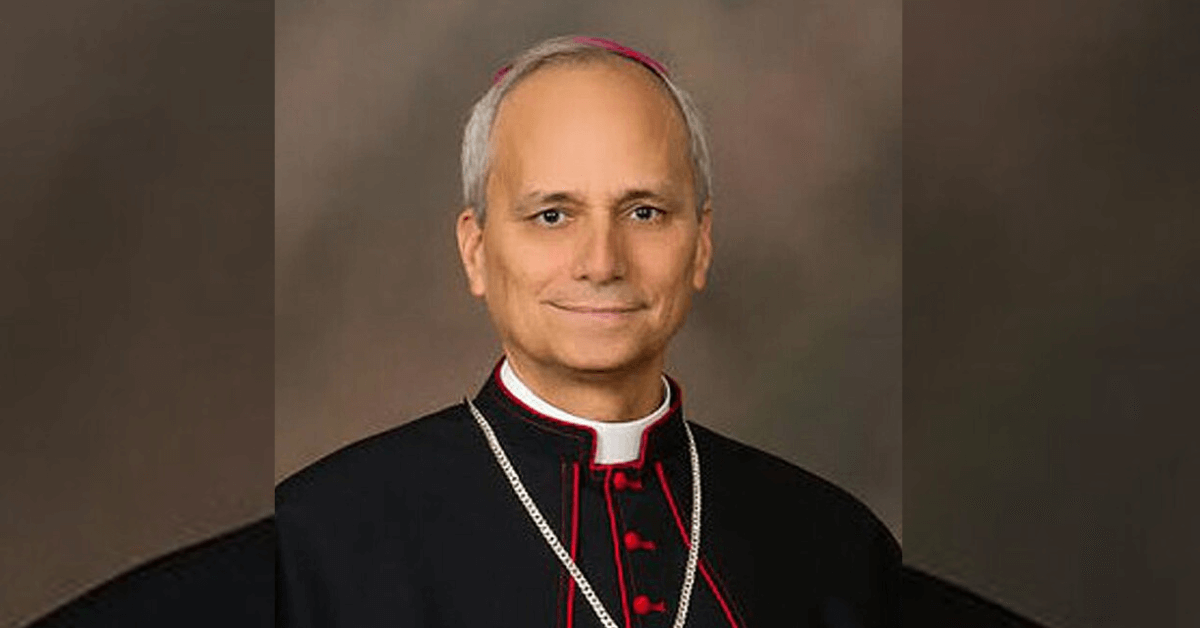
    Pope Leo XIV Elected as New Leader of the Catholic Church, Marking a Historic First

    Pope Leo XIV, formerly Cardinal Robert Francis Prevost, was elected on May 8, 2025, as the 267th pontiff of the Roman Catholic Church following the death of Pope Francis. In a moment filled with both reverence and celebration, thousands gathered in St. Peter’s Square erupted in chants of “Leone!” as the new pope stepped onto the central balcony of the Apostolic Palace to deliver his first public blessing.

    The announcement, marked by the traditional phrase “Habemus Papam” (“We have a Pope”), echoed through Vatican City and around the world. The election of Pope Leo XIV not only marks a continuation of many of Pope Francis’s reformist priorities, but also sets a significant precedent in Church history.

    A Historic Election: First American-born and First Augustinian Pope

    Pope Leo XIV is the first American-born pontiff and also the first Peruvian citizen to ascend to the papacy. Born in Chicago in 1955, Robert Prevost spent most of his early priesthood in Peru, where he lived and worked for nearly two decades. His dual identity—both North and Latin American—reflects the global scope of the modern Catholic Church.

    He is also the first pope to come from the Order of Saint Augustine, a mendicant order known for its commitment to community life, scholarship, and missionary work. His election highlights the Church’s ongoing openness to diverse spiritual traditions within its hierarchy.

    Pope Leo XIV’s deep connection to Latin America—combined with his experience in both grassroots ministry and Vatican administration—positions him as a bridge between the Global South and the Roman Curia.

    Early Life and Global Pastoral Mission

    Robert Francis Prevost entered the Augustinian Order in 1977 and was ordained in 1982. Soon after, he was assigned to Peru, where he became deeply involved in community life, education, and local Church leadership. He eventually served as director of the formation house, seminary rector, and vicar general of the local diocese.

    In 2001, he was elected Prior General of the Augustinian Order, a position he held for twelve years. During this time, he gained recognition as a spiritual leader and an effective administrator, often mediating between diverse theological and cultural currents within the global Church.

    In 2015, he was appointed Bishop of Chiclayo, Peru, and later called to Rome by Pope Francis to lead the Dicastery for Bishops—the powerful Vatican office responsible for selecting new bishops worldwide. In 2023, he was named a cardinal, placing him among the most influential voices in Church governance.

    Choosing the Name “Leo XIV”: A Message of Social Justice

    Pope Leo XIV’s choice of papal name is rich with symbolism. He becomes the first to bear the name “Leo” in over a century, clearly invoking Pope Leo XIII, who is remembered for championing workers’ rights and writing the landmark social encyclical Rerum Novarum.

    By aligning himself with Leo XIII’s legacy, Pope Leo XIV sends a clear signal that he intends to continue prioritizing the Church’s role in promoting social justice, human dignity, and peace, especially in a world facing increased economic inequality and political instability.

    In his first Urbi et Orbi blessing, Pope Leo XIV said:

    “I come to you as a humble servant, asking that we walk together in faith and fraternity. Let ours be a Church of open doors, listening hearts, and healing hands.”

    A Balanced Voice in a Divided World

    Analysts and Church leaders describe Pope Leo XIV as a centrist reformer—someone who respects Catholic tradition while recognizing the need for institutional renewal. During his time as Prefect of the Dicastery for Bishops, he promoted transparency in episcopal appointments and encouraged greater accountability among bishops.

    Although he affirms Church teaching on male-only ordination, he has advocated for increasing the roles of women in Church leadership. Under his oversight, women began participating in the selection process for bishops—an unprecedented development under Pope Francis.

    His leadership style is expected to mirror his personal demeanor: calm, collaborative, and deeply pastoral. Pope Leo XIV is not known for seeking the spotlight, but rather for his quiet work behind the scenes and his focus on dialogue, inclusion, and unity.

    Challenges Ahead for Pope Leo XIV

    Pope Leo XIV takes office during a complex and often polarized time in both the Church and the broader world. He will face key challenges, including:

    • Clerical abuse reform and accountability: Continuing efforts to confront the clergy abuse crisis with transparency and justice.
    • Declining Church attendance in the West: Finding new ways to evangelize in increasingly secular societies.
    • Climate change and environmental stewardship: Building upon Pope Francis’s encyclical Laudato Si’ to further integrate ecological concerns into Church teaching.
    • Global conflict and migration: Offering moral leadership on issues of war, displacement, and human rights.

    At the same time, his familiarity with the Global South, especially Latin America and Africa, positions him to revitalize Catholicism in regions where the Church is growing fastest.

    The People’s Pope?

    Though still early in his papacy, many see Pope Leo XIV as a continuation of Pope Francis’s pastoral and inclusive approach. “He’s a pope who understands the everyday struggles of people,” said Sister María Elena Gómez, a religious sister from Colombia who traveled to Rome for the announcement. “He listens. That’s what the Church needs now.”

    Pilgrims in the square echoed this sentiment. Young Catholics held signs that read “Bienvenido, Papa Leo!” while others waved Peruvian and American flags in recognition of his multicultural identity.

    The moment was deeply moving for many Latin Americans who have long felt a renewed sense of inclusion under Pope Francis. With Pope Leo XIV, that momentum seems poised to continue—grounded in humility, marked by compassion, and guided by faith.


    Final Thoughts

    Pope Leo XIV’s election marks not only a historical milestone but also the beginning of a papacy that promises to combine pastoral care, global awareness, and thoughtful leadership. With one foot in North America and the other in Latin America, and with deep roots in religious life and Church governance, he embodies the unity in diversity that the Catholic Church seeks in the modern age.

    As his journey begins, the world will be watching—and praying—as Pope Leo XIV leads over 1.3 billion Catholics into a new chapter.


    Read more

    Toyota Reports 21% Profit Drop Amid Rising Trade Tariffs and Market Challenges

  • Toyota Reports 21% Profit Drop Amid Rising Trade Tariffs and Market Challenges

    Toyota Reports 21% Profit Drop Amid Rising Trade Tariffs and Market Challenges

    Toyota Motor Corporation reported a 21% decline in full-year net profit for fiscal 2024, attributing the slump to rising global tariffs, supply chain disruptions, and softening demand in key markets. The automaker’s earnings highlight growing pressures on the automotive sector as trade tensions reshape manufacturing strategies.

    Key Financial Highlights

    ✔ Net Profit: ¥2.8 trillion (19.2billion),downfrom¥3.55trillion(19.2billion),downfrom¥3.55trillion(24.3 billion) in FY2023
    ✔ Revenue: ¥38.6 trillion ($265 billion), a 4% decrease year-on-year
    ✔ Global Sales: 9.2 million vehicles (vs. 9.5 million in FY2023)

    Regional Performance

    • North America: 5% decline due to higher tariffs on imported components
    • Europe: 8% drop amid stricter emissions regulations
    • China: Sales down 12% as local EV makers dominate

    Why Profits Are Falling

    1. Tariff Troubles

    • US-China trade war led to 25% duties on certain auto parts
    • EU carbon border tax increased costs for non-EU suppliers
    • Mexico’s new import rules disrupted North American supply chains

    2. Slowing Hybrid Demand

    • EV price wars hurt Toyota’s hybrid-heavy lineup
    • Delayed BEV launches left it behind in China and Europe

    3. Stronger Yen Impact

    • Currency appreciation reduced overseas earnings by ¥420 billion ($2.9 billion)

    Toyota’s Response Strategy

    ✔ Accelerating EV plans – 10 new battery-electric models by 2026
    ✔ Localizing production – New plants in US and Thailand to avoid tariffs
    ✔ Cost-cutting – ¥1.2 trillion ($8.2 billion) efficiency push

    “We’re navigating unprecedented trade headwinds,” said Toyota CFO Yoichi Miyazaki. “Our focus is on flexible manufacturing and faster electrification.”

    Market Reaction

    • Toyota shares fell 3.5% in Tokyo trading
    • Analysts split on recovery timeline – some see 2026 rebound, others warn of prolonged slump
    • Rivals also struggling – Honda, Nissan report similar tariff-related dips

    UAE Visa Photo Guidelines 2025: Avoid Rejection With These Rules

  • UAE Visa Photo Guidelines 2025: Avoid Rejection With These Rules

    UAE Visa Photo Guidelines 2025: Avoid Rejection With These Rules

    Applying for a UAE visa? A simple photo mistake could delay your application. With stricter enforcement of biometric standards in 2025, authorities are rejecting more visa applications due to non-compliant photographs. Here’s what you need to know to ensure your UAE visa photo meets all requirements.

    Latest UAE Visa Photo Rules (2025 Update)

    1. Technical Specifications

    ✔ Size: 35mm x 45mm (passport-sized)
    ✔ Background: Plain white or light gray (no shadows, patterns, or textures)
    ✔ Resolution: Minimum 600 DPI (no pixelation or blurring)
    ✔ Format: JPEG or PNG (under 100KB for digital submissions)

    2. Composition & Appearance

    ✔ Face Coverage: 70-80% of the photo (chin to forehead visible)
    ✔ Expression: Neutral, mouth closed, no smiling or frowning
    ✔ Eyes: Open, clearly visible, no glasses (unless medically necessary)
    ✔ Headgear: Only permitted for religious reasons (must not cover face)

    3. Dress Code & Restrictions

    ✔ Clothing: Avoid white (to contrast with background)
    ✔ Hijabs/Headscarves: Allowed but must not obscure facial features
    ✔ No filters, edits, or AI enhancements (strictly natural appearance)

    Why Are Rejections Increasing?

    The UAE’s Federal Authority for Identity, Citizenship, Customs & Port Security (ICP) has tightened automated checks using AI-powered facial recognition. Common rejection reasons include:

    • Wrong background color (off-white or cream is no longer accepted)
    • Incorrect head position (must face camera directly)
    • Poor lighting (no shadows or glare on face)
    • Old photos (must be taken within the last 3 months)

    Where to Get Compliant UAE Visa Photos?

    • Approved UAE Typing Centers (AED 25-50)
    • Official ICP Mobile App (AI-check before submission)
    • Professional Studios (ask for “UAE visa specifications”)

    What If Your Photo Gets Rejected?

    • Re-upload within 72 hours (for e-visa applications)
    • No extra fee if corrected promptly
    • Delays can extend processing by 3-5 days

    OpenAI’s Latest Viral ChatGPT Moment Isn’t Really About AI – It’s About Us

  • Apple Surpasses 60% Reduction in Greenhouse Gas Emissions, Marking Major Environmental Milestone

    Apple Surpasses 60% Reduction in Greenhouse Gas Emissions, Marking Major Environmental Milestone

    In a landmark announcement just days before Earth Day, Apple revealed it has achieved over 60% reduction in its global greenhouse gas emissions since 2015, putting the tech giant firmly on track to meet its ambitious 2030 carbon neutrality goal. The company’s latest Environmental Progress Report details unprecedented progress in clean energy adoption, recycled material innovation, and supply chain decarbonization.

    Breaking Down Apple’s Environmental Achievements

    1. Carbon Footprint Slashed by 60%

    Apple’s comprehensive emissions data shows:

    • Total emissions reduction: 62% since 2015 baseline
    • Current emissions: 15.3 million metric tons (down from 40.1 million)
    • 2030 target: Full carbon neutrality across supply chain and product lifecycle

    “Every product Apple creates now has a smaller carbon footprint than ever before,” said Lisa Jackson, Apple’s VP of Environment, Policy, and Social Initiatives.

    2. Clean Energy Revolution

    • 100% renewable electricity for all corporate operations (achieved since 2018)
    • Over 500 suppliers (representing 95% of direct manufacturing spend) now using clean power
    • New solar/wind projects added in Michigan, Spain, and India in 2024

    3. Circular Materials Breakthroughs

    Apple’s “closed-loop” material strategy hit key milestones:

    • 100% recycled cobalt in all Apple-designed batteries (first achieved in 2025)
    • 24% recycled materials across all products (up from 20% in 2023)
    • First-ever 100% recycled aluminum enclosures in MacBook Air

    The Road to 2030: What’s Next?

    While celebrating progress, Apple acknowledged remaining challenges:

    • Transportation emissions (still 22% of footprint) being addressed via sustainable aviation fuel investments
    • Product end-of-life recycling rates need improvement (currently at 45% for iPhones)
    • Supplier education programs expanding in Southeast Asia

    Expert Reactions

    “Apple’s transparency and aggressive targets are pushing entire industries forward,” noted Dr. Emily Warren, MIT Sustainability Lab. “Their supplier clean energy program alone has prevented over 25 million tons of CO2 annually.”

    How Consumers Can Participate

    For Earth Day (April 22), Apple is:

    • Offering free device recycling at all stores
    • Donating $1 to Conservation International for every Apple Pay transaction
    • Launching special Apple Watch Activity Challenge with exclusive award


    Sharjah Public Library hosts 45 Arabist students to explore Sharjah’s rich heritage