Category: Main Stories

Get the latest and most important news stories that matter with GulfInsight360.com’s Main Stories category. Stay informed and stay ahead with our comprehensive coverage of breaking news, current events, and in-depth analysis. From global affairs to local happenings, our team of experienced journalists brings you the top stories shaping our world today. Explore the Main Stories category to access the most relevant and impactful news from around the globe.

  • American University of Sharjah Extends Online Classes Until Further Notice as UAE Distance Learning Mandate Continues

    American University of Sharjah Extends Online Classes Until Further Notice as UAE Distance Learning Mandate Continues

    The American University of Sharjah has announced that all classes will continue to be delivered online until further notice, in alignment with the UAE’s national distance learning mandate that has been in effect since early March 2026 and has now been extended through at least Sunday, April 5, 2026. The announcement, communicated through the university’s official AUS Community Updates page, confirms that academic continuity remains fully protected through approved online platforms while the safety and wellbeing of the entire campus community remain the institution’s highest priority.

    American University of Sharjah will continue operating under distance learning and remote working arrangements, and all classes and examinations will be conducted online. Faculty members are requested to continue delivering their classes through approved online platforms. Students are expected to attend classes remotely as scheduled. Campus services, facilities and amenities continue to operate under the previously communicated arrangements until further notice.

    The extended online arrangements place AUS alongside every other university and school in the UAE, as the country’s education system has responded with remarkable agility and coordination to an unprecedented period of regional security concern.

    A Timeline of Distance Learning in the UAE: From Days to Weeks

    What began as a short-term precautionary measure has evolved into an extended national educational continuity programme of a scale not previously seen in the UAE. Understanding the full sequence of decisions helps frame the current situation for AUS students, faculty, and parents.

    Classes had initially shifted online from March 2, 2026. The measure was extended until March 6, 2026, before authorities announced an early spring break. The Ministry of Education and the Ministry of Higher Education and Scientific Research earlier announced that the break would run from March 9 to 22, 2026, with classes scheduled to resume on March 23, 2026.

    The Ministry of Education and the Ministry of Higher Education and Scientific Research announced that studies would shift to distance learning from Monday, 2 March 2026, until Wednesday, March 4, 2026, applicable for students and teaching and administrative staff across all public and private schools and universities nationwide. The decision was subject to ongoing assessment of the situation.

    What followed was a series of weekly extensions as authorities continued to assess conditions on the ground. UAE schools, nurseries, and universities continued distance learning for two weeks after spring break, with the situation reviewed weekly.

    Following the latest announcement by the Education, Human Development and Community Development Council on March 16, 2026, distance learning for schools and higher education institutions was extended for an additional two weeks, from March 23 to April 5, 2026.

    That directive places AUS’s current online-only posture squarely within the national framework, with the university operating in full compliance with the federal educational authorities’ direction.

    The Context: Why Distance Learning Was Activated Nationwide

    The decision to shift the entire UAE education system to distance learning beginning March 2, 2026 was not taken lightly. The move is part of a set of precautionary measures adopted by the UAE in response to ongoing regional developments, as authorities seek to maintain public safety while ensuring the uninterrupted delivery of essential services, including education.

    Remote learning follows Iranian air strikes targeting the UAE, amid continued missile and drone threats. Since the onset of the attacks, 186 missiles were launched, most intercepted, and 812 drones were deployed, with 755 intercepted and limited impacts recorded.

    Dr. Saif Al Dhaheri, official spokesperson for the National Crisis and Emergency Management Authority, said that business continuity plans had been activated as a precautionary measure to ensure the readiness of vital sectors, with operational alternatives in place. The education process, he added, continues uninterrupted through the activation of remote learning systems.

    For AUS, a campus that hosts students from dozens of countries across the globe, the stakes of getting this balance right between educational continuity and student and staff safety are particularly significant. American University of Sharjah continues to closely monitor developments in the region in coordination with the relevant authorities. The safety and well-being of our students, faculty and staff remain our highest priority.

    What the Current Arrangements Mean for AUS Students and Staff

    For the roughly 6,000 students currently enrolled at AUS across undergraduate and graduate programmes in engineering, architecture, business, arts and sciences, and other disciplines, the practical implications of the extended distance learning arrangements are clear and consistently communicated.

    Faculty members are requested to continue delivering their classes through approved online platforms. Students are expected to attend classes remotely as scheduled. Administrative staff will receive guidance from their respective supervisors regarding remote work arrangements and essential campus operations.

    Critically, the academic calendar has been updated to reflect the disruptions. The academic calendar for 2025 to 2026 has been updated in March 2026, confirming that AUS has worked to realign examination schedules, assignment deadlines, and academic milestones with the realities of the extended online period.

    Campus physical infrastructure has not been shut down entirely. Campus services, facilities and amenities continue to operate under the previously communicated arrangements until further notice, meaning that students who remain in Sharjah and staff members with essential on-campus responsibilities can continue to access the facilities they need, while the primary mode of academic instruction remains digital.

    The Library, one of the most critical resources for student research and academic work, remains accessible. The Library is open from 8 a.m., providing continuity for students who require physical or digital research resources during the distance learning period.

    The Weekly Review Mechanism: When Will Campus Resume?

    One of the most frequently asked questions from students, parents, and faculty is straightforward: when will in-person classes resume? The honest answer, consistent with official communications from both the UAE government and AUS, is that no fixed return date has yet been confirmed. The system operates on a weekly review model.

    The Ministry of Education and Ministry of Higher Education and Scientific Research will review the situation weekly. The resumption of distance learning comes after the spring break holiday, which was moved forward a week in the calendar. Distance learning has been introduced as a temporary measure to ensure the safety and well-being of everyone in the country.

    The situation will be reviewed weekly with updates being communicated through official channels by the Ministry of Education.

    For private universities including AUS, there is also a formal pathway for requesting an earlier return to in-person instruction if circumstances warrant it. Private educational institutions, including schools, nurseries and higher education institutions, are allowed to submit requests to return to in-person learning when needed. Private institutions wishing to apply for a return to on-site learning must submit a formal request outlining the specific circumstances and providing clear justification for doing so. These requests will then be considered on a case-by-case basis and will be reviewed by the Ministry of Education. The safety and wellbeing of students, staff and the wider community remains the key factor in the Ministry’s final decision.

    AUS has not at the time of publication indicated that it has submitted such a request, with its current public communications focused on reassuring the community that online delivery is functioning effectively and that all academic commitments are being met through digital platforms.

    AUS in Context: A University Built for Global Connectivity

    While no university welcomes the disruption that extended distance learning necessarily brings, the American University of Sharjah is in many respects better positioned than most regional institutions to manage a prolonged period of remote instruction. As a leading university in the Gulf, American University of Sharjah provides world-class, American-style liberal arts education for students from around the world, a mission that has required the development of robust digital learning infrastructure and internationally connected academic systems long before the current situation arose.

    The university’s experience of remote delivery during earlier periods of distance learning, combined with its globally connected student body and faculty who span multiple nationalities and time zones, provides an institutional foundation for online learning that many regional universities have had to build from scratch in recent years. Approved online platforms for class delivery, digital examination systems, virtual laboratory and studio environments for engineering and architecture programmes, and remote access to the university library’s extensive digital collections all form part of the infrastructure that AUS is currently deploying at scale.

    Several international universities in the UAE told students and staff that teachers not currently in the UAE could continue to instruct remotely, a flexibility rarely permitted under standard rules. For students and staff, the switch to remote operations has given people the flexibility to do as they feel comfortable based on advice from their embassies and foreign missions.

    This flexibility is particularly relevant for AUS, where the student body includes significant numbers of international students from countries whose governments have issued varied travel and safety advisories regarding the UAE. The ability to participate fully in the academic programme from outside the UAE during this period ensures that no student is academically disadvantaged by the personal safety decisions they and their families make in response to current regional conditions.

    The Broader UAE University Community Response

    AUS is not navigating this period in isolation. Across the UAE’s higher education sector, institutions have responded with consistent commitment to academic continuity and student welfare, aligned with the national distance learning framework. New York University Abu Dhabi said in a memo sent to faculty members that it would implement remote learning for the foreseeable future, to allow students and staff the opportunity to continue their work from outside the UAE. It said the switch to remote operations would give people the flexibility to do as they feel comfortable based on advice from their embassies and foreign missions.

    Schools in the UAE are well positioned to cope with the extension of remote learning. “I don’t think anybody would say this is ideal. It’s a great inconvenience to families, but I think the message that our schools and universities are giving out is one of reassurance that we’re in a position to deliver a highly effective product that meets their students’ needs at this point,” said one Dubai-based education expert.

    That assessment of inconvenience acknowledged alongside institutional capability applies equally well to AUS. The university’s community of students, faculty, and staff has responded with the adaptability and professionalism that characterises an institution accustomed to operating at international standards under all conditions.

    Examinations and Academic Assessments: Continuity Confirmed

    For students facing critical academic assessments including mid-term examinations, project submissions, and studio critiques during the distance learning period, AUS has been explicit in its communications. All classes and examinations scheduled will be conducted online, ensuring that academic progress is not interrupted and that students can meet their programme requirements without the risk of accumulated deferrals disrupting degree completion timelines.

    The online delivery of examinations at a research-intensive university with programmes spanning engineering design, architectural studios, business analytics, and natural sciences requires careful adaptation of assessment formats and robust technical infrastructure. AUS’s investment in its digital academic infrastructure in recent years has positioned it to deliver these assessments with the academic integrity and technical reliability that students and accrediting bodies require.

    The updated academic calendar published in March 2026 reflects these adjustments, providing students and faculty with the revised scheduling framework they need to plan their academic work through the remainder of the spring semester with confidence.

    What to Watch For: Return to Campus Indicators

    For students, parents, and staff monitoring the situation closely and planning around a potential return to in-person instruction, the key signals to watch are straightforward:

    The weekly review announcements from the UAE Ministry of Education and the Ministry of Higher Education and Scientific Research, issued through official UAE government channels, represent the primary trigger for any change in AUS’s operational status. This page will be updated as new information becomes available, with the AUS Community Updates page on the university’s official website serving as the authoritative source for all AUS-specific guidance.

    The Ministry of Education has cited ongoing security risks as the basis for the continued distance learning mandate, with the situation reviewed regularly. The extension holds particular significance for internationally mobile families and those considering travel decisions.

    For international students, in particular, the weekly review cycle means that any decision about travel to or from the UAE should be taken with reference to the most recent official guidance from both the UAE authorities and their home country embassies, rather than on the assumption of a fixed return date.

    A Message of Reassurance and Readiness

    Throughout the period of distance learning, AUS’s communication with its community has been characterised by transparency, regularity, and a consistent prioritisation of safety alongside academic continuity. The institution has maintained its full academic programme online without cancellations or deferrals, campus support services including the library and essential facilities have remained accessible, and the administrative infrastructure for the university has continued to function through remote working arrangements.

    For current and prospective students, the message from AUS is clear: the university’s academic mission continues without interruption, its commitment to the world-class American-style education it was founded to deliver remains unchanged, and the health, safety, and wellbeing of every member of its community remains the foundation of every decision it makes.

    Updates from AUS regarding the resumption of in-person instruction will be communicated through the official AUS Community Updates page as soon as they are confirmed by the relevant UAE educational authorities.

  • Saudi Arabia Fast-Tracks King Abdullah Gardens: The Desert Engineering Marvel That Will Change Middle East HVACR Forever

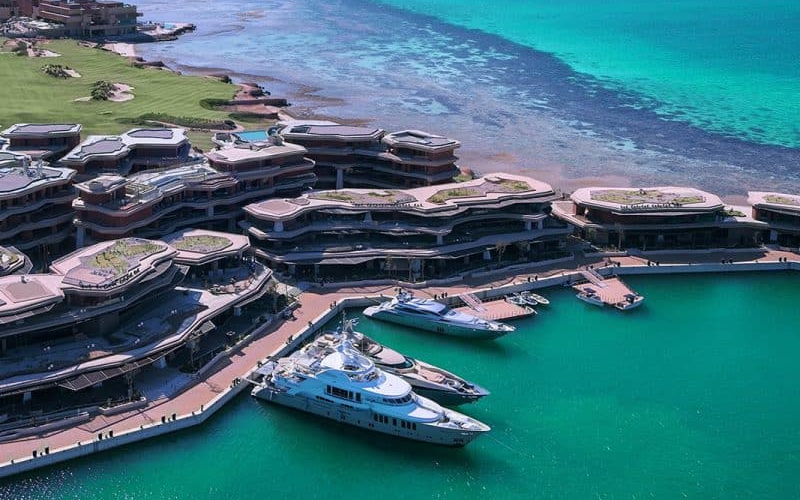
    Saudi Arabia Fast-Tracks King Abdullah Gardens: The Desert Engineering Marvel That Will Change Middle East HVACR Forever

    One of the most audacious built environment projects on earth has officially entered fast-track mode. Construction on the King Abdullah Gardens in Riyadh, known as KAGA, is advancing rapidly, according to a formal announcement by the Saudi Press Agency on March 21, 2026, with major structural elements and key facilities already completed at a site that will rank among the world’s three largest covered botanical gardens when finished. For the global HVACR engineering and climate control community, this announcement is not simply news about a garden. It is a dispatch from the frontline of one of the most technically demanding climate control undertakings in the history of built environment engineering.

    Construction on King Abdullah Gardens is advancing rapidly, marking significant progress on one of Riyadh’s most prominent environmental initiatives. With major structural elements and key facilities already completed, the project aims to dramatically expand the capital’s green spaces and enhance the overall quality of life.

    The KAGA botanical garden is a green destination with a budget of over $690 million, and once completed, the two-million-square-metre garden is expected to attract over three million local visitors annually by 2030. Those numbers, a project budget exceeding two-thirds of a billion dollars and a projected annual footfall of three million visitors, frame the true scale of what Riyadh is attempting to deliver in the middle of one of the world’s most climatically extreme environments.

    A Project Decades in Ambition, Now Racing to Delivery

    The King Abdullah Gardens project has a long and complex history that stretches back to the reign of the late King Abdullah, after whom it is named. Work on the project began in 2014 under the late King Abdullah and includes several botanical gardens divided into two sections. The centrepiece of the project is a palaeobotanic biome building formed as two interlocking crescents which accommodate a sequence of controlled environments covering 90,000 square metres. One section is fully covered and is five times the size of the Eden Project in Britain.

    Five times the size of the Eden Project. That single comparison communicates the sheer physical ambition of KAGA more powerfully than any set of statistics. The Eden Project in Cornwall, United Kingdom, is itself regarded as one of the most complex and technically impressive climate-controlled biome structures ever built, housing multiple distinct ecosystems under geodesic dome structures in a former quarry. KAGA does not merely match that achievement. It multiplies it fivefold, in a desert environment where summer ambient temperatures regularly exceed 45 degrees Celsius, and the gap between the required interior climate conditions and the external environment is not a matter of a few degrees but an engineering chasm measured in dozens of degrees and dramatically different humidity regimes.

    The project is set within the arid desert of the Saudi Central Region, following a brief which sought to create botanical gardens to rival those at Kew and Singapore. Planned to be the largest temperature controlled gardens in the world, the gardens in the crescent biomes covering 10 hectares will recreate the 400 million year old evolution of the Earth’s plants, trees and flowers.

    Kew Gardens in London and Gardens by the Bay in Singapore are two of the most celebrated botanical destinations on the planet. That both were cited as the explicit performance benchmarks in the project brief sets an extraordinarily high standard for what KAGA must deliver, not merely as a construction achievement but as a visitor and educational experience. The ambition is nothing less than to build something that stands alongside the finest botanical institutions in the world, in a country where the prevailing climate is among the least hospitable to plant life on the planet.

    What Is Being Built: A Comprehensive Desert Ecosystem Complex

    Understanding the HVACR challenge at KAGA requires a clear picture of what the project actually comprises. This is not a single climate-controlled space. It is a collection of multiple distinct environments, each with its own temperature, humidity, and ventilation requirements, all of which must be maintained simultaneously within a structure sitting in the Tuwaiq desert on the outskirts of Riyadh.

    Spanning more than two million square metres, King Abdullah Gardens ranks among the world’s three largest covered botanical gardens. The expansive site features a diverse array of environments, including water, desert and floral gardens alongside carefully designed habitats for birds, reptiles and interactive spaces for children, promoting both conservation and learning.

    Enhancing its scientific and educational value, the project includes a botanical museum and a gene bank. It also offers integrated recreational facilities such as a valley promenade, observation towers and event spaces, complemented by cafes, markets and playgrounds, creating a comprehensive environment that encourages visitor engagement with nature.

    The main focus of the project is a 90,000 square metre palaeobotanic biome building formed as two interlocking crescents which accommodate a sequence of controlled environments showcasing the site’s passage through time. Each of the gardens is presented as a timeline which takes the visitor through different botanical periods, including the prolific Jurassic and Cretaceous periods.

    Within the covered biome structures, the HVACR challenge is at its most acute. There is a butterfly garden of almost 5,000 square metres divided into two different habitats: an exotic habitat with tropical vegetation kept at a constant temperature of between 21 and 29 degrees Celsius, and another with native butterflies, trees and bushes. Among the other attractions is a physic garden, a pavilion exclusively for medicinal plants and herbs from all over the world, and a water garden with a study of water in all its forms, from ice to snow and steam.

    The engineering implications of this programme are profound. Maintaining a tropical butterfly habitat at a stable 21 to 29 degrees Celsius within a structure located in an environment where external temperatures can reach 50 degrees Celsius in peak summer requires cooling systems of exceptional capacity, precision, and redundancy. The water garden, with its requirement to present water simultaneously in solid, liquid and vapour form, demands an even more sophisticated and diverse range of thermal management solutions operating in close spatial proximity to one another.

    The HVACR Engineering Challenge: Unprecedented in the Middle East

    For the HVACR industry, the King Abdullah Gardens project represents a convergence of technical challenges that have no direct precedent in the region and few precedents anywhere in the world. The fundamental problem is straightforward to state and extraordinarily complex to solve: how do you maintain living ecosystems, some requiring tropical conditions, others requiring temperate or arid conditions, all requiring precise humidity and air quality control, inside structures exposed to one of the most punishing ambient thermal environments on earth?

    The project features biodome structures comprising enclosed climate-controlled environments showcasing plants from different eras and biomes, themed zones dedicated to different climatic regions such as rainforests, deserts and Mediterranean landscapes, water conservation features including advanced irrigation systems and water recycling to support sustainability, and energy efficiency measures including solar panels and advanced climate control systems.

    The reference to solar-powered energy systems alongside advanced climate control is a critical design philosophy that runs through the entire project. Power will be derived from the sun, water will be recycled, and much of the rock, gravel and soil on the site will be used, establishing a sustainability framework that positions KAGA not just as a destination for environmental education but as a built demonstration of sustainable engineering principles in an extreme climate.

    That sustainability imperative directly shapes the HVACR specification. In a conventional large-scale cooling project in the Middle East, the primary performance metrics are capacity and reliability. At KAGA, a third metric of equal importance is efficiency, because the project’s own sustainability credentials depend in part on demonstrating that the extraordinary volume of cooling energy required to maintain its multiple climate zones can be delivered with the minimum possible energy consumption and the minimum possible carbon footprint.

    The scale of cooling load involved at KAGA is almost unprecedented for a non-industrial facility in the region. Cooling a 90,000 square metre biome complex to tropical or temperate conditions against an external environment at 45 degrees or above, while simultaneously managing latent heat loads from the tens of thousands of plants, trees, and living organisms within the biomes, and while managing the ventilation requirements for visitor comfort across projected peak crowds, demands a cooling infrastructure of enormous capacity. District cooling system architecture, high efficiency centrifugal chiller plant, advanced thermal energy storage, and intelligent building management systems capable of coordinating multiple overlapping climate zones in real time are all likely to be components of the mechanical engineering solution at this scale and complexity.

    The Biome Architecture: Engineering at the Edge of Possibility

    The physical architecture of the KAGA biome structures is itself a direct response to the HVACR challenge. The gardens will be built within two interconnected crescent shaped biomes reflecting the site’s passage through time. The Garden of Choices will reflect what could happen in the future if climate change continues or is arrested.

    The crescent biome form is not arbitrary. Curved structural geometries distribute thermal loads more evenly than rectilinear forms and reduce the surface area to volume ratio, which directly reduces the rate of heat gain through the building envelope in an extreme solar radiation environment. The selection of building envelope materials, glazing systems, and insulation specifications for these structures will have been driven overwhelmingly by the need to minimise the cooling load imposed by solar gain while maintaining the controlled interior climate conditions required by the plant life within.

    The award winning 160 hectare scheme is set to become one of the principal educational resources in the understanding of climate and sustainable development, with power derived from the sun, water recycled and much of the rock, gravel and soil on the site used in construction.

    The 160-hectare total site footprint, of which the covered biome structures represent a portion, also encompasses extensive outdoor gardens, water features, and visitor infrastructure. The HVACR requirements of these outdoor areas, while less technically demanding than the enclosed biome environments, still require careful engineering in the context of Riyadh’s climate. Visitor comfort in outdoor spaces during summer months, when temperatures routinely exceed 40 degrees Celsius, requires spot cooling, misting, shading, and ventilation strategies that add another layer of technical complexity to an already demanding overall project.

    Vision 2030 and the Strategic Imperative Behind KAGA

    King Abdullah Gardens cannot be understood in isolation from Saudi Arabia’s Vision 2030 transformation programme, the comprehensive national development strategy overseen by Crown Prince Mohammed bin Salman that is reshaping the Kingdom’s cities, economy, and global identity at extraordinary speed.

    Saudi Arabia’s Public Investment Fund expanded its green project investment plan to over $19.4 billion covering 91 eligible projects in areas such as renewable energy, green buildings and clean transportation as well as sustainable water management, pollution prevention and sustainable management of living natural resources and land use.

    KAGA sits squarely within this investment framework as one of Riyadh’s most visible and symbolically significant green infrastructure projects. The KAGA project reflects Riyadh’s broader development vision, establishing a sustainable urban destination that seamlessly integrates environmental, cultural and educational experiences.

    The population dimension of the project’s strategic context is also significant. In 2021, Crown Prince Mohammed bin Salman outlined plans to make Riyadh one of the top 10 largest city economies in the world, with a target to increase its population from 7.5 million to around 15 to 20 million by 2030. A city doubling or tripling in population requires a proportional expansion of the quality of life infrastructure that makes urban living attractive and sustainable. Green spaces, cultural destinations, and nature led recreational facilities are central to that quality of life proposition, and KAGA is the most ambitious single expression of that ambition in Riyadh’s current development programme.

    The educational mission embedded in the project design also reflects a specific strategic priority. The gardens exemplify Saudi Arabia’s Vision 2030 ambitions with the government framing the project as a commitment to a greener, knowledge driven future. A botanical garden explicitly designed around climate change education, plant evolution, and sustainable development is a powerful instrument of public awareness building that Vision 2030 seeks to embed in Saudi society, particularly among the young and rapidly growing population that will inherit the consequences of today’s environmental decisions.

    Rapid Progress: What Has Been Achieved on Site

    The fast-track construction announcement made by the Saudi Press Agency in March 2026 is backed by concrete evidence of substantial on-site progress. Construction at King Abdullah Gardens is progressing at pace, with several key structures and facilities already completed as Riyadh advances one of its flagship environmental developments. The project is set to expand the capital’s green footprint and support wider quality of life goals through a major new nature led destination.

    The King Abdullah Gardens Project is undergoing notable progress in structural elements and the completion of large portions of its components as part of efforts to develop an environmentally focused urban destination that enhances green spaces in Riyadh. The project has advanced in multiple phases, with several landmark attractions already completed.

    The phased delivery approach to a project of this scale and complexity is both logistically necessary and strategically wise. By completing and commissioning individual attractions and garden zones progressively, the project team can validate the performance of climate control and building systems in real operational conditions while construction continues on the remaining phases. Early operational experience in completed sections also informs any necessary refinements to the HVACR specifications in later construction phases, a valuable feedback loop that would be unavailable in a single stage delivery model.

    The gardens host more than 700,000 trees and shrubs and feature seven indoor biomes within the Twin Crescents alongside eight outdoor gardens, including the Wadi and Water Gardens, according to the Saudi press agency.

    Seven distinct indoor biomes within the Twin Crescent structure, each presumably requiring different climate conditions tailored to the plant life and historical period it represents, and eight outdoor garden environments, is a systems integration challenge of extraordinary complexity. The building management infrastructure required to monitor, control, and optimise all of these environments simultaneously, responding in real time to changes in external weather conditions, visitor loads, plant health indicators, and equipment performance, represents a state-of-the-art application of intelligent building controls technology.

    The Gene Bank and Museum: Climate Control for Scientific Preservation

    Among the many facilities being delivered within the KAGA complex, two merit particular attention from an HVACR perspective: the botanical museum and the gene bank.

    Enhancing its scientific and educational value, the project includes a botanical museum and a gene bank.

    A gene bank is not merely a storage facility. It is one of the most climate control critical environments in the field of biological preservation, requiring precisely maintained low temperature conditions, controlled humidity, and backup power infrastructure capable of sustaining those conditions through any conceivable disruption. Gene banks for plant material typically require long-term storage at temperatures well below freezing, with some material stored at cryogenic temperatures, alongside carefully managed germination testing facilities maintained at controlled growing temperatures. The reliability demands on the refrigeration and HVAC systems serving a gene bank are among the highest in any building type, with any significant failure potentially resulting in irreplaceable loss of biological material accumulated over years or decades.

    In the context of a project explicitly designed around plant evolution and the preservation of plant diversity in the face of climate change, the gene bank at KAGA carries particular symbolic as well as scientific weight. It is literally a vault against the kind of biodiversity loss that the rest of the facility is dedicated to educating visitors about. The refrigeration systems protecting that vault must be engineered to a standard of reliability that matches the irreplaceable value of what they protect.

    Middle East HVACR Industry: A Transformational Project Opportunity

    For the regional and international HVACR engineering and contracting community, King Abdullah Gardens represents one of the most technically demanding and commercially significant project opportunities to emerge from the Saudi construction boom in recent years. The scope of climate control engineering work required across the biome structures, indoor gardens, gene bank, museum, visitor facilities, and outdoor amenity areas is substantial, and the technical specifications driving that work are among the most exacting in the regional market.

    The project also carries significant demonstration value beyond its immediate boundaries. Saudi Arabia and the wider Gulf Cooperation Council region are increasingly focused on developing world-class visitor destinations that can attract international tourism and generate economic activity independent of hydrocarbon revenues. The climate control engineering solutions developed and proven at KAGA will inform the specifications for an entire generation of similar projects across the region, from museum and cultural facility developments to desert resort and eco tourism destinations that face comparable challenges of maintaining comfortable and controlled environments against extreme ambient conditions.

    The sustainability engineering embedded in the KAGA design philosophy, centred on solar power, water recycling, and energy-efficient climate control systems, also aligns directly with the direction of travel in Saudi building regulations and green building standards, which are progressively tightening under Vision 2030 commitments to reduce the Kingdom’s domestic energy consumption and carbon emissions. HVACR contractors and system designers who develop deep expertise in the high-performance, low-energy cooling and ventilation solutions required at KAGA will be well-positioned for a rapidly expanding pipeline of similar work across the Saudi and Gulf markets.

    Looking Ahead: Opening and Long-Term Significance

    Once completed, the two million square metre garden is expected to attract over three million local visitors annually by 2030. That visitor projection, three million people per year flowing through multiple climate-controlled biome environments in one of the world’s hottest cities, translates directly into an ongoing HVACR operations and maintenance commitment of considerable scale and complexity. The systems installed today must not only perform at commissioning but must continue to perform reliably, efficiently, and precisely year after year in demanding conditions, serving both the living plant ecosystems that depend on them absolutely and the millions of visitors whose comfort and safety require consistent and dependable climate management.

    The KAGA project reflects Riyadh’s broader development vision, establishing a sustainable urban destination that seamlessly integrates environmental, cultural and educational experiences.

    For the global HVACR industry, the King Abdullah Gardens project is a compelling demonstration that the most demanding climate control engineering challenges of the coming decades will not be found in conventional commercial buildings or industrial facilities. They will be found in projects like this one, at the intersection of extreme environmental ambition, biological precision requirements, sustainability imperatives, and visitor experience expectations, built in some of the most climatically challenging locations on the planet.

    Riyadh is building a garden in the desert. The engineering required to keep it alive and thriving, year after year, in conditions that are fundamentally hostile to the life it contains, is one of the great HVACR challenges of the modern era. The fast track announcement of March 2026 confirms that this challenge is now being met in earnest, and that the world’s most ambitious botanical project is moving with the urgency its ambition demands.

  • Dubai gold price drops Dh10 in a day as strong dollar and rate jitters jolt bullion

    Dubai gold price drops Dh10 in a day as strong dollar and rate jitters jolt bullion

    Dubai’s gold market opened the week on a softer note, with local retail rates registering a Dh10 drop per gram across key purity categories within 24 hours. By around 9.30 am on March 9, 24K gold was quoted at about Dh613.25 per gram, down from Dh623.25 a day earlier, reversing part of a powerful rally that had recently pushed prices toward Dh640.

    The widely traded 22K variant followed the same path, easing to roughly Dh567.75 per gram from Dh577.25, while 21K and 18K also shed close to Dh9–Dh9.5 per gram compared to the previous session. The correction comes after a volatile February in which 24K slipped near Dh598 before surging above Dh630 in late‑month trade.

    Global pressures: strong dollar, sticky rates

    Behind Dubai’s price move is a broader sell‑off in global bullion markets, where spot gold briefly dropped by around 3 per cent, sliding below the psychologically important 5,100‑dollar‑per‑ounce mark before trimming some losses. Analysts say the pullback reflects a “classic” squeeze from a resurgent US dollar and fading hopes of imminent interest rate cuts by major central banks.

    A stronger dollar makes gold more expensive for holders of other currencies, often cooling demand for the metal as a safe‑haven store of value. At the same time, expectations of higher‑for‑longer rates increase the appeal of yield‑bearing assets relative to non‑interest‑paying bullion, pressuring prices even as geopolitical risks remain elevated.

    Market reaction in Dubai’s jewellery hubs

    Despite the sudden Dh10 discount, Dubai’s jewellery souqs and mall‑based retailers are not yet seeing a stampede back to the counters. Store owners report that many residents – especially big‑ticket bridal and investment buyers – remain cautious after watching prices whipsaw over recent sessions, preferring to wait for signs of stability before committing to large purchases.

    Trade data shows 24K hovering in the Dh620–Dh623 range for much of the past week, with only modest improvement in footfall even after the latest correction, suggesting sentiment is still shaped by the memory of near‑record highs. Retailers, however, describe the Dh10 drop as a “welcome talking point” to revive customer interest and nudge fence‑sitters back into the market.

    Opportunity or warning for buyers?

    For consumers, the move creates a narrow window of relative value rather than a wholesale bargain phase. Even after the Dh10 decline, Dubai gold remains historically expensive by multi‑year standards, with 24K still comfortably above the Dh610 line that would have seemed steep just a few seasons ago.

    Analysts caution that trying to “perfectly time the bottom” in such a headline‑driven market is risky, advising regular buyers to focus on affordability, budget discipline and long‑term holding horizons instead. Short‑term traders, by contrast, are watching global cues – from US economic data to geopolitical flare‑ups – for clues on whether the latest drop is a pause in an ongoing uptrend or the start of a deeper correction.

    What to watch in the days ahead

    In the near term, Dubai gold prices are likely to take their direction from three main forces: the strength of the US dollar, shifting rate‑cut expectations from the US Federal Reserve and other central banks, and any escalation in geopolitical tensions that could revive safe‑haven flows.

    If the dollar rally cools and markets regain confidence in earlier‑than‑expected rate easing, bullion could again challenge recent highs, pulling local prices back up toward the Dh630–Dh640 band. For now, though, gold shoppers in Dubai are navigating a market where the only constant is volatility – and where a Dh10 swing in a single day may be less an anomaly than a sign of the new normal.

  • Eid Al Fitr and Eid Al Adha 2026: Official holiday dates revealed for Saudi Arabia

    Eid Al Fitr and Eid Al Adha 2026: Official holiday dates revealed for Saudi Arabia

    According to official and government-linked holiday schedules, Eid Al Fitr in 2026 is expected to fall on Friday, March 20, corresponding to 1 Shawwal 1447 in the Islamic calendar, marking the end of Ramadan. Eid Al Adha, which follows the Day of Arafat, is listed for Wednesday, May 27, 2026, aligning with 10 Dhul Hijjah 1447.

    As with every year, authorities stress that these dates remain tentative until the official moon sighting committees confirm the start of Shawwal and Dhul Hijjah, but the Gregorian dates now serve as the working reference for 2026.

    Public holiday periods around Eid Al Fitr

    The Eid Al Fitr break in Saudi Arabia will span several days, creating one of the longest early-year pauses in the national calendar. Public-holiday listings show Eid Al Fitr itself on Friday, March 20, with additional holidays extending from at least Friday through Monday, March 23, effectively offering a four‑day long weekend for many workers.

    Some guides for employers and HR teams indicate that the practical break in the public and private sectors may begin as early as Thursday, March 19, depending on sector-specific regulations and internal policies, giving residents time to prepare for travel and family gatherings.

    Public holiday periods around Eid Al Adha

    The Eid Al Adha holidays will come a little over two months after Eid Al Fitr and are clustered around the peak of the Hajj season. Current calendars show Arafat Day expected on Tuesday, May 26, followed by Eid Al Adha on Wednesday, May 27, with at least one additional public holiday on Thursday, May 28.

    In practice, this creates a mid‑week festive stretch from Tuesday to Thursday, which many residents are likely to extend into a longer break by combining with weekends on either side, particularly for domestic and regional travel.

    What the dates mean for residents and employers

    For families, the early confirmation of both Eid windows in March and late May allows school communities, expatriates and Saudi nationals to lock in travel bookings and manage reunion plans well ahead of peak pricing. For businesses, especially in retail, hospitality, aviation and entertainment, the two clusters of holidays form anchor points for Ramadan‑end promotions and summer‑adjacent campaigns around Eid Al Adha.

    HR consultants are already advising companies to update internal holiday calendars, adjust project timelines and prepare staffing rosters for high-demand periods in malls, airports, hotels and leisure venues. With 2026 also bringing other key dates such as Saudi Founding Day on February 22 and National Day on September 23, the confirmed Eid holidays further define the rhythm of the Kingdom’s working and festive year.

  • Saudi Arabia sets 90-day annual limit on stay of Gulf-registered vehicles  in the Kingdom

    Saudi Arabia sets 90-day annual limit on stay of Gulf-registered vehicles  in the Kingdom

    New 90-day rule: how it works

    Under the new framework, vehicles registered in any Gulf Cooperation Council (GCC) country can remain in Saudi Arabia for a maximum of 90 days during any rolling 12‑month period. The limit applies whether those 90 days are spent in one continuous stay or spread across multiple visits, and the clock starts from the moment the vehicle enters through any Saudi customs port.

    The regulations cover vehicles owned by Saudi citizens, GCC nationals and expatriate residents alike, as well as cars driven by authorised users, closing a loophole that allowed some owners to keep foreign‑registered vehicles in the Kingdom almost permanently.

    Who is covered – and who is exempt

    Saudi authorities have confirmed that the 90‑day limit applies to Gulf‑registered private vehicles entering from all neighbouring GCC states, including the UAE, Kuwait, Bahrain, Oman, and Qatar. The measure is particularly relevant to cross‑border commuters and families who routinely drive between Saudi Arabia and other Gulf states for work, business, and leisure.

    However, the rules carve out a key exemption: vehicles rented from licensed companies in GCC countries are not subject to the 90‑day cap, reflecting the different regulatory treatment of short‑term rentals versus privately owned cars. Officials have also indicated that owners or authorised drivers may apply for extensions before the permitted period expires, with the Ministry of Interior assessing such requests on a case-by-case basis.

    Enforcement: data sharing and penalties

    Implementation of the new system hinges on closer coordination between border, tax, and traffic authorities. The Zakat, Tax and Customs Authority has been tasked with supplying the Ministry of Interior and traffic departments with detailed vehicle entry data, enabling them to track cumulative days spent in the Kingdom by each Gulf‑registered car.

    Owners or authorised drivers must register vehicle details at customs ports on entry, and those who exceed the 90‑day limit without an approved extension will face penalties under Saudi traffic law, where overstaying is treated as a violation. Repeat offenders could be subject to escalating measures as executive decisions are issued to operationalise the regulations.

    Why Saudi Arabia is tightening the rules

    Officials say the move addresses a long‑standing problem of Gulf‑registered vehicles remaining in Saudi Arabia for months or years without being transferred to local registration, complicating traffic enforcement, insurance oversight, and road‑safety monitoring. Vehicles that stay indefinitely on foreign plates can fall outside normal inspection and compliance regimes, making it harder to ensure they meet Saudi technical and safety standards.

    The 90‑day cap is part of a broader push to modernise vehicle regulation, improve data‑driven enforcement, and reduce violations linked to unregistered or hard‑to‑trace cars. By limiting how long Gulf‑registered vehicles can operate in the Kingdom, authorities hope to encourage timely local registration for longer stays and align cross‑border traffic with national road‑safety goals.

    What it means for Gulf motorists

    For GCC nationals and expatriates who frequently drive into Saudi Arabia, the change will require more careful trip planning and a clearer view of how often their vehicle crosses the border. Regular visitors who previously left cars in Saudi Arabia for extended periods may now need to either re‑register their vehicles locally or ensure they exit before hitting the 90‑day threshold.

    Travel and automotive advisers are urging motorists to keep records of entry and exit dates, monitor any days counted towards the annual limit, and seek clarification from customs or traffic departments if they plan long stays that could trigger the need for an extension or re‑registration. While some drivers may see the rule as an inconvenience, officials frame it as a necessary step to keep Saudi roads safer, vehicle fleets more compliant, and enforcement more predictable in an increasingly mobile Gulf region.

    Know more about Saudi Arabia sets 90-day annual limit on stay of Gulf-registered vehicles :

    1. What is the new 90-day rule for Gulf-registered vehicles in Saudi Arabia?
      It is a regulation approved by the Saudi Council of Ministers that limits the total stay of any vehicle with GCC license plates to 90 days within a rolling 365-day period.
    2. When does the 90-day “clock” start ticking?
      The countdown begins exactly on the date the vehicle enters the Kingdom through any land, sea, or air customs port.
    3. Do the 90 days have to be consecutive?
      No. The limit is cumulative. People are searching for this because it means you can visit for 10 days, leave, and come back; those 10 days still count toward your annual 90-day total.
    4. What happens if I enter and exit multiple times a year?
      The Zakat, Tax and Customs Authority (ZATCA) tracks the vehicle’s data. Once the total sum of days inside Saudi Arabia hits 90 within a year, the vehicle must exit or face penalties.
    5. Does this rule apply to Saudi citizens driving GCC-plated cars?
      Yes. The regulation specifically applies to vehicles owned by Saudi citizens, expatriates, or any person authorized to drive them within the Kingdom.

    2. Exemptions and Extensions

    1. Are rental cars from the UAE or Kuwait exempt?
      Yes! One of the top searches is for exemptions. Vehicles rented from licensed rental establishments in any GCC country are currently excluded from this 90-day limit.
    2. Can I extend the 90-day stay if I need more time?
      Yes, but it is not automatic. You must submit a request to the Ministry of Interior (MOI) before the 90 days expire.
    3. Is an extension guaranteed?
      No. The Ministry reviews each request at its discretion based on the data and procedures they establish.
    4. Do I need to register my vehicle data upon entry?
      Yes. Drivers are required to register the vehicle’s information at the customs port according to the requirements set by ZATCA to ensure accurate tracking.
    5. Does this rule affect commercial trucks and heavy transport?
      The primary focus of this specific 90-day “visit” limit is on private passenger vehicles, though all foreign-registered vehicles are subject to ZATCA’s broader import and transit regulations.

    3. Penalties and Enforcement

    1. What is the penalty for overstaying the 90 days?
      Violators will be penalized under Article 68, Paragraph 5 of the Saudi Traffic Law, which classifies overstaying as a formal traffic violation.
    2. Will my car be impounded if I exceed the limit?
      While the primary penalty is a fine, the Traffic Law allows for escalated enforcement measures for repeat offenders or significant overstays.
    3. How will the government track my vehicle’s days?
      ZATCA provides a live data feed to the Ministry of Interior. Every time a license plate is scanned at a border or by “Saher” traffic cameras, the system updates the vehicle’s “days remaining” balance.
    4. Why did Saudi Arabia introduce this limit now?
      The goal is to curb the long-term use of foreign plates by residents to avoid local registration fees, insurance requirements, and periodic technical inspections (MVPI).
    5. Does this rule affect my personal “stay” as a visitor?
      No. This rule is specifically for the vehicle. Your personal visa (e.g., a 1-year multiple-entry tourist visa) has its own stay limits (usually 90 days per visit), which are separate from the car’s annual 90-day limit.

    4. Practical Advice for Travelers

    1. How can I check how many days my car has left?
      It is expected that a tracking feature will be integrated into the Absher or Tawakkalna apps, allowing owners to monitor their vehicle’s remaining balance.
    2. What if I live in Saudi but my car is registered in the UAE?
      Under the new rule, you cannot keep that car in Saudi for the whole year. You will either need to export and re-register it with Saudi plates or ensure it stays out of the country once the 90-day limit is hit.
    3. Does the 90-day limit reset on January 1st?
      No. It is a rolling 365-day period. The system looks back 12 months from the current date to see if the vehicle has already used its 90-day quota.
    4. Can I just “border run” to reset the clock?
      No. Since the days are cumulative (non-consecutive), crossing the border and coming back the same day does not reset the 90-day annual limit.
    5. Where can I find the full text of the regulation?
      People are looking for the Saudi Gazette reports and the official ZATCA (zatca.gov.sa) portals for the latest executive decisions regarding implementation.
  • CBSE postpones Class 12 board exams scheduled for March 9, 10 and 11 in Middle East centres

    CBSE postpones Class 12 board exams scheduled for March 9, 10 and 11 in Middle East centres

    Board steps in amid security concerns

    CBSE has deferred the Class 12 papers scheduled for March 9, 10 and 11 for schools in several Middle East countries where the security situation has deteriorated in recent days. The decision follows earlier postponements and cancellations of exams on March 2, 5, 6 and 7 in the region, making this the latest in a series of disruptions affecting the 2026 board cycle.

    According to official circulars issued to school principals, the move covers CBSE‑affiliated institutions in Bahrain, Iran, Kuwait, Oman, Qatar, Saudi Arabia and the United Arab Emirates, where local conditions have made the smooth conduct of exams increasingly difficult.

    Which exams are affected

    While the Board has already cancelled and postponed multiple Class 10 and 12 papers in the Middle East for early March, the latest directive specifically impacts the Class 12 examinations slated over the three‑day window of March 9, 10 and 11. These papers were part of the broader Class 12 timetable running from February 17 to April 10 for students worldwide, with Middle East candidates now facing a modified calendar.

    CBSE has clarified that exam schedules for centres in India remain unchanged and that the postponement is limited to designated foreign exam centres where security and logistics have been compromised.

    New dates and results: what CBSE has said

    The Board has said revised dates for the postponed Class 12 papers will be communicated “in due course” once it has reviewed the ground situation and consulted local authorities. For Class 10 candidates in affected Middle East centres, CBSE has already indicated that modalities for result declaration — given multiple cancellations — will be notified separately, hinting at alternative assessment mechanisms.

    Students have been told that any decision on examinations scheduled after March 11 will be taken after another formal review, and that they should not assume automatic cancellation or postponement beyond the dates explicitly mentioned in the notice.

    Impact on students and schools

    The repeated postponements have compounded stress for students who have been preparing to a tightly packed February–April timetable, particularly for high‑stakes Class 12 subjects. Schools in the region now face the dual challenge of keeping academic momentum going while managing uncertainty around exam dates, travel, and, in some cases, family relocations.

    Principals have been asked to ensure that official CBSE communications reach students and parents quickly, and to discourage reliance on social media forwards or unverified “revised timetables” that have already prompted a fake‑circular alert from the Board earlier in the exam season.

    CBSE’s advice to students

    CBSE has urged students to continue their preparation as per the prescribed syllabus rather than pausing studies in anticipation of new dates. Candidates have been advised to:

    • Track updates only via the CBSE website and their school authorities.
    • Treat any non‑official PDFs, screenshots or WhatsApp messages about cancellations or new schedules with caution.
    • Use the additional time to revise and practice, especially for subjects now pushed beyond the original calendar.

    With nearly 44–45 lakh students registered across Classes 10 and 12 this year and a significant cohort in overseas centres, CBSE’s handling of the March disruptions will be closely watched as a test of how India’s largest school board adapts to geopolitical volatility while safeguarding academic futures.

  • Emirates, flydubai restart services after brief Dubai airport shutdown amid regional tensions

    Emirates, flydubai restart services after brief Dubai airport shutdown amid regional tensions

    Gradual restart after unprecedented halt

    Dubai, one of the world’s busiest aviation hubs, has started to come back to life after an exceptional shutdown that grounded flights for several days. The suspension followed a sharp escalation in regional tensions, including U.S.‑ and Israeli‑led strikes on Iran and retaliatory attacks that prompted multiple Gulf states to close portions of their airspace as a precaution.

    Authorities in the UAE authorised a limited resumption of operations from the evening of March 2, allowing a small number of flights to depart and arrive at Dubai International (DXB) and Dubai World Central (DWC) under tight coordination with civil aviation regulators.

    Emirates prioritises rebooked passengers

    Flag carrier Emirates confirmed that it would begin operating a “limited number of flights” from the evening of March 2 as part of a phased return to normal service. The airline said customers with earlier bookings whose travel had been disrupted would be given priority, and that rebooked passengers would be contacted directly with new itineraries.

    Crucially, Emirates has repeatedly urged passengers not to go to the airport unless they have received confirmation, warning that unconfirmed walk‑ins would only add to congestion at already strained terminals. While select services have restarted, the carrier stressed that many flights remain suspended and that schedules will be updated progressively as the security picture and airspace restrictions evolve.

    flydubai resumes with reduced schedule

    Low‑cost airline flydubai has also restarted operations, initially with a small set of flights on the evening of March 2 and then with a reduced network‑wide schedule as conditions allowed. Early departures focused on key routes from Dubai to Russian cities such as Moscow’s Vnukovo (VKO), Kazan (KZN), Yekaterinburg (SVX) and Novosibirsk (OVB), alongside a handful of returning services into DXB.

    In a statement, flydubai advised customers to update their contact details via the airline’s “Manage Your Booking” platform and to monitor flight‑status pages closely before travelling to the airport. The carrier underlined that safety remains its primary consideration and that schedules will be rebuilt gradually in line with guidance from UAE authorities.

    Wider UAE aviation impact

    The disruption has rippled across the UAE’s wider aviation ecosystem, affecting not just Dubai but also Abu Dhabi, Sharjah, and Ras Al Khaimah. Etihad Airways has resumed only limited operations from Abu Dhabi, focusing on repositioning, cargo, and repatriation flights while most regular commercial services remain cancelled or heavily curtailed.​

    Sharjah International Airport and Abu Dhabi International have begun partial resumptions under defined operational schedules, while Ras Al Khaimah International initially kept passenger flights suspended pending further safety assessments. Officials have repeatedly urged travellers to liaise directly with airlines rather than turning up at terminals without confirmed bookings.

    Passengers stranded, but corridors reopen

    The sudden airspace closures left tens of thousands of travellers stranded in the Gulf, disrupting carefully choreographed global connections that pass through Dubai and Abu Dhabi. Aviation tracking data and regional reports show widespread cancellations and diversions across key hubs, forcing airlines into complex rerouting and contingency operations.

    With the limited reopening of UAE air corridors, priority is being given to clearing backlogs including tourists, transit passengers, and residents returning home before airlines can move toward anything resembling normal schedules. Officials caution that it will likely take days, not hours, before operations stabilise and network connectivity is fully restored.

    Safety first as outlook remains cautious

    Regulators and carriers have framed the temporary suspension and cautious restart as a necessary response to fast‑moving security risks rather than an optional slowdown. Statements from Emirates, flydubai, and other UAE airlines all emphasise that the safety of passengers and crew remains “the highest priority” as they monitor developments and adjust flight plans in real time.

    For now, travellers are being advised to treat schedules as fluid, keep close watch on airline notifications, and avoid unnecessary trips to airports until they have confirmed itineraries in hand. The way Emirates, flydubai and their peers manage this delicate restart will be closely watched across the industry, as Gulf hubs again find themselves navigating the front line between geopolitical shocks and the world’s appetite for seamless global travel.

  • Massive Winter Storm Watch Extends from New York to the Sunshine State

    Massive Winter Storm Watch Extends from New York to the Sunshine State

    NEW YORK – Meteorological experts are sounding the alarm as a “generational” weather system begins its descent across the United States. In a rare alignment of atmospheric pressure, a Winter Storm Watch has been officially extended to cover a vast corridor of the East Coast, stretching from the Canadian border down to the sub-tropical reaches of the Florida Panhandle.

    The National Weather Service (NWS) describes the system as a “dual-threat” event: a combination of heavy, wind-driven snow in the Northeast and a life-threatening “flash freeze” in the Southeast. For New Yorkers, the alert signals a return to classic, grueling winter conditions. For Floridians, the watch represents a rare and dangerous brush with Arctic air that could threaten infrastructure and agriculture.

    The Science of the Deep Freeze

    The storm is being fueled by a “disrupted polar vortex”—a phenomenon where the cold air typically bottled up at the North Pole spills southward into the mid-latitudes. When this frigid mass hits the warm, moist air currently sitting over the Gulf Stream, the result is “bombogenesis,” a rapid drop in atmospheric pressure that creates a “weather bomb.”

    “This isn’t just a snow event for the North; it’s a total thermal shock for the South,” says Senior Meteorologist Elena Vance. “We are seeing pressure gradients that suggest wind gusts equivalent to a Category 1 hurricane in some coastal areas, coupled with temperatures that will drop 30 degrees in less than three hours.”

    The Full Watch List: Affected Regions

    While the intensity of the storm varies by latitude, the following states and major metropolitan areas are currently under Winter Storm Watches, Freeze Warnings, or High Wind Alerts:

    • New York: All five boroughs of NYC, Long Island, and the Hudson Valley (expecting 8–12 inches of snow and 50 mph gusts).
    • Florida: The Panhandle (Pensacola to Tallahassee) is under a rare Winter Weather Advisory; Central Florida (Orlando/Tampa) is under a Hard Freeze Watch.
    • Georgia: Atlanta and northern counties are bracing for significant ice accumulation and black ice on major interstates.
    • The Carolinas: Charlotte and Raleigh are under a Winter Storm Watch for a “wintry mix” of sleet and freezing rain.
    • New Jersey & Pennsylvania: Philadelphia and Newark are preparing for a “flash freeze” where rain turns to ice instantly.
    • New England: Massachusetts, Connecticut, and Rhode Island are expecting the heaviest snow totals, potentially exceeding 15 inches in higher elevations.
    • Virginia & D.C.: The capital region is on high alert for power outages due to heavy ice loading on power lines.

    The Florida Anomalies

    The most striking aspect of this system is its reach into the Sunshine State. In Florida, the concern isn’t just snow—which may fall as “graupel” (soft hail) in the Panhandle—but the impact on the state’s massive citrus industry and the vulnerability of tropical wildlife. Local authorities have already issued “Falling Iguana” alerts, a quirk of Florida winters where cold-stunned reptiles lose their grip on tree branches and fall to the ground.

    Emergency shelters are opening across Tallahassee and Jacksonville, as many homes in these regions lack the insulation required to handle temperatures predicted to dip into the low 20s.

    Safety and Preparation

    As the front moves in, officials are urging residents to follow the “Three P’s”:

    1. Pipes: Wrap outdoor pipes and allow indoor faucets to drip to prevent bursting.
    2. Plants: Move sensitive vegetation indoors or cover with frost blankets.
    3. Pets: Bring all animals inside; if it is too cold for you, it is too cold for them.

    Travelers are advised to check flight statuses at major hubs like JFK, LaGuardia, and Orlando International, as mass cancellations are expected to ripple through the weekend.

  • Major League Soccer kicks off 2026 season on Apple TV, ending Season Pass era

    Major League Soccer kicks off 2026 season on Apple TV, ending Season Pass era

    When the 2026 Major League Soccer season kicks off, the first whistle will do more than start another year of competition; it will formally launch MLS’s next‑generation broadcast model on Apple TV. All regular‑season fixtures, the Audi MLS Cup Playoffs, the MLS All‑Star Game, Leagues Cup, and Campeones Cup are now housed under a single Apple TV subscription, with no add‑on package required.

    The change closes the book on MLS Season Pass, the separate paid tier that defined the early years of the Apple–MLS partnership. In its place, the league is betting on reach and simplicity: one subscription, one app, one global destination for every match. For fans already inside Apple’s ecosystem, it is a friction‑free way to drop into live games or replays without juggling multiple services.

    Why MLS and Apple tore up the old playbook

    Strategically, the move reflects how both MLS and Apple see the next phase of growth. For the league, bundling all games into Apple TV widens the funnel at a critical moment, with the 2026 World Cup in the U.S., Canada, and Mexico expected to turbo‑charge interest in domestic soccer. Freeing fans from a separate paywall is designed to convert casual viewers, World Cup tourists, and younger streaming‑first audiences into habitual MLS watchers.

    For Apple, bringing MLS into the core Apple TV offering deepens its sports credentials alongside existing baseball coverage and expanding motorsport rights. It also gives the company a steady stream of live content spread across the calendar a powerful complement to its portfolio of prestige dramas, documentaries, and films that, until now, leaned heavily on on‑demand viewing.

    What fans get on Apple TV in 2026

    Practically, the shift means that from opening weekend, subscribers can:

    • Watch every MLS regular‑season and playoff match live or on demand from the same Apple TV app.
    • Access whip‑around studio shows, analysis, and magazine‑style features as part of the package.
    • Stream in more than 100 countries and regions, without the local blackout headaches that defined previous broadcast eras.

    Season‑ticket holders get a further sweetener: clubs are bundling an Apple TV subscription with full‑season ticket packages, turning access to the league’s entire digital product into a loyalty perk. For supporters, that makes the choice clear: one purchase covers seats in the stands and the full broadcast slate at home or on the go.

    The end of fragmentation and the start of new questions

    From a user‑experience perspective, MLS’s 2026 season debut on Apple TV is arguably the cleanest streaming proposition in North American sports: no confusing regional sports networks, no partial rights, no patchwork of local and national deals. Everything sits in one place, under one brand, with a consistent production standard.

    But consolidation comes with open questions. Will casual sports fans be persuaded to treat Apple TV as a primary sports destination, rather than a prestige‑TV platform that also happens to show soccer? Can MLS leverage the extra exposure to lift attendances, merchandise sales, and club valuations in a league still chasing the financial scale of Europe’s giants and the NFL at home?

    A pivotal season for soccer in North America

    As the 2026 season begins, the stakes go well beyond week‑one scores. MLS and Apple are testing whether a streaming‑first, global‑by‑design distribution model can turn North American soccer into a year‑round, appointment viewing habit ahead of the World Cup spotlight.

    If it works, this year’s kickoff on Apple TV will be remembered less as a mere broadcast tweak and more as an inflection point, the moment MLS stopped thinking like a traditional rights seller and embraced life as a flagship property inside one of the world’s most influential technology ecosystems.

  • Robotics and Artificial Intelligence: Five Trends Redefining the Future of Work and Industry

    Robotics and Artificial Intelligence: Five Trends Redefining the Future of Work and Industry

    Artificial intelligence is increasingly moving off the screen and into the physical world, embodied in robots that can perceive, decide, and act in complex environments. Analysts describe this shift as the rise of physical AI: general‑purpose robots, often in humanoid or mobile form, that can handle varied tasks rather than a single pre‑programmed motion.

    Unlike traditional industrial arms that repeat the same weld or pick‑and‑place movement, these new systems draw on vision‑language models and generative AI to interpret scenes, follow natural‑language instructions, and adjust to change on the fly. In practice, that means robots moving from cages and fixed cells to shared spaces with humans, warehouses, or even public environments.

    Autonomy, Agentic AI, and Always‑On Operations

    One defining trend is the push toward higher autonomy levels, where robots operate with minimal human intervention. The International Federation of Robotics lists AI‑driven autonomy as a top global trend, with analytical AI used for predictive maintenance and optimization, and generative AI enabling robots to learn new tasks and behaviors.

    A hybrid concept known as agentic AI is emerging, combining structured decision‑making with adaptive behavior so robots can plan, monitor, and adjust their own workflows. This is enabling “lights‑out” scenarios in some facilities, where production runs around the clock with robot fleets coordinated through AI‑driven control systems.

    Design in the Digital Twin: “Simulate‑Then‑Procure”

    Capital‑intensive robotics projects are driving a new procurement model: simulate first, buy later. Instead of ordering robots based on spec sheets alone, companies increasingly build full digital twins of work cells, test multiple configurations, and stress‑test throughput virtually before signing purchase orders.​

    This “simulate‑then‑procure” approach reduces the risk of over‑ or under‑engineering and helps justify investments in front of skeptical finance teams. It also shortens deployment time, because once the physical system arrives, much of the integration logic, safety zoning, and task planning has already been validated in software.

    Sector Focus: Healthcare’s AI–Robotics Race

    Healthcare is becoming one of the most strategically important battlegrounds for robotics and AI. In hospitals and clinics, robots are moving beyond experimental pilots to handle logistics, disinfection, and support roles, while AI systems power diagnostics, triage, and decision support.

    Industry observers note that “great technology” alone is no longer enough; winners will be those whose solutions align with healthcare financing, reimbursement, and long‑term support. That means robotics vendors must bundle capital plans, training, uptime guarantees, and measurable outcomes into their offerings to secure approvals from hospital procurement teams and payers.

    Investment, Labor, and the Global Outlook

    Robotics and AI are expanding fastest in regions facing aging workforces and rising labor costs, where automation fills structural gaps. At the same time, investors are targeting companies that blend AI, robotics, and even blockchain into end‑to‑end platforms across sectors such as healthcare and industrial infrastructure.

    Survey‑based research highlights ongoing challenges in sensor fusion, power consumption, and safety, but also underscores a broad consensus: demand for versatile, connected robots will accelerate as IT and OT systems converge on the factory floor. For policymakers, employers, and workers, the question is no longer whether robots and AI will reshape the economy, but how quickly and who will capture the value as the next wave of automation scales up.