Tag: kuwait

Stay updated with Kuwait news on GulfInsight360. Explore trends, developments, and insights for the latest Kuwait news & updates.

  • Kuwait Introduces New Tax System in Bid to Diversify Economy

    Kuwait Introduces New Tax System in Bid to Diversify Economy

    Kuwait has announced sweeping changes to its tax policies, implementing new levies that are expected to generate $820 million in annual revenue as the oil-rich nation seeks to reduce its dependence on petroleum income.

    Key Changes Taking Effect

    Starting in 2026, Kuwait will introduce:
    ✔ 10% corporate tax for foreign companies (previously 0%)
    ✔ 5% “sand tax” on oilfield service providers
    ✔ Luxury goods VAT of 5% on jewelry and premium vehicles
    ✔ 1-3% tax on large overseas money transfers by expats

    What Stays the Same

    • No income tax for Kuwaiti citizens
    • Tax exemptions for basic necessities like food and medicine
    • Preferential treatment for small businesses and startups

    Why This Matters

    1. Economic Shifts
      • Oil currently makes up 82% of the government’s income
      • New taxes aim to address the projected $12 billion deficit
    2. Regional Comparisons
      • Maintains the lowest corporate rate in the Gulf (vs 9% in UAE)
      • Still no personal income tax, unlike some neighbors
    3. Future Planning
      • Funds will support the Silk City megaproject
      • 30% of the new revenue is going to the sovereign wealth fund

    Potential Impacts

    Business Sector
    Energy companies face higher service costs while luxury retailers brace for reduced sales

    Expatriate Workers
    Many are concerned about new charges for sending money home to families

    Economists’ View
    “Necessary step to prepare for post-oil era,” says financial analyst Ahmed Al-Farsi

    Implementation Schedule

    • January 2026: Corporate taxes begin
    • April 2026: Luxury VAT starts
    • July 2026: Remittance tax takes effect

    Government Assurance

    Finance Minister emphasized the changes are “moderate and measured,” designed to maintain Kuwait’s business-friendly environment while securing future revenue streams.

    About the Reforms
    The tax changes represent Kuwait’s most significant fiscal policy shift in decades, carefully balanced to generate revenue without deterring investment or drastically impacting citizens’ cost of living.

    Businesses and residents are advised to consult with financial advisors to understand how the new rules may affect them.

    For More Information
    Details are available on the Ministry of Finance website, with hotlines established to answer questions from affected companies and individuals.

    Know more about “Kuwait Introduces New Tax System”:

    1. What is the “new tax system” primarily about in Kuwait?
      The main focus is the implementation of a Domestic Minimum Top-up Tax (DMTT) on multinational entities (MNEs), aligning with the OECD’s Pillar Two framework.
    2. When did this new tax system come into effect?
      The DMTT is effective for financial years starting on or after January 1, 2025.
    3. Why is Kuwait introducing this new tax?
      Kuwait is introducing this to diversify its economy away from oil dependence, align with international tax standards (OECD Pillar Two), combat tax evasion, and enhance its fiscal sustainability as part of its Vision 2035 strategy.
    4. Which companies are subject to the Domestic Minimum Top-up Tax (DMTT)?
      It applies to Multinational Entities (MNEs) with global consolidated revenues of €750 million or more in at least two of the preceding four fiscal years.
    5. What is the minimum tax rate under this new system?
      The DMTT aims to ensure that the effective tax rate (ETR) for in-scope MNEs in Kuwait is at least 15%.
    6. Does this mean all companies in Kuwait will now pay a 15% corporate income tax?
      No, the existing 15% corporate income tax for foreign companies and the 1% Zakat and 2.5% National Labor Support Tax (NLST) will no longer apply to the MNEs in scope of the new DMTT. Local businesses with no operations outside Kuwait are generally excluded from the DMTT.
    7. What entities are excluded from the DMTT?
      Excluded entities include government entities, non-profit organizations, international organizations, pension funds, certain investment funds that are Ultimate Parent Entities (UPEs), and real estate investment vehicles that are UPEs.
    8. Is there still no personal income tax for individuals (expats or citizens) in Kuwait?
      As of current information for 2025, there is no personal income tax (PIT) imposed on individuals in Kuwait.
    9. Has Kuwait implemented Value Added Tax (VAT) yet?
      No, Kuwait has delayed VAT implementation until 2028. It was initially expected earlier but has been pushed back.
    10. Are there any plans for excise taxes on specific goods?
      Yes, the government is considering introducing excise taxes on certain goods like tobacco and its derivatives, soft and sweetened drinks, and luxury items such as watches, jewelry, luxury cars, and yachts.
    11. Will this new tax system impact local Kuwaiti businesses?
      The DMTT primarily targets large multinational entities. Local businesses with no international operations and those below the €750 million revenue threshold are generally not directly impacted by this specific tax.
    12. What is the “effective tax rate (ETR)” calculation in this new system?
      The ETR is calculated based on the aggregated adjusted income and adjusted covered taxes for all non-excluded entities of an MNE group in Kuwait. If the ETR is below 15%, a top-up tax is applied.
    13. Are there any safe harbor provisions under the new tax law?
      Yes, the Law provides for safe harbors, including a de minimis safe harbor and a transitional Country-by-Country Reporting (CbCR) Safe Harbour for initial fiscal years, which can simplify compliance.
    14. What are the compliance requirements for in-scope MNEs under the new law?
      In-scope MNEs will be required to register with the Kuwait Tax Authority (KTA) within nine months from implementation, and submit tax returns with audited financial statements within 15 months of the tax period end.
    15. Does the new law address transfer pricing?
      Yes, the law stipulates that transactions between related parties must comply with the arm’s-length principle, giving the KTA the right to determine net income based on this principle if non-compliance occurs.
    16. Is there a withholding tax for payments to non-residents?
      While the DMTT is the primary new tax, there have been proposals for a 5% withholding tax on specific payments to non-residents (e.g., dividends, royalties, technical services), unless linked to a permanent establishment in Kuwait.
    17. What is Kuwait’s “Vision 2035” in relation to these tax reforms?
      Vision 2035 is Kuwait’s long-term development plan aimed at transforming the country into a regional financial and commercial hub, and these tax reforms are crucial steps towards diversifying revenue sources and strengthening its economic foundations.
    18. How will the Ministry of Finance support the implementation of this new law?
      The Ministry of Finance has issued Executive Regulations to clarify provisions and implementation mechanisms. They also plan to hold a series of awareness workshops for relevant authorities and specialists.
    19. What is the estimated annual revenue gain from this new MNE tax?
      Preliminary estimates suggest the tax could generate approximately KD 250 million annually for the state budget.
    20. Where can businesses and individuals find official information about these tax changes?
      Official information can be found on the websites of the Kuwaiti Ministry of Finance, the Kuwait Tax Authority (KTA), and reputable international tax advisory firms like PwC and EY.
    Saudi Arabia Announces Sweeping Visa Extensions Across All Categories

  • Latest Updates on Unified GCC Visa: One Visa for 6 GCC Countries, System will be in place by end of 2024, UAE official says

    Latest Updates on Unified GCC Visa: One Visa for 6 GCC Countries, System will be in place by end of 2024, UAE official says

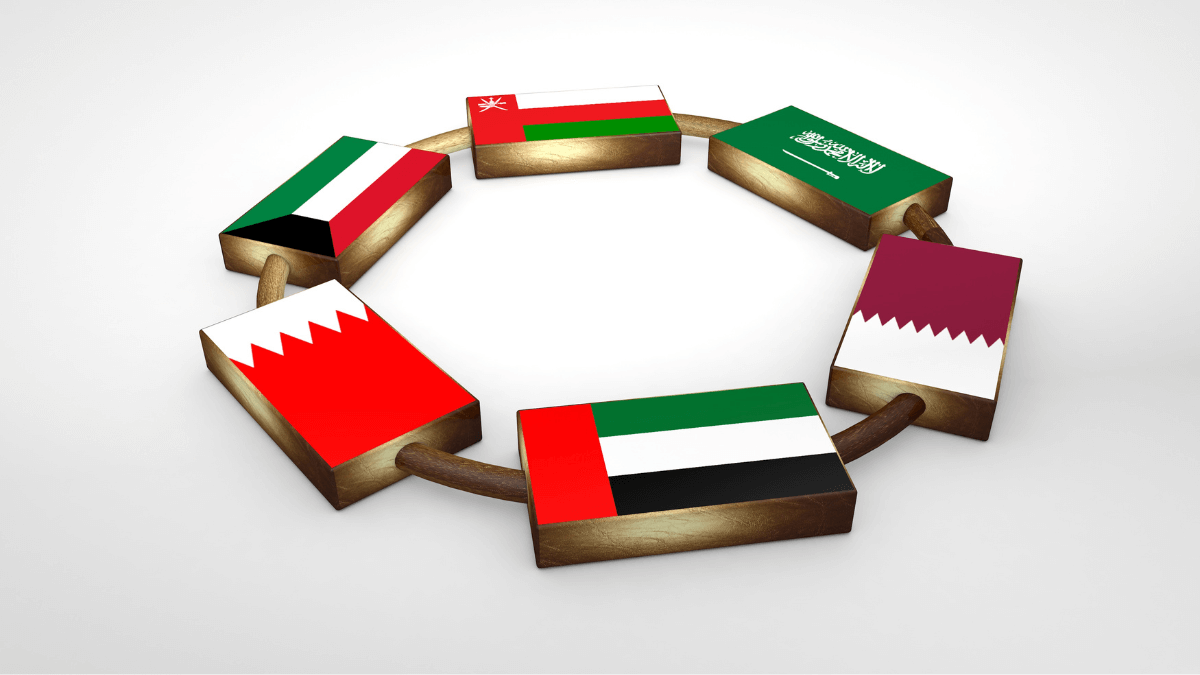
    Gulf countries are launching a single tourist Unified GCC Visa by year-end! This “Unified GCC Entry Permit” will allow visa-free travel across all 6 GCC nations (Bahrain, Kuwait, Oman, Qatar, Saudi Arabia, UAE) for over 30 days. Application details and costs are still under wraps, but expect a streamlined online process and competitive pricing. This visa paves the way for easier “business-leisure” travel, combining business trips with vacations in the beautiful Arabian Gulf.

    The GCC Grand Tour Visa:

    This Unified GCC Visa is like a magic key that unlocks the doors to all six GCC countries. No more applying for separate visas for each place! With the Grand Tour visa, you can explore the region’s breathtaking deserts, bustling cities, and rich history with ease.

    Applying for the Unified GCC Visa (Coming Soon):

    The exact details are still being ironed out, but applying is expected to be a breeze. You’ll likely be able to do it online through a single website, saving you time and trouble.

    Fees and How Long it Lasts (Coming Soon):

    The exact cost of the visa hasn’t been announced yet, but it’s expected to be affordable. Even better, reports say it’ll be valid for over 30 days, giving you plenty of time to explore everything the GCC has to offer.

    When Can I Use It?

    Mark your calendars! The Grand Tour visa is expected to be available by the end of 2024. Keep an eye on official government websites of the GCC countries for the official launch date and application details.

    What This Means for You:

    This visa is a game-changer for travelers. It makes exploring the entire region much simpler, lets you stay longer, and is sure to boost tourism across the Gulf. Imagine one trip that takes you from the towering sand dunes of the Empty Quarter to the vibrant souks of Dubai, the majestic forts of Oman, and the futuristic skyline of Doha – all with just one visa!

    Stay Excited!

    The countdown is on for the Grand Tour visa! Keep your eyes peeled for official announcements about how to apply, the cost, and the exact launch date. This innovative visa promises to make exploring the wonders of the Arabian Gulf easier and more exciting than ever before!

    FAQ About GCC Tourist Visa:

    Availability and Launch:

    1. When will the Unified GCC Visa be available?
      (Expected launch by the end of 2024)

    Application Process:

    1. How do I apply for the visa?
      (Details unknown, likely online application)
    2. Do I need a separate application for each country?
      (No, one application for all six)

    Cost and Validity:

    1. How much will the visa cost?
      (Specific pricing not yet announced)
    2. How long will the visa be valid?
      (Reports suggest over 30 days)

    Benefits:

    1. What are the advantages of the visa?
      (Simplifies travel, eliminates multiple applications, encourages longer stays)
    2. Is this good for “bleisure” travel?
      (Yes, extended validity allows combining business and leisure)

    Comparison:

    1. How is this different from individual visas?
      (Replaces separate visas for each GCC country)

    Current Status:

    1. Is the program finalized?
      (Approved, but details like application process are being finalized)
    2. Where can I find updates?
      (Official government websites of GCC countries)

    Here are the official government websites of the GCC countries you can visit for updates on the Unified GCC Tourist Visa:

    By checking these websites regularly, you can stay updated on the official launch date, application process details, and any relevant information about the Unified GCC Tourist Visa.


    GCC Unified Visa – Application Process, Fees, and Validity Revealed!

  • Kuwait Family Visa New Rules:14 Eligible Professions, are now exempt from the university degree requirement for obtaining a dependent visa.

    Kuwait Family Visa New Rules:14 Eligible Professions, are now exempt from the university degree requirement for obtaining a dependent visa.

    Good news for expats in Kuwait! The Ministry of Interior has announced changes to family visa regulations, offering a sigh of relief to many hoping to reunite with their loved ones. The key change? Fourteen specific professions are now exempt from the university degree requirement for obtaining a dependent visa. This change comes into effect in January 2024.

    Think of it as a breath of fresh air for skilled professionals who might not have a university degree but contribute significantly to Kuwait’s economy and society. These include roles like:

    • Teachers, nurses, and paramedics: The backbone of education and healthcare, their expertise shouldn’t hinge on a specific piece of paper.
    • Imams and preachers: Guiding communities spiritually shouldn’t require formal education, as their leadership stems from experience and wisdom.
    • Engineers and pilots: Their technical skills and expertise are crucial for Kuwait’s development, regardless of their academic background.

    But why the change? The government recognizes the need to attract and retain skilled professionals across various sectors. This move aims to:

    • Expand the talent pool: By easing restrictions, Kuwait opens doors to a wider range of skilled individuals, boosting the workforce and potentially attracting more foreign investment.
    • Recognize diverse skill sets: Not all expertise comes from universities. This change acknowledges the value of experience, vocational training, and on-the-job knowledge.
    • Promote family unity: Reuniting families fosters stability and contributes to a more vibrant expat community, benefiting both individuals and the nation.

    However, some concerns linger. Will this impact the quality of the workforce? The government assures that stringent background checks and skill assessments will remain in place, ensuring high standards are maintained.

    This policy shift marks a significant step towards a more inclusive and flexible visa system in Kuwait. It’s a win for families, employers, and the nation as a whole, recognizing the diverse skill sets that contribute to a thriving society.

    FAQ:

    1. Does this mean I automatically qualify for a family visa if my profession is exempt? 
      No. Other requirements like minimum income and meeting sponsorship criteria still apply.
    2. What are the alternative qualifications needed for these exempt professions? 
      This likely varies by profession. Contact the Ministry of Interior or consult an immigration lawyer for specifics.
    3. When did this change come into effect? 
      January 2024.
    4. I’m a teacher/nurse/imam (insert exempt profession). What documents do I need? 
      While the full list is unknown, expect documents proving experience, certifications, and work contracts to be crucial.
    5. Does this exemption apply to renewing existing family visas or only to new applications? 
      Information is unclear. Check with official sources or immigration professionals for updates.
    6. My profession isn’t exempt, but my spouse’s is. Can they sponsor me? 
      Potentially, consult an immigration lawyer to understand specific requirements and eligibility.
    7. Where can I find the official application form and latest visa fees? 
      Ministry of Interior website or your home country’s embassy in Kuwait.
    8. How long does the application process usually take? 
      Processing times can vary, potentially several weeks or months.
    9. Can I track the status of my application online? 
      This feature might not be available. Contact the Ministry of Interior or visa processing center for updates.
    10. What happens if my application is rejected? 
      You have the right to appeal, but success rates can be low. Consider seeking legal advice if necessary.
    11. What are the potential benefits of this policy change? 
      It could attract skilled professionals, foster family unity, and boost the economy.

    GCC Unified Visa – Application Process, Fees, and Validity Revealed!

  • Kuwait Breathes Again: Hope Rising Through Grief as Kuwait Mourns Sheikh Nawaf, Looks to Sheikh Meshaal

    Kuwait Breathes Again: Hope Rising Through Grief as Kuwait Mourns Sheikh Nawaf, Looks to Sheikh Meshaal

    The flags in Kuwait flew at half-mast this week, casting a shadow of grief across the nation as they laid to rest their late Emir, Sheikh Nawaf al-Ahmad al-Jaber al-Sabah. Yet, amidst the mourning, a flicker of hope emerged with the ascension of Sheikh Meshaal, marking a new chapter in Kuwaiti history.

    A Sovereign’s Final Journey:

    In a private ceremony marked by somber dignity, Sheikh Nawaf’s mortal coil was laid to rest. Draped in the Kuwaiti flag, his coffin carried a lifetime of service and quiet diplomacy to its final resting place. The nation breathed a collective sigh of loss, acknowledging the passing of a leader who steered Kuwait through economic booms and regional turbulence.

    A New Reign Dawns:

    As tears dried, attention turned to the future. Sheikh Meshaal, the late Emir’s half-brother and already familiar with the reins of power, assumed the throne. His address to the nation resonated with echoes of continuity and progress, pledging to uphold Sheikh Nawaf’s legacy while charting a new course for Kuwait.

    Three Days of Reflection and Unity:

    The three-day national holiday declared in Kuwait served as a pause, a collective breath amidst the storm of emotions. Schools and businesses closed, allowing families to gather, offer condolences, and share memories of a beloved leader. In mosques and homes, prayers resonated, weaving a tapestry of grief and gratitude.

    Beyond the Mourning:

    But this pause wasn’t just about mourning. It was a space for reflection and renewal. Sheikh Nawaf’s reign saw Kuwait navigate economic diversifications, infrastructure breakthroughs, and a measured approach to international relations. As the nation looked ahead, whispers of continued economic reform, strengthened education systems, and a proactive role in the region filled the air.

    Hope Amidst Loss:

    The passing of Sheikh Nawaf undoubtedly leaves a void. He was a symbol of stability, a voice of reason, and a guardian of Kuwaiti traditions. Yet, Sheikh Meshaal’s ascension offers a beacon of hope. His experience, coupled with the unwavering spirit of the Kuwaiti people, promises a future built on the foundations of the past, yet reaching towards new horizons.

    Kuwait, in this moment of transition, stands at a crossroads. One path leads to clinging to the comfort of the past, the other to embracing the possibilities of the future. As the three-day mourning period comes to a close, the nation must choose. Choosing remembrance honors the legacy of Sheikh Nawaf, while choosing progress ensures his spirit lives on in the chapters yet to be written.


    GCC Unified Visa – Application Process, Fees, and Validity Revealed!

  • GCC Unified Visa – Application Process, Fees, and Validity Revealed!

    GCC Unified Visa – Application Process, Fees, and Validity Revealed!

    Get ready to explore six Gulf nations with just one visa! The Gulf Cooperation Council (GCC) has announced a groundbreaking unified tourist visa, allowing seamless travel across Bahrain, Kuwait, Oman, Qatar, Saudi Arabia, and the United Arab Emirates. This monumental step, set for implementation in 2024-2025, promises to revolutionize tourism and unlock a wealth of cultural experiences for visitors.

    GCC Unified Visa: Streamlined Application

    Gone are the days of navigating individual visa applications for each GCC country. The unified visa application process is designed to be simple, efficient, and user-friendly. Here’s what you can expect:

    • Online Application: Apply conveniently through a dedicated online platform accessible from any device. No more lengthy paper forms or embassy visits!
    • Minimal Documentation: Prepare essential documents like passport, travel insurance, and proof of accommodation. No need for complex financial statements or employment verification.
    • Multiple Entry Options: Choose from single-entry visas for short stays to multiple-entry visas for extended exploration, catering to diverse travel needs.

    Competitive Fees:

    The GCC aims to make the unified visa accessible to travelers from around the world. While official fees haven’t been finalized, they are expected to be competitive and comparable to existing individual visa costs. This affordability factor will further boost the region’s tourism appeal.

    Validity and Flexibility:

    The unified tourist visa will offer flexible validity periods to suit various travel styles:

    • Short Stays: Explore one or two GCC countries for 30 days with a single-entry visa.
    • Extended Adventures: Dive deeper into the region’s treasures with a multiple-entry visa valid for 60 days across all six nations.
    • Tailored Options: Additional visa options with longer validity periods might be introduced in the future, catering to specific travel plans.

    A Gateway to the Gulf:

    The GCC unified visa represents a landmark development in regional tourism and cooperation. By breaking down travel barriers and fostering closer ties, this initiative paves the way for a more vibrant, interconnected, and economically prosperous Gulf region. As travelers from around the globe prepare to experience the diverse wonders of the GCC, one visa unlocks a world of possibilities, promising an unforgettable journey across a land of breathtaking landscapes, rich cultures, and boundless hospitality.

    Unlocking a Brighter Future:

    The GCC unified visa marks a significant step towards regional integration, economic growth, and enhanced cultural exchange. As travelers explore the unique offerings of each nation, they become ambassadors for the region’s rich heritage and foster closer ties between communities.

    Stay Tuned for Updates:

    While the official launch date and specific fees haven’t been announced yet, the GCC is actively working on finalizing the implementation details. Keep your eyes peeled for further updates and get ready to experience the magic of the Arabian Peninsula with just one visa!

    This news article provides a comprehensive overview of the GCC unified visa application process, fees, and validity period based on current information. Remember to update the article with official details and specific costs once they are released.

    FAQ:

    1. What is the GCC Unified Visa? 
      It’s a single visa that allows travel across all six Gulf Cooperation Council (GCC) countries: Bahrain, Kuwait, Oman, Qatar, Saudi Arabia, and the United Arab Emirates (UAE).
    2. When will it be available? 
      The official launch is expected in 2024-2025, but specific dates haven’t been announced yet.
    3. Why is it being implemented? 
      To boost tourism, simplify travel, and strengthen regional cooperation among the GCC countries.
    4. Will I still need individual visas for each country? 
      No, the unified visa replaces individual visas for all six countries.
    1. How do I apply for the GCC Unified Visa? 
      A dedicated online platform will be available for applications. No paper forms or embassy visits are required.
    2. What documents do I need? 
      Expect to provide your passport, travel insurance, and proof of accommodation, but specific requirements haven’t been finalized.
    3. How much will the visa cost? 
      Official fees are still under discussion, but they’re expected to be competitive and comparable to existing individual visa costs.
    4. Will there be different visa types? 
      Yes, options like single-entry for short stays and multiple-entry for longer journeys are likely to be available.
    1. How long will the visa be valid for? 
      Expect options like 30-day single-entry visas and 60-day multiple-entry visas, with longer validity periods potentially introduced later.
    2. Can I visit all six countries with one visa? 
      Yes, you can seamlessly travel between all six GCC countries during the visa’s validity period.
    3. Do I need any additional permits or registrations? 
      Check individual country travel regulations for specific requirements, like entry permits for certain areas.
    1. What can I do with the GCC Unified Visa? 
      Explore the diverse attractions of each country, from cultural experiences and historical sites to natural wonders and modern marvels.
    2. What are some must-see destinations in the GCC? 
      The vibrant souks of Dubai, the majestic dunes of Saudi Arabia, the pristine beaches of Oman, and the cultural renaissance of Qatar are just a few examples.
    3. What adventure activities can I enjoy? 
      Desert safaris, exhilarating water sports, world-class theme parks, and countless other exciting experiences await across the region.
    1. How will the visa benefit tourism in the GCC? 
      Increased tourist arrivals, more job opportunities, and higher revenue generation are expected across the region.
    2. Will the visa improve regional cooperation? 
      By facilitating travel and interaction, the unified visa can foster stronger ties and collaboration between the GCC countries.
    3. Does this visa apply to all nationalities? 
      Visa eligibility details are still being finalized, but it’s expected to be open to various nationalities.
    1. Where can I find official updates on the visa? 
      Official GCC channels and tourism websites will provide the latest information when available.
    2. Are there any concerns or challenges regarding the visa? 
      Logistical considerations and coordinating procedures across six countries are some potential challenges to be addressed.
    3. How can I stay informed about the GCC Unified Visa? 
      Follow relevant news channels, tourism websites, and social media updates for the latest developments.

    Apple App Store Awards 2023: Top Downloaded Apps and Games Revealed

  • Kuwait Implements Stricter Residency Permit Rules: Clear Debts to Renew

    Kuwait Implements Stricter Residency Permit Rules: Clear Debts to Renew

    Kuwait City – In a significant development aimed at fostering financial responsibility among its expatriate population, Kuwait has introduced stringent new rules for renewing residency permits. Effective September 10, 2023, the Ministry of Interior has decreed that expatriates must settle any outstanding debts owed to the nation before they can proceed with the renewal of their residency permits.

    This groundbreaking rule, which was officially announced by the Ministry of Interior through its social media channels, casts a wide net. Expatriates are now required to clear all their debts to the government before initiating the renewal process. This encompasses various financial obligations, including unpaid bills for services such as telephone, electricity, water, and even outstanding traffic fines.

    The ramifications of this policy adjustment are significant, particularly for the expatriate community residing in Kuwait. It signifies that expatriates will be unable to update or extend their residency documents until they have settled any financial dues left unresolved. This notably includes debts associated with essential utilities and penalties for traffic violations.

    To streamline and facilitate this debt settlement process, individuals are strictly encouraged to make use of the official websites of the relevant government entities. Alternatively, expatriates can opt for convenience by utilizing the “Sahel” mobile application, which serves as a viable platform for addressing their outstanding financial obligations.

    The Ministry of Interior has placed immense emphasis on the critical importance of adhering to these updated legal provisions. It has issued a stern warning to individuals against violating these regulations. The ministry has also explicitly stated its readiness to take further measures to uphold security and public order within the country, underlining the seriousness of this directive.

    This policy shift underscores the Kuwaiti government’s unwavering commitment to responsible financial practices. It serves the dual purpose of ensuring the stability and security of the nation while fostering a culture of financial responsibility among all residents, including expatriates.

    In conclusion, this significant alteration in visa regulations represents a pivotal development for expatriates residing in Kuwait. It highlights the paramount importance of financial responsibility and unwavering compliance with local laws and regulations. Expatriates are strongly advised to acquaint themselves with these updates and take the necessary steps to ensure strict adherence, as compliance with these new rules is imperative for the renewal of residency permits in Kuwait.


    Kuwait Bans Expats from Changing Work Permit Details

  • Kuwait Bans Expats from Changing Work Permit Details

    Kuwait Bans Expats from Changing Work Permit Details

    The Kuwaiti government has announced a new rule that bans expats from changing the details of their work permits. The rule, which came into effect on March 8, 2023, is aimed at curbing visa trading and other illegal practices.

    Under the new rule, expats will no longer be able to change their job title, employer, or work location without the approval of the Kuwaiti Ministry of Interior. The rule also applies to changes in the duration of the work permit or the salary.

    The government says the new rule is necessary to protect the rights of expat workers and to ensure that they are not exploited by unscrupulous employers. The rule is also seen as a way to crack down on visa trading, which is a major problem in Kuwait.

    The new rule has been met with mixed reactions from expats. Some expats have welcomed the rule, saying that it will protect them from exploitation. Others have criticized the rule, saying that it is too restrictive and will make it difficult for them to find new jobs.

    The Kuwaiti government has said that the new rule is a temporary measure and that it will be reviewed after a year.

    Impact of the new rule:

    The new rule is likely to have a significant impact on expats in Kuwait. It will make it more difficult for them to change jobs, which could lead to job losses and a decrease in the number of expats in the country. The rule could also make it more difficult for expats to find new jobs, as employers may be reluctant to hire them if they are not able to change their work permit details.

    The rule is also likely to increase the cost of doing business for companies that employ expats. Companies will now have to go through a more complicated process to change the details of an expat’s work permit, which could add to their costs.

    The new rule is a significant change for expats in Kuwait. It is still too early to say what the full impact of the rule will be, but it is likely to have a major impact on the labor market in the country.

    Here are some more details about this article:

    • Why did Kuwait ban expats from changing work permit details?

    The Kuwaiti government banned expats from changing work permit details to curb visa trading and other illegal practices. Visa trading is the illegal practice of selling or buying visas. It is a major problem in Kuwait, and it often leads to exploitation of expat workers. The new rule is aimed at protecting the rights of expat workers and to ensure that they are not exploited.

    • What are the implications of the new rule for expats in Kuwait?

    The new rule is likely to have a significant impact on expats in Kuwait. It will make it more difficult for them to change jobs, which could lead to job losses and a decrease in the number of expats in the country. The rule could also make it more difficult for expats to find new jobs, as employers may be reluctant to hire them if they are not able to change their work permit details.

    • How can expats in Kuwait get their work permit details changed?

    Expats in Kuwait who need to change their work permit details will need to apply for a new work permit. The application process is more complicated under the new rule, and it will require the approval of the Kuwaiti Ministry of Interior.

    • What are the alternatives for expats who need to change jobs?

    Expats who need to change jobs may be able to find a new job that does not require them to change their work permit details. They may also be able to transfer their work permit to a new employer, but this will require the approval of the Kuwaiti Ministry of Interior.

    • What is the future of the new rule?

    The new rule is a temporary measure, and it will be reviewed after a year. It is possible that the rule will be made permanent, or it is possible that it will be modified. The Kuwaiti government has not yet announced its plans for the future of the rule.


    UAE Issues 6 New Laws to Regulate Real Estate Sector

  • Istanbul Shatters 10-Year Tourism Record with Surge in Saudi and Kuwaiti Visitors

    Istanbul Shatters 10-Year Tourism Record with Surge in Saudi and Kuwaiti Visitors

    In a remarkable turn of events, Istanbul has broken a decade-long record for tourist arrivals, experiencing an impressive influx of visitors from Saudi Arabia and Kuwait during the month of July.

    Data unveiled by the Istanbul Directorate of Culture and Tourism showcases a noteworthy 6% year-on-year rise in tourist visits for July, with an astounding 1.87 million foreign tourists choosing Istanbul as their preferred destination. This remarkable figure stands as the highest recorded in a decade for the vibrant Turkish city.

    While Russia and Germany secured the top two spots as leading sources of inbound tourism for Istanbul in July, with 185,636 and 135,568 tourists respectively, the Gulf Cooperation Council (GCC) region continued its strong presence in the top 10 rankings, with Saudi Arabia and Kuwait securing the third and ninth positions respectively.

    The robust connectivity between the kingdom and Turkey, facilitated by carriers such as Saudia, Flynas, Turkish Airlines, and Pegasus Airlines, contributed to an impressive influx of 135,096 Saudi Arabian visitors to Istanbul during July. Additionally, 45,854 tourists from Kuwait embarked on journeys to the captivating Turkish city within the same month.

    Notably, Istanbul has embraced a remarkable total of 9.77 million foreign tourists during the initial seven months of 2023. This achievement marks an extraordinary 15% growth compared to last year’s figures of 8.5 million for the corresponding period. It is also noteworthy that Istanbul has played host to nearly one-third of the total 26,766,240 tourists who have visited Turkey during the opening seven months of this year.

    The attraction for GCC Tourists

    Turkey has ardently attracted tourists from the GCC region post-pandemic through augmented flight connectivity and visa waiver initiatives. A recent development saw the Ambassador of the Republic of Turkey to Oman discussing the abolishment of entry visas for citizens of both countries. This strategic move follows the entrance of 130,000 Omani visitors into Turkey for tourism purposes in 2022. The Ambassador anticipates the approval of this proposal before the year concludes.

    Furthermore, tourist arrivals from Kuwait have been progressively increasing, fueled by burgeoning investment opportunities. As per data released by the Turkish Statistical Institute last year, investors from Kuwait stood second, trailing only Iraq, in terms of real estate property acquisitions in Turkey, securing an impressive total of 8,442 properties over a span of seven years.

    Additional countries making an appearance on the Turkish institute‘s list of top real estate purchasers encompass Saudi Arabia and Qatar.

    Here the More Details About Istanbul Tourism:

    • Why did Istanbul shatter its tourism record?
      • There are a number of reasons why Istanbul shattered its tourism record in July 2023. These include:
        • The easing of COVID-19 restrictions
        • The depreciation of the Turkish lira
        • The increasing popularity of Istanbul as a tourist destination
        • The surge in tourism from Saudi Arabia and Kuwait
    • What caused the surge in tourism to Istanbul?
      • The surge in tourism to Istanbul was caused by a number of factors, including:
        • The easing of COVID-19 restrictions, which made it easier for people to travel internationally.
        • The depreciation of the Turkish lira made Istanbul a more affordable destination for tourists.
        • The increasing popularity of Istanbul as a tourist destination is due to its rich history and culture.
        • The surge in tourism from Saudi Arabia and Kuwait, which are two countries with a large number of wealthy citizens.
    • How many tourists visited Istanbul in July 2023?
      • According to the Istanbul Tourism Board, 1.87 million tourists visited Istanbul in July 2023. This is a 6% increase from the previous year.
    • Which countries had the most tourists to Istanbul in July 2023?
      • The top 5 countries of origin for tourists to Istanbul in July 2023 were:
        • Saudi Arabia (185,636)
        • Germany (135,568)
        • Kuwait (105,041)
        • United Arab Emirates (93,456)
        • Russia (89,123)
    • What are the most popular tourist destinations in Istanbul?
      • The most popular tourist destinations in Istanbul include:
        • The Grand Bazaar
        • The Blue Mosque
        • Hagia Sophia
        • Topkapi Palace
        • The Spice Bazaar
        • The Galata Tower
        • The Bosphorus
        • The Golden Horn
        • The Princes’ Islands
        • The Süleymaniye Mosque
    • What are the best times to visit Istanbul?
      • The best times to visit Istanbul are:
        • Spring (April-May)
        • Fall (September-October)
        • Winter (December-February)
        • Summer (June-August) can be hot and humid, but there are many festivals and events happening during this time.
    • How much does it cost to travel to Istanbul?
      • The cost of travel to Istanbul depends on a number of factors, including the time of year, the length of stay, and the activities you plan to do. However, Istanbul is generally a relatively affordable destination.


    USA Labor Market Loses Steam as Job Openings, Resignations Decline

  • Gulf Medical University Earns Distinctive Recognition from the Kuwaiti Ministry of Higher Education

    Gulf Medical University Earns Distinctive Recognition from the Kuwaiti Ministry of Higher Education

    The Ministry of Higher Education in Kuwait has granted prestigious recognition to Gulf Medical University (GMU) in the UAE as a leading institution for Kuwaiti students pursuing medical studies. The recognition reflects GMU’s commitment to delivering high-quality medical education and preparing competent healthcare professionals for the future.

    Gulf Medical University (GMU), a beacon of excellence in the UAE’s healthcare education system, has achieved a momentous milestone as the Ministry of Higher Education in Kuwait officially acknowledges it as a prestigious institution for Kuwaiti students pursuing medical studies. This recognition underscores GMU’s unwavering dedication to providing top-tier medical education and shaping a skilled healthcare workforce. The accreditation follows a meticulous evaluation process, encompassing a comprehensive review of the university’s programs, facilities, laboratories, and affiliated teaching hospitals by Kuwaiti ministry officials.

    The endorsement garnered by GMU stands as a testament to its enduring commitment to fostering an environment of academic distinction. With a diverse student body representing over 90 nationalities, GMU has ascended to a global pinnacle in medical education. This multicultural setting enriches the learning journey and cultivates an international perspective among future healthcare professionals.

    Celebrating this achievement, Prof Hossam Hamdy, the Chancellor of Gulf Medical University, expressed, “The recognition bestowed upon Gulf Medical University by the Kuwaiti Ministry of Higher Education as a distinguished institution for Kuwaiti students seeking healthcare education is a moment of immense pride. This acknowledgment affirms our unwavering dedication to offering a world-class learning ecosystem, nurturing global perspectives, and producing exceptional healthcare practitioners. Our vision is to nurture the potential and aspirations of our students while equipping them for success in the dynamic healthcare landscape. This recognition further fuels our commitment to pushing boundaries, pioneering innovative programs, and revolutionizing clinical training systems.”

    The comprehensive review undertaken by the Ministry involved a meticulous examination of various facets of GMU’s offerings. This encompassed academic programs, faculty credentials, research endeavors, infrastructure, cutting-edge laboratories, and partnerships with renowned medical institutions.

    GMU’s remarkable achievements extend beyond this recognition, as it was recently honored with the esteemed ‘Excellence in Research award by the UAE’s Ministry of Health and Prevention (MoHP). Moreover, the university has solidified its stature among the top 10 health research institutions in the country, showcasing its academic eminence and groundbreaking contributions to the healthcare domain.

    Over the past 24 years, GMU has witnessed the graduation of more than 3,000 students who have embarked on successful career trajectories. These graduates have assumed pivotal roles such as CEOs, COOs, medical directors, and department heads across healthcare and research sectors globally, spanning the Middle East, Africa, South Asia, Europe, North America, and Australia. Notably, GMU’s graduates enjoy international recognition and employment prospects due to the university’s collaborations with over 70 foreign universities and research entities.

    Al-Nassr vs. Shabab Al Ahli: Clash for AFC Champions League Qualification

  • 2426 Websites Blocked in Kuwait for Violations – CITRA Takes Decisive Action

    2426 Websites Blocked in Kuwait for Violations – CITRA Takes Decisive Action

    In response to an increasing surge of website violations, including content and regulatory breaches, the Communications and Information Technology Regulatory Authority (CITRA) in Kuwait has taken strong measures. Since the beginning of this year, the authority has effectively restricted access to 2426 websites found to be in violation of legal statutes and regulatory provisions. During the same timeframe, CITRA has approved 5 requests for unblocking.

    Through vigilant oversight initiatives led by CITRA in collaboration with other governmental bodies and relevant entities, the authority has initiated the implementation of protocols outlined in the “Regulations governing the procedures for restricting illicit digital content.” This falls in line with CITRA’s mandate to establish policies and protocols governing access to Internet content, as reported by Al Rai.

    In the current year, a total of 2,431 reports of website blockages have been submitted. Government agencies have contributed prominently with 1,651 reports, accounting for approximately 68% of the total submissions. Private entities ranked second with 688 reports, constituting around 28.3%, while individual reports comprised 92 submissions, making up an estimated 3.8%.

    The reports received by CITRA cover a wide range of violations leading to website blockages, including infringements of local laws, violations of intellectual property rights, unauthorized publications, malware distribution, electronic phishing, and inappropriate content.

    Several fraudulent websites were among those targeted, with around 33 impersonating the Ministry of Commerce, 22 posing as Kuwait Post, 14 falsely claiming to be associated with the Kuwait Stock Exchange, and 3 deceitful websites using names of governmental agencies such as the Ministry of Interior.

    These actions taken by CITRA underscore their commitment to maintaining a safe and compliant online environment in Kuwait, safeguarding users from harmful and unlawful online activities.

    Read more

    Invasive Yellow-Legged Hornet Detected in the Wild for the First Time in the United States, Posing Threat to Honeybees