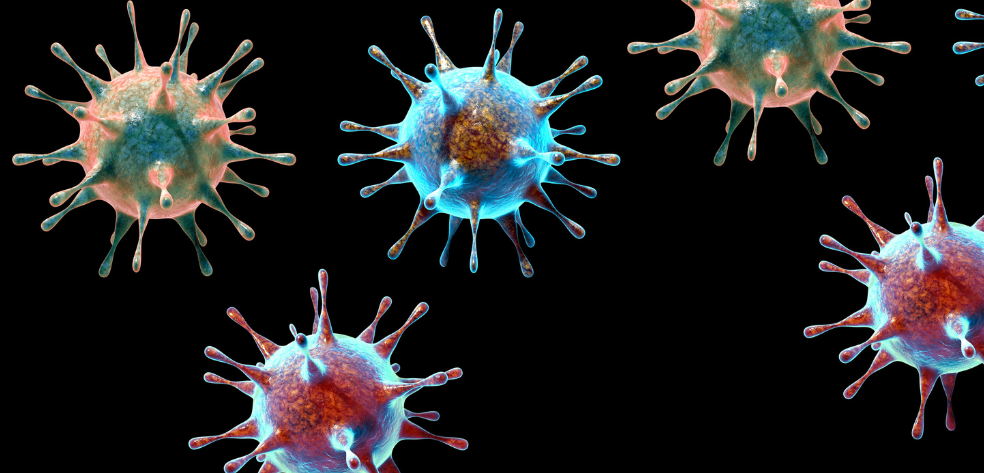
In a real-life plot reminiscent of an infectious disease thriller, a chilling incident has unfolded in the remote republic of Tuva, located in Russia’s southern Siberian region. Late in June, a dinner party in the arid plains of Siberia turned into a nightmare as guests unknowingly consumed horse meat contaminated with a rare and deadly bacteria – anthrax. Soon after showing signs of infection, those affected were rushed to the hospital, but some managed to escape their sick beds, prompting a local panic and official alert.
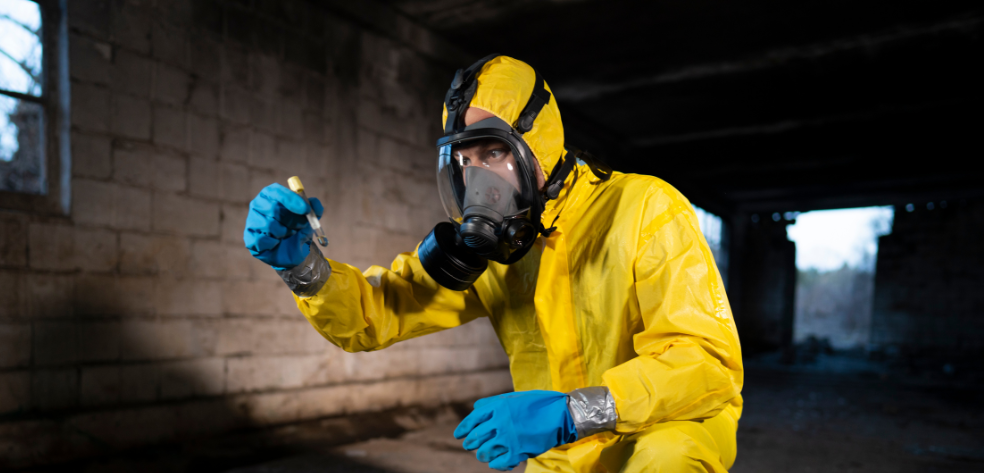
The Russian state-run news agency, TASS, reported on the incident, raising eyebrows about its authenticity due to the media’s reputation for slanted news and propaganda. However, independently recorded cases of anthrax in the Russian hinterlands, such as the 2016 outbreak in the obscure Yamal Peninsula in northern Siberia, lend credibility to such incidents. During the 2016 outbreak, numerous people fell sick, and tragically, a child lost their life, as reported by NPR at the time.
Anthrax outbreaks like these may become more frequent due to the escalating temperatures in Siberia, a phenomenon driven by climate change. Scientists have warned that the rapid warming of the region is thawing permafrost, releasing dormant deadly bacteria and viruses from their icy confines. As a result, regions like Siberia are at an increased risk of infectious disease outbreaks.
The recent anthrax incident occurred in a small town called Bizhiktig-Khaya, known for its “shepherds’ encampment where over 100 unvaccinated animals were held.” A local resident who had visited the settlement on June 30 was admitted to the hospital with anthrax, along with four others who were also infected, presumably from consuming the contaminated horse meat.
The protocol for patients with anthrax infections is to remain hospitalized until all signs of the disease on the skin have healed. However, in a worrisome development, four patients managed to escape the hospital before fully recovering. TASS noted that these patients were reportedly in a “satisfactory condition” at the time of their escape, but it was deemed premature for them to leave medical care.
While Russian authorities are grappling with the immediate consequences of this outbreak, scientists and health experts worldwide are increasingly concerned about the potential ramifications of climate change on infectious diseases. The threat of thawing permafrost releasing ancient pathogens into the modern world poses significant challenges for global health security.
As the investigation into this anthrax incident continues, questions arise about the measures taken to contain such outbreaks effectively. Beyond containment, addressing the root causes of infectious disease emergence, such as climate change and environmental degradation, remains critical to safeguarding public health.
The world watches with bated breath as the Russian authorities race to mitigate the risks posed by anthrax, hoping to prevent further infections and contain the escaped patients. The situation serves as a stark reminder of the unpredictable nature of infectious diseases and the urgent need for collective global efforts to address the underlying issues that fuel their resurgence.