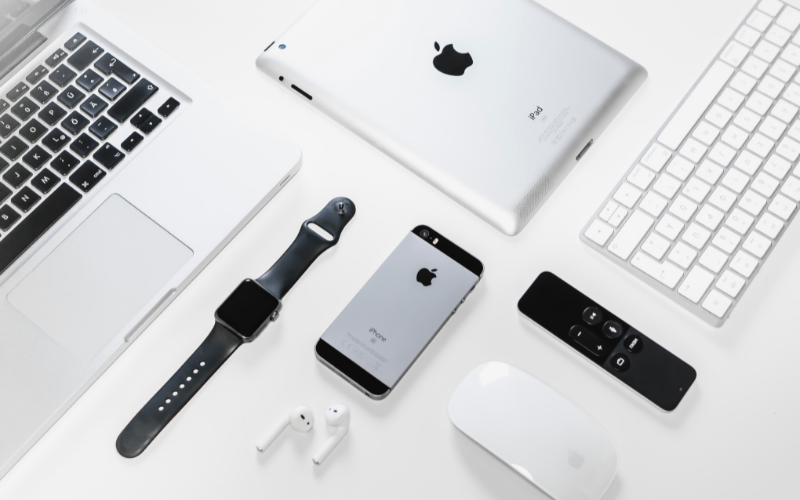
iOS 26, macOS Tahoe, watchOS 26, tvOS 26, and visionOS 26 bring unified design language and powerful AI capabilities to over 2 billion devices worldwide
Apple today released exciting new features and capabilities across each of its software platforms — iOS, iPadOS, macOS, watchOS, tvOS, and visionOS, marking the most comprehensive software update in the company’s history with the introduction of the revolutionary Liquid Glass design language and significantly expanded Apple Intelligence features.
Table of Contents
The coordinated release of OS 26 represents Apple’s most ambitious software launch ever, delivering a stunning new design crafted with Liquid Glass that makes apps and system experiences more expressive and delightful while introducing powerful AI capabilities that fundamentally enhance how users interact with their Apple devices.
The synchronized rollout across all Apple platforms demonstrates the company’s commitment to ecosystem unity, ensuring that whether users are on iPhone, iPad, Mac, Apple Watch, Apple TV, or Vision Pro, they experience consistent design language and seamless functionality that works harmoniously across devices.
Revolutionary Liquid Glass: The Biggest Design Update Since iOS 7
The most notable change to iOS 26 is the Liquid Glass design overhaul, which is the first major iOS design update since Apple rolled out iOS 7 back in 2013, fundamentally transforming how users interact with Apple’s software across all platforms.
The new design extends across iOS, iPadOS, macOS, watchOS, and tvOS, with updates to system experiences like the Lock Screen, Home Screen, desktop, and Dock, creating a cohesive visual language that feels both familiar and revolutionary.
To maintain the focus on the subject of photo wallpapers on the Lock Screen, the time is now crafted out of Liquid Glass and fluidly adapts to wallpaper content, creating dynamic interactions between interface elements and user-selected backgrounds that feel alive and responsive.
The Liquid Glass aesthetic introduces subtle animations, refined transparency effects, and fluid transitions that make every interaction feel more natural and engaging. Interface elements appear to be made of actual liquid glass, with realistic light refraction, depth, and movement that responds to user touch and device orientation.
This design philosophy extends beyond visual appeal to functional improvements, with interface elements that provide clearer hierarchy, improved readability, and more intuitive navigation patterns that reduce cognitive load while enhancing aesthetic appeal.
iOS 26: iPhone Gets Smarter and More Beautiful
iOS 26 introduces the most comprehensive iPhone update in years, combining the new Liquid Glass design with expanded Apple Intelligence features that make iPhones more capable, personalized, and intuitive than ever before.
The update includes a call screening assistant that uses Apple Intelligence to automatically handle spam calls and provide intelligent summaries of important voicemails, reducing interruptions while ensuring users never miss critical communications.
Other features include a new gaming and preview app that leverages machine learning to provide personalized game recommendations and immersive preview experiences, plus in-app translation across the system that works seamlessly within any app without requiring separate translation applications.
Updates to Genmoji and Image Playground apps provide enhanced creative capabilities, with improved AI-generated emoji that better match user expressions and more sophisticated image creation tools that enable professional-quality results from simple text prompts.
The Home Screen receives significant enhancements with more customization options, intelligent widget suggestions based on usage patterns, and dynamic wallpapers that change throughout the day to match lighting conditions and user activities.
macOS Tahoe: Mac Computing Redefined
macOS Tahoe 26 makes the Mac more capable, productive, and intelligent than ever, introducing desktop-class Apple Intelligence features alongside the stunning Liquid Glass design optimized for larger displays and professional workflows.
The update includes the long-awaited Phone app on Mac, enabling users to make and receive phone calls directly from their computers with seamless integration with iPhone contacts and call history, transforming how users manage communications across devices.
Spotlight Actions represent a breakthrough in Mac productivity, allowing users to perform complex tasks directly from Spotlight search without opening applications. Users can compose emails, create calendar events, edit documents, and perform system functions through intelligent natural language commands.
The redesigned Control Center brings iPhone-style quick access to Mac system controls, with customizable modules that provide instant access to Wi-Fi settings, Bluetooth connections, display brightness, and frequently used system functions.
Live Translation powered by Apple Intelligence enables real-time translation of text in any application, supporting dozens of languages with context-aware accuracy that understands technical terminology and colloquial expressions.
After spending months testing macOS Tahoe, reviewers are excited about the ways Apple Intelligence is making Macs more capable, as well as how the new aesthetic and customization options make computers feel more personalized and intuitive.
Apple Intelligence: AI That Actually Works
The expanded Apple Intelligence features represent the most significant advancement in practical AI integration across consumer technology platforms, providing capabilities that enhance daily workflows without feeling intrusive or overwhelming.
Apple Intelligence now powers system-wide features including intelligent writing assistance that adapts to user voice and context, advanced photo organization that understands content and relationships, and predictive text input that learns from user patterns while maintaining privacy.
The AI features work entirely on-device or through Apple’s Private Cloud Compute system, ensuring that personal data never leaves user control while providing capabilities that rival cloud-based AI services in functionality and exceed them in privacy protection.
Smart scheduling uses Apple Intelligence to automatically suggest meeting times based on calendar availability, email context, and past scheduling patterns, while intelligent email prioritization ensures important messages receive immediate attention without overwhelming users.
The camera app gains AI-powered scene recognition that automatically optimizes settings for different subjects and conditions, plus intelligent photo editing suggestions that enhance images while maintaining natural appearance.
watchOS 26: Health and Fitness Revolution
watchOS 26 transforms the Apple Watch experience with health monitoring capabilities that provide deeper insights into user wellness while maintaining the privacy-first approach that defines Apple’s health strategy.
New health metrics include advanced sleep analysis that tracks sleep phases with unprecedented accuracy, stress monitoring that provides actionable recommendations for wellness improvement, and expanded workout tracking that recognizes new activity types automatically.
The Liquid Glass design on Apple Watch creates more legible interfaces despite the small screen size, with typography and interface elements that adapt dynamically to ambient lighting and user preferences for optimal readability.
Smart Stack receives significant enhancements with widgets that appear exactly when needed based on time, location, and activity patterns, creating a personalized information experience that feels predictive without being invasive.
tvOS 26: Entertainment Gets Intelligent
tvOS 26 is compatible with the original Apple TV HD from 2015 as well as all Apple TV 4K models, bringing Liquid Glass design and intelligent features to the living room entertainment experience.
Liquid Glass requires the second-generation Apple TV 4K or later, providing visual effects that take advantage of modern TV display capabilities including HDR support and advanced color management.
The update introduces intelligent content recommendations that learn from viewing habits across all family members while maintaining individual privacy, suggesting movies and shows that appeal to different household preferences.
Enhanced Siri integration enables more natural voice control of entertainment systems, with the ability to search across multiple streaming services, control smart home devices, and answer questions without interrupting currently playing content.
visionOS 26: Spatial Computing Advances
visionOS 26 introduces capabilities that push the boundaries of spatial computing, with Liquid Glass design elements that feel natural in three-dimensional space and Apple Intelligence features optimized for mixed reality interaction.
The update includes improved hand tracking accuracy, enhanced virtual keyboard performance, and expanded app compatibility that makes Vision Pro more practical for everyday computing tasks.
Spatial video recording receives significant improvements with better stabilization and enhanced depth processing, creating immersive memories that feel more realistic and engaging when viewed in the headset.
Platform Unity and Ecosystem Integration
The coordinated OS 26 release demonstrates Apple’s ecosystem approach, with features that work seamlessly across devices to create unified user experiences that adapt to how people actually use multiple Apple products.
Handoff capabilities expand to include more app types and data formats, enabling users to start tasks on one device and complete them on another without losing context or progress.
Universal Control receives enhancements that make multi-device workflows feel more natural, with improved cursor movement between devices and expanded keyboard and mouse sharing capabilities.
AirDrop gets faster transfer speeds and supports new file types, while Continuity Camera gains additional capabilities for using iPhone as a wireless camera for Mac and iPad applications.
Installation and Compatibility
iOS 26 is rolling out now, though it may take time for all users to see the update availability, with Apple managing the rollout to ensure server stability and optimal download experience.
The update supports iPhone 12 and later models, ensuring that users with relatively recent devices can experience the full Liquid Glass design and Apple Intelligence capabilities.
macOS Tahoe 26 updates improve the stability, performance, and compatibility of Mac computers and are recommended for all macOS users, with support extending back to Mac models from 2019 and later.
Free updates across all platforms ensure that Apple device owners can access new features without additional cost, reflecting Apple’s commitment to long-term software support for existing hardware.
User Reception and Early Feedback
The Liquid Glass design has proven more divisive than expected, with some users embracing the fresh aesthetic while others prefer the familiarity of previous interface designs.
Early adopters praise the enhanced functionality and smoother animations, while some users report adjustment periods for navigating the new interface patterns and visual hierarchy.
Apple typically provides customization options in subsequent updates to address user preferences, and the company continues monitoring user feedback to refine the design implementation.
Overall reception focuses on the practical benefits of Apple Intelligence features, which many users find more immediately valuable than the visual design changes.
Developer Impact and Opportunities
The OS 26 releases provide developers with new APIs and capabilities for creating applications that take advantage of Liquid Glass design principles and Apple Intelligence features.
New development tools enable apps that integrate seamlessly with the refreshed design language while maintaining compatibility with existing user workflows and data.
Apple Intelligence APIs allow third-party developers to incorporate AI capabilities into their applications while maintaining Apple’s privacy standards and on-device processing requirements.
The coordinated platform update creates opportunities for developers to build cross-device experiences that feel consistent and integrated across the entire Apple ecosystem.
Looking Forward: The Future of Apple Software
The OS 26 releases establish foundations for future Apple software development, with Liquid Glass design providing scalable visual language that can evolve across different device categories and form factors.
Apple Intelligence capabilities will likely expand in future updates, with more sophisticated AI features that build on the privacy-preserving architecture established in this release.
The success of coordinated platform updates may influence Apple’s development cadence, potentially leading to more frequent synchronized releases that advance the entire ecosystem simultaneously.
User feedback and adoption patterns will inform future design decisions, helping Apple balance innovation with usability across its diverse user base and device categories.
Conclusion: A New Era for Apple Devices
The release of OS 26 across all Apple platforms represents more than routine software updates — it marks the beginning of a new era where artificial intelligence and elegant design combine to create more capable, intuitive, and personalized computing experiences.
The Liquid Glass design language unifies Apple’s software ecosystem while providing visual distinction that feels both modern and timeless, creating interfaces that users will appreciate for years to come.
Expanded Apple Intelligence features demonstrate that AI can enhance daily computing tasks without compromising privacy or overwhelming users with unnecessary complexity, setting new standards for practical AI implementation.
As millions of users begin experiencing OS 26 across their Apple devices, the software releases establish new expectations for what personal technology should accomplish and how seamlessly it should integrate into daily life.
The coordinated launch across all platforms reinforces Apple’s unique position in providing complete ecosystem experiences that work better together than individual components, creating value that extends beyond any single device or software feature.
Leave a Reply