
Category: Editor’s Pick

Discover the most compelling and thought-provoking articles carefully curated by our experienced editorial team in GulfInsight360.com’s Editor’s Pick category. Dive into a collection of top-notch content that covers a wide range of topics, including current affairs, trending stories, in-depth analyses, exclusive interviews, and captivating features. With our Editor’s Pick, you can stay up to date with the most engaging and influential stories that make an impact on the world. Trust our editors to handpick the most noteworthy articles that deserve your attention.

  • Clearview AI CEO Resigns Amid Ongoing Controversy Over Facial Recognition Technology

    Clearview AI CEO Resigns Amid Ongoing Controversy Over Facial Recognition Technology

    Hoan Ton-That, the co-founder and CEO of Clearview AI, a controversial facial recognition startup, has resigned from his position, the company announced on January 28, 2025. Ton-That’s departure comes amid mounting legal, ethical, and regulatory challenges surrounding the company’s technology, which has sparked global debates over privacy, surveillance, and civil liberties.

    Who is Hoan Ton-That?

    Hoan Ton-That, a software engineer and entrepreneur, co-founded Clearview AI in 2017 with the goal of creating a powerful facial recognition tool for law enforcement and government agencies. The company’s technology, which scrapes billions of images from social media and other public websites to build a massive facial recognition database, quickly gained attention for its capabilities—and its controversies.

    Under Ton-That’s leadership, Clearview AI became one of the most talked-about startups in the tech industry, but it also faced intense scrutiny from privacy advocates, lawmakers, and tech giants.

    Why the Resignation?

    Ton-That’s resignation follows years of legal battles, regulatory pushback, and public outcry over Clearview AI’s practices. Key factors contributing to his departure include:

    1. Legal Challenges:
      Clearview AI has been sued multiple times for allegedly violating privacy laws in the U.S., Europe, and other regions. In 2022, the company was fined €20 million by Italy’s data protection authority and ordered to delete all data on Italian citizens. Similar actions have been taken in Canada, Australia, and the UK.
    2. Ethical Concerns:
      Privacy advocates have criticized Clearview AI for creating a surveillance tool that could be abused by governments and law enforcement agencies. Critics argue that the technology undermines civil liberties and enables mass surveillance.
    3. Regulatory Pressure:
      Governments worldwide are introducing stricter regulations on facial recognition technology. In the U.S., several states have banned or restricted its use, while the European Union is considering a complete ban on facial recognition in public spaces.
    4. Public Backlash:
      Clearview AI has faced widespread criticism from the public, tech companies, and even some law enforcement agencies. Social media platforms like Facebook, Twitter, and LinkedIn have sent cease-and-desist letters to the company, demanding it stop scraping images from their sites.

    What’s Next for Clearview AI?

    In a statement, Clearview AI announced that Ton-That will be succeeded by Sarah Johnson, a seasoned tech executive with experience in AI and data privacy. Johnson previously served as the Chief Privacy Officer at a major tech firm and is expected to steer Clearview AI toward greater compliance with privacy laws and ethical standards.

    The company also revealed plans to pivot its business model, focusing on consent-based data collection and transparent partnerships with law enforcement agencies. “We are committed to rebuilding trust and ensuring that our technology is used responsibly,” Johnson said in a press release.

    Industry Reactions

    Ton-That’s resignation has sparked mixed reactions from industry experts and stakeholders:

    • Privacy Advocates:
      Groups like the Electronic Frontier Foundation (EFF) and the American Civil Liberties Union (ACLU) have welcomed the leadership change but remain skeptical about Clearview AI’s future. “The problem isn’t just the CEO; it’s the technology itself,” said Eva Galperin, Director of Cybersecurity at EFF.
    • Tech Industry:
      Some tech leaders have expressed hope that Clearview AI will adopt a more ethical approach under new leadership. “Facial recognition has potential, but it must be developed and used responsibly,” said Tim Cook, CEO of Apple.
    • Law Enforcement:
      While some agencies have praised Clearview AI for helping solve crimes, others have raised concerns about its accuracy and potential for misuse.

    The Broader Implications

    Ton-That’s resignation highlights the growing tension between technological innovation and ethical responsibility. As facial recognition technology becomes more advanced, the debate over its use is likely to intensify, with implications for privacy, security, and human rights.

    Sharjah’s Xposure 2025: A Stunning Visual Journey of Hope and Conflict Through 3,100 Photographs by 420 Global Photographers

  • South Korea Bans DeepSeek Downloads Over Censorship Concerns

    South Korea Bans DeepSeek Downloads Over Censorship Concerns

    South Korea has officially blocked the download of DeepSeek, a Chinese AI-powered search engine, from local app stores due to growing concerns over content censorship and information control. The decision comes after reports that DeepSeek selectively filters search results, particularly those related to China’s government, human rights, and geopolitical issues.

    Censorship and Propaganda Allegations

    DeepSeek, which launched as China’s AI-driven alternative to Google, has been accused of acting as a tool for Beijing’s propaganda by restricting access to information on Tiananmen Square, Taiwan, Hong Kong protests, and other sensitive topics. Critics argue that the search engine aligns closely with China’s strict internet censorship policies, commonly known as the Great Firewall.

    Several South Korean government officials and internet watchdogs raised concerns over national security risks and digital sovereignty, leading to the ban. A source within South Korea’s Ministry of Science and ICT confirmed that DeepSeek’s filtering of search results contradicts the country’s commitment to internet freedom and democratic values.

    Government and Public Reaction

    The Korea Communications Commission (KCC) stated that the ban is aimed at preventing the spread of foreign digital censorship into South Korea. The move aligns with efforts to ensure open access to information and protect users from manipulated search results.

    Many South Koreans took to social media, supporting the ban and questioning China’s growing influence over global AI technologies. However, some criticized the government’s decision, arguing that it limits consumer choice.

    DeepSeek’s Response

    DeepSeek has yet to release an official statement regarding the ban, but Chinese state media outlets have called the decision “an overreaction based on misinformation.”

    As global concerns over AI-driven search platforms grow, South Korea’s stance could set a precedent for other countries looking to regulate AI search engines with potential censorship risks.


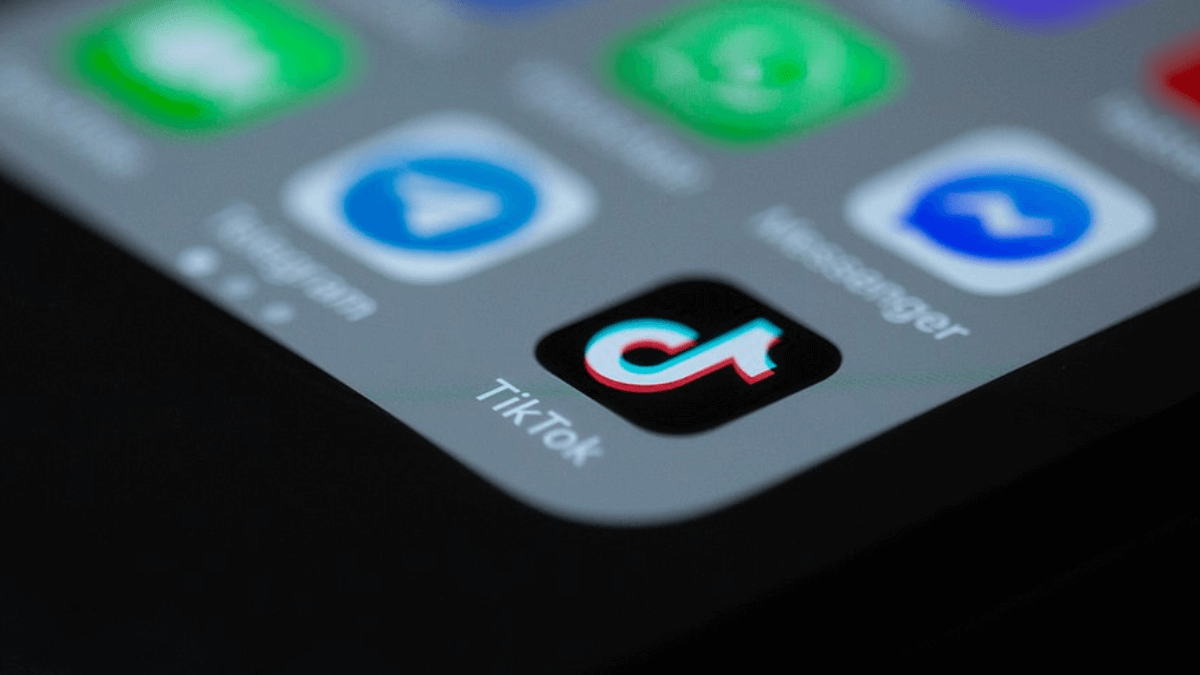
    TikTok Returns to Apple and Google App Stores in the U.S. as Trump Administration Delays Ban

  • TikTok Returns to Apple and Google App Stores in the U.S. as Trump Administration Delays Ban

    TikTok Returns to Apple and Google App Stores in the U.S. as Trump Administration Delays Ban

    In a surprising turn of events, TikTok, the popular short-form video app, has been reinstated on the Apple App Store and Google Play Store in the United States after the Trump administration announced a delay in its planned ban. The decision comes amid ongoing negotiations between TikTok’s parent company, ByteDance, and U.S. officials to address national security concerns and ensure the app’s compliance with American data privacy laws.

    The reinstatement marks a temporary reprieve for TikTok, which has faced an uncertain future in the U.S. since former President Donald Trump issued an executive order in August 2020 calling for the app to be banned unless it was sold to an American company. The delay in the ban has been welcomed by TikTok’s millions of U.S. users and content creators, who rely on the platform for entertainment, education, and income.

    A Rollercoaster Journey for TikTok

    TikTok’s journey in the U.S. has been marked by controversy and uncertainty. The app, which boasts over 150 million active users in the country, has faced scrutiny over its Chinese ownership and concerns that user data could be accessed by the Chinese government. These concerns led to the Trump administration’s initial push for a ban or forced sale of TikTok’s U.S. operations.

    In September 2020, a deal was announced that would see Oracle and Walmart acquire a stake in TikTok’s U.S. operations, with Oracle serving as the app’s “trusted technology partner.” However, the deal faced numerous delays and legal challenges, leaving TikTok’s future in limbo.

    The recent decision to delay the ban and reinstate TikTok on app stores suggests that progress has been made in addressing national security concerns. According to sources familiar with the matter, ByteDance has agreed to implement additional data security measures and establish a U.S.-based entity to oversee TikTok’s operations in the country.

    National Security Concerns and Data Privacy

    The Trump administration’s concerns about TikTok stemmed from fears that user data could be accessed by the Chinese government under China’s national security laws. TikTok has consistently denied these allegations, stating that it stores U.S. user data on servers located outside of China and that it has never shared data with the Chinese government.

    To address these concerns, TikTok has taken several steps to enhance data security and transparency, including:

    • Project Texas: A initiative to store U.S. user data on servers managed by Oracle in the United States.
    • Third-Party Audits: Regular audits of TikTok’s data practices by independent firms to ensure compliance with U.S. regulations.
    • Transparency Centers: Facilities where experts can review TikTok’s source code and moderation practices.

    “We are committed to earning the trust of our users and regulators,” said Vanessa Pappas, TikTok’s U.S. General Manager. “These measures demonstrate our dedication to protecting user data and ensuring a safe and secure platform for everyone.”

    Industry and User Reaction

    The reinstatement of TikTok on app stores has been met with relief and enthusiasm by the app’s vast user base, which includes individuals, businesses, and content creators. Many users had feared that a ban would disrupt their ability to connect with audiences, promote their work, and generate income.

    “TikTok has been a lifeline for my small business,” said Jessica Martinez, a fashion influencer and entrepreneur. “I’m thrilled that the app is back and that I can continue sharing my content with my followers.”

    The decision has also been welcomed by industry experts, who see it as a positive step toward resolving the complex issues surrounding data privacy and national security in the digital age.

    “This is a win for both TikTok and its users,” said Dr. Michael Fischer, a technology policy analyst. “It shows that it’s possible to address national security concerns without resorting to extreme measures like outright bans.”

    What’s Next for TikTok?

    While the reinstatement of TikTok on app stores is a significant development, the app’s future in the U.S. remains uncertain. The delay in the ban provides additional time for ByteDance and U.S. officials to finalize a deal that addresses national security concerns and ensures TikTok’s long-term viability in the country.

    Key issues that remain to be resolved include:

    • Ownership Structure: Ensuring that TikTok’s U.S. operations are sufficiently independent from ByteDance.
    • Data Security: Implementing robust measures to protect user data and prevent unauthorized access.
    • Regulatory Oversight: Establishing clear guidelines for how TikTok and other foreign-owned apps operate in the U.S.

    A Broader Impact on Tech and Trade

    The TikTok saga has broader implications for the tech industry and U.S.-China relations. It highlights the challenges of balancing national security concerns with the benefits of global innovation and connectivity.

    “The TikTok situation is a microcosm of the larger tensions between the U.S. and China,” said Dr. Emily Carter, a geopolitical analyst. “How this issue is resolved could set a precedent for how other tech companies navigate these complex dynamics.”


    DeepSeek Empowers China’s Chipmakers in the Race for Affordable AI Solutions

  • DeepSeek Empowers China’s Chipmakers in the Race for Affordable AI Solutions

    DeepSeek Empowers China’s Chipmakers in the Race for Affordable AI Solutions

    In a significant boost to China’s semiconductor industry, DeepSeek, a leading Chinese AI research firm, has unveiled groundbreaking advancements in artificial intelligence (AI) technology that promise to give domestic chipmakers a competitive edge in the global race for affordable AI solutions. The development, announced on January 28, 2025, marks a pivotal moment in China’s quest to reduce reliance on foreign technology and establish itself as a global leader in AI and semiconductor innovation.

    DeepSeek’s Breakthrough in AI Optimization

    DeepSeek’s latest innovation focuses on AI model optimization, enabling complex AI algorithms to run efficiently on lower-cost, domestically produced chips. Traditionally, high-performance AI applications have required advanced semiconductors, often sourced from international suppliers like NVIDIA and Intel. However, DeepSeek’s technology allows Chinese chipmakers to produce cost-effective processors capable of handling AI workloads without compromising performance.

    Key features of DeepSeek’s breakthrough include:

    1. Algorithm Compression: Reducing the size of AI models without sacrificing accuracy.
    2. Energy Efficiency: Optimizing AI algorithms to consume less power, making them ideal for use in data centers and edge devices.
    3. Hardware-Software Co-Design: Tailoring AI software to work seamlessly with Chinese-made chips, maximizing their capabilities.

    Impact on China’s Semiconductor Industry

    The development is a game-changer for China’s semiconductor industry, which has faced significant challenges due to U.S.-led export restrictions on advanced chipmaking equipment. By enabling domestic chipmakers to produce affordable, high-performance AI processors, DeepSeek is helping China achieve greater self-sufficiency in the tech sector.

    “This is a major step forward for China’s semiconductor industry,” said Dr. Li Wei, a technology analyst based in Shanghai. “DeepSeek’s innovations not only reduce costs but also enhance the competitiveness of Chinese chips in the global market.”

    Who Benefits from DeepSeek’s Technology?

    DeepSeek’s advancements are expected to benefit a wide range of stakeholders, including:

    1. Chinese Chipmakers:
      Companies like SMIC (Semiconductor Manufacturing International Corporation) and Huawei’s HiSilicon can now produce AI-optimized chips at a fraction of the cost, making them more competitive against international rivals.
    2. AI Developers:
      Startups and tech firms developing AI applications will have access to affordable, high-performance hardware, accelerating innovation in fields like autonomous vehicles, healthcare, and smart cities.
    3. Consumers:
      The reduced cost of AI chips will lead to more affordable AI-powered devices, from smartphones to home appliances, benefiting consumers worldwide.
    4. Global Markets:
      As Chinese chipmakers gain a stronger foothold in the global market, the increased competition could drive down prices and spur innovation across the industry.

    Challenges and Opportunities

    While DeepSeek’s technology offers immense potential, challenges remain. The global semiconductor industry is highly competitive, and Chinese chipmakers must continue to innovate to keep pace with international leaders. Additionally, geopolitical tensions and export restrictions could pose ongoing hurdles.

    However, the opportunities far outweigh the challenges. By leveraging DeepSeek’s advancements, China is well-positioned to become a major player in the global AI and semiconductor markets.

    What’s Next for DeepSeek and China’s Chipmakers?

    DeepSeek plans to collaborate with leading Chinese chipmakers to integrate its AI optimization technology into their products. The company is also exploring partnerships with international firms to expand its reach and influence.

    Meanwhile, China’s semiconductor industry is expected to see a surge in investment and innovation, driven by government support and growing demand for AI solutions.

    Global Implications

    DeepSeek’s breakthrough has far-reaching implications for the global tech industry. By reducing the cost of AI hardware, the technology could democratize access to AI, enabling smaller companies and developing nations to harness its power. At the same time, it could disrupt the dominance of established players like NVIDIA and Intel, reshaping the competitive landscape.


    UAE Introduces 10-year Blue Visa : A Comprehensive Guide About the UAE Blue Visa, Including eligibility criteria, Application process, Fees, and more.

  • Ed Sheeran’s Delhi Concert to Feature Lisa Mishra: A Fusion of Global and Indian Musical Brilliance

    Ed Sheeran’s Delhi Concert to Feature Lisa Mishra: A Fusion of Global and Indian Musical Brilliance

    Global music sensation Ed Sheeran is set to light up Delhi’s stage on his highly anticipated Mathematics Tour, and fans have an extra reason to celebrate. The Grammy-winning artist will be joined by Indian-American singer-songwriter Lisa Mishra, blending global pop with Indian musical influences for an unforgettable night. The concert, scheduled for March 16, 2024, at the Jawaharlal Nehru Stadium, promises to be a landmark event in India’s live music scene.

    Ed Sheeran’s Return to India

    Ed Sheeran’s Delhi concert marks his return to India after his last performance in 2017, which left fans in awe of his acoustic melodies and heartfelt lyrics. Known for hits like “Shape of You,” “Perfect,” and “Thinking Out Loud,” Sheeran has a massive fan base in India, and tickets for the concert sold out within hours of going on sale.

    The Mathematics Tour is a celebration of Sheeran’s latest album, “Subtract,” which explores themes of love, loss, and resilience. The Delhi concert is part of Sheeran’s larger Asia tour, which includes stops in Mumbai, Bangkok, Tokyo, and Seoul.

    Lisa Mishra: Bridging Cultures Through Music

    Adding a touch of Indian flair to the concert is Lisa Mishra, the Indian-American singer who rose to fame with her soulful voice and viral hits like “Tareefan” from the Bollywood movie Veere Di Wedding. Mishra’s unique ability to blend Western pop with Indian classical and contemporary styles has made her a standout artist in the global music scene.

    Mishra’s collaboration with Sheeran is a testament to the growing influence of Indian artists on the international stage. “I’m thrilled to share the stage with Ed Sheeran in Delhi,” Mishra said in a statement. “This is a dream come true, and I can’t wait to bring our cultures together through music.”

    What to Expect at the Concert

    The Delhi concert promises to be a spectacular fusion of Sheeran’s acoustic brilliance and Mishra’s Indian-inspired melodies. Here’s what fans can look forward to:

    1. Ed Sheeran’s Iconic Hits:
      Sheeran will perform his chart-topping songs, including “Shape of You,” “Perfect,” and “Bad Habits,” along with tracks from his latest album.
    2. Lisa Mishra’s Special Performance:
      Mishra will take the stage to perform her popular tracks, including “Tareefan” and “Dilbar,” as well as a special duet with Sheeran.
    3. Cultural Fusion:
      The concert will feature a blend of Western and Indian musical elements, with live instruments like the sitar and tabla adding a unique touch to Sheeran’s acoustic set.
    4. Visual Spectacle:
      The event will include state-of-the-art lighting, visuals, and stage design, creating an immersive experience for the audience.

    A Milestone for India’s Music Scene

    Ed Sheeran’s concert, featuring Lisa Mishra, is more than just a musical event—it’s a celebration of cultural exchange and artistic collaboration. The inclusion of an Indian artist in a global superstar’s concert highlights the growing recognition of Indian talent on the world stage.

    “This concert is a testament to the power of music to bring people together,” said a spokesperson for the event organizers. “We’re proud to showcase Indian talent alongside one of the biggest names in music.”

    Tickets and Logistics

    Tickets for the concert were sold out within hours of release, but fans can still participate in contests and giveaways for a chance to attend. The event will also be live-streamed for those unable to secure tickets.

    Security measures have been heightened to ensure a safe and enjoyable experience for all attendees. Fans are encouraged to arrive early and follow the guidelines provided by the organizers.

    What’s Next for Ed Sheeran and Lisa Mishra?

    After the Delhi concert, Ed Sheeran will continue his Mathematics Tour across Asia and Europe, while Lisa Mishra is set to release her debut international album later this year. The collaboration between the two artists has sparked rumors of a potential duet or joint project, though neither has confirmed any plans yet.

    Conclusion

    Ed Sheeran’s Delhi concert, featuring Lisa Mishra, is set to be a historic event that celebrates the fusion of global and Indian music. As fans eagerly await the performance, the concert underscores the growing influence of Indian artists in the global music industry and the universal appeal of music as a unifying force.


    UAE Explores AI Judges: A Bold Step Towards Judicial Innovation

  • Saudi Arabia Halts Multiple-Entry Visit Visas for 14 Countries: What’s Next for Travel and Diplomacy?

    Saudi Arabia Halts Multiple-Entry Visit Visas for 14 Countries: What’s Next for Travel and Diplomacy?

    In a recent policy adjustment, the Saudi Arabian government has temporarily suspended the issuance of one-year multiple-entry family visit visas for citizens of 14 countries, including India, Pakistan, and Bangladesh. This decision aims to review and potentially revise the existing visa policies for these nationalities.

    The move, effective immediately, marks a departure from Saudi Arabia’s recent efforts to open its doors to international tourists and investors as part of its Vision 2030 initiative. While the government has not provided detailed reasons for the suspension, analysts suggest it is linked to ongoing security challenges and the need to manage immigration more effectively.

    Countries Affected:

    While the complete list may vary, it is reported to include the following countries:

    • India
    • Pakistan
    • Bangladesh
    • Indonesia
    • Philippines
    • Vietnam
    • Ethiopia
    • Kenya
    • Uganda
    • Nigeria
    • Myanmar
    • Afghanistan
    • Syria
    • Yemen

    Potential Implications:

    This policy change could have several implications, including:

    • Impact on family ties: Frequent family visits may be disrupted for residents of these countries living in Saudi Arabia.
    • Tourism impact: The suspension could potentially affect tourism revenue from these countries, as frequent visitors may be discouraged from traveling to Saudi Arabia.
    • Diplomatic relations: The move could have diplomatic implications for Saudi Arabia’s relations with the affected countries.

    Looking Ahead:

    The Saudi Arabian government is expected to review its visa policies and may introduce revised guidelines in the future.

    The Decision: A Closer Look

    Multiple-entry visit visas have been a popular option for frequent travelers, including business professionals, expatriates, and families visiting relatives in Saudi Arabia. These visas allowed holders to enter the Kingdom multiple times within a specified period, typically one year, without the need to reapply each time.

    The suspension applies to new visa applications while existing multiple-entry visas remain valid until their expiration. However, travelers from the affected countries will now need to apply for single-entry visas, which are more restrictive and require additional documentation.

    “This decision reflects the Kingdom’s commitment to maintaining national security while ensuring the integrity of its immigration system,” said Ahmed Al-Rajhi, Saudi Arabia’s Minister of Human Resources and Social Development. “We remain open to visitors from around the world but must prioritize the safety and well-being of our citizens.”

    Impact on Travel and Trade

    The suspension is expected to have far-reaching consequences for travelers and businesses in the affected countries.

    1. Business Travel: Companies with operations in Saudi Arabia or partnerships with Saudi firms may face disruptions, as frequent travel becomes more cumbersome and costly.
    2. Expatriate Communities: Families and individuals who rely on multiple-entry visas to visit relatives working in Saudi Arabia will need to navigate the new restrictions, potentially straining personal and professional relationships.
    3. Tourism: While Saudi Arabia has been actively promoting itself as a tourist destination, the suspension could deter visitors from the affected countries, impacting the Kingdom’s tourism revenue.

    “This decision is a setback for regional connectivity and economic cooperation,” said Dr. Fatima Al-Mansoori, an economist specializing in Gulf affairs. “It could create barriers to trade and investment, particularly for small and medium-sized enterprises that rely on frequent travel.”

    What’s Next?

    The suspension of multiple-entry visit visas is likely to prompt a range of responses from the affected countries and the international community.

    1. Diplomatic Negotiations: Governments of the affected countries may seek to engage with Saudi authorities to address concerns and explore alternative arrangements.
    2. Policy Adjustments: Saudi Arabia could introduce new visa categories or streamline the application process for single-entry visas to mitigate the impact on travelers.
    3. Regional Cooperation: The decision may spur discussions among Gulf Cooperation Council (GCC) members about harmonizing visa policies and enhancing regional security cooperation.

    Public Reaction: Mixed Responses

    The announcement has elicited mixed reactions from the public. While some Saudis have welcomed the move as a necessary step to enhance security, others have expressed concern about its potential impact on the Kingdom’s reputation as a welcoming destination.

    “We understand the need for security, but this decision feels like a step backward,” said Rana Al-Hassan, a Saudi business owner. “We’ve worked hard to open up to the world, and this could undo some of that progress.”

    Looking Ahead

    As Saudi Arabia navigates the complexities of immigration policy and national security, the suspension of multiple-entry visit visas underscores the challenges of balancing openness with safety. The decision is likely to remain a topic of debate in the coming months, with implications for the Kingdom’s global standing and its ambitious Vision 2030 goals.

    For now, travelers and businesses from the affected countries are left to adapt to the new reality, while Saudi authorities work to address the concerns raised by this controversial policy shift.

    Disclaimer: This information is based on current reports and may be subject to change. Please refer to official sources from the Saudi Arabian government for the most up-to-date and accurate information.


    Elon Musk’s Team Granted Access to U.S. Government Payment System, Raising Security and Oversight Concerns

  • Elon Musk’s Team Granted Access to U.S. Government Payment System, Raising Security and Oversight Concerns

    Elon Musk’s Team Granted Access to U.S. Government Payment System, Raising Security and Oversight Concerns

    In a move that has sparked widespread debate, Elon Musk’s team has reportedly been granted access to the U.S. government’s payment system, according to a recent report by The New York Times. The access, which allows Musk’s companies to process payments for federal contracts, has raised questions about security, transparency, and the potential risks of granting private entities control over critical government infrastructure.

    The decision, made by the Department of the Treasury in collaboration with the General Services Administration (GSA), is part of a broader effort to streamline government operations and leverage private-sector innovation. However, critics argue that the move could expose sensitive financial data to unnecessary risks and create conflicts of interest, given Musk’s extensive business interests and outspoken public persona.

    The Agreement: A New Era of Public-Private Collaboration

    Under the agreement, Musk’s team will have access to the System for Award Management (SAM), the federal government’s primary platform for managing contracts, grants, and payments. This access will enable Musk’s companies, including SpaceX, Tesla, and Neuralink, to directly process payments for government contracts, reducing bureaucratic delays and improving efficiency.

    Proponents of the move argue that it represents a forward-thinking approach to modernizing government operations. “By partnering with innovative leaders like Elon Musk, we can harness cutting-edge technology to improve the way the government does business,” said Treasury Secretary Laura Bennett. “This is about delivering better results for taxpayers and ensuring that federal agencies have access to the best tools available.”

    Security Concerns: A Potential Pandora’s Box

    Despite the potential benefits, the decision has drawn sharp criticism from cybersecurity experts and government watchdogs. Granting access to the government’s payment system introduces significant risks, including the potential for data breaches, fraud, and misuse of sensitive information.

    “This is a massive security gamble,” said Dr. Emily Carter, a cybersecurity analyst. “The U.S. government’s payment system is a prime target for hackers, and adding more access points increases the risk of a catastrophic breach. The potential consequences are staggering.”

    Critics have also raised concerns about the lack of transparency surrounding the agreement. Details about the specific safeguards and oversight mechanisms in place have not been made public, fueling fears that Musk’s team could exploit its access for competitive advantage or other purposes.

    Conflict of Interest: A Growing Debate

    Elon Musk’s vast business empire, which spans industries from aerospace to social media, has further complicated the issue. Critics argue that granting Musk’s team access to the government’s payment system creates a clear conflict of interest, as it could provide his companies with an unfair advantage in securing federal contracts.

    “This is a textbook example of a conflict of interest,” said Senator Mark Johnson, a member of the Senate Committee on Homeland Security and Governmental Affairs. “We cannot allow private companies, no matter how innovative, to have unchecked access to government systems. This sets a dangerous precedent.”

    Musk, known for his controversial statements and business practices, has dismissed these concerns, arguing that his companies are uniquely positioned to deliver results for the government. “Our track record speaks for itself,” Musk said in a statement. “We have consistently delivered innovative solutions that save time and money. This is about efficiency, not influence.”

    Government Response: Balancing Innovation and Oversight

    The decision to grant Musk’s team access to the payment system has prompted calls for greater oversight and accountability. Lawmakers from both parties have expressed concern about the potential risks and are pushing for hearings to examine the agreement in detail.

    “We need to ensure that this arrangement is in the best interest of the American people,” said Representative Sarah Thompson, Chair of the House Oversight Committee. “That means rigorous oversight, transparency, and accountability at every step.”

    The Government Accountability Office (GAO) has also announced plans to conduct a review of the agreement, focusing on its security implications and compliance with federal contracting regulations.

    Broader Implications: A Test Case for Public-Private Partnerships

    The agreement with Musk’s team is part of a broader trend toward increased collaboration between the federal government and private-sector innovators. While such partnerships can drive efficiency and innovation, they also raise important questions about accountability, security, and the appropriate boundaries between public and private interests.

    “This is a test case for the future of public-private partnerships,” said Dr. Michael Fischer, a professor of public policy. “If done right, it could set a positive precedent for leveraging private-sector expertise. If done wrong, it could undermine public trust and expose critical systems to unnecessary risks.”

    Looking Ahead: A Delicate Balancing Act

    As the federal government moves forward with its agreement with Musk’s team, the stakes could not be higher. The success or failure of this partnership will have far-reaching implications for the future of government operations and the role of private companies in public service.

    For now, all eyes are on Washington as lawmakers, regulators, and the public grapple with the complex challenges of balancing innovation, security, and accountability in an increasingly interconnected world.


    How Content Creators Can Secure the UAE Golden Visa: A Comprehensive Guide

  • Qatar’s Post-World Cup Economic Strategy: Leveraging Global Success for Sustainable Growth

    Qatar’s Post-World Cup Economic Strategy: Leveraging Global Success for Sustainable Growth

    The resounding success of the FIFA World Cup 2022 has catapulted Qatar onto the global stage, showcasing its ability to host mega-events and its commitment to innovation and sustainability. Now, the nation is capitalizing on this unprecedented visibility to drive its post-tournament economic strategy. With a focus on boosting tourism, enhancing trade, attracting foreign investment, and expanding its liquefied natural gas (LNG) production capacity, Qatar is positioning itself as a dynamic and resilient economy ready to meet the challenges and opportunities of the future.

    The World Cup Legacy: A Catalyst for Transformation

    The FIFA World Cup 2022 was more than just a sporting event for Qatar; it was a transformative moment that demonstrated the nation’s capabilities on a global scale. The tournament attracted over 1.4 million visitors, generated billions in revenue, and left behind a legacy of world-class infrastructure, including state-of-the-art stadiums, transportation networks, and urban developments.

    Qatar’s successful hosting of the World Cup has enhanced its reputation as a hub for tourism, business, and innovation. The country is now leveraging this momentum to achieve its long-term economic goals, as outlined in its National Vision 2030, which aims to create a diversified, knowledge-based economy.

    Boosting Tourism: From Sports to Luxury and Culture

    Tourism is a cornerstone of Qatar’s post-World Cup strategy. The country is building on the global exposure it gained during the tournament to attract more visitors and establish itself as a premier travel destination. Key initiatives include:

    • Luxury Tourism: Qatar is investing in high-end resorts, boutique hotels, and exclusive experiences to cater to affluent travelers. The Pearl-Qatar and the newly developed Lusail City are prime examples of luxury destinations.
    • Cultural Tourism: The country is promoting its rich cultural heritage through attractions like the Museum of Islamic Art, Katara Cultural Village, and the historic Souq Waqif.
    • Sports Tourism: With world-class stadiums and facilities, Qatar aims to host more international sporting events, including the Asian Games 2030 and potential bids for the Olympics.

    The Qatar National Tourism Council (QNTC) has launched global marketing campaigns to highlight the country’s unique offerings, from its pristine beaches and desert landscapes to its vibrant arts and culinary scenes.

    Enhancing Trade and Attracting Foreign Investment

    The World Cup has also opened doors for Qatar to strengthen its trade relationships and attract foreign investment. The country’s strategic location, business-friendly policies, and advanced infrastructure make it an attractive destination for global investors.

    • Free Zones and Economic Diversification: Qatar Free Zones Authority (QFZA) is offering incentives such as tax exemptions and 100% foreign ownership to attract businesses in sectors like technology, logistics, and manufacturing.
    • Trade Partnerships: Qatar is expanding its trade ties with emerging markets in Asia, Africa, and Europe, while also deepening relationships with traditional partners like the United States and the European Union.
    • Innovation and Technology: The government is investing in innovation hubs and research centers to foster entrepreneurship and attract tech startups. Initiatives like the Qatar Science & Technology Park (QSTP) are driving advancements in fields such as artificial intelligence, renewable energy, and healthcare.

    Expanding LNG Production: Meeting Global Energy Demand

    While diversifying its economy, Qatar remains committed to strengthening its position as a global energy leader. The country is the world’s largest exporter of LNG, and it is investing heavily to expand its production capacity to meet growing global demand, particularly in Europe and Asia.

    • North Field Expansion Project: QatarEnergy’s $30 billion North Field Expansion project is set to increase LNG production from 77 million tons per annum (mtpa) to 126 mtpa by 2027. This project will solidify Qatar’s dominance in the global LNG market and generate significant revenue for the economy.
    • Sustainability in Energy: Qatar is also focusing on reducing the carbon footprint of its LNG operations. The country has committed to carbon capture and storage (CCS) technologies and is exploring green hydrogen as a future energy source.

    The expansion of LNG production aligns with Qatar’s broader strategy to ensure energy security and contribute to global energy transition efforts.

    Challenges and Opportunities

    While Qatar’s post-World Cup strategy is ambitious, it is not without challenges. The global economic slowdown, geopolitical tensions, and competition from other Gulf nations could pose risks to the country’s diversification efforts. Additionally, ensuring sustainable growth while managing environmental impacts will require careful planning and innovation.

    However, the opportunities are immense. Qatar’s strong financial reserves, strategic investments, and proactive policies provide a solid foundation for growth. The World Cup has demonstrated the nation’s ability to execute large-scale projects and adapt to global trends, positioning it as a leader in the region.

    A Vision for the Future

    Qatar’s post-World Cup economic strategy is a testament to its vision for a sustainable and diversified future. By leveraging the success of the tournament, the country is transforming its economy, enhancing its global standing, and creating new opportunities for its citizens and residents.

    As Sheikh Tamim bin Hamad Al Thani, the Emir of Qatar, stated, “The World Cup was not just a goal; it was a means to achieve a greater vision for our nation.” This vision is now coming to life as Qatar builds on its achievements to create a prosperous and resilient future.


    GCC Economic Diversification Amid Global Uncertainty: A Strategic Shift Towards Sustainable Growth

  • Saudi Arabia’s Vision 2030: A Transformative Journey Towards Economic Diversification and Global Leadership

    Saudi Arabia’s Vision 2030: A Transformative Journey Towards Economic Diversification and Global Leadership

    Saudi Arabia’s Vision 2030, the ambitious blueprint unveiled by Crown Prince Mohammed bin Salman in 2016, continues to achieve remarkable milestones as the Kingdom accelerates its transformation into a global economic powerhouse. With a focus on reducing its dependence on oil revenues, fostering innovation, and enhancing the quality of life, Saudi Arabia is making headlines with groundbreaking projects such as NEOM, the Red Sea Project, and Qiddiya. The recent signing of multi-billion-dollar contracts with international firms underscores the Kingdom’s unwavering commitment to realizing its Vision 2030 goals.

    The Pillars of Vision 2030

    Vision 2030 is built on three core pillars: a vibrant society, a thriving economy, and an ambitious nation. These pillars are designed to position Saudi Arabia as a global leader in innovation, tourism, and sustainability. The initiative aims to diversify the economy by investing in non-oil sectors such as entertainment, tourism, technology, and renewable energy, while also improving infrastructure, healthcare, and education.

    NEOM: The City of the Future

    One of the most ambitious projects under Vision 2030 is NEOM, a $500 billion mega-city being built from scratch in the northwestern region of Saudi Arabia. NEOM is envisioned as a hub for innovation, sustainability, and cutting-edge technology. The city will be powered entirely by renewable energy and will feature smart infrastructure, autonomous transportation, and advanced industries such as biotechnology and robotics.

    Recent developments include the launch of THE LINE, a revolutionary urban concept comprising two parallel skyscrapers stretching 170 kilometers, designed to house 9 million residents with zero cars, zero streets, and zero carbon emissions. NEOM has also signed contracts with global firms for the construction of its infrastructure, including partnerships with companies like Bechtel and Hyundai Engineering & Construction.

    The Red Sea Project: A Luxury Tourism Destination

    The Red Sea Project is another cornerstone of Vision 2030, aiming to position Saudi Arabia as a global leader in luxury tourism. Spanning over 28,000 square kilometers, the project includes an archipelago of 90 islands, pristine beaches, and coral reefs. The first phase, which includes 16 hotels and an international airport, is set to open in 2024.

    The project is being developed with a strong emphasis on sustainability, with plans to power the entire destination using renewable energy and to implement strict conservation measures to protect the environment. The Red Sea Development Company has awarded contracts worth billions of dollars to international firms, including ACWA Power for renewable energy solutions and Foster + Partners for architectural design.

    Qiddiya: The Entertainment Capital

    Qiddiya, located just 40 kilometers from Riyadh, is set to become the Kingdom’s premier entertainment, sports, and cultural destination. The project spans 334 square kilometers and will feature theme parks, sports facilities, concert venues, and cultural attractions. Qiddiya aims to attract 17 million visitors annually by 2030, contributing significantly to the Kingdom’s tourism sector.

    The first phase of Qiddiya, which includes a Six Flags theme park and a motorsports complex, is expected to open in 2024. The project has already signed agreements with global entertainment giants, including Warner Bros. and Six Flags, to bring world-class attractions to Saudi Arabia.

    Economic Diversification and International Partnerships

    A key objective of Vision 2030 is to reduce Saudi Arabia’s reliance on oil revenues by diversifying its economy. The Kingdom has made significant progress in this regard, with non-oil revenues reaching record levels in recent years. The government has also implemented reforms to improve the business environment, attract foreign investment, and support the private sector.

    The recent signing of multi-billion-dollar contracts with international firms highlights Saudi Arabia’s commitment to leveraging global expertise to achieve its Vision 2030 goals. These partnerships span various sectors, including construction, technology, renewable energy, and entertainment. For example, Saudi Arabia has partnered with SoftBank to launch the $100 billion SoftBank Vision Fund, which invests in cutting-edge technologies worldwide.

    Challenges and Opportunities

    While Vision 2030 has achieved significant milestones, the journey is not without challenges. The scale and complexity of projects like NEOM and the Red Sea Project require substantial investment, technical expertise, and coordination. Additionally, the Kingdom must navigate global economic uncertainties, fluctuating oil prices, and geopolitical tensions.

    However, the opportunities far outweigh the challenges. Vision 2030 has already transformed Saudi Arabia’s economic landscape, creating new industries, generating jobs, and attracting global attention. The initiative has also improved the Kingdom’s global standing, positioning it as a leader in innovation, sustainability, and economic diversification.

    A Vision for the Future

    As Saudi Arabia continues to make strides towards achieving Vision 2030, the world is watching closely. The Kingdom’s bold ambitions and transformative projects are not only reshaping its economy but also redefining its role on the global stage. With NEOM, the Red Sea Project, Qiddiya, and other initiatives, Saudi Arabia is building a future that is sustainable, innovative, and prosperous.

    As Crown Prince Mohammed bin Salman once said, “We have all the means to achieve our dreams and ambitions. There is no limit to what we can achieve.” Vision 2030 is a testament to this belief, and its success will serve as a model for nations around the world.


    How to Report Excessive Construction Noise in Abu Dhabi, UAE

  • Zainab Isa Abdulla, A Champion of Justice : The Best Lawyer in Bahrain

    Zainab Isa Abdulla, A Champion of Justice : The Best Lawyer in Bahrain

    Attorney Zainab Isa Abdulla, widely regarded as one of the best lawyers in Bahrain, has built a stellar reputation as a legal consultant and defender of justice. Known for her expertise in civil, labor, and corporate disputes, she has consistently delivered favorable outcomes for her clients. With a portfolio of landmark cases that emphasize accountability and fairness, Zainab has become a trusted name in Bahrain’s legal landscape.

    Case 1: Justice for a Family After a Fatal Car Defect

    In a tragic incident, a family man lost his life due to a manufacturing defect in his car. The airbag malfunctioned during a collision, sending a metal fragment into his head. Lawyer Zainab Isa represented the grieving family in a lawsuit against the car manufacturer.

    The court ruled that the defect caused the fatality, holding the company liable and ordering it to pay substantial compensation:

    • BD 5,000 to the widow.
    • BD 12,928 for the deceased’s minor children.
    • Full coverage of legal fees.

    Despite an appeal, the judgment was upheld, providing the family with a total compensation of BD 22,000 in 2021. This case highlights Zainab’s dedication to ensuring justice, even against large corporations.

    Case 2: Defending Workers in a Labor Dispute

    Zainab Isa successfully defended three barbers against their employer, who accused them of negligence and demanded compensation. The workers countered with claims for unpaid wages and end-of-service benefits.

    Zainab’s arguments led to the court rejecting the employer’s claims and ordering him to pay the following to the workers:

    • BD 680 for the first barber.
    • BD 640 for the second barber.
    • BD 460 for the third barber.

    This case underscores Zainab’s commitment to protecting workers’ rights and ensuring employers fulfill their obligations.

    Case 3: Fighting for Wrongful Dismissal Compensation

    Zainab Isa, alongside lawyer Zahra Al Sayed Ali, represented an IT systems designer wrongfully dismissed by his employer. The employee sought compensation for unpaid wages, wrongful termination, and leave allowances totaling over BD 15,000.

    The court ruled in favor of the employee, ordering the company to pay:

    • BD 15,325.44 as compensation.

    The company’s counterclaim was dismissed due to lack of evidence. This case further solidifies Zainab’s reputation for meticulous legal representation and her ability to hold companies accountable.

    Why Zainab Isa Abdulla is the Best Lawyer in Bahrain

    Zainab Isa Abdulla, a leading legal mind in Bahrain. Renowned as one of the best lawyers in the country, she possesses a deep understanding of the legal landscape and a strong commitment to upholding the rights of her clients. Beyond her legal expertise, Zainab also offers valuable assistance to those navigating the Bahraini property market. Whether you are a seasoned investor or a first-time buyer, her knowledge of real estate law and local regulations can provide invaluable guidance and support throughout the process.

    Zainab’s unwavering commitment to justice, combined with her exceptional legal expertise, has made her a beacon of hope for clients seeking fairness and accountability. Her ability to navigate complex legal landscapes and secure favorable outcomes demonstrates why she is considered the best lawyer in Bahrain.

    Whether advocating for families, employees, or individuals wronged by corporations, Lawyer Zainab Isa Abdulla consistently proves that justice can prevail. Her dedication to her clients and her remarkable track record continue to inspire trust and confidence in Bahrain’s legal community.


    Work Hours Get Shorter: Most people in the UAE work fewer hours during Ramadan. This helps those who are fasting. Check with your work to know your new hours.