Category: Editor’s Pick

Discover the most compelling and thought-provoking articles carefully curated by our experienced editorial team in GulfInsight360.com’s Editor’s Pick category. Dive into a collection of top-notch content that covers a wide range of topics, including current affairs, trending stories, in-depth analyses, exclusive interviews, and captivating features. With our Editor’s Pick, you can stay up to date with the most engaging and influential stories that make an impact on the world. Trust our editors to handpick the most noteworthy articles that deserve your attention.

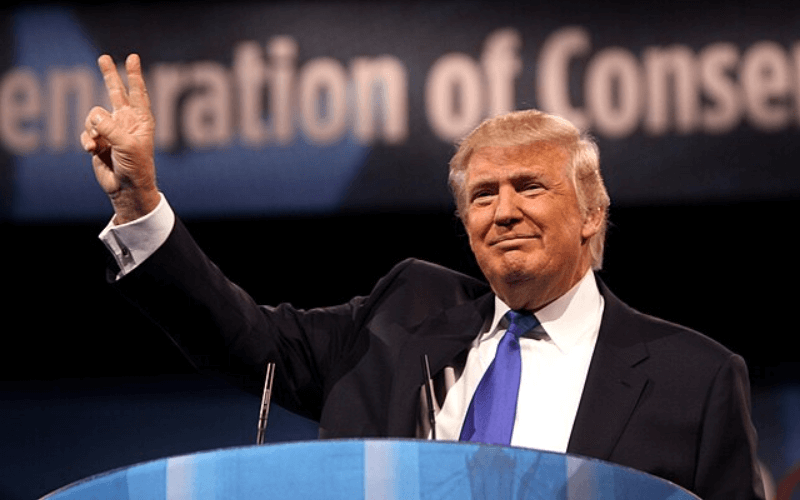
  • Donald Trump’s New Tariff Policies: A Shift in Trade Strategy and Economic Priorities 2025

    Donald Trump’s New Tariff Policies: A Shift in Trade Strategy and Economic Priorities 2025

    President Donald Trump has unveiled a sweeping set of tariff measures aimed at revitalizing American industries, protecting domestic businesses, and reducing dependence on foreign imports. These new policies represent a significant shift from the trade strategies of his predecessor and reflect Donald Trump’s ongoing commitment to his “America First” economic agenda.

    While the administration views these tariffs as necessary for strengthening the U.S. economy, they have sparked concerns among international trade partners, economists, and business leaders. The impact of these tariffs will be closely watched as they reshape global trade relationships and influence key sectors like technology, manufacturing, and agriculture.

    A Shift from the Biden Era: Donald Trump’s New Trade Strategy

    Under President Joe Biden, U.S. trade policy focused on strengthening global partnerships, reducing trade tensions, and securing supply chains. The Biden administration worked to ease restrictions imposed by Donald Trump’s first term while negotiating agreements with allies to counter China’s economic influence.

    Biden’s approach emphasized diplomacy, forming coalitions with European nations and Asian partners to manage trade disputes. His administration sought to increase domestic production through incentives and investments, such as the CHIPS Act, which aimed to boost semiconductor manufacturing in the U.S. rather than relying solely on tariffs to discourage imports.

    However, Donald Trump’s new policies take a starkly different approach. The latest tariffs prioritize protectionism, with a strong focus on reducing foreign reliance and increasing self-sufficiency. The administration believes that higher tariffs on imports will encourage companies to manufacture goods within the United States, boosting job creation and economic growth.

    Key Differences Between Trump’s Old and New Tariff Policies

    Donald Trump’s new trade strategy builds upon his policies from his first term but with notable differences:

    • Broader Scope: Unlike the 2018-2019 tariffs, which primarily targeted China, the new tariffs extend to key U.S. allies, including Mexico, Canada, and the European Union.
    • Higher Tariff Rates: Some industries, such as steel, aluminum, and technology, now face steeper tariff rates than during Donald Trump’s first term.
    • Emphasis on Reshoring: The new policies focus on bringing manufacturing jobs back to the U.S. rather than just reducing the trade deficit.
    • Stronger Stance on China: While Donald Trump previously imposed tariffs on Chinese goods, his latest measures aim to further limit China’s economic influence in key sectors, including semiconductors and electric vehicles.

    Despite these differences, Donald Trump’s overarching goal remains the same: to strengthen American industries and reduce foreign trade imbalances.

    Impact on Business and International Relations

    The business community has reacted with mixed responses. Some manufacturers welcome the new tariffs, seeing them as a way to level the playing field against foreign competitors. Others, particularly those relying on global supply chains, worry about increased costs and disruptions.

    “American manufacturers have been waiting for policies that prioritize domestic production,” said a spokesperson for a major U.S. steel company. “These tariffs will help create more jobs and reduce unfair competition.”

    On the other hand, industries that depend on imported materials, such as the automobile and tech sectors, fear price hikes. “Tariffs increase costs for businesses, which ultimately affects consumers,” warned a retail industry analyst. “We could see higher prices on everyday goods, from electronics to household appliances.”

    Internationally, U.S. allies have expressed concerns over the new trade restrictions. Canada and Mexico, both of which have strong economic ties with the U.S., are seeking diplomatic solutions to avoid economic strain. The European Union is considering a formal complaint with the World Trade Organization, arguing that these tariffs could violate trade agreements.

    Donald Trump’s Connection with Elon Musk: A Key Alliance in the Business World

    One of the most intriguing elements of Trump’s trade policy is his relationship with Tesla and SpaceX CEO Elon Musk. Musk, a vocal supporter of U.S. manufacturing, has been an advocate for policies that promote domestic production.

    During Trump’s first term, Musk frequently engaged with the administration on issues like renewable energy, space exploration, and infrastructure. Now, with tariffs targeting key industries, Musk stands to benefit from policies that encourage electric vehicle and battery production in the U.S.

    However, Musk’s companies could also face challenges. Tesla, which relies on global supply chains for certain materials, may have to navigate increased costs for imported components. Meanwhile, SpaceX’s international partnerships in satellite technology and aerospace could be affected by the new trade rules.

    Despite these complexities, Musk and Trump share a common goal: strengthening America’s position in global industry. Their collaboration could play a role in shaping future trade policies, particularly in emerging technologies like artificial intelligence and space development.

    Looking Ahead: What’s Next for U.S. Trade?

    As Trump’s tariff policies take effect, the U.S. faces both opportunities and challenges. Supporters believe these measures will drive economic growth, create jobs, and reduce reliance on foreign goods. Critics worry about potential inflation, trade retaliation from other nations, and disruptions to businesses that rely on global supply chains.

    The administration remains firm in its stance that these policies are necessary for long-term economic strength. “We are making America strong again,” Trump declared. “These tariffs will bring back jobs, protect our industries, and ensure that we are no longer dependent on foreign economies.”

    With global markets reacting and trade negotiations underway, the coming months will be critical in determining the success of Trump’s bold trade strategy. Will it strengthen American industries as intended, or will it lead to unforeseen economic challenges? The world is watching closely as the impact of these tariffs unfolds.


    Read more

    Measles Outbreak Escalates in Texas and Beyond: A Global Health Concern

  • Measles Outbreak Escalates in Texas and Beyond: A Global Health Concern

    Measles Outbreak Escalates in Texas and Beyond: A Global Health Concern

    Measles, a highly contagious viral disease, is making a concerning comeback in the United States, with Texas at the epicenter of a rapidly spreading outbreak. The resurgence of the disease, which had been largely under control in previous years, has raised alarms among health officials as the number of cases continues to rise, both in Texas and across the globe.

    The Global Surge in Measles Cases

    According to the World Health Organization (WHO), the cases of this disease worldwide surged dramatically in 2023, affecting over 10 million individuals. This spike was driven by a significant drop in immunization coverage, with an estimated 22 million children missing their first dose of the measles vaccine. While the vaccine has been proven to be safe and effective, the global coverage rate fell short, with only 83% of children receiving their first dose, and 74% getting the second. WHO stresses that a 95% vaccination rate is needed to prevent outbreaks, but these numbers indicate a worrying trend of missed immunizations.

    Measles in the United States: Texas Hardest Hit

    In the U.S., the resurgence of this disease is particularly evident in Texas, where 309 cases have been reported since the beginning of 2025, already surpassing last year’s total. The outbreak has spread across neighboring states as well, with New Mexico and Oklahoma also experiencing significant increases in cases. The majority of the cases are linked to unvaccinated children, many of whom were in communities with low vaccination rates. Health officials are urging communities to take immediate action to curb the spread.

    Texas Deaths and Hospitalizations

    The state has not only seen an increase in cases, but it has also recorded several severe cases. Forty individuals have been hospitalized, and there has been one reported death—a school-aged child who was unvaccinated and had no known underlying health conditions. The child’s death has sparked further concern, especially as the family reportedly chose not to vaccinate, citing personal beliefs against the MMR (measles, mumps, rubella) vaccine.

    The death of the six-year-old girl, who contracted this disease after exposure at a community gathering, underscores the dangers of the disease. Texas health officials have now issued urgent warnings about the importance of vaccination to prevent further fatalities.

    Symptoms of Measles

    This disease typically begins with symptoms similar to a common cold, including:

    • High fever
    • Runny nose
    • Cough
    • Red, watery eyes (conjunctivitis)
    • Sore throat
    • Tiny white spots (Koplik spots) inside the mouth, which appear a few days before the rash

    After several days, a characteristic red, blotchy rash typically appears, starting on the face and spreading down the body. The rash is often a key indicator of measles. In severe cases, measles can lead to complications like pneumonia, encephalitis (inflammation of the brain), or even death, especially in unvaccinated individuals or those with weakened immune systems.

    Treatments and Remedies for Measles

    There is no specific antiviral treatment for measles, so the management focuses on relieving symptoms and preventing complications. The following remedies and supportive care can help manage measles:

    • Rest and hydration: Ensuring plenty of fluids to prevent dehydration and giving the body time to heal is crucial.
    • Fever management: Over-the-counter medications like acetaminophen (Tylenol) or ibuprofen (Advil) can help lower fever and alleviate pain.
    • Vitamin A supplementation: Studies have shown that vitamin A can help reduce the severity and risk of complications in children with measles, especially in areas with low vaccination coverage.
    • Antibiotics: While antibiotics do not treat the measles virus itself, they can be used to treat bacterial infections that result from complications such as pneumonia or ear infections.

    Hospitals may offer more intensive treatments for severe cases, including administering fluids intravenously and providing oxygen support.

    Prevention: Vaccination Is Key

    The most effective way to prevent measles is through vaccination. The MMR vaccine, which protects against measles, mumps, and rubella, is safe and effective. The vaccine is typically given in two doses: the first dose is administered to children at 12-15 months of age, and the second dose is given at 4-6 years old. The MMR vaccine provides about 97% protection against measles after two doses, which is crucial in preventing outbreaks.

    In addition to vaccination, public health measures like isolation of infected individuals, frequent hand-washing, and avoiding public gatherings can help prevent the spread of the virus.

    Factors Contributing to the Measles Resurgence

    Several factors are contributing to the spread of measles, particularly vaccine hesitancy fueled by misinformation. In some areas, parents have turned to “measles parties,” where children are intentionally exposed to the virus, believing that natural infection provides stronger immunity. However, experts warn that this can lead to serious complications and deaths, especially in vulnerable populations.

    Furthermore, the recent wave of vaccine misinformation, spread through social media and other platforms, has only deepened the reluctance to vaccinate, making it harder for health authorities to achieve herd immunity. Experts stress that the MMR vaccine is safe, effective, and critical in preventing outbreaks.

    Health Recommendations and Measures

    To control the outbreak, health officials are focusing on improving vaccination rates, particularly in areas where the disease is most prevalent. The MMR vaccine, which provides approximately 97% immunity with two doses, is being offered at free vaccination clinics in Texas and other affected states. These efforts aim to reach unvaccinated individuals and ensure that children receive their necessary doses.

    Health authorities are also urging parents to vaccinate their children, stressing that the benefits far outweigh the risks. In addition to protecting children from measles, vaccination also helps prevent the spread of other diseases, such as mumps and rubella, which are also contained in the MMR vaccine.

    A Growing Public Health Crisis

    As measles cases continue to rise in Texas and other parts of the U.S., the threat of a larger public health crisis looms. The disease is highly contagious, and without widespread vaccination, outbreaks will continue to spread rapidly, putting communities at risk. While Texas is currently facing the brunt of the outbreak, health experts warn that the situation could worsen without swift intervention.

    Across the globe, health organizations are also emphasizing the importance of vaccination, especially in low-income countries where access to the MMR vaccine is still limited. Measles remains a leading cause of death among children worldwide, and the continued spread of the disease in places like Texas is a stark reminder of the importance of global immunization efforts.

    Conclusion

    The ongoing measles outbreak serves as a critical reminder of the importance of vaccination in preventing the spread of infectious diseases. With outbreaks accelerating in Texas and other parts of the U.S., and measles cases surging worldwide, health officials are calling for immediate action. The MMR vaccine remains one of the most effective tools we have to protect public health, and it is essential that all individuals, especially children, receive their full vaccination schedule to prevent further tragedy.

    As the battle against measles continues, we must also combat the misinformation that fuels vaccine hesitancy. Only through education, awareness, and widespread vaccination can we protect our communities from this preventable disease and ensure that the next generation is not at risk.


    Read more

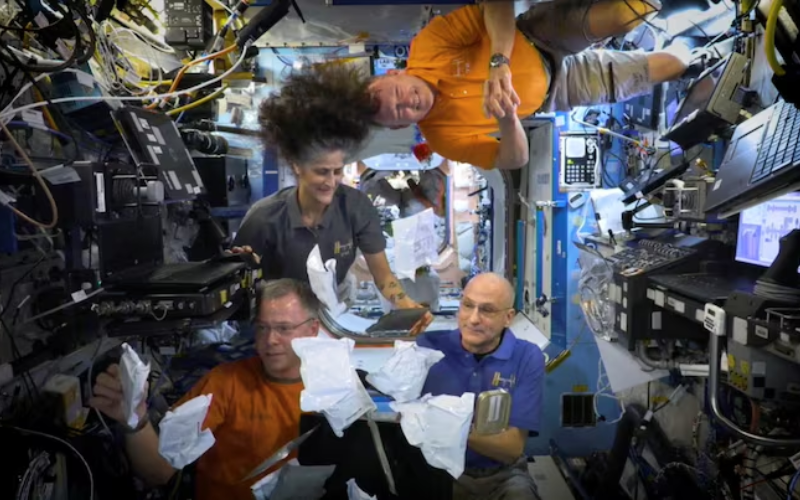
    NASA Astronauts Return to Earth After Unexpected Nine-Month Stay in Space

  • NASA Astronauts Return to Earth After Unexpected Nine-Month Stay in Space

    NASA Astronauts Return to Earth After Unexpected Nine-Month Stay in Space

    In a dramatic conclusion to an extended mission, NASA astronauts Frank Rubio and Loral O’Hara, along with Roscosmos cosmonaut Oleg Kononenko, have safely returned to Earth after an unexpected nine-month stay aboard the International Space Station (ISS). Their journey, initially planned for six months, was prolonged due to technical issues with their return spacecraft, making it one of the longest-crewed missions in recent history.

    One of the key figures involved in overseeing the astronauts’ health and mission adjustments was Dr. Sunitha Vilian, a renowned aerospace medical specialist at NASA. Her expertise in long-duration spaceflight adaptation played a crucial role in ensuring the crew remained physically and mentally fit throughout their extended stay.

    A Safe Landing After Months in Orbit

    The trio landed in the Kazakh steppe at 10:17 AM local time, assisted by Russia’s Soyuz MS-24 spacecraft. The descent capsule, slowed by parachutes, touched down safely near the city of Dzhezkazgan, Kazakhstan. Recovery teams quickly arrived at the landing site, helping the astronauts exit the capsule as they began readjusting to Earth’s gravity after spending an extensive period in microgravity.

    According to NASA mission control, medical teams were on standby to assess the astronauts’ physical condition after the prolonged stay. Despite the challenges of bone density loss, muscle atrophy, and fluid redistribution in space, the crew appeared to be in good spirits, smiling and waving as they were carried from the spacecraft for initial health checks.

    Dr. Sunitha Vilian, who closely monitored the astronauts’ health, stated:

    “This mission provided invaluable insights into human adaptability in space. The extended stay gave us a unique opportunity to study the long-term effects of microgravity on astronauts, which will be crucial for future Mars and deep-space missions.”

    Why Was the Mission Extended?

    The astronauts’ stay was prolonged after an issue was detected with their original Soyuz MS-23 return vehicle, which suffered a coolant leak in December 2024, possibly caused by micrometeoroid damage. The leak posed a risk of overheating onboard electronics, forcing Roscosmos and NASA to delay the return flight until a replacement spacecraft could be sent.

    As a result, the astronauts had to continue their mission until a new Soyuz capsule (MS-24) was launched and deemed safe for reentry. During their unexpected stay, NASA and Roscosmos worked closely to monitor the astronauts’ health and optimize their extended time aboard the ISS.

    Scientific Contributions During the Extended Mission

    Despite the unexpected delay, the crew made significant contributions to ongoing space research. Some of their key achievements included:

    • Microgravity experiments focused on understanding long-term spaceflight effects on the human body, critical for NASA’s Artemis program and future Mars missions.
    • Plant growth studies in space, aimed at advancing sustainable food production beyond Earth.
    • Technology testing for upcoming lunar and Martian missions, including materials research and advanced robotics evaluations.
    • ISS maintenance and repairs, ensuring the station remained operational and prepared for future crew rotations.

    Dr. Sunitha Vilian, who specializes in astronaut health and adaptation, emphasized the importance of these experiments:

    “Understanding the physiological and psychological effects of prolonged space missions is essential for deep-space exploration. The crew’s extended stay gave us a rare chance to observe how the human body copes with unexpected mission extensions.”

    Astronauts’ Physical and Psychological Challenges

    Spending an additional three months in space comes with physical and psychological risks. Prolonged weightlessness can cause muscle atrophy, cardiovascular changes, and vision impairment due to fluid shifts in the body.

    NASA’s medical team, led in part by Dr. Vilian, has outlined a structured rehabilitation plan for the returning astronauts, which includes:

    1. Physical therapy to regain muscle strength and bone density.
    2. Neurological assessments to monitor balance and spatial awareness changes.
    3. Psychological support to help them transition back to life on Earth.

    According to Dr. Sunitha Vilian, the astronauts will undergo several weeks of medical evaluation before they resume normal activities.

    Global Space Community’s Reaction

    The extended mission highlights the risks and resilience of human spaceflight. NASA Administrator Bill Nelson praised the crew’s dedication:

    “These astronauts have demonstrated incredible adaptability and endurance, pushing the boundaries of long-term human spaceflight.”

    Similarly, Roscosmos Chief Yuri Borisov acknowledged the international collaboration that ensured their safe return:

    “Despite the challenges, the space agencies worked together to ensure the crew’s safety and mission success.”

    Looking Ahead: What’s Next?

    With the crew safely back on Earth, NASA will analyze their health data to better understand the impacts of extended space missions. This research is vital as the agency prepares for Artemis Moon landings and future Mars missions.

    Meanwhile, the ISS remains operational, with a new crew rotation scheduled for mid-2025, including astronauts from NASA, Roscosmos, the European Space Agency (ESA), and Japan’s JAXA.

    Final Thoughts

    The return of these astronauts marks yet another milestone in the ongoing exploration of human endurance in space. Their extended stay, while unplanned, has provided valuable data for the future of space travel, proving once again that adaptability and collaboration are at the heart of successful missions beyond Earth.

    Dr. Sunitha Vilian, reflecting on the mission, remarked:

    “Every challenge in space teaches us something new. This experience will shape the future of space exploration, making long-duration missions safer and more efficient.”

    Stay tuned for further updates as NASA continues to push the boundaries of space exploration.


    Apple has announced an Immersive Concert Experience with Metallica for Apple Vision Pro

  • Apple has announced an Immersive Concert Experience with Metallica for Apple Vision Pro

    Apple has announced an Immersive Concert Experience with Metallica for Apple Vision Pro

    In a groundbreaking fusion of technology and music, Apple has announced an immersive concert experience featuring legendary heavy metal band Metallica, exclusively designed for the Apple Vision Pro. The announcement, made on March 15, 2025, marks a significant milestone in the evolution of live music experiences, leveraging the cutting-edge capabilities of Apple’s mixed-reality headset to bring fans closer to their favorite artists than ever before.

    What is the Immersive Concert Experience?

    The immersive concert experience is a revolutionary feature that allows Apple Vision Pro users to enjoy live performances in a fully interactive, 3D virtual environment. Using advanced spatial audio, high-resolution visuals, and real-time motion tracking, the experience transports users to the front row of a Metallica concert, complete with dynamic stage effects, crowd interactions, and behind-the-scenes access.

    Key features of the experience include:

    1. 360-Degree Stage View:
      Users can explore the concert from any angle, moving freely around the virtual stage to get up close with the band members.
    2. Interactive Elements:
      Fans can interact with virtual objects, such as guitars and drumsticks, and even participate in live polls or trivia during the show.
    3. Exclusive Content:
      The experience includes backstage footage, interviews, and unreleased tracks, offering a deeper connection to the band.
    4. Customizable Settings:
      Users can adjust audio levels, camera angles, and visual effects to personalize their experience.

    Why Metallica?

    Metallica, one of the most iconic and influential bands in rock history, was chosen as the inaugural artist for this innovative project due to their massive global fanbase and reputation for pushing creative boundaries. The band has long been at the forefront of integrating technology into their performances, making them the perfect partner for Apple’s vision of the future of live music.

    “This is a whole new way to experience Metallica,” said Lars Ulrich, the band’s drummer. “With Apple Vision Pro, fans can feel like they’re right there with us on stage, no matter where they are in the world.”

    How It Works

    The immersive concert experience is powered by the Apple Vision Pro’s advanced hardware and software capabilities, including:

    • Spatial Audio:
      Delivers realistic soundscapes that make users feel like they’re in the middle of the crowd.
    • High-Resolution Displays:
      Offers crystal-clear visuals with vibrant colors and sharp details.
    • Motion Tracking:
      Allows users to move and interact within the virtual environment seamlessly.

    To access the experience, users need an Apple Vision Pro headset and a subscription to Apple Music+, the company’s premium music service. The first Metallica concert will be available for streaming starting April 20, 2025, with additional performances and artists to be announced in the coming months.

    Impact on the Music Industry

    Apple’s immersive concert experience is poised to revolutionize the way fans engage with live music. By breaking down geographical and physical barriers, the technology opens up new possibilities for artists to connect with their audiences and monetize their performances.

    “This is a game-changer for the music industry,” said Tim Cook, Apple’s CEO. “With Apple Vision Pro, we’re not just redefining live music—we’re creating a new medium for artistic expression.”

    The initiative also aligns with the growing trend of virtual and hybrid events, which gained momentum during the COVID-19 pandemic and continues to attract millions of viewers worldwide.

    Fan Reactions

    The announcement has generated excitement among Metallica fans and tech enthusiasts alike. Social media platforms are buzzing with anticipation, with many users praising Apple for pushing the boundaries of innovation.

    “I’ve been a Metallica fan for decades, and this is the coolest thing I’ve ever seen,” said one fan on Twitter. “I can’t wait to experience a concert like this!”

    What’s Next?

    Apple plans to expand the immersive concert experience to include other genres and artists, with rumors suggesting collaborations with pop, hip-hop, and electronic music stars. The company is also exploring partnerships with live event organizers to bring festivals and award shows to the Apple Vision Pro.


    Google to Replace Google Assistant with Gemini: A New Era for AI-Powered Assistants

  • Google to Replace Google Assistant with Gemini: A New Era for AI-Powered Assistants

    Google to Replace Google Assistant with Gemini: A New Era for AI-Powered Assistants

    In a groundbreaking move that signals a major shift in the world of artificial intelligence, Google has announced plans to replace its widely used Google Assistant with Gemini, a next-generation AI-powered assistant. The transition, set to begin rolling out in late 2024, marks a significant step forward in Google’s efforts to integrate advanced AI capabilities into everyday technology.

    What is Gemini?

    Gemini is Google’s latest AI innovation, built on the foundation of its Bard and PaLM 2 models. Designed to be more intuitive, conversational, and context-aware, Gemini promises to deliver a smarter and more personalized user experience. Unlike Google Assistant, which primarily relies on predefined commands and responses, Gemini leverages cutting-edge generative AI to understand complex queries, provide detailed answers, and even anticipate user needs.

    Key features of Gemini include:

    1. Advanced Natural Language Processing (NLP):
      Gemini can engage in more natural, human-like conversations, making interactions feel less robotic and more intuitive.
    2. Multimodal Capabilities:
      The assistant can process and respond to text, voice, and visual inputs, offering a seamless experience across devices.
    3. Personalization:
      Gemini learns user preferences over time, tailoring responses and suggestions to individual needs.
    4. Integration with Google Ecosystem:
      The new assistant will deeply integrate with Google’s suite of products, including Gmail, Google Calendar, and Google Photos, to provide a unified experience.

    Why Replace Google Assistant?

    Google Assistant, launched in 2016, revolutionized the way users interact with their devices. However, as AI technology has advanced, the limitations of traditional voice assistants have become more apparent. Google’s decision to replace Assistant with Gemini reflects the company’s commitment to staying at the forefront of AI innovation.

    “Google Assistant was a game-changer when it first launched, but the world has changed,” said Sundar Pichai, CEO of Google. “With Gemini, we’re taking a giant leap forward, offering users an assistant that’s not just reactive but proactive, not just functional but truly intelligent.”

    What This Means for Users

    The transition from Google Assistant to Gemini will bring several benefits for users:

    1. Enhanced Productivity:
      Gemini’s ability to handle complex tasks and provide detailed responses will make it a more effective tool for managing schedules, answering questions, and completing tasks.
    2. Improved Accessibility:
      The assistant’s multimodal capabilities will make it easier for users with disabilities to interact with their devices.
    3. Seamless Integration:
      Gemini’s deep integration with Google’s ecosystem will create a more cohesive and efficient user experience.

    However, the transition may also come with challenges, including a learning curve for users accustomed to Google Assistant and potential privacy concerns related to Gemini’s advanced data processing capabilities.

    Privacy and Security Considerations

    Google has emphasized that Gemini will adhere to the company’s strict privacy and security standards. Users will have control over their data, with options to customize privacy settings and limit data sharing. Additionally, Gemini will feature robust encryption and anonymization protocols to protect user information.

    The Future of AI Assistants

    The introduction of Gemini represents a significant milestone in the evolution of AI assistants. By leveraging generative AI and multimodal capabilities, Google is setting a new standard for what virtual assistants can achieve.

    As Gemini rolls out, it will face competition from other AI-powered assistants, such as Apple’s Siri, Amazon’s Alexa, and Microsoft’s Copilot. However, Google’s extensive ecosystem and commitment to innovation position Gemini as a strong contender in the AI assistant space.


    Wendy Williams Escorted from Assisted Living Facility After Dropping Notes for Help

  • Wendy Williams Escorted from Assisted Living Facility After Dropping Notes for Help

    Wendy Williams Escorted from Assisted Living Facility After Dropping Notes for Help

    New York, USA – Former talk show host Wendy Williams was escorted from her New York City assisted living facility by the NYPD on March 10, 2024, following a dramatic incident in which she dropped handwritten notes from her window pleading for help. The notes, which read “Help! Wendy!!”, were reportedly seen by passersby, prompting a welfare check by authorities. Williams, who has been under a court-ordered guardianship since 2022, was taken to a local hospital for evaluation, reigniting concerns about her well-being and the conditions of her care.


    The Incident

    According to reports from People and The New York Post, Williams, 60, was seen waving from the window of her fifth-floor room at the assisted living facility while speaking on the phone. Witnesses reported seeing her toss multiple notes from the window, one of which was retrieved and shared with the media. The notes, scrawled in bold letters, read: “Help! Wendy!!”

    Police were called to the scene around 11:15 a.m. for a welfare check. Williams was later escorted out of the facility by officers and taken to a nearby hospital for evaluation. Photos captured by The Post showed Williams being helped into an ambulance, looking visibly distressed but silent.


    Williams’ Struggles with Guardianship

    Williams has been under a court-ordered guardianship since 2022, following claims by her bank that she was a victim of financial exploitation. The guardianship, which places control of her finances and personal decisions in the hands of a court-appointed guardian, has been a source of ongoing frustration for Williams.

    In a January interview with The Breakfast Club, Williams described her experience at the facility as akin to being in a “luxury prison.” She vehemently denied being cognitively impaired, stating, “I feel like I’m in prison. I’m not cognitively impaired.”

    Williams was diagnosed with dementia and aphasia in 2023, conditions that affect memory, communication, and cognitive function. However, she claims she has not been reevaluated since her initial diagnosis, raising questions about the validity of her guardianship.


    Family’s Concerns

    Williams’ family has expressed frustration over their inability to communicate with her while she is in the facility. Wanda Finnie, Williams’ sister, told People, “The people who love her cannot see her.” The family has been vocal about their concerns regarding her care and the restrictions imposed by the guardianship.

    Williams’ son, Kevin Hunter Jr., has also spoken out about the situation, alleging that the guardianship has isolated her from her loved ones and limited her autonomy.


    Public Reaction

    The incident has sparked widespread concern among Williams’ fans and the public. Many have taken to social media to express their support for the former talk show host, with hashtags like #FreeWendyWilliams and #JusticeForWendy trending on platforms like Twitter and Instagram.

    Critics of the guardianship system have pointed to Williams’ case as an example of its potential for abuse, calling for greater transparency and oversight.


    What’s Next for Wendy Williams?

    As of now, Williams remains under guardianship, and her legal team is reportedly working to challenge the arrangement. Her family has vowed to continue fighting for her freedom and better care.

    The incident has also reignited discussions about the treatment of individuals under guardianship, particularly those with cognitive impairments. Advocates are calling for reforms to ensure that guardianships are used appropriately and that the rights of individuals are protected.


    Conclusion

    Wendy Williams’ plea for help has shed light on the challenges faced by individuals under guardianship and the need for greater accountability in the system. As her family and legal team work to address her situation, the public remains hopeful that Williams will receive the care and support she deserves.

    Her story serves as a reminder of the importance of safeguarding the rights and dignity of vulnerable individuals, even in the face of complex legal and medical challenges.


    X (Formerly Twitter) Experiences Widespread Outages on Monday Morning

  • X (Formerly Twitter) Experiences Widespread Outages on Monday Morning

    X (Formerly Twitter) Experiences Widespread Outages on Monday Morning

    Users of X, the social media platform formerly known as Twitter, faced widespread outages on Monday morning, disrupting access to the platform and sparking frustration among millions of users worldwide. The issues, which began around 9:00 AM GMT, affected key features such as posting, liking, and viewing content, leaving users unable to engage with the platform. The outage comes at a critical time for X, as the platform continues to navigate its rebranding and efforts to attract advertisers under the leadership of owner Elon Musk.

    Scope of the Outage

    Reports of the outage flooded other social media platforms, with users taking to Reddit, Facebook, and Threads to express their concerns. According to Downdetector, a website that tracks online service disruptions, complaints about X peaked at over 50,000 reports within an hour of the outage beginning.

    The issues appeared to be global, with users in North America, Europe, Asia, and Africa all reporting problems. Key features affected included:

    • Posting Tweets: Users were unable to send new tweets or retweet content.
    • Liking and Replying: Interactions such as liking, replying, and quoting tweets were disrupted.
    • Timeline Updates: Many users reported that their timelines were not refreshing or displaying outdated content.
    • Direct Messages: Some users experienced issues with sending and receiving direct messages.

    X’s Response

    X’s official Status Account acknowledged the outage, posting, “We’re aware of the issues affecting X and are working to resolve them as quickly as possible. Thank you for your patience!” However, the platform did not provide specific details about the cause of the outage or an estimated timeline for resolution.

    Elon Musk, who acquired Twitter in October 2022 and rebranded it as X in July 2023, has yet to comment on the situation. His silence has drawn criticism from users, who have grown accustomed to his frequent updates on platform changes and issues.

    Possible Causes of the Outage

    While the exact cause of the outage remains unclear, experts have speculated on several potential factors:

    1. Technical Glitches: The outage could be the result of internal technical issues, such as server failures or software bugs.
    2. Cybersecurity Incident: A cyberattack or hacking attempt could have disrupted the platform’s operations.
    3. Infrastructure Changes: X has undergone significant changes since Musk’s acquisition, including staff reductions and infrastructure overhauls. These changes may have introduced vulnerabilities that contributed to the outage.
    4. Traffic Surge: A sudden spike in user activity, possibly driven by a major news event or viral trend, could have overwhelmed the platform’s servers.

    Impact on Users and Advertisers

    The outage has had a significant impact on users, particularly those who rely on X for real-time news updates, customer service, and professional networking. Journalists, businesses, and public figures were among those affected, with many expressing frustration over the disruption.

    For advertisers, the outage is another blow to confidence in X’s stability. Since Musk’s acquisition, the platform has faced criticism over its handling of content moderation, advertiser relations, and technical reliability. This latest incident could further deter brands from investing in X’s advertising platform.

    Historical Context

    This is not the first time X has experienced widespread outages. Since Musk’s takeover, the platform has faced several technical issues, including:

    • February 2023: A global outage left users unable to tweet, follow accounts, or access their direct messages.
    • July 2023: Users reported issues with viewing tweets and images shortly after the platform’s rebranding to X.
    • October 2023: A partial outage affected the platform’s search functionality and timeline updates.

    These incidents have raised concerns about the platform’s ability to maintain stability amid ongoing changes and challenges.

    Reactions from the Community

    The outage sparked a wave of reactions on other social media platforms, with users sharing memes, jokes, and complaints.

    “X is down, and I don’t know what to do with my life,” tweeted one user on Threads, Meta’s rival platform. Another user quipped, “Elon Musk’s X is now officially ‘X-periencing’ technical difficulties.”

    Meanwhile, competitors like Threads, Bluesky, and Mastodon saw a surge in activity as users sought alternative platforms to stay connected.

    Looking Ahead

    As X works to resolve the outage, the incident serves as a reminder of the challenges facing the platform under Musk’s leadership. While the billionaire has introduced several innovations, including subscription-based verification and revenue-sharing for creators, technical issues and advertiser skepticism remain significant hurdles.

    For X to regain user and advertiser trust, it will need to demonstrate greater reliability and transparency in addressing outages and other issues. As the platform continues to evolve, its ability to maintain stability will be critical to its long-term success.


    Saudi Arabia and UAE Spearhead GCC Greenfield Projects Pipeline, Driving Regional Economic Growth

  • Comprehensive Roadmap to navigate the essentials of U.S. immigration compliance: Your 2025 U.S Immigration Compliance Guide

    Comprehensive Roadmap to navigate the essentials of U.S. immigration compliance: Your 2025 U.S Immigration Compliance Guide

    For millions of foreign nationals eyeing the United States as a destination for work, study, or leisure, the path to entry has never been more intricate. As of March 2025, the U.S. immigration landscape is undergoing a seismic shift under President Donald Trump’s second term, with stricter vetting, enhanced border security, and new compliance mandates reshaping the experience for visitors, workers, and residents alike. Whether you’re a Canadian snowbird, a European tech professional, or an Asian student, understanding the latest procedures is critical to avoiding delays, denials, or deportation.

    Visa Basics: Your First Step

    The journey begins with securing the right visa, a process governed by the Immigration and Nationality Act (INA) and overseen by the U.S. Department of State and U.S. Citizenship and Immigration Services (USCIS). As of now, over 20 nonimmigrant visa categories exist, each tailored to specific purposes. Tourists and business visitors typically apply for B-1/B-2 visas, while skilled workers seek H-1B or L-1 visas, and students pursue F-1 visas. The annual cap for permanent employment-based immigrants remains at 140,000, though Trump’s recent executive orders signal potential cuts to certain categories.

    Since January 20, 2025, when Trump signed an executive order titled “Protecting the United States from Foreign Terrorists and Other National Security Threats,” visa applicants face “enhanced vetting.” This includes mandatory biometric data—fingerprints and photographs—and detailed interviews probing travel history, employment, and even social media activity. “Expect longer processing times,” warns Maria Gonzalez, an immigration attorney with Fragomen. “Consulates in high-risk countries are reporting delays of up to eight weeks due to additional security clearances.”

    To apply, foreign nationals must submit Form DS-160 online, pay fees ranging from $185 to $205 depending on the visa type, and schedule an interview at a U.S. embassy or consulate. Pro tip: Check processing times early—some posts, like New Delhi and Mexico City, are backlogged into mid-2025.

    Entry Protocols: What to Expect at the Border

    Once a visa is secured, entry into the U.S. involves rigorous screening at ports of entry, managed by U.S. Customs and Border Protection (CBP). Under Trump’s directive, all arrivals—including visa holders and Visa Waiver Program (VWP) participants from 40 eligible countries—undergo identity checks against law enforcement databases, biometric collection, and questioning about their visit’s purpose. “Be prepared for anything,” advises Gonzalez. “Officers have broad discretion to deny entry if they suspect intent to overstay or work illegally.”

    A new rule effective February 19, 2025, requires foreign nationals staying over 30 days—like Canadian snowbirds or extended business visitors—to register as aliens with USCIS within 10 days of arrival, providing fingerprints and a local address. Non-compliance risks fines up to $1,000 or removal proceedings. “It’s a game-changer for seasonal travelers,” says John Carter, a Toronto-based retiree who winters in Florida. “I had to reroute my plans to hit a USCIS office in Miami.”

    Staying Compliant: Beyond Arrival

    Once in the U.S., maintaining legal status is paramount. Temporary visa holders must adhere to their authorized stay—typically six months for B-2 visitors or three years for H-1B workers—tracked via the I-94 arrival/departure record accessible online at cbp.gov/I94. Overstaying can trigger a bar on reentry, ranging from three to ten years under INA Section 212(a)(9)(B). Extensions, like the Form I-539 for nonimmigrants, are possible but increasingly scrutinized; USCIS denials have spiked 15% since January, per agency data.

    For those seeking permanent residency, the adjustment of status process (Form I-485) requires lawful entry and an approved immigrant petition, often employment-based or family-sponsored. Trump’s policies have tightened eligibility—birthright citizenship is now restricted, and asylum claims at the southern border are largely suspended—making legal pathways narrower. “Green Card hopefuls should act fast and consult counsel,” Gonzalez notes. “Delays or missteps can derail years of planning.”

    The administration’s focus on border security and “extreme vetting” has real-world impacts. An executive order dated January 21, 2025, empowers state and local law enforcement to assist in immigration enforcement, meaning foreign nationals may face status checks beyond airports. Posts on X highlight growing anxiety among travelers, with some reporting surprise CBP interviews at highway checkpoints. “Carry your passport and visa docs everywhere,” advises Patel Singh, an Indian H-1B worker in California. “I was stopped driving to San Diego—luckily, I had everything.”

    Humanitarian programs like asylum and the U.S. Refugee Admissions Program are on hold pending agency reviews, leaving thousands in limbo. Meanwhile, the Department of Homeland Security (DHS) has flagged “high-risk” countries—yet to be officially listed—for potential travel bans, echoing Trump’s first-term restrictions on nations like Iran and Syria.

    Practical Tips for Success

    • Plan Ahead: Apply for visas at least three months early and monitor consulate updates at travel.state.gov.
    • Document Everything: Bring proof of ties to your home country (job letters, property deeds) to counter overstay suspicions.
    • Know Your Rights: If detained at entry, you can request to contact your employer or attorney, though representation isn’t guaranteed at consular interviews.
    • Stay Informed: USCIS’s Policy Manual (uscis.gov/policy-manual) and Fragomen’s compliance guides offer real-time insights.

    A Global Perspective

    The U.S. isn’t alone in tightening borders—Canada and the EU have similar vetting upgrades—but Trump’s policies amplify the stakes. “America’s still a land of opportunity,” says Gonzalez, “but the bar’s higher now.” For foreign nationals, preparation is power. As the world watches this compliance crackdown unfold, one thing is clear: entering the U.S. in 2025 demands diligence, patience, and a roadmap to stay on the right side of the law.


    UAE and China Deepen Ties with New Trade Agreement

  • How Airlines Handle In-Flight Deaths: Protocols, Challenges, and Passenger Experiences

    How Airlines Handle In-Flight Deaths: Protocols, Challenges, and Passenger Experiences

    Air travel is generally considered one of the safest modes of transportation, but it is not immune to the realities of life—and death. A recent incident on a Qatar Airways flight has brought attention to how airlines handle deaths that occur during a flight. Two passengers were reportedly distressed after being seated next to a deceased passenger for several hours, raising questions about the protocols in place for such situations. While the airline followed international guidelines, the incident has sparked a broader conversation about the emotional and logistical challenges of dealing with in-flight deaths.

    The Incident on Qatar Airways

    On a recent Qatar Airways flight from Doha to Europe, a passenger passed away mid-flight due to a medical emergency. Despite efforts by the crew and onboard medical professionals to revive the individual, the passenger was declared deceased. Due to the lack of available space and the need to prioritize the safety and comfort of other passengers, the deceased was moved to a seat and covered with a blanket.

    Two passengers seated nearby expressed discomfort and distress over the situation, highlighting the emotional toll such incidents can take. Qatar Airways stated that it followed international aviation guidelines and prioritized the dignity of the deceased while ensuring the well-being of other passengers.

    International Guidelines for In-Flight Deaths

    Airlines worldwide adhere to strict protocols when a death occurs during a flight. These guidelines, established by organizations like the International Air Transport Association (IATA) and the International Civil Aviation Organization (ICAO), ensure that such situations are handled with sensitivity and professionalism.

    Key steps include:

    1. Medical Assessment:
      The crew will seek assistance from any medical professionals onboard to assess the situation and attempt resuscitation if possible.
    2. Declaration of Death:
      If the passenger is declared deceased, the captain is notified, and the crew follows specific procedures to secure the body.
    3. Relocation of the Body:
      The deceased is typically moved to an area with minimal passenger interaction, such as a galley or an empty row of seats, and covered with a blanket.
    4. Notification of Authorities:
      The airline informs the destination airport and local authorities, who handle the situation upon landing.
    5. Support for Passengers and Crew:
      Airlines provide counseling and support to affected passengers and crew members.

    Challenges of Handling In-Flight Deaths

    Dealing with a death during a flight presents unique challenges:

    1. Limited Space:
      Aircraft are not equipped with dedicated spaces for storing bodies, making it difficult to handle such situations discreetly.
    2. Emotional Impact:
      Passengers and crew may experience shock, grief, or discomfort, requiring sensitive handling and support.
    3. Legal and Logistical Complexities:
      Airlines must comply with international regulations and coordinate with authorities at the destination airport.
    4. Cultural Sensitivities:
      Different cultures have varying practices and beliefs surrounding death, requiring airlines to navigate these differences respectfully.

    How Airlines Can Improve

    While airlines follow established protocols, incidents like the one on Qatar Airways highlight areas for improvement:

    1. Enhanced Training:
      Crew members should receive additional training on handling in-flight deaths with empathy and professionalism.
    2. Designated Spaces:
      Airlines could explore the feasibility of creating discreet, temporary spaces for such situations.
    3. Passenger Communication:
      Clear and compassionate communication with passengers can help alleviate distress and maintain trust.
    4. Post-Flight Support:
      Offering counseling and support services to affected passengers can help them process the experience.

    What Passengers Should Know

    While in-flight deaths are rare, passengers should be aware of the following:

    • Medical Emergencies:
      Airlines are equipped to handle medical emergencies, with trained crew and basic medical supplies onboard.
    • Privacy and Dignity:
      Airlines prioritize the dignity of the deceased and the comfort of other passengers.
    • Support Services:
      Passengers affected by such incidents can request support from the airline, including counseling and assistance with rebooking.

    Trump Proposes ‘Golden Visa’ Overhaul: UAE Investors Face 525% Increase in USA Green Card Costs as EB-5 Program Faces Elimination

  • UAE Job Market: Tech-Savvy Doctors and Skilled Specialists in High Demand

    UAE Job Market: Tech-Savvy Doctors and Skilled Specialists in High Demand

    Dubai, UAE – The UAE’s healthcare sector is undergoing a transformative shift, with a growing demand for tech-savvy doctors and skilled medical specialists. As the country continues to invest in cutting-edge healthcare infrastructure and digital health solutions, professionals who combine medical expertise with technological proficiency are finding themselves at the forefront of a booming job market. This trend, highlighted in a recent report by the UAE Ministry of Health and Prevention (MOHAP), underscores the evolving needs of the healthcare industry in a rapidly digitizing world.

    Why the Demand?

    The UAE’s healthcare sector is expanding rapidly, driven by several factors:

    1. Digital Transformation:
      The adoption of telemedicine, electronic health records (EHRs), and AI-driven diagnostics is reshaping the industry, creating a need for doctors who are comfortable with technology.
    2. Population Growth:
      The UAE’s population is projected to reach 11.5 million by 2030, increasing the demand for healthcare services.
    3. Medical Tourism:
      The UAE is positioning itself as a global hub for medical tourism, attracting patients from around the world and requiring highly skilled specialists.
    4. Government Initiatives:
      Programs like the UAE Vision 2021 and Dubai Health Strategy 2026 are driving investments in healthcare infrastructure and innovation.

    Most In-Demand Roles

    According to the MOHAP report, the following roles are currently in high demand:

    1. Telemedicine Specialists:
      Doctors who can provide remote consultations and leverage digital tools to deliver care.
    2. AI and Data Analysts in Healthcare:
      Professionals who can analyze medical data to improve diagnostics and treatment outcomes.
    3. Robotics Surgeons:
      Surgeons are skilled in using robotic systems for minimally invasive procedures.
    4. Genetics and Genomics Experts:
      Specialists in personalized medicine and genetic therapies.
    5. Mental Health Professionals:
      Psychiatrists and psychologists with expertise in digital mental health solutions.
    6. Rehabilitation Specialists:
      Therapists who use advanced technologies like virtual reality (VR) for patient recovery.

    Skills in Demand

    To succeed in the UAE’s evolving healthcare landscape, professionals need a combination of medical expertise and technological skills. Key competencies include:

    • Proficiency in telemedicine platforms and digital health tools.
    • Knowledge of AI, machine learning, and data analytics in healthcare.
    • Experience with robotic surgery systems and advanced medical devices.
    • Strong communication skills for patient engagement and interdisciplinary collaboration.

    Opportunities for International Talent

    The UAE is actively recruiting healthcare professionals from around the world to meet its growing needs. The country offers:

    1. Attractive Salaries:
      Competitive compensation packages, including tax-free income.
    2. World-Class Facilities:
      State-of-the-art hospitals and research centers equipped with the latest technology.
    3. Career Growth:
      Opportunities for professional development and specialization.
    4. Quality of Life:
      A high standard of living, with world-class amenities and a multicultural environment.

    How to Apply

    Healthcare professionals interested in working in the UAE can explore opportunities through:

    1. Government Portals:
      The MOHAP website and Dubai Health Authority (DHA) portal list job openings and licensing requirements.
    2. Recruitment Agencies:
      Specialized agencies like Medacs Healthcare and Prospect Health assist with placements in the UAE.
    3. Hospital Websites:
      Leading hospitals like Cleveland Clinic Abu Dhabi and American Hospital Dubai regularly post job vacancies.

    Challenges and Considerations

    While the UAE offers numerous opportunities, healthcare professionals must navigate certain challenges:

    1. Licensing Requirements:
      Obtaining a medical license in the UAE can be a lengthy process, requiring documentation and exams.
    2. Cultural Adaptation:
      Understanding the local culture and healthcare practices is essential for success.
    3. Workload:
      High patient volumes and demanding schedules are common in the UAE’s fast-paced healthcare environment.

    The Future of Healthcare in the UAE

    The demand for tech-savvy doctors and skilled specialists is expected to grow as the UAE continues to invest in healthcare innovation. Upcoming projects like Sheikh Shakhbout Medical City and Dubai Healthcare City Phase 2 will create thousands of new jobs, further solidifying the country’s position as a global healthcare leader.


    Apple has officially introduced the iPhone 16e: A Powerful Addition to the iPhone 16 Lineup, Now Available for Pre-Order in the UAE