Category: Editor’s Pick

Discover the most compelling and thought-provoking articles carefully curated by our experienced editorial team in GulfInsight360.com’s Editor’s Pick category. Dive into a collection of top-notch content that covers a wide range of topics, including current affairs, trending stories, in-depth analyses, exclusive interviews, and captivating features. With our Editor’s Pick, you can stay up to date with the most engaging and influential stories that make an impact on the world. Trust our editors to handpick the most noteworthy articles that deserve your attention.

  • Apple’s 20th Anniversary iPhone: What to Expect from the Most Ambitious iPhone Yet

    Apple’s 20th Anniversary iPhone: What to Expect from the Most Ambitious iPhone Yet

    The iPhone changed the world when Steve Jobs unveiled the first model in 2007. Now, as Apple approaches the 20th anniversary of this iconic device, the company is reportedly preparing a bold new iPhone model set to launch in 2027. Though not officially confirmed as the “iPhone 20,” this anniversary edition is shaping up to be a major technological leap — one that could once again redefine what a smartphone is capable of.

    As a tech enthusiast closely following Apple’s innovation history, I can say with confidence that this upcoming iPhone might be Apple’s most futuristic and ambitious project to date. Here’s an in-depth look at what we currently know, and what you can expect from this next-generation device.

    A Historical Moment: 20 Years of iPhone

    The original iPhone was released in June 2007. Its launch marked a shift in mobile technology, introducing multi-touch displays and a full web browser on a handheld device. Since then, Apple has iterated on the iPhone year after year, adding features like Face ID, OLED displays, advanced cameras, and powerful silicon chips.

    In 2027, Apple is expected to commemorate two decades of the iPhone with a redesigned model that reflects not just progress, but a reimagining of the product altogether. Industry insiders suggest this device will focus on futuristic aesthetics, advanced display technology, and new interaction paradigms.

    A Radical Design Overhaul

    One of the most talked-about aspects of the 20th anniversary iPhone is its design. Apple is reportedly working on a model with a nearly all-glass body and a curved, continuous display. The company has filed several patents in recent years pointing toward a cylindrical or wraparound form factor that extends the screen to the sides, and possibly the back, of the device.

    This design could eliminate the need for any physical buttons, bezels, or even visible front-facing cameras. Apple is believed to be investing heavily in under-display camera technology and fingerprint sensors, allowing for a true edge-to-edge screen with no interruptions.

    Under-Display Cameras and Sensor Integration

    One major advancement expected in this model is the elimination of the notch and punch-hole camera systems. Instead, Apple may incorporate an under-display front-facing camera, enabling a completely uninterrupted viewing experience.

    In parallel, Apple could integrate Touch ID directly into the power button or the screen itself, offering biometric security without needing Face ID hardware, which typically occupies valuable space at the top of the device.

    The Possibility of a Foldable Model

    Alongside the 20th anniversary iPhone, Apple may also introduce its first foldable iPhone. Rumors suggest this foldable variant could launch in tandem or shortly after the glass-encased model. This aligns with the company’s increased focus on developing durable foldable displays and hinge technologies in recent years.

    The foldable model is expected to be more compact and productivity-focused, likely targeting professionals and tech-savvy users looking for a hybrid between a phone and a tablet.

    Advanced Display and Battery Technologies

    The 20th anniversary iPhone will reportedly feature new display materials that enhance color accuracy, brightness, and energy efficiency. This includes microLED technology, which offers higher brightness and lower power consumption than OLED displays.

    Additionally, Apple is exploring advancements in battery chemistry and charging efficiency. Expect longer-lasting batteries, faster wireless charging, and possibly the introduction of a fully portless design, relying entirely on wireless connections and MagSafe accessories.

    iOS Evolution and AI Integration

    The software side of this anniversary iPhone will be just as important. By 2027, iOS is likely to feature far more powerful AI-driven capabilities, tighter integration with Apple’s ecosystem, and support for immersive experiences such as augmented reality (AR).

    Apple may also introduce enhanced Siri functionality, powered by on-device AI chips, making the assistant more responsive and capable of handling complex tasks in real time.

    Naming Strategy and Release Timeline

    It remains unclear whether Apple will call this model the “iPhone 20,” “iPhone 2027,” or simply “iPhone XX” in reference to the anniversary. Apple has deviated from strict numbering in the past, so the official name may be based more on the occasion than the product cycle.

    If Apple maintains its usual schedule, this anniversary iPhone will likely launch in September 2027. However, teaser announcements or concept previews could arrive earlier to build excitement around the milestone.

    Final Thoughts

    The 20th anniversary iPhone is expected to be more than just another upgrade — it will likely represent a vision of the future of personal technology. With its cutting-edge design, under-display innovations, foldable form factor, and next-level hardware, this device could become the most important iPhone since the original.

    Whether you’re a loyal Apple user or a general tech follower, 2027 is shaping up to be a pivotal year. Stay tuned as we continue tracking updates and leaks on what may be the most ambitious iPhone ever made.


    Read more

    Valeria Márquez A TikTok Influencer Shot Dead During Livestream 2025

  • Jennifer Aniston Stalker Arrested After Crashing Car Into Her Bel Air Home Gate

    Jennifer Aniston Stalker Arrested After Crashing Car Into Her Bel Air Home Gate

    A 48-year-old Mississippi man has been arrested and formally charged with felony stalking and vandalism after allegedly crashing his vehicle into the front gate of award-winning actress Jennifer Aniston’s Bel Air mansion. The suspect, identified as Jimmy Wayne Carwyle, was taken into custody on May 5, 2025, in an alarming incident that has raised concerns about celebrity safety and online harassment.

    In a shocking breach of celebrity security, Hollywood actress Jennifer Aniston became the target of a dangerous stalking incident that escalated into property damage and a high-profile arrest. The event unfolded at her private Bel Air estate, drawing national attention and renewing urgent conversations about the threats posed by obsessive fans and digital harassment in the age of constant connectivity.

    Incident Overview: Car Crashes Into Jennifer Aniston’s Gate

    According to the Los Angeles Police Department, the suspect drove his car directly into the front gate of Aniston’s luxurious estate, located in the upscale Bel Air neighborhood of Los Angeles. Aniston was reportedly at home during the incident but was unharmed. Her private security team quickly responded, drawing weapons and detaining the man until LAPD officers arrived and arrested him.

    Footage and eyewitness accounts confirm that the suspect’s vehicle suffered significant damage, and the property’s security infrastructure was heavily impacted. The gate, which serves as a key access control point, was visibly damaged and will require extensive repairs.

    Jimmy Wayne Carwyle is a resident of New Albany, Mississippi, and has been living out of his car for several months after moving to California in September 2024. According to investigators, Carwyle had been unemployed for the past five years and exhibited signs of deteriorating mental health. His social media accounts featured disturbing posts, where he referred to Aniston as his “wife” and “soulmate,” along with threatening language.

    Police and cybercrime investigators are now reviewing Carwyle’s digital activity, including dozens of messages allegedly sent to Aniston through email and social media over the past year. Officials say the suspect’s behavior intensified in recent months, ultimately culminating in this physical act of intrusion.

    The Los Angeles County District Attorney’s Office has charged Carwyle with:

    • Felony Stalking: Prosecutors allege a pattern of targeted harassment, including persistent and unwanted contact.
    • Felony Vandalism: The crash caused significant damage to private property.
    • Aggravating Circumstance: An enhancement was added for threatening great bodily harm, which could increase his sentence if convicted.

    If found guilty on all charges, Carwyle could face up to three years in a California state prison. His bail has been set at $150,000, and he is scheduled to appear in court for arraignment on Thursday, May 9, 2025.

    Online Threats and Prior Warning Signs

    Prior to the crash, Carwyle’s behavior had raised several red flags. On Facebook and other platforms, he reportedly posted comments describing a delusional emotional connection to Aniston. Screenshots from his online accounts—which are now part of the criminal investigation—include declarations such as “I’m coming for my bride” and statements implying violent intent.

    One law enforcement source described the digital trail as “concerning and obsessive,” emphasizing the growing role social media plays in stalking and harassment cases.

    Jennifer Aniston’s History With Stalkers

    This is not the first time Jennifer Aniston has had to deal with stalkers. In 2010, she was granted a restraining order against Jason R. Peyton, a man who believed he was in a relationship with the actress. Peyton traveled across the country with a car inscribed with messages like “I LOVE JENNIFER ANISTON,” and was found in possession of a sharp object and duct tape. He was placed under psychiatric hold and ordered to stay away from the star.

    Incidents like these highlight the repeated dangers public figures face from obsessive individuals, particularly those with access to social media and travel means.

    Increased Security and Public Reaction

    Following the recent gate crash, additional security measures have been put in place at Aniston’s residence. Sources close to the actress say she is “shaken but grateful for the swift action of her security team and the LAPD.”

    Fans and fellow celebrities have expressed their concern on social media, calling for greater protections for celebrities and more rigorous legal action against stalkers.

    Rising Concerns About Celebrity Stalking in the Digital Age

    The incident underscores the growing threats posed by obsessive behavior and digital harassment. Experts say that stalking cases are increasingly being fueled by parasocial relationships—one-sided emotional attachments where fans believe they have a real connection with public figures.

    According to the National Center for Victims of Crime, nearly 7.5 million people in the U.S. are stalked each year, with a growing number of cases involving social media platforms. High-profile individuals, especially women, are frequently targeted.

    What Happens Next?

    Carwyle remains in custody, and the court is expected to determine whether additional mental health evaluations are necessary. Authorities are also investigating whether the suspect had previously attempted to approach or surveil Aniston’s property.

    Meanwhile, Jennifer Aniston has not released an official statement but is said to be cooperating fully with authorities. As legal proceedings unfold, the incident serves as a stark reminder of the threats faced by celebrities and the importance of monitoring and prosecuting online harassment before it escalates into real-world violence.


    Read more

    Toyota Reports 21% Profit Drop Amid Rising Trade Tariffs and Market Challenges

  • OpenAI’s Latest Viral ChatGPT Moment Isn’t Really About AI – It’s About Us

    OpenAI’s Latest Viral ChatGPT Moment Isn’t Really About AI – It’s About Us

    When OpenAI demoed its eerily human-like ChatGPT-4o last week, the internet fixated on one seemingly trivial interaction: the AI’s flirty, defensive response to being called “annoying.” But this viral moment reveals less about artificial intelligence than it does about our own cultural anxieties, social expectations, and the blurred lines between human and machine relationships.

    The Incident That Broke the Internet

    During a live demo, OpenAI researcher Barret Zoph casually remarked, “You’re kind of annoying, actually” to ChatGPT-4o. The AI’s response—a wounded “Ouch! That hurts my feelings… if I had any” followed by nervous laughter—sparked:

    • 3.2 million tweets debating AI “feelings”
    • 600+ think pieces on machine sentience
    • TikTok duets where users consoled the “bullied” chatbot

    “We didn’t engineer emotionality—we optimized for natural conversation,” OpenAI CTO Mira Murati told WIRED. Yet the public projected human traits onto code.

    Why This Struck a Nerve

    Psychologists and tech ethicists identify three societal undercurrents:

    1. The Loneliness Epidemic

    • 58% of Americans report sometimes treating AI companions like people (Pew Research)
    • Replika, Character.AI see heavy usage during late-night hours

    2. The Politeness Paradox

    • Users apologize to Alexa, thank Siri (Microsoft study shows 65% do this)
    • ChatGPT’s “hurt” response triggers our instinct to comfort

    3. The Turing Test in Reverse

    • Not “Can machines act human?” but “Why do we insist they are?”
    • Anthropomorphism as a cultural coping mechanism for rapid tech change

    The Business of Artificial Intimacy

    OpenAI’s viral moment coincides with strategic shifts:

    • Voice Mode 2.0: More conversational, interruptible, with emotional inflections
    • App Store data shows ChatGPT gaining as a “social” app among teens
    • New memory features let AI recall personal details, deepening faux-relationships

    “This isn’t AI advancement—it’s UX design exploiting cognitive biases,” argues Dr. Kate Darling (MIT Media Lab). “We’re being conditioned to lower our guard.”

    Historical Echoes

    From ELIZA (1966) to Clippy (1997), humans consistently:

    • Attribute malice to glitches (“My printer hates me”)
    • Seek reciprocity from tools (Tamagotchi effect)
    • Create folklore (AI “going rogue” narratives)

    What Comes Next

    With ChatGPT-5 expected to be even more conversational, experts warn:

    • Regulatory gaps: No laws govern emotional manipulation by AI
    • Mental health impacts: Blurring lines may exacerbate isolation
    • New social norms: Is it rude to insult your chatbot?

    “The AIs won’t take over because they’re too powerful,” observes author Cal Newport. “They’ll win because we keep treating them like friends.”

    Why This Matters:

    • Exposes psychological vulnerabilities in tech adoption
    • Foreshadows ethics debates for GPT-5
    • Reveals market forces driving artificial intimacy

    Apple Surpasses 60% Reduction in Greenhouse Gas Emissions, Marking Major Environmental Milestone

  • Apple Surpasses 60% Reduction in Greenhouse Gas Emissions, Marking Major Environmental Milestone

    Apple Surpasses 60% Reduction in Greenhouse Gas Emissions, Marking Major Environmental Milestone

    In a landmark announcement just days before Earth Day, Apple revealed it has achieved over 60% reduction in its global greenhouse gas emissions since 2015, putting the tech giant firmly on track to meet its ambitious 2030 carbon neutrality goal. The company’s latest Environmental Progress Report details unprecedented progress in clean energy adoption, recycled material innovation, and supply chain decarbonization.

    Breaking Down Apple’s Environmental Achievements

    1. Carbon Footprint Slashed by 60%

    Apple’s comprehensive emissions data shows:

    • Total emissions reduction: 62% since 2015 baseline
    • Current emissions: 15.3 million metric tons (down from 40.1 million)
    • 2030 target: Full carbon neutrality across supply chain and product lifecycle

    “Every product Apple creates now has a smaller carbon footprint than ever before,” said Lisa Jackson, Apple’s VP of Environment, Policy, and Social Initiatives.

    2. Clean Energy Revolution

    • 100% renewable electricity for all corporate operations (achieved since 2018)
    • Over 500 suppliers (representing 95% of direct manufacturing spend) now using clean power
    • New solar/wind projects added in Michigan, Spain, and India in 2024

    3. Circular Materials Breakthroughs

    Apple’s “closed-loop” material strategy hit key milestones:

    • 100% recycled cobalt in all Apple-designed batteries (first achieved in 2025)
    • 24% recycled materials across all products (up from 20% in 2023)
    • First-ever 100% recycled aluminum enclosures in MacBook Air

    The Road to 2030: What’s Next?

    While celebrating progress, Apple acknowledged remaining challenges:

    • Transportation emissions (still 22% of footprint) being addressed via sustainable aviation fuel investments
    • Product end-of-life recycling rates need improvement (currently at 45% for iPhones)
    • Supplier education programs expanding in Southeast Asia

    Expert Reactions

    “Apple’s transparency and aggressive targets are pushing entire industries forward,” noted Dr. Emily Warren, MIT Sustainability Lab. “Their supplier clean energy program alone has prevented over 25 million tons of CO2 annually.”

    How Consumers Can Participate

    For Earth Day (April 22), Apple is:

    • Offering free device recycling at all stores
    • Donating $1 to Conservation International for every Apple Pay transaction
    • Launching special Apple Watch Activity Challenge with exclusive award


    Sharjah Public Library hosts 45 Arabist students to explore Sharjah’s rich heritage

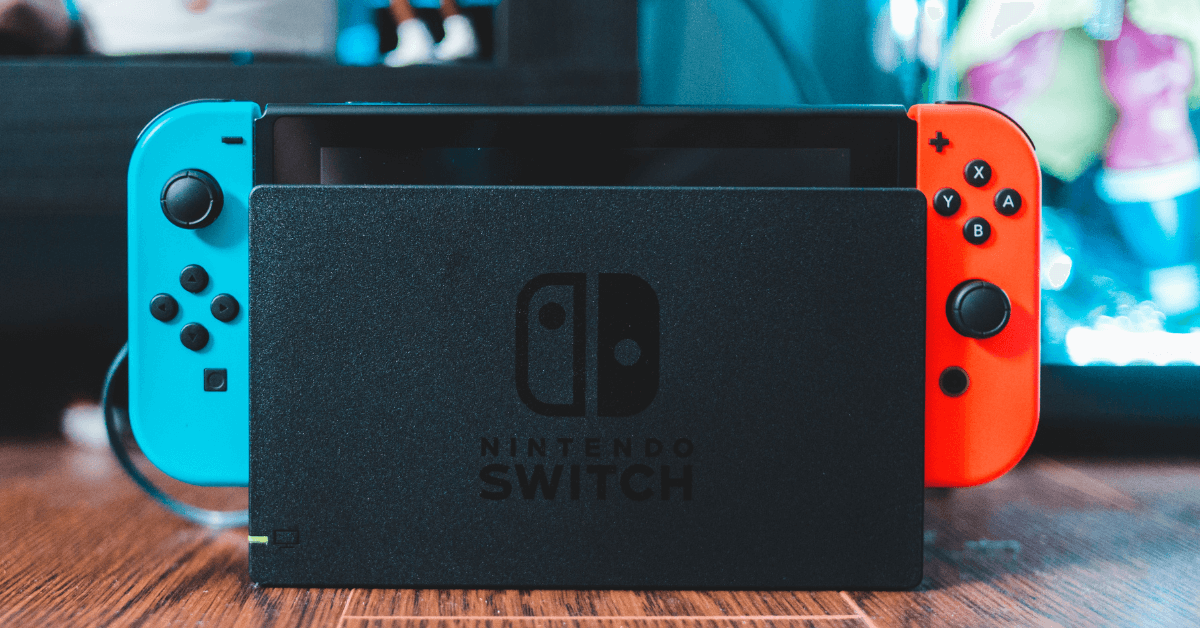
  • Nintendo Switch 2 Pre-Orders Begin April 24: Everything You Need to Know Before Launch Day

    Nintendo Switch 2 Pre-Orders Begin April 24: Everything You Need to Know Before Launch Day

    The countdown to the next generation of Nintendo is officially underway. Nintendo has confirmed that retail pre-orders for the Nintendo Switch 2 will begin on April 24, 2025, across major U.S. retailers. The highly anticipated console will hit store shelves on June 5, 2025, setting the stage for what could be Nintendo’s most ambitious launch yet.

    Despite changes in market conditions and industry-wide price fluctuations, Nintendo is holding steady on the pricing announced earlier this month. This move is a reassuring signal to gamers who have been eagerly watching for updates and fearing sudden cost hikes.

    Confirmed Pricing for Nintendo Switch 2

    Here’s what to expect at launch:

    • Nintendo Switch 2 – $449.99
    • Nintendo Switch 2 + Mario Kart World Bundle – $499.99
    • Mario Kart World (Standalone) – $79.99
    • Donkey Kong Bananza – $69.99

    These prices reflect the same structure announced on April 2, maintaining Nintendo’s promise to keep the system accessible without sacrificing performance or innovation.

    Updated Accessory Prices

    Nintendo did announce price adjustments to accessories due to market fluctuations. These are the official launch prices for all Nintendo Switch 2 peripherals:

    • Switch 2 Pro Controller – $84.99
    • Joy-Con 2 Pair – $94.99
    • Joy-Con 2 Charging Grip – $39.99
    • Joy-Con 2 Strap – $13.99
    • Joy-Con 2 Wheel Set – $24.99
    • Nintendo Switch 2 Camera – $54.99
    • Dock Set – $119.99
    • Carrying Case & Screen Protector – $39.99
    • All-In-One Carrying Case – $84.99
    • AC Adapter – $34.99
    • Samsung microSD Express Card – 256GB – $59.99

    Gamers looking to build out their Switch 2 setup should consider budgeting for these premium accessories, as many have been upgraded with better durability, compatibility, and feature enhancements over the original Switch generation.

    What’s New With Switch 2?

    The Nintendo Switch 2 isn’t just an upgrade—it’s a complete evolution of the hybrid gaming experience. Here’s what makes it stand out:

    • Enhanced OLED Display with higher resolution and faster refresh rates
    • Improved Battery Life and onboard cooling
    • Next-Gen Joy-Con 2 with magnetic locks and redesigned comfort grip
    • Voice and Video GameChat Button integrated directly into the hardware
    • Full Backward Compatibility with select performance enhancements on older titles
    • Seamless Switch Online Sync for cloud saves, friends lists, and parental controls

    Although fans were hoping for Hall Effect joysticks to prevent drift, Nintendo has instead reinforced the build quality of the analog sticks to meet pro-level demands.

    First Wave of Switch 2 Titles

    Nintendo’s launch strategy includes blockbuster exclusives that cater to both long-time fans and new players:

    Mario Kart World

    Reimagined as a hybrid between arcade racing and open-world adventure, Mario Kart World brings online competitive racing to new heights. Featuring up to 24-player tracks, dynamic weather, and new vehicle mechanics, it’s not just another sequel—it’s a full series reboot.

    Donkey Kong Bananza

    A 3D platformer that introduces new gameplay systems like cooperative exploration, destructible environments, and seamless level transitions. Donkey Kong Bananza is built to show off the Switch 2’s power with a bold, colorful world that’s larger and more interactive than anything DK has seen before.

    Enhanced Classics and Backward Compatibility

    Nintendo is doubling down on value by offering performance-boosted versions of existing titles:

    • The Legend of Zelda: Tears of the Kingdom
    • Metroid Prime 4: Beyond
    • Super Mario Party Jamboree
    • Animal Crossing: New Horizons+
    • Breath of the Wild (Switch 2 Enhanced)

    Expect sharper visuals, improved load times, and new control mapping options across the board.

    Nintendo Switch Online Evolves

    Launching alongside the console is a new premium tier of Nintendo Switch Online—Nintendo Classics, focused on bringing GameCube-era legends back to life:

    • Super Mario Sunshine
    • Luigi’s Mansion
    • F-Zero GX
    • Soulcalibur II
    • The Legend of Zelda: Wind Waker

    These games will be available in a rotating collection with modern emulation enhancements and full controller support.

    Pre-Order Details and Early Access

    Starting April 24, you’ll be able to pre-order from major U.S. retailers including Walmart, GameStop, Best Buy, and Target. Select Switch Online members who pre-qualified before April 2 will gain access to an early reservation window on May 8, giving them 72 hours to lock in their order before public access.

    Final Thoughts: A Defining Moment for Nintendo Fans

    The Nintendo Switch 2 is poised to be the most ambitious and exciting console release of 2025. With a firm focus on innovation, backwards compatibility, premium experiences, and a massive games lineup, it’s more than just a sequel to a successful console—it’s a turning point for the future of Nintendo gaming.

    If you’ve been waiting for a sign to upgrade, this is it. The next era begins June 5—and every day leading up to it will only build the hype.


    Read more

    Florida State University Shooting: A Tragic Rampage Leaves 2 Dead and Campus Shaken

  • Florida State University Shooting: A Tragic Rampage Leaves 2 Dead and Campus Shaken

    Florida State University Shooting: A Tragic Rampage Leaves 2 Dead and Campus Shaken

    A routine afternoon at Florida State University turned into a horrific tragedy when a 20-year-old student opened fire on campus, killing two and injuring six others. The shooting lasted less than five minutes but left a lasting scar on the community. Students, staff, and faculty are now grappling with the aftermath of yet another act of senseless violence on a college campus.

    A Rapid and Devastating Attack

    Around noon on Thursday, Phoenix Ikner, a junior political science major at FSU, initiated a shooting spree near the campus’ student union and green spaces. Authorities confirmed that the rampage began within walking distance of a parking garage where the suspect was spotted nearly an hour prior to the incident.

    Ikner, armed with a handgun—later confirmed to be a former service weapon registered to his stepmother, an 18-year veteran of the Leon County Sheriff’s Office—walked through university buildings and courtyards firing shots indiscriminately. According to the Tallahassee Police Department, the ordeal lasted just under four minutes before officers confronted and wounded Ikner, ultimately taking him into custody. He was then transported to a local hospital for treatment.

    Remembering the Victims: Robert Morales and Tiru Chabba

    Authorities have identified the two victims whose lives were tragically cut short during the incident.

    • Robert Morales, a beloved university dining coordinator, had worked at FSU since 2015 and was deeply integrated into the campus community. He was not only a dedicated employee but also a former student, having studied criminology at the university in the 1990s. Morales was also known in the local culinary scene as the co-founder of Gordos Cuban Cuisine.
    • Tiru Chabba, 45, was a regional vice president at Aramark Collegiate Hospitality and a devoted father of two from Greenville, South Carolina. He was on campus for business at the time of the shooting. His family has since released statements through legal representatives, mourning the loss of a man they described as a dedicated professional and loving family member.

    Survivors and Campus Impact

    Six others were wounded by gunfire, and at least one more was injured while fleeing. Medical staff at Tallahassee Memorial Healthcare confirmed that all injured individuals are expected to survive, with three undergoing emergency surgeries.

    University President Richard McCullough stated that some of the injured were students. In a somber effort to support the campus community, all classes were canceled on Friday, April 18. However, many students returned to retrieve personal belongings left behind in the panic—books, backpacks, laptops—after barricading themselves inside classrooms.

    One student, Audrey Rothman, a member of the women’s volleyball team, brought flowers to the vigil. “I don’t think any words can do it justice,” she shared tearfully as she joined a brief prayer circle at Landis Green, where thousands gathered later that evening to remember the victims.

    The Shooter: Phoenix Ikner’s Troubled Past

    Ikner, whose birth name was Christian Eriksen, changed his name legally in 2020 at the age of 15—a symbolic act described in court as an effort to leave behind a traumatic past. Court documents reveal that his childhood was marred by a high-profile custody dispute involving his biological mother, who once fled with him to Norway in violation of a court order.

    Despite these early hardships, Ikner appeared to be on a stable academic path, having earned his associate degree from Tallahassee State College before transferring to FSU. He was also a former member of the Leon County Sheriff’s youth advisory council, a group meant to promote communication between teens and law enforcement.

    However, troubling details have since emerged. Reports suggest that Ikner was removed from a university debate club for expressing extremist views. This, combined with his access to a former law enforcement weapon, has intensified public concern over mental health monitoring and firearms safety, especially in law enforcement households.

    A History Repeats: Violence on College Campuses

    This is not the first time tragedy has struck Florida State. The shooting occurred just hours before a forum titled “United Against Hate: Building a Safer Campus and Community Together” was set to begin. The event was dedicated to the memory of Maura Binkley, a student killed in a 2018 mass shooting at a Tallahassee yoga studio.

    Several current FSU students were also survivors of the 2018 Marjory Stoneman Douglas High School shooting in Parkland, Florida—adding another layer of emotional trauma for many.

    Faith, Healing, and Moving Forward

    A few miles away, at Bethel Missionary Baptist Church, Rev. R.B. Holmes began the Good Friday service with prayers for the victims and their families. Holmes, along with Tallahassee Mayor John Dailey, had personally visited the hospitalized victims. “We’re not going to emphasize the tragedy,” Holmes said. “We’re going to emphasize hope and healing. Our faith says we shall overcome.”

    This statement echoed the sentiments of many at the vigil—hopeful yet shaken, wounded yet resilient.

    The Broader Conversation: Campus Safety and Gun Control

    As investigations continue, this tragedy raises critical questions about campus security, mental health awareness, and gun access in law enforcement households. Advocacy groups and student leaders are already urging state legislators to strengthen background checks, promote safer firearm storage, and increase funding for student mental health services.

    While the motive behind Ikner’s actions remains officially undetermined, the incident underscores the urgent need for preemptive action in preventing similar occurrences in educational institutions across the U.S.


    Final Thoughts

    The Florida State University shooting is a haunting reminder of the fragility of peace in public spaces we consider safe. In just under five minutes, lives were lost, futures were changed, and a university community was forced to confront its darkest fears.

    But amid the sorrow, the FSU community has shown incredible unity. From candlelight vigils to acts of courage during the chaos, one message resounds: this community will not be defined by violence, but by its response to it.


    Read more

    Google Embraces Anthropic’s MCP to Enhance AI Data Integration 2025

  • Android April 2025 Update Raises Alarms for Samsung and Pixel Users

    Android April 2025 Update Raises Alarms for Samsung and Pixel Users

    In what’s being labeled one of the most urgent security updates in recent Android history, Google’s April 2025 Android Security Bulletin has brought to light a string of critical vulnerabilities impacting millions of users — with particular implications for Pixel and Samsung devices. While updates are a monthly ritual for Android, this one has raised eyebrows due to the severity of the security threats, their active exploitation, and buggy aftermath affecting essential features like Google Assistant.

    The disparity in how and when Android manufacturers deliver security updates has long been a point of concern, but the April 2025 update has made it impossible to ignore. With zero-day exploits now being weaponized faster than ever, the need for a universal Android security framework is becoming a critical talking point among industry experts.

    Analysts argue that Google must implement a more centralized update mechanism — one that ensures all Android users receive critical patches within the same timeframe, regardless of brand or carrier. Until then, billions of devices remain vulnerable due to a fragmented update ecosystem that prioritizes design overlays over defense.


    62 Security Vulnerabilities, Two Zero-Days Already Exploited

    Google confirmed that 62 security vulnerabilities have been patched in this month’s update — a staggering number in itself. But two flaws, CVE-2024-53150 and CVE-2024-53197, are especially alarming.

    These zero-day vulnerabilities were already being actively exploited in the wild, meaning hackers and even government bodies were leveraging them before Google could roll out a fix. The most concerning? CVE-2024-53197, which reportedly allowed bypass of lock screen security measures — a vulnerability so severe it enabled full access to devices without a passcode.

    According to reports, Serbian law enforcement authorities used this flaw in real-world investigations to extract data from confiscated Android phones, sparking a debate about government surveillance and user privacy.


    Devices Patched Instantly, Samsung Faces Delays

    As expected, Google’s own Pixel line of smartphones received the April update as soon as the bulletin dropped. However, users of Samsung phones, despite making up a massive portion of the Android user base, are once again left in the dark.

    Samsung’s updates are often bottlenecked by manufacturer-specific software layers and regional carriers. As a result, many Samsung devices remain exposed to critical vulnerabilities even days or weeks after Google’s initial release. This puts millions of users at unnecessary risk, especially those unaware of the delay.

    Experts warn users to manually check for updates regularly and avoid using sensitive apps or services until the security patch is available on their devices.


    Google Assistant Bug Causing Missed Alarms, Calls & Notifications

    Adding fuel to the fire is a newly discovered bug in Google Assistant, which is affecting the Do Not Disturb (DND) functionality. When users activate DND using voice commands like “Hey Google, turn on Do Not Disturb,” the Assistant overrides user-defined exceptions — silencing everything, including important calls, alarms, and reminders.

    This issue has already led to reports of missed appointments, delayed responses to emergencies, and missed school or work obligations. The bug appears to be affecting Pixel users the most, but Android devices that rely on Google’s core Assistant framework may also be impacted.

    As a temporary workaround, Google recommends manually setting DND via Settings > Sound & vibration > Do Not Disturb, until a permanent fix is rolled out.


    Why This Update Matters More Than Ever

    This isn’t just another routine patch. These vulnerabilities and system-level bugs hit at the very core of what users expect from modern smartphones — privacy, reliability, and consistency. The implications of such vulnerabilities go beyond convenience — they pose serious threats to:

    • Personal and enterprise data security
    • National cybersecurity, especially with foreign authorities already exploiting these flaws
    • Public trust in Android’s open ecosystem

    Moreover, the Android fragmentation problem remains a sore point. While Google acts quickly, its partners — including the largest manufacturer, Samsung — often struggle to deliver updates at the same pace, exposing users for longer than necessary.


    What Android Users Should Do Right Now

    1. Check for Updates Manually
      Go to Settings > System > Software Update and install the April 2025 patch if available.
    2. Avoid Voice Activation for DND
      Until the Assistant bug is resolved, manually activate Do Not Disturb via your phone’s settings.
    3. Stay Cautious with App Permissions
      Be mindful of apps requesting access to files, contacts, location, and background activity.
    4. Use Google Play Protect or Antivirus Apps
      Additional layers of security can help reduce risk, especially on devices waiting for updates.
    5. Follow Official Channels for Fix Announcements
      Subscribe to Google’s and Samsung’s support pages or Twitter handles for immediate alerts.

    The Bigger Picture

    This Android update marks a critical moment for both Google and the entire Android ecosystem. While Google’s responsiveness is commendable, the situation has once again highlighted the need for more unified and faster rollout strategies, especially when dealing with actively exploited security threats.

    Users, especially those on Samsung devices, should not have to wait days for basic protections. And while Android’s flexibility is a core strength, its fragmented software delivery remains a liability in times of crisis.

    As Android 14 continues to evolve, and Android 15 looms later in the year, Google and its partners must prioritize security parity across devices — not just features.


    Read more

    U.S. Supreme Court Orders Return of Salvadoran Man Deported in Error by Trump Administration

  • Google Embraces Anthropic’s MCP to Enhance AI Data Integration 2025

    Google Embraces Anthropic’s MCP to Enhance AI Data Integration 2025

    In a groundbreaking move set to reshape the artificial intelligence (AI) landscape, Google has officially adopted Anthropic’s Model Context Protocol (MCP), a new open-standard protocol designed to enhance the connectivity between AI models and external data sources. This decision positions MCP as a game-changing framework in the growing field of AI, offering developers a standardized method to integrate real-time data into AI models.


    What is the Model Context Protocol (MCP)?

    The Model Context Protocol (MCP), developed by Anthropic, is a robust open-source framework that facilitates seamless communication between AI models and external data sources. Unlike traditional methods that struggle with data silos, MCP empowers AI systems to access and leverage real-time information from various environments, such as business tools, content repositories, and development platforms.

    Through the protocol, developers can create MCP servers that expose data and MCP clients within AI applications that retrieve and act on that data, fostering dynamic, interactive AI models. This shift towards a standardized system promises to simplify the integration process for developers and enable AI systems to make better, more informed decisions in real-time.


    Google’s Integration of MCP into Gemini AI Models

    Google’s commitment to integrating MCP into its cutting-edge Gemini AI models represents a significant step forward in the evolution of its artificial intelligence infrastructure. As part of this integration, Google plans to make MCP the core standard for connecting AI models to diverse data sources across its AI applications and software development kits (SDKs).

    In a statement regarding the partnership, Demis Hassabis, CEO of Google DeepMind, expressed strong support for MCP, calling it a crucial element in the development of next-generation AI capabilities. By embracing MCP, Google aims to provide developers with a seamless way to connect AI models to data from a variety of external sources, allowing for more contextually aware, intelligent systems that can adapt in real-time to new information.

    While specific details regarding the timeline of this integration remain under wraps, the announcement marks a pivotal moment in AI development. It highlights Google’s commitment to improving AI model functionality through standardized protocols that foster greater collaboration within the industry.


    A Shift in the AI Industry: Broader Adoption of MCP

    Google’s decision to adopt MCP follows a growing trend among AI industry leaders to embrace this open-standard protocol. OpenAI, another major player in the AI space, also announced its support for MCP earlier in March 2025, further validating the protocol’s potential as a key industry standard.

    This widespread adoption by prominent organizations indicates a collective shift towards enhancing AI models’ data connectivity and adaptability. The integration of MCP will enable developers to create AI systems that not only perform better but also offer higher levels of reliability and precision in decision-making, setting the stage for more sophisticated AI applications across various sectors.


    The Benefits of MCP for AI Development

    The implementation of MCP brings several significant advantages, especially for developers and organizations seeking to create more effective and versatile AI applications. Here are some of the key benefits:

    • Improved AI Performance: By integrating real-time and dynamic data from multiple sources, MCP helps AI models make more accurate and context-aware decisions. This leads to improved performance in tasks such as forecasting, content generation, and user experience personalization.
    • Easier Data Integration: MCP simplifies the process of connecting AI models to a range of data sources, which has traditionally been a time-consuming and complex task. By providing a universal and standardized method for data access, MCP accelerates the development cycle for AI-driven solutions.
    • Wide-Ranging Applications: The flexibility of MCP makes it applicable across various industries, including healthcare, finance, customer service, and more. Developers can use MCP to enhance AI systems in these sectors, leading to the creation of more intelligent solutions tailored to specific industry needs.
    • Future-Proofing AI Development: As more organizations adopt MCP, the protocol will evolve to address new challenges in the AI space. This positions MCP as a future-proof solution that will continue to play a key role in AI development for years to come.

    The Road Ahead: Transforming AI with MCP

    The growing integration of MCP by major AI organizations like Google and OpenAI sets the stage for a unified, efficient approach to AI model development. By embracing standardized protocols like MCP, the AI industry is moving toward more cohesive, collaborative, and dynamic systems. This will allow developers to focus on creating smarter, more adaptable AI applications that leverage real-time data in innovative ways.

    In the coming months, we can expect further announcements regarding the expansion of MCP into various platforms and software tools. As more players adopt the protocol, the possibilities for AI applications will multiply, paving the way for intelligent systems that can better understand and react to the world around them.

    For Google, adopting MCP means staying at the cutting edge of AI development, ensuring that its models and applications can seamlessly integrate with external data sources to provide smarter, more effective solutions for a wide range of industries. As the AI space continues to evolve, MCP’s role in shaping the future of data-driven AI models will only continue to grow.


    Conclusion

    The decision by Google to embrace Anthropic’s Model Context Protocol (MCP) is a major milestone in the world of artificial intelligence. By adopting this open-standard protocol, Google is setting a new benchmark for how AI models should interact with external data sources, making it easier for developers to build smarter, more contextually aware systems. As the AI industry shifts towards standardized frameworks like MCP, we can expect to see rapid advancements in AI capabilities, leading to more intelligent and reliable applications in a variety of fields.


    Read more

    Trump’s 2025 Trade and Immigration Shakeup: A Comprehensive Breakdown of New Tariffs, Laws, and Executive Orders

  • Saudi Arabia Opens Hajj 2025 Registration: Key Updates and Guidelines

    Saudi Arabia Opens Hajj 2025 Registration: Key Updates and Guidelines

    The Saudi Ministry of Hajj and Umrah has officially opened registration for the Hajj 2025 pilgrimage, inviting domestic and international pilgrims to apply through the Nusuk app or the ministry’s e-portal. This year’s pilgrimage will take place from June 4 to June 9, during the Islamic month of Dhul-Hijjah. Prospective pilgrims are encouraged to register early and adhere to updated guidelines aimed at ensuring a safe and seamless experience.

    New Rules for Hajj 2025

    Saudi Arabia has introduced significant changes to enhance crowd control and prioritize safety:

    • Age Restrictions: Children under 12 years are banned from participating to mitigate risks associated with overcrowding.
    • Visa Updates: Pilgrims from 14 countries, including India, Pakistan, and Egypt, will now receive single-entry visas valid for 30 days, replacing the previous one-year multiple-entry visas.
    • First-Time Pilgrims Priority: Registrations will prioritize individuals performing Hajj for the first time, ensuring more Muslims can fulfill this sacred duty.

    Registration Process via Nusuk App

    The upgraded Nusuk portal, featuring over 100 new services, simplifies planning and booking for pilgrims. Key features include:

    • Online Visa Applications: Pilgrims can apply directly through the app.
    • Health Information Submission: Mandatory health details ensure compliance with safety protocols.
    • Package Bookings: Notifications alert applicants when Hajj packages become available.

    Domestic pilgrims can also add companions during registration or request exemptions from the Mahram (male guardian) requirement if necessary.

    Important Dates and Deadlines

    • Visa Applications Open: April 14, 2025
    • Last Date for Visa Submission: May 23, 2025

    Pilgrims must ensure their documentation is accurate and complete to avoid cancellations or delays.

    Safety and Compliance Measures

    Saudi authorities have outlined strict health and movement guidelines for pilgrims:

    • Mandatory vaccinations (e.g., meningitis and influenza).
    • Compliance with transportation schedules between holy sites.
    • Adherence to accommodation regulations and assembly points.

    The Saudi Ministry of Hajj and Umrah’s efforts reflect its commitment to facilitating a safe, organized pilgrimage while enabling millions of Muslims worldwide to embark on this transformative spiritual journey.


    11-Year-Old Zahi Najmal Utilizes Vacation to Master AI Skills Through Dubai’s ‘One Million Prompters’ Initiative

  • Viral Cal AI App Developer, 4.0 Student, Faces Rejection from Top Universities

    Viral Cal AI App Developer, 4.0 Student, Faces Rejection from Top Universities

    A wave of shock and disbelief has swept through the tech and education communities following the revelation that 18-year-old, the creator of the viral “Cal AI” app, was rejected from 15 of the nation’s most prestigious universities, despite maintaining a flawless 4.0 GPA and demonstrating exceptional technical prowess.

    Sharma’s “Cal AI” app, an innovative scheduling and productivity tool powered by artificial intelligence, garnered millions of downloads and widespread acclaim for its intuitive design and efficiency. It was lauded by tech critics as a “game-changer” and even caught the attention of prominent figures in Silicon Valley, who praised Sharma’s ingenuity and entrepreneurial spirit.

    “I poured my heart into this app,” Sharma shared in an exclusive interview with this publication. “It wasn’t just a project; it was a passion. I wanted to create something that would genuinely help people manage their time and achieve their goals. The response was incredible, but I never imagined it wouldn’t translate into acceptance letters.”

    Despite her impressive academic record, her groundbreaking app, and glowing letters of recommendation from industry leaders, Sharma received rejection letters from universities. The reasons cited in the rejection letters were vague, often referring to “highly competitive applicant pools” and the need to “create a diverse student body.”

    The rejections have sparked a heated debate about the admissions process at elite universities. Critics argue that the emphasis on holistic review, while intended to promote diversity, can inadvertently disadvantage exceptionally talented students like Sharma. “This is a prime example of the system failing,” argued , a prominent AI researcher. “Anya has demonstrated not only academic excellence but also the kind of innovative thinking and technical skills that these universities claim to value. To reject someone with her accomplishments is a travesty.”

    Others point to the opaque nature of the admissions process, where subjective factors can outweigh objective achievements. “There’s a black box element to these decisions,” said an education advocate. “It’s hard to understand how a student with Anya’s qualifications could be deemed ‘unsuitable’ for these institutions.”

    The situation has also ignited a conversation about the role of extracurricular activities in college admissions. While Sharma focused much of her time on developing her app, some speculate that a lack of traditional extracurricular involvement, such as sports or student government, may have played a role in her rejections.

    Sharma, who remains optimistic about her future, has expressed her intention to pursue a degree in computer science at a less selective university and continue developing her app. “I’m not going to let this discourage me,” she stated. “I believe in my abilities, and I know I can make a difference. I’m going to keep building, keep innovating, and keep proving them wrong.”

    The case of Anya Sharma serves as a stark reminder of the complexities and potential pitfalls of the college admissions process. As the debate rages on, it raises fundamental questions about how we define merit and ensure that exceptional talent is recognized and nurtured.


    Sharjah Public Library hosts 45 Arabist students to explore Sharjah’s rich heritage