Category: Editor’s Pick

Discover the most compelling and thought-provoking articles carefully curated by our experienced editorial team in GulfInsight360.com’s Editor’s Pick category. Dive into a collection of top-notch content that covers a wide range of topics, including current affairs, trending stories, in-depth analyses, exclusive interviews, and captivating features. With our Editor’s Pick, you can stay up to date with the most engaging and influential stories that make an impact on the world. Trust our editors to handpick the most noteworthy articles that deserve your attention.

  • Nintendo Unveils Hello, Mario! App: A Playful New Way for Kids to Interact with Mario in 2025

    Nintendo Unveils Hello, Mario! App: A Playful New Way for Kids to Interact with Mario in 2025

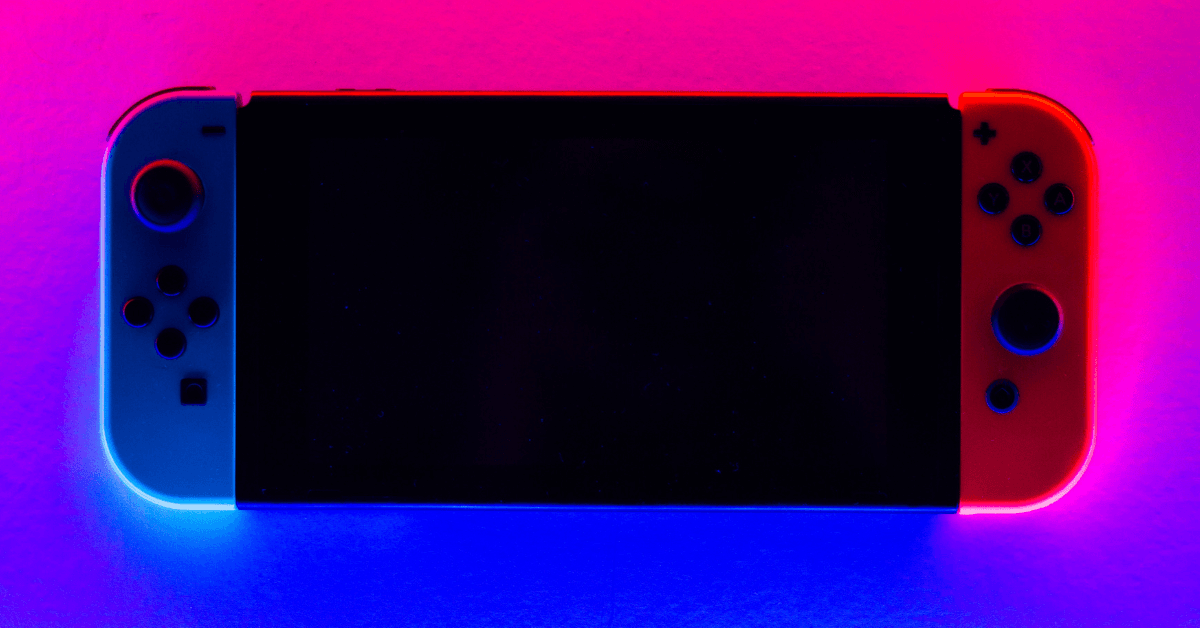
    Nintendo has officially announced the launch of its brand-new Hello, Mario! mobile app, a fresh and interactive way for children to engage with the iconic video game character. The app, set to release in 2025, combines entertainment, creativity, and technology to offer kids a unique digital playground. Designed with accessibility and fun in mind, Hello, Mario! encourages users to explore Mario’s world in an entirely new, interactive format.

    This latest move from Nintendo represents a significant step in the company’s expansion into mobile-based interactive experiences. While Mario has long been a fixture in traditional gaming, Hello, Mario! introduces the character in a more personal, expressive way—allowing kids not just to play with him but to interact directly with his face, emotions, and voice. With its intuitive controls, colorful animations, and engaging activities, the app aims to be both an educational and entertaining experience for young audiences.


    A Fresh Digital Experience for Mario Fans

    The Hello, Mario! app isn’t a traditional game—it’s a creative interaction tool. Players can poke, pull, and swipe to make Mario react in humorous and surprising ways. From changing his facial expressions to making him perform funny animations, the app puts children in control of Mario’s playful personality.

    Designed for Kids, Loved by All

    Nintendo has made sure the app’s interface is simple, colorful, and safe for younger users. Parents can expect no complicated menus or steep learning curves—just instant access to fun. The touch-based controls are designed to feel natural and engaging, even for children with minimal gaming experience.

    Interactive Learning Elements

    In addition to fun facial interactions, Hello, Mario! integrates light educational features. Children can learn basic expressions, cause-and-effect relationships, and even simple motion-based challenges that encourage creativity and motor skills. This blend of entertainment and education makes the app appealing to parents seeking productive screen time for their kids.

    Built on Nintendo’s Legacy of Innovation

    Nintendo has a history of reimagining how players engage with their favorite characters. Hello, Mario! builds on this tradition by offering a playful, approachable, and visually stunning experience that showcases Mario in a whole new light. Unlike past Mario titles that focus on platforming or adventures, this app focuses on connection, expression, and interactivity.

    Safe and Offline-Friendly

    Understanding the importance of child safety, Nintendo has ensured that Hello, Mario! is free from intrusive ads, unnecessary in-app purchases, and unsafe online interactions. The app can also be enjoyed offline, making it a great companion for travel and family time without requiring constant internet access.


    Immersive Touch and Gesture Controls Bring Mario to Life

    The Hello, Mario! app revolutionizes how children interact with the iconic character by leveraging advanced touch and gesture controls that make every interaction feel natural and responsive. Through intuitive taps, swipes, pinches, and multi-touch gestures, kids can trigger a wide variety of lively animations and playful reactions from Mario. For example, a simple tap might make Mario smile and wave, while a swipe could send him spinning in a joyful dance. The app’s responsiveness ensures that Mario reacts instantly, providing an engaging and dynamic experience that keeps children entertained for extended periods. Additionally, the ability for multiple users to interact with Mario at the same time encourages collaborative play among siblings and friends, fostering social engagement and shared enjoyment. This combination of modern mobile technology and creative interaction transforms Mario from a static game character into a living, breathing companion on children’s devices.


    Customizable Expressions and Seasonal Updates Enhance Personal Connection

    A key feature that sets Hello, Mario! apart from traditional Mario games is its robust customization options. Kids can personalize Mario’s expressions, accessories, and backgrounds, enabling them to create a unique version of the beloved character tailored to their preferences. From changing Mario’s facial expressions to selecting different hats or outfits, this personalization deepens the connection between the user and Mario, making the experience feel truly their own. Moreover, Nintendo plans to introduce seasonal updates that bring fresh costumes and themed backgrounds aligned with holidays and special events throughout the year. This approach not only keeps the app’s content exciting and relevant but also encourages children to revisit and explore new features regularly. The ability to customize Mario’s appearance combined with continuous content refreshes helps maintain user interest and fosters a long-term relationship between young fans and the Nintendo brand.


    Voice Interaction and Sound Effects Foster a Conversational Experience

    Adding another layer of immersion, Hello, Mario! integrates voice recognition technology that allows children to engage in simple verbal exchanges with Mario. Upon hearing a cheerful “Hello, Mario!” greeting from a child, Mario responds with his iconic voice, reinforcing a sense of companionship and interaction that goes beyond touch controls. The app supports a range of voice commands that prompt Mario to perform funny animations, tell jokes, or react with surprise, creating a conversational dynamic that feels playful and spontaneous. These auditory elements stimulate children’s verbal communication skills while making the app feel more alive and responsive. The familiar sound effects and Mario’s classic voice contribute to the nostalgic charm for parents, while the interactive voice features keep kids entertained and encourage repeated use. By blending voice recognition with expressive sound design, Nintendo has crafted an engaging platform that delights users of all ages.


    Mini Games and Play Modes Provide Educational Entertainment

    While Hello, Mario! is primarily an interactive app focused on playful engagement, it also incorporates a variety of mini games and challenges that blend fun with educational value. These bite-sized activities are designed to stimulate children’s observation, memory, and motor skills in a lighthearted setting. For instance, the “Mario Says” game is a Simon Says-style challenge that encourages attentive listening and quick reactions, helping to develop cognitive abilities. Another activity, the “Funny Faces Challenge,” invites kids to mimic Mario’s expressions, promoting emotional recognition and creativity. Additionally, the “Dance with Mario” mode encourages rhythm and coordination as children tap along to Mario’s moves. These mini games provide structured playtime options that complement the open-ended facial interactions, striking a balance between freeform fun and focused learning. By embedding these educational elements within the entertaining framework of Mario’s world, Nintendo ensures that Hello, Mario! delivers value beyond simple amusement.


    Augmented Reality Features Bring Mario into the Real World

    Hello, Mario! expands the boundaries of digital play by incorporating augmented reality (AR) capabilities that allow children to project Mario into their real-world surroundings using their mobile device cameras. This AR functionality transforms any environment—be it a living room, classroom, or backyard—into a Mario-themed playground where the character can jump, wave, or perform tricks on physical surfaces. By blending the digital and physical worlds, AR enhances immersion and offers novel opportunities for imaginative play. Children can take photos or videos of Mario interacting with real objects and share these moments with family and friends, creating memorable experiences beyond the screen. Importantly, the AR mode is optional and designed with safety in mind, ensuring that kids can enjoy this advanced feature without exposure to risks associated with unsupervised outdoor or online activity. This cutting-edge use of AR technology highlights Nintendo’s commitment to innovation and makes Hello, Mario! a standout offering in mobile entertainment for children.


    Commitment to Safety, Accessibility, and Parental Controls

    Recognizing the importance of providing a safe and inclusive experience for young users, Nintendo has embedded robust safety measures and accessibility options within the Hello, Mario! app. The platform is free from intrusive advertising and does not include in-app purchases, removing common concerns about unwanted spending or exposure to inappropriate content. Parents have access to customizable controls such as screen time limits, disabling of AR features, and moderation of voice interaction capabilities, enabling guardians to tailor the experience according to their child’s needs and family preferences. Furthermore, Hello, Mario! incorporates accessibility features like large buttons, adjustable text sizes, and colorblind-friendly design, ensuring the app is usable by children with diverse abilities. Privacy is also prioritized, with minimal data collection and strict compliance with child protection regulations. This holistic approach to safety and inclusivity underscores Nintendo’s dedication to creating a trustworthy environment where children can play, learn, and explore with confidence.


    Regular Content Updates Keep the Experience Fresh and Engaging

    To maintain excitement and encourage ongoing engagement, Nintendo plans to support Hello, Mario! with frequent content updates that introduce new animations, seasonal costumes, and limited-time mini games. These updates will coincide with holidays and special events, such as Halloween, Christmas, and summer celebrations, giving children fresh reasons to revisit the app throughout the year. Regular additions not only extend the app’s longevity but also help foster a sense of anticipation and discovery. Nintendo’s commitment to continuous enhancement demonstrates an understanding of children’s evolving interests and the competitive landscape of mobile apps. By delivering new and relevant content on a predictable schedule, Hello, Mario! remains a dynamic platform that grows alongside its users, keeping Mario’s playful world vibrant and ever-changing.


    Conclusion

    The Hello, Mario! app marks a new chapter in Nintendo’s relationship with its youngest fans. By blending interactivity, humor, and educational elements into one mobile platform, Nintendo has created an experience that feels fresh yet deeply familiar. Whether it’s a child’s first time meeting Mario or a long-time fan exploring his playful side, Hello, Mario! promises to bring smiles, laughter, and creativity to homes worldwide in 2025.
    Read more

    Digital Doors Open: Apple Launches Online Store in Saudi Arabia, Paving Way for Future Flagship Retail

  • Digital Doors Open: Apple Launches Online Store in Saudi Arabia, Paving Way for Future Flagship Retail

    Digital Doors Open: Apple Launches Online Store in Saudi Arabia, Paving Way for Future Flagship Retail

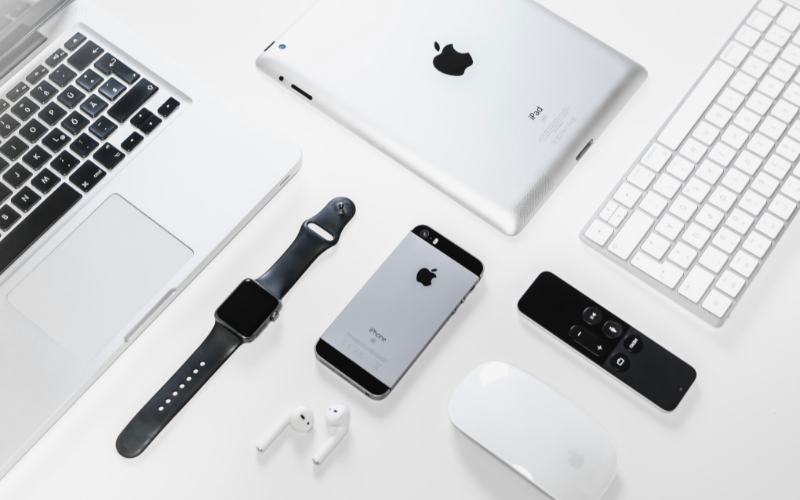
    For years, Apple enthusiasts in the Kingdom of Saudi Arabia have relied on third-party resellers to get their hands on the latest iPhones, Macs, and Apple Watches. That era has now officially ended. Apple has made a significant leap into the Saudi Arabian market with the highly anticipated launch of its Apple Store online and the Apple Store app, offering direct sales and dedicated support in Arabic for the very first time. This pivotal move marks a new chapter for Apple’s presence in the Kingdom, setting the stage for the opening of physical flagship stores in the coming years.

    The online store, which went live earlier this week, signifies a deeper commitment from Cupertino to one of the Middle East’s largest and most tech-savvy markets. Until now, the full, personalized Apple retail experience, with its extensive customization options and direct-from-manufacturer services, was largely unavailable to Saudi consumers.

    “We are thrilled to bring the Apple Store online and the Apple Store app to Saudi Arabia, offering customers a new way to explore and shop Apple’s extraordinary lineup of products and services,” stated Deirdre O’Brien, Apple’s senior vice president of Retail and People. “Our customers in Saudi Arabia are passionate about the things they can do with technology, and our teams can’t wait to connect with customers and help them discover how Apple innovations can meaningfully enrich their daily lives.”

    What This Means for Saudi Consumers:

    The launch of the online store and app brings a host of new benefits and services directly to Saudi customers:

    • Direct Access to Full Product Range: Consumers can now browse and purchase the entire spectrum of Apple products, from the latest iPhones, iPads, and Macs to Apple Watches, AirPods, and a vast array of accessories, all directly from Apple.
    • Localized Experience: A major highlight is the introduction of direct Arabic language support across the online store, the app, and customer service channels. This enhances accessibility and provides a more seamless, culturally relevant shopping experience.
    • Personalized Shopping: The Apple Store app offers tailored recommendations based on existing Apple devices, allowing customers to compare models, save favorites, and track orders with ease.
    • Customization Options: For the first time, customers can take advantage of free engraving in both Arabic and English on select products like AirPods, Apple Pencil, and AirTag, adding a personal touch to their devices. Mac users can also configure-to-order their devices, choosing specific chip, memory, and storage options.
    • Flexible Payment Solutions: To support broader accessibility, the Apple Store online will offer an affordability option through a partnership with Tamara, a leading “Buy Now, Pay Later” platform. This allows customers to pay in four monthly installments at 0% interest.
    • Enhanced Services and Support: The online platform provides personalized shopping support via chat and phone, expert guidance for Personal Setup, assistance with switching to iOS, and cellular activation. AppleCare+ is also available, with new flexible monthly subscription options.
    • Apple Trade In Program: Customers can now trade in eligible current devices for credit towards a new purchase or opt for free recycling, contributing to Apple’s environmental initiatives.
    • Dedicated Education Store: Students, educators, and their families can access special pricing on Macs and iPads through the online Education Store.

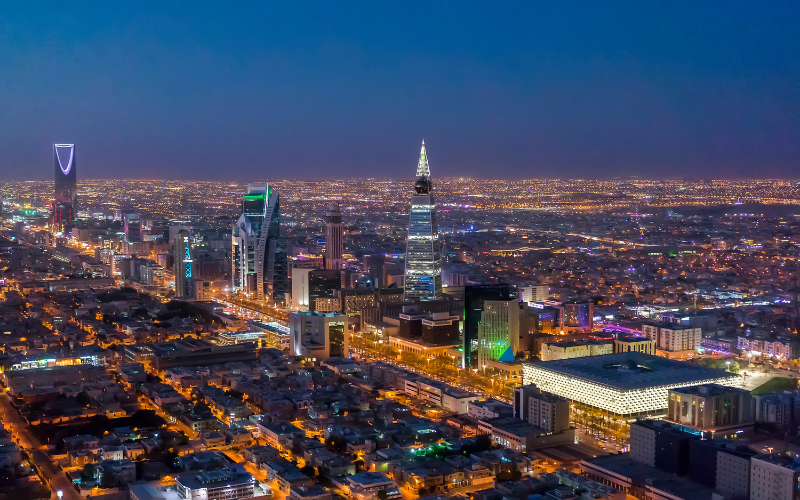
    This digital expansion lays crucial groundwork for Apple’s physical retail presence. The company has confirmed plans to begin opening its first of several flagship Apple Store locations in Saudi Arabia starting in 2026. A particularly notable location is an iconic retail store being planned for Diriyah, a UNESCO World Heritage site in Riyadh, signaling a blend of Apple’s global retail aesthetic with Saudi Arabia’s rich cultural heritage.

    The move also builds on Apple’s existing investments in the Kingdom, including the region’s first Apple Developer Academy, which opened in Riyadh in 2021 in partnership with the Saudi government, Tuwaiq Academy, and Princess Nourah bint Abdulrahman University. This long-term strategic play by Apple aligns perfectly with Saudi Arabia’s Vision 2030, which emphasizes economic diversification, digital transformation, and attracting global technology leaders to the Kingdom.


    Abu Dhabi Unveils Next-Gen Waterfront: Mubadala Breaks Ground on Al Maryah Island Revamp Featuring AI-Powered Fountain and Luminous Sphere

  • Saudi Arabia Boosts First-Time Homebuyer Support with 95% Financing

    Saudi Arabia Boosts First-Time Homebuyer Support with 95% Financing

    In a significant stride towards its Vision 2030 goals of increased homeownership, Saudi Arabia has announced sweeping new measures to make property acquisition more accessible for its citizens. The Kingdom is now offering unprecedented support for first-time homebuyers, including lower down payment requirements and the availability of financing options covering up to 95 percent of a property’s value. This bold move is set to revolutionize the real estate landscape, empowering more Saudis to step onto the property ladder.

    This latest initiative builds upon a series of reforms introduced by the Ministry of Municipal, Rural Affairs and Housing and entities like the Real Estate Development Fund (REDF) and the Sakani program. Historically, securing a home loan in Saudi Arabia often required substantial down payments, sometimes as high as 30%. However, with these new provisions, the barrier to entry has been dramatically lowered, addressing a key challenge for many aspiring homeowners.

    “This is a transformative moment for Saudi families aspiring to own their first home,” stated a representative from the Ministry of Housing. “By significantly reducing the initial financial burden and expanding access to high-percentage financing, we are directly fulfilling the Vision 2030 mandate to improve the quality of life for our citizens and enhance access to suitable housing.”

    Key Facets of the Enhanced Support Include:

    • Lower Down Payments: While specific figures will vary by lending institution and individual financial profiles, the general trend indicates a shift towards significantly reduced upfront capital requirements for first-time buyers. Some reports suggest down payments can now be as low as 5%, a stark contrast to previous norms.
    • Up to 95% Financing: This is perhaps the most impactful element, allowing eligible first-time homebuyers to secure loans covering almost the entirety of the property’s purchase price. This drastically reduces the need for large personal savings to acquire a home.
    • Integrated Government Programs: These new financing options are seamlessly integrated with existing government initiatives such as the Sakani Program and the Real Estate Development Fund (REDF). Sakani provides various housing solutions and financing support, while REDF offers interest-free loans or subsidies to help reduce mortgage installments, further easing the financial strain on buyers.
    • Sharia-Compliant Options: The available financing models continue to be Sharia-compliant, primarily through Murabaha (cost-plus financing) and Ijara (lease-to-own) structures, ensuring alignment with Islamic financial principles.
    • Targeting Increased Homeownership: These measures are part of a broader national strategy to boost Saudi homeownership rates from around 60% currently to a targeted 70% by 2030, a cornerstone of the Kingdom’s economic diversification plan.

    The Saudi real estate market has seen considerable growth recently, with increased demand driven by these supportive government programs. While discussions around potential price increases due to foreign ownership laws (set to take effect in January 2026) are ongoing, the government’s current focus remains firmly on empowering its citizens.

    Who Qualifies? Eligibility Criteria for First-Time Homebuyers:

    While specific requirements can vary slightly between different banks and financing programs, a general set of criteria applies to benefit from the enhanced support:

    1. Saudi Nationality: The primary target for these programs are Saudi citizens.
    2. First-Time Homebuyer Status: Applicants must not currently own any residential freehold property in Saudi Arabia. This is a fundamental condition for accessing the most favorable terms.
    3. Age Requirements: Generally, applicants must be between 20 and 60-70 years old (the upper limit often varies, with some banks extending it for government employees or high-income individuals). For some programs, retirees up to 70 years may be eligible.
    4. Stable Income Source: Applicants need to demonstrate a stable source of income, whether from employment (government, private, or semi-governmental sectors) or proven business ownership (for self-employed individuals).
      • Minimum Monthly Income: This varies significantly by lender and the loan amount desired, but generally ranges from SAR 3,000 to SAR 15,000.
      • Employment History: Most banks require a minimum employment history, typically 3 to 6 months for government/semi-government employees and 6 months for private sector employees. Self-employed individuals may need to provide financial statements for the last two years.
      • Salary Transfer: Some programs or banks may require the applicant’s salary to be transferred to the lending institution.
    5. Good Credit History (SIMAH Score): A strong credit score from SIMAH (the Saudi Credit Bureau) is crucial. A clean financial record without a history of bad debts significantly improves approval chances and can lead to better terms.
    6. Debt-to-Income Ratio (DTI): Lenders will assess your overall monthly debt payments (including the proposed mortgage) to ensure they are manageable. As a rule of thumb, your total debt repayments should ideally be lower than 40-50% of your monthly income.
    7. Property Requirements:
      • The property must generally be a ready unit (villa, apartment) or an off-plan sale.
      • It must be vacant and ready for housing.
      • Located within approved plans and urban areas.
      • Property age often has limits, e.g., not exceeding 20 years at the beginning of the mortgage and 40 years at maturity.
      • Must have an independent title deed.

    How to Apply for 95% Financing and Government Support:

    The process is largely streamlined and digital, often beginning with eligibility checks through the government’s Sakani platform:

    1. Check Eligibility via the Sakani Program:
      • Visit the Sakani Platform: Go to the official Sakani website (https://sakani.sa/en) or download the Sakani mobile application (available on Android and iOS).
      • Eligibility Checker: Utilize the “Eligibility checker” service to determine if you qualify for various financial services and housing products offered by the Ministry of Housing and REDF. This is your crucial first step.
      • Register: If not already registered, create an account using your National ID.
      • Submit Housing Support Request: Follow the prompts to submit your request for housing support. This will link you to potential government subsidies.
    2. Obtain REDF Approval (Madoum Program):
      • If you are eligible for REDF support (often notified via SMS from the Fund after Sakani assessment), you can then proceed.
      • The “Madoum” Finance Program is a key part of REDF’s offering, providing full or partial profit payments on behalf of the beneficiary, especially for low and medium-income individuals.
      • The Advance Subsidy Program from REDF can also provide a non-refundable upfront subsidy (e.g., SAR 100,000 or SAR 150,000) that can be used directly for the down payment, reducing the amount you need to pay out-of-pocket.
    3. Approach Partner Banks and Financial Institutions:
      • Once you have your Sakani eligibility and potential REDF approval, you can approach one of the many partner banks and financial institutions in Saudi Arabia that offer housing finance programs. These include major banks like Saudi National Bank (SNB), Bank AlJazira, Bank Albilad, Riyad Bank, etc.
      • Pre-Qualification: Most banks will put you through a pre-qualification process to assess your financial health, credit score, and confirm your eligibility for their specific 95% LTV (Loan-to-Value) products.
      • Submit Required Documents: You will need to gather documents such as:
        • Copy of a valid National ID card
        • Salary Certificate (certified by the Chamber of Commerce if the salary is not transferred to the bank)
        • Salary transfer letter (if applicable)
        • Bank account statements (last 3-6 months, depending on employment type)
        • Social insurance certificate (if the employer is not enrolled with the bank)
        • Financial Statements for last two years (for self-employment)
        • SIMAH credit report
        • Property documents (title deed, sales agreement/offer)
    4. Loan Approval & Property Valuation:
      • Upon successful document submission and eligibility verification, the bank will proceed with formal loan approval.
      • A property valuation will be conducted by an approved appraiser to determine the fair market value of the home, ensuring the loan amount aligns with the property’s actual worth.
    5. Sign Contracts and Property Transfer:
      • Once the loan is approved, you will sign the financing contract, typically based on Sharia-compliant models like Murabaha or Ijara.
      • The property title is then transferred, and the keys to your new home are yours.

    By diligently following these steps and leveraging the substantial government support, Saudi citizens are now better positioned than ever to achieve their homeownership aspirations, contributing directly to the Kingdom’s ambitious Vision 2030.


    Sharjah Introduces Automatic SEWA Utility Transfers for Tenants

  • Microsoft Halts China-Based Tech Support for U.S. Military, Pentagon Launches Urgent Review

    Microsoft Halts China-Based Tech Support for U.S. Military, Pentagon Launches Urgent Review

    In a swift and dramatic reversal, Microsoft has announced it will cease using China-based engineers for technical support of its cloud computing systems serving the U.S. military. This significant policy shift comes in the wake of an explosive investigative report and immediate, forceful action from newly appointed Secretary of Defense Pete Hegseth. The Pentagon has simultaneously launched an urgent two-week review of all its cloud service contracts to ensure no similar vulnerabilities exist.

    The controversy ignited earlier this week following a ProPublica investigation that revealed Microsoft’s practice of utilizing engineers located in China to maintain highly sensitive Department of Defense (DoD) computer systems. The report highlighted concerns that these China-based personnel, while ostensibly supervised by U.S. “digital escorts” with security clearances, often possessed greater technical expertise than their American counterparts, potentially leaving critical defense data vulnerable to espionage or cyberattacks from a leading adversary.

    Secretary of Defense Pete Hegseth, who assumed his role in January 2025, wasted no time in addressing the revelations. In a video statement released Friday, Hegseth decried the arrangement as “unacceptable, especially in today’s digital threat environment.” He characterized the system as a “legacy system created over a decade ago, during the Obama administration,” and emphasized the immediate need to ensure the digital systems used by the Defense Department are “ironclad and impenetrable.”

    “I’m announcing that China will no longer have any involvement whatsoever in our cloud services, effective immediately,” Hegseth declared. He further confirmed that the DoD would initiate an expedited two-week review to uncover any other instances where foreign-based engineers, particularly those from China, might be involved in sensitive defense cloud contracts across the department. “We will continue to monitor and counter all threats to our military infrastructure and online networks,” he added.

    Microsoft’s response was swift. Frank Shaw, Microsoft’s Chief Communications Officer, confirmed on social media that the company had “made changes to our support for US Government customers to assure that no China-based engineering teams are providing technical assistance for DoD Government cloud and related services.” The company’s statement reiterated its commitment to providing the most secure services possible to the U.S. government and pledged to work with national security partners to evaluate and adjust security protocols.

    The practice of using foreign-based engineers, even with U.S. oversight, has been a contentious issue. Critics, including Senator Tom Cotton (R-AR), who chairs the Senate Intelligence Committee, have long warned about the inherent risks of such arrangements. Senator Cotton had reportedly sent a letter to Secretary Hegseth seeking a full list of contractors employing Chinese personnel and details on the training and capabilities of the “digital escorts.” He underscored that China’s cyber capabilities represent “one of the most aggressive and dangerous threats to the United States.”

    This episode casts a renewed spotlight on the complex intersection of globalized tech operations and national security. While tech giants like Microsoft rely on a vast global workforce, the sensitive nature of U.S. military data demands unwavering vigilance against potential threats within the supply chain. The swift actions by both Microsoft and the Pentagon signal a growing recognition of these evolving cyber challenges and a commitment to fortifying the nation’s digital defenses. The outcome of the Pentagon’s review will be closely watched, potentially shaping future guidelines for how technology companies contract with the U.S. government on critical national security infrastructure.


    No Lifetime Golden Visas for Select Nationals: UAE Government Issues Formal Denial

  • Kuwait Introduces New Tax System in Bid to Diversify Economy

    Kuwait Introduces New Tax System in Bid to Diversify Economy

    Kuwait has announced sweeping changes to its tax policies, implementing new levies that are expected to generate $820 million in annual revenue as the oil-rich nation seeks to reduce its dependence on petroleum income.

    Key Changes Taking Effect

    Starting in 2026, Kuwait will introduce:
    ✔ 10% corporate tax for foreign companies (previously 0%)
    ✔ 5% “sand tax” on oilfield service providers
    ✔ Luxury goods VAT of 5% on jewelry and premium vehicles
    ✔ 1-3% tax on large overseas money transfers by expats

    What Stays the Same

    • No income tax for Kuwaiti citizens
    • Tax exemptions for basic necessities like food and medicine
    • Preferential treatment for small businesses and startups

    Why This Matters

    1. Economic Shifts
      • Oil currently makes up 82% of the government’s income
      • New taxes aim to address the projected $12 billion deficit
    2. Regional Comparisons
      • Maintains the lowest corporate rate in the Gulf (vs 9% in UAE)
      • Still no personal income tax, unlike some neighbors
    3. Future Planning
      • Funds will support the Silk City megaproject
      • 30% of the new revenue is going to the sovereign wealth fund

    Potential Impacts

    Business Sector
    Energy companies face higher service costs while luxury retailers brace for reduced sales

    Expatriate Workers
    Many are concerned about new charges for sending money home to families

    Economists’ View
    “Necessary step to prepare for post-oil era,” says financial analyst Ahmed Al-Farsi

    Implementation Schedule

    • January 2026: Corporate taxes begin
    • April 2026: Luxury VAT starts
    • July 2026: Remittance tax takes effect

    Government Assurance

    Finance Minister emphasized the changes are “moderate and measured,” designed to maintain Kuwait’s business-friendly environment while securing future revenue streams.

    About the Reforms
    The tax changes represent Kuwait’s most significant fiscal policy shift in decades, carefully balanced to generate revenue without deterring investment or drastically impacting citizens’ cost of living.

    Businesses and residents are advised to consult with financial advisors to understand how the new rules may affect them.

    For More Information
    Details are available on the Ministry of Finance website, with hotlines established to answer questions from affected companies and individuals.

    Know more about “Kuwait Introduces New Tax System”:

    1. What is the “new tax system” primarily about in Kuwait?
      The main focus is the implementation of a Domestic Minimum Top-up Tax (DMTT) on multinational entities (MNEs), aligning with the OECD’s Pillar Two framework.
    2. When did this new tax system come into effect?
      The DMTT is effective for financial years starting on or after January 1, 2025.
    3. Why is Kuwait introducing this new tax?
      Kuwait is introducing this to diversify its economy away from oil dependence, align with international tax standards (OECD Pillar Two), combat tax evasion, and enhance its fiscal sustainability as part of its Vision 2035 strategy.
    4. Which companies are subject to the Domestic Minimum Top-up Tax (DMTT)?
      It applies to Multinational Entities (MNEs) with global consolidated revenues of €750 million or more in at least two of the preceding four fiscal years.
    5. What is the minimum tax rate under this new system?
      The DMTT aims to ensure that the effective tax rate (ETR) for in-scope MNEs in Kuwait is at least 15%.
    6. Does this mean all companies in Kuwait will now pay a 15% corporate income tax?
      No, the existing 15% corporate income tax for foreign companies and the 1% Zakat and 2.5% National Labor Support Tax (NLST) will no longer apply to the MNEs in scope of the new DMTT. Local businesses with no operations outside Kuwait are generally excluded from the DMTT.
    7. What entities are excluded from the DMTT?
      Excluded entities include government entities, non-profit organizations, international organizations, pension funds, certain investment funds that are Ultimate Parent Entities (UPEs), and real estate investment vehicles that are UPEs.
    8. Is there still no personal income tax for individuals (expats or citizens) in Kuwait?
      As of current information for 2025, there is no personal income tax (PIT) imposed on individuals in Kuwait.
    9. Has Kuwait implemented Value Added Tax (VAT) yet?
      No, Kuwait has delayed VAT implementation until 2028. It was initially expected earlier but has been pushed back.
    10. Are there any plans for excise taxes on specific goods?
      Yes, the government is considering introducing excise taxes on certain goods like tobacco and its derivatives, soft and sweetened drinks, and luxury items such as watches, jewelry, luxury cars, and yachts.
    11. Will this new tax system impact local Kuwaiti businesses?
      The DMTT primarily targets large multinational entities. Local businesses with no international operations and those below the €750 million revenue threshold are generally not directly impacted by this specific tax.
    12. What is the “effective tax rate (ETR)” calculation in this new system?
      The ETR is calculated based on the aggregated adjusted income and adjusted covered taxes for all non-excluded entities of an MNE group in Kuwait. If the ETR is below 15%, a top-up tax is applied.
    13. Are there any safe harbor provisions under the new tax law?
      Yes, the Law provides for safe harbors, including a de minimis safe harbor and a transitional Country-by-Country Reporting (CbCR) Safe Harbour for initial fiscal years, which can simplify compliance.
    14. What are the compliance requirements for in-scope MNEs under the new law?
      In-scope MNEs will be required to register with the Kuwait Tax Authority (KTA) within nine months from implementation, and submit tax returns with audited financial statements within 15 months of the tax period end.
    15. Does the new law address transfer pricing?
      Yes, the law stipulates that transactions between related parties must comply with the arm’s-length principle, giving the KTA the right to determine net income based on this principle if non-compliance occurs.
    16. Is there a withholding tax for payments to non-residents?
      While the DMTT is the primary new tax, there have been proposals for a 5% withholding tax on specific payments to non-residents (e.g., dividends, royalties, technical services), unless linked to a permanent establishment in Kuwait.
    17. What is Kuwait’s “Vision 2035” in relation to these tax reforms?
      Vision 2035 is Kuwait’s long-term development plan aimed at transforming the country into a regional financial and commercial hub, and these tax reforms are crucial steps towards diversifying revenue sources and strengthening its economic foundations.
    18. How will the Ministry of Finance support the implementation of this new law?
      The Ministry of Finance has issued Executive Regulations to clarify provisions and implementation mechanisms. They also plan to hold a series of awareness workshops for relevant authorities and specialists.
    19. What is the estimated annual revenue gain from this new MNE tax?
      Preliminary estimates suggest the tax could generate approximately KD 250 million annually for the state budget.
    20. Where can businesses and individuals find official information about these tax changes?
      Official information can be found on the websites of the Kuwaiti Ministry of Finance, the Kuwait Tax Authority (KTA), and reputable international tax advisory firms like PwC and EY.

    Saudi Arabia Announces Sweeping Visa Extensions Across All Categories

  • Saudi Arabia Announces Sweeping Visa Extensions Across All Categories

    Saudi Arabia Announces Sweeping Visa Extensions Across All Categories

    In a landmark move to boost tourism, business, and resident retention, Saudi Arabia has unveiled comprehensive visa extensions for all visa categories, effective immediately. The surprise announcement by the Ministry of Foreign Affairs comes just days before the peak Hajj season, signaling the Kingdom’s commitment to becoming a more accessible global hub.

    Key Updates in the Visa Extension Policy

    1. Extended Duration for All Visa Types

    ✔ Tourist Visas: Now valid for 5 years (up from 1 year) with multi-entry
    ✔ Work Visas: Initial validity extended to 2 years (from 1 year)
    ✔ Residence Permits (Iqama): Renewal period increased to 3 years
    ✔ Student Visas: Covers entire degree duration + 6-month job search

    2. New Flexibility Measures

    • Auto-renewal option for eligible expats via Absher platform
    • Grace period for overstays increased to 90 days (from 30)
    • Dependent visas now match primary visa holder’s duration

    3. Hajj & Umrah Impact

    ✔ Umrah visas extended to 120 days (was 90)
    ✔ Hajj visa holders can now stay 60 days post-pilgrimage for tourism

    Why This Matters

    1. Economic Growth Strategy
      • Aims to double tourist numbers to 150M by 2030
      • Retains skilled expatriates amid regional competition
    2. Competitive Edge
      • Outpaces UAE’s 10-year golden visa for flexibility
      • Challenges Qatar’s recent 5-year freelance visa
    3. Resident Benefits
      • Ends annual renewal hassles for 10M+ expats
      • Property owners get automatic 5-year visitor visas

    Implementation Details

    • Automatic for new visas issued after June 29
    • Existing holders: Extended upon next renewal
    • Fees unchanged despite longer validity

    Know More About “Saudi Arabia Announces Sweeping Visa Extensions Across All Categories”:

    Where can individuals find official confirmation and detailed guidelines for this extension?
    Official confirmation and detailed guidelines would be available on the Saudi Ministry of Interior’s General Directorate of Passports (Jawazat) website, the Absher platform, and through the official Saudi Press Agency (SPA).

    What is the main recent announcement about Saudi Arabia’s visa extensions?
    Saudi Arabia has launched a visa extension scheme allowing holders of expired visit visas of all types to have a 30-day window to leave the country legally.

    When did this new visa extension initiative come into effect?
    The initiative began on Muharram 1, 1447 AH, which corresponds to June 27, 2025.

    Which government authority announced this visa extension?
    The initiative was announced by the General Directorate of Passports (Jawazat) in Saudi Arabia.

    What is the duration of the grace period offered for expired visit visas?
    The grace period allows for a 30-day extension.

    Does this extension apply to all types of visit visas?
    Yes, the directorate explicitly stated the extension applies to “all types and names of expired visit visas.”

    What is the primary condition for benefiting from this 30-day extension?
    Applicants must first pay any applicable fees and fines as required by existing regulations.

    How can individuals apply for this visa extension?
    Requests must be submitted through the “Tawasul service” available on the Ministry of Interior’s “Absher” electronic services platform.

    Is there a cost for this extension?
    While the article implies existing fees and fines must be paid, the extension itself is part of an initiative to facilitate legal exit, so specific “extension fees” for this grace period might be minimal or bundled with fines. (Historically, standard visit visa extensions could cost around SAR 100).

    What is the purpose behind this sweeping extension?
    The initiative aims to ease the process for individuals who need more time to finalize their departure, regularize their status, and avoid penalties for overstaying. It’s often linked to humanitarian gestures during special occasions like the Hijri New Year.

    Does this initiative also apply to Hajj pilgrims?
    This initiative specifically targets expired visit visas. However, it comes shortly after the Ministry of Hajj and Umrah reminded all pilgrims to leave the Kingdom before their Hajj visas expire, indicating a broader focus on compliance for all visitors.

    What happens if someone fails to utilize this 30-day grace period?
    Missing the grace period may result in further fines, deportation, and a possible travel ban from re-entering Saudi Arabia.

    Is it possible to convert this extension into a long-term residency?
    No, this 30-day extension is specifically for the purpose of a “final exit” from the Kingdom.

    Are there penalties for overstaying a visit visa in Saudi Arabia outside of this initiative?
    Yes, overstaying can result in heavy fines (e.g., SAR 10,000 to SAR 50,000 for repeat offenders), deportation, and travel bans. This initiative offers a chance to avoid these.

    Does the applicant need to be physically present in Saudi Arabia to apply?
    Yes, the initiative is for individuals currently in the Kingdom with expired visit visas.

    Is this a recurring program or a one-time initiative?
    The current announcement frames it as an initiative to mark the Hijri New Year, suggesting it might be a one-time or periodic offer rather than a permanent change to visa extension rules.

    How does this initiative align with Saudi Arabia’s Vision 2030?
    While not directly tied to a specific Vision 2030 economic goal, it reflects efforts to modernize government services (Absher platform), ensure legal order, and manage human movement efficiently and humanely.

    What other recent visa updates has Saudi Arabia introduced?
    Other recent updates include the expansion of e-Visa eligibility to more countries, and specific rules regarding access to Makkah during Hajj season for various visa holders.

    Can individuals with existing traffic violations benefit from this extension?
    Yes, but they must settle all applicable fines and fees, including traffic violations, as a prerequisite for the extension.

    What is the “Absher” platform?
    Absher is the Ministry of Interior’s electronic services platform in Saudi Arabia, offering a wide range of government services to citizens, residents, and visitors online.


    Xiaomi’s Electric SUV Sees Explosive Demand, Challenging Tesla’s Market Dominance

  • Xiaomi’s Electric SUV Sees Explosive Demand, Challenging Tesla’s Market Dominance

    Xiaomi’s bold foray into the electric vehicle (EV) market is gaining serious momentum, with over 120,000 pre-orders secured for its SU7 electric SUV within just 48 hours of launch. The staggering demand signals a formidable new challenger to Tesla’s dominance in China’s fiercely competitive EV sector.

    Why Xiaomi’s SUV Is Shaking Up the Market

    1. Competitive Pricing & Features

    ✔ Starting at ¥259,900 ($35,600) – undercutting Tesla Model Y by 15%
    ✔ 700km (435-mile) CLTC range on single charge
    ✔ Xiaomi HyperOS integration – seamless smartphone-to-car connectivity

    2. Record-Breaking Pre-Orders

    • 50,000 orders in first 24 hours
    • 70% from first-time EV buyers (Xiaomi data)
    • Delivery timelines extended to Q2 2026 due to demand

    3. Tesla’s Response

    • Price cuts on Model Y in China (now from ¥299,900)
    • Accelerated Cybertruck deliveries in Asia
    • New FSD trial offers to retain customers

    Market Impact & Industry Reactions

    Consumers
    “Xiaomi’s tech ecosystem won me over,” said a Beijing-based pre-order customer

    Analysts
    “This could redefine brand loyalty in EVs,” – Bernstein’s auto analyst

    Competitors

    • BYD launching Song L Pro to counter SU7
    • NIO offering free battery upgrades for older models

    What’s Next?

    • December 2025: First test drives in Shanghai/Guangzhou
    • Q1 2026: European launch plans expected
    • Potential IPO for Xiaomi Auto division

    Know more about “Xiaomi’s Electric SUV Sees Explosive Demand”:

    Which Xiaomi electric SUV is experiencing explosive demand?
    The newly launched Xiaomi YU7 electric SUV is seeing exceptionally high demand.

    How quickly did the Xiaomi YU7 receive orders after its launch?
    The YU7 received an astonishing 200,000 pre-orders in the first three minutes and 289,000 orders within the first hour of going on sale.

    How does the YU7’s initial demand compare to Xiaomi’s first EV, the SU7 sedan?
    The YU7’s initial orders are more than three times the level achieved by the SU7 sedan in its first hour of sales.

    What is the starting price of the Xiaomi YU7 electric SUV? The YU7 starts from 253,500 yuan (approximately $35,364 USD).

    How does the YU7’s price compare to the Tesla Model Y in China?
    The YU7 is priced almost 4% below Tesla’s Model Y in China.

    What is the estimated waiting time for a Xiaomi electric car (SU7 or YU7)?
    For the SU7 sedan, the waiting period on Xiaomi’s website currently indicates 33 weeks (around 8 months). For the YU7, due to the high demand, significant wait times are also expected.

    What are Xiaomi’s production targets for its electric vehicles in 2025?
    Xiaomi has raised its 2025 delivery target from 300,000 to 350,000 electric cars (for both SU7 and YU7 combined).

    How many electric cars did Xiaomi deliver in 2024? Xiaomi delivered over 135,000 SU7 units in 2024.

    What factory strategy is Xiaomi employing to meet demand?
    Xiaomi plans to operate its Beijing factory on a double-shift model (16 hours daily) and is expanding its production capacity with a second phase to reach a cumulative annual production capacity of 300,000 to 350,000 vehicles.

    What features contribute to the YU7’s appeal?
    The YU7 offers competitive pricing, superior range (up to 835 km CLTC), fast acceleration (0-100 km/h in 3.23 seconds for top variant), advanced tech (NVIDIA DRIVE Thor chip, LiDAR), 800V fast-charging platform, and integration with Xiaomi’s “People-Car-Home” ecosystem.

    How is the explosive demand impacting Xiaomi’s stock price?
    The surge in demand for the YU7 sent Xiaomi’s Hong Kong-listed shares soaring, reaching an all-time high and pushing its market capitalization above $200 billion.

    Is Xiaomi’s entry into the EV market causing a price war in China? Yes, Xiaomi’s aggressive pricing strategy and the YU7’s competitive price point are further intensifying the EV price war in China.

    Are there concerns about scalpers due to the high demand?
    Yes, reports indicate the emergence of scalpers on secondary platforms, offering early YU7 orders at markups. Xiaomi has stated orders cannot be transferred to curb this.

    Does the YU7 offer a significant range on a single charge?
    Yes, the base YU7 offers a CLTC-rated range of 835 km.

    What is Xiaomi’s long-term goal for its EV business profitability?
    Xiaomi expects its EV unit to achieve profitability in the second half of 2025, which would be one of the fastest in the automotive sector.

    How does Xiaomi leverage its smartphone business for its EVs?
    Xiaomi leverages its smartphone-scale supply chain efficiencies for cost savings and integrates its EV with its vast ecosystem of IoT-connected devices, offering a “People-Car-Home” experience.

    What kind of advanced driver-assistance systems (ADAS) does the YU7 have?
    The YU7 features a light detection and ranging system (LiDAR) and an NVIDIA DRIVE Thor chip (700 TOPS) for advanced driver-assistance technology.

    Is Xiaomi planning to launch other EV models soon?
    Yes, besides the SU7 sedan and YU7 SUV, Xiaomi also plans to launch an EREV SUV (Extended Range Electric Vehicle) by 2026.

    Has Xiaomi faced any challenges with its EV launch, despite the demand?
    Yes, earlier with the SU7 Ultra, there were customer protests over initial claims of power output that later led to compensation. This highlights the pressure on the company to meet high expectations.

    What is the overall market impact of Xiaomi’s entry into the EV sector?
    Xiaomi’s entry and rapid success are seen as a game-changer in the Chinese EV market, challenging established players like Tesla and BYD and intensifying competition, while proving the company’s strong brand power and execution capabilities.


    Zahi Najmal from Habitat School, Al Jurf Wins First Prize at Digital Fest Dubai 2025 for Launching UAE’s First Student-Driven Alumni Platform

  • Messi Mania Drives Club World Cup Buzz, But Quality Gap Raises Questions

    Messi Mania Drives Club World Cup Buzz, But Quality Gap Raises Questions

    The newly expanded FIFA Club World Cup has opened to packed stadiums and electric atmospheres in Miami, with Lionel Messi’s Inter Miami leading a surge of fan enthusiasm, but early matches have also exposed glaring mismatches that threaten the tournament’s competitive credibility.

    Tournament Highlights So Far

    1. Messi Fever Fuels Record Interest

    ✔ 72,000 fans packed Hard Rock Stadium for Inter Miami’s opener
    ✔ Ticket resale prices hit $1,200+ for matches featuring Messi
    ✔ TV viewership up 58% vs. 2023 Club World Cup (early data)

    2. Crowd Success vs. Competitive Concerns

    • 9-0 thrashing: Al-Hilal (Saudi) demolishes Auckland City (New Zealand)
    • 5-1 rout: Flamengo (Brazil) overwhelms Seattle Sounders (USA)
    • Only 2 of 12 matches decided by 1-goal margins

    3. FIFA’s Commercial Win

    • Sponsor activations buzzing in Miami’s fan zones
    • Apple TV+ streams shatter records for club football
    • Tourism boost: Hotels at 92% occupancy

    Why This Matters

    1. FIFA’s Gamble Paying Off (For Now)
      • Expanded 32-team format aimed at creating a “real” World Cup for clubs
      • Early crowds disprove fears of U.S. fan apathy
    2. The Messi Effect
      • Even non-Miami matches benefit from his presence in the tournament
      • MLS credibility gets global spotlight
    3. Growing Pains Visible
      • EPL/La Liga giants yet to enter (play matchday 2)
      • Concerns over player fatigue with the expanded schedule

    Fan & Expert Reactions

    Enthusiastic Supporters
    “The energy is like a World Cup,” says Brazilian fan Maria Silva

    Critical Pundits
    “Some games feel like preseason friendlies,” notes ESPN’s Julien Laurens

    Neutral Observers
    “FIFA needs to fix qualification before the 2029 edition,” warns The Athletic

    What’s Next?

    • Knockout stages begin September 24
    • Manchester City & Real Madrid enter fray
    • FIFA Congress to review format post-tournament

    UAE Approves Tobacco-Free Nicotine Pouches as Smoking Cessation Aid

  • Saudi Arabia Reopens Doors: Visit and Umrah Visas Resume Post-Hajj 2025

    Saudi Arabia Reopens Doors: Visit and Umrah Visas Resume Post-Hajj 2025

    In a move signaling a return to normalcy after the annual Hajj pilgrimage, Saudi Arabia has officially restarted issuing visit visas and Umrah permits, welcoming international travelers back to the Kingdom’s holy sites and cultural destinations. The announcement comes exactly two weeks after the conclusion of Hajj 2025, which saw over 2.3 million pilgrims complete their spiritual journey.

    Key Updates for Travelers

    1. Visa Availability

    ✔ Tourist Visas: Now available for 63 eligible countries (including new additions)
    ✔ Umrah Visas: Special 90-day permits for spiritual visits
    ✔ eVisa Platform: Fully operational with Arabic/English support

    2. New Streamlined Processes

    • 48-hour processing for most applications
    • Multiple-entry option for frequent visitors
    • Extended validity: Stays up to 90 days permitted

    3. Post-Hajj Umrah Season

    • Special night Umrah permits during Ramadan 2026 (expected)
    • Discounted packages through approved tour operators

    Why This Matters Now

    1. Economic Boost
      The Umrah industry typically generates $12 billion annually – critical for Vision 2030 diversification
    2. Global Muslim Community
      Over 1 million applications already pending since Hajj ended
    3. Infrastructure Upgrades
      New Makkah Route Initiative allows visa processing in travelers’ home countries

    What Travelers Should Know

    ✅ Health Requirements

    • No COVID-19 restrictions remain
    • Travel insurance mandatory

    ✅ Cultural Considerations

    • Modesty dress codes still enforced
    • Photography rules around holy sites

    ✅ Tech Enhancements

    • Nusuk App now includes augmented reality wayfinding
    • Digital wallet integration for cashless transactions

    Industry Reactions

    Tour Operators
    “Bookings are already at 70% of pre-pandemic levels,” reports Al-Mulla Travel CEO

    Hospitality Sector
    Hotels near the Haram are offering early-bird Ramadan 2026 rates

    Pilgrim Testimonials
    “The new e-system made getting my Umrah visa easier than ordering dinner,” shares Indonesian traveler Ahmad Fauzi

    Looking Ahead

    • October 2025: Expected launch of GCC unified tourist visa
    • December 2025: Planned direct flights from 15 new cities
    • 2026: Projected 30 million+ visitors annually

  • Supreme Court Greenlights End of CHNV Protections, Threatening Legal Status of 500,000 Immigrants

    Supreme Court Greenlights End of CHNV Protections, Threatening Legal Status of 500,000 Immigrants

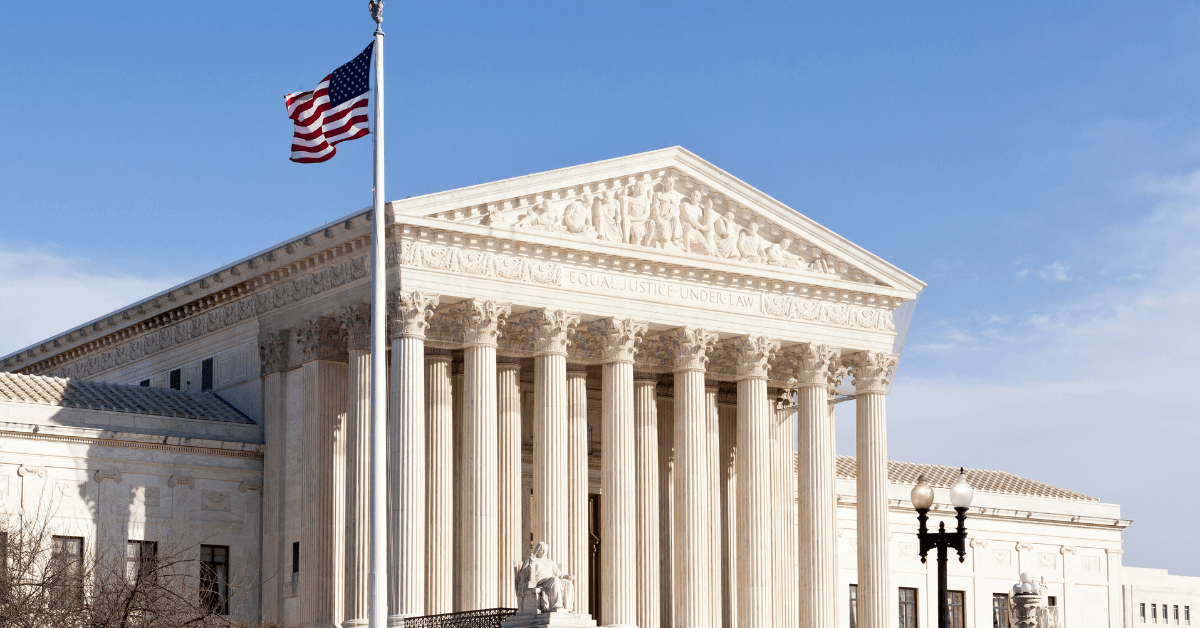
    Washington, D.C. — May 30, 2025 — In a landmark decision with sweeping implications for U.S. immigration policy, the Supreme Court of the United States has allowed the Trump administration to terminate temporary legal protections for more than 500,000 immigrants from Cuba, Haiti, Nicaragua, and Venezuela. The ruling—issued in the form of an emergency order—reverses a lower court’s injunction and permits the Department of Homeland Security (DHS) to proceed with dismantling the humanitarian parole program known as CHNV.

    This controversial ruling is expected to have a profound impact on immigrant communities nationwide, potentially stripping legal status from individuals who have been living and working in the U.S. under lawful protection.

    What Is the CHNV Humanitarian Parole Program?

    The CHNV program, originally implemented under the Biden administration, was designed to offer humanitarian relief to nationals from Cuba, Haiti, Nicaragua, and Venezuela who were fleeing instability, violence, and economic collapse. The program allowed eligible migrants to enter the United States legally with the backing of a sponsor, undergo rigorous vetting procedures, and remain temporarily protected from deportation.

    These protections were a lifeline for hundreds of thousands of migrants—many of whom have built lives, families, and careers in the United States over the past several years.

    Supreme Court Decision: Key Details

    The Supreme Court did not issue a full written opinion but rather issued an unsigned emergency order. This rare procedural move means that the Court opted to allow the administration’s actions to proceed without undergoing the typical process of oral arguments or a detailed ruling.

    Justices Sonia Sotomayor and Ketanji Brown Jackson dissented strongly, condemning the decision as an “abdication of judicial responsibility.” In her dissent, Justice Jackson stated that the majority had chosen expediency over fairness, risking “the stability and safety of hundreds of thousands of lawful residents who followed the rules.”

    DHS Implementation: What Happens Next?

    Following the ruling, DHS has announced plans to begin phasing out CHNV protections as early as June 2025. Effective April 24, 2025, any immigrant currently in the U.S. under the CHNV program must transition to another legal status—such as asylum, family-based petitions, or other immigration relief—or face the threat of deportation.

    The department confirmed it will prioritize removal proceedings for those who fail to secure an alternative legal pathway.

    Human Impact and Backlash

    Immigrant advocacy groups and legal experts have condemned the decision, calling it a humanitarian crisis in the making. Organizations such as the American Immigration Council and Human Rights Watch have warned that the ruling could lead to mass deportations, family separations, and widespread disruption in communities where CHNV recipients are integrated and economically active.

    Maria Gutierrez, a 34-year-old nurse from Nicaragua who entered the U.S. under CHNV in 2023, described the decision as “a nightmare.” She added, “We followed every rule. Now we’re being told that we’re not wanted—after building a life and serving the country during COVID.”

    Legal experts anticipate that additional lawsuits will be filed challenging the scope of DHS’s authority and the manner in which the protections are being terminated. Already, immigrant rights attorneys are seeking emergency relief for individuals who would be disproportionately harmed by the decision.

    Politically, the ruling is expected to become a major flashpoint in the 2025 presidential campaign, with Democratic candidates condemning the rollback and Republican candidates supporting it as a step toward immigration reform and border control.

    Conclusion: A Precedent-Setting Moment in U.S. Immigration Law

    The Supreme Court’s decision to allow the termination of CHNV protections sets a powerful precedent for the rollback of humanitarian-based immigration programs through executive action. While the administration argues this move is necessary to reduce unlawful migration and reform the parole system, critics argue it represents a dangerous erosion of America’s humanitarian commitments.

    As legal battles continue and families face an uncertain future, this ruling may prove to be one of the most consequential immigration decisions in recent U.S. history.


    Read more

    Apple’s 20th Anniversary iPhone: What to Expect from the Most Ambitious iPhone Yet