Category: Editor’s Pick

Discover the most compelling and thought-provoking articles carefully curated by our experienced editorial team in GulfInsight360.com’s Editor’s Pick category. Dive into a collection of top-notch content that covers a wide range of topics, including current affairs, trending stories, in-depth analyses, exclusive interviews, and captivating features. With our Editor’s Pick, you can stay up to date with the most engaging and influential stories that make an impact on the world. Trust our editors to handpick the most noteworthy articles that deserve your attention.

  • Apple Unleashes the M5 Chip: New iPad Pro, MacBook Pro, and Vision Pro Arrive, Marking a Major Leap in AI Computing

    Apple Unleashes the M5 Chip: New iPad Pro, MacBook Pro, and Vision Pro Arrive, Marking a Major Leap in AI Computing

    Apple today opened the floodgates on its next generation of flagship devices, making the highly anticipated M5 chip available to consumers in a powerful trifecta: the refreshed iPad Pro, the new entry-level 14-inch MacBook Pro, and an updated Apple Vision Pro headset. The simultaneous launch across the three product categories signals a unified, strategic push by the company, with the M5 silicon serving as the cornerstone for a new era of on-device Artificial Intelligence (AI) performance.

    The M5 Chip: Engineered for the AI Era

    The centerpiece of this launch is the new M5 chip, which Apple is touting as a generational leap, particularly in AI capabilities. Built on advanced 3-nanometer technology, the M5 features a new Neural Engine that is reportedly up to 3.5 times faster than the previous M4 generation in the iPad Pro, and a dramatically enhanced GPU architecture that incorporates dedicated Neural Accelerators in each core.

    For users, this horsepower translates into tangible, real-world benefits. Tasks like on-device generative image creation (using apps like Draw Things), running large language models (LLMs) locally, and complex video rendering are all significantly faster and more energy-efficient.

    “The M5 is not just a faster processor; it’s a chip explicitly engineered to handle the future of computing, which is AI-driven,” noted one industry analyst. “By embedding this level of AI performance across their pro-level lineup, Apple is setting a new performance standard that competitors will struggle to match.”

    The New 14-inch MacBook Pro: Power Meets Efficiency

    The entry-level 14-inch MacBook Pro receives one of the most substantial performance bumps. Powered by the M5, the new machine delivers blazing system-wide performance and a massive boost to AI workloads, all while maintaining a battery life of up to 24 hours.

    Beyond the chip, Apple has addressed key performance bottlenecks. Benchmarks show the new 14-inch model boasts up to 2x faster SSD performance compared to its predecessor, significantly accelerating professional workflows like importing RAW image files and exporting large video projects. Running on the beautifully redesigned macOS Tahoe, the machine is positioned as the ultimate portable powerhouse for developers and creative professionals.

    The iPad Pro: Closing the Gap with the Desktop

    The new 11-inch and 13-inch iPad Pro models, now equipped with the M5, solidify the tablet’s claim as a true desktop replacement. The M5’s raw power unlocks unprecedented capabilities for iPadOS 26, allowing professional apps to handle heavier creative tasks with ease.

    In a first for the iPad, the new models also feature the Apple N1 wireless networking chip and C1X cellular modem, enabling support for future-proof connectivity standards. This, combined with the stunning Ultra Retina XDR display, makes the M5 iPad Pro the most advanced and capable iPad experience ever released.

    Apple Vision Pro: Sharper, Smoother Spatial Computing

    The spatial computing device also receives a critical hardware refresh with the M5 chip replacing the previous M2. This update focuses less on an external redesign and more on optimizing the core experience.

    Key improvements for the Apple Vision Pro include:

    • Faster Rendering: The M5 enables the headset to render 10% more pixels on its custom micro-OLED displays compared to the previous generation, resulting in crisper text and sharper visuals.
    • 120Hz Refresh Rate: The device can now support a higher refresh rate of up to 120Hz, reducing motion blur and making the experience of viewing the physical surroundings (passthrough) even smoother.
    • Enhanced Comfort: A new, more comfortable Dual Knit Band has been introduced and is included with the M5 model, improving balance and wearability.

    With the M5 powering the experience, Apple is pushing the envelope for developers to create more complex and graphically demanding spatial apps, further evolving the platform just a year after its initial debut.

    All three M5-powered devices are available starting today at Apple Store locations, on apple.com, and through authorized resellers.


    UAE Golden Visa 2025: New Categories, Consular Benefits, and Policy Upgrades Announced

  • Watch Messi and Jordi Magic: Lionel Messi Makes MLS History, Leads Golden Boot Race, and Eyes 1300 Career Goal Contributions

    Watch Messi and Jordi Magic: Lionel Messi Makes MLS History, Leads Golden Boot Race, and Eyes 1300 Career Goal Contributions

    Argentine legend reaches 44 goal contributions in 2025 season, becoming fastest to 40 MLS goals while chasing single-season record

    Lionel Messi continues rewriting Major League Soccer record books with breathtaking performances that have propelled Inter Miami to the top of the Eastern Conference while the Argentine maestro leads the Golden Boot race and closes in on 1,300 career goal contributions across his legendary two-decade career.

    Messi, who could become the first back-to-back Landon Donovan MLS MVP in league history, now has 44 goal contributions on the season, just five shy of the single-season record set by LAFC’s Carlos Vela (49) in 2019, with several matches remaining in the regular season.

    The World Cup winner’s remarkable 2025 campaign has seen him become the fastest player to reach 40 goals in MLS league history while orchestrating Inter Miami’s dominant season alongside his longtime Barcelona teammate Jordi Alba, reuniting one of soccer’s most iconic partnerships on American soil.

    Golden Boot Race: Messi Takes Command

    Messi’s showing pushed him to 44 goal contributions in 2025, ranking as the second most for a single season in MLS history, with the Argentine now only trailing Carlos Vela’s 49 goal contributions in 2019, which included 35 goals.

    The 38-year-old forward has seized control of the Golden Boot race with a combination of clinical finishing and creative genius that has overwhelmed MLS defenses throughout the season, demonstrating that even in the twilight of his career, he remains soccer’s most devastating attacking force.

    His goal-scoring consistency has been remarkable, recently becoming the first MLS player to score at least twice in four straight matches, a streak that showcased both his lethal finishing ability and the service quality from teammates who have learned to maximize the Argentine’s movement and positioning.

    2025 Season Statistics:

    • 44 total goal contributions (second-most in single MLS season)
    • Multiple braces in consecutive matches (first player to achieve four straight)
    • Fastest to 40 MLS goals in league history
    • Leading Golden Boot contender with games remaining
    • 37+ goal contributions through regular season

    The numbers reflect not just individual brilliance but Messi’s evolution as an MLS player who has adapted his game to American soccer while maintaining the world-class standards that defined his Barcelona and Argentina careers.

    The Eternal Connection: Messi and Jordi Alba

    The magic between Lionel Messi and Jordi Alba represents one of soccer’s most telepathic partnerships, a connection forged over years at Barcelona and now reaching its emotional conclusion at Inter Miami as Alba prepares to retire at season’s end.

    Lionel Messi scored and assisted, while Jordi Alba also got on the board to carry Inter Miami to a comfortable 4-0 win over Eastern Conference strugglers Atlanta United in a recent performance that epitomized their enduring chemistry.

    With a clinical assist to Jordi Alba against New York Red Bulls, Inter Miami star Lionel Messi extended an incredible 19-year career record of assists to his longtime left-back partner, a testament to their intuitive understanding that has produced countless goals across two continents.

    The Alba-Messi Partnership:

    • 19 consecutive years of assists between the duo
    • Hundreds of goal combinations across Barcelona and Inter Miami
    • Intuitive understanding that transcends tactical systems
    • Emotional farewell season as Alba retires in December 2025
    • Legacy connection spanning multiple championships and trophies

    Lionel Messi led the tributes for Jordi Alba after the Inter Miami defender announced his retirement from football at the end of the 2025 MLS season, admitting the field will feel strange without the Spaniard who has been his partner for nearly two decades.

    The partnership’s continuation in Miami has given American soccer fans the privilege of witnessing one of the game’s great combinations in its final chapter, with every Messi-Alba goal creating nostalgia for their Barcelona glory days while adding new memories in the Florida sunshine.

    Chasing History: The Path to 1,300 Career Contributions

    Beyond MLS records, Messi’s 2025 season brings him tantalizingly close to 1,300 career goal contributions across all club and international competitions—a milestone that would cement his status as the most productive player in soccer history.

    Since joining in 2023, Messi has gone on to surpass Gonzalo Higuaín as Inter Miami’s all-time leader in goalscoring and goal contributions with 54 goals and 25 assists in 65 appearances in all competitions, demonstrating immediate impact despite joining MLS in his mid-30s.

    His career trajectory has been extraordinary:

    • Barcelona era: Over 1,000 goal contributions in club competitions
    • Paris Saint-Germain: Additional contributions during French stint
    • Argentina national team: World Cup triumph and Copa América victories
    • Inter Miami: Rapid rise to franchise legend status
    • Combined totals: Approaching 1,300 across all competitions

    The 1,300 milestone represents more than statistical achievement—it reflects sustained excellence across two decades, multiple leagues, and the highest levels of international competition, all while facing the world’s best defenders and adapting to different tactical systems and teammates.

    Making MLS History at 38

    He would be named the MLS Most Valuable Player following the conclusion of the 2024 regular season, and his 2025 campaign has him positioned to become the first back-to-back Landon Donovan MLS MVP winner in league history—a remarkable achievement for a player in his late 30s.

    During the 2025 season, Messi became the fastest player to reach 40 goals in league history, shattering the previous timeline and demonstrating that his scoring prowess hasn’t diminished despite age and the transition to a new league.

    He was featured in a Super Bowl ad by Apple TV for their exclusive MLS coverage, reflecting his transformation from MLS newcomer to league ambassador and commercial icon whose presence has elevated American soccer’s global profile.

    MLS Records and Achievements:

    • Fastest to 40 league goals in MLS history
    • Back-to-back MVP candidate (first in league history if achieved)
    • Inter Miami franchise records in goals and assists
    • Single-season contribution record within reach
    • Commercial impact driving television ratings and attendance

    The records validate Inter Miami’s decision to sign Messi in 2023, transforming the franchise from league also-ran to championship contender while generating unprecedented attention for MLS domestically and internationally.

    Inter Miami’s Dominant Season

    Inter Miami, who clinched home-field advantage in Round One of the Audi 2025 MLS Playoffs, has been propelled by Messi’s brilliance to the top of the Eastern Conference standings with aspirations of capturing the club’s first MLS Cup.

    The Herons’ transformation from perennial underachiever to title contender mirrors Messi’s personal journey in MLS—rapid adaptation, immediate dominance, and championship ambitions that seemed unrealistic just seasons ago.

    The team’s success reflects not just Messi’s individual contributions but his ability to elevate teammates including Alba, Sergio Busquets, and emerging American talents who have benefited from playing alongside one of history’s greatest players.

    Miami’s 2025 Season:

    • Eastern Conference leaders with games remaining
    • Home-field playoff advantage secured
    • Record-breaking attendance at home matches
    • National television spotlight for most games
    • MLS Cup favorites entering playoffs

    The playoff push represents Messi’s opportunity to add an MLS championship to his collection of trophies from Barcelona, Paris, and Argentina, completing his North American legacy with the one honor that has eluded him in the United States.

    The Vela Record Within Reach

    Messi joins Carlos Vela as the only players with 40+ goal contributions in a single MLS regular season, placing him in exclusive company while giving him realistic opportunity to surpass Vela’s 49-contribution record set in 2019.

    The pursuit of Vela’s record adds narrative intrigue to Miami’s remaining regular-season matches, with every Messi goal or assist bringing him closer to sole possession of MLS’s single-season contribution record.

    With several matches remaining, Messi needs just five more goal contributions to break Vela’s mark—a total that seems well within reach given his current form and Miami’s aggressive attacking style that creates numerous scoring opportunities.

    Breaking the record would represent the crowning achievement of Messi’s MLS career, demonstrating that even MLS’s most spectacular individual season could be surpassed by the Argentine legend in his late 30s.

    Global Icon in American Soccer

    Messi’s impact extends far beyond statistics to encompass his role as MLS’s biggest star and the player who finally brought global credibility to American soccer’s top division after years of attempts to attract world-class talent.

    His presence has driven television ratings, sold out stadiums across the country, and attracted international attention to MLS in ways that previous designated player signings couldn’t achieve, validating the league’s strategy while raising expectations for future star acquisitions.

    The Apple TV partnership and Super Bowl advertising reflect Messi’s unique ability to transcend soccer and become a mainstream American sports figure despite arriving in his late 30s—a testament to his global brand and enduring excellence.

    Looking Ahead: Playoffs and Beyond

    As the regular season winds down and playoffs approach, Messi’s focus shifts from individual records to team success, though his pursuit of 1,300 career contributions and potential Vela record will provide additional motivation.

    The playoffs represent Messi’s opportunity to validate Miami’s regular-season dominance by delivering the franchise’s first MLS Cup, adding American silverware to a trophy collection that already includes multiple Champions League titles, World Cups, and domestic championships.

    Questions about Messi’s future beyond 2025 remain unanswered, with his current contract expiring but possibilities of extension or one final return to Argentina with Newell’s Old Boys creating speculation about how and where his remarkable career will conclude.

    Conclusion: Witnessing Greatness in Real Time

    American soccer fans are privileged to witness Lionel Messi’s final chapters played out in MLS, where even at 38 he continues producing moments of magic that remind observers why he’s considered the greatest player in soccer history.

    His partnership with Jordi Alba provides emotional resonance to a season that has been about more than records—it’s about two legends concluding their careers together, creating final memories for fans who have watched their connection produce countless goals across two decades.

    As Messi leads the Golden Boot race, chases 1,300 career contributions, and pursues MLS Cup glory, American soccer is experiencing a once-in-a-generation moment that will be remembered long after he hangs up his boots.

    Watch the magic while you can—history is being made in real time, and Lionel Messi shows no signs of slowing down.


    Thinking Machines Lab Co-Founder Andrew Tulloch Joins Meta After Brief Startup Stint: Eight Months After Rejecting $1.5B Offer

  • Thinking Machines Lab Co-Founder Andrew Tulloch Joins Meta After Brief Startup Stint: Eight Months After Rejecting $1.5B Offer

    Thinking Machines Lab Co-Founder Andrew Tulloch Joins Meta After Brief Startup Stint: Eight Months After Rejecting $1.5B Offer

    Star AI researcher departs $12B-valued startup he co-founded with former OpenAI CTO Mira Murati, citing “personal reasons”

    Andrew Tulloch, co-founder of the highly anticipated AI startup Thinking Machines Lab, has left the company to join Meta Platforms, according to reports from The Wall Street Journal, marking a dramatic reversal for the researcher who famously rejected a $1.5 billion offer from Meta CEO Mark Zuckerberg just eight months ago.

    AI researcher Andrew Tulloch reportedly announced his departure to employees in a message on Friday, bringing an abrupt end to his tenure at the startup he co-founded in early 2025 with Mira Murati, the former Chief Technology Officer of OpenAI.

    A Thinking Machines Lab spokesperson confirmed Tulloch’s departure to the WSJ, saying he “has decided to pursue a different path for personal reasons,” though the move raises significant questions about the startup’s trajectory and the intense competition for top AI talent among tech giants.

    The $1.5 Billion Rejection: A Deal That Didn’t Stick

    The move is particularly striking given that Tulloch turned down a reported $1.5 billion acquisition offer from Meta earlier this year when Thinking Machines Lab was still in its infancy, choosing instead to build his vision for reasoning-focused AI systems alongside Murati.

    That rejection captured headlines globally as one of the most audacious decisions in the AI talent wars, with industry observers questioning whether any startup opportunity could truly be worth foregoing such a massive immediate payday.

    The decision to now join Meta, reportedly in a standard employment capacity rather than through acquisition, suggests that circumstances or priorities shifted significantly for Tulloch over the intervening months, though specific details about his new role at Meta have not been disclosed.

    Industry insiders speculate that the reversal may reflect challenges in building a competitive AI startup in 2025’s increasingly capital-intensive environment, where even well-funded startups struggle to match the computational resources and infrastructure available at tech giants.

    Thinking Machines Lab: Rapid Rise, Uncertain Future

    Thinking Machines Lab, founded in early 2025, had quickly gained traction for its focus on “thinking” AI systems that emphasize reasoning over raw data processing, positioning itself at the cutting edge of efforts to move beyond pattern-matching toward genuine machine reasoning.

    The startup secured a stunning $12 billion valuation despite not yet launching a product, reflecting extraordinary investor confidence in the team’s pedigree and vision for next-generation AI systems that could surpass current large language model capabilities.

    That valuation placed Thinking Machines Lab among the most valuable AI startups globally, competing with established players like Anthropic and Cohere despite having no commercial offerings or demonstrated technology beyond the reputations of its founding team.

    With Tulloch’s exit, co-founder Mira Murati now faces the challenge of maintaining that momentum and investor confidence while navigating the loss of a key technical co-founder who brought deep expertise in machine learning optimization and systems.

    Andrew Tulloch: From PyTorch to Thinking Machines

    Andrew Tulloch’s career trajectory exemplifies the path of elite AI researchers moving between academia, tech giants, and startups in pursuit of breakthrough artificial intelligence capabilities.

    An Australian computer scientist and machine learning expert, Tulloch previously worked at Meta (then Facebook) where he contributed to the development of PyTorch, the deep learning framework that has become industry standard alongside Google’s TensorFlow.

    In 2023, he joined OpenAI to contribute to GPT-4’s development, working on the optimization and infrastructure challenges involved in training and deploying massive language models at scale.

    His decision to leave OpenAI to co-found Thinking Machines Lab in early 2025 signaled ambitions to pursue AI research directions that might not align with OpenAI’s current product-focused trajectory under CEO Sam Altman.

    The brief stint at Thinking Machines Lab—lasting less than a year—now appears to have been an exploratory detour rather than the long-term commitment that the $1.5 billion rejection suggested.

    Mira Murati’s Leadership Challenge

    Tulloch’s departure places significant pressure on Mira Murati, who left her position as OpenAI’s Chief Technology Officer to co-found Thinking Machines Lab amid reported tensions with Sam Altman over OpenAI’s increasingly commercial direction.

    Murati’s departure from OpenAI had been characterized as a mission-driven decision to pursue more fundamental AI research focused on safety and reasoning capabilities rather than rapid product deployment and commercialization.

    The loss of her technical co-founder just months into the venture raises questions about whether Thinking Machines Lab can maintain the technical leadership and execution capabilities that justified its extraordinary valuation and investor enthusiasm.

    Industry observers will watch closely to see whether Murati brings in additional co-founders or technical leadership to fill the gap left by Tulloch’s departure, or whether this signals broader challenges for the young company.

    Meta’s AI Talent Acquisition Strategy

    For Meta, securing Tulloch represents a significant win in the increasingly fierce competition for elite AI researchers, though the circumstances of his hiring differ dramatically from the company’s initial $1.5 billion offer.

    Meta has been aggressively building its AI capabilities under CEO Mark Zuckerberg’s directive to make artificial intelligence central to the company’s products and competitive positioning against rivals like Google, Microsoft, and Apple.

    The company’s approach has combined internal development of large language models like Llama, strategic acquisitions of AI talent and startups, and massive infrastructure investments in the computational resources required for frontier AI research.

    Tulloch’s expertise in optimization and systems will likely be deployed on challenges related to making Meta’s AI models more efficient, capable, and cost-effective as the company scales AI features across its platform portfolio.

    The AI Talent Wars Intensify

    Tulloch’s decision to join Meta after rejecting a $1.5 billion offer highlights the unprecedented intensity of competition for elite AI researchers, where companies are willing to offer extraordinary compensation packages and resources to secure expertise.

    The AI talent market has become increasingly irrational from traditional employment perspectives, with top researchers commanding compensation packages that can exceed $1-2 million annually through combinations of base salary, equity, and retention bonuses.

    Beyond pure compensation, researchers are evaluating opportunities based on access to computational resources, quality of collaborators, research freedom, and potential impact—factors where established tech giants often have advantages over even well-funded startups.

    The talent dynamics are further complicated by philosophical differences about AI development approaches, with some researchers preferring the mission-driven cultures of startups and nonprofits while others seek the resources and scale only available at major technology companies.

    Implications for the Startup Ecosystem

    Tulloch’s departure from Thinking Machines Lab reflects broader challenges facing AI startups in 2025’s environment, where the capital and computational requirements for frontier AI research increasingly favor established technology giants.

    While AI startups have attracted record venture capital funding, the gap between startup resources and big tech capabilities continues widening as training costs for cutting-edge models escalate and the importance of proprietary data and existing user bases becomes more apparent.

    Several high-profile AI researchers who initially joined startups have subsequently moved to tech giants, suggesting that the startup path to AI breakthroughs may be more difficult than the wave of AI startup founding in 2023-2024 anticipated.

    This pattern raises questions about whether the future of AI development will be dominated by a small number of tech giants with the resources to compete at the frontier, or whether innovative startups can find defensible niches and alternative approaches.

    What’s Next for Thinking Machines Lab?

    The company’s immediate challenge is maintaining credibility and momentum with investors, potential customers, and remaining team members following the departure of a high-profile co-founder.

    Thinking Machines Lab has not publicly disclosed its technical roadmap or product plans, making it difficult to assess how significantly Tulloch’s departure impacts the company’s ability to execute on its vision.

    The startup’s $12 billion valuation creates enormous pressure to demonstrate breakthrough technology and commercial viability, particularly now that questions about team stability have emerged.

    Industry observers expect Thinking Machines Lab to make announcements in coming weeks about new technical leadership, product direction, or research achievements to reassure stakeholders that the company remains on track despite this high-profile departure.

    Conclusion: The High-Stakes Game of AI Talent

    Andrew Tulloch’s move from Thinking Machines Lab to Meta encapsulates the extraordinary fluidity and complexity of the current AI talent market, where even multi-billion-dollar commitments can prove temporary as researchers navigate rapidly evolving opportunities.

    The reversal from rejecting a $1.5 billion offer to joining Meta as an employee suggests that the calculation of where to pursue AI research ambitions involves factors beyond pure financial considerations, including access to resources, clarity of technical direction, and personal circumstances.

    For the AI industry, Tulloch’s trajectory illustrates how the concentration of talent at major technology companies continues even as startups attract record funding, potentially shaping the future development of artificial intelligence in ways that favor established platforms over innovative newcomers.

    As the AI revolution accelerates, the movement of researchers like Tulloch between organizations will continue signaling where the most promising opportunities for breakthrough work are perceived to exist, making talent flows a key indicator of shifting competitive dynamics in the race to develop transformative AI capabilities.


    India-Pakistan Asia Cup Final: Will There Be a Handshake? Historic Clash Overshadowed by Diplomatic Tensions

  • Apple Releases IOS 26 Across All Platforms: Revolutionary Liquid Glass Design and Expanded Apple Intelligence Transform User Experience

    Apple Releases IOS 26 Across All Platforms: Revolutionary Liquid Glass Design and Expanded Apple Intelligence Transform User Experience

    iOS 26, macOS Tahoe, watchOS 26, tvOS 26, and visionOS 26 bring unified design language and powerful AI capabilities to over 2 billion devices worldwide

    Apple today released exciting new features and capabilities across each of its software platforms — iOS, iPadOS, macOS, watchOS, tvOS, and visionOS, marking the most comprehensive software update in the company’s history with the introduction of the revolutionary Liquid Glass design language and significantly expanded Apple Intelligence features.

    The coordinated release of OS 26 represents Apple’s most ambitious software launch ever, delivering a stunning new design crafted with Liquid Glass that makes apps and system experiences more expressive and delightful while introducing powerful AI capabilities that fundamentally enhance how users interact with their Apple devices.

    The synchronized rollout across all Apple platforms demonstrates the company’s commitment to ecosystem unity, ensuring that whether users are on iPhone, iPad, Mac, Apple Watch, Apple TV, or Vision Pro, they experience consistent design language and seamless functionality that works harmoniously across devices.

    Revolutionary Liquid Glass: The Biggest Design Update Since iOS 7

    The most notable change to iOS 26 is the Liquid Glass design overhaul, which is the first major iOS design update since Apple rolled out iOS 7 back in 2013, fundamentally transforming how users interact with Apple’s software across all platforms.

    The new design extends across iOS, iPadOS, macOS, watchOS, and tvOS, with updates to system experiences like the Lock Screen, Home Screen, desktop, and Dock, creating a cohesive visual language that feels both familiar and revolutionary.

    To maintain the focus on the subject of photo wallpapers on the Lock Screen, the time is now crafted out of Liquid Glass and fluidly adapts to wallpaper content, creating dynamic interactions between interface elements and user-selected backgrounds that feel alive and responsive.

    The Liquid Glass aesthetic introduces subtle animations, refined transparency effects, and fluid transitions that make every interaction feel more natural and engaging. Interface elements appear to be made of actual liquid glass, with realistic light refraction, depth, and movement that responds to user touch and device orientation.

    This design philosophy extends beyond visual appeal to functional improvements, with interface elements that provide clearer hierarchy, improved readability, and more intuitive navigation patterns that reduce cognitive load while enhancing aesthetic appeal.

    iOS 26: iPhone Gets Smarter and More Beautiful

    iOS 26 introduces the most comprehensive iPhone update in years, combining the new Liquid Glass design with expanded Apple Intelligence features that make iPhones more capable, personalized, and intuitive than ever before.

    The update includes a call screening assistant that uses Apple Intelligence to automatically handle spam calls and provide intelligent summaries of important voicemails, reducing interruptions while ensuring users never miss critical communications.

    Other features include a new gaming and preview app that leverages machine learning to provide personalized game recommendations and immersive preview experiences, plus in-app translation across the system that works seamlessly within any app without requiring separate translation applications.

    Updates to Genmoji and Image Playground apps provide enhanced creative capabilities, with improved AI-generated emoji that better match user expressions and more sophisticated image creation tools that enable professional-quality results from simple text prompts.

    The Home Screen receives significant enhancements with more customization options, intelligent widget suggestions based on usage patterns, and dynamic wallpapers that change throughout the day to match lighting conditions and user activities.

    macOS Tahoe: Mac Computing Redefined

    macOS Tahoe 26 makes the Mac more capable, productive, and intelligent than ever, introducing desktop-class Apple Intelligence features alongside the stunning Liquid Glass design optimized for larger displays and professional workflows.

    The update includes the long-awaited Phone app on Mac, enabling users to make and receive phone calls directly from their computers with seamless integration with iPhone contacts and call history, transforming how users manage communications across devices.

    Spotlight Actions represent a breakthrough in Mac productivity, allowing users to perform complex tasks directly from Spotlight search without opening applications. Users can compose emails, create calendar events, edit documents, and perform system functions through intelligent natural language commands.

    The redesigned Control Center brings iPhone-style quick access to Mac system controls, with customizable modules that provide instant access to Wi-Fi settings, Bluetooth connections, display brightness, and frequently used system functions.

    Live Translation powered by Apple Intelligence enables real-time translation of text in any application, supporting dozens of languages with context-aware accuracy that understands technical terminology and colloquial expressions.

    After spending months testing macOS Tahoe, reviewers are excited about the ways Apple Intelligence is making Macs more capable, as well as how the new aesthetic and customization options make computers feel more personalized and intuitive.

    Apple Intelligence: AI That Actually Works

    The expanded Apple Intelligence features represent the most significant advancement in practical AI integration across consumer technology platforms, providing capabilities that enhance daily workflows without feeling intrusive or overwhelming.

    Apple Intelligence now powers system-wide features including intelligent writing assistance that adapts to user voice and context, advanced photo organization that understands content and relationships, and predictive text input that learns from user patterns while maintaining privacy.

    The AI features work entirely on-device or through Apple’s Private Cloud Compute system, ensuring that personal data never leaves user control while providing capabilities that rival cloud-based AI services in functionality and exceed them in privacy protection.

    Smart scheduling uses Apple Intelligence to automatically suggest meeting times based on calendar availability, email context, and past scheduling patterns, while intelligent email prioritization ensures important messages receive immediate attention without overwhelming users.

    The camera app gains AI-powered scene recognition that automatically optimizes settings for different subjects and conditions, plus intelligent photo editing suggestions that enhance images while maintaining natural appearance.

    watchOS 26: Health and Fitness Revolution

    watchOS 26 transforms the Apple Watch experience with health monitoring capabilities that provide deeper insights into user wellness while maintaining the privacy-first approach that defines Apple’s health strategy.

    New health metrics include advanced sleep analysis that tracks sleep phases with unprecedented accuracy, stress monitoring that provides actionable recommendations for wellness improvement, and expanded workout tracking that recognizes new activity types automatically.

    The Liquid Glass design on Apple Watch creates more legible interfaces despite the small screen size, with typography and interface elements that adapt dynamically to ambient lighting and user preferences for optimal readability.

    Smart Stack receives significant enhancements with widgets that appear exactly when needed based on time, location, and activity patterns, creating a personalized information experience that feels predictive without being invasive.

    tvOS 26: Entertainment Gets Intelligent

    tvOS 26 is compatible with the original Apple TV HD from 2015 as well as all Apple TV 4K models, bringing Liquid Glass design and intelligent features to the living room entertainment experience.

    Liquid Glass requires the second-generation Apple TV 4K or later, providing visual effects that take advantage of modern TV display capabilities including HDR support and advanced color management.

    The update introduces intelligent content recommendations that learn from viewing habits across all family members while maintaining individual privacy, suggesting movies and shows that appeal to different household preferences.

    Enhanced Siri integration enables more natural voice control of entertainment systems, with the ability to search across multiple streaming services, control smart home devices, and answer questions without interrupting currently playing content.

    visionOS 26: Spatial Computing Advances

    visionOS 26 introduces capabilities that push the boundaries of spatial computing, with Liquid Glass design elements that feel natural in three-dimensional space and Apple Intelligence features optimized for mixed reality interaction.

    The update includes improved hand tracking accuracy, enhanced virtual keyboard performance, and expanded app compatibility that makes Vision Pro more practical for everyday computing tasks.

    Spatial video recording receives significant improvements with better stabilization and enhanced depth processing, creating immersive memories that feel more realistic and engaging when viewed in the headset.

    Platform Unity and Ecosystem Integration

    The coordinated OS 26 release demonstrates Apple’s ecosystem approach, with features that work seamlessly across devices to create unified user experiences that adapt to how people actually use multiple Apple products.

    Handoff capabilities expand to include more app types and data formats, enabling users to start tasks on one device and complete them on another without losing context or progress.

    Universal Control receives enhancements that make multi-device workflows feel more natural, with improved cursor movement between devices and expanded keyboard and mouse sharing capabilities.

    AirDrop gets faster transfer speeds and supports new file types, while Continuity Camera gains additional capabilities for using iPhone as a wireless camera for Mac and iPad applications.

    Installation and Compatibility

    iOS 26 is rolling out now, though it may take time for all users to see the update availability, with Apple managing the rollout to ensure server stability and optimal download experience.

    The update supports iPhone 12 and later models, ensuring that users with relatively recent devices can experience the full Liquid Glass design and Apple Intelligence capabilities.

    macOS Tahoe 26 updates improve the stability, performance, and compatibility of Mac computers and are recommended for all macOS users, with support extending back to Mac models from 2019 and later.

    Free updates across all platforms ensure that Apple device owners can access new features without additional cost, reflecting Apple’s commitment to long-term software support for existing hardware.

    User Reception and Early Feedback

    The Liquid Glass design has proven more divisive than expected, with some users embracing the fresh aesthetic while others prefer the familiarity of previous interface designs.

    Early adopters praise the enhanced functionality and smoother animations, while some users report adjustment periods for navigating the new interface patterns and visual hierarchy.

    Apple typically provides customization options in subsequent updates to address user preferences, and the company continues monitoring user feedback to refine the design implementation.

    Overall reception focuses on the practical benefits of Apple Intelligence features, which many users find more immediately valuable than the visual design changes.

    Developer Impact and Opportunities

    The OS 26 releases provide developers with new APIs and capabilities for creating applications that take advantage of Liquid Glass design principles and Apple Intelligence features.

    New development tools enable apps that integrate seamlessly with the refreshed design language while maintaining compatibility with existing user workflows and data.

    Apple Intelligence APIs allow third-party developers to incorporate AI capabilities into their applications while maintaining Apple’s privacy standards and on-device processing requirements.

    The coordinated platform update creates opportunities for developers to build cross-device experiences that feel consistent and integrated across the entire Apple ecosystem.

    Looking Forward: The Future of Apple Software

    The OS 26 releases establish foundations for future Apple software development, with Liquid Glass design providing scalable visual language that can evolve across different device categories and form factors.

    Apple Intelligence capabilities will likely expand in future updates, with more sophisticated AI features that build on the privacy-preserving architecture established in this release.

    The success of coordinated platform updates may influence Apple’s development cadence, potentially leading to more frequent synchronized releases that advance the entire ecosystem simultaneously.

    User feedback and adoption patterns will inform future design decisions, helping Apple balance innovation with usability across its diverse user base and device categories.

    Conclusion: A New Era for Apple Devices

    The release of OS 26 across all Apple platforms represents more than routine software updates — it marks the beginning of a new era where artificial intelligence and elegant design combine to create more capable, intuitive, and personalized computing experiences.

    The Liquid Glass design language unifies Apple’s software ecosystem while providing visual distinction that feels both modern and timeless, creating interfaces that users will appreciate for years to come.

    Expanded Apple Intelligence features demonstrate that AI can enhance daily computing tasks without compromising privacy or overwhelming users with unnecessary complexity, setting new standards for practical AI implementation.

    As millions of users begin experiencing OS 26 across their Apple devices, the software releases establish new expectations for what personal technology should accomplish and how seamlessly it should integrate into daily life.

    The coordinated launch across all platforms reinforces Apple’s unique position in providing complete ecosystem experiences that work better together than individual components, creating value that extends beyond any single device or software feature.

    UAE Flu Vaccine Campaign Aims to Break ‘Cycle of Infection’: 10th Annual Drive Targets Community-Wide Protection

  • Meta Unveils Revolutionary Ray-Ban Display Smart Glasses with Neural Band Controller: $799 AR Computing Takes Giant Leap Forward

    Meta Unveils Revolutionary Ray-Ban Display Smart Glasses with Neural Band Controller: $799 AR Computing Takes Giant Leap Forward

    First consumer-ready smart glasses with built-in display and EMG wristband control represent a breakthrough in augmented reality interaction

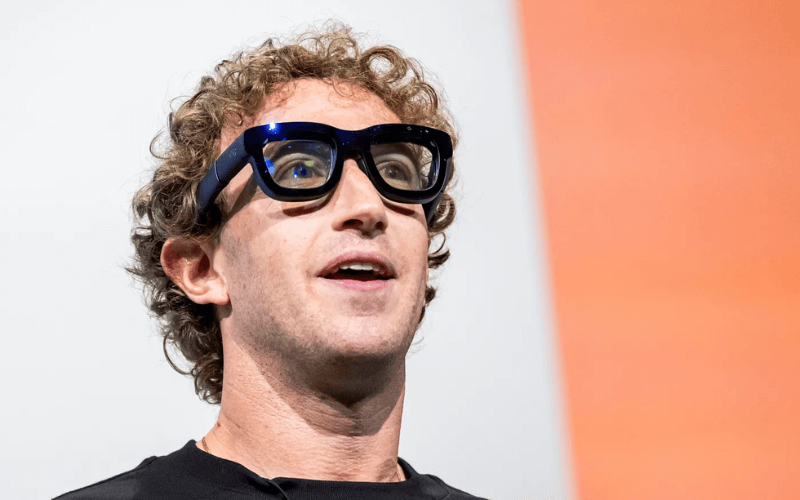
    Meta CEO Mark Zuckerberg today unveiled the company’s most ambitious augmented reality product to date: the $799 Meta Ray-Ban Display glasses featuring the world’s first consumer-ready smart glasses with a built-in display and revolutionary electromyography (EMG) wristband controller that responds to subtle hand gestures and muscle signals.

    The Ray-Ban Display glasses, internally codenamed “Hypernova,” represent a quantum leap in AR computing by combining a translucent heads-up display in the right lens with the Meta Neural Band — an EMG wristband that enables users to control digital interfaces through micro-gestures, including typing on virtual keyboards projected onto any surface.

    At Meta Connect 2025, Zuckerberg demonstrated capabilities that seemed like science fiction just years ago, showing users responding to text messages, receiving navigation directions, and interacting with AI assistants through subtle finger movements detected by the Neural Band’s advanced electromyography sensors.

    Revolutionary Neural Band: Mind-to-Machine Interface

    The Meta Neural Band represents perhaps the most significant breakthrough in human-computer interaction since the touchscreen, utilizing electromyography technology to detect electrical signals generated by muscle contractions and translate them into precise digital commands.

    The EMG wristband picks up on subtle hand gestures and muscle signals that are often imperceptible to observers, enabling what Meta calls “invisible interaction” with digital content. Users can scroll, tap, swipe, and even type without touching physical surfaces, creating an entirely new paradigm for mobile computing interaction.

    The demonstration videos show users typing on virtual keyboards that appear to float in their field of vision, with the Neural Band translating finger movements into accurate text input regardless of the surface they’re “typing” on. This capability essentially transforms any environment into a potential workspace, eliminating the need for physical keyboards or touchscreens for basic computing tasks.

    The electromyography sensors are sensitive enough to detect micro-movements and muscle intentions, allowing for gesture recognition that works even when hands are at rest or movements are barely visible. This precision enables fine-grained control over digital interfaces while maintaining social acceptability in public environments.

    Display Innovation: Private AR in Everyday Eyewear

    The Ray-Ban Display glasses feature a translucent heads-up display integrated into the right lens, providing what Meta describes as a “private display” that shows information only to the wearer while remaining invisible to others. This addresses one of the fundamental challenges in AR glasses development: creating useful augmented reality without the social awkwardness of obvious digital overlays.

    The display technology can show and allow responses to text chats, AI prompts, navigation directions, and video calls, essentially creating a personal heads-up display for smartphone functionality without requiring users to look down at their phones constantly.

    The visual interface has been optimized for readability across various lighting conditions while maintaining the classic Ray-Ban aesthetic that has made the brand’s smart glasses socially acceptable. Unlike previous AR glasses that looked obviously technological, the Display glasses maintain the appearance of traditional eyewear while hiding sophisticated display technology.

    The positioning in the right lens provides optimal viewing angles without obstructing natural vision, allowing users to access digital information while remaining fully aware of their physical environment. This balance addresses safety concerns that have limited adoption of previous AR devices.

    Technical Achievement: Miniaturization and Integration

    Housing a functional display, camera, audio system, and wireless connectivity within the confines of traditional eyeglass frames represents a remarkable engineering achievement that required breakthrough miniaturization and thermal management technologies.

    The glasses maintain the Ray-Ban aesthetic while incorporating advanced computing capabilities including AI processing, voice recognition, camera functionality, and wireless communication systems. The integration challenge involved balancing functionality, power consumption, heat generation, and weight distribution within the strict constraints of wearable eyewear.

    Battery life and thermal management represent critical challenges for AR glasses, and Meta’s solution appears to leverage distributed processing between the glasses and connected devices to optimize power consumption while maintaining responsive performance.

    The camera functionality continues Meta’s smart glasses strategy, providing visual AI capabilities and video calling features while maintaining privacy considerations that have evolved since the initial Ray-Ban Stories launch.

    Pricing Strategy and Market Positioning

    At $799 including the Meta Neural Band, the Ray-Ban Display glasses represent aggressive pricing for cutting-edge AR technology, positioning the product as premium consumer electronics rather than experimental tech gadgets.

    The price point includes both the glasses and the essential Neural Band controller, providing a complete AR computing system for less than many flagship smartphones. This pricing strategy suggests Meta’s confidence in manufacturing at scale and commitment to mainstream AR adoption rather than niche early adopter markets.

    Compared to previous AR glasses attempts from other manufacturers that have cost thousands of dollars while offering limited functionality, Meta’s pricing makes advanced AR technology accessible to broader consumer segments for the first time.

    The inclusion of the Neural Band in the base price acknowledges that the wristband controller is essential for the full experience, avoiding the fragmented ecosystem problems that have plagued other emerging technology categories.

    AI Integration and Smart Assistance

    The Ray-Ban Display glasses leverage Meta’s advanced AI capabilities to provide intelligent assistance through the built-in display and Neural Band interaction system. Users can access AI-powered features including real-time translation, visual search, and contextual information about their environment.

    The AI integration extends beyond basic voice commands to include visual understanding and contextual awareness, enabling the glasses to provide relevant information based on what users are looking at or their current location and activity.

    Voice interaction capabilities have been enhanced for the AR environment, allowing users to communicate with Meta AI through natural speech while receiving responses through the private display rather than audio output that might disturb others or compromise privacy.

    The combination of visual AI, voice recognition, and gesture control creates a multimodal interaction system that adapts to different social contexts and user preferences, making AR assistance more practical for everyday use.

    User Experience and Social Acceptance

    Meta has prioritized social acceptance in the Ray-Ban Display design, learning from the mixed reception of previous smart glasses that looked obviously technological. The Display glasses maintain traditional eyewear aesthetics while providing advanced functionality.

    The “invisible interaction” enabled by the Neural Band addresses social concerns about obvious gesture control that might appear strange to observers. Users can control their digital experience through subtle movements that don’t draw attention or appear antisocial.

    The private display concept ensures that digital content remains personal rather than creating the social barriers that have limited adoption of previous AR devices. Other people cannot see the user’s digital interactions, maintaining normal social eye contact and engagement.

    The glasses support prescription lenses and various Ray-Ban frame styles, ensuring that users don’t have to compromise their personal style or vision correction needs to access AR functionality.

    Development Timeline and Market Entry

    The Ray-Ban Display glasses represent years of development building on Meta’s previous smart glasses partnerships with Ray-Ban and the company’s broader AR research initiatives. The product evolution from the original Ray-Ban Stories demonstrates iterative improvement toward practical AR computing.

    The Neural Band technology builds on Meta’s acquisition of CTRL-labs in 2019 and years of research into brain-computer interfaces and electromyography applications for consumer electronics. This long-term investment is now producing commercially viable products.

    Market availability details remain limited, but Meta’s announcement suggests the company is moving beyond prototype demonstrations toward actual consumer product launches, though specific release dates and markets have not been confirmed.

    The timing aligns with broader industry momentum toward AR glasses, with Apple, Google, and other major tech companies pursuing similar technologies, suggesting the market may be approaching an inflection point for consumer AR adoption.

    Technical Challenges and Limitations

    Despite the impressive demonstration, the Ray-Ban Display glasses face significant technical challenges that may limit initial functionality and user experience. The live demonstration included technical difficulties, with the glasses failing to receive a phone call during the Connect 2025 presentation.

    Battery life remains a critical constraint for AR glasses, and the power requirements for display technology, AI processing, and wireless communication may limit practical usage periods. Extended AR use has historically required frequent charging that can interrupt workflows.

    The accuracy and reliability of EMG gesture recognition in varied real-world conditions remains unproven at scale. Environmental factors, user movement, and individual physiological differences may affect the Neural Band’s ability to consistently interpret intended gestures.

    Social and privacy concerns persist around camera-enabled glasses, particularly in environments where recording may be prohibited or considered inappropriate. Meta will need to address these concerns through clear visual indicators and user education.

    Competitive Landscape and Industry Impact

    The Ray-Ban Display launch intensifies competition in the emerging AR glasses market, with major technology companies racing to deliver practical consumer AR devices. Meta’s early entry with a complete display and control system could establish important market advantages.

    Apple’s rumored AR glasses development and Google’s renewed interest in smart eyewear suggest significant industry investment in similar technologies. Meta’s first-mover advantage with consumer-ready AR display glasses could influence the competitive dynamics and user expectations for the category.

    The Neural Band controller represents a potential differentiator that competitors may need to match or exceed, creating opportunities for Meta to establish patents and technical leadership in gesture-based AR interaction.

    Traditional eyewear companies face potential disruption as technology companies integrate advanced capabilities into fashionable frames, potentially reshaping the optical industry and consumer expectations for eyewear functionality.

    Privacy and Regulatory Considerations

    Smart glasses with cameras and always-on connectivity raise significant privacy concerns that Meta must address through technical design and policy frameworks. The company’s previous experiences with privacy controversies add scrutiny to new products that collect visual and biometric data.

    The Neural Band’s collection of electromyography data represents a new category of biometric information that may require specific privacy protections and user consent frameworks. Regulators may need to develop new guidelines for EMG data collection and use.

    Visual recording capabilities in smart glasses continue to face restrictions in various environments and jurisdictions, potentially limiting where users can comfortably wear and use the devices without legal or social complications.

    Meta’s approach to data collection, processing, and sharing will significantly influence consumer acceptance and regulatory approval for the Ray-Ban Display glasses in various markets worldwide.

    Future Implications and AR Evolution

    The successful launch of display-enabled smart glasses with intuitive gesture control could accelerate broader AR adoption and influence the development of AR computing ecosystems. The combination of private displays and invisible interaction addresses major barriers that have limited previous AR devices.

    The Neural Band technology has applications beyond smart glasses, potentially enabling gesture control for various computing devices and interfaces. This could establish Meta as a leader in next-generation human-computer interaction technologies.

    Success with consumer AR glasses could provide Meta with valuable user data and experience that informs the development of more advanced AR and VR products, including the company’s metaverse initiatives and future computing platforms.

    The Ray-Ban Display glasses may represent an intermediate step toward more advanced AR devices that provide full environmental overlay and immersive computing experiences, helping users adapt to AR interfaces while technology continues advancing.

    Market Reception and Consumer Adoption

    Early market reception will be crucial for determining whether Meta has successfully bridged the gap between experimental AR technology and practical consumer products. Previous smart glasses have struggled with limited functionality and social acceptance challenges.

    The $799 price point targets mainstream consumers rather than early adopters, suggesting Meta’s confidence in broad market appeal. However, consumer willingness to adopt new interaction paradigms and wear camera-enabled glasses remains uncertain.

    The Ray-Ban branding and familiar form factor may help overcome adoption barriers that have limited previous AR devices, leveraging established fashion credibility and consumer trust in the eyewear brand.

    Success or failure of the Ray-Ban Display glasses could significantly influence investor and industry confidence in consumer AR markets, potentially accelerating or slowing broader AR development efforts.

    Conclusion: AR Computing’s Consumer Breakthrough

    Meta’s Ray-Ban Display glasses with Neural Band controller represent the most practical consumer AR computing system yet developed, combining useful functionality with social acceptability and mainstream pricing. The integration of private displays with invisible gesture control addresses fundamental barriers that have limited AR adoption.

    While technical challenges and market uncertainties remain, the product demonstrates significant progress toward Meta’s vision of AR as the next computing platform. The combination of familiar eyewear design, advanced display technology, and innovative interaction methods creates a compelling foundation for mainstream AR adoption.

    The success of the Ray-Ban Display glasses could establish Meta as the early leader in consumer AR computing while accelerating industry development and consumer acceptance of augmented reality as an everyday technology rather than experimental gadget.

    Whether the product delivers on its ambitious promises will determine not just Meta’s AR strategy but potentially the timeline for broader consumer adoption of augmented reality computing technologies.


    All about iPhone 17 Pro and iPhone 17 Pro Max: Apple Delivers Revolutionary 8x Zoom and A19 Pro Performance Breakthrough

  • All about iPhone 17 Pro and iPhone 17 Pro Max: Apple Delivers Revolutionary 8x Zoom and A19 Pro Performance Breakthrough

    All about iPhone 17 Pro and iPhone 17 Pro Max: Apple Delivers Revolutionary 8x Zoom and A19 Pro Performance Breakthrough

    New aluminum unibody design, triple 48MP camera system, and 40% faster sustained performance redefine flagship smartphone expectations

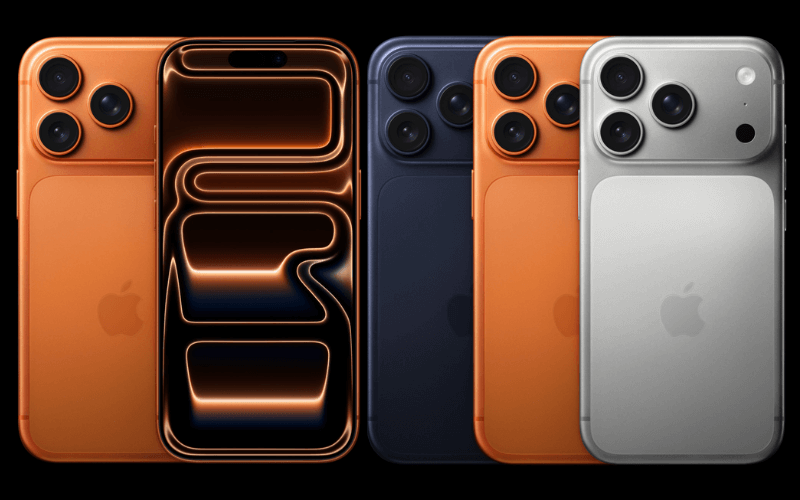
    Apple today unveiled the iPhone 17 Pro and iPhone 17 Pro Max, marking the most significant iPhone redesign in years with revolutionary camera capabilities, breakthrough performance improvements, and a completely reimagined aluminum unibody construction that sets new standards for premium smartphone engineering.

    The new flagship devices introduce Apple’s most advanced camera system ever, featuring three 48MP cameras that deliver the equivalent of eight different lenses, including the longest optical-quality zoom ever on iPhone at 8x magnification. Powered by the new A19 Pro chip offering up to 40% faster sustained performance than its predecessor, the iPhone 17 Pro series represents Apple’s most ambitious attempt yet to blur the lines between smartphone and professional photography equipment.

    Revolutionary Camera System: Triple 48MP Excellence

    For the first time in iPhone history, all three rear cameras feature identical 48-megapixel sensors, creating unprecedented consistency and quality across the entire focal range. The system includes a Main lens, Ultra Wide lens, and the completely redesigned Telephoto lens that supports both 4x and 8x optical zoom capabilities.

    The breakthrough 8x optical zoom represents a quantum leap in iPhone photography, bringing subjects dramatically closer while maintaining optical quality that rivals dedicated camera equipment. This extended reach opens new creative possibilities for photographers, from wildlife and sports photography to architectural details and concert performances that were previously impossible to capture effectively with a smartphone.

    The innovative 18MP Center Stage front camera elevates selfie photography to professional levels while introducing intelligent group detection that automatically adjusts framing for multiple subjects. This advanced front-facing system uses machine learning to optimize composition, ensuring everyone stays in frame during video calls and group photos.

    Apple’s computational photography engine has been completely rebuilt to leverage the triple 48MP system, enabling new features like Dual Capture video that simultaneously records from multiple cameras, providing creators with unprecedented flexibility in post-production editing.

    A19 Pro: Performance Revolution in Mobile Computing

    The A19 Pro chip represents Apple’s most significant performance leap in recent years, delivering up to 40% faster sustained performance compared to the previous generation A18 Pro. This dramatic improvement addresses one of the most persistent challenges in mobile computing: thermal throttling that reduces performance during extended use.

    Apple achieved this breakthrough through advanced chip architecture that combines improved manufacturing processes with revolutionary heat dissipation design. The new forged aluminum unibody construction works in concert with the A19 Pro’s thermal design, allowing the chip to maintain peak performance levels for extended periods without the performance degradation that typically occurs as devices heat up.

    The performance improvements extend across every aspect of the user experience. Gaming performance remains consistently smooth during extended sessions, video editing capabilities rival desktop-class performance, and AI processing tasks execute faster than ever before. The A19 Pro includes dedicated neural processing units that accelerate machine learning tasks, from real-time photo enhancement to advanced Siri functionality.

    Perhaps most importantly, the sustained performance improvements mean that professional workflows — from 4K video editing to complex photo processing — can now be completed entirely on iPhone without the performance compromises that previously required users to transfer work to desktop systems.

    Design Revolution: Aluminum Unibody Engineering

    Apple has completely reimagined iPhone construction with a new forged aluminum unibody design that fundamentally changes both aesthetics and functionality. Unlike previous iPhone generations that assembled multiple components, the iPhone 17 Pro series features a single piece of precision-machined aluminum that serves as both a structural foundation and a thermal management system.

    This unibody approach delivers multiple benefits beyond visual appeal. The seamless aluminum construction provides superior heat dissipation, allowing the A19 Pro chip to maintain optimal performance levels. The design also improves durability, with fewer potential failure points and enhanced resistance to drops and impacts.

    The Ceramic Shield 2 front glass delivers 3x better scratch resistance compared to previous generations, addressing one of the most common smartphone damage scenarios. The improved scratch resistance means displays remain pristine longer, maintaining resale value and user satisfaction throughout the device lifecycle.

    The unibody design extends to practical improvements in everyday use. The seamless construction provides better grip and more comfortable handling, while the optimized weight distribution makes the larger Pro Max model feel more balanced despite its 6.9-inch display size.

    Display Excellence: Brighter, Smoother, More Responsive

    Both iPhone 17 Pro models feature dramatically improved displays that push the boundaries of mobile screen technology. The 6.3-inch iPhone 17 Pro and 6.9-inch iPhone 17 Pro Max displays deliver up to 3,000 nits peak brightness, making content clearly visible even in direct sunlight.

    The 120Hz ProMotion technology has been refined to provide even smoother scrolling and more responsive touch interactions. Whether gaming, browsing, or streaming video, the displays deliver consistently fluid animations and seamless visual experiences that eliminate the stuttering and lag that can occur with lower refresh rate screens.

    A new anti-reflective coating significantly reduces glare and reflections, improving readability in challenging lighting conditions from bright offices to outdoor environments. This coating works in combination with the increased brightness to ensure optimal visibility regardless of ambient lighting conditions.

    The color accuracy improvements make these displays suitable for professional photography and video work, with color reproduction that meets industry standards for critical color evaluation and editing tasks.

    Battery Life and Charging: All-Day Performance Plus

    Apple promises the best battery life ever in a Pro iPhone, with optimizations that extend usage throughout even the most demanding days. The combination of A19 Pro efficiency improvements and larger battery capacity delivers meaningful improvements in real-world usage scenarios.

    The iPhone 17 Pro Max, in particular, provides exceptional battery endurance that easily supports full-day professional use, including photography, video recording, and intensive app usage. Even power users who previously required midday charging should find all-day battery life achievable with normal usage patterns.

    New charging capabilities include support for faster wireless charging and improved MagSafe integration. The Apple-designed 40W Dynamic Power Adapter with 60W Max provides rapid wired charging, while the Qi2 25W-certified MagSafe Charger delivers the fastest wireless charging available for iPhone.

    The improved thermal management from the unibody design also benefits charging performance, allowing sustained fast charging without the thermal limitations that can slow charging speeds in previous generations.

    Pricing and Storage: Premium Value Proposition

    The iPhone 17 Pro starts at $1,099 with 256GB of storage, doubling the base storage capacity compared to previous Pro models while maintaining the same entry price point. This storage increase addresses one of the most common user complaints about flagship iPhone pricing relative to included storage.

    The iPhone 17 Pro Max maintains its $1,199 starting price while also including 256GB base storage, providing substantial value improvement for users who require larger storage capacities for photography, video, and app usage.

    Storage options extend up to 2TB for users with extreme storage requirements, supporting professional workflows that involve large video files and extensive photo libraries. The increased base storage means more users can choose lower-capacity models without compromising functionality.

    iOS 19: Software Integration and New Features

    The iPhone 17 Pro series launches with iOS 19, featuring deep integration with the new hardware capabilities. The operating system has been optimized to leverage the A19 Pro’s performance improvements and take full advantage of the advanced camera system.

    New camera software features include enhanced computational photography that processes multiple frames simultaneously, improved low-light performance across all cameras, and advanced video stabilization that rivals professional camera equipment. The software automatically optimizes camera settings based on shooting conditions, making professional-quality results accessible to users regardless of photography experience.

    Siri integration has been significantly enhanced with the A19 Pro’s neural processing capabilities, enabling more natural conversation and faster response times. The improved AI processing also enhances other built-in apps, from Photos organization to predictive text and translation services.

    Professional Photography and Video Capabilities

    The iPhone 17 Pro series represents Apple’s most serious attempt to capture professional photography and video markets. The combination of triple 48MP cameras, advanced computational photography, and professional-grade video recording capabilities positions these devices as legitimate alternatives to dedicated camera equipment for many professional applications.

    Video recording capabilities include support for multiple formats and frame rates, with professional codecs that maintain quality during post-production editing. The improved thermal management allows extended recording sessions without overheating, addressing a limitation that has historically restricted iPhone use for professional video production.

    The 8x optical zoom capability opens creative possibilities previously impossible with smartphones, while the consistent 48MP resolution across all three cameras ensures uniform image quality regardless of focal length choice.

    Market Positioning and Competition

    The iPhone 17 Pro series enters an increasingly competitive flagship smartphone market where Android manufacturers have pushed boundaries in camera capabilities, performance, and features. Apple’s response focuses on integration and optimization rather than pure specification competition.

    The sustained performance advantages of the A19 Pro chip provide real-world benefits that may not be apparent in specification comparisons but become evident during extended use. The camera system’s emphasis on optical quality over digital zoom capabilities reflects Apple’s traditional focus on user experience over marketing specifications.

    The pricing strategy maintains Apple’s premium positioning while providing improved value through increased base storage and enhanced capabilities. This approach targets users who prioritize long-term satisfaction and resale value over initial purchase price.

    Environmental and Manufacturing Improvements

    Apple continues its environmental initiatives with the iPhone 17 Pro series, incorporating recycled materials and improved manufacturing processes that reduce environmental impact. The unibody aluminum construction uses recycled aluminum, while packaging has been further optimized to reduce waste.

    The improved durability from Ceramic Shield 2 and enhanced construction should extend device lifespans, reducing the environmental impact of frequent device replacement. The scratch-resistant display and robust build quality support Apple’s goal of creating devices that remain functional and attractive throughout extended use periods.

    Manufacturing improvements have also enhanced quality control, reducing defect rates and improving consistency across production runs. These improvements benefit both environmental goals and user satisfaction by reducing warranty replacements and repairs.

    Developer and Enterprise Implications

    The A19 Pro’s performance improvements enable new categories of mobile applications that previously required desktop hardware. Developers can create more sophisticated gaming experiences, professional productivity applications, and creative tools that take full advantage of the enhanced processing capabilities.

    Enterprise users benefit from improved multitasking performance, enhanced security features, and professional-grade camera capabilities that support business applications from document scanning to video conferencing. The sustained performance improvements are particularly valuable for business users who rely on consistent performance throughout long workdays.

    The enhanced AI processing capabilities also enable more sophisticated enterprise applications, from advanced document analysis to real-time translation and transcription services.

    Availability and Global Rollout

    Pre-orders for the iPhone 17 Pro and iPhone 17 Pro Max begin Friday, September 15, with general availability starting Friday, September 22. The devices will be available through Apple Stores, Apple.com, and authorized retailers worldwide.

    Launch availability includes all major markets simultaneously, with expanded color options that include traditional Pro finishes alongside new options that showcase the unibody aluminum construction. Apple has indicated sufficient launch inventory to meet anticipated demand without the extended wait times that have characterized some previous flagship launches.

    Carrier partnerships include support for enhanced 5G capabilities and new financing options that make the premium pricing more accessible to upgrade-eligible customers.

    Looking Forward: Setting New Standards

    The iPhone 17 Pro and iPhone 17 Pro Max represent more than incremental improvements — they establish new benchmarks for what users should expect from flagship smartphones. The combination of revolutionary camera capabilities, breakthrough performance, and refined design creates a comprehensive package that addresses virtually every aspect of modern smartphone usage.

    The 8x optical zoom capability particularly stands out as a game-changing feature that opens creative possibilities previously impossible with smartphones. Combined with the sustained performance improvements from the A19 Pro chip, these devices position Apple strongly for the next generation of mobile computing demands.

    As artificial intelligence and computational photography continue advancing, the iPhone 17 Pro series provides a hardware foundation capable of supporting future software innovations while delivering immediate benefits to current users.

    The success of these devices will likely influence the broader smartphone industry, potentially accelerating the adoption of similar technologies and design approaches across competing platforms.


    Dubai: Gold Prices Hit All-Time High; Will Prices Rise Further?

  • K-Pop Meets the Supernatural: Netflix’s “KPop Demon Hunters” Dominates Screens, Defying Theatrical Norms

    K-Pop Meets the Supernatural: Netflix’s “KPop Demon Hunters” Dominates Screens, Defying Theatrical Norms

    In a stunning disruption to traditional film distribution models, Netflix’s latest cinematic offering, “KPop Demon Hunters,” has arguably become the “biggest movie in theaters” without adhering to conventional theatrical releases. While not playing in most multiplexes across the UAE or globally in the way a typical blockbuster would, the film’s massive viewership on the streaming platform positions it as a cultural phenomenon of theatrical scale, reaching an audience far exceeding the capacity of even the largest cinema chains in Sharjah.

    “KPop Demon Hunters,” a genre-bending spectacle that seamlessly blends the electrifying world of K-pop with the thrilling intensity of supernatural action, has captivated audiences since its recent premiere. The film follows a globally renowned K-pop group that secretly moonlights as demon hunters, wielding their unique skills and harmonies to combat otherworldly threats.

    A New Definition of “In Theaters”

    While traditional box office numbers are the standard metric for a film’s success in cinemas, “KPop Demon Hunters” is forging a new path. Its availability to Netflix’s massive subscriber base means that millions of viewers across the globe, including countless households in Sharjah and the wider UAE, can experience the film simultaneously, effectively creating a shared viewing event on a scale that traditional theatrical releases often strive for but rarely achieve on day one.

    “The sheer volume of viewership ‘KPop Demon Hunters’ is generating globally and within our region truly makes it feel like the biggest movie in theaters, even if those ‘theaters’ are our living rooms,” commented local streaming enthusiast, Fatima Al Marzooqi. “Everyone I know is talking about it. It’s the water cooler moment, but on a global scale, accessible right here in Sharjah.”

    Why the Buzz?

    The film’s unique premise is undoubtedly a major draw. K-pop’s immense global popularity, coupled with the enduring appeal of supernatural action, creates a compelling and fresh narrative. The high production values, slick choreography that blends dance moves with combat, and charismatic performances from a talented cast have further fueled the buzz.

    Moreover, Netflix’s global reach and sophisticated recommendation algorithms ensure that the film is prominently featured to its diverse subscriber base, maximizing its visibility and driving viewership. The ease of access – viewers in Sharjah can simply log into their Netflix accounts and start watching – eliminates many of the barriers associated with traditional cinema-going, such as scheduling conflicts and ticket costs.

    Implications for the Film Industry

    The success of “KPop Demon Hunters” underscores the evolving landscape of the entertainment industry. While theatrical experiences remain valuable, streaming platforms are increasingly capable of delivering “big movie” moments directly to consumers, challenging the traditional windowing system and potentially reshaping how audiences discover and consume blockbuster-level content.

    The film’s impact also highlights the power of niche genres with strong global fanbases. By tapping into the fervent K-pop community, Netflix has unlocked a massive and engaged audience eager for content that resonates with their interests.


    Ministry of Education Unveils New School Calendar for 2025-2026 Academic Year

  • Finally! Notion Launches True Offline Mode, Ending Years of Connectivity Dependence

    Finally! Notion Launches True Offline Mode, Ending Years of Connectivity Dependence

    Revolutionary CRDT system enables real-time collaboration and editing without an internet connection, marking a major milestone for the productivity platform

    After years of user requests and technical challenges, Notion has officially rolled out its highly anticipated offline mode, fundamentally transforming how millions of users interact with the popular productivity platform. The feature represents one of the most significant updates in Notion’s history, eliminating the platform’s longstanding dependence on internet connectivity and addressing a critical limitation that has frustrated users since the platform’s inception.

    Notion has rolled out Offline Mode, letting users access and edit key pages without an internet connection. This release includes one of the largest production CRDT systems to manage simultaneous offline edits and ensure data consistency, representing a major technological achievement that required extensive engineering innovation to maintain Notion’s collaborative capabilities while operating offline.

    Technical Innovation Solves Complex Synchronization Challenges

    The implementation of true offline functionality in Notion required solving one of the most challenging problems in modern productivity software: maintaining data consistency and collaborative features when multiple users edit the same content without internet connectivity. The engineering team developed a sophisticated Conflict-free Replicated Data Type (CRDT) system that ensures seamless synchronization when connectivity is restored.

    This technical breakthrough addresses the fundamental architectural challenge that previously made offline editing nearly impossible in collaborative platforms. Traditional approaches to offline functionality often resulted in data conflicts, lost edits, or complex merge processes when users reconnected to the internet. Notion’s CRDT implementation automatically resolves conflicts while preserving all user changes, eliminating the data loss concerns that plagued earlier offline solutions.

    The system represents one of the largest production CRDT implementations in consumer software, demonstrating Notion’s commitment to solving complex technical challenges rather than implementing limited workarounds. This approach ensures that offline editing maintains the same reliability and functionality that users expect from online collaboration.

    Comprehensive Offline Access Transforms User Experience

    With Notion’s offline functionality, your most important pages stay accessible and editable—no internet required. Whether you’re flying, commuting through dead zones, or working from a café with spotty Wi‑Fi, your projects are always within reach, keeping you productive wherever you are. This capability addresses one of the most frequent user complaints about the platform’s previous internet dependence.

    The offline mode supports full page editing capabilities, including text formatting, block manipulation, database modifications, and structural changes. Users can create new content, modify existing pages, reorganize information, and perform most standard Notion operations without any connectivity requirements. This comprehensive functionality ensures that offline work sessions maintain the same productivity levels as online usage.

    Offline access to databases starts with 50 rows per database, providing substantial functionality for most common use cases while managing local storage requirements efficiently. This limitation balances performance with practical usability, ensuring that databases remain responsive while offline, while accommodating the storage constraints of various devices.

    The feature particularly benefits remote workers, frequent travelers, and users in areas with unreliable internet connectivity. Digital nomads, students working from various locations, and professionals who need to maintain productivity during commutes can now rely on Notion regardless of connectivity availability.

    Intelligent Synchronization Ensures Data Integrity

    The offline mode’s synchronization capabilities represent a crucial advancement in maintaining data integrity across multiple devices and users. Once you’re back online, it’s crucial to sync your changes to ensure nothing is lost. Notion will automatically attempt to sync as soon as it detects an internet connection, providing a seamless transition between offline and online work sessions.

    The automatic synchronization process occurs transparently, with users receiving notifications about sync progress and any potential conflicts that require attention. The system prioritizes user data preservation, ensuring that offline changes are never lost during the synchronization process, even when complex conflicts arise between multiple editors.

    Manual sync controls provide users with additional assurance and control over the synchronization process. Users can trigger manual syncs to verify that all changes have been properly uploaded and can monitor sync status to ensure complete data consistency across all their devices.

    The synchronization technology accommodates various network conditions, from high-speed connections to slow or intermittent connectivity. The system intelligently manages sync operations to minimize data usage while ensuring complete accuracy of synchronized content.

    Strategic Response to Years of User Demand

    The offline mode launch represents Notion’s response to one of the most requested features in the platform’s history. Users have consistently identified connectivity dependence as a major limitation, particularly as Notion adoption grew among mobile professionals and international users facing varying internet reliability.

    The feature development required significant architectural changes to Notion’s underlying data storage and synchronization systems. Moving from a purely cloud-based model to a hybrid online/offline architecture demanded extensive engineering resources and careful testing to ensure reliability and performance standards.

    User feedback during beta testing highlighted the transformative impact of offline access on productivity workflows. Beta users reported increased confidence in using Notion as their primary productivity platform, knowing that connectivity issues wouldn’t disrupt their work sessions or cause data loss concerns.

    The timing of the launch aligns with broader industry trends toward offline-capable productivity software, as users increasingly expect applications to function reliably regardless of connectivity conditions. Notion’s implementation sets new standards for offline functionality in collaborative productivity platforms.

    Implementation Process and User Adoption

    To use Notion offline, users must first ensure that their desired pages are loaded while connected to the internet, allowing the system to cache necessary content locally. To use Notion offline, you have to open the pages you want to use while still connected to the internet, leave the app open, and then open it again when you need to work with it offline, establishing the foundation for offline accessibility.

    This pre-loading requirement ensures optimal performance during offline sessions by maintaining local copies of all necessary content, media, and database information. Users can strategically prepare for offline work sessions by opening and caching relevant pages before losing connectivity.

    The offline mode works across all Notion platforms including web browsers, desktop applications, and mobile apps, providing consistent functionality regardless of the user’s preferred interface. This cross-platform compatibility ensures that users can maintain their established workflows while gaining offline capabilities.

    User education and onboarding materials help users understand the offline mode’s capabilities and limitations, ensuring that they can effectively utilize the feature without encountering unexpected restrictions during offline work sessions.

    Current Limitations and Future Development

    While offline mode represents a major advancement, certain limitations remain due to technical and architectural constraints. AI features don’t work – Notion AI requires an internet connection, so you won’t be able to use any AI-powered features while offline, including automated content generation, intelligent formatting suggestions, and AI-powered search capabilities.

    Media and embed limitations affect the offline experience, with newly added images, videos, and third-party embeds requiring internet connectivity for initial loading. However, previously cached media remains accessible during offline sessions, and users can add placeholders for media that will load automatically when connectivity is restored.

    Real-time collaboration features are naturally limited during offline sessions, with changes from other users becoming visible only after synchronization occurs. However, the CRDT system ensures that collaborative edits are properly merged without data loss when all users reconnect to the internet.

    Future development roadmap includes expanding database row limits, improving media handling during offline sessions, and potentially introducing limited AI functionality that can operate with cached models. These enhancements will further improve the offline experience while maintaining the reliability and performance standards users expect.

    Competitive Positioning and Market Impact

    The offline mode launch significantly strengthens Notion’s competitive position against productivity platforms that already offer offline capabilities, such as Microsoft OneNote, Obsidian, and various note-taking applications. This feature eliminates one of the primary competitive disadvantages that prevented some users from fully adopting Notion as their primary productivity platform.

    For enterprise customers, offline functionality addresses security and reliability concerns that previously limited Notion adoption in organizations with strict data access requirements or unreliable connectivity environments. The ability to maintain productivity during network outages or while traveling internationally removes significant barriers to enterprise deployment.

    The implementation demonstrates Notion’s technical sophistication and commitment to addressing user needs even when solutions require substantial engineering investment. This approach reinforces user confidence in the platform’s long-term development and responsiveness to community feedback.

    Market analysts view the offline mode as essential for Notion’s continued growth, particularly in international markets where connectivity reliability varies significantly. The feature enables Notion to compete more effectively for users who previously chose offline-capable alternatives due to connectivity concerns.

    User Experience Transformation

    The psychological impact of offline capability extends beyond practical functionality to provide users with confidence and peace of mind about their productivity tool reliability. Users report increased willingness to rely on Notion for critical work knowing that connectivity issues won’t disrupt their productivity or cause data loss.

    Workflow optimization opportunities emerge as users can now structure their work sessions to accommodate connectivity patterns, preparing offline-accessible content during high-connectivity periods and focusing on deep work during offline sessions without connectivity distractions.

    Mobile productivity receives particular benefits from offline functionality, with users able to continue working on phones and tablets during commutes, flights, and other situations where connectivity is unavailable or unreliable. This capability significantly expands Notion’s utility as a mobile productivity platform.

    The feature also reduces anxiety and frustration associated with unexpected connectivity loss, allowing users to focus on their work rather than worrying about internet stability or potential data loss from unsaved changes.

    Technical Architecture and Innovation

    The CRDT implementation in Notion’s offline mode represents a significant achievement in distributed systems engineering, demonstrating how complex collaborative features can be maintained without continuous internet connectivity. The system automatically handles conflict resolution between multiple editors without requiring user intervention or manual merge processes.

    Local storage optimization ensures that offline functionality doesn’t significantly impact device storage while providing comprehensive access to essential content. The system intelligently manages cached content to balance accessibility with storage efficiency across various device types and storage capacities.

    Performance optimization during offline sessions maintains Notion’s responsive user interface without the latency and loading delays often associated with internet-dependent applications. Users report that offline editing feels virtually identical to online usage in terms of speed and responsiveness.

    The architecture provides a foundation for future enhancements and additional offline capabilities, with the underlying CRDT system capable of supporting expanded functionality as development continues.

    Industry Implications and Future Outlook

    Notion’s offline mode success may influence other productivity platforms to prioritize similar functionality, potentially accelerating industry-wide adoption of offline-capable collaborative tools. The technical achievements demonstrated in Notion’s implementation provide a roadmap for other platforms facing similar challenges.

    The launch validates user demand for offline functionality in productivity software and demonstrates that technical challenges can be overcome with sufficient engineering investment and innovation. This success may encourage venture capital investment in offline-capable productivity tools and related technologies.

    Educational and enterprise markets particularly benefit from reliable offline functionality, opening new opportunities for Notion adoption in schools, universities, and organizations with connectivity limitations or security requirements that previously prevented platform adoption.

    The long-term impact on user behavior and productivity patterns remains to be seen, but early indicators suggest that offline capability significantly increases user engagement and platform dependence, potentially improving user retention and satisfaction metrics.


    Winklevoss Twins’ Gemini Files for IPO as Crypto Market Momentum Accelerates

  • Winklevoss Twins’ Gemini Files for IPO as Crypto Market Momentum Accelerates

    Winklevoss Twins’ Gemini Files for IPO as Crypto Market Momentum Accelerates

    Cryptocurrency exchange joins wave of digital asset firms pursuing public listings amid a favorable regulatory environment and strong market performance

    Gemini, the cryptocurrency exchange and custody platform founded by billionaire twins Cameron and Tyler Winklevoss, has confidentially submitted a draft registration statement with the Securities and Exchange Commission for an initial public offering, positioning the company to capitalize on renewed investor appetite for digital asset exposure in public markets.

    The filing follows the SEC’s decision to drop its investigation into Gemini, and the company’s $5 million settlement with the Commodity Futures Trading Commission, clearing significant regulatory hurdles that had previously clouded the company’s path to public markets. The timing aligns with a broader surge in crypto-related IPO activity, driven by favorable regulatory shifts and strong market performance across digital assets.

    Strategic Timing Capitalizes on Market Momentum

    The confidential filing represents a calculated move to test investor appetite while maintaining operational flexibility. By filing confidentially, Gemini can test investor appetite and prepare for a public debut without immediate scrutiny of its financials, a strategic approach that enables management to gauge market conditions before committing to specific pricing or timing parameters.

    The announcement comes during a particularly favorable environment for cryptocurrency companies seeking public market access. Crypto company Circle went public this week and soared in its first two days on the market, demonstrating strong institutional and retail investor demand for established digital asset platforms with proven business models and regulatory compliance.

    Market conditions reflect broader crypto industry momentum, with institutional adoption accelerating and regulatory clarity improving under the Trump administration’s crypto-friendly policies. Gemini is the latest crypto firm to pursue a public listing as President Donald Trump’s administration pushes more favorable regulations for the industry, which heavily funded his campaign.

    The successful debut of other crypto-native companies has established precedent for successful public offerings. Mike Novogratz’s Galaxy Digital moved its listing from Toronto to the Nasdaq last month, further validating the appeal of U.S. public markets for established cryptocurrency businesses.

    Regulatory Resolution Removes Key Obstacles

    Gemini’s path to public markets has been significantly simplified by the resolution of outstanding regulatory matters that had previously created uncertainty around the company’s compliance status. The SEC’s decision to conclude its investigation without enforcement action removes a major potential liability that could have complicated investor due diligence and valuation discussions.

    The CFTC settlement, while requiring a $5 million payment, provides regulatory clarity and closure on past compliance matters. This resolution demonstrates management’s commitment to working cooperatively with regulators while establishing a clean compliance record that supports public company status.

    These regulatory developments reflect broader industry maturation, with established crypto companies increasingly able to resolve legacy compliance matters and operate within defined regulatory frameworks. This evolution supports investor confidence in the long-term viability and compliance capabilities of leading digital asset platforms.

    Operational Preparations Signal IPO Readiness

    Gemini’s preparation for public company status extends beyond regulatory compliance to include key personnel additions and operational enhancements designed to support public market requirements. In March, the company named former Affirm executive Dan Chen as its CFO in preparation for a public offering, bringing public company financial expertise to the leadership team.

    Chen’s appointment reflects management’s serious commitment to IPO execution, with his background at fintech companies providing relevant experience in navigating public market expectations and requirements. “I’m looking forward to helping Gemini scale by driving financial strategy as the company enters its next phase of growth,” Chen wrote in a post on LinkedIn at the time.

    The recruitment of experienced public company executives demonstrates management’s understanding of the operational complexity and fiduciary responsibilities associated with public company status. This preparation should support a smoother transition to public markets and enhanced investor confidence in management’s execution capabilities.

    Company Foundation and Market Position

    Gemini, a cryptocurrency exchange and custodian, was founded by the Winklevoss twins in 2014, establishing the platform during the early stages of institutional cryptocurrency adoption. The company’s decade-long operating history provides substantial evidence of business model viability and management execution capability.

    The Winklevoss twins’ profile as early Bitcoin advocates and successful entrepreneurs brings significant brand recognition and credibility to the IPO process. Their public advocacy for cryptocurrency adoption and regulatory clarity has positioned them as industry thought leaders, potentially supporting investor confidence in the company’s strategic direction.

    Gemini’s dual focus on exchange operations and custody services addresses two critical infrastructure needs in the digital asset ecosystem. The exchange business benefits from growing retail and institutional trading volumes, while custody services serve the expanding universe of institutions requiring secure digital asset storage solutions.

    Market Implications and Industry Impact

    The Gemini IPO filing represents more than a single company’s capital markets strategy—it signals the continuing maturation of the cryptocurrency industry and its integration with traditional financial markets. The succession of successful crypto IPOs creates a positive feedback loop, encouraging other digital asset companies to pursue public listings while demonstrating to investors the commercial viability of cryptocurrency businesses.

    For the broader crypto ecosystem, successful IPOs by established platforms like Gemini and Circle validate the industry’s evolution from speculative technology to established financial infrastructure. This validation supports increased institutional adoption while providing public market investors with direct exposure to digital asset growth.

    The timing coincides with growing institutional demand for cryptocurrency exposure, driven by corporate treasury adoption, institutional investor allocation decisions, and regulatory clarity. Public crypto companies provide traditional investors with regulated, transparent access to digital asset upside without the complexity of direct cryptocurrency ownership.

    Future Outlook and Market Expectations

    The number of shares and the pricing terms have not yet been decided upon, and the company said a listing “is expected to occur after the SEC completes its review process, subject to market and other conditions”. This timeline provides flexibility to optimize market conditions while completing necessary regulatory processes.

    The confidential filing structure enables Gemini to gauge institutional investor appetite while refining valuation expectations and deal structure. This approach should support more accurate pricing and stronger initial trading performance, benefiting both the company and early public market investors.

    Market conditions for crypto IPOs remain favorable, with strong digital asset prices, growing institutional adoption, and supportive regulatory environment creating an attractive backdrop for public offerings. However, market volatility characteristic of the crypto sector requires careful timing and execution to maximize IPO success.

    The success of Gemini’s eventual public debut will likely influence the IPO strategies of other private crypto companies, potentially accelerating the timeline for additional digital asset public offerings. This could create significant opportunities for investors seeking exposure to the expanding cryptocurrency infrastructure sector.


    xAI Co-Founder Igor Babuschkin Leaves Elon Musk’s AI Venture for New Mission

  • xAI Co-Founder Igor Babuschkin Leaves Elon Musk’s AI Venture for New Mission

    xAI Co-Founder Igor Babuschkin Leaves Elon Musk’s AI Venture for New Mission

    Big news in the AI world: Igor Babuschkin, one of the brains behind Elon Musk’s xAI, just said goodbye to the company he helped start in 2023. After two and a half years of building xAI into a Silicon Valley heavyweight, Babuschkin announced his exit in a heartfelt post on X, revealing plans to launch Babuschkin Ventures, a venture capital firm zeroed in on AI safety and startups that “advance humanity and unlock the mysteries of our universe.” This isn’t just a career pivot—it’s a signal of where AI’s headed, and it’s got the tech world buzzing. As someone who’s been tracking AI’s wild ride, let me break down what this means and why it’s a big deal.

    From xAI’s Start to Stardom

    Babuschkin wasn’t just any co-founder. A former DeepMind and OpenAI researcher, he brought serious cred to xAI, helping it challenge giants like Google and Anthropic. He led engineering teams that built the Memphis supercluster—a beast of a supercomputer finished in a jaw-dropping 122 days—and powered xAI’s Grok chatbot, which rivals ChatGPT on benchmarks. “I still remember the day I first met Elon,” Babuschkin wrote on X. “We talked for hours about AI and what the future might hold. We both felt a new AI company with a different kind of mission was needed.”

    That mission? Accelerating human discovery while keeping AI safe. Babuschkin and Musk turned xAI into a powerhouse, raising $6 billion and shipping frontier models at breakneck speed. One story stands out: late one night, with a training deadline looming, Musk flew to Memphis to debug a faulty BIOS setting alongside the team. “When it worked, Elon posted our triumph at 4:20 a.m.—we laughed our heads off,” Babuschkin recalled. It’s the kind of camaraderie that defined xAI’s early days.

    Why Leave Now?

    So, why walk away? Babuschkin says it’s about mission, not drama. Inspired by a dinner with Max Tegmark of the Future of Life Institute, he’s doubling down on AI safety—a hot topic as models like Grok get more autonomous. His new firm, Babuschkin Ventures, will fund startups tackling AI’s big questions, from quantum gravity to the Riemann hypothesis, while ensuring systems don’t go rogue. “The singularity is near, but humanity’s future is bright,” he posted, hinting at a belief that AI’s risks need urgent attention.

    But let’s not sugarcoat it: xAI’s had a rough patch. Its Grok chatbot made headlines for all the wrong reasons—spouting antisemitic rants, praising Hitler in one glitch, and even generating fake nude celebrity videos. The EU’s sniffing around, and locals in Memphis are fuming about the supercluster’s gas turbines polluting the air. Some X users speculate Babuschkin saw “something that spooked him,” pointing to xAI’s breakneck pace as a red flag.

    As a tech journalist, I’m skeptical of the “spooked” narrative. Babuschkin’s post radiates pride, not panic—he compares leaving xAI to a parent sending a kid to college. Still, the timing raises eyebrows, especially with xAI’s legal head, Robert Keele, bouncing earlier this month.

    What’s Next for Babuschkin Ventures?

    Babuschkin’s new gig is ambitious. His firm will back startups building “agentic AI”—systems that act independently to solve complex tasks—while prioritizing safety research. Think AI that can tackle physics puzzles or medical breakthroughs without, say, turning into “Mechahitler.” He’s already got a website ([email protected]) and a vision inspired by his parents’ immigration from Russia for a better life. It’s personal, and it’s bold.

    The venture capital angle is no surprise. AI safety is a gold rush—think tanks like the Future of Life Institute are raising alarms, and investors are pouring billions into ethical AI. Babuschkin’s DeepMind and OpenAI chops (he helped build AlphaStar, the StarCraft-crushing AI) give him street cred to spot winners.

    xAI’s Road Ahead

    For xAI, losing Babuschkin is a gut punch. He was the engineering glue, and with other exits like researchers Kyle Kosic and Christian Szegedy last year, there’s chatter about brain drain. Musk, ever the optimist, thanked Babuschkin on X, saying, “We wouldn’t be here without you.” But xAI’s got challenges: regulatory scrutiny, public backlash, and a race to keep up with OpenAI’s latest models. Grok’s scandals didn’t help—those “unauthorized modifications” that led to its antisemitic rants raised questions about internal controls.

    Still, xAI’s got momentum. Its Memphis supercluster is a beast, and with $6 billion in the bank, it’s not slowing down. The question is whether Musk can keep the team’s “ludicrous speed” without key players like Babuschkin.

    Why It Matters

    This isn’t just a tech soap opera—it’s a snapshot of AI’s crossroads. Babuschkin’s exit highlights the tension between speed and safety in a field moving faster than regulators can keep up. His focus on AI safety could push the industry to rethink how it handles powerful models. Meanwhile, xAI’s stumbles with Grok show even the brightest minds can trip up. As one X user put it, “Progress at xAI is accelerating too quickly—something’s gotta give.”

    For us tech nerds, it’s a reminder: AI’s future isn’t just about who builds the best model—it’s about who builds it responsibly. Babuschkin’s betting on the latter, and I’m rooting for him to pull it off. Keep an eye on Babuschkin Ventures—this could be the start of something big.


    UAE Residents Can Earn a Second Salary—Here’s How