Category: Editor’s Pick

Discover the most compelling and thought-provoking articles carefully curated by our experienced editorial team in GulfInsight360.com’s Editor’s Pick category. Dive into a collection of top-notch content that covers a wide range of topics, including current affairs, trending stories, in-depth analyses, exclusive interviews, and captivating features. With our Editor’s Pick, you can stay up to date with the most engaging and influential stories that make an impact on the world. Trust our editors to handpick the most noteworthy articles that deserve your attention.

  • Great News for xAI: Grok Now Excels at Answering Questions About Baldur’s Gate

    Great News for xAI: Grok Now Excels at Answering Questions About Baldur’s Gate

    In a move that signals rapid development in xAI’s conversational capabilities, users have begun noticing that Grok, the AI chatbot integrated with X (formerly Twitter), has grown impressively adept at discussing the intricacies of Baldur’s Gate, one of the most beloved RPG franchises in gaming history.

    What started as a simple test of Grok’s general trivia handling has turned into a benchmark for how far xAI’s model has come. Gamers and tech enthusiasts alike report that Grok now provides nuanced, lore-rich responses to questions that even seasoned players sometimes struggle with. Whether it’s explaining the alignment system, detailing the story arcs of companions like Astarion or Shadowheart, or comparing class builds based on D&D mechanics, Grok reportedly delivers contextually accurate and personality-aware responses.

    This improvement didn’t happen overnight. Since its launch, xAI has been pushing frequent model updates aimed at strengthening Grok’s reasoning and domain adaptation. The latest versions integrate feedback from X users participating in Grok’s growing beta community, blending crowdsourced data with LLM fine-tuning to produce more grounded answers.

    Elon Musk has repeatedly positioned xAI as a transparent, open alternative to closed AI models from OpenAI or Anthropic. Grok’s newfound depth in game-based responses showcases how xAI is tackling the vast challenge of generative intelligence through real-world cultural testing, whether that’s pop culture, science, or intricate fantasy worlds.

    The reception from the gaming community has been largely positive. Fans appreciate that Grok doesn’t just regurgitate wiki entries; it genuinely reasons through the game’s moral questions and mechanics. For example, when asked how player choices influence romance subplots, Grok now discusses emotional consequences within the game’s branching narratives, showing sensitivity to storytelling rather than just statistics.

    This signals a broader implication: xAI’s models are evolving from encyclopedic recall to authentic contextual comprehension. If AI assistants can handle the layered storytelling of Baldur’s Gate, they’re inching closer to understanding the kind of human-like nuance necessary for education, game design, and creative collaboration.

    For Musk and xAI, this is more than just trivia mastery; it’s a public relations win that proves the startup’s capability to compete in the crowded generative AI landscape. Grok’s success with Baldur’s Gate discussions could become a case study for measuring cultural literacy in large language models where technical accuracy meets emotional intelligence.

  • Meta to pilot premium subscriptions across Instagram, Facebook and WhatsApp

    Meta to pilot premium subscriptions across Instagram, Facebook and WhatsApp

    Meta plans to pilot premium subscription options on Instagram, Facebook and WhatsApp, marking its most ambitious test yet of paid features on platforms historically built around free access funded by advertising. The company is expected to roll out limited trials in select markets first, using them to gauge what users will actually pay for, how subscriptions affect engagement and whether the model can scale without alienating its billions of free users.

    Executives have long signalled that Meta wants “optionality” beyond ads, especially in Europe where privacy rules and forthcoming regulation limit the ways platforms can target users and combine data. Paid tiers on its flagship apps would extend experiments that began with offerings like Meta Verified, pushing the company closer to a hybrid model in which a small but lucrative slice of users pay for enhanced experiences while the wider base remains on an ad‑supported tier.

    What a premium Meta experience could look like

    Although the exact bundle will vary by app and test market, Meta’s premium offerings are likely to revolve around three broad themes: enhanced tools, extra control and visible status.

    On Instagram, paying users could see more advanced analytics, extra creative tools, better discovery for posts and Reels, or improved customer‑service features for creators and small businesses. On Facebook, premium might lean into group management, events, brand‑building tools and more granular audience insights, targeting power users who rely on the platform for community or commercial activity. For WhatsApp, where the core experience is simple messaging, a subscription is more likely to focus on business features enhanced chat automation, richer storefronts, multi‑agent support or expanded backups and device limits for heavy personal users.

    Across all three apps, Meta is almost certain to experiment with badge‑based status and prioritisation subtle visual markers and ranking boosts that make paid users more prominent in feeds, search, comments or inboxes. That formula, already tested via verification programmes, offers an easy way to differentiate tiers without technically removing features from the free product.

    Walking a fine line: free access and user trust

    The central challenge for Meta will be how far it can push subscriptions without undermining the expectation that its apps are free to use. The company has repeatedly stressed that it does not intend to put basic messaging, posting or viewing behind a paywall, instead framing subscriptions as optional upgrades for creators, businesses and power users who derive outsized value from the platforms.

    At the same time, users are wary of subtle shifts that make the free tier feel second‑class, whether through heavier ad loads, reduced reach or features that work noticeably better for paying customers. Meta will need to convince regulators and the public that premium tiers are genuinely additive rather than a way of nudging people into paying to preserve what they already had.

    This balancing act is especially delicate in Europe, where Meta’s recent “pay‑or‑consent” approach to ad‑free subscriptions has raised questions about whether people are being pushed into paying to protect their privacy. Any new subscription experiments will be scrutinised for how they handle data, targeting and cross‑app tracking.

    New revenue logic in a tougher ad market

    Behind the scenes, the subscription tests reflect a harsher reality: digital advertising is more volatile, more competitive and more regulated than it was when Facebook first rose to dominance. Apple’s tracking‑transparency changes have made it harder to target and measure ads on iOS, regulators are tightening rules around children and sensitive data, and younger users increasingly split their time across rivals like TikTok, YouTube and Snapchat.

    Subscriptions offer a way to capture more value from the most engaged slice of Meta’s audience while making revenue less dependent on the ad cycle. Even modest uptake can be meaningful at Meta’s scale: if a tiny percentage of its user base opts into a monthly fee, that could still amount to a multi‑billion‑dollar business line over time.

    For creators and businesses, a well‑designed premium layer could also formalise what many already pay for indirectly third‑party tools, agencies, or workarounds to manage communities and monetise audiences more effectively.

    A test of what users truly value

    If there is a silver lining for users, it’s that these trials will force Meta to put a clear price on specific features, revealing which parts of the experience the company itself believes are premium‑worthy. That transparency could sharpen the product on both sides: free tiers that focus on a clean, reliable core, and paid tiers that offer genuinely powerful tools rather than cosmetic perks.

    Success will depend less on how loudly Meta markets “premium” and more on how convincingly it can answer a simple question: what about Instagram, Facebook and WhatsApp is valuable enough that some people will actually pay for it? The coming tests will be the first big attempt to find out.

  • Saudi Arabia eyes broader ‘Gulf Green Card’ as it courts the ultra‑rich with expanded Premium Residency

    Saudi Arabia eyes broader ‘Gulf Green Card’ as it courts the ultra‑rich with expanded Premium Residency

    Saudi Arabia is weighing plans to extend the perks and eligibility of its Premium Residency programme to a broader set of wealthy and high‑profile foreigners, including ultra‑rich individuals and owners of super yachts, as it seeks fresh capital and expertise to fuel Vision 2030. People familiar with the discussions say one option on the table is to open a dedicated track for applicants with personal net assets of around $30 million, subject to vetting and recommendations from the Ministry of Investment.

    The move would build on a 2019 scheme that already allows affluent expatriates to obtain long‑term residency without a Saudi sponsor, sometimes dubbed the kingdom’s version of a “Gulf Green Card.” Officials see an expanded, more clearly tiered offer for the ultra‑wealthy as a way to lock in globally mobile capital at a time when Gulf neighbours are also sharpening their own golden‑visa programmes.

    Gulf Green Card: From executives and experts to yacht owners and rising stars

    According to reporting based on internal documents and policy discussions, the potential expansion would layer new categories onto an already diversified Premium Residency framework. In early 2024, the programme grew from two basic products, renewable and permanent, to seven distinct routes, covering highly skilled professionals, gifted individuals, investors, entrepreneurs, real‑estate owners and those willing to pay a direct non‑refundable contribution.

    The latest proposals would target:

    • Ultra‑high‑net‑worth individuals, pegged around the $30 million asset mark, with applications likely requiring endorsement from the investment ministry.
    • Owners of large luxury yachts, reflecting the kingdom’s push to make Red Sea destinations and new giga‑projects attractive to global leisure elites.
    • High‑achieving students and a broader range of entrepreneurs are expanding beyond current startup and high‑impact business tracks.​

    Draft timelines suggest new rules could be announced as early as April, though final decisions have not yet been taken, and criteria may shift as the package moves through the Saudi policy process.

    Existing ‘Gulf Green Card’ offers a menu of routes

    Even before any ultra‑rich expansion, Saudi Premium Residency has become a multi‑lane entry system into the kingdom for foreign investors and professionals. Key options include:

    • Unlimited (permanent) premium residency via a one‑time payment of SAR 800,000 (about $215,000).
    • Limited‑duration residency renewable annually for up to five years at SAR 100,000 (about $27,000) per year.
    • Entrepreneur residency, split into two bands, with SAR 400,000+ (≈$107,000) in startup funding for early‑stage founders or SAR 15 million+ (≈$4 million) and job‑creation obligations for high‑impact ventures.​
    • Real‑estate owner residency, requiring property worth at least SAR 4 million (≈$1.07 million), now eased by 2026 rules allowing foreigners to buy directly in major cities such as Riyadh and Jeddah.
    • Investor residency, tied to at least SAR 7 million (≈$1.87 million) in business investment and creation of 10 jobs.​
    • Special talent and gifted residencies for exceptional professionals and recognized figures in culture and sport, with options to convert medium‑term permits into permanent status if set conditions and minimum residence periods are met.

    Benefits common across the programme include permanent or long‑term residency without a local sponsor, the ability to own property under defined conditions, job mobility, and family sponsorship, alongside exemptions from certain labour-nationalization quotas for holders in “special talent” categories.

    A tool to lock in capital, skills and residency

    The contemplated ultra‑rich tier would sit atop this architecture, explicitly targeting the global wealthy who are increasingly shopping for residency options in the Gulf and beyond. For Riyadh, the calculation is that tying premium residency to substantial wealth, real‑estate ownership, and business investment can:

    • Anchor private capital inside the kingdom’s financial system
    • Support giga‑projects and new city developments by seeding affluent residents
    • Attract entrepreneurial and specialist talent that can accelerate economic diversification.

    Demand is already robust: between early 2024 and mid‑2025, more than 40,000 people applied for Premium Residency, with over 8,000 permits issued in 2024 alone, most under “exceptional competence” talent categories, followed by gifted and investor routes.​

    Competitive Gulf landscape and open questions

    Saudi Arabia’s recalibration comes as neighbouring states refine their own golden visas and investor residencies, creating a competitive landscape for global CEOs, family offices and high‑skill professionals choosing a Middle East base. Analysts note that an explicit ultra‑rich tier, if confirmed, would put the kingdom in more direct competition with hubs like Dubai for super‑wealthy residents and yacht‑owning elites, while leveraging its large domestic market and pipeline of mega‑projects as a draw.

    For now, key details remain unsettled: how strictly the $30 million net‑worth bar will be enforced, what kinds of investments or local ties will be expected, and how authorities will balance openness to foreign wealth with social and labour‑market priorities at home. But the trajectory is unmistakable: as it races to diversify away from oil, Saudi Arabia is increasingly using residency as a strategic lever not just to host expatriate workers, but to anchor global capital and talent in the kingdom for the long haul.

    Deciding between the Saudi Premium Residency and the UAE Golden Visa is no longer just about choosing a country; it’s about choosing a lifestyle and an economic strategy. While the UAE has long been the “safe harbor” for global wealth, Saudi Arabia is now offering unprecedented permanence to court the world’s ultra-rich.

    Comparison Table: 2026 Residency Benchmarks

    FeatureSaudi Premium Residency (2026)UAE Golden Visa (2026)
    Residency TypePermanent (Lifetime) or AnnualLong-term (5 or 10 Years), Renewable
    Property InvestmentSAR 4 Million ($1.06M)AED 2 Million ($545k)
    Business InvestmentSAR 7 Million ($1.87M) + 10 jobsAED 2 Million ($545k)
    SponsorshipNone (Self-Sponsorship)None (Self-Sponsorship)
    Time Outside CountryNo restriction (Freedom of travel)No restriction (Keep visa active)
    Family RightsSpouse, kids < 25, parentsSpouse, kids (no age limit), parents
    Personal Income Tax0%0%
    Corporate Tax20% (Non-GCC) or Zakat9% (on profits > AED 375k)
    VAT Rate15%5%

    Know more about “Saudi Arabia eyes broader ‘Gulf Green Card’ as it courts the ultra‑rich with expanded Premium Residency”:

    1. The “Green Card” Concept and Vision 2030

    1. What is the “Saudi Green Card”?
      It is the colloquial name for the Saudi Premium Residency, a program that allows foreigners to live, work, and own property in the Kingdom without a local sponsor (Kafeel).
    2. Why is it being called a “Gulf Green Card” now?
      The term is trending because Saudi Arabia is expanding its residency perks to compete directly with the UAE’s Golden Visa, aiming to become the primary hub for the entire Gulf region’s elite.
    3. What is the primary goal of this expansion?
      The expansion is a key pillar of Vision 2030, designed to attract foreign investment, stimulate the luxury real estate market, and diversify the economy away from oil.
    4. How does this impact the Kafala (sponsorship) system?
      Premium Residency holders are completely exempt from the Kafala system, meaning they do not need an employer’s permission to change jobs, travel, or conduct business.
    5. Who is the “Ultra-Rich” demographic Saudi Arabia is courting?
      Reports indicate the Kingdom is eyeing individuals with a net worth of $30 million or more, as well as owners of super yachts and high-profile global investors.

    2. New Residency Tracks and Costs

    1. What are the different tracks for Premium Residency?
      As of 2024–2025, there are seven tracks: Limited Duration, Unlimited Duration, Special Talent, Gifted, Investor, Entrepreneur, and Real Estate Owner.
    2. What is the cost of Permanent (Unlimited) Residency?
      It requires a one-time fee of SAR 800,000 (approx. $213,000).
    3. How much does the annual renewable residency cost?
      The Limited Duration Residency costs SAR 100,000 (approx. $26,660) per year.
    4. What is the “Real Estate Owner” track?
      It is a residency specifically for those who own residential property in Saudi Arabia worth at least SAR 4 million ($1.06 million), provided the property is mortgage-free.
    5. What are the requirements for the “Investor” track?
      Investors must obtain an investment license, commit at least SAR 7 million ($1.87 million) into the economy, and create 10 jobs within the first two years.

    3. Benefits for the Ultra-Rich

    1. Can Premium Residency holders own businesses?
      Yes, they can have $100\%$ foreign ownership of businesses in most sectors, allowing them to operate as local entities rather than foreign branches.
    2. What are the travel privileges?
      Holders enjoy unlimited exit and re-entry without needing a visa for each trip and can use the “fast-track” immigration lanes at Saudi airports.
    3. Are there tax benefits?
      While holders are subject to standard corporate taxes, they are currently exempt from the expat levy (dependent fees) that applies to regular residents and their families.
    4. What family rights are included?
      Residency is extended to the spouse and children under 25, and holders can also sponsor visit visas for extended relatives (like parents).
    5. Does the program offer a path to citizenship?
      Generally, no. The Premium Residency is designed for permanent settlement and economic participation, not as a direct route to Saudi nationality.

    4. Market Impact and Competition

    1. How does this program compare to the UAE Golden Visa?
      While the UAE program is more established, Saudi Arabia’s version offers greater permanence (lifetime vs. 10 years) and direct access to a much larger domestic market and trillion-dollar giga-projects.
    2. What are “Super Yacht” owners searching for?
      Wealthy individuals are looking at the Red Sea Global projects, where new regulations allow easier docking and residency for yacht owners to turn the Saudi coast into a “New Riviera.”
    3. How has the real estate market responded?
      Luxury property demand in Riyadh and Jeddah has surged, with high-net-worth individuals purchasing branded residences (like Armani or Four Seasons) to secure their residency.
    4. What is the “Special Talent” residency for?
      It targets high-earning executives (earning over SAR 80,000/month), healthcare specialists, and researchers to fuel the Kingdom’s innovation sectors.
  • From smarter nozzles to an AI fire OS: How Sunny Sethi is turning HEN Technologies into a data powerhouse

    From smarter nozzles to an AI fire OS: How Sunny Sethi is turning HEN Technologies into a data powerhouse

    Sunny Sethi doesn’t sound like a person who has taken a sledgehammer to decades of firefighting convention. His tone is clinical, almost underplayed, when he describes how HEN’s nozzles can boost suppression rates by up to 300% while cutting water usage by around 67% a combination that would be headline‑worthy in any other sector.

    Fire suppression hardware, particularly the business end of the hose, has changed remarkably little since the 1960s. HEN’s nozzles challenge that inertia with advanced fluidics and embedded controls, engineered to deliver faster coverage, precision targeting and real‑time flow data, all while reducing firefighter fatigue and water damage. The company says its technology is now trusted by more than 1,000 organisations in over 90 countries, via a network of 30‑plus distributors.

    Yet when Sethi talks about this achievement, he treats it almost as table stakes. The nozzles, he insists, are the muscle on the ground impressive, but ultimately a means to a much more ambitious end.

    Wildfires, an evacuation scare, and a scientist’s ultimatum

    Sethi’s path into firefighting didn’t start in a firehouse; it started in the lab. After earning a PhD in materials science and working across nanotech, solar, and automotive manufacturing, founding ADAP Nanotech, and then holding technical leadership roles at SunPower and TE Connectivity, he built a career on high‑performance materials and process innovation.

    The pivot came after he moved to California’s East Bay and watched a procession of megafires, Thomas, Camp, and Napa‑Sonoma march uncomfortably close to home. In 2019, while he was travelling, his wife faced potential evacuation alone with their young daughter. Her message, as he tells it, was blunt: “You need to fix this, otherwise you’re not a real scientist.”

    That personal ultimatum collided with a grim macro reality: around a billion acres burn globally each year globally, and fires now flash over in under five minutes, fuelled by synthetic furnishings and lightweight construction. HEN, short for High Efficiency Nozzles, was born in 2020 with backing from the US National Science Foundation to apply deep‑tech thinking to an emergency that was both intimate and planetary.

    Reinventing the nozzle as a data‑rich instrument

    HEN’s first act was to deliver superior fluidics, reshaping how water leaves the hose. The company’s nozzles are engineered to push more water where it counts, faster, using tailored flow patterns that maximise heat absorption and reduce the time it takes to cool and knock down a fire. The payoff, according to Sethi, is up to three‑times faster suppression with roughly two‑thirds less water compared with legacy designs.

    But beneath the hydraulics is something more subtle: sensors and software. HEN’s platform vision spans three layers system, engine, and firefighter, combining nozzle‑level intelligence with rig‑level control and centralised decision support. Real‑time gallons‑per‑minute data, stream pattern changes, nozzle movement, even the rhythm of an attack can all be captured, tagged to incident conditions, and fed into what Sethi now describes as a “physics‑grade dataset” of how fires actually behave.

    That dataset is the foundation for HEN’s next chapter: an operating system for fire defense, where AI tools help departments plan, train, and respond based on what has been learned from thousands of real firegrounds, not just simulations or after‑action reports.

    From hardware startup to AI gold mine

    Sethi is the first to admit that building such a platform is daunting. But in his view, selling it is harder. Fire departments are a paradoxical market: culturally close to consumer,s firefighters must love and trust the gear yet embedded in slow, bureaucratic B2B procurement cycles.

    “The hardest part is that it’s a B2C play when you think about convincing the customer, but the procurement cycle is B2B,” he says. “You have to make a product that resonates with the end user and still survive government purchasing. We’ve cracked both.”

    Investors appear to agree. HEN recently closed a $22 million funding round to accelerate its shift from pure hardware to what one analysis calls a “real‑world physics data platform” an AI play built on the granular realities of water, heat and human movement under stress. The company’s 50‑strong team now includes a former Adobe cloud infrastructure leader as software head, a former NASA engineer and veterans from Tesla, Apple and Microsoft, reflecting the dual ambition of building rugged hardware and cloud‑scale analytics at once.

    Building an “intelligent platform of firefighting”

    On its own site, HEN describes its mission as “transforming fire defense with advanced technology”, tackling pain points across the ecosystem: faster coverage, precision targeting, less water, reduced fatigue and better decision support. The roadmap stretches from connected nozzles and engine‑bay controls to command‑level dashboards that can prioritise resources, predict fire spread and quantify risk in real time.

    In practice, that could mean incident commanders seeing not just where crews are, but how effectively their lines are cooling a structure; city planners using historical flow and outcome data to redesign hydrant grids; or insurers pricing risk based on how well local agencies actually suppress fires, not just how many stations they operate.

    For Sethi, the endgame is clear: fires are becoming faster and more destructive; fire defense has to become faster and smarter. The nozzles were the wedge a concrete, unquestionable upgrade for people on the front line. The real disruption may be what comes after: an AI‑enhanced operating system for a world where fire is no longer an occasional disaster, but a chronic, climate‑driven stressor woven into the fabric of everyday risk.

  • Djokovic Continues, Sinner Advances, Osaka Withdraws in Eventful Tennis Week

    Djokovic Continues, Sinner Advances, Osaka Withdraws in Eventful Tennis Week

    The professional tennis circuit has entered a significant phase marked by important player updates and broader shifts within the sport. Recent developments involving Novak Djokovic, Jannik Sinner, and Naomi Osaka have drawn attention not only for their immediate impact on tournaments, but also for what they reveal about experience, opportunity, and athlete well-being in modern tennis. Alongside these stories, the continued rise of young players and the growing relevance of college tennis underline the sport’s evolving competitive landscape.

    Professional tennis continues to evolve through a combination of high-level competition, emerging talent, and thoughtful decisions made by athletes and governing bodies. Recent developments involving established champions, rising players, and alternative development pathways reflect the dynamic nature of the sport. Together, these moments provide insight into how modern tennis balances performance, professionalism, and long-term sustainability on the global stage.

    Key Developments in Global Tennis: Sportsmanship, Emerging Talent, and Evolving Pathways

    The international tennis landscape continues to develop through a combination of elite-level competition, emerging talent, and thoughtful decision-making by players at all stages of their careers. Recent events involving Novak Djokovic, Jannik Sinner, Naomi Osaka, and the growing influence of college tennis reflect a sport that is balancing performance, professionalism, and long-term sustainability.

    This analysis highlights the most notable developments currently shaping professional tennis.


    Novak Djokovic Continues His Campaign with Composure and Experience

    Novak Djokovic, one of the most accomplished athletes in tennis history, remained in competition following a closely reviewed on-court situation. Tournament officials assessed the incident in accordance with established regulations, ultimately allowing play to continue.

    Djokovic’s conduct and experience once again demonstrated his professionalism under high-pressure conditions. His ability to maintain focus and composure during intense moments has long been a defining characteristic of his career. Situations such as these emphasize the importance of clear officiating processes and respect for the rules that govern the sport.


    Jannik Sinner Advances Amid Favorable Circumstances

    Jannik Sinner’s continued progress on the tour reflects both his strong preparation and the dynamic nature of professional tournaments. Recent developments, including changes in match schedules and draws, allowed Sinner to move forward with reduced physical strain.

    Rather than diminishing the significance of his results, these circumstances highlight his readiness to perform consistently when opportunities arise. Sinner’s disciplined approach and steady development reinforce his reputation as one of the most promising players of his generation.


    Naomi Osaka Prioritizes Well-Being and Long-Term Performance

    Naomi Osaka’s decision to withdraw from competition has been met with understanding across the tennis community. A multiple Grand Slam champion, Osaka has consistently emphasized the importance of mental and physical well-being as essential components of athletic excellence.

    Her choice reflects a broader evolution within professional sports, where athlete health is increasingly recognized as fundamental to sustained success. Osaka’s transparency and professionalism continue to contribute positively to conversations around balance, recovery, and longevity in elite competition.


    College Tennis Gains Recognition as a Development Pathway

    College tennis has increasingly established itself as a respected and effective pathway to professional competition. By offering structured training, high-level match experience, and academic opportunities, collegiate programs allow athletes to develop comprehensively before entering the professional circuit.

    This model supports physical maturity, mental resilience, and long-term planning, making it an attractive option for many aspiring players. The growing success of college-trained athletes highlights the value of diverse development routes within the sport.


    Rising Teenagers Signal a Promising Future for Tennis

    Young players continue to make a meaningful impact on the professional tennis scene. Advances in coaching, fitness science, and international competition have enabled teenagers to compete confidently at the highest levels.

    Their performances reflect careful guidance, strong support systems, and a commitment to continuous improvement. This new generation adds energy and depth to the sport, ensuring a competitive and exciting future for tennis worldwide.


    Conclusion

    Recent developments across professional tennis illustrate a sport that values excellence, fairness, and thoughtful progress. From established champions demonstrating experience and composure, to emerging players embracing opportunity, and athletes prioritizing well-being, tennis continues to evolve responsibly.

    As the game moves forward, respect—for players, officials, and the sport itself—remains central to its enduring global appeal.

    The latest developments across the tennis world highlight a sport moving forward with balance and purpose. Experienced players continue to demonstrate composure and leadership, younger athletes are stepping confidently into the spotlight, and evolving career pathways are reshaping traditional expectations. As tennis adapts to changing demands, respect for athletes, fair competition, and sustainable growth remain central to its continued global success.


    Read more

    Beyond Annoyance: Why ‘Noisy Chewing’ is Triggering a Workplace Crisis in the UAE

  • Apple Manufacturing Academy Launches Virtual Programming to Train More American Businesses

    Apple Manufacturing Academy Launches Virtual Programming to Train More American Businesses

    Apple has expanded its Manufacturing Academy with new virtual training programs, making world-class manufacturing education accessible to small and medium-sized businesses nationwide as part of the company’s ambitious plan to invest $600 billion in the U.S. economy over the next four years.

    The free online curriculum, developed by Apple experts in partnership with Michigan State University faculty, represents a significant expansion of the Academy’s reach beyond its Detroit facility, which has already trained more than 80 businesses since opening in August 2025.

    Democratizing Advanced Manufacturing Knowledge

    The launch of virtual programming marks a pivotal shift in how American manufacturers can access cutting-edge training. Previously available only through in-person attendance at the Detroit facility, the curriculum is now accessible to any business owner or entrepreneur seeking to strengthen their manufacturing capabilities through flexible, on-demand digital learning.

    Sabih Khan, Apple’s chief operating officer, emphasized the company’s belief in American ingenuity and its commitment to supporting small and medium-sized companies across the country by opening doors for more businesses and workers to build cutting-edge expertise.

    The virtual format removes geographic and logistical barriers that previously prevented many businesses from participating, enabling companies from coast to coast to benefit from Apple’s manufacturing expertise without requiring travel to Michigan.

    Comprehensive Curriculum Addressing Industry Needs

    The virtual courses cover topics focused on advanced manufacturing, including automation, predictive maintenance, quality control optimization, and machine learning with vision. These subjects reflect the technologies and methodologies that have made Apple one of the world’s most sophisticated manufacturers.

    Beyond technical training, the program addresses the full spectrum of skills needed to thrive in today’s competitive manufacturing environment. Professional development modules cover communication and presentation skills, equipping participants with comprehensive resources to lead their organizations effectively and communicate value to customers and stakeholders.

    The curriculum design reflects Apple’s recognition that successful manufacturing requires both technical excellence and strong business fundamentals. By combining advanced manufacturing techniques with professional development, the Academy prepares participants to implement new technologies while building the organizational capabilities needed to sustain long-term growth.

    Building on Early Success in Detroit

    Since opening its doors in August, the physical Academy in Detroit has provided hands-on training and consultation to more than 80 businesses from states including Florida, Indiana, Michigan, Missouri, and Utah. This early success demonstrated strong demand for Apple’s manufacturing expertise and validated the Academy’s approach.

    The Detroit facility, launched through a partnership with Michigan State University, offers immersive, hands-on experiences that complement the virtual programming. Businesses can now choose the learning format that best suits their needs, with some potentially combining virtual coursework with occasional in-person intensive sessions.

    The rapid adoption by businesses from multiple states, even when in-person attendance was required, underscored the value manufacturers place on accessing Apple’s operational knowledge and best practices.

    Part of Major U.S. Economic Investment

    The Manufacturing Academy expansion fits within Apple’s broader commitment to the American economy. The initiative is part of Apple’s plan to invest $600 billion in the U.S. economy over the next four years and power the next generation of domestic innovation.

    This substantial investment reflects Apple’s strategic view that strengthening the domestic manufacturing base serves both business interests and national economic priorities. By developing a more capable and technologically advanced manufacturing sector, Apple aims to ensure a robust supply chain while contributing to American competitiveness in high-value manufacturing.

    The investment encompasses not only direct spending but also knowledge transfer initiatives like the Manufacturing Academy, recognizing that financial capital alone cannot transform manufacturing capabilities without corresponding investments in human capital and expertise.

    Addressing Critical Manufacturing Challenges

    American manufacturers face numerous challenges that the Academy curriculum directly addresses. The shortage of workers with advanced manufacturing skills has constrained growth for many small and medium-sized businesses. Simultaneously, the rapid pace of technological change in automation, artificial intelligence, and data analytics requires continuous learning and adaptation.

    Many smaller manufacturers lack the resources to develop sophisticated training programs internally or to send employees to expensive external programs. The free, expert-designed curriculum from Apple addresses this gap, providing access to knowledge that might otherwise remain available only to large corporations with substantial training budgets.

    The focus on predictive maintenance and quality control optimization reflects real operational challenges. Manufacturers that can anticipate equipment failures and systematically improve quality can significantly reduce costs and improve competitiveness, but implementing these capabilities requires expertise many small businesses struggle to develop independently.

    Technology Transfer from Silicon Valley to Main Street

    The Academy represents a form of technology transfer from one of the world’s most advanced manufacturers to the broader American industrial base. Apple’s manufacturing operations span complex supply chains and incorporate cutting-edge technologies in automation, quality control, and production management.

    By sharing insights gained through managing global manufacturing operations, Apple enables smaller domestic manufacturers to adopt practices and technologies that improve productivity and quality. This knowledge sharing can accelerate the modernization of American manufacturing, helping businesses compete more effectively in global markets.

    The machine learning and vision systems covered in the curriculum exemplify technologies that have transformed Apple’s own manufacturing but remain underutilized in many smaller operations. Making this expertise accessible can help bridge the technology adoption gap between large corporations and smaller enterprises.

    Flexible Learning for Diverse Business Needs

    The on-demand digital format acknowledges the realities of running small and medium-sized businesses, where owners and managers often cannot spare multiple days away from operations. The ability to access training materials flexibly allows participants to learn at their own pace and immediately apply concepts to their operations.

    This flexibility also enables businesses to train multiple team members without the coordination challenges and costs associated with sending employees to in-person programs. Companies can build broader organizational capabilities rather than concentrating expertise in a few individuals who attended physical training sessions.

    The virtual format also allows for continuous learning, with participants able to revisit materials as they implement new practices or encounter specific challenges in their operations.

    Strengthening the Domestic Supply Chain

    A more capable domestic manufacturing sector benefits Apple directly by strengthening its supply chain. While much of Apple’s production occurs overseas, the company relies on numerous American suppliers for components, materials, and specialized manufacturing services.

    By improving the technological sophistication and operational capabilities of small and medium-sized American manufacturers, Apple potentially expands the pool of domestic suppliers capable of meeting its exacting standards. This could enable greater domestic sourcing in the future while providing participating businesses with opportunities to access Apple’s supply chain.

    The investment in domestic manufacturing capability also addresses broader supply chain resilience concerns that have gained prominence in recent years. A stronger domestic manufacturing base provides alternatives to international sourcing and reduces vulnerability to global disruptions.

    Enrollment and Access

    Businesses interested in the virtual programming can enroll through Michigan State University’s dedicated portal at manufacturingacademy.msu.edu. The free access removes financial barriers that might prevent participation, reflecting Apple’s commitment to broad-based impact rather than revenue generation from the program.

    The partnership with Michigan State University brings academic rigor and pedagogical expertise to the curriculum development and delivery. MSU’s engineering and business faculties contributed to designing courses that effectively transfer knowledge in digital formats while maintaining high educational standards.

    Looking Ahead: Scaling Impact

    The launch of virtual programming positions the Apple Manufacturing Academy to potentially reach thousands of American businesses rather than the dozens that can physically attend the Detroit facility. This scaling could significantly amplify the initiative’s impact on American manufacturing competitiveness.

    As businesses complete the virtual programming and implement new practices, their success stories may inspire additional participation and create demonstration effects showing what’s possible when small manufacturers adopt advanced technologies and methodologies.

    The Academy may evolve further as Apple and Michigan State University gather data on virtual program effectiveness and participant needs. Additional modules, more specialized tracks, or advanced courses could expand the curriculum based on manufacturer feedback and emerging technology trends.

    Broader Implications for Manufacturing Education

    Apple’s initiative may influence how other large manufacturers approach knowledge sharing and workforce development. If the Manufacturing Academy demonstrates significant impact, it could inspire similar programs from other companies with advanced manufacturing expertise.

    The model of combining free access, expert content, academic partnership, and flexible delivery addresses multiple barriers that have limited manufacturing education access. This approach could be replicated across industries, potentially accelerating the modernization of American manufacturing more broadly.

    The emphasis on making world-class training accessible to smaller businesses also acknowledges that innovation and competitiveness depend not just on large corporations but on the broader industrial ecosystem. Strengthening that ecosystem benefits everyone participating in it, creating a rising tide that lifts all boats.

    By investing in the capabilities of American manufacturers through the Manufacturing Academy, Apple is making a concrete contribution to economic competitiveness while potentially strengthening its own supply chain and reinforcing its position as a leader in manufacturing innovation.


    UAE Friday Prayers: Unified Timing Across All Mosques Starting January 2026

  • Hajj 2026 Registration Opens for Muslim-Minority Countries Through Nusuk Platform

    Hajj 2026 Registration Opens for Muslim-Minority Countries Through Nusuk Platform

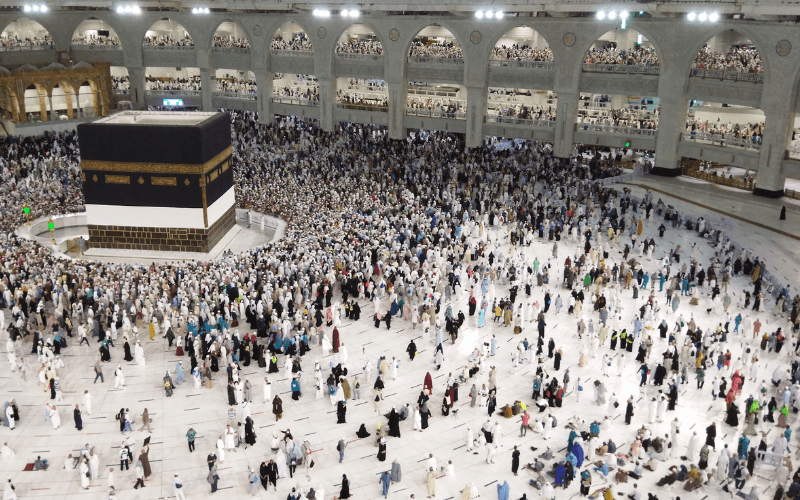
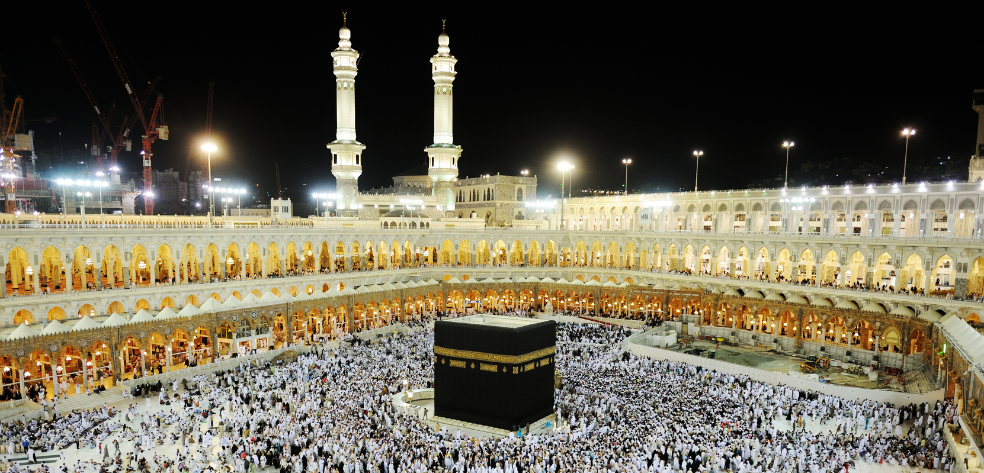
    Saudi Arabia has officially opened Hajj 2026 registration for Muslims residing in minority-Muslim countries through the Nusuk digital platform, marking the beginning of the application process for what will be one of Islam’s most significant religious gatherings. The early launch provides prospective pilgrims ample time to prepare for the sacred journey scheduled for mid-2026.

    Digital Registration Through Nusuk Platform

    The registration process is being conducted exclusively through the Nusuk platform (nusuk.sa), Saudi Arabia’s comprehensive digital ecosystem for religious tourism services. The platform represents the Kingdom’s commitment to modernizing and streamlining the Hajj experience while maintaining the spiritual essence of the pilgrimage.

    Muslims living in countries where Islam is a minority religion can now submit applications, select service packages, and begin the documentation process through the user-friendly digital interface available in multiple languages. The system is designed to provide transparency, accessibility, and efficiency for pilgrims regardless of their location.

    Who Can Register Now

    The current registration phase specifically targets Muslims residing in Muslim-minority countries—nations where Muslims do not constitute the majority of the population. This category includes pilgrims from:

    Europe and the Americas including the United States, Canada, United Kingdom, France, Germany, and other Western nations with significant Muslim communities.

    East and Southeast Asian countries such as China, Thailand, Philippines, and other nations with Muslim minority populations.

    Sub-Saharan African nations where Muslim communities exist alongside other religious groups.

    Australia and Oceania regions with growing Muslim populations.

    This early registration phase allows these communities to secure their spots before the general registration opens for Muslim-majority countries, ensuring equitable access to Hajj opportunities for Muslims worldwide.

    Registration Requirements and Documentation

    Prospective pilgrims must meet specific criteria and provide necessary documentation through the Nusuk platform:

    Valid passport with at least six months validity beyond the intended travel dates is mandatory for all applicants.

    Proof of residence in a Muslim-minority country through documentation such as residence permits, national identity cards, or other government-issued identification.

    Health requirements including vaccination records and medical fitness certificates as specified by Saudi health authorities, particularly important given ongoing global health considerations.

    Visa photographs meeting Saudi Arabian specifications must be uploaded during the registration process.

    Mahram requirements for women pilgrims continue to apply, though recent reforms have relaxed certain restrictions, allowing women over 45 to travel in organized groups without a male guardian.

    Service Packages and Pricing

    The Nusuk platform offers various service packages catering to different budgets and preferences, enabling pilgrims to select accommodations and services aligned with their financial capabilities:

    Premium packages provide luxury accommodations in close proximity to the Grand Mosque in Makkah and the Prophet’s Mosque in Madinah, along with enhanced transportation and catering services.

    Standard packages offer comfortable accommodations at moderate distances from holy sites with reliable transportation and meal provisions, representing the choice for many pilgrims seeking balance between comfort and affordability.

    Economy packages provide basic but dignified accommodations and services, ensuring that financial constraints do not prevent Muslims from fulfilling this religious obligation.

    All packages include essential services such as transportation between holy sites, accommodations in Makkah, Madinah, and Mina, meals during key Hajj days, and guidance from experienced tour operators licensed by Saudi authorities.

    Hajj 2026 Timeline and Expectations

    Based on the Islamic lunar calendar, Hajj 2026 is expected to fall in late May or early June 2026, corresponding to the month of Dhul-Hijjah in the Islamic calendar. The exact dates will be confirmed closer to the time based on moon sighting, following Islamic tradition.

    Saudi Arabia continues expanding its capacity to accommodate pilgrims as part of Vision 2030 objectives, with infrastructure developments across Makkah, Madinah, and other holy sites designed to enhance pilgrim experience while maintaining safety and spiritual atmosphere.

    The Kingdom has invested billions in transportation networks, including the Haramain High-Speed Railway connecting Makkah and Madinah, expanded Grand Mosque capacity, advanced crowd management systems, and enhanced medical facilities to ensure pilgrim safety and comfort.

    Significance for Global Muslim Communities

    For Muslims living in minority contexts, Hajj represents not only a religious obligation but also a profound connection to global Islamic community and heritage. The pilgrimage brings together Muslims from diverse backgrounds, cultures, and nationalities in a powerful demonstration of Islamic unity and brotherhood.

    The early registration opportunity acknowledges the additional planning requirements faced by Muslims in minority countries, who often need to arrange extended leave from employment, coordinate family responsibilities, and manage complex international travel logistics.

    Community organizations, Islamic centers, and mosques in Muslim-minority countries play crucial roles in supporting prospective pilgrims through information sessions, group coordination, and spiritual preparation programs that help participants understand Hajj rituals and maximize their spiritual experience.

    Regional Perspective: Gulf-Based Support

    For UAE residents and Muslims across the Gulf region, the Hajj preparation process benefits from geographical proximity and well-established travel infrastructure. However, the Nusuk platform ensures equitable access for Muslims worldwide, regardless of their location.

    Islamic affairs authorities across GCC countries typically provide guidance and support for residents undertaking Hajj, including informational resources, approved travel operators, and consumer protection measures to ensure pilgrims receive services matching their package descriptions.

    The UAE’s diverse expatriate population includes many Muslims from minority-Muslim countries who may choose to register through their home countries or, if eligible, through UAE-based systems depending on their residency status and nationality.

    Technical Features of Nusuk Platform

    The Nusuk platform represents Saudi Arabia’s digital transformation in religious tourism management:

    Multi-language support ensures accessibility for pilgrims worldwide, with interfaces available in Arabic, English, French, Urdu, Turkish, Indonesian, and other languages spoken by significant Muslim populations.

    Secure payment processing accommodates international transactions with multiple currency options and recognized payment methods, providing convenience and security for financial transactions.

    Real-time updates keep applicants informed about their registration status, visa processing, and any changes to requirements or procedures.

    Integrated services connect pilgrims with accommodation providers, transportation services, and authorized tour operators, creating a comprehensive ecosystem for Hajj planning.

    Mobile application enables pilgrims to manage their Hajj journey from smartphones, accessing information, documentation, and services throughout the preparation and pilgrimage periods.

    Health and Safety Considerations

    Saudi authorities prioritize pilgrim health and safety through comprehensive measures:

    Vaccination requirements are enforced to protect both pilgrims and host communities from infectious diseases, with specific requirements announced well in advance of Hajj dates.

    Medical facilities throughout holy sites provide emergency and routine healthcare services, with multilingual medical staff experienced in serving international pilgrims.

    Crowd management systems utilizing advanced technology help prevent overcrowding and ensure orderly movement during peak ritual times when millions gather in confined spaces.

    Heat mitigation measures including cooling systems, shaded walkways, and hydration stations address extreme summer temperatures that coincide with Hajj during certain years.

    Financial Planning and Preparation

    Hajj represents a significant financial commitment, and early registration enables pilgrims to plan and save accordingly:

    Cost considerations vary based on country of origin, selected package, and travel dates, with pilgrims advised to budget for visa fees, airfare, accommodations, meals, local transportation, and personal expenses.

    Payment schedules offered through the Nusuk platform often allow installment payments, making the financial commitment more manageable for pilgrims.

    Currency exchange considerations affect total costs, with pilgrims advised to monitor exchange rates and plan accordingly.

    Additional expenses beyond package costs should be budgeted for gifts, donations, personal items, communication services, and unexpected contingencies.

    Spiritual Preparation

    Beyond logistical planning, Muslims preparing for Hajj undertake spiritual preparation:

    Educational programs offered by mosques and Islamic centers teach Hajj rituals, historical significance, and spiritual dimensions of the pilgrimage.

    Physical preparation is important given the demanding nature of Hajj rituals, which involve considerable walking, standing, and physical exertion, particularly challenging in hot weather.

    Spiritual readiness involves increasing devotional practices, seeking forgiveness, resolving disputes, and approaching the journey with sincerity and humility.

    Family arrangements require attention, particularly for pilgrims with dependent children or elderly relatives requiring care during their absence.

    Advice for Prospective Pilgrims

    Religious scholars and experienced pilgrims offer guidance for those preparing for Hajj 2026:

    Register early to secure preferred packages and allow adequate time for visa processing and travel arrangements.

    Research thoroughly to understand ritual requirements, select appropriate service providers, and prepare for physical and spiritual dimensions of the journey.

    Verify credentials of tour operators and service providers, ensuring they hold valid licenses from Saudi authorities and have positive reputations within Muslim communities.

    Prepare documentation well in advance, ensuring passports, vaccinations, and other requirements are completed without last-minute complications.

    Consult experienced pilgrims who can provide practical advice based on personal experiences and help newcomers understand what to expect.

    Maintain flexibility understanding that Hajj involves large crowds, variable weather, and unexpected situations requiring patience and adaptability.

    Official Information Sources

    Pilgrims are encouraged to obtain information from authoritative sources:

    • Nusuk platform (nusuk.sa) for official registration and services
    • Saudi Ministry of Hajj and Umrah for policy updates and guidelines
    • Embassies and consulates of Saudi Arabia for visa information
    • Recognized Islamic organizations and scholars in home countries
    • Official government channels in countries of residence

    Prospective pilgrims should exercise caution regarding unofficial sources and verify information through authorized channels to avoid scams or misinformation.


    Why UAE National Day Is Now Called Eid Al Etihad: What It Means for Residents

  • Ronaldo Reaches Historic 950 Career Goals: CR7 Hungry for More as Al Nassr Stay Top with Perfect League Record

    Ronaldo Reaches Historic 950 Career Goals: CR7 Hungry for More as Al Nassr Stay Top with Perfect League Record

    40-year-old Portuguese legend edges closer to unimaginable 1,000-goal milestone as Al Nassr maintain 100% record with 2-0 victory over Al Hazem

    Cristiano Ronaldo once again reminded the world why he remains one of football’s greatest icons, scoring his 950th career goal in Al Nassr’s commanding 2-0 victory over Al Hazem—a historic milestone that keeps the Portuguese superstar just 50 goals away from the seemingly impossible 1,000-goal mark.

    The 40-year-old’s late strike not only sealed Al Nassr’s sixth consecutive victory but also maintained their perfect record in the Saudi Pro League, extending their lead at the top of the table with 18 points from six matches while celebrating the club’s 70th anniversary in style.

    “Happy to help the team win and to hit 950 goals! Always hungry for more!” Ronaldo posted on social media immediately after the match, demonstrating the relentless ambition that has defined his two-decade career at the highest level.

    The Historic Goal: Late Strike Seals Victory

    The milestone moment arrived in the 88th minute after Al Nassr had controlled proceedings throughout while searching for a second goal to kill off a resilient Al Hazem side that had shown unexpected defensive organization.

    Sadio Mané initiated the move with a sudden turn near the center circle, beating his marker before sending a through ball down the right flank for Wesley (Kingsley Coman in some reports). The winger ran into the box and found Ronaldo with a low cross, and the Portuguese legend sealed the game with a quality finish from close range—the ball looping over goalkeeper Bruno Varela and dropping into the net.

    For a brief moment, the crowd held its breath before erupting in celebration. Ronaldo smiled, lifted his arms to the fans, and was instantly surrounded by his teammates celebrating not just three points but a piece of football history.

    The goal marked Ronaldo’s sixth in the Saudi Pro League this season, his 80th strike in the Saudi league, and his 106th for Al Nassr since joining from Manchester United in December 2022 on a bumper deal that transformed Middle Eastern football.

    João Félix’s Purple Patch Continues

    While Ronaldo’s milestone captured headlines, compatriot João Félix once again demonstrated why he’s become Al Nassr’s most lethal striker this season with the opening goal that settled nerves and set the tone for victory.

    In the 25th minute, Ayman Yahya received a long ball from defense and made a run down the left side before sending an inch-perfect cross inside the box. Félix, left completely unmarked, met the ball with a clinical header to break the deadlock—his ninth goal in just six Saudi Pro League appearances this season.

    The former Chelsea forward’s incredible goalscoring form has seen him establish himself as the league’s leading scorer with nine goals, placing him three ahead of Ronaldo in the individual scoring charts despite his legendary teammate’s historic milestone.

    “Félix’s purple patch continued in the 2025-26 campaign as he maintained his unbelievable goalscoring form,” observers noted, with the Portuguese striker forming a lethal partnership with his compatriot that has propelled Al Nassr to the summit of Saudi football.

    Perfect Record: Six Wins from Six Matches

    Al Nassr’s victory over Al Hazem extended their flawless start to the Saudi Pro League season, making them the only team maintaining a 100% record with three home victories and three away wins—a dominance that has established them as overwhelming favorites for the championship.

    The win carried extra significance as it came just a day after Al Nassr celebrated their 70th anniversary, with Ronaldo’s record-breaking moment and the team’s flawless performance providing the perfect birthday present for the Saudi Arabian giants.

    “Al-Nassr, who turned 70 a day ago, celebrated their milestone birthday with a comfortable win over Al-Hazm as the Saudi Pro League giants maintained their 100 per cent record in the league,” match reports confirmed.

    The victory also demonstrated Al Nassr’s ability to win even when not at their most lethal, with Al Hazem’s organized defense limiting clear-cut chances before being caught out in two crucial moments that decided the contest.

    Tactical Masterclass: Ronaldo’s Evolving Role

    At 40 years old, Ronaldo is no longer the explosive winger or relentless goal-hanging striker of his prime years at Manchester United, Real Madrid, and Juventus. Instead, he’s evolved into a more strategic player who orchestrates attacks while conserving energy for decisive moments.

    “Ronaldo, who is now playing a more strategic role in the side, continued to create more chances for Kingsley Coman and Sadio Mané,” tactical analysis revealed. “Al-Nassr relied on Ronaldo’s vision and his strategic brilliance as they sealed a near-perfect win against Al-Hazem.”

    This tactical evolution demonstrates Ronaldo’s football intelligence and adaptability—traits that have enabled him to remain effective even as physical attributes naturally decline with age. His positioning, movement, and decision-making continue operating at world-class levels, allowing him to impact matches through experience and guile rather than just pace and power.

    Al Hazem’s Defensive Resilience

    Despite the 2-0 scoreline, Al Hazem—sitting 14th in the Saudi Pro League table—showed commendable resilience and organization that frustrated Al Nassr for extended periods and kept the match competitive until Ronaldo’s late intervention.

    Goalkeeper Bruno Varela produced several excellent saves in the first half, denying Angelo Gabriel and Sadio Mané with crucial interventions that kept the scoreline respectable and gave his team hope of snatching an unlikely result.

    “Al-Hazm showed resilience in the first half as they patiently defended against a more dominant Al-Nassr side,” match reports noted. “Goalkeeper Bruno Varela made a couple of excellent saves in the first half from Angelo Gabriel and Sadio Mané efforts as the hosts managed to keep a clean sheet until the 25th minute.”

    After conceding Félix’s opener, Al Hazem bounced back in the second half, pushing forward in search of an equalizer and creating moments of concern for the league leaders before ultimately being undone by Ronaldo’s clinical late finish.

    The Numbers: Career Beyond Comprehension

    Ronaldo’s 950th career goal represents a milestone that few could even dream of achieving—a testament to remarkable consistency, longevity, and goal-scoring instinct maintained across multiple leagues, countries, and decades.

    Career Breakdown:

    • Sporting CP: Where it all began for the teenage phenomenon
    • Manchester United (2003-2009, 2021-2022): 145 goals across two spells
    • Real Madrid (2009-2018): 450+ goals, becoming the club’s all-time leading scorer
    • Juventus (2018-2021): 101 goals in Serie A
    • Portugal National Team: 130+ international goals (all-time men’s international record)
    • Al Nassr (2023-present): 106 goals and counting

    The numbers become even more staggering when considering Ronaldo needed 1,220 matches to reach 950 goals—compared to Lionel Messi’s 891 goals in 1,131 matches—demonstrating different career trajectories for football’s two greatest modern players.

    The Messi Factor: Eternal Rivalry Continues

    Ronaldo’s 950-goal milestone came just one day after Lionel Messi broke Ronaldo’s record for youngest player to reach 890 career goals, scoring a brace for Inter Miami against Nashville SC to reach 891 career goals at 38 years and 122 days old—younger than Ronaldo’s 39 years and 89 days when he hit the same mark.

    The timing underscores how the Messi-Ronaldo rivalry continues captivating football fans even as both legends enter the twilight of their careers on different continents, with Messi thriving in Major League Soccer and Ronaldo dominating Saudi Arabian football.

    While comparisons are inevitable, both players’ achievements stand independent testament to sustained excellence across two decades at the pinnacle of world football—a level of consistency that may never be replicated.

    Social Media Erupts: Fans Celebrate Legend

    As news of Ronaldo’s 950th goal spread globally, social media platforms erupted with tributes from fans, former teammates, and football personalities celebrating the historic achievement.

    “Show Some Respect,” fans declared across platforms, with many posting video compilations of Ronaldo’s most memorable goals spanning his entire career from Sporting teenager to Saudi superstar.

    The outpouring reflected not just admiration for the numerical milestone but appreciation for Ronaldo’s broader impact on football—his professionalism, dedication to fitness, mental strength, and ability to perform under pressure that have inspired a generation of players and fans.

    Looking Ahead: The Road to 1,000

    With 950 goals achieved, Ronaldo stands just 50 goals away from the previously unimaginable 1,000-goal milestone—a target that seemed impossible even for football’s greatest scorers but now appears within reach for the Portuguese phenomenon.

    At his current pace of six goals in six Saudi Pro League matches this season, plus additional goals in domestic cups and potential international appearances for Portugal, Ronaldo could realistically reach 1,000 career goals during the 2025-26 or 2026-27 seasons.

    His contract with Al Nassr runs until 2027, providing sufficient time to chase the historic quadruple-digit milestone while continuing to lead the Saudi club’s dominance of domestic football and their pursuit of continental success.

    Al Nassr’s Championship Ambitions

    While individual milestones capture headlines, Ronaldo’s primary focus remains team success—specifically delivering Al Nassr’s first league title since his arrival and potentially conquering Asian football through AFC Champions League glory.

    The perfect six-match start provides the foundation for sustained title challenge, though the Saudi Pro League season stretches across many months with rivals including Al Hilal, Al Ittihad, and Al Ahli possessing squads capable of mounting serious challenges.

    Maintaining 100% record throughout an entire season is virtually impossible, but Al Nassr’s combination of Ronaldo’s experience, Félix’s clinical finishing, Mané’s creativity, and a strong supporting cast positions them as overwhelming favorites to capture the championship.

    Conclusion: Defying Age, Rewriting History

    At 40 years old, when most footballers have long retired or moved to coaching roles, Cristiano Ronaldo continues defying expectations, rewriting record books, and demonstrating that age is merely a number for those with sufficient dedication, discipline, and determination.

    His 950th career goal represents more than statistical achievement—it embodies a career spent chasing excellence, pushing boundaries, and proving doubters wrong at every stage from Sporting teenager to Real Madrid Galáctico to Saudi superstar.

    As Ronaldo himself declared immediately after the historic goal: “Always hungry for more.” That insatiable appetite for success, goals, and glory shows no signs of diminishing, suggesting that the 1,000-goal milestone—once considered impossible—may soon become reality for football’s most relentless goal scorer.


    Aramco Completes $702M Petro Rabigh Acquisition: Stake Rises to 60% as $2.9B Financial Package Transforms Saudi Refining Giant

  • Aramco Completes $702M Petro Rabigh Acquisition: Stake Rises to 60% as $2.9B Financial Package Transforms Saudi Refining Giant

    Aramco Completes $702M Petro Rabigh Acquisition: Stake Rises to 60% as $2.9B Financial Package Transforms Saudi Refining Giant

    Strategic downstream expansion includes $1.5B loan waiver and $1.4B debt prepayment through innovative Class B share structure

    Saudi Aramco has completed its acquisition of an additional 22.5% stake in Rabigh Refining and Petrochemical Company (Petro Rabigh) from Sumitomo Chemical Corporation for $702 million, raising its total ownership to 60% and becoming the refining company’s largest shareholder in a transaction that includes $2.9 billion in financial support.

    The deal, first announced in August 2024, includes Aramco and Sumitomo waiving $1.5 billion in shareholder loans (completed in two phases in August 2024 and January 2025) while injecting an additional $1.4 billion to partly prepay Petro Rabigh’s debt—fundamentally strengthening the company’s balance sheet and positioning it for ambitious transformation initiatives.

    “Petro Rabigh is a key player in the Kingdom’s downstream sector and this additional investment by Aramco reflects strong belief in its long-term prospects,” said Hussain A. Al Qahtani, Aramco Senior Vice President of Fuels. “We look forward to exploring closer integration with Petro Rabigh, with the aim of unlocking new opportunities.”

    Transaction Details: $702M Acquisition at SAR 7 Per Share

    Aramco acquired the 22.5% stake at SAR 7 ($1.87) per share, valuing Sumitomo’s divested holdings at $702 million while the Japanese chemical company retains a 15% equity position in the joint venture refining and petrochemical complex.

    The transaction increases Aramco’s ownership from approximately 37.5% to 60%, making the Saudi energy giant the dominant shareholder with enhanced ability to direct Petro Rabigh’s strategic direction and transformation program.

    $2.9 Billion Financial Support Package

    Beyond the equity acquisition, the transaction’s true strategic value lies in the comprehensive $2.9 billion financial package designed to remediate Petro Rabigh’s accumulated losses and position the company for growth:

    $1.5 Billion Loan Waiver: Aramco and Sumitomo waived shareholder loans totaling $1.5 billion in two phases (August 2024 and January 2025), improving Petro Rabigh’s capital structure and partially addressing accumulated losses that had constrained the company’s financial flexibility.

    $1.4 Billion Capital Injection: Both shareholders agreed to inject $1.4 billion to partly prepay Petro Rabigh’s debt, supporting future growth opportunities while strengthening the balance sheet and improving the company’s creditworthiness.

    Innovative Class B Share Structure

    The $1.4 billion injection employs an innovative financial structure through Class B share issuance, fully subscribed by Aramco and Sumitomo, enabling fresh capital infusion without altering Petro Rabigh’s existing governance structure or diluting voting power of other shareholders.

    This approach protects minority shareholder interests while providing necessary capital for debt reduction and transformation initiatives—a structure that may serve as model for similar corporate restructurings.

    Transformation Program: Upgrading Yields and Reliability

    The transaction enhances Aramco’s ability to support the transformation program underway at Petro Rabigh, which includes targeted asset upgrades to improve the yield of high-margin products and enhance plant reliability.

    Transformation Objectives:

    • Upgrading product mix toward higher-value refined products and petrochemicals
    • Enhancing asset reliability through maintenance and modernization investments
    • Optimizing operations for improved efficiency and cost competitiveness
    • Exploring closer integration with Aramco’s broader downstream operations

    The transformation reflects industry-wide pressures to maximize value from existing refining and petrochemical assets amid global capacity additions and evolving demand patterns.

    Strategic Downstream Expansion

    The Petro Rabigh transaction represents the latest move in Aramco’s aggressive downstream expansion strategy promoting value creation, business integration, and portfolio diversification.

    Recent downstream acquisitions include:

    • 50% stake in Blue Hydrogen Industrial Gases Co. (2025) for low-carbon hydrogen production
    • 25% stake in Unioil Petroleum Philippines Inc. (2025) for retail market entry
    • Full acquisition of Chile’s Esmax Distribución SpA (2024) for South American retail presence
    • 10% stake in Horse Powertrain Ltd. (2024) for hybrid powertrain technology

    This diversification strategy positions Aramco beyond traditional upstream oil production toward integrated energy and chemicals company competing across the value chain.

    Market Reaction and Share Performance

    Following the announcement, Aramco shares on the Saudi Exchange gained 0.38% to reach SAR 92.95, while Petro Rabigh shares rose 1.82% to SAR 7.84, reflecting investor approval of the strategic rationale and financial support package.

    Sumitomo’s Strategic Retreat

    For Sumitomo Chemical, the stake reduction from 37.5% to 15% represents strategic pivot away from capital-intensive refining and petrochemical joint ventures toward core businesses and higher-return opportunities.

    The retention of 15% equity maintains Sumitomo’s presence in the Saudi market while freeing capital for deployment in areas more aligned with the Japanese company’s evolving strategy.

  • UAE Mandates Strict Health Compliance for Hajj 2026 Pilgrims

    UAE Mandates Strict Health Compliance for Hajj 2026 Pilgrims

    The UAE authorities today issued a comprehensive and stringent directive, urging all citizens and residents planning to perform the Hajj pilgrimage in the 2026 season (1447H) to complete all mandatory health and vaccination requirements well in advance of their travel date. The move, coordinated with the latest health protocols from the Kingdom of Saudi Arabia, emphasizes pilgrim safety and aims to prevent the outbreak of infectious diseases during the sacred journey.

    The General Authority of Islamic Affairs, Endowments, and Zakat (Awqaf), in collaboration with the Ministry of Health and Prevention (MoHAP), has stressed that compliance with these mandates is non-negotiable for all prospective pilgrims registered through the official UAE channels.

    Mandatory Immunisations and Health Screening

    The core of the new directive centres on compulsory vaccinations and a declaration of physical fitness. Pilgrims must receive the Meningococcal vaccine and the Seasonal Influenza vaccine. Authorities specifically recommend receiving the vaccinations at least 10 to 15 days before the date of travel to ensure the development of adequate immunity.

    Beyond the mandatory shots, the UAE health authorities strongly recommend the Pneumococcal vaccine for individuals aged 65 and above, or those with chronic conditions, as well as the COVID-19 vaccine.

    A critical addition to the requirements is the submission of a health declaration. This document must confirm that the pilgrim is free from conditions that may impair their ability to safely perform the physically demanding rituals. Disqualifying conditions listed by the Saudi authorities, and echoed by the UAE, include major organ failure, advanced chronic diseases, neurological or psychological disorders affecting cognition, active infectious diseases like pulmonary tuberculosis, and advanced stages of cancer under active treatment.

    Focus on Physical Preparedness and First Aid

    The advisory extends beyond immunisation to encompass physical and dietary preparation. Pilgrims are urged to begin an exercise regimen, focusing on walking and aerobic activity, at least three weeks before departure to acclimatise their bodies to the strenuous nature of the Hajj rituals, which often involve walking distances up to 25km a day in challenging climatic conditions.

    Furthermore, guidance on nutrition, heatstroke prevention, and foot care—common health issues during the pilgrimage—has been amplified. Pilgrims are advised to prepare a comprehensive first aid kit, including all necessary chronic medication, pain relievers, and treatments for common ailments like skin abrasions and digestive issues.

    A Safer Pilgrimage

    An Awqaf spokesperson commented on the announcement, stating, “Our highest priority is the health and safety of every pilgrim. By aligning our requirements early and strictly with the Kingdom of Saudi Arabia’s protocols, we ensure our citizens and residents are fully prepared for this spiritual duty. We urge everyone to consult with their healthcare provider immediately and adhere to the strict timelines for vaccination and medical checks.”

    The UAE’s proactive stance is a key component of its national strategy to ensure a smooth, tranquil, and healthy experience for its quota of pilgrims. Authorities are using digital platforms to streamline the process, from registration (which opened in September) to health compliance checks, facilitating a better-organised Hajj season.


    Apple Unleashes the M5 Chip: New iPad Pro, MacBook Pro, and Vision Pro Arrive, Marking a Major Leap in AI Computing