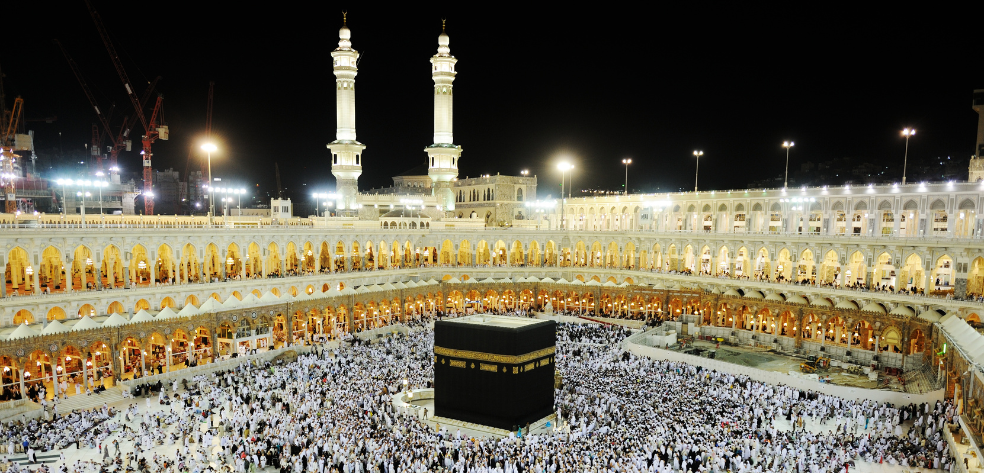
The UAE authorities today issued a comprehensive and stringent directive, urging all citizens and residents planning to perform the Hajj pilgrimage in the 2026 season (1447H) to complete all mandatory health and vaccination requirements well in advance of their travel date. The move, coordinated with the latest health protocols from the Kingdom of Saudi Arabia, emphasizes pilgrim safety and aims to prevent the outbreak of infectious diseases during the sacred journey.
The General Authority of Islamic Affairs, Endowments, and Zakat (Awqaf), in collaboration with the Ministry of Health and Prevention (MoHAP), has stressed that compliance with these mandates is non-negotiable for all prospective pilgrims registered through the official UAE channels.
Table of Contents
Mandatory Immunisations and Health Screening
The core of the new directive centres on compulsory vaccinations and a declaration of physical fitness. Pilgrims must receive the Meningococcal vaccine and the Seasonal Influenza vaccine. Authorities specifically recommend receiving the vaccinations at least 10 to 15 days before the date of travel to ensure the development of adequate immunity.
Beyond the mandatory shots, the UAE health authorities strongly recommend the Pneumococcal vaccine for individuals aged 65 and above, or those with chronic conditions, as well as the COVID-19 vaccine.
A critical addition to the requirements is the submission of a health declaration. This document must confirm that the pilgrim is free from conditions that may impair their ability to safely perform the physically demanding rituals. Disqualifying conditions listed by the Saudi authorities, and echoed by the UAE, include major organ failure, advanced chronic diseases, neurological or psychological disorders affecting cognition, active infectious diseases like pulmonary tuberculosis, and advanced stages of cancer under active treatment.
Focus on Physical Preparedness and First Aid
The advisory extends beyond immunisation to encompass physical and dietary preparation. Pilgrims are urged to begin an exercise regimen, focusing on walking and aerobic activity, at least three weeks before departure to acclimatise their bodies to the strenuous nature of the Hajj rituals, which often involve walking distances up to 25km a day in challenging climatic conditions.
Furthermore, guidance on nutrition, heatstroke prevention, and foot care—common health issues during the pilgrimage—has been amplified. Pilgrims are advised to prepare a comprehensive first aid kit, including all necessary chronic medication, pain relievers, and treatments for common ailments like skin abrasions and digestive issues.
A Safer Pilgrimage
An Awqaf spokesperson commented on the announcement, stating, “Our highest priority is the health and safety of every pilgrim. By aligning our requirements early and strictly with the Kingdom of Saudi Arabia’s protocols, we ensure our citizens and residents are fully prepared for this spiritual duty. We urge everyone to consult with their healthcare provider immediately and adhere to the strict timelines for vaccination and medical checks.”
The UAE’s proactive stance is a key component of its national strategy to ensure a smooth, tranquil, and healthy experience for its quota of pilgrims. Authorities are using digital platforms to streamline the process, from registration (which opened in September) to health compliance checks, facilitating a better-organised Hajj season.
Leave a Reply