Tag: Saudi Arabia

Stay informed about Saudi Arabia with Gulf Insight 360. Get the latest news, analysis, and insights on the kingdom’s politics, economy, culture, and social trends. Visit www.gulfinsight360.com for concise and reliable coverage of Saudi Arabia’s dynamic landscape.

  • Saudi Arabia Fast-Tracks King Abdullah Gardens: The Desert Engineering Marvel That Will Change Middle East HVACR Forever

    Saudi Arabia Fast-Tracks King Abdullah Gardens: The Desert Engineering Marvel That Will Change Middle East HVACR Forever

    One of the most audacious built environment projects on earth has officially entered fast-track mode. Construction on the King Abdullah Gardens in Riyadh, known as KAGA, is advancing rapidly, according to a formal announcement by the Saudi Press Agency on March 21, 2026, with major structural elements and key facilities already completed at a site that will rank among the world’s three largest covered botanical gardens when finished. For the global HVACR engineering and climate control community, this announcement is not simply news about a garden. It is a dispatch from the frontline of one of the most technically demanding climate control undertakings in the history of built environment engineering.

    Construction on King Abdullah Gardens is advancing rapidly, marking significant progress on one of Riyadh’s most prominent environmental initiatives. With major structural elements and key facilities already completed, the project aims to dramatically expand the capital’s green spaces and enhance the overall quality of life.

    The KAGA botanical garden is a green destination with a budget of over $690 million, and once completed, the two-million-square-metre garden is expected to attract over three million local visitors annually by 2030. Those numbers, a project budget exceeding two-thirds of a billion dollars and a projected annual footfall of three million visitors, frame the true scale of what Riyadh is attempting to deliver in the middle of one of the world’s most climatically extreme environments.

    A Project Decades in Ambition, Now Racing to Delivery

    The King Abdullah Gardens project has a long and complex history that stretches back to the reign of the late King Abdullah, after whom it is named. Work on the project began in 2014 under the late King Abdullah and includes several botanical gardens divided into two sections. The centrepiece of the project is a palaeobotanic biome building formed as two interlocking crescents which accommodate a sequence of controlled environments covering 90,000 square metres. One section is fully covered and is five times the size of the Eden Project in Britain.

    Five times the size of the Eden Project. That single comparison communicates the sheer physical ambition of KAGA more powerfully than any set of statistics. The Eden Project in Cornwall, United Kingdom, is itself regarded as one of the most complex and technically impressive climate-controlled biome structures ever built, housing multiple distinct ecosystems under geodesic dome structures in a former quarry. KAGA does not merely match that achievement. It multiplies it fivefold, in a desert environment where summer ambient temperatures regularly exceed 45 degrees Celsius, and the gap between the required interior climate conditions and the external environment is not a matter of a few degrees but an engineering chasm measured in dozens of degrees and dramatically different humidity regimes.

    The project is set within the arid desert of the Saudi Central Region, following a brief which sought to create botanical gardens to rival those at Kew and Singapore. Planned to be the largest temperature controlled gardens in the world, the gardens in the crescent biomes covering 10 hectares will recreate the 400 million year old evolution of the Earth’s plants, trees and flowers.

    Kew Gardens in London and Gardens by the Bay in Singapore are two of the most celebrated botanical destinations on the planet. That both were cited as the explicit performance benchmarks in the project brief sets an extraordinarily high standard for what KAGA must deliver, not merely as a construction achievement but as a visitor and educational experience. The ambition is nothing less than to build something that stands alongside the finest botanical institutions in the world, in a country where the prevailing climate is among the least hospitable to plant life on the planet.

    What Is Being Built: A Comprehensive Desert Ecosystem Complex

    Understanding the HVACR challenge at KAGA requires a clear picture of what the project actually comprises. This is not a single climate-controlled space. It is a collection of multiple distinct environments, each with its own temperature, humidity, and ventilation requirements, all of which must be maintained simultaneously within a structure sitting in the Tuwaiq desert on the outskirts of Riyadh.

    Spanning more than two million square metres, King Abdullah Gardens ranks among the world’s three largest covered botanical gardens. The expansive site features a diverse array of environments, including water, desert and floral gardens alongside carefully designed habitats for birds, reptiles and interactive spaces for children, promoting both conservation and learning.

    Enhancing its scientific and educational value, the project includes a botanical museum and a gene bank. It also offers integrated recreational facilities such as a valley promenade, observation towers and event spaces, complemented by cafes, markets and playgrounds, creating a comprehensive environment that encourages visitor engagement with nature.

    The main focus of the project is a 90,000 square metre palaeobotanic biome building formed as two interlocking crescents which accommodate a sequence of controlled environments showcasing the site’s passage through time. Each of the gardens is presented as a timeline which takes the visitor through different botanical periods, including the prolific Jurassic and Cretaceous periods.

    Within the covered biome structures, the HVACR challenge is at its most acute. There is a butterfly garden of almost 5,000 square metres divided into two different habitats: an exotic habitat with tropical vegetation kept at a constant temperature of between 21 and 29 degrees Celsius, and another with native butterflies, trees and bushes. Among the other attractions is a physic garden, a pavilion exclusively for medicinal plants and herbs from all over the world, and a water garden with a study of water in all its forms, from ice to snow and steam.

    The engineering implications of this programme are profound. Maintaining a tropical butterfly habitat at a stable 21 to 29 degrees Celsius within a structure located in an environment where external temperatures can reach 50 degrees Celsius in peak summer requires cooling systems of exceptional capacity, precision, and redundancy. The water garden, with its requirement to present water simultaneously in solid, liquid and vapour form, demands an even more sophisticated and diverse range of thermal management solutions operating in close spatial proximity to one another.

    The HVACR Engineering Challenge: Unprecedented in the Middle East

    For the HVACR industry, the King Abdullah Gardens project represents a convergence of technical challenges that have no direct precedent in the region and few precedents anywhere in the world. The fundamental problem is straightforward to state and extraordinarily complex to solve: how do you maintain living ecosystems, some requiring tropical conditions, others requiring temperate or arid conditions, all requiring precise humidity and air quality control, inside structures exposed to one of the most punishing ambient thermal environments on earth?

    The project features biodome structures comprising enclosed climate-controlled environments showcasing plants from different eras and biomes, themed zones dedicated to different climatic regions such as rainforests, deserts and Mediterranean landscapes, water conservation features including advanced irrigation systems and water recycling to support sustainability, and energy efficiency measures including solar panels and advanced climate control systems.

    The reference to solar-powered energy systems alongside advanced climate control is a critical design philosophy that runs through the entire project. Power will be derived from the sun, water will be recycled, and much of the rock, gravel and soil on the site will be used, establishing a sustainability framework that positions KAGA not just as a destination for environmental education but as a built demonstration of sustainable engineering principles in an extreme climate.

    That sustainability imperative directly shapes the HVACR specification. In a conventional large-scale cooling project in the Middle East, the primary performance metrics are capacity and reliability. At KAGA, a third metric of equal importance is efficiency, because the project’s own sustainability credentials depend in part on demonstrating that the extraordinary volume of cooling energy required to maintain its multiple climate zones can be delivered with the minimum possible energy consumption and the minimum possible carbon footprint.

    The scale of cooling load involved at KAGA is almost unprecedented for a non-industrial facility in the region. Cooling a 90,000 square metre biome complex to tropical or temperate conditions against an external environment at 45 degrees or above, while simultaneously managing latent heat loads from the tens of thousands of plants, trees, and living organisms within the biomes, and while managing the ventilation requirements for visitor comfort across projected peak crowds, demands a cooling infrastructure of enormous capacity. District cooling system architecture, high efficiency centrifugal chiller plant, advanced thermal energy storage, and intelligent building management systems capable of coordinating multiple overlapping climate zones in real time are all likely to be components of the mechanical engineering solution at this scale and complexity.

    The Biome Architecture: Engineering at the Edge of Possibility

    The physical architecture of the KAGA biome structures is itself a direct response to the HVACR challenge. The gardens will be built within two interconnected crescent shaped biomes reflecting the site’s passage through time. The Garden of Choices will reflect what could happen in the future if climate change continues or is arrested.

    The crescent biome form is not arbitrary. Curved structural geometries distribute thermal loads more evenly than rectilinear forms and reduce the surface area to volume ratio, which directly reduces the rate of heat gain through the building envelope in an extreme solar radiation environment. The selection of building envelope materials, glazing systems, and insulation specifications for these structures will have been driven overwhelmingly by the need to minimise the cooling load imposed by solar gain while maintaining the controlled interior climate conditions required by the plant life within.

    The award winning 160 hectare scheme is set to become one of the principal educational resources in the understanding of climate and sustainable development, with power derived from the sun, water recycled and much of the rock, gravel and soil on the site used in construction.

    The 160-hectare total site footprint, of which the covered biome structures represent a portion, also encompasses extensive outdoor gardens, water features, and visitor infrastructure. The HVACR requirements of these outdoor areas, while less technically demanding than the enclosed biome environments, still require careful engineering in the context of Riyadh’s climate. Visitor comfort in outdoor spaces during summer months, when temperatures routinely exceed 40 degrees Celsius, requires spot cooling, misting, shading, and ventilation strategies that add another layer of technical complexity to an already demanding overall project.

    Vision 2030 and the Strategic Imperative Behind KAGA

    King Abdullah Gardens cannot be understood in isolation from Saudi Arabia’s Vision 2030 transformation programme, the comprehensive national development strategy overseen by Crown Prince Mohammed bin Salman that is reshaping the Kingdom’s cities, economy, and global identity at extraordinary speed.

    Saudi Arabia’s Public Investment Fund expanded its green project investment plan to over $19.4 billion covering 91 eligible projects in areas such as renewable energy, green buildings and clean transportation as well as sustainable water management, pollution prevention and sustainable management of living natural resources and land use.

    KAGA sits squarely within this investment framework as one of Riyadh’s most visible and symbolically significant green infrastructure projects. The KAGA project reflects Riyadh’s broader development vision, establishing a sustainable urban destination that seamlessly integrates environmental, cultural and educational experiences.

    The population dimension of the project’s strategic context is also significant. In 2021, Crown Prince Mohammed bin Salman outlined plans to make Riyadh one of the top 10 largest city economies in the world, with a target to increase its population from 7.5 million to around 15 to 20 million by 2030. A city doubling or tripling in population requires a proportional expansion of the quality of life infrastructure that makes urban living attractive and sustainable. Green spaces, cultural destinations, and nature led recreational facilities are central to that quality of life proposition, and KAGA is the most ambitious single expression of that ambition in Riyadh’s current development programme.

    The educational mission embedded in the project design also reflects a specific strategic priority. The gardens exemplify Saudi Arabia’s Vision 2030 ambitions with the government framing the project as a commitment to a greener, knowledge driven future. A botanical garden explicitly designed around climate change education, plant evolution, and sustainable development is a powerful instrument of public awareness building that Vision 2030 seeks to embed in Saudi society, particularly among the young and rapidly growing population that will inherit the consequences of today’s environmental decisions.

    Rapid Progress: What Has Been Achieved on Site

    The fast-track construction announcement made by the Saudi Press Agency in March 2026 is backed by concrete evidence of substantial on-site progress. Construction at King Abdullah Gardens is progressing at pace, with several key structures and facilities already completed as Riyadh advances one of its flagship environmental developments. The project is set to expand the capital’s green footprint and support wider quality of life goals through a major new nature led destination.

    The King Abdullah Gardens Project is undergoing notable progress in structural elements and the completion of large portions of its components as part of efforts to develop an environmentally focused urban destination that enhances green spaces in Riyadh. The project has advanced in multiple phases, with several landmark attractions already completed.

    The phased delivery approach to a project of this scale and complexity is both logistically necessary and strategically wise. By completing and commissioning individual attractions and garden zones progressively, the project team can validate the performance of climate control and building systems in real operational conditions while construction continues on the remaining phases. Early operational experience in completed sections also informs any necessary refinements to the HVACR specifications in later construction phases, a valuable feedback loop that would be unavailable in a single stage delivery model.

    The gardens host more than 700,000 trees and shrubs and feature seven indoor biomes within the Twin Crescents alongside eight outdoor gardens, including the Wadi and Water Gardens, according to the Saudi press agency.

    Seven distinct indoor biomes within the Twin Crescent structure, each presumably requiring different climate conditions tailored to the plant life and historical period it represents, and eight outdoor garden environments, is a systems integration challenge of extraordinary complexity. The building management infrastructure required to monitor, control, and optimise all of these environments simultaneously, responding in real time to changes in external weather conditions, visitor loads, plant health indicators, and equipment performance, represents a state-of-the-art application of intelligent building controls technology.

    The Gene Bank and Museum: Climate Control for Scientific Preservation

    Among the many facilities being delivered within the KAGA complex, two merit particular attention from an HVACR perspective: the botanical museum and the gene bank.

    Enhancing its scientific and educational value, the project includes a botanical museum and a gene bank.

    A gene bank is not merely a storage facility. It is one of the most climate control critical environments in the field of biological preservation, requiring precisely maintained low temperature conditions, controlled humidity, and backup power infrastructure capable of sustaining those conditions through any conceivable disruption. Gene banks for plant material typically require long-term storage at temperatures well below freezing, with some material stored at cryogenic temperatures, alongside carefully managed germination testing facilities maintained at controlled growing temperatures. The reliability demands on the refrigeration and HVAC systems serving a gene bank are among the highest in any building type, with any significant failure potentially resulting in irreplaceable loss of biological material accumulated over years or decades.

    In the context of a project explicitly designed around plant evolution and the preservation of plant diversity in the face of climate change, the gene bank at KAGA carries particular symbolic as well as scientific weight. It is literally a vault against the kind of biodiversity loss that the rest of the facility is dedicated to educating visitors about. The refrigeration systems protecting that vault must be engineered to a standard of reliability that matches the irreplaceable value of what they protect.

    Middle East HVACR Industry: A Transformational Project Opportunity

    For the regional and international HVACR engineering and contracting community, King Abdullah Gardens represents one of the most technically demanding and commercially significant project opportunities to emerge from the Saudi construction boom in recent years. The scope of climate control engineering work required across the biome structures, indoor gardens, gene bank, museum, visitor facilities, and outdoor amenity areas is substantial, and the technical specifications driving that work are among the most exacting in the regional market.

    The project also carries significant demonstration value beyond its immediate boundaries. Saudi Arabia and the wider Gulf Cooperation Council region are increasingly focused on developing world-class visitor destinations that can attract international tourism and generate economic activity independent of hydrocarbon revenues. The climate control engineering solutions developed and proven at KAGA will inform the specifications for an entire generation of similar projects across the region, from museum and cultural facility developments to desert resort and eco tourism destinations that face comparable challenges of maintaining comfortable and controlled environments against extreme ambient conditions.

    The sustainability engineering embedded in the KAGA design philosophy, centred on solar power, water recycling, and energy-efficient climate control systems, also aligns directly with the direction of travel in Saudi building regulations and green building standards, which are progressively tightening under Vision 2030 commitments to reduce the Kingdom’s domestic energy consumption and carbon emissions. HVACR contractors and system designers who develop deep expertise in the high-performance, low-energy cooling and ventilation solutions required at KAGA will be well-positioned for a rapidly expanding pipeline of similar work across the Saudi and Gulf markets.

    Looking Ahead: Opening and Long-Term Significance

    Once completed, the two million square metre garden is expected to attract over three million local visitors annually by 2030. That visitor projection, three million people per year flowing through multiple climate-controlled biome environments in one of the world’s hottest cities, translates directly into an ongoing HVACR operations and maintenance commitment of considerable scale and complexity. The systems installed today must not only perform at commissioning but must continue to perform reliably, efficiently, and precisely year after year in demanding conditions, serving both the living plant ecosystems that depend on them absolutely and the millions of visitors whose comfort and safety require consistent and dependable climate management.

    The KAGA project reflects Riyadh’s broader development vision, establishing a sustainable urban destination that seamlessly integrates environmental, cultural and educational experiences.

    For the global HVACR industry, the King Abdullah Gardens project is a compelling demonstration that the most demanding climate control engineering challenges of the coming decades will not be found in conventional commercial buildings or industrial facilities. They will be found in projects like this one, at the intersection of extreme environmental ambition, biological precision requirements, sustainability imperatives, and visitor experience expectations, built in some of the most climatically challenging locations on the planet.

    Riyadh is building a garden in the desert. The engineering required to keep it alive and thriving, year after year, in conditions that are fundamentally hostile to the life it contains, is one of the great HVACR challenges of the modern era. The fast track announcement of March 2026 confirms that this challenge is now being met in earnest, and that the world’s most ambitious botanical project is moving with the urgency its ambition demands.
  • Eid Al Fitr and Eid Al Adha 2026: Official holiday dates revealed for Saudi Arabia

    Eid Al Fitr and Eid Al Adha 2026: Official holiday dates revealed for Saudi Arabia

    According to official and government-linked holiday schedules, Eid Al Fitr in 2026 is expected to fall on Friday, March 20, corresponding to 1 Shawwal 1447 in the Islamic calendar, marking the end of Ramadan. Eid Al Adha, which follows the Day of Arafat, is listed for Wednesday, May 27, 2026, aligning with 10 Dhul Hijjah 1447.

    As with every year, authorities stress that these dates remain tentative until the official moon sighting committees confirm the start of Shawwal and Dhul Hijjah, but the Gregorian dates now serve as the working reference for 2026.

    Public holiday periods around Eid Al Fitr

    The Eid Al Fitr break in Saudi Arabia will span several days, creating one of the longest early-year pauses in the national calendar. Public-holiday listings show Eid Al Fitr itself on Friday, March 20, with additional holidays extending from at least Friday through Monday, March 23, effectively offering a four‑day long weekend for many workers.

    Some guides for employers and HR teams indicate that the practical break in the public and private sectors may begin as early as Thursday, March 19, depending on sector-specific regulations and internal policies, giving residents time to prepare for travel and family gatherings.

    Public holiday periods around Eid Al Adha

    The Eid Al Adha holidays will come a little over two months after Eid Al Fitr and are clustered around the peak of the Hajj season. Current calendars show Arafat Day expected on Tuesday, May 26, followed by Eid Al Adha on Wednesday, May 27, with at least one additional public holiday on Thursday, May 28.

    In practice, this creates a mid‑week festive stretch from Tuesday to Thursday, which many residents are likely to extend into a longer break by combining with weekends on either side, particularly for domestic and regional travel.

    What the dates mean for residents and employers

    For families, the early confirmation of both Eid windows in March and late May allows school communities, expatriates and Saudi nationals to lock in travel bookings and manage reunion plans well ahead of peak pricing. For businesses, especially in retail, hospitality, aviation and entertainment, the two clusters of holidays form anchor points for Ramadan‑end promotions and summer‑adjacent campaigns around Eid Al Adha.

    HR consultants are already advising companies to update internal holiday calendars, adjust project timelines and prepare staffing rosters for high-demand periods in malls, airports, hotels and leisure venues. With 2026 also bringing other key dates such as Saudi Founding Day on February 22 and National Day on September 23, the confirmed Eid holidays further define the rhythm of the Kingdom’s working and festive year.

  • Saudi Arabia sets 90-day annual limit on stay of Gulf-registered vehicles  in the Kingdom

    Saudi Arabia sets 90-day annual limit on stay of Gulf-registered vehicles  in the Kingdom

    New 90-day rule: how it works

    Under the new framework, vehicles registered in any Gulf Cooperation Council (GCC) country can remain in Saudi Arabia for a maximum of 90 days during any rolling 12‑month period. The limit applies whether those 90 days are spent in one continuous stay or spread across multiple visits, and the clock starts from the moment the vehicle enters through any Saudi customs port.

    The regulations cover vehicles owned by Saudi citizens, GCC nationals and expatriate residents alike, as well as cars driven by authorised users, closing a loophole that allowed some owners to keep foreign‑registered vehicles in the Kingdom almost permanently.

    Who is covered – and who is exempt

    Saudi authorities have confirmed that the 90‑day limit applies to Gulf‑registered private vehicles entering from all neighbouring GCC states, including the UAE, Kuwait, Bahrain, Oman, and Qatar. The measure is particularly relevant to cross‑border commuters and families who routinely drive between Saudi Arabia and other Gulf states for work, business, and leisure.

    However, the rules carve out a key exemption: vehicles rented from licensed companies in GCC countries are not subject to the 90‑day cap, reflecting the different regulatory treatment of short‑term rentals versus privately owned cars. Officials have also indicated that owners or authorised drivers may apply for extensions before the permitted period expires, with the Ministry of Interior assessing such requests on a case-by-case basis.

    Enforcement: data sharing and penalties

    Implementation of the new system hinges on closer coordination between border, tax, and traffic authorities. The Zakat, Tax and Customs Authority has been tasked with supplying the Ministry of Interior and traffic departments with detailed vehicle entry data, enabling them to track cumulative days spent in the Kingdom by each Gulf‑registered car.

    Owners or authorised drivers must register vehicle details at customs ports on entry, and those who exceed the 90‑day limit without an approved extension will face penalties under Saudi traffic law, where overstaying is treated as a violation. Repeat offenders could be subject to escalating measures as executive decisions are issued to operationalise the regulations.

    Why Saudi Arabia is tightening the rules

    Officials say the move addresses a long‑standing problem of Gulf‑registered vehicles remaining in Saudi Arabia for months or years without being transferred to local registration, complicating traffic enforcement, insurance oversight, and road‑safety monitoring. Vehicles that stay indefinitely on foreign plates can fall outside normal inspection and compliance regimes, making it harder to ensure they meet Saudi technical and safety standards.

    The 90‑day cap is part of a broader push to modernise vehicle regulation, improve data‑driven enforcement, and reduce violations linked to unregistered or hard‑to‑trace cars. By limiting how long Gulf‑registered vehicles can operate in the Kingdom, authorities hope to encourage timely local registration for longer stays and align cross‑border traffic with national road‑safety goals.

    What it means for Gulf motorists

    For GCC nationals and expatriates who frequently drive into Saudi Arabia, the change will require more careful trip planning and a clearer view of how often their vehicle crosses the border. Regular visitors who previously left cars in Saudi Arabia for extended periods may now need to either re‑register their vehicles locally or ensure they exit before hitting the 90‑day threshold.

    Travel and automotive advisers are urging motorists to keep records of entry and exit dates, monitor any days counted towards the annual limit, and seek clarification from customs or traffic departments if they plan long stays that could trigger the need for an extension or re‑registration. While some drivers may see the rule as an inconvenience, officials frame it as a necessary step to keep Saudi roads safer, vehicle fleets more compliant, and enforcement more predictable in an increasingly mobile Gulf region.

    Know more about Saudi Arabia sets 90-day annual limit on stay of Gulf-registered vehicles :

    1. What is the new 90-day rule for Gulf-registered vehicles in Saudi Arabia?
      It is a regulation approved by the Saudi Council of Ministers that limits the total stay of any vehicle with GCC license plates to 90 days within a rolling 365-day period.
    2. When does the 90-day “clock” start ticking?
      The countdown begins exactly on the date the vehicle enters the Kingdom through any land, sea, or air customs port.
    3. Do the 90 days have to be consecutive?
      No. The limit is cumulative. People are searching for this because it means you can visit for 10 days, leave, and come back; those 10 days still count toward your annual 90-day total.
    4. What happens if I enter and exit multiple times a year?
      The Zakat, Tax and Customs Authority (ZATCA) tracks the vehicle’s data. Once the total sum of days inside Saudi Arabia hits 90 within a year, the vehicle must exit or face penalties.
    5. Does this rule apply to Saudi citizens driving GCC-plated cars?
      Yes. The regulation specifically applies to vehicles owned by Saudi citizens, expatriates, or any person authorized to drive them within the Kingdom.

    2. Exemptions and Extensions

    1. Are rental cars from the UAE or Kuwait exempt?
      Yes! One of the top searches is for exemptions. Vehicles rented from licensed rental establishments in any GCC country are currently excluded from this 90-day limit.
    2. Can I extend the 90-day stay if I need more time?
      Yes, but it is not automatic. You must submit a request to the Ministry of Interior (MOI) before the 90 days expire.
    3. Is an extension guaranteed?
      No. The Ministry reviews each request at its discretion based on the data and procedures they establish.
    4. Do I need to register my vehicle data upon entry?
      Yes. Drivers are required to register the vehicle’s information at the customs port according to the requirements set by ZATCA to ensure accurate tracking.
    5. Does this rule affect commercial trucks and heavy transport?
      The primary focus of this specific 90-day “visit” limit is on private passenger vehicles, though all foreign-registered vehicles are subject to ZATCA’s broader import and transit regulations.

    3. Penalties and Enforcement

    1. What is the penalty for overstaying the 90 days?
      Violators will be penalized under Article 68, Paragraph 5 of the Saudi Traffic Law, which classifies overstaying as a formal traffic violation.
    2. Will my car be impounded if I exceed the limit?
      While the primary penalty is a fine, the Traffic Law allows for escalated enforcement measures for repeat offenders or significant overstays.
    3. How will the government track my vehicle’s days?
      ZATCA provides a live data feed to the Ministry of Interior. Every time a license plate is scanned at a border or by “Saher” traffic cameras, the system updates the vehicle’s “days remaining” balance.
    4. Why did Saudi Arabia introduce this limit now?
      The goal is to curb the long-term use of foreign plates by residents to avoid local registration fees, insurance requirements, and periodic technical inspections (MVPI).
    5. Does this rule affect my personal “stay” as a visitor?
      No. This rule is specifically for the vehicle. Your personal visa (e.g., a 1-year multiple-entry tourist visa) has its own stay limits (usually 90 days per visit), which are separate from the car’s annual 90-day limit.

    4. Practical Advice for Travelers

    1. How can I check how many days my car has left?
      It is expected that a tracking feature will be integrated into the Absher or Tawakkalna apps, allowing owners to monitor their vehicle’s remaining balance.
    2. What if I live in Saudi but my car is registered in the UAE?
      Under the new rule, you cannot keep that car in Saudi for the whole year. You will either need to export and re-register it with Saudi plates or ensure it stays out of the country once the 90-day limit is hit.
    3. Does the 90-day limit reset on January 1st?
      No. It is a rolling 365-day period. The system looks back 12 months from the current date to see if the vehicle has already used its 90-day quota.
    4. Can I just “border run” to reset the clock?
      No. Since the days are cumulative (non-consecutive), crossing the border and coming back the same day does not reset the 90-day annual limit.
    5. Where can I find the full text of the regulation?
      People are looking for the Saudi Gazette reports and the official ZATCA (zatca.gov.sa) portals for the latest executive decisions regarding implementation.
  • Saudi Arabia eyes broader ‘Gulf Green Card’ as it courts the ultra‑rich with expanded Premium Residency

    Saudi Arabia eyes broader ‘Gulf Green Card’ as it courts the ultra‑rich with expanded Premium Residency

    Saudi Arabia is weighing plans to extend the perks and eligibility of its Premium Residency programme to a broader set of wealthy and high‑profile foreigners, including ultra‑rich individuals and owners of super yachts, as it seeks fresh capital and expertise to fuel Vision 2030. People familiar with the discussions say one option on the table is to open a dedicated track for applicants with personal net assets of around $30 million, subject to vetting and recommendations from the Ministry of Investment.

    The move would build on a 2019 scheme that already allows affluent expatriates to obtain long‑term residency without a Saudi sponsor, sometimes dubbed the kingdom’s version of a “Gulf Green Card.” Officials see an expanded, more clearly tiered offer for the ultra‑wealthy as a way to lock in globally mobile capital at a time when Gulf neighbours are also sharpening their own golden‑visa programmes.

    Gulf Green Card: From executives and experts to yacht owners and rising stars

    According to reporting based on internal documents and policy discussions, the potential expansion would layer new categories onto an already diversified Premium Residency framework. In early 2024, the programme grew from two basic products, renewable and permanent, to seven distinct routes, covering highly skilled professionals, gifted individuals, investors, entrepreneurs, real‑estate owners and those willing to pay a direct non‑refundable contribution.

    The latest proposals would target:

    • Ultra‑high‑net‑worth individuals, pegged around the $30 million asset mark, with applications likely requiring endorsement from the investment ministry.
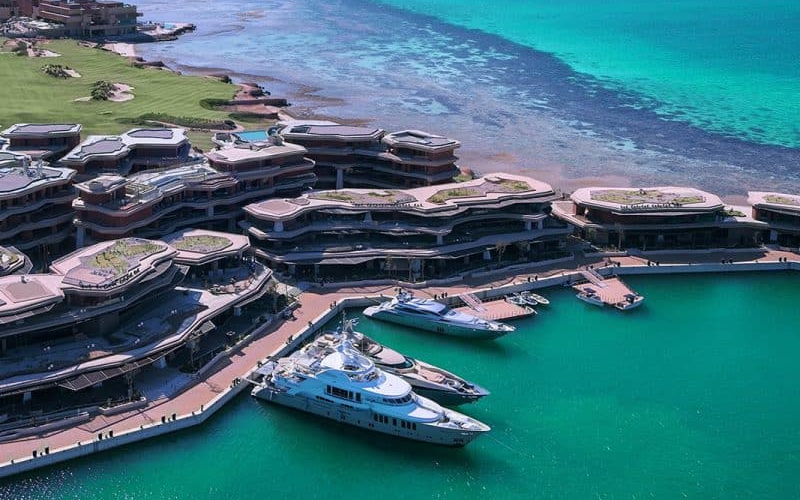
    • Owners of large luxury yachts, reflecting the kingdom’s push to make Red Sea destinations and new giga‑projects attractive to global leisure elites.
    • High‑achieving students and a broader range of entrepreneurs are expanding beyond current startup and high‑impact business tracks.​

    Draft timelines suggest new rules could be announced as early as April, though final decisions have not yet been taken, and criteria may shift as the package moves through the Saudi policy process.

    Existing ‘Gulf Green Card’ offers a menu of routes

    Even before any ultra‑rich expansion, Saudi Premium Residency has become a multi‑lane entry system into the kingdom for foreign investors and professionals. Key options include:

    • Unlimited (permanent) premium residency via a one‑time payment of SAR 800,000 (about $215,000).
    • Limited‑duration residency renewable annually for up to five years at SAR 100,000 (about $27,000) per year.
    • Entrepreneur residency, split into two bands, with SAR 400,000+ (≈$107,000) in startup funding for early‑stage founders or SAR 15 million+ (≈$4 million) and job‑creation obligations for high‑impact ventures.​
    • Real‑estate owner residency, requiring property worth at least SAR 4 million (≈$1.07 million), now eased by 2026 rules allowing foreigners to buy directly in major cities such as Riyadh and Jeddah.
    • Investor residency, tied to at least SAR 7 million (≈$1.87 million) in business investment and creation of 10 jobs.​
    • Special talent and gifted residencies for exceptional professionals and recognized figures in culture and sport, with options to convert medium‑term permits into permanent status if set conditions and minimum residence periods are met.

    Benefits common across the programme include permanent or long‑term residency without a local sponsor, the ability to own property under defined conditions, job mobility, and family sponsorship, alongside exemptions from certain labour-nationalization quotas for holders in “special talent” categories.

    A tool to lock in capital, skills and residency

    The contemplated ultra‑rich tier would sit atop this architecture, explicitly targeting the global wealthy who are increasingly shopping for residency options in the Gulf and beyond. For Riyadh, the calculation is that tying premium residency to substantial wealth, real‑estate ownership, and business investment can:

    • Anchor private capital inside the kingdom’s financial system
    • Support giga‑projects and new city developments by seeding affluent residents
    • Attract entrepreneurial and specialist talent that can accelerate economic diversification.

    Demand is already robust: between early 2024 and mid‑2025, more than 40,000 people applied for Premium Residency, with over 8,000 permits issued in 2024 alone, most under “exceptional competence” talent categories, followed by gifted and investor routes.​

    Competitive Gulf landscape and open questions

    Saudi Arabia’s recalibration comes as neighbouring states refine their own golden visas and investor residencies, creating a competitive landscape for global CEOs, family offices and high‑skill professionals choosing a Middle East base. Analysts note that an explicit ultra‑rich tier, if confirmed, would put the kingdom in more direct competition with hubs like Dubai for super‑wealthy residents and yacht‑owning elites, while leveraging its large domestic market and pipeline of mega‑projects as a draw.

    For now, key details remain unsettled: how strictly the $30 million net‑worth bar will be enforced, what kinds of investments or local ties will be expected, and how authorities will balance openness to foreign wealth with social and labour‑market priorities at home. But the trajectory is unmistakable: as it races to diversify away from oil, Saudi Arabia is increasingly using residency as a strategic lever not just to host expatriate workers, but to anchor global capital and talent in the kingdom for the long haul.

    Deciding between the Saudi Premium Residency and the UAE Golden Visa is no longer just about choosing a country; it’s about choosing a lifestyle and an economic strategy. While the UAE has long been the “safe harbor” for global wealth, Saudi Arabia is now offering unprecedented permanence to court the world’s ultra-rich.

    Comparison Table: 2026 Residency Benchmarks

    FeatureSaudi Premium Residency (2026)UAE Golden Visa (2026)
    Residency TypePermanent (Lifetime) or AnnualLong-term (5 or 10 Years), Renewable
    Property InvestmentSAR 4 Million ($1.06M)AED 2 Million ($545k)
    Business InvestmentSAR 7 Million ($1.87M) + 10 jobsAED 2 Million ($545k)
    SponsorshipNone (Self-Sponsorship)None (Self-Sponsorship)
    Time Outside CountryNo restriction (Freedom of travel)No restriction (Keep visa active)
    Family RightsSpouse, kids < 25, parentsSpouse, kids (no age limit), parents
    Personal Income Tax0%0%
    Corporate Tax20% (Non-GCC) or Zakat9% (on profits > AED 375k)
    VAT Rate15%5%

    Know more about “Saudi Arabia eyes broader ‘Gulf Green Card’ as it courts the ultra‑rich with expanded Premium Residency”:

    1. The “Green Card” Concept and Vision 2030

    1. What is the “Saudi Green Card”?
      It is the colloquial name for the Saudi Premium Residency, a program that allows foreigners to live, work, and own property in the Kingdom without a local sponsor (Kafeel).
    2. Why is it being called a “Gulf Green Card” now?
      The term is trending because Saudi Arabia is expanding its residency perks to compete directly with the UAE’s Golden Visa, aiming to become the primary hub for the entire Gulf region’s elite.
    3. What is the primary goal of this expansion?
      The expansion is a key pillar of Vision 2030, designed to attract foreign investment, stimulate the luxury real estate market, and diversify the economy away from oil.
    4. How does this impact the Kafala (sponsorship) system?
      Premium Residency holders are completely exempt from the Kafala system, meaning they do not need an employer’s permission to change jobs, travel, or conduct business.
    5. Who is the “Ultra-Rich” demographic Saudi Arabia is courting?
      Reports indicate the Kingdom is eyeing individuals with a net worth of $30 million or more, as well as owners of super yachts and high-profile global investors.

    2. New Residency Tracks and Costs

    1. What are the different tracks for Premium Residency?
      As of 2024–2025, there are seven tracks: Limited Duration, Unlimited Duration, Special Talent, Gifted, Investor, Entrepreneur, and Real Estate Owner.
    2. What is the cost of Permanent (Unlimited) Residency?
      It requires a one-time fee of SAR 800,000 (approx. $213,000).
    3. How much does the annual renewable residency cost?
      The Limited Duration Residency costs SAR 100,000 (approx. $26,660) per year.
    4. What is the “Real Estate Owner” track?
      It is a residency specifically for those who own residential property in Saudi Arabia worth at least SAR 4 million ($1.06 million), provided the property is mortgage-free.
    5. What are the requirements for the “Investor” track?
      Investors must obtain an investment license, commit at least SAR 7 million ($1.87 million) into the economy, and create 10 jobs within the first two years.

    3. Benefits for the Ultra-Rich

    1. Can Premium Residency holders own businesses?
      Yes, they can have $100\%$ foreign ownership of businesses in most sectors, allowing them to operate as local entities rather than foreign branches.
    2. What are the travel privileges?
      Holders enjoy unlimited exit and re-entry without needing a visa for each trip and can use the “fast-track” immigration lanes at Saudi airports.
    3. Are there tax benefits?
      While holders are subject to standard corporate taxes, they are currently exempt from the expat levy (dependent fees) that applies to regular residents and their families.
    4. What family rights are included?
      Residency is extended to the spouse and children under 25, and holders can also sponsor visit visas for extended relatives (like parents).
    5. Does the program offer a path to citizenship?
      Generally, no. The Premium Residency is designed for permanent settlement and economic participation, not as a direct route to Saudi nationality.

    4. Market Impact and Competition

    1. How does this program compare to the UAE Golden Visa?
      While the UAE program is more established, Saudi Arabia’s version offers greater permanence (lifetime vs. 10 years) and direct access to a much larger domestic market and trillion-dollar giga-projects.
    2. What are “Super Yacht” owners searching for?
      Wealthy individuals are looking at the Red Sea Global projects, where new regulations allow easier docking and residency for yacht owners to turn the Saudi coast into a “New Riviera.”
    3. How has the real estate market responded?
      Luxury property demand in Riyadh and Jeddah has surged, with high-net-worth individuals purchasing branded residences (like Armani or Four Seasons) to secure their residency.
    4. What is the “Special Talent” residency for?
      It targets high-earning executives (earning over SAR 80,000/month), healthcare specialists, and researchers to fuel the Kingdom’s innovation sectors.
  • Hajj 2026 Registration Opens for Muslim-Minority Countries Through Nusuk Platform

    Hajj 2026 Registration Opens for Muslim-Minority Countries Through Nusuk Platform

    Saudi Arabia has officially opened Hajj 2026 registration for Muslims residing in minority-Muslim countries through the Nusuk digital platform, marking the beginning of the application process for what will be one of Islam’s most significant religious gatherings. The early launch provides prospective pilgrims ample time to prepare for the sacred journey scheduled for mid-2026.

    Digital Registration Through Nusuk Platform

    The registration process is being conducted exclusively through the Nusuk platform (nusuk.sa), Saudi Arabia’s comprehensive digital ecosystem for religious tourism services. The platform represents the Kingdom’s commitment to modernizing and streamlining the Hajj experience while maintaining the spiritual essence of the pilgrimage.

    Muslims living in countries where Islam is a minority religion can now submit applications, select service packages, and begin the documentation process through the user-friendly digital interface available in multiple languages. The system is designed to provide transparency, accessibility, and efficiency for pilgrims regardless of their location.

    Who Can Register Now

    The current registration phase specifically targets Muslims residing in Muslim-minority countries—nations where Muslims do not constitute the majority of the population. This category includes pilgrims from:

    Europe and the Americas including the United States, Canada, United Kingdom, France, Germany, and other Western nations with significant Muslim communities.

    East and Southeast Asian countries such as China, Thailand, Philippines, and other nations with Muslim minority populations.

    Sub-Saharan African nations where Muslim communities exist alongside other religious groups.

    Australia and Oceania regions with growing Muslim populations.

    This early registration phase allows these communities to secure their spots before the general registration opens for Muslim-majority countries, ensuring equitable access to Hajj opportunities for Muslims worldwide.

    Registration Requirements and Documentation

    Prospective pilgrims must meet specific criteria and provide necessary documentation through the Nusuk platform:

    Valid passport with at least six months validity beyond the intended travel dates is mandatory for all applicants.

    Proof of residence in a Muslim-minority country through documentation such as residence permits, national identity cards, or other government-issued identification.

    Health requirements including vaccination records and medical fitness certificates as specified by Saudi health authorities, particularly important given ongoing global health considerations.

    Visa photographs meeting Saudi Arabian specifications must be uploaded during the registration process.

    Mahram requirements for women pilgrims continue to apply, though recent reforms have relaxed certain restrictions, allowing women over 45 to travel in organized groups without a male guardian.

    Service Packages and Pricing

    The Nusuk platform offers various service packages catering to different budgets and preferences, enabling pilgrims to select accommodations and services aligned with their financial capabilities:

    Premium packages provide luxury accommodations in close proximity to the Grand Mosque in Makkah and the Prophet’s Mosque in Madinah, along with enhanced transportation and catering services.

    Standard packages offer comfortable accommodations at moderate distances from holy sites with reliable transportation and meal provisions, representing the choice for many pilgrims seeking balance between comfort and affordability.

    Economy packages provide basic but dignified accommodations and services, ensuring that financial constraints do not prevent Muslims from fulfilling this religious obligation.

    All packages include essential services such as transportation between holy sites, accommodations in Makkah, Madinah, and Mina, meals during key Hajj days, and guidance from experienced tour operators licensed by Saudi authorities.

    Hajj 2026 Timeline and Expectations

    Based on the Islamic lunar calendar, Hajj 2026 is expected to fall in late May or early June 2026, corresponding to the month of Dhul-Hijjah in the Islamic calendar. The exact dates will be confirmed closer to the time based on moon sighting, following Islamic tradition.

    Saudi Arabia continues expanding its capacity to accommodate pilgrims as part of Vision 2030 objectives, with infrastructure developments across Makkah, Madinah, and other holy sites designed to enhance pilgrim experience while maintaining safety and spiritual atmosphere.

    The Kingdom has invested billions in transportation networks, including the Haramain High-Speed Railway connecting Makkah and Madinah, expanded Grand Mosque capacity, advanced crowd management systems, and enhanced medical facilities to ensure pilgrim safety and comfort.

    Significance for Global Muslim Communities

    For Muslims living in minority contexts, Hajj represents not only a religious obligation but also a profound connection to global Islamic community and heritage. The pilgrimage brings together Muslims from diverse backgrounds, cultures, and nationalities in a powerful demonstration of Islamic unity and brotherhood.

    The early registration opportunity acknowledges the additional planning requirements faced by Muslims in minority countries, who often need to arrange extended leave from employment, coordinate family responsibilities, and manage complex international travel logistics.

    Community organizations, Islamic centers, and mosques in Muslim-minority countries play crucial roles in supporting prospective pilgrims through information sessions, group coordination, and spiritual preparation programs that help participants understand Hajj rituals and maximize their spiritual experience.

    Regional Perspective: Gulf-Based Support

    For UAE residents and Muslims across the Gulf region, the Hajj preparation process benefits from geographical proximity and well-established travel infrastructure. However, the Nusuk platform ensures equitable access for Muslims worldwide, regardless of their location.

    Islamic affairs authorities across GCC countries typically provide guidance and support for residents undertaking Hajj, including informational resources, approved travel operators, and consumer protection measures to ensure pilgrims receive services matching their package descriptions.

    The UAE’s diverse expatriate population includes many Muslims from minority-Muslim countries who may choose to register through their home countries or, if eligible, through UAE-based systems depending on their residency status and nationality.

    Technical Features of Nusuk Platform

    The Nusuk platform represents Saudi Arabia’s digital transformation in religious tourism management:

    Multi-language support ensures accessibility for pilgrims worldwide, with interfaces available in Arabic, English, French, Urdu, Turkish, Indonesian, and other languages spoken by significant Muslim populations.

    Secure payment processing accommodates international transactions with multiple currency options and recognized payment methods, providing convenience and security for financial transactions.

    Real-time updates keep applicants informed about their registration status, visa processing, and any changes to requirements or procedures.

    Integrated services connect pilgrims with accommodation providers, transportation services, and authorized tour operators, creating a comprehensive ecosystem for Hajj planning.

    Mobile application enables pilgrims to manage their Hajj journey from smartphones, accessing information, documentation, and services throughout the preparation and pilgrimage periods.

    Health and Safety Considerations

    Saudi authorities prioritize pilgrim health and safety through comprehensive measures:

    Vaccination requirements are enforced to protect both pilgrims and host communities from infectious diseases, with specific requirements announced well in advance of Hajj dates.

    Medical facilities throughout holy sites provide emergency and routine healthcare services, with multilingual medical staff experienced in serving international pilgrims.

    Crowd management systems utilizing advanced technology help prevent overcrowding and ensure orderly movement during peak ritual times when millions gather in confined spaces.

    Heat mitigation measures including cooling systems, shaded walkways, and hydration stations address extreme summer temperatures that coincide with Hajj during certain years.

    Financial Planning and Preparation

    Hajj represents a significant financial commitment, and early registration enables pilgrims to plan and save accordingly:

    Cost considerations vary based on country of origin, selected package, and travel dates, with pilgrims advised to budget for visa fees, airfare, accommodations, meals, local transportation, and personal expenses.

    Payment schedules offered through the Nusuk platform often allow installment payments, making the financial commitment more manageable for pilgrims.

    Currency exchange considerations affect total costs, with pilgrims advised to monitor exchange rates and plan accordingly.

    Additional expenses beyond package costs should be budgeted for gifts, donations, personal items, communication services, and unexpected contingencies.

    Spiritual Preparation

    Beyond logistical planning, Muslims preparing for Hajj undertake spiritual preparation:

    Educational programs offered by mosques and Islamic centers teach Hajj rituals, historical significance, and spiritual dimensions of the pilgrimage.

    Physical preparation is important given the demanding nature of Hajj rituals, which involve considerable walking, standing, and physical exertion, particularly challenging in hot weather.

    Spiritual readiness involves increasing devotional practices, seeking forgiveness, resolving disputes, and approaching the journey with sincerity and humility.

    Family arrangements require attention, particularly for pilgrims with dependent children or elderly relatives requiring care during their absence.

    Advice for Prospective Pilgrims

    Religious scholars and experienced pilgrims offer guidance for those preparing for Hajj 2026:

    Register early to secure preferred packages and allow adequate time for visa processing and travel arrangements.

    Research thoroughly to understand ritual requirements, select appropriate service providers, and prepare for physical and spiritual dimensions of the journey.

    Verify credentials of tour operators and service providers, ensuring they hold valid licenses from Saudi authorities and have positive reputations within Muslim communities.

    Prepare documentation well in advance, ensuring passports, vaccinations, and other requirements are completed without last-minute complications.

    Consult experienced pilgrims who can provide practical advice based on personal experiences and help newcomers understand what to expect.

    Maintain flexibility understanding that Hajj involves large crowds, variable weather, and unexpected situations requiring patience and adaptability.

    Official Information Sources

    Pilgrims are encouraged to obtain information from authoritative sources:

    • Nusuk platform (nusuk.sa) for official registration and services
    • Saudi Ministry of Hajj and Umrah for policy updates and guidelines
    • Embassies and consulates of Saudi Arabia for visa information
    • Recognized Islamic organizations and scholars in home countries
    • Official government channels in countries of residence

    Prospective pilgrims should exercise caution regarding unofficial sources and verify information through authorized channels to avoid scams or misinformation.


    Why UAE National Day Is Now Called Eid Al Etihad: What It Means for Residents

  • UAE Mandates Strict Health Compliance for Hajj 2026 Pilgrims

    UAE Mandates Strict Health Compliance for Hajj 2026 Pilgrims

    The UAE authorities today issued a comprehensive and stringent directive, urging all citizens and residents planning to perform the Hajj pilgrimage in the 2026 season (1447H) to complete all mandatory health and vaccination requirements well in advance of their travel date. The move, coordinated with the latest health protocols from the Kingdom of Saudi Arabia, emphasizes pilgrim safety and aims to prevent the outbreak of infectious diseases during the sacred journey.

    The General Authority of Islamic Affairs, Endowments, and Zakat (Awqaf), in collaboration with the Ministry of Health and Prevention (MoHAP), has stressed that compliance with these mandates is non-negotiable for all prospective pilgrims registered through the official UAE channels.

    Mandatory Immunisations and Health Screening

    The core of the new directive centres on compulsory vaccinations and a declaration of physical fitness. Pilgrims must receive the Meningococcal vaccine and the Seasonal Influenza vaccine. Authorities specifically recommend receiving the vaccinations at least 10 to 15 days before the date of travel to ensure the development of adequate immunity.

    Beyond the mandatory shots, the UAE health authorities strongly recommend the Pneumococcal vaccine for individuals aged 65 and above, or those with chronic conditions, as well as the COVID-19 vaccine.

    A critical addition to the requirements is the submission of a health declaration. This document must confirm that the pilgrim is free from conditions that may impair their ability to safely perform the physically demanding rituals. Disqualifying conditions listed by the Saudi authorities, and echoed by the UAE, include major organ failure, advanced chronic diseases, neurological or psychological disorders affecting cognition, active infectious diseases like pulmonary tuberculosis, and advanced stages of cancer under active treatment.

    Focus on Physical Preparedness and First Aid

    The advisory extends beyond immunisation to encompass physical and dietary preparation. Pilgrims are urged to begin an exercise regimen, focusing on walking and aerobic activity, at least three weeks before departure to acclimatise their bodies to the strenuous nature of the Hajj rituals, which often involve walking distances up to 25km a day in challenging climatic conditions.

    Furthermore, guidance on nutrition, heatstroke prevention, and foot care—common health issues during the pilgrimage—has been amplified. Pilgrims are advised to prepare a comprehensive first aid kit, including all necessary chronic medication, pain relievers, and treatments for common ailments like skin abrasions and digestive issues.

    A Safer Pilgrimage

    An Awqaf spokesperson commented on the announcement, stating, “Our highest priority is the health and safety of every pilgrim. By aligning our requirements early and strictly with the Kingdom of Saudi Arabia’s protocols, we ensure our citizens and residents are fully prepared for this spiritual duty. We urge everyone to consult with their healthcare provider immediately and adhere to the strict timelines for vaccination and medical checks.”

    The UAE’s proactive stance is a key component of its national strategy to ensure a smooth, tranquil, and healthy experience for its quota of pilgrims. Authorities are using digital platforms to streamline the process, from registration (which opened in September) to health compliance checks, facilitating a better-organised Hajj season.


    Apple Unleashes the M5 Chip: New iPad Pro, MacBook Pro, and Vision Pro Arrive, Marking a Major Leap in AI Computing

  • Saudi Arabia Boosts First-Time Homebuyer Support with 95% Financing

    Saudi Arabia Boosts First-Time Homebuyer Support with 95% Financing

    In a significant stride towards its Vision 2030 goals of increased homeownership, Saudi Arabia has announced sweeping new measures to make property acquisition more accessible for its citizens. The Kingdom is now offering unprecedented support for first-time homebuyers, including lower down payment requirements and the availability of financing options covering up to 95 percent of a property’s value. This bold move is set to revolutionize the real estate landscape, empowering more Saudis to step onto the property ladder.

    This latest initiative builds upon a series of reforms introduced by the Ministry of Municipal, Rural Affairs and Housing and entities like the Real Estate Development Fund (REDF) and the Sakani program. Historically, securing a home loan in Saudi Arabia often required substantial down payments, sometimes as high as 30%. However, with these new provisions, the barrier to entry has been dramatically lowered, addressing a key challenge for many aspiring homeowners.

    “This is a transformative moment for Saudi families aspiring to own their first home,” stated a representative from the Ministry of Housing. “By significantly reducing the initial financial burden and expanding access to high-percentage financing, we are directly fulfilling the Vision 2030 mandate to improve the quality of life for our citizens and enhance access to suitable housing.”

    Key Facets of the Enhanced Support Include:

    • Lower Down Payments: While specific figures will vary by lending institution and individual financial profiles, the general trend indicates a shift towards significantly reduced upfront capital requirements for first-time buyers. Some reports suggest down payments can now be as low as 5%, a stark contrast to previous norms.
    • Up to 95% Financing: This is perhaps the most impactful element, allowing eligible first-time homebuyers to secure loans covering almost the entirety of the property’s purchase price. This drastically reduces the need for large personal savings to acquire a home.
    • Integrated Government Programs: These new financing options are seamlessly integrated with existing government initiatives such as the Sakani Program and the Real Estate Development Fund (REDF). Sakani provides various housing solutions and financing support, while REDF offers interest-free loans or subsidies to help reduce mortgage installments, further easing the financial strain on buyers.
    • Sharia-Compliant Options: The available financing models continue to be Sharia-compliant, primarily through Murabaha (cost-plus financing) and Ijara (lease-to-own) structures, ensuring alignment with Islamic financial principles.
    • Targeting Increased Homeownership: These measures are part of a broader national strategy to boost Saudi homeownership rates from around 60% currently to a targeted 70% by 2030, a cornerstone of the Kingdom’s economic diversification plan.

    The Saudi real estate market has seen considerable growth recently, with increased demand driven by these supportive government programs. While discussions around potential price increases due to foreign ownership laws (set to take effect in January 2026) are ongoing, the government’s current focus remains firmly on empowering its citizens.

    Who Qualifies? Eligibility Criteria for First-Time Homebuyers:

    While specific requirements can vary slightly between different banks and financing programs, a general set of criteria applies to benefit from the enhanced support:

    1. Saudi Nationality: The primary target for these programs are Saudi citizens.
    2. First-Time Homebuyer Status: Applicants must not currently own any residential freehold property in Saudi Arabia. This is a fundamental condition for accessing the most favorable terms.
    3. Age Requirements: Generally, applicants must be between 20 and 60-70 years old (the upper limit often varies, with some banks extending it for government employees or high-income individuals). For some programs, retirees up to 70 years may be eligible.
    4. Stable Income Source: Applicants need to demonstrate a stable source of income, whether from employment (government, private, or semi-governmental sectors) or proven business ownership (for self-employed individuals).
      • Minimum Monthly Income: This varies significantly by lender and the loan amount desired, but generally ranges from SAR 3,000 to SAR 15,000.
      • Employment History: Most banks require a minimum employment history, typically 3 to 6 months for government/semi-government employees and 6 months for private sector employees. Self-employed individuals may need to provide financial statements for the last two years.
      • Salary Transfer: Some programs or banks may require the applicant’s salary to be transferred to the lending institution.
    5. Good Credit History (SIMAH Score): A strong credit score from SIMAH (the Saudi Credit Bureau) is crucial. A clean financial record without a history of bad debts significantly improves approval chances and can lead to better terms.
    6. Debt-to-Income Ratio (DTI): Lenders will assess your overall monthly debt payments (including the proposed mortgage) to ensure they are manageable. As a rule of thumb, your total debt repayments should ideally be lower than 40-50% of your monthly income.
    7. Property Requirements:
      • The property must generally be a ready unit (villa, apartment) or an off-plan sale.
      • It must be vacant and ready for housing.
      • Located within approved plans and urban areas.
      • Property age often has limits, e.g., not exceeding 20 years at the beginning of the mortgage and 40 years at maturity.
      • Must have an independent title deed.

    How to Apply for 95% Financing and Government Support:

    The process is largely streamlined and digital, often beginning with eligibility checks through the government’s Sakani platform:

    1. Check Eligibility via the Sakani Program:
      • Visit the Sakani Platform: Go to the official Sakani website (https://sakani.sa/en) or download the Sakani mobile application (available on Android and iOS).
      • Eligibility Checker: Utilize the “Eligibility checker” service to determine if you qualify for various financial services and housing products offered by the Ministry of Housing and REDF. This is your crucial first step.
      • Register: If not already registered, create an account using your National ID.
      • Submit Housing Support Request: Follow the prompts to submit your request for housing support. This will link you to potential government subsidies.
    2. Obtain REDF Approval (Madoum Program):
      • If you are eligible for REDF support (often notified via SMS from the Fund after Sakani assessment), you can then proceed.
      • The “Madoum” Finance Program is a key part of REDF’s offering, providing full or partial profit payments on behalf of the beneficiary, especially for low and medium-income individuals.
      • The Advance Subsidy Program from REDF can also provide a non-refundable upfront subsidy (e.g., SAR 100,000 or SAR 150,000) that can be used directly for the down payment, reducing the amount you need to pay out-of-pocket.
    3. Approach Partner Banks and Financial Institutions:
      • Once you have your Sakani eligibility and potential REDF approval, you can approach one of the many partner banks and financial institutions in Saudi Arabia that offer housing finance programs. These include major banks like Saudi National Bank (SNB), Bank AlJazira, Bank Albilad, Riyad Bank, etc.
      • Pre-Qualification: Most banks will put you through a pre-qualification process to assess your financial health, credit score, and confirm your eligibility for their specific 95% LTV (Loan-to-Value) products.
      • Submit Required Documents: You will need to gather documents such as:
        • Copy of a valid National ID card
        • Salary Certificate (certified by the Chamber of Commerce if the salary is not transferred to the bank)
        • Salary transfer letter (if applicable)
        • Bank account statements (last 3-6 months, depending on employment type)
        • Social insurance certificate (if the employer is not enrolled with the bank)
        • Financial Statements for last two years (for self-employment)
        • SIMAH credit report
        • Property documents (title deed, sales agreement/offer)
    4. Loan Approval & Property Valuation:
      • Upon successful document submission and eligibility verification, the bank will proceed with formal loan approval.
      • A property valuation will be conducted by an approved appraiser to determine the fair market value of the home, ensuring the loan amount aligns with the property’s actual worth.
    5. Sign Contracts and Property Transfer:
      • Once the loan is approved, you will sign the financing contract, typically based on Sharia-compliant models like Murabaha or Ijara.
      • The property title is then transferred, and the keys to your new home are yours.

    By diligently following these steps and leveraging the substantial government support, Saudi citizens are now better positioned than ever to achieve their homeownership aspirations, contributing directly to the Kingdom’s ambitious Vision 2030.


    Sharjah Introduces Automatic SEWA Utility Transfers for Tenants

  • Saudi Arabia Reopens Doors: Visit and Umrah Visas Resume Post-Hajj 2025

    Saudi Arabia Reopens Doors: Visit and Umrah Visas Resume Post-Hajj 2025

    In a move signaling a return to normalcy after the annual Hajj pilgrimage, Saudi Arabia has officially restarted issuing visit visas and Umrah permits, welcoming international travelers back to the Kingdom’s holy sites and cultural destinations. The announcement comes exactly two weeks after the conclusion of Hajj 2025, which saw over 2.3 million pilgrims complete their spiritual journey.

    Key Updates for Travelers

    1. Visa Availability

    ✔ Tourist Visas: Now available for 63 eligible countries (including new additions)
    ✔ Umrah Visas: Special 90-day permits for spiritual visits
    ✔ eVisa Platform: Fully operational with Arabic/English support

    2. New Streamlined Processes

    • 48-hour processing for most applications
    • Multiple-entry option for frequent visitors
    • Extended validity: Stays up to 90 days permitted

    3. Post-Hajj Umrah Season

    • Special night Umrah permits during Ramadan 2026 (expected)
    • Discounted packages through approved tour operators

    Why This Matters Now

    1. Economic Boost
      The Umrah industry typically generates $12 billion annually – critical for Vision 2030 diversification
    2. Global Muslim Community
      Over 1 million applications already pending since Hajj ended
    3. Infrastructure Upgrades
      New Makkah Route Initiative allows visa processing in travelers’ home countries

    What Travelers Should Know

    ✅ Health Requirements

    • No COVID-19 restrictions remain
    • Travel insurance mandatory

    ✅ Cultural Considerations

    • Modesty dress codes still enforced
    • Photography rules around holy sites

    ✅ Tech Enhancements

    • Nusuk App now includes augmented reality wayfinding
    • Digital wallet integration for cashless transactions

    Industry Reactions

    Tour Operators
    “Bookings are already at 70% of pre-pandemic levels,” reports Al-Mulla Travel CEO

    Hospitality Sector
    Hotels near the Haram are offering early-bird Ramadan 2026 rates

    Pilgrim Testimonials
    “The new e-system made getting my Umrah visa easier than ordering dinner,” shares Indonesian traveler Ahmad Fauzi

    Looking Ahead

    • October 2025: Expected launch of GCC unified tourist visa
    • December 2025: Planned direct flights from 15 new cities
    • 2026: Projected 30 million+ visitors annually

  • Saudi Arabia Jawazat Clarifies Multiple-Entry Business Visit Visa Rules Amid Misinformation

    Saudi Arabia Jawazat Clarifies Multiple-Entry Business Visit Visa Rules Amid Misinformation

    Riyadh, April 7, 2025 – The General Directorate of Passports (Jawazat) has issued an official statement addressing widespread misinformation regarding visa policies for business, tourist, and family visit visas. Contrary to social media claims, the Jawazat confirmed that no mandate requires visa holders from 14 countries, including India, Pakistan, and Egypt, to leave Saudi Arabia by April 13, 2025, or face a five-year entry ban.

    Official Clarifications from Jawazat

    The Jawazat has outlined the following key points to dispel rumors:

    • Visa Validity Remains Unchanged: Holders of valid business, tourist, or family visit visas can remain in Saudi Arabia until their visa expires. Overstaying beyond the expiry date will result in legal penalties but not an automatic entry ban.
    • No Immediate Exit Deadline: There is no requirement for visa holders from the listed countries to exit Saudi Arabia by April 13 unless their visa is expiring on or before that date.
    • Renewals Allowed: Multiple-entry visas can be renewed through the Absher and Muqeem platforms if eligibility criteria are met.

    The Jawazat emphasized that any updates to visa regulations will be announced exclusively through its official channels, urging residents and travelers to rely on verified sources for accurate information.

    Background on Recent Visa Updates

    Saudi Arabia recently implemented temporary restrictions on issuing new Umrah, business, and family visit visas for nationals of 14 countries until mid-June 2025. These measures align with efforts to manage overcrowding during the Hajj season and prevent unauthorized pilgrims from performing Hajj without proper registration. However, these restrictions do not retroactively affect valid visas issued before February 2025.

    The affected countries include Algeria, Bangladesh, Egypt, Ethiopia, India, Indonesia, Iraq, Jordan, Morocco, Nigeria, Pakistan, Sudan, Tunisia, and Yemen.

    Guidelines for Visa Holders

    The Jawazat reiterated important guidelines for all visa holders:

    • Check Visa Validity: Business visit visa holders can verify their status via the Absher or Muqeem platforms linked to their sponsoring establishments. Family visit visa holders should check with their sponsors.
    • Tourist Visa Stays: Holders of multiple-entry tourist visas are allowed a maximum stay of 90 days within a one-year period.
    • Hajj Restrictions: No visit visa holders will be permitted to perform Hajj. Pilgrims must obtain proper Hajj visas through authorized channels.

    Addressing Misinformation

    The Jawazat warned against believing unverified social media reports claiming that all short-term visa holders must leave Saudi Arabia by April 13 or face severe penalties. It urged travelers and residents to consult official platforms such as the Jawazat website or follow its verified social media accounts for reliable updates.

    This clarification aims to reassure travelers and businesses while ensuring compliance with immigration laws during the busy Hajj season.


    Saudi Arabia Opens Hajj 2025 Registration: Key Updates and Guidelines

  • Saudi Arabia Opens Hajj 2025 Registration: Key Updates and Guidelines

    Saudi Arabia Opens Hajj 2025 Registration: Key Updates and Guidelines

    The Saudi Ministry of Hajj and Umrah has officially opened registration for the Hajj 2025 pilgrimage, inviting domestic and international pilgrims to apply through the Nusuk app or the ministry’s e-portal. This year’s pilgrimage will take place from June 4 to June 9, during the Islamic month of Dhul-Hijjah. Prospective pilgrims are encouraged to register early and adhere to updated guidelines aimed at ensuring a safe and seamless experience.

    New Rules for Hajj 2025

    Saudi Arabia has introduced significant changes to enhance crowd control and prioritize safety:

    • Age Restrictions: Children under 12 years are banned from participating to mitigate risks associated with overcrowding.
    • Visa Updates: Pilgrims from 14 countries, including India, Pakistan, and Egypt, will now receive single-entry visas valid for 30 days, replacing the previous one-year multiple-entry visas.
    • First-Time Pilgrims Priority: Registrations will prioritize individuals performing Hajj for the first time, ensuring more Muslims can fulfill this sacred duty.

    Registration Process via Nusuk App

    The upgraded Nusuk portal, featuring over 100 new services, simplifies planning and booking for pilgrims. Key features include:

    • Online Visa Applications: Pilgrims can apply directly through the app.
    • Health Information Submission: Mandatory health details ensure compliance with safety protocols.
    • Package Bookings: Notifications alert applicants when Hajj packages become available.

    Domestic pilgrims can also add companions during registration or request exemptions from the Mahram (male guardian) requirement if necessary.

    Important Dates and Deadlines

    • Visa Applications Open: April 14, 2025
    • Last Date for Visa Submission: May 23, 2025

    Pilgrims must ensure their documentation is accurate and complete to avoid cancellations or delays.

    Safety and Compliance Measures

    Saudi authorities have outlined strict health and movement guidelines for pilgrims:

    • Mandatory vaccinations (e.g., meningitis and influenza).
    • Compliance with transportation schedules between holy sites.
    • Adherence to accommodation regulations and assembly points.

    The Saudi Ministry of Hajj and Umrah’s efforts reflect its commitment to facilitating a safe, organized pilgrimage while enabling millions of Muslims worldwide to embark on this transformative spiritual journey.


    11-Year-Old Zahi Najmal Utilizes Vacation to Master AI Skills Through Dubai’s ‘One Million Prompters’ Initiative