Tag: Saudi Arabia

Stay informed about Saudi Arabia with Gulf Insight 360. Get the latest news, analysis, and insights on the kingdom’s politics, economy, culture, and social trends. Visit www.gulfinsight360.com for concise and reliable coverage of Saudi Arabia’s dynamic landscape.

  • Saudi Arabia and UAE Spearhead GCC Greenfield Projects Pipeline, Driving Regional Economic Growth

    Saudi Arabia and UAE Spearhead GCC Greenfield Projects Pipeline, Driving Regional Economic Growth

    Saudi Arabia and the United Arab Emirates (UAE) are leading the charge in the Gulf Cooperation Council’s (GCC) greenfield projects pipeline, accounting for the majority of investments in renewable energy, infrastructure, and industrial development. According to recent reports, the two nations are at the forefront of the region’s push toward economic diversification, sustainability, and innovation, with billions of dollars committed to transformative projects. This surge in greenfield investments underscores the GCC’s ambition to reduce its reliance on oil revenues and build a sustainable future.

    A Greenfield Boom in the GCC

    Greenfield projects, which involve developing new facilities or infrastructure on previously unused land, are a key indicator of economic growth and investor confidence. In the GCC, these projects are driving the region’s transition toward a knowledge-based, sustainable economy.

    Saudi Arabia and the UAE are the dominant players, contributing over 70% of the total greenfield investments in the GCC. These projects span a wide range of sectors, including renewable energy, smart cities, manufacturing, and tourism, reflecting the region’s commitment to diversification and innovation.

    Saudi Arabia: Vision 2030 in Action

    Saudi Arabia’s ambitious Vision 2030 initiative is the driving force behind its greenfield projects pipeline. The Kingdom is investing heavily in mega-projects and infrastructure to transform its economy and position itself as a global hub for trade, tourism, and technology.

    Key Projects

    1. NEOM: The $500 billion futuristic city is one of the most ambitious greenfield projects in the world. NEOM will feature smart infrastructure, renewable energy systems, and cutting-edge technologies, aiming to attract millions of residents and tourists.
    2. Red Sea Project: A luxury tourism destination powered entirely by renewable energy, the Red Sea Project is set to redefine sustainable tourism.
    3. Qiddiya: An entertainment and sports city near Riyadh, Qiddiya will include theme parks, sports facilities, and cultural attractions.
    4. Renewable Energy Initiatives: Saudi Arabia is investing in solar and wind energy projects, including the Sakaka Solar Plant and the Dumat Al Jandal Wind Farm, to achieve its goal of generating 50% of its energy from renewables by 2030.

    These projects are not only creating jobs and boosting economic growth but also positioning Saudi Arabia as a leader in sustainable development.

    UAE: A Hub for Innovation and Sustainability

    The UAE is equally committed to greenfield investments, with a focus on innovation, sustainability, and economic diversification. The country’s Net Zero by 2050 Strategic Initiative is a key driver of its greenfield projects pipeline.

    Key Projects

    1. Mohammed bin Rashid Al Maktoum Solar Park: The world’s largest single-site solar park, with a planned capacity of 5,000 MW by 2030, is a cornerstone of the UAE’s renewable energy strategy.
    2. Masdar City: A pioneering sustainable urban development in Abu Dhabi, Masdar City is a hub for clean technology and innovation.
    3. Expo City Dubai: Built on the legacy of Expo 2020 Dubai, this smart city is designed to be a global center for innovation, sustainability, and collaboration.
    4. Industrial and Logistics Zones: The UAE is investing in industrial and logistics hubs, such as KIZAD and Dubai Industrial City, to strengthen its position as a global trade and manufacturing hub.

    The UAE’s greenfield projects are attracting significant foreign investment, further cementing its status as a regional and global economic powerhouse.

    Regional Impact and Economic Diversification

    The greenfield projects led by Saudi Arabia and the UAE are having a ripple effect across the GCC, inspiring other member states to accelerate their own diversification efforts. Countries like Qatar, Oman, and Kuwait are also investing in renewable energy, infrastructure, and industrial projects, albeit on a smaller scale.

    These investments are critical for the GCC’s long-term economic stability. By reducing dependence on oil revenues and creating new revenue streams, the region is building a more resilient and sustainable economy.

    Challenges and Opportunities

    While the GCC’s greenfield projects pipeline is impressive, it is not without challenges. Key issues include:

    • Funding: Securing sufficient funding for mega-projects remains a challenge, particularly in a volatile global economic environment.
    • Sustainability: Ensuring that projects are environmentally sustainable and aligned with global climate goals is a top priority.
    • Talent Development: Building a skilled workforce to support these projects is essential for their success.

    Despite these challenges, the opportunities far outweigh the risks. The GCC’s strategic location, abundant resources, and commitment to innovation make it an attractive destination for investors and businesses worldwide.

    Global Partnerships and Foreign Investment

    Saudi Arabia and the UAE are actively seeking global partnerships to support their greenfield projects. International companies and investors are playing a crucial role in financing, designing, and executing these initiatives.

    For example, Saudi Arabia’s Public Investment Fund (PIF) has partnered with global firms like SoftBank, Blackstone, and Google to drive its Vision 2030 projects. Similarly, the UAE has attracted investments from companies like Siemens, TotalEnergies, and Amazon for its renewable energy and smart city initiatives.


    Comprehensive Roadmap to navigate the essentials of U.S. immigration compliance: Your 2025 U.S Immigration Compliance Guide

  • Saudi Arabia Unveils $50 Billion Investment in Green Energy Projects

    Saudi Arabia Unveils $50 Billion Investment in Green Energy Projects

    In a landmark announcement, Saudi Arabia has committed $50 billion to a sweeping initiative aimed at transforming its energy landscape, with a focus on solar and wind projects designed to slash the Kingdom’s reliance on oil by 2030. Unveiled by Crown Prince Mohammed bin Salman during a high-profile energy summit in Riyadh, the plan signals an ambitious pivot toward renewable energy, positioning Saudi Arabia as a potential global leader in the green transition.

    The initiative, dubbed “Green Horizon 2030,” includes the construction of 25 new solar farms and 15 wind energy sites across the Kingdom, with a combined capacity to generate 75 gigawatts of clean power—enough to meet over 40% of the country’s domestic energy needs by the end of the decade. Key projects include a massive solar complex in the Al-Jouf region and an offshore wind farm along the Red Sea coast, both slated to break ground by late 2025. The Public Investment Fund (PIF), Saudi Arabia’s sovereign wealth fund, will spearhead funding, alongside partnerships with international firms like Germany’s Siemens Energy and China’s Envision Group.

    “This is not just an energy project—it’s a redefinition of our future,” Crown Prince Mohammed said in his keynote address. “The world is moving toward sustainability, and Saudi Arabia will not only adapt but lead. By 2030, we aim to export green energy solutions as we have exported oil for decades.”

    A Strategic Shift from Oil Dependency

    The announcement comes as part of Vision 2030, the Kingdom’s blueprint to diversify its economy beyond hydrocarbons, which still account for roughly 60% of GDP and 70% of export revenues. With global oil demand projected to peak within the next decade amid climate pressures, analysts see the $50 billion investment as a proactive move to future-proof the Saudi economy. The International Energy Agency (IEA) estimates that renewable energy could contribute up to 20% of Saudi GDP by 2040 if such initiatives succeed.

    Energy Minister Prince Abdulaziz bin Salman emphasized the dual benefits of the plan. “We’re reducing our carbon footprint while creating jobs—over 200,000 are expected from these projects alone,” he said, noting that the Kingdom aims to cut emissions by 278 million tons annually by 2030, aligning with its Paris Agreement pledges.

    Global Ambitions and Regional Impact

    Beyond domestic goals, Saudi Arabia is eyeing a role as a green energy exporter. Plans include a $5 billion hydrogen production facility in NEOM, the futuristic city under development, which could supply clean fuel to Europe and Asia. “The Kingdom is leveraging its vast deserts and windy coastlines—natural assets for solar and wind—to build a new energy empire,” said Dr. Fatima Al-Rashid, an energy policy expert at King Saud University.

    Regionally, the move could intensify competition with the UAE, which has its own renewable ambitions, including the Noor Abu Dhabi solar plant. Analysts suggest Saudi Arabia’s scale and resources might give it an edge, though cooperation—such as joint Gulf renewable grids—remains a possibility. “This could reshape the GCC’s energy dynamics,” Al-Rashid added.

    Challenges Ahead

    Despite the optimism, hurdles loom. Critics point to the Kingdom’s historical lag in renewable deployment—solar and wind currently make up less than 2% of its energy mix—and question whether the 2030 timeline is realistic. Infrastructure gaps, such as limited grid capacity, and the need for skilled workers could delay progress. Moreover, the global shift to renewables has driven up costs for materials like polysilicon, a key solar component, which rose 15% in the past year alone.

    Environmentalists also caution that large-scale projects could disrupt fragile desert ecosystems. “The intent is commendable, but execution must balance growth with conservation,” said Omar Khalil, a Riyadh-based environmental advocate.

    A Bold Step Forward

    For now, the announcement has drawn praise from global leaders. U.S. Energy Secretary Jennifer Granholm called it “a game-changer for the Middle East,” while UN Climate Chief Simon Stiell hailed it as “a signal to oil-reliant states that transition is possible.” On the economic front, Saudi stocks surged, with renewable-focused firms like ACWA Power gaining 8% in trading following the news.

    As the Kingdom embarks on this green journey, the world watches closely. If successful, Green Horizon 2030 could redefine Saudi Arabia’s identity—from an oil titan to a renewable pioneer—while offering a blueprint for other Gulf states. For Crown Prince Mohammed, it’s a high-stakes bet on a sustainable legacy, one that could echo far beyond 2030.


    How Airlines Handle In-Flight Deaths: Protocols, Challenges, and Passenger Experiences

  • Saudi Arabia Halts Multiple-Entry Visit Visas for 14 Countries: What’s Next for Travel and Diplomacy?

    Saudi Arabia Halts Multiple-Entry Visit Visas for 14 Countries: What’s Next for Travel and Diplomacy?

    In a recent policy adjustment, the Saudi Arabian government has temporarily suspended the issuance of one-year multiple-entry family visit visas for citizens of 14 countries, including India, Pakistan, and Bangladesh. This decision aims to review and potentially revise the existing visa policies for these nationalities.

    The move, effective immediately, marks a departure from Saudi Arabia’s recent efforts to open its doors to international tourists and investors as part of its Vision 2030 initiative. While the government has not provided detailed reasons for the suspension, analysts suggest it is linked to ongoing security challenges and the need to manage immigration more effectively.

    Countries Affected:

    While the complete list may vary, it is reported to include the following countries:

    • India
    • Pakistan
    • Bangladesh
    • Indonesia
    • Philippines
    • Vietnam
    • Ethiopia
    • Kenya
    • Uganda
    • Nigeria
    • Myanmar
    • Afghanistan
    • Syria
    • Yemen

    Potential Implications:

    This policy change could have several implications, including:

    • Impact on family ties: Frequent family visits may be disrupted for residents of these countries living in Saudi Arabia.
    • Tourism impact: The suspension could potentially affect tourism revenue from these countries, as frequent visitors may be discouraged from traveling to Saudi Arabia.
    • Diplomatic relations: The move could have diplomatic implications for Saudi Arabia’s relations with the affected countries.

    Looking Ahead:

    The Saudi Arabian government is expected to review its visa policies and may introduce revised guidelines in the future.

    The Decision: A Closer Look

    Multiple-entry visit visas have been a popular option for frequent travelers, including business professionals, expatriates, and families visiting relatives in Saudi Arabia. These visas allowed holders to enter the Kingdom multiple times within a specified period, typically one year, without the need to reapply each time.

    The suspension applies to new visa applications while existing multiple-entry visas remain valid until their expiration. However, travelers from the affected countries will now need to apply for single-entry visas, which are more restrictive and require additional documentation.

    “This decision reflects the Kingdom’s commitment to maintaining national security while ensuring the integrity of its immigration system,” said Ahmed Al-Rajhi, Saudi Arabia’s Minister of Human Resources and Social Development. “We remain open to visitors from around the world but must prioritize the safety and well-being of our citizens.”

    Impact on Travel and Trade

    The suspension is expected to have far-reaching consequences for travelers and businesses in the affected countries.

    1. Business Travel: Companies with operations in Saudi Arabia or partnerships with Saudi firms may face disruptions, as frequent travel becomes more cumbersome and costly.
    2. Expatriate Communities: Families and individuals who rely on multiple-entry visas to visit relatives working in Saudi Arabia will need to navigate the new restrictions, potentially straining personal and professional relationships.
    3. Tourism: While Saudi Arabia has been actively promoting itself as a tourist destination, the suspension could deter visitors from the affected countries, impacting the Kingdom’s tourism revenue.

    “This decision is a setback for regional connectivity and economic cooperation,” said Dr. Fatima Al-Mansoori, an economist specializing in Gulf affairs. “It could create barriers to trade and investment, particularly for small and medium-sized enterprises that rely on frequent travel.”

    What’s Next?

    The suspension of multiple-entry visit visas is likely to prompt a range of responses from the affected countries and the international community.

    1. Diplomatic Negotiations: Governments of the affected countries may seek to engage with Saudi authorities to address concerns and explore alternative arrangements.
    2. Policy Adjustments: Saudi Arabia could introduce new visa categories or streamline the application process for single-entry visas to mitigate the impact on travelers.
    3. Regional Cooperation: The decision may spur discussions among Gulf Cooperation Council (GCC) members about harmonizing visa policies and enhancing regional security cooperation.

    Public Reaction: Mixed Responses

    The announcement has elicited mixed reactions from the public. While some Saudis have welcomed the move as a necessary step to enhance security, others have expressed concern about its potential impact on the Kingdom’s reputation as a welcoming destination.

    “We understand the need for security, but this decision feels like a step backward,” said Rana Al-Hassan, a Saudi business owner. “We’ve worked hard to open up to the world, and this could undo some of that progress.”

    Looking Ahead

    As Saudi Arabia navigates the complexities of immigration policy and national security, the suspension of multiple-entry visit visas underscores the challenges of balancing openness with safety. The decision is likely to remain a topic of debate in the coming months, with implications for the Kingdom’s global standing and its ambitious Vision 2030 goals.

    For now, travelers and businesses from the affected countries are left to adapt to the new reality, while Saudi authorities work to address the concerns raised by this controversial policy shift.

    Disclaimer: This information is based on current reports and may be subject to change. Please refer to official sources from the Saudi Arabian government for the most up-to-date and accurate information.


    Elon Musk’s Team Granted Access to U.S. Government Payment System, Raising Security and Oversight Concerns

  • Saudi Arabia’s Vision 2030: A Transformative Journey Towards Economic Diversification and Global Leadership

    Saudi Arabia’s Vision 2030: A Transformative Journey Towards Economic Diversification and Global Leadership

    Saudi Arabia’s Vision 2030, the ambitious blueprint unveiled by Crown Prince Mohammed bin Salman in 2016, continues to achieve remarkable milestones as the Kingdom accelerates its transformation into a global economic powerhouse. With a focus on reducing its dependence on oil revenues, fostering innovation, and enhancing the quality of life, Saudi Arabia is making headlines with groundbreaking projects such as NEOM, the Red Sea Project, and Qiddiya. The recent signing of multi-billion-dollar contracts with international firms underscores the Kingdom’s unwavering commitment to realizing its Vision 2030 goals.

    The Pillars of Vision 2030

    Vision 2030 is built on three core pillars: a vibrant society, a thriving economy, and an ambitious nation. These pillars are designed to position Saudi Arabia as a global leader in innovation, tourism, and sustainability. The initiative aims to diversify the economy by investing in non-oil sectors such as entertainment, tourism, technology, and renewable energy, while also improving infrastructure, healthcare, and education.

    NEOM: The City of the Future

    One of the most ambitious projects under Vision 2030 is NEOM, a $500 billion mega-city being built from scratch in the northwestern region of Saudi Arabia. NEOM is envisioned as a hub for innovation, sustainability, and cutting-edge technology. The city will be powered entirely by renewable energy and will feature smart infrastructure, autonomous transportation, and advanced industries such as biotechnology and robotics.

    Recent developments include the launch of THE LINE, a revolutionary urban concept comprising two parallel skyscrapers stretching 170 kilometers, designed to house 9 million residents with zero cars, zero streets, and zero carbon emissions. NEOM has also signed contracts with global firms for the construction of its infrastructure, including partnerships with companies like Bechtel and Hyundai Engineering & Construction.

    The Red Sea Project: A Luxury Tourism Destination

    The Red Sea Project is another cornerstone of Vision 2030, aiming to position Saudi Arabia as a global leader in luxury tourism. Spanning over 28,000 square kilometers, the project includes an archipelago of 90 islands, pristine beaches, and coral reefs. The first phase, which includes 16 hotels and an international airport, is set to open in 2024.

    The project is being developed with a strong emphasis on sustainability, with plans to power the entire destination using renewable energy and to implement strict conservation measures to protect the environment. The Red Sea Development Company has awarded contracts worth billions of dollars to international firms, including ACWA Power for renewable energy solutions and Foster + Partners for architectural design.

    Qiddiya: The Entertainment Capital

    Qiddiya, located just 40 kilometers from Riyadh, is set to become the Kingdom’s premier entertainment, sports, and cultural destination. The project spans 334 square kilometers and will feature theme parks, sports facilities, concert venues, and cultural attractions. Qiddiya aims to attract 17 million visitors annually by 2030, contributing significantly to the Kingdom’s tourism sector.

    The first phase of Qiddiya, which includes a Six Flags theme park and a motorsports complex, is expected to open in 2024. The project has already signed agreements with global entertainment giants, including Warner Bros. and Six Flags, to bring world-class attractions to Saudi Arabia.

    Economic Diversification and International Partnerships

    A key objective of Vision 2030 is to reduce Saudi Arabia’s reliance on oil revenues by diversifying its economy. The Kingdom has made significant progress in this regard, with non-oil revenues reaching record levels in recent years. The government has also implemented reforms to improve the business environment, attract foreign investment, and support the private sector.

    The recent signing of multi-billion-dollar contracts with international firms highlights Saudi Arabia’s commitment to leveraging global expertise to achieve its Vision 2030 goals. These partnerships span various sectors, including construction, technology, renewable energy, and entertainment. For example, Saudi Arabia has partnered with SoftBank to launch the $100 billion SoftBank Vision Fund, which invests in cutting-edge technologies worldwide.

    Challenges and Opportunities

    While Vision 2030 has achieved significant milestones, the journey is not without challenges. The scale and complexity of projects like NEOM and the Red Sea Project require substantial investment, technical expertise, and coordination. Additionally, the Kingdom must navigate global economic uncertainties, fluctuating oil prices, and geopolitical tensions.

    However, the opportunities far outweigh the challenges. Vision 2030 has already transformed Saudi Arabia’s economic landscape, creating new industries, generating jobs, and attracting global attention. The initiative has also improved the Kingdom’s global standing, positioning it as a leader in innovation, sustainability, and economic diversification.

    A Vision for the Future

    As Saudi Arabia continues to make strides towards achieving Vision 2030, the world is watching closely. The Kingdom’s bold ambitions and transformative projects are not only reshaping its economy but also redefining its role on the global stage. With NEOM, the Red Sea Project, Qiddiya, and other initiatives, Saudi Arabia is building a future that is sustainable, innovative, and prosperous.

    As Crown Prince Mohammed bin Salman once said, “We have all the means to achieve our dreams and ambitions. There is no limit to what we can achieve.” Vision 2030 is a testament to this belief, and its success will serve as a model for nations around the world.


    How to Report Excessive Construction Noise in Abu Dhabi, UAE

  • How Gitco Saudi Arabia Teamed Up to Support and Inspire at Al Sharqiyah International Race 2024

    How Gitco Saudi Arabia Teamed Up to Support and Inspire at Al Sharqiyah International Race 2024

    The 26th edition of the Al Sharqiyah International Race 2024, held under the patronage of His Royal Highness Prince Saud bin Nayef bin Abdulaziz Al Saud, Governor of the Eastern Province, concluded successfully on December 14, 2024. The event, which took place on the stunning Al Khobar Corniche, attracted a diverse range of participants, including teams like GITCO (Global Innovation Trading and Contracting Company L.L.C).

    A Celebration of Sport and Community

    This year’s race featured both 5-kilometer and 21-kilometer categories for both men and women. The event was organized in collaboration with the Ministry of Sports, the Saudi Athletics Federation, and the International Association of Athletics Federations (IAAF), ensuring adherence to international standards.

    GITCO, a prominent company in the region, actively participated in the race, demonstrating its commitment to promoting health and wellness. Mr. Faizal Abdul Latheef, representing GITCO, expressed his enthusiasm for the event, praising its organization and the positive impact it has on the community.

    “This is a wonderful program with amazing races. It is well-organized,” said Mr. Faizal Abdul Latheef. “GITCO is proud to support such initiatives that promote sustainability and a healthy lifestyle.”

    Inspiring Participation and Reflecting on Saudi Arabia’s Progress


    Gitco’s involvement highlights a growing trend in Saudi Arabia where businesses are embracing community-focused initiatives. Events like the Al Sharqiya Running Race are becoming key drivers of positive change, promoting health, inclusivity, and unity within the Kingdom.

    The increasing participation in such events also reflects the Kingdom’s broader economic and social transformation. As part of Saudi Vision 2030, investments in sports and fitness are helping shape healthier, more vibrant communities. Gitco Saudi Arabia’s presence serves as an inspiring example of how businesses can actively contribute to this mission.

    A Day of Success and Togetherness


    The Al Sharqiya Running Race 2024 was not just about competition but also about unity, teamwork, and support for fitness goals. Gitco Saudi Arabia’s participation reinforced the importance of corporate involvement in community-building initiatives.

    Through events like these, Saudi Arabia continues to inspire individuals and organizations to come together, reflecting the Kingdom’s evolving economy and commitment to health and well-being.


    AirPods Pro 2: A New Era of Personalized Hearing

  • UAE Fans Optimistic About Saudi Arabia’s 2034 World Cup Bid

    UAE Fans Optimistic About Saudi Arabia’s 2034 World Cup Bid

    As Saudi Arabia gears up to host the 2029 Asian Games, anticipation is building for their ambitious bid to host the 2034 FIFA World Cup. Football fans across the Middle East, particularly in the UAE, are expressing optimism about the Kingdom’s potential to deliver a world-class tournament.

    Many UAE football enthusiasts believe that Saudi Arabia, having witnessed the success of the 2022 FIFA World Cup in Qatar, is well-positioned to build upon this momentum and stage an even more spectacular event. The infrastructure developments and organizational prowess showcased by Qatar have set a high bar, and Saudi Arabia is determined to surpass these standards.

    Key factors that contribute to this optimism:

    • Vision 2030: Saudi Arabia’s ambitious economic diversification plan, Vision 2030, aligns perfectly with the country’s sporting aspirations. The government’s commitment to investing in sports infrastructure and promoting a healthy lifestyle will undoubtedly benefit the 2034 World Cup bid.  
    • Rapid infrastructural development: Saudi Arabia has been investing heavily in modern stadiums, transportation networks, and hospitality facilities. These developments will provide a solid foundation for hosting a successful World Cup.  
    • Passionate fan base: The Kingdom boasts a passionate and growing football fan base. Their enthusiasm and support for the national team will create a vibrant atmosphere during the tournament.  
    • Regional cooperation: Saudi Arabia’s strategic location in the Middle East allows for easy access from neighboring countries. This could lead to increased tourism and economic benefits for the region.

    While the official bid process is still ongoing, the early signs are promising. If successful, the 2034 FIFA World Cup in Saudi Arabia could be a historic moment for the Middle East, showcasing the region’s growing influence on the global sporting stage.


    Liverpool Stumble as Newcastle Fight Back

  • Saudi Arabia Unveils Luxurious NEOM Sindalah Island Resort

    Saudi Arabia Unveils Luxurious NEOM Sindalah Island Resort

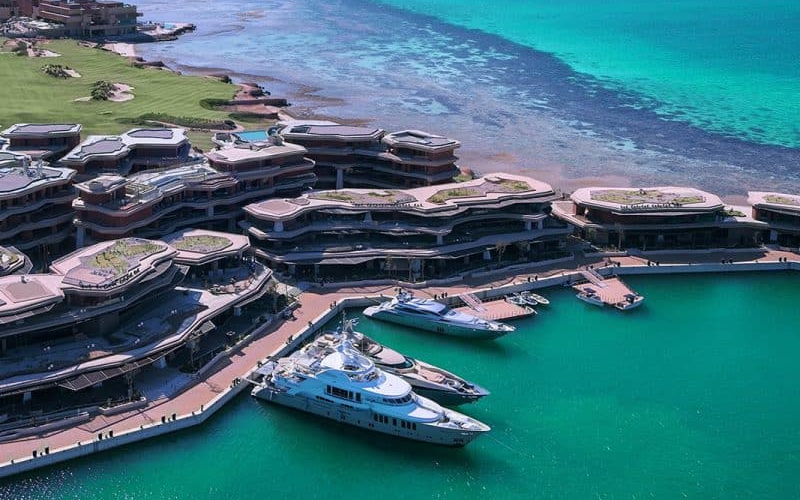
    Saudi Arabia has unveiled its latest luxury destination, the stunning NEOM Sindalah Island Resort. This exclusive island retreat, located in the Red Sea, offers unparalleled luxury, breathtaking natural beauty, and world-class amenities.

    NEOM Sindalah is designed to be a haven of tranquility and sophistication, offering guests a unique and unforgettable experience. The island resort boasts a collection of luxurious villas, each offering breathtaking sea views and private pools. Guests can indulge in a variety of activities, including diving, snorkeling, and yachting.

    The resort also features a world-class spa, gourmet restaurants, and a vibrant nightlife scene. The architecture and design of the resort are inspired by the natural beauty of the Red Sea, creating a harmonious blend of luxury and sustainability.

    The opening of NEOM Sindalah marks a significant milestone in Saudi Arabia’s ambitious plans to diversify its economy and attract tourists from around the world. The kingdom’s investment in luxury tourism and sustainable development is transforming the region into a global destination.

    Know More About NEOM Sindalah Island Resort :

    1. What is NEOM Sindalah Island Resort?
      • NEOM Sindalah is a luxury island resort located in the Red Sea, Saudi Arabia.
    2. Who is the developer of NEOM Sindalah?
      • NEOM, a futuristic city project in Saudi Arabia, is developing the island resort.
    3. When did NEOM Sindalah open?
      • The resort opened its doors to guests in [Year].
    4. Where is NEOM Sindalah located?
      • It is situated on a private island in the Red Sea, near the coast of Saudi Arabia.
    5. What is the concept behind NEOM Sindalah?
      • The resort is designed to offer a luxurious and sustainable experience, blending natural beauty with modern amenities.

    Accommodation and Facilities

    1. What types of accommodations are available at NEOM Sindalah?
      • The resort offers a variety of accommodation options, including villas, suites, and beachfront residences.
    2. What amenities and facilities does the resort offer?
      • NEOM Sindalah offers world-class amenities such as private beaches, swimming pools, spa facilities, fitness centers, and fine dining restaurants.
    3. Are there any water sports and activities available at the resort?
      • Yes, the resort offers a range of water sports and activities, including diving, snorkeling, and sailing.
    4. What is the level of luxury and exclusivity at NEOM Sindalah?
      • NEOM Sindalah is designed to provide an ultra-luxury experience with personalized services and exclusive amenities.
    5. Can guests access other parts of NEOM from the resort?
    • Yes, guests may have access to other attractions and experiences within the broader NEOM project.

    Sustainability and Environmental Impact

    1. What is NEOM’s commitment to sustainability?
    • NEOM is committed to sustainable development and aims to create an environmentally friendly destination.
    1. How is NEOM Sindalah contributing to sustainable tourism?
    • The resort incorporates sustainable practices in its design, construction, and operations.
    1. Are there any specific eco-friendly initiatives implemented at the resort?
    • The resort may implement initiatives such as waste reduction, water conservation, and renewable energy usage.
    1. How does NEOM Sindalah preserve the natural environment?
    • The resort is designed to minimize its impact on the environment and protect the marine ecosystem.
    1. What is the role of technology in the resort’s operations?
    • Technology may be used to enhance the guest experience, optimize energy consumption, and improve operational efficiency.

    Future Plans and Expansion

    1. Are there plans to expand NEOM Sindalah in the future?
    • NEOM may have future plans to expand the resort or add new amenities.
    1. How will NEOM Sindalah contribute to Saudi Arabia’s tourism industry?
    • The resort is expected to attract high-end tourists and contribute to the diversification of Saudi Arabia’s economy.
    1. What is the long-term vision for NEOM Sindalah?
    • The long-term vision for NEOM Sindalah is to establish it as a world-class destination and a symbol of luxury and sustainability.
    1. How does NEOM Sindalah compare to other luxury resorts in the region?
    • The resort aims to differentiate itself through its unique location, design, and focus on sustainability.
    1. What is the expected impact of NEOM Sindalah on the local community?

    The resort may create job opportunities and contribute to the economic development of the region.


    Lulu IPO: Lulu Group International Eyes $1.43 Billion IPO in UAE

  • Six Senses Expands Global Footprint with Four New Properties in 2025

    Six Senses Expands Global Footprint with Four New Properties in 2025

    Six Senses Hotels & Resorts, a leading luxury hospitality brand, plans to open four new properties in 2025. The expansion will include new destinations in Dubai, Saudi Arabia, the Maldives, and the United States.

    Dubai:

    • Six Senses Palm Jumeirah: Located on the iconic Palm Jumeirah island, this luxury resort will offer stunning ocean views, world-class spa facilities, and a variety of dining options. The resort will feature 261 guest rooms and suites, including beachfront villas with private pools. Guests can enjoy a variety of activities, such as swimming, snorkeling, and water sports.

    Saudi Arabia:

    • Six Senses Al Ula: Nestled amidst the dramatic landscapes of Al Ula, this desert retreat will provide guests with a unique and immersive experience. The resort will offer 84 luxurious villas and suites, each with its own private pool and outdoor living space. Guests can explore the ancient ruins of Al Ula, enjoy stargazing experiences, and indulge in wellness treatments at the resort’s spa.

    Maldives:

    • Six Senses Laamu: This secluded island resort will offer 104 villas, each with direct beach access or overwater views. Guests can enjoy a variety of water sports, such as diving, snorkeling, and surfing. The resort will also feature a world-class spa and a sustainable organic farm.

    United States:

    • Six Senses New York: The brand’s first property in New York City will be a stylish urban retreat, offering a blend of luxury and sophistication. The hotel will feature 114 guest rooms and suites, a rooftop bar and lounge, a spa, and a fitness center.

    Global Expansion and Sustainability:

    Six Senses’ expansion plans are driven by the growing demand for luxury hospitality experiences that prioritize sustainability and wellness. The brand’s commitment to responsible tourism and environmental stewardship is evident in its choice of locations and development practices.

    Key Highlights of Six Senses’ Expansion:

    • Strategic Locations: The new properties are located in destinations known for their natural beauty and cultural significance.
    • Luxury Accommodations: Six Senses offers world-class accommodations, including spacious villas, suites, and private residences.
    • Wellness and Sustainability: The brand is committed to providing guests with wellness-focused experiences and sustainable practices.
    • Unique Experiences: Each Six Senses property offers unique experiences, such as spa treatments, culinary adventures, and cultural activities.

    Six Senses’ expansion in 2025 will further solidify its position as a leading luxury hospitality brand. With the addition of these new properties, Six Senses will continue to offer guests unforgettable experiences in some of the world’s most desirable destinations.


    Dubai Gears Up for a Month-Long Celebration of UAE National Day

  • Saudi Arabia Introduces Sweeping Changes to Labour Law

    Saudi Arabia Introduces Sweeping Changes to Labour Law

    Riyadh, Saudi Arabia – September 13, 2024: Saudi Arabia has unveiled significant amendments to its Labour Law, aiming to enhance workplace rights, promote a more flexible labour market, and attract foreign investment.

    Key Changes:

    • Extended Workweek: The maximum permissible weekly work hours have been increased from 48 to 50 hours, with overtime pay remaining mandatory.
    • Flexible Working Arrangements: Employers are now permitted to introduce flexible working arrangements, including remote work and compressed workweeks, subject to mutual agreement with employees.
    • Termination Procedures: New regulations have been introduced to streamline the termination process, ensuring fair treatment for both employers and employees.
    • End-of-Service Benefits: The calculation of end-of-service benefits has been revised to align with international standards.
    • Female Empowerment: The law now allows women to work in all professions, including those previously restricted to men. It also mandates equal pay for equal work, regardless of gender.
    • Foreign Worker Rights: The law has been amended to protect the rights of foreign workers, including ensuring fair wages, working conditions, and access to healthcare.

    Impact on the Labour Market:

    These reforms are expected to have a significant impact on Saudi Arabia’s labour market. By promoting flexibility and attracting foreign investment, the government aims to create more jobs and boost economic growth. The changes also reflect the country’s commitment to improving the quality of life for its citizens and residents.

    Experts’ Views:

    Industry experts and labour activists have expressed mixed reactions to the new Labour Law. While some applaud the government’s efforts to modernize the labour market, others raise concerns about potential challenges in implementation and enforcement.

    Overall, the introduction of these sweeping changes marks a significant step forward for Saudi Arabia’s labour market. It is anticipated that the reforms will have a positive impact on the country’s economic development and social progress.


    Saudi Arabia Announces Four-Day Weekend for National Day

  • Saudi Arabia Announces Four-Day Weekend for National Day

    Saudi Arabia Announces Four-Day Weekend for National Day

    Riyadh, Saudi Arabia – To commemorate its 94th National Day, Saudi Arabia has announced a four-day weekend for its citizens and residents. The extended holiday will begin on Friday, September 20, 2024, and continue through Monday, September 23, 2024.

    The decision to grant a four-day break coincides with the National Day falling on a Monday, providing a much-needed opportunity for rest and relaxation. The extended weekend is expected to boost domestic tourism and economic activity as people take advantage of the extra time to travel, spend time with family and friends, or simply unwind.

    The Saudi National Day, celebrated on September 23, commemorates the unification of the Kingdom of Saudi Arabia in 1932 under King Abdulaziz bin Saud. The holiday is marked by various celebrations, including fireworks displays, parades, and cultural events.

    This year’s National Day theme, “We Dream and We Achieve,” highlights the significant progress made by Saudi Arabia in recent years, particularly in terms of economic development, social reforms, and cultural initiatives. The extended weekend provides an opportunity to reflect on the nation’s achievements and look forward to a brighter future.


    Severe Flu Cases on the Rise in UAE: Doctors Urge Flu Vaccination