Category: Technology

Explore the latest advancements and trends in the world of technology with GulfInsight360.com’s Technology category. From the latest gadgets and innovations to cybersecurity, artificial intelligence, and emerging technologies, our team of tech-savvy writers brings you comprehensive coverage and insightful analysis. Stay informed about the ever-evolving tech landscape, learn about groundbreaking inventions, and discover how technology is shaping our lives and industries.

  • What exactly is PPC or Pay per Click?

    What exactly is PPC or Pay per Click?

    What exactly is PPC or Pay per Click?

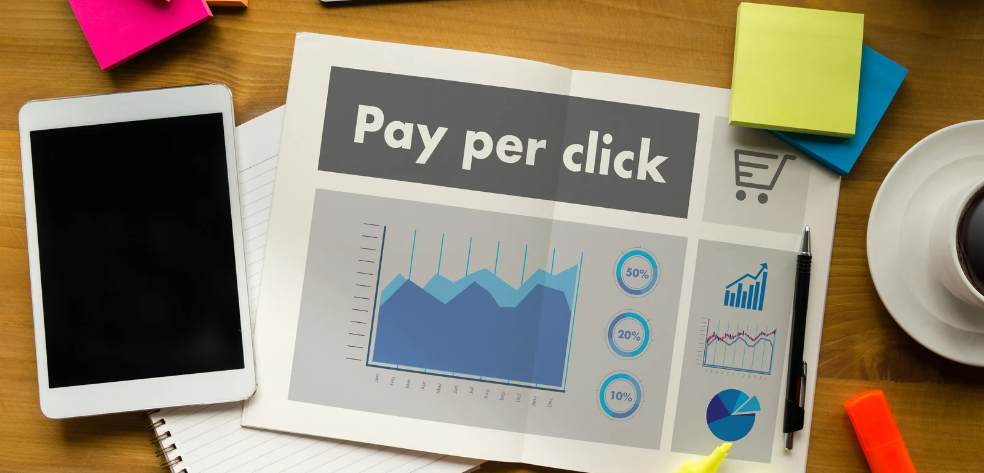
    PPC stands for Pay-Per-Click, which is an online advertising model where advertisers pay a fee each time their ad is clicked. It is a form of digital marketing in which advertisers bid on keywords relevant to their target audience, and their ads are displayed on search engine results pages or on websites. When a user clicks on the ad, the advertiser is charged a predetermined cost per click.

    PPC campaigns are typically managed through advertising platforms such as Google Ads (formerly known as Google AdWords) and Bing Ads. Advertisers create ads and set a budget, targeting specific keywords and demographics. The ads are then displayed to users who are searching for those keywords or fit the specified criteria.

    PPC offers several benefits to advertisers. It allows for precise targeting, as ads can be tailored to specific keywords, locations, and demographics. Advertisers have control over their budget and can set daily or monthly limits. PPC campaigns also provide detailed analytics and reporting, allowing advertisers to track performance and make data-driven decisions.

    PPC can be an effective marketing strategy as it allows advertisers to reach their target audience when they are actively searching for relevant products or services. It offers immediate visibility and can drive qualified traffic to a website, potentially leading to higher conversions and revenue.

    However, it is important to note that PPC requires careful planning, keyword research, and ongoing optimization to ensure cost-effectiveness and maximize return on investment (ROI). Advertisers need to continuously monitor and adjust their campaigns to improve ad performance, increase click-through rates, and optimize their conversion rates.

    In summary, PPC is an advertising model where advertisers pay for each click on their ads. It offers precise targeting, budget control, and detailed analytics. By leveraging PPC, businesses can increase their online visibility, drive qualified traffic, and achieve their marketing goals.

    Understanding the Relationship Between PPC and CPC: Who Should Care?

    In the world of digital advertising, two key terms often come up: PPC (Pay-Per-Click) and CPC (Cost-Per-Click). While they are related, it’s essential to understand their connection and why they matter to businesses and advertisers. This article will explore the relationship between PPC and CPC, who should care about them, and their significance in online advertising campaigns.

    The Relationship Between PPC(Pay per Click) and CPC(Cost per Click)

    PPC (Pay-Per-Click) is an online advertising model in which advertisers pay a fee each time their ad is clicked. It is a way to buy visits to a website rather than earning them organically. On the other hand, CPC (Cost-Per-Click) is the actual cost an advertiser pays for each click on their ad. CPC is a metric that helps determine the effectiveness and efficiency of a PPC campaign.

    In a PPC campaign, advertisers bid on keywords or ad placements in an auction-like system. The ad platforms, such as Google Ads or Bing Ads, use algorithms to determine ad positions based on factors like bid amounts, ad quality, and relevance. Advertisers set their maximum bid, which represents the highest amount they are willing to pay for a click.

    The actual cost per click (CPC) can vary depending on factors such as the competitiveness of the keywords, the quality of the ad and landing page, and the relevance to the target audience. Advertisers are charged only when their ad is clicked, regardless of the number of impressions it receives. CPC is calculated by dividing the total cost of the clicks by the number of clicks generated.

    Who Should Care About PPC(Pay per Click) and CPC(Cost per Click)?

    1. Businesses and Advertisers: PPC and CPC are crucial for businesses and advertisers who want to drive targeted traffic to their websites and promote their products or services. By leveraging PPC advertising, businesses can reach their target audience and pay only when someone clicks on their ad. CPC helps businesses evaluate the cost-effectiveness of their campaigns and optimize their strategies to maximize their return on investment (ROI).

    2. Digital Marketing Professionals: PPC and CPC are vital metrics for digital marketing professionals responsible for managing advertising campaigns. They need to monitor CPC to ensure they are optimizing ad spend and driving conversions within the desired cost range. By analyzing CPC trends and performance, they can make data-driven decisions to enhance campaign effectiveness and allocate budgets efficiently.

    3. Agencies and Marketing Consultants: PPC and CPC play a significant role for agencies and marketing consultants who provide advertising services to clients. They need to understand the dynamics of PPC and CPC to develop effective advertising strategies and deliver measurable results. By closely monitoring CPC, they can demonstrate the value they bring to clients and optimize campaigns for better performance.

    What is the procedure for a brand owner to place a PPC advertisement, and how are negotiations conducted and with whom?

    When a brand owner wants to place an advertisement based on PPC (Pay-Per-Click), they can follow a structured procedure to maximize the effectiveness of their campaign. The steps involved are as follows:

    1. Define Advertising Goals: The brand owner should clearly define their advertising objectives, whether it’s increasing brand awareness, driving website traffic, generating leads, or boosting sales.

    2. Conduct Keyword Research: Research relevant keywords and phrases that align with the brand’s offerings and target audience. This helps in targeting the right keywords for the PPC campaign.

    3. Select a PPC Platform: Choose a suitable PPC platform such as Google Ads, Bing Ads, Facebook Ads, or LinkedIn Ads, based on the target audience and advertising goals.

    4. Set Advertising Budget: Determine the budget allocated for the PPC campaign. This involves deciding on a daily or monthly spending limit to control costs.

    5. Create Compelling Ad Copy: Develop engaging and persuasive ad copy that includes relevant keywords. The ad copy should effectively communicate the brand’s value proposition and encourage users to click on the ad.

    6. Determine Bidding Strategy: Decide on the bidding strategy for the PPC campaign. This involves setting the maximum amount the brand owner is willing to pay for each click or conversion. Bidding strategies can be manual or automated, depending on the platform and campaign goals.

    7. Launch the Campaign: Launch the PPC campaign on the chosen platform, following the platform’s guidelines. Set parameters such as campaign duration, geographic targeting, and ad scheduling.

    8. Monitor and Optimize: Continuously monitor the campaign’s performance, including metrics like click-through rates (CTR), conversion rates, and return on ad spend (ROAS). Make data-driven optimizations to improve campaign effectiveness.

    In terms of negotiations, PPC advertising involves indirect negotiations through the chosen PPC platform. The brand owner doesn’t negotiate directly with individuals but participates in an automated bidding system. Advertisers set bids for specific keywords or ad placements, and the platform determines ad positions based on bid amounts, ad relevance, and quality scores.

    Negotiations occur within the platform’s auction-like system, where the platform facilitates bid adjustments and ad placements to maximize advertiser value and user experience. Advertisers can also utilize targeting options to refine their audience based on demographics, interests, or search intent.

    Overall, negotiations in PPC advertising revolve around optimizing bids, targeting, and ad performance to achieve desired outcomes within the allocated budget. Advertisers should continually monitor and optimize their campaigns to drive success and maximize results.

    Conclusion:

    PPC and CPC are interrelated metrics that form the backbone of online advertising campaigns. PPC allows advertisers to pay for targeted clicks, while CPC quantifies the cost associated with each click. Both metrics are crucial for businesses, advertisers, digital marketing professionals, agencies, and marketing consultants. By leveraging PPC and closely monitoring CPC, they can drive targeted traffic, measure the effectiveness of their campaigns, and make data-driven decisions to optimize their advertising efforts.

    In summary, understanding the relationship between PPC and CPC is essential for anyone involved in online advertising. Whether you’re a business owner, advertiser, digital marketing professional, or part of an agency, paying attention to PPC and CPC can significantly impact the success of your advertising campaigns and help you achieve your marketing objectives.


  • What is CTR in online advertising.

    What is CTR in online advertising.

    Know all about CTR in online advertising

    The term ‘CTR’ used in online advertising stands for Click-Through Rate. It is a metric used to measure the effectiveness of an online advertising campaign or a specific advertisement. CTR represents the percentage of people who click on a specific link or advertisement after viewing it. It is calculated by dividing the number of clicks on the link or advertisement by the number of impressions (or views) it received and multiplying the result by 100.

    CTR is an important metric in online advertising because it indicates how successful an ad is in capturing the attention of viewers and motivating them to take action. A higher CTR generally suggests that the ad is relevant and appealing to the target audience, while a lower CTR may indicate that the ad is not resonating with viewers.

    CTR is influenced by various factors, including the ad’s positioning, design, messaging, and relevance to the audience. A well-crafted and compelling ad is more likely to generate a higher CTR. Advertisers use CTR as a performance indicator to assess the success of their campaigns, optimize their ads, and improve their overall marketing strategies.

    It is important to note that CTR alone does not provide a complete picture of the campaign’s success. While a high CTR indicates a strong engagement with the ad, it does not guarantee conversion or desired outcomes. Therefore, it is essential to analyze other metrics such as conversion rate, cost per acquisition, and return on investment to evaluate the overall effectiveness of an advertising campaign.

    In summary, CTR is a measure of the percentage of people who click on an advertisement or link after viewing it. It helps advertisers assess the performance of their ads and make informed decisions to improve their campaigns.

    what CRT range of rating is considered a good performance indicator?

    The definition of a good CTR can vary depending on the industry, platform, and specific campaign objectives. Generally, a higher CTR is considered desirable as it indicates that a larger percentage of viewers are engaging with the advertisement or link. However, what constitutes a “good” CTR can differ based on the context.

    In online advertising, average CTRs can vary significantly. Display ads typically have lower average CTRs, often ranging from 0.05% to 0.20%. On the other hand, search ads tend to have higher average CTRs, commonly ranging from 1% to 5%. It’s important to note that these are rough industry benchmarks, and the actual performance benchmarks can differ based on the specific advertising platform, targeting criteria, and industry.

    Instead of focusing solely on an absolute CTR value, it is more meaningful to evaluate the CTR in relation to the campaign’s objectives and benchmarks. For example, if the average CTR in your industry is 0.10%, achieving a CTR above the industry average can be considered good performance.

    It’s also crucial to consider the campaign goals beyond just CTR. Depending on the campaign objectives, a lower CTR may still be successful if it leads to a high conversion rate or achieves other desired outcomes such as sales, sign-ups, or engagement.

    To determine what constitutes a good CTR for your specific campaign, it is recommended to establish realistic goals based on industry benchmarks, historical data, and the specific objectives of the campaign. Regularly monitoring and optimizing the campaign based on the CTR and other relevant metrics will help gauge its performance and make informed decisions to improve results.

    Tools available to measure the Click-Through Rate (CTR) in a campaign

    There are several tools available to measure the Click-Through Rate (CTR) in a campaign. Here are some commonly used tools:

    1. Google Analytics: Google Analytics is a widely used web analytics tool that provides detailed insights into website traffic, including CTR. It can track clicks on various elements such as ads, links, and buttons, allowing you to measure CTR for different campaigns and specific pages.

    2. Ad platforms: Advertising platforms like Google Ads, Facebook Ads, and LinkedIn Ads provide built-in reporting features to measure CTR for their respective ad campaigns. These platforms offer detailed analytics and performance metrics, including CTR, impressions, clicks, and conversions.

    3. Email marketing platforms: If you’re running email marketing campaigns, platforms like Mailchimp, Constant Contact, and Campaign Monitor provide analytics and reporting features that include CTR. These tools allow you to track the number of clicks on links within your emails and calculate the CTR.

    4. Social media analytics tools: Social media platforms such as Facebook Insights, Twitter Analytics, and Instagram Insights offer built-in analytics tools that provide CTR metrics for your posts, ads, and promoted content. These tools track engagement, clicks, and conversions to help measure the effectiveness of your social media campaigns.

    5. URL shorteners: URL shortening services like Bitly, TinyURL, and Rebrandly not only create shorter and more manageable URLs but also provide analytics on the number of clicks each shortened link receives. This can be useful for measuring CTR in campaigns where you share links on social media, email, or other channels.

    6. Heatmap and user behavior tracking tools: Tools like Hotjar, Crazy Egg, and Mouseflow provide heatmaps and user behavior tracking features. These tools can help you analyze how users interact with your website, including click patterns and areas of high engagement, allowing you to evaluate CTR for specific elements or sections of your website.

    It’s important to select the tools that align with your specific campaign goals, channels, and platforms. By utilizing these tools, you can accurately measure CTR and gain valuable insights into the performance of your campaigns, helping you make data-driven decisions for optimization and improvement.

  • CPC advertising-Maximizing Advertising Success & Unveiling the Power.

    CPC advertising-Maximizing Advertising Success & Unveiling the Power.

    Summary:(All about CPC Advertising)

    CPC, or Cost Per Click, is a transformative advertising model that empowers businesses to optimize their online campaigns. With its cost control, performance tracking, and targeted reach, CPC offers unparalleled benefits for businesses of all sizes. However, considerations such as competition, ad quality, and conversion optimization must be addressed for optimal results. CPC is well-suited for small businesses and those seeking immediate traffic, while highly competitive industries must navigate bidding challenges strategically. By embracing the power of CPC, businesses can unlock their advertising potential, connect with their target audience, and achieve remarkable success in the dynamic digital advertising landscape.

    The Foundations of CPC Advertising

    In the vast realm of online advertising, CPC stands as a fundamental metric that shapes campaigns and influences success. At its core, CPC refers to the cost an advertiser incurs for each click on their ad. By unraveling the intricacies of CPC, businesses can pave the way for targeted exposure, enhanced cost control, and optimized return on investment (ROI).

    How Does CPC Work?

    To harness the power of CPC, it is essential to grasp its inner workings. CPC operates within an auction-based system, where advertisers bid on specific keywords or target criteria. When a user’s search query aligns with the chosen keywords, an auction takes place, considering factors such as bid amount, ad relevance, and quality score. The winning advertiser’s ad is displayed, and they pay the determined CPC only when a user clicks on their ad.

    The Benefits of CPC Advertising

    Cost Control and Budget Optimization

    One of the primary advantages of CPC advertising is its inherent cost control. Advertisers have the ability to set a maximum bid for each click, ensuring they stay within their allocated budget. This empowers businesses of all sizes to allocate their resources effectively and obtain tangible results without worrying about overspending.

    Performance Tracking and ROI Analysis

    CPC provides a wealth of data for advertisers to track and analyze the performance of their campaigns. By monitoring CPC data, businesses can gain valuable insights into click-through rates, conversions, and overall campaign effectiveness. This data-driven approach enables advertisers to make informed decisions, optimize their strategies, and maximize their ROI.

    Targeted Reach and Audience Engagement

    CPC advertising allows for precise targeting based on keywords, demographics, interests, and user behavior. This level of granularity enables businesses to connect with their desired audience, enhancing the chances of engagement and conversion. By tailoring ads to specific target segments, CPC facilitates the delivery of relevant content, resulting in higher click-through rates and increased conversions.

    Considerations for CPC Success

    Competition and Bid Pricing

    While CPC offers immense benefits, it is vital to recognize the competitive nature of certain industries and popular keywords. In such cases, bid pricing may be higher, impacting the overall advertising budget and ROI. Advertisers must conduct thorough keyword research, identify niche opportunities, and develop compelling ad content to mitigate these challenges effectively.

    Ad Quality and Relevance

    The success of a CPC campaign hinges on the quality and relevance of the ad itself. Advertisers must craft engaging, persuasive, and visually appealing ads that align with the target audience’s needs and preferences. A strong call-to-action and compelling value proposition can increase click-through rates and drive conversions, optimizing the overall campaign performance.

    Conversion Optimization and Landing Page Design

    While CPC brings traffic to the website, it is crucial to ensure an optimized user experience and seamless conversion journey. A well-designed landing page, clear navigation, and intuitive user interface contribute to higher conversion rates. Advertisers should continually analyze and optimize their landing pages to enhance the user experience and maximize the value of each click.

    CPC: Good for Whom and Bad for Whom?

    Those Who Benefit from CPC Advertising

    CPC advertising is particularly beneficial for small and medium-sized businesses with limited advertising budgets. Its cost control mechanism allows them to allocate funds strategically and pay only for tangible results. Additionally, businesses looking for immediate traffic and brand exposure can leverage CPC to generate targeted visits and raise brand awareness swiftly.

    Challenges for Highly Competitive Industries

    While CPC holds immense potential, highly competitive industries may face challenges. Popular keywords with intense bidding competition can result in higher CPC rates, impacting the advertising budget. These industries require extensive optimization efforts, thorough keyword research, and compelling ad content to ensure a favorable ROI.

  • Service Interruption Hits Meta-Owned Apps in US, India, and Europe.

    Service Interruption Hits Meta-Owned Apps in US, India, and Europe.

    Title: Widespread Service Interruption Hits Meta-Owned Apps in US, India, and Europe

    Summary

    Meta-owned apps, including Instagram, Facebook, Messenger, and Threads, experienced a widespread service interruption in the US, India, and parts of Europe. Users faced delays in uploading content, sending messages, and app crashes. The outage was not related to internet disruptions or filtering. Threads, a text-based conversation app developed by Instagram, aims to challenge Twitter’s dominance and gained over 30 million users within 24 hours of launch. While users can engage in discussions and share various content types on Threads, the app’s data policy received criticism from Twitter’s CEO and founder. The service disruption highlights the significant impact and reliance on social media platforms, with Meta working to resolve the issues and ensure a seamless user experience.

    (more…)

  • Meta’s Threads: The New Social Media App That’s Taking the Web by Storm

    Meta’s Threads: The New Social Media App That’s Taking the Web by Storm

    Meta, formerly known as Facebook, recently launched a new social media app called Threads. Meta’s Threads is designed to be a more personal and intimate space than Instagram, and it allows users to share text, photos, and videos with a smaller group of friends and followers.

    The launch of Threads has been met with mixed reactions. Some people believe that the app is a welcome addition to the social media landscape, while others believe that it is unnecessary and duplicative of existing apps.

    However, there is no doubt that the launch of Threads demonstrates once again our fascination with the web. We are constantly looking for new ways to connect with others and share our lives with the world. And, as the web continues to evolve, we can expect to see even more new and innovative ways to do so.

    The Meta’s Threads/Twitter War

    The launch of Threads by Meta also comes at a time when there is a growing rivalry between Meta and Twitter. In recent months, Twitter has been criticized for its handling of misinformation and hate speech. This has led to calls for Elon Musk, the new owner of Twitter, to make changes to the platform.

    Meanwhile, Meta is also looking to expand its reach in the social media space. In addition to Threads, Meta is also developing a number of other new social media products, such as the metaverse.

    The rivalry between Meta and Twitter is likely to continue in the years to come. As the two companies battle for dominance in the social media landscape, they will continue to innovate and introduce new features that will keep users engaged.

    The Future of Social Media

    The future of social media is uncertain. However, it is clear that the web will continue to play an important role in our lives. As the web evolves, we can expect to see even more new and innovative ways to connect with others and share our lives with the world.

    The launch of Threads is just one example of how the web is changing the way we communicate. In the years to come, we can expect to see even more new social media apps and platforms that will allow us to connect with others in new and exciting ways.

    Here are some of the questions people are asking about Meta’s Threads :

    • What is Meta’s Threads?

    Meta Threads is a social media app that was launched by Meta (formerly Facebook) in July 2023. It is a companion app to Instagram, and it uses Instagram to authenticate the user’s identity and connect with their network.

    • What are the features of Meta’s Threads?

    Meta Threads has a number of features that are designed to make it easier to stay connected with friends, such as:

    * Live Location sharing: This feature allows users to share their live location with friends, so they can see where they are and what they’re up to.

    * Quick Replies: This feature allows users to quickly reply to messages without having to open the app.

    * Sticker Packs: Threads comes with a number of sticker packs that users can use to add personality to their messages.

    • Is Meta Threads a replacement for Instagram?

    No, Meta Threads is not a replacement for Instagram. It is a complementary app that can be used to connect with friends in a more personal way.

    • How do I use Meta Threads?

    To use Meta Threads, you can download the app from the App Store or Google Play. Once you’ve downloaded the app, you can sign in with your Instagram account. Then, you can start sending messages, sharing photos and videos, and using the other features that the app has to offer.

    • Is Meta Threads safe?

    Meta Threads is a relatively new app, so there is not a lot of information about its safety yet. However, Meta has said that the app will be subject to the same privacy and security policies as Instagram.

    • Will Meta Threads replace Twitter?

    It is unlikely that Meta Threads will replace Twitter. Twitter is a different social media platform with a different focus. However, Meta Threads could potentially compete with Twitter for some users.

    • What is the future of Meta Threads?

    It is too early to say what the future of Meta Threads will be. However, the app has the potential to be a successful social media platform. If Meta can continue to add new features and improve the app, it could become a popular alternative to Instagram and Twitter.

    Conclusion:

    Meta Threads is a new social media app that is designed to be a more personal and intimate space than Instagram. The app has a number of features that are designed to make it easier to stay connected with friends, and it is already gaining popularity among users. Only time will tell if Meta Threads will be a success, but it is clear that the app has the potential to change the way we use social media.