Category: Technology

Explore the latest advancements and trends in the world of technology with GulfInsight360.com’s Technology category. From the latest gadgets and innovations to cybersecurity, artificial intelligence, and emerging technologies, our team of tech-savvy writers brings you comprehensive coverage and insightful analysis. Stay informed about the ever-evolving tech landscape, learn about groundbreaking inventions, and discover how technology is shaping our lives and industries.

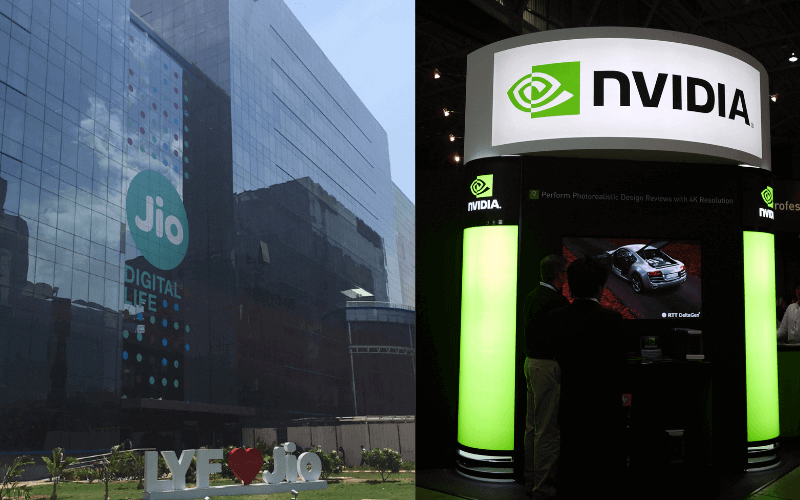
  • Nvidia’s strategic investments in AI startups underscore its commitment to shaping the future of technology: Nvidia’s AI Empire

    Nvidia’s strategic investments in AI startups underscore its commitment to shaping the future of technology: Nvidia’s AI Empire

    Nvidia, the Silicon Valley-based tech giant renowned for its graphics processing units (GPUs), has emerged as a dominant force in the artificial intelligence (AI) revolution. Beyond its hardware prowess, Nvidia has strategically invested in a portfolio of cutting-edge AI startups, positioning itself at the forefront of innovation across industries. From autonomous vehicles to healthcare and generative AI, Nvidia’s startup investments reflect its vision of shaping the future of technology. Here’s an in-depth look at some of Nvidia’s top startup investments and how they contribute to its AI empire.

    Nvidia’s Investment Strategy

    Nvidia’s approach to startup investments is driven by its desire to foster innovation, expand its ecosystem, and stay ahead in the AI race. The company’s investments are often aligned with its core business areas, including AI, machine learning, robotics, and data center technologies. By backing startups that push the boundaries of AI, Nvidia not only gains access to groundbreaking technologies but also strengthens its position as a leader in the AI ecosystem.

    Nvidia’s investment arm, Nvidia Ventures, plays a pivotal role in identifying and supporting high-potential startups. The company also collaborates with venture capital firms and participates in funding rounds to maximize its impact.

    Top Startup Investments

    1. Cohere

    • Sector: Generative AI
    • Overview: Cohere is a leading generative AI startup focused on natural language processing (NLP) and large language models (LLMs). The company’s technology enables businesses to build AI-powered applications for customer service, content creation, and data analysis.
    • Nvidia’s Role: Nvidia participated in Cohere’s 270millionfundingroundin2023,valuingthestartupatover270millionfundingroundin2023,valuingthestartupatover2 billion. Nvidia’s GPUs are integral to training Cohere’s AI models, making this a symbiotic partnership.
    • Impact: Cohere’s advancements in NLP complement Nvidia’s AI infrastructure, reinforcing its dominance in the generative AI space.

    2. Wayve

    • Sector: Autonomous Vehicles
    • Overview: UK-based Wayve is pioneering end-to-end deep learning for self-driving cars. Unlike traditional autonomous vehicle companies, Wayve’s AI-driven approach allows vehicles to learn and adapt to complex driving environments.
    • Nvidia’s Role: Nvidia led Wayve’s $200 million Series B round in 2022. Wayve’s technology relies heavily on Nvidia’s DRIVE platform, which provides the computational power needed for real-time decision-making.
    • Impact: This investment strengthens Nvidia’s position in the autonomous vehicle market and showcases the versatility of its AI hardware.

    3. Recursion Pharmaceuticals

    • Sector: AI in Healthcare
    • Overview: Recursion Pharmaceuticals uses AI and machine learning to accelerate drug discovery and development. The company’s platform analyzes vast datasets to identify potential drug candidates, significantly reducing the time and cost of bringing new treatments to market.
    • Nvidia’s Role: Nvidia invested $50 million in Recursion’s IPO in 2021. The startup leverages Nvidia’s GPUs to power its AI-driven drug discovery platform.
    • Impact: This partnership highlights Nvidia’s growing influence in the healthcare sector and its ability to drive innovation in life sciences.

    4. Hugging Face

    • Sector: Open-Source AI
    • Overview: Hugging Face is a leading platform for open-source AI models, particularly in NLP. The company’s Transformers library is widely used by developers and researchers to build and deploy AI applications.
    • Nvidia’s Role: Nvidia participated in Hugging Face’s $100 million Series C round in 2022. The collaboration focuses on optimizing AI models for Nvidia’s hardware.
    • Impact: Hugging Face’s open-source ethos aligns with Nvidia’s goal of democratizing AI, making advanced technologies accessible to a broader audience.

    5. SoundHound AI

    • Sector: Voice AI
    • Overview: SoundHound AI specializes in voice recognition and conversational AI technologies. The company’s platform powers voice assistants, smart devices, and automotive applications.
    • Nvidia’s Role: Nvidia invested in SoundHound’s early funding rounds and continues to support its growth. SoundHound’s voice AI solutions are optimized for Nvidia’s GPUs and edge computing platforms.
    • Impact: This investment reinforces Nvidia’s presence in the voice AI market and its commitment to enabling seamless human-machine interactions.

    The Bigger Picture: Nvidia’s AI Ecosystem

    Nvidia’s startup investments are not just financial bets; they are strategic moves to build a comprehensive AI ecosystem. By supporting startups that leverage its hardware and software, Nvidia ensures that its technologies remain at the heart of AI innovation.

    Key benefits of Nvidia’s investment strategy include:

    • Ecosystem Expansion: Startups using Nvidia’s platforms create a network effect, driving demand for its products.
    • Technology Integration: Nvidia gains insights into emerging AI trends and integrates them into its offerings.
    • Market Leadership: By backing disruptive startups, Nvidia solidifies its position as a leader in the AI industry.

    Challenges and Risks

    While Nvidia’s investments have been largely successful, they are not without risks. The AI startup landscape is highly competitive, and not all ventures will succeed. Additionally, regulatory scrutiny and ethical concerns around AI could impact the growth of some startups.

    However, Nvidia’s deep expertise and financial resources position it well to navigate these challenges and capitalize on the opportunities presented by AI innovation.


    Apple has announced an Immersive Concert Experience with Metallica for Apple Vision Pro

  • Apple has announced an Immersive Concert Experience with Metallica for Apple Vision Pro

    Apple has announced an Immersive Concert Experience with Metallica for Apple Vision Pro

    In a groundbreaking fusion of technology and music, Apple has announced an immersive concert experience featuring legendary heavy metal band Metallica, exclusively designed for the Apple Vision Pro. The announcement, made on March 15, 2025, marks a significant milestone in the evolution of live music experiences, leveraging the cutting-edge capabilities of Apple’s mixed-reality headset to bring fans closer to their favorite artists than ever before.

    What is the Immersive Concert Experience?

    The immersive concert experience is a revolutionary feature that allows Apple Vision Pro users to enjoy live performances in a fully interactive, 3D virtual environment. Using advanced spatial audio, high-resolution visuals, and real-time motion tracking, the experience transports users to the front row of a Metallica concert, complete with dynamic stage effects, crowd interactions, and behind-the-scenes access.

    Key features of the experience include:

    1. 360-Degree Stage View:
      Users can explore the concert from any angle, moving freely around the virtual stage to get up close with the band members.
    2. Interactive Elements:
      Fans can interact with virtual objects, such as guitars and drumsticks, and even participate in live polls or trivia during the show.
    3. Exclusive Content:
      The experience includes backstage footage, interviews, and unreleased tracks, offering a deeper connection to the band.
    4. Customizable Settings:
      Users can adjust audio levels, camera angles, and visual effects to personalize their experience.

    Why Metallica?

    Metallica, one of the most iconic and influential bands in rock history, was chosen as the inaugural artist for this innovative project due to their massive global fanbase and reputation for pushing creative boundaries. The band has long been at the forefront of integrating technology into their performances, making them the perfect partner for Apple’s vision of the future of live music.

    “This is a whole new way to experience Metallica,” said Lars Ulrich, the band’s drummer. “With Apple Vision Pro, fans can feel like they’re right there with us on stage, no matter where they are in the world.”

    How It Works

    The immersive concert experience is powered by the Apple Vision Pro’s advanced hardware and software capabilities, including:

    • Spatial Audio:
      Delivers realistic soundscapes that make users feel like they’re in the middle of the crowd.
    • High-Resolution Displays:
      Offers crystal-clear visuals with vibrant colors and sharp details.
    • Motion Tracking:
      Allows users to move and interact within the virtual environment seamlessly.

    To access the experience, users need an Apple Vision Pro headset and a subscription to Apple Music+, the company’s premium music service. The first Metallica concert will be available for streaming starting April 20, 2025, with additional performances and artists to be announced in the coming months.

    Impact on the Music Industry

    Apple’s immersive concert experience is poised to revolutionize the way fans engage with live music. By breaking down geographical and physical barriers, the technology opens up new possibilities for artists to connect with their audiences and monetize their performances.

    “This is a game-changer for the music industry,” said Tim Cook, Apple’s CEO. “With Apple Vision Pro, we’re not just redefining live music—we’re creating a new medium for artistic expression.”

    The initiative also aligns with the growing trend of virtual and hybrid events, which gained momentum during the COVID-19 pandemic and continues to attract millions of viewers worldwide.

    Fan Reactions

    The announcement has generated excitement among Metallica fans and tech enthusiasts alike. Social media platforms are buzzing with anticipation, with many users praising Apple for pushing the boundaries of innovation.

    “I’ve been a Metallica fan for decades, and this is the coolest thing I’ve ever seen,” said one fan on Twitter. “I can’t wait to experience a concert like this!”

    What’s Next?

    Apple plans to expand the immersive concert experience to include other genres and artists, with rumors suggesting collaborations with pop, hip-hop, and electronic music stars. The company is also exploring partnerships with live event organizers to bring festivals and award shows to the Apple Vision Pro.


    Google to Replace Google Assistant with Gemini: A New Era for AI-Powered Assistants

  • Google to Replace Google Assistant with Gemini: A New Era for AI-Powered Assistants

    Google to Replace Google Assistant with Gemini: A New Era for AI-Powered Assistants

    In a groundbreaking move that signals a major shift in the world of artificial intelligence, Google has announced plans to replace its widely used Google Assistant with Gemini, a next-generation AI-powered assistant. The transition, set to begin rolling out in late 2024, marks a significant step forward in Google’s efforts to integrate advanced AI capabilities into everyday technology.

    What is Gemini?

    Gemini is Google’s latest AI innovation, built on the foundation of its Bard and PaLM 2 models. Designed to be more intuitive, conversational, and context-aware, Gemini promises to deliver a smarter and more personalized user experience. Unlike Google Assistant, which primarily relies on predefined commands and responses, Gemini leverages cutting-edge generative AI to understand complex queries, provide detailed answers, and even anticipate user needs.

    Key features of Gemini include:

    1. Advanced Natural Language Processing (NLP):
      Gemini can engage in more natural, human-like conversations, making interactions feel less robotic and more intuitive.
    2. Multimodal Capabilities:
      The assistant can process and respond to text, voice, and visual inputs, offering a seamless experience across devices.
    3. Personalization:
      Gemini learns user preferences over time, tailoring responses and suggestions to individual needs.
    4. Integration with Google Ecosystem:
      The new assistant will deeply integrate with Google’s suite of products, including Gmail, Google Calendar, and Google Photos, to provide a unified experience.

    Why Replace Google Assistant?

    Google Assistant, launched in 2016, revolutionized the way users interact with their devices. However, as AI technology has advanced, the limitations of traditional voice assistants have become more apparent. Google’s decision to replace Assistant with Gemini reflects the company’s commitment to staying at the forefront of AI innovation.

    “Google Assistant was a game-changer when it first launched, but the world has changed,” said Sundar Pichai, CEO of Google. “With Gemini, we’re taking a giant leap forward, offering users an assistant that’s not just reactive but proactive, not just functional but truly intelligent.”

    What This Means for Users

    The transition from Google Assistant to Gemini will bring several benefits for users:

    1. Enhanced Productivity:
      Gemini’s ability to handle complex tasks and provide detailed responses will make it a more effective tool for managing schedules, answering questions, and completing tasks.
    2. Improved Accessibility:
      The assistant’s multimodal capabilities will make it easier for users with disabilities to interact with their devices.
    3. Seamless Integration:
      Gemini’s deep integration with Google’s ecosystem will create a more cohesive and efficient user experience.

    However, the transition may also come with challenges, including a learning curve for users accustomed to Google Assistant and potential privacy concerns related to Gemini’s advanced data processing capabilities.

    Privacy and Security Considerations

    Google has emphasized that Gemini will adhere to the company’s strict privacy and security standards. Users will have control over their data, with options to customize privacy settings and limit data sharing. Additionally, Gemini will feature robust encryption and anonymization protocols to protect user information.

    The Future of AI Assistants

    The introduction of Gemini represents a significant milestone in the evolution of AI assistants. By leveraging generative AI and multimodal capabilities, Google is setting a new standard for what virtual assistants can achieve.

    As Gemini rolls out, it will face competition from other AI-powered assistants, such as Apple’s Siri, Amazon’s Alexa, and Microsoft’s Copilot. However, Google’s extensive ecosystem and commitment to innovation position Gemini as a strong contender in the AI assistant space.


    Wendy Williams Escorted from Assisted Living Facility After Dropping Notes for Help

  • X (Formerly Twitter) Experiences Widespread Outages on Monday Morning

    X (Formerly Twitter) Experiences Widespread Outages on Monday Morning

    Users of X, the social media platform formerly known as Twitter, faced widespread outages on Monday morning, disrupting access to the platform and sparking frustration among millions of users worldwide. The issues, which began around 9:00 AM GMT, affected key features such as posting, liking, and viewing content, leaving users unable to engage with the platform. The outage comes at a critical time for X, as the platform continues to navigate its rebranding and efforts to attract advertisers under the leadership of owner Elon Musk.

    Scope of the Outage

    Reports of the outage flooded other social media platforms, with users taking to Reddit, Facebook, and Threads to express their concerns. According to Downdetector, a website that tracks online service disruptions, complaints about X peaked at over 50,000 reports within an hour of the outage beginning.

    The issues appeared to be global, with users in North America, Europe, Asia, and Africa all reporting problems. Key features affected included:

    • Posting Tweets: Users were unable to send new tweets or retweet content.
    • Liking and Replying: Interactions such as liking, replying, and quoting tweets were disrupted.
    • Timeline Updates: Many users reported that their timelines were not refreshing or displaying outdated content.
    • Direct Messages: Some users experienced issues with sending and receiving direct messages.

    X’s Response

    X’s official Status Account acknowledged the outage, posting, “We’re aware of the issues affecting X and are working to resolve them as quickly as possible. Thank you for your patience!” However, the platform did not provide specific details about the cause of the outage or an estimated timeline for resolution.

    Elon Musk, who acquired Twitter in October 2022 and rebranded it as X in July 2023, has yet to comment on the situation. His silence has drawn criticism from users, who have grown accustomed to his frequent updates on platform changes and issues.

    Possible Causes of the Outage

    While the exact cause of the outage remains unclear, experts have speculated on several potential factors:

    1. Technical Glitches: The outage could be the result of internal technical issues, such as server failures or software bugs.
    2. Cybersecurity Incident: A cyberattack or hacking attempt could have disrupted the platform’s operations.
    3. Infrastructure Changes: X has undergone significant changes since Musk’s acquisition, including staff reductions and infrastructure overhauls. These changes may have introduced vulnerabilities that contributed to the outage.
    4. Traffic Surge: A sudden spike in user activity, possibly driven by a major news event or viral trend, could have overwhelmed the platform’s servers.

    Impact on Users and Advertisers

    The outage has had a significant impact on users, particularly those who rely on X for real-time news updates, customer service, and professional networking. Journalists, businesses, and public figures were among those affected, with many expressing frustration over the disruption.

    For advertisers, the outage is another blow to confidence in X’s stability. Since Musk’s acquisition, the platform has faced criticism over its handling of content moderation, advertiser relations, and technical reliability. This latest incident could further deter brands from investing in X’s advertising platform.

    Historical Context

    This is not the first time X has experienced widespread outages. Since Musk’s takeover, the platform has faced several technical issues, including:

    • February 2023: A global outage left users unable to tweet, follow accounts, or access their direct messages.
    • July 2023: Users reported issues with viewing tweets and images shortly after the platform’s rebranding to X.
    • October 2023: A partial outage affected the platform’s search functionality and timeline updates.

    These incidents have raised concerns about the platform’s ability to maintain stability amid ongoing changes and challenges.

    Reactions from the Community

    The outage sparked a wave of reactions on other social media platforms, with users sharing memes, jokes, and complaints.

    “X is down, and I don’t know what to do with my life,” tweeted one user on Threads, Meta’s rival platform. Another user quipped, “Elon Musk’s X is now officially ‘X-periencing’ technical difficulties.”

    Meanwhile, competitors like Threads, Bluesky, and Mastodon saw a surge in activity as users sought alternative platforms to stay connected.

    Looking Ahead

    As X works to resolve the outage, the incident serves as a reminder of the challenges facing the platform under Musk’s leadership. While the billionaire has introduced several innovations, including subscription-based verification and revenue-sharing for creators, technical issues and advertiser skepticism remain significant hurdles.

    For X to regain user and advertiser trust, it will need to demonstrate greater reliability and transparency in addressing outages and other issues. As the platform continues to evolve, its ability to maintain stability will be critical to its long-term success.


    Saudi Arabia and UAE Spearhead GCC Greenfield Projects Pipeline, Driving Regional Economic Growth

  • UAE Job Market: Tech-Savvy Doctors and Skilled Specialists in High Demand

    UAE Job Market: Tech-Savvy Doctors and Skilled Specialists in High Demand

    Dubai, UAE – The UAE’s healthcare sector is undergoing a transformative shift, with a growing demand for tech-savvy doctors and skilled medical specialists. As the country continues to invest in cutting-edge healthcare infrastructure and digital health solutions, professionals who combine medical expertise with technological proficiency are finding themselves at the forefront of a booming job market. This trend, highlighted in a recent report by the UAE Ministry of Health and Prevention (MOHAP), underscores the evolving needs of the healthcare industry in a rapidly digitizing world.

    Why the Demand?

    The UAE’s healthcare sector is expanding rapidly, driven by several factors:

    1. Digital Transformation:
      The adoption of telemedicine, electronic health records (EHRs), and AI-driven diagnostics is reshaping the industry, creating a need for doctors who are comfortable with technology.
    2. Population Growth:
      The UAE’s population is projected to reach 11.5 million by 2030, increasing the demand for healthcare services.
    3. Medical Tourism:
      The UAE is positioning itself as a global hub for medical tourism, attracting patients from around the world and requiring highly skilled specialists.
    4. Government Initiatives:
      Programs like the UAE Vision 2021 and Dubai Health Strategy 2026 are driving investments in healthcare infrastructure and innovation.

    Most In-Demand Roles

    According to the MOHAP report, the following roles are currently in high demand:

    1. Telemedicine Specialists:
      Doctors who can provide remote consultations and leverage digital tools to deliver care.
    2. AI and Data Analysts in Healthcare:
      Professionals who can analyze medical data to improve diagnostics and treatment outcomes.
    3. Robotics Surgeons:
      Surgeons are skilled in using robotic systems for minimally invasive procedures.
    4. Genetics and Genomics Experts:
      Specialists in personalized medicine and genetic therapies.
    5. Mental Health Professionals:
      Psychiatrists and psychologists with expertise in digital mental health solutions.
    6. Rehabilitation Specialists:
      Therapists who use advanced technologies like virtual reality (VR) for patient recovery.

    Skills in Demand

    To succeed in the UAE’s evolving healthcare landscape, professionals need a combination of medical expertise and technological skills. Key competencies include:

    • Proficiency in telemedicine platforms and digital health tools.
    • Knowledge of AI, machine learning, and data analytics in healthcare.
    • Experience with robotic surgery systems and advanced medical devices.
    • Strong communication skills for patient engagement and interdisciplinary collaboration.

    Opportunities for International Talent

    The UAE is actively recruiting healthcare professionals from around the world to meet its growing needs. The country offers:

    1. Attractive Salaries:
      Competitive compensation packages, including tax-free income.
    2. World-Class Facilities:
      State-of-the-art hospitals and research centers equipped with the latest technology.
    3. Career Growth:
      Opportunities for professional development and specialization.
    4. Quality of Life:
      A high standard of living, with world-class amenities and a multicultural environment.

    How to Apply

    Healthcare professionals interested in working in the UAE can explore opportunities through:

    1. Government Portals:
      The MOHAP website and Dubai Health Authority (DHA) portal list job openings and licensing requirements.
    2. Recruitment Agencies:
      Specialized agencies like Medacs Healthcare and Prospect Health assist with placements in the UAE.
    3. Hospital Websites:
      Leading hospitals like Cleveland Clinic Abu Dhabi and American Hospital Dubai regularly post job vacancies.

    Challenges and Considerations

    While the UAE offers numerous opportunities, healthcare professionals must navigate certain challenges:

    1. Licensing Requirements:
      Obtaining a medical license in the UAE can be a lengthy process, requiring documentation and exams.
    2. Cultural Adaptation:
      Understanding the local culture and healthcare practices is essential for success.
    3. Workload:
      High patient volumes and demanding schedules are common in the UAE’s fast-paced healthcare environment.

    The Future of Healthcare in the UAE

    The demand for tech-savvy doctors and skilled specialists is expected to grow as the UAE continues to invest in healthcare innovation. Upcoming projects like Sheikh Shakhbout Medical City and Dubai Healthcare City Phase 2 will create thousands of new jobs, further solidifying the country’s position as a global healthcare leader.


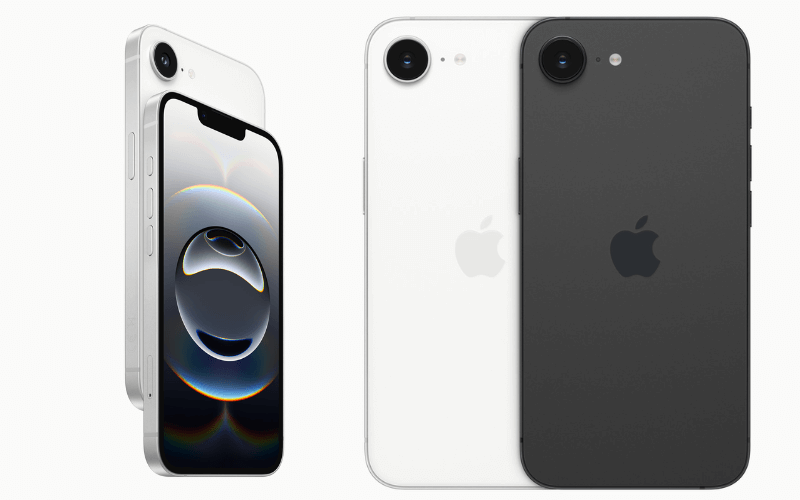
    Apple has officially introduced the iPhone 16e: A Powerful Addition to the iPhone 16 Lineup, Now Available for Pre-Order in the UAE

  • Apple has officially introduced the iPhone 16e: A Powerful Addition to the iPhone 16 Lineup, Now Available for Pre-Order in the UAE

    Apple has officially introduced the iPhone 16e: A Powerful Addition to the iPhone 16 Lineup, Now Available for Pre-Order in the UAE

    Apple has officially introduced the iPhone 16e, the latest member of its iPhone 16 family, designed to deliver high-end performance and features at a more accessible price point. This release aims to cater to a broader audience, offering advanced technology without compromising affordability.

    Key Features of the iPhone 16e

    • A18 Chip with Apple Intelligence: The iPhone 16e is powered by Apple’s A18 chip, ensuring fast performance and seamless multitasking. The integration of Apple Intelligence enhances user experiences with advanced machine learning capabilities.
    • 48MP 2-in-1 Camera System: Equipped with a 48-megapixel camera, the iPhone 16e offers high-resolution photography and 4K video recording at 60 frames per second. The 2-in-1 system combines wide and telephoto functionalities, providing versatility for various shooting scenarios.
    • Extended Battery Life: Users can expect significant improvements in battery performance, with up to 26 hours of video playback. This translates to six hours longer than the iPhone 11 and twelve hours more than previous iPhone SE models.
    • Design and Display: The iPhone 16e features a sleek design with a 6.1-inch Super Retina XDR OLED display, delivering vibrant colors and sharp visuals. Available in black and white with a matte finish, it offers a modern aesthetic.
    • First Apple-Designed Modem: Introducing the C1 chip, Apple’s first in-house modem, the iPhone 16e ensures reliable 5G connectivity and improved network performance.

    Availability and Pricing in the UAE

    The iPhone 16e is available in the United Arab Emirates with the following pricing:

    • 128GB model: AED 2,599
    • 256GB model: AED 2,799
    • 512GB model: AED 3,299

    Pre-orders began on February 21, 2025, with official sales and deliveries starting on February 28, 2025. Customers can purchase the iPhone 16e through Apple’s official UAE website or authorized retailers.

    A Strategic Move in the Middle Eastern Market

    Apple’s launch of the iPhone 16e in the UAE underscores the company’s commitment to expanding its presence in the Middle Eastern market. By offering a device that balances premium features with affordability, Apple aims to attract a diverse range of consumers, from tech enthusiasts to professionals seeking reliable performance.

    The iPhone 16e’s combination of cutting-edge technology, extended battery life, and competitive pricing positions it as a compelling choice for users in the UAE and beyond.


    Clearview AI CEO Resigns Amid Ongoing Controversy Over Facial Recognition Technology

  • Clearview AI CEO Resigns Amid Ongoing Controversy Over Facial Recognition Technology

    Clearview AI CEO Resigns Amid Ongoing Controversy Over Facial Recognition Technology

    Hoan Ton-That, the co-founder and CEO of Clearview AI, a controversial facial recognition startup, has resigned from his position, the company announced on January 28, 2025. Ton-That’s departure comes amid mounting legal, ethical, and regulatory challenges surrounding the company’s technology, which has sparked global debates over privacy, surveillance, and civil liberties.

    Who is Hoan Ton-That?

    Hoan Ton-That, a software engineer and entrepreneur, co-founded Clearview AI in 2017 with the goal of creating a powerful facial recognition tool for law enforcement and government agencies. The company’s technology, which scrapes billions of images from social media and other public websites to build a massive facial recognition database, quickly gained attention for its capabilities—and its controversies.

    Under Ton-That’s leadership, Clearview AI became one of the most talked-about startups in the tech industry, but it also faced intense scrutiny from privacy advocates, lawmakers, and tech giants.

    Why the Resignation?

    Ton-That’s resignation follows years of legal battles, regulatory pushback, and public outcry over Clearview AI’s practices. Key factors contributing to his departure include:

    1. Legal Challenges:
      Clearview AI has been sued multiple times for allegedly violating privacy laws in the U.S., Europe, and other regions. In 2022, the company was fined €20 million by Italy’s data protection authority and ordered to delete all data on Italian citizens. Similar actions have been taken in Canada, Australia, and the UK.
    2. Ethical Concerns:
      Privacy advocates have criticized Clearview AI for creating a surveillance tool that could be abused by governments and law enforcement agencies. Critics argue that the technology undermines civil liberties and enables mass surveillance.
    3. Regulatory Pressure:
      Governments worldwide are introducing stricter regulations on facial recognition technology. In the U.S., several states have banned or restricted its use, while the European Union is considering a complete ban on facial recognition in public spaces.
    4. Public Backlash:
      Clearview AI has faced widespread criticism from the public, tech companies, and even some law enforcement agencies. Social media platforms like Facebook, Twitter, and LinkedIn have sent cease-and-desist letters to the company, demanding it stop scraping images from their sites.

    What’s Next for Clearview AI?

    In a statement, Clearview AI announced that Ton-That will be succeeded by Sarah Johnson, a seasoned tech executive with experience in AI and data privacy. Johnson previously served as the Chief Privacy Officer at a major tech firm and is expected to steer Clearview AI toward greater compliance with privacy laws and ethical standards.

    The company also revealed plans to pivot its business model, focusing on consent-based data collection and transparent partnerships with law enforcement agencies. “We are committed to rebuilding trust and ensuring that our technology is used responsibly,” Johnson said in a press release.

    Industry Reactions

    Ton-That’s resignation has sparked mixed reactions from industry experts and stakeholders:

    • Privacy Advocates:
      Groups like the Electronic Frontier Foundation (EFF) and the American Civil Liberties Union (ACLU) have welcomed the leadership change but remain skeptical about Clearview AI’s future. “The problem isn’t just the CEO; it’s the technology itself,” said Eva Galperin, Director of Cybersecurity at EFF.
    • Tech Industry:
      Some tech leaders have expressed hope that Clearview AI will adopt a more ethical approach under new leadership. “Facial recognition has potential, but it must be developed and used responsibly,” said Tim Cook, CEO of Apple.
    • Law Enforcement:
      While some agencies have praised Clearview AI for helping solve crimes, others have raised concerns about its accuracy and potential for misuse.

    The Broader Implications

    Ton-That’s resignation highlights the growing tension between technological innovation and ethical responsibility. As facial recognition technology becomes more advanced, the debate over its use is likely to intensify, with implications for privacy, security, and human rights.


    Sharjah’s Xposure 2025: A Stunning Visual Journey of Hope and Conflict Through 3,100 Photographs by 420 Global Photographers

  • South Korea Bans DeepSeek Downloads Over Censorship Concerns

    South Korea Bans DeepSeek Downloads Over Censorship Concerns

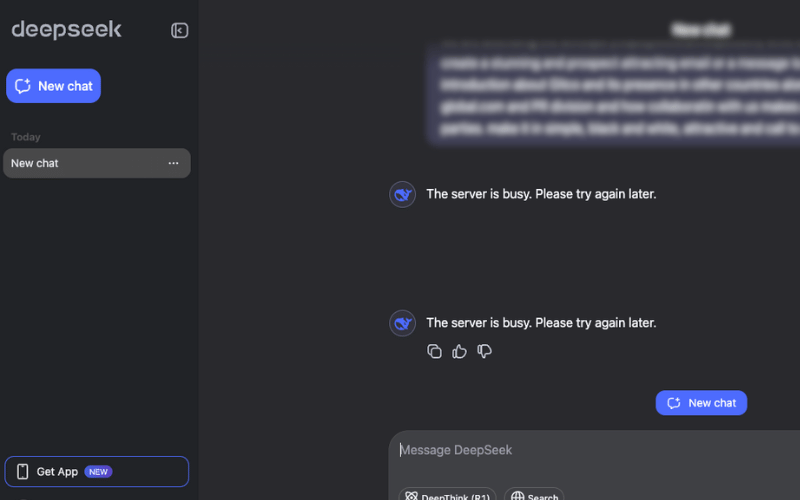
    South Korea has officially blocked the download of DeepSeek, a Chinese AI-powered search engine, from local app stores due to growing concerns over content censorship and information control. The decision comes after reports that DeepSeek selectively filters search results, particularly those related to China’s government, human rights, and geopolitical issues.

    Censorship and Propaganda Allegations

    DeepSeek, which launched as China’s AI-driven alternative to Google, has been accused of acting as a tool for Beijing’s propaganda by restricting access to information on Tiananmen Square, Taiwan, Hong Kong protests, and other sensitive topics. Critics argue that the search engine aligns closely with China’s strict internet censorship policies, commonly known as the Great Firewall.

    Several South Korean government officials and internet watchdogs raised concerns over national security risks and digital sovereignty, leading to the ban. A source within South Korea’s Ministry of Science and ICT confirmed that DeepSeek’s filtering of search results contradicts the country’s commitment to internet freedom and democratic values.

    Government and Public Reaction

    The Korea Communications Commission (KCC) stated that the ban is aimed at preventing the spread of foreign digital censorship into South Korea. The move aligns with efforts to ensure open access to information and protect users from manipulated search results.

    Many South Koreans took to social media, supporting the ban and questioning China’s growing influence over global AI technologies. However, some criticized the government’s decision, arguing that it limits consumer choice.

    DeepSeek’s Response

    DeepSeek has yet to release an official statement regarding the ban, but Chinese state media outlets have called the decision “an overreaction based on misinformation.”

    As global concerns over AI-driven search platforms grow, South Korea’s stance could set a precedent for other countries looking to regulate AI search engines with potential censorship risks.


    TikTok Returns to Apple and Google App Stores in the U.S. as Trump Administration Delays Ban

  • DeepSeek Empowers China’s Chipmakers in the Race for Affordable AI Solutions

    DeepSeek Empowers China’s Chipmakers in the Race for Affordable AI Solutions

    In a significant boost to China’s semiconductor industry, DeepSeek, a leading Chinese AI research firm, has unveiled groundbreaking advancements in artificial intelligence (AI) technology that promise to give domestic chipmakers a competitive edge in the global race for affordable AI solutions. The development, announced on January 28, 2025, marks a pivotal moment in China’s quest to reduce reliance on foreign technology and establish itself as a global leader in AI and semiconductor innovation.

    DeepSeek’s Breakthrough in AI Optimization

    DeepSeek’s latest innovation focuses on AI model optimization, enabling complex AI algorithms to run efficiently on lower-cost, domestically produced chips. Traditionally, high-performance AI applications have required advanced semiconductors, often sourced from international suppliers like NVIDIA and Intel. However, DeepSeek’s technology allows Chinese chipmakers to produce cost-effective processors capable of handling AI workloads without compromising performance.

    Key features of DeepSeek’s breakthrough include:

    1. Algorithm Compression: Reducing the size of AI models without sacrificing accuracy.
    2. Energy Efficiency: Optimizing AI algorithms to consume less power, making them ideal for use in data centers and edge devices.
    3. Hardware-Software Co-Design: Tailoring AI software to work seamlessly with Chinese-made chips, maximizing their capabilities.

    Impact on China’s Semiconductor Industry

    The development is a game-changer for China’s semiconductor industry, which has faced significant challenges due to U.S.-led export restrictions on advanced chipmaking equipment. By enabling domestic chipmakers to produce affordable, high-performance AI processors, DeepSeek is helping China achieve greater self-sufficiency in the tech sector.

    “This is a major step forward for China’s semiconductor industry,” said Dr. Li Wei, a technology analyst based in Shanghai. “DeepSeek’s innovations not only reduce costs but also enhance the competitiveness of Chinese chips in the global market.”

    Who Benefits from DeepSeek’s Technology?

    DeepSeek’s advancements are expected to benefit a wide range of stakeholders, including:

    1. Chinese Chipmakers:
      Companies like SMIC (Semiconductor Manufacturing International Corporation) and Huawei’s HiSilicon can now produce AI-optimized chips at a fraction of the cost, making them more competitive against international rivals.
    2. AI Developers:
      Startups and tech firms developing AI applications will have access to affordable, high-performance hardware, accelerating innovation in fields like autonomous vehicles, healthcare, and smart cities.
    3. Consumers:
      The reduced cost of AI chips will lead to more affordable AI-powered devices, from smartphones to home appliances, benefiting consumers worldwide.
    4. Global Markets:
      As Chinese chipmakers gain a stronger foothold in the global market, the increased competition could drive down prices and spur innovation across the industry.

    Challenges and Opportunities

    While DeepSeek’s technology offers immense potential, challenges remain. The global semiconductor industry is highly competitive, and Chinese chipmakers must continue to innovate to keep pace with international leaders. Additionally, geopolitical tensions and export restrictions could pose ongoing hurdles.

    However, the opportunities far outweigh the challenges. By leveraging DeepSeek’s advancements, China is well-positioned to become a major player in the global AI and semiconductor markets.

    What’s Next for DeepSeek and China’s Chipmakers?

    DeepSeek plans to collaborate with leading Chinese chipmakers to integrate its AI optimization technology into their products. The company is also exploring partnerships with international firms to expand its reach and influence.

    Meanwhile, China’s semiconductor industry is expected to see a surge in investment and innovation, driven by government support and growing demand for AI solutions.

    Global Implications

    DeepSeek’s breakthrough has far-reaching implications for the global tech industry. By reducing the cost of AI hardware, the technology could democratize access to AI, enabling smaller companies and developing nations to harness its power. At the same time, it could disrupt the dominance of established players like NVIDIA and Intel, reshaping the competitive landscape.


    UAE Introduces 10-year Blue Visa : A Comprehensive Guide About the UAE Blue Visa, Including eligibility criteria, Application process, Fees, and more.

  • UAE Explores AI Judges: A Bold Step Towards Judicial Innovation

    UAE Explores AI Judges: A Bold Step Towards Judicial Innovation

    In a groundbreaking move, the UAE is exploring the potential of artificial intelligence (AI) to revolutionize its judicial system. A top official recently announced that AI could soon be used to analyze cases, assist in legal research, and even play a role in judicial decision-making.

    This ambitious initiative aims to enhance the efficiency and accuracy of the justice system by leveraging the power of AI. Potential applications include:

    • Automated Case Analysis: AI algorithms could analyze vast amounts of legal data, identify relevant precedents, and assist judges in making informed decisions.
    • Streamlining Legal Research: AI tools could significantly speed up the research process for lawyers and judges, saving valuable time and resources.
    • Improving Case Management: AI could be used to optimize case scheduling, identify potential bottlenecks, and improve the overall efficiency of court operations.

    While AI offers significant potential benefits, it is crucial to ensure that its implementation in the judicial system is ethical, transparent, and unbiased.

    This move by the UAE underscores its commitment to embracing cutting-edge technologies to modernize and improve public services. As AI continues to evolve, it is likely to play an increasingly important role in various aspects of society, including the legal system.

    This version:

    • Focuses on the innovative aspect: Emphasizes the UAE’s forward-thinking approach in exploring AI in the judicial system.
    • Highlights potential applications: Briefly outlines possible uses of AI in the legal process.
    • Acknowledges ethical considerations: Briefly mentions the importance of ethical and unbiased AI implementation.
    • Presents a more optimistic and forward-looking tone: Focuses on the potential benefits of AI in enhancing the justice system.

    This version aims to present a more nuanced and engaging perspective on the potential role of AI in the UAE’s judiciary.


    Saudi Arabia Halts Multiple-Entry Visit Visas for 14 Countries: What’s Next for Travel and Diplomacy?