Tag: Education

Explore a wide range of educational articles, news, and insights on GulfInsight360. Stay informed about the latest trends, startups, and developments in the education sector.

  • UAE Higher Education Ministry Launches AI-Powered Scholarship Platform on ‘EduHub’

    UAE Higher Education Ministry Launches AI-Powered Scholarship Platform on ‘EduHub’

    DUBAI : In a major step toward accelerating digital transformation and eliminating administrative bureaucracy, the UAE Ministry of Higher Education and Scientific Research (MoHESR) has officially launched an advanced, AI-powered scholarship platform. Integrated directly into the Ministry’s unified digital higher education portal, EduHub, the new system slashes application processing times to as little as five minutes.

    The platform represents a overhaul in how Emirati students apply for and manage higher education scholarships abroad and locally. By deploying artificial intelligence tools and establishing direct cross-governmental digital integration, the Ministry has drastically streamlined the entire user journey.

    Key Highlights & Metric Improvements

    • Application Time: Reduced to just 5 minutes (down from lengthy multi-step manual entries).
    • Application Steps: Cut down from 5 steps to 3.
    • Data Fields: Reduced from 22 fields to only 4 required inputs.
    • Document Requirements: Applicants now need to upload only 2 documents.

    Seamless AI Integration & Cross-Government Connectivity

    According to Rashid Karam Al Kaabi, Director of the International Education Support and Scholarships Department at MoHESR, the platform connects seamlessly with federal entities, including the Federal Authority for Identity, Citizenship, Customs and Port Security.

    Through this backend integration, personal details and secondary school transcripts for government curriculum students are retrieved automatically, removing the burden of manual data entry.

    Furthermore, artificial intelligence tools integrated within the portal automatically scan, read, and verify submitted documentation. Key operational enhancements include:

    • Automated Document Verification: AI tools instantly audit and process uploaded files to eliminate manual errors.
    • Digital Contract Signing: Scholarship agreements are executed completely electronically within the portal, ending physical office visits and lengthy paper signatures.
    • Real-Time Status Tracking: Applicants receive instant updates, status alerts, and access to direct messaging with department officers to prevent duplicate submissions.

    Solving Legacy Bottlenecks

    The launch addresses long-standing challenges previously reported by applicants, such as tracking updates over email threads, visiting Ministry centers for minor technical glitches, and navigating slow manual approvals.

    The Ministry confirmed it will continuously monitor service completion rates, customer satisfaction metrics, and overall platform performance to further optimize digital higher education services across the UAE.

  • UAE Announces Shift to Distance Learning for All Schools from May 5 to May 8

    UAE Announces Shift to Distance Learning for All Schools from May 5 to May 8

    The UAE Ministry of Education (MoE), in coordination with the National Emergency Crisis and Disasters Management Authority (NCEMA), has officially announced a temporary shift to distance learning for all educational institutions across the United Arab Emirates.

    The transition is scheduled to take effect from Tuesday, May 5, 2026, until Friday, May 8, 2026. This proactive measure applies to all government and private schools, as well as higher education institutions nationwide.

    The decision comes as a precautionary step to ensure the safety of students and teaching staff following recent regional security developments and to maintain the continuity of the educational process without interruption. “The safety of our students is our top priority,” a Ministry spokesperson stated. “Our digital infrastructure is fully prepared to host a seamless virtual learning environment for these four days.”

    Parents and students are advised to follow the specific schedules and technical instructions provided by their respective schools. Normal in-person classes are expected to resume on Monday, May 11, following the weekend.

  • UAE Universities Ease Admissions and Extend Support After Board Exam Cancellations

    UAE Universities Ease Admissions and Extend Support After Board Exam Cancellations

    UAE Universities Ease Admissions and Extend Support After Board Exam Cancellations

    In a decisive and empathetic response to recent disruptions in international school board examinations, universities across the UAE have announced flexible admission measures and academic support programs for affected students. The move follows the cancellation of upcoming CBSE, ISC, IGCSE, A Level, and IB exams, leaving thousands of high-school pupils uneasy about college placement and academic futures.

    Universities Offer Reassurance Amid Student Uncertainty

    Major institutions, including the University of Sharjah, American University in Dubai (AUD), and Heriot-Watt University Dubai, have confirmed updated admission guidelines designed to ensure fairness and continuity for students impacted by school board assessment cancellations.

    Admissions teams are now accepting teacher-assessed grades, past academic performance, and predicted results in place of traditional board exam results. The universities have also pledged special counseling sessions to help students confidently navigate revised criteria.

    “Our priority is to protect educational progression,” said an admissions officer from a leading UAE university. “Students should not be penalized for factors beyond their control. We’re building flexibility into our process to keep their academic pathways intact.”

    Alternative Assessment and Conditional Offers

    Under the new system, applicants will be eligible for conditional admissions that confirm placements while awaiting verified scores. Institutions are coordinating closely with international boards to validate records once official results or grade equivalences are released.

    Additionally, several campuses have extended application deadlines, enabling families to adjust documentation and transition smoothly. This approach mirrors international practices adopted by universities in the UK, Australia, and Canada reflecting the UAE’s commitment to global education standards.

    Student Support and Academic Counseling

    Beyond admission flexibility, universities are ramping up academic and psychological support for students affected by exam cancellations. Dedicated help desks have been set up to assist with course selection, credit transfers, and mental well-being.

    Some are introducing bridging programs and foundation courses that prepare students entering university without complete board results. These initiatives ensure continuous learning and help maintain the academic momentum disrupted by exam uncertainties.

    “Education is about supporting learners through challenges,” said Dr. Noura Al-Mansouri, an education policy analyst. “UAE universities are setting a model of compassion and adaptability that mirrors the country’s broader educational vision.”

    Broader Impact on UAE’s Education Landscape

    The board exam cancellations have triggered extensive reevaluation of admission frameworks across international schools and higher education providers in the Emirates. Experts note that data-based performance assessments and continuous evaluation may become permanent features in university placements moving forward.

    The Ministry of Education and Knowledge and Human Development Authority (KHDA) have also been in contact with institutions to ensure policy alignment. Together, they aim to maintain consistency so that local and expatriate students face no disadvantage in access to higher education.

    Upholding Academic Integrity and Equity

    While universities are easing admission requirements, officials underline that academic integrity remains a cornerstone. Each new applicant’s credentials will still undergo validation using teacher certification, transcript reviews, and exam board communications.

    “We understand the exceptional circumstances,” said a representative from Heriot-Watt University Dubai, “but we also maintain robust screening so every student begins their degree journey prepared and ready.”

    Looking Ahead: 2026 Admissions and Smart Evaluation

    Education stakeholders anticipate that the 2026 admission cycle could serve as a testing ground for future hybrid evaluation models, combining standardized examination data and continuous assessment metrics.

    This shift aligns with the UAE’s broader push toward digital transformation and adaptive education — ensuring continuity even under external disruptions. Universities are incorporating data analytics and predictive modeling to support fair student placement, marking a modern evolution in admission systems.

    Community Response and Student Relief

    Parents and students across the Emirates have welcomed the decisions, praising universities for balanced and humane approaches. Social media channels are buzzing with gratitude and relief, with many describing the move as “a lifeline for education continuity.”

    The collaborative response highlights the UAE’s long-standing reputation as a regional leader in educational resilience, guaranteeing that students can pursue academic goals without uncertainty clouding their future.


    Cristiano Ronaldo Returns to Boost Al Nassr’s Title Charge as Edu Mendy Stands Tall for Al Ahli

  • American University of Sharjah Extends Online Classes Until Further Notice as UAE Distance Learning Mandate Continues

    American University of Sharjah Extends Online Classes Until Further Notice as UAE Distance Learning Mandate Continues

    The American University of Sharjah has announced that all classes will continue to be delivered online until further notice, in alignment with the UAE’s national distance learning mandate that has been in effect since early March 2026 and has now been extended through at least Sunday, April 5, 2026. The announcement, communicated through the university’s official AUS Community Updates page, confirms that academic continuity remains fully protected through approved online platforms while the safety and wellbeing of the entire campus community remain the institution’s highest priority.

    American University of Sharjah will continue operating under distance learning and remote working arrangements, and all classes and examinations will be conducted online. Faculty members are requested to continue delivering their classes through approved online platforms. Students are expected to attend classes remotely as scheduled. Campus services, facilities and amenities continue to operate under the previously communicated arrangements until further notice.

    The extended online arrangements place AUS alongside every other university and school in the UAE, as the country’s education system has responded with remarkable agility and coordination to an unprecedented period of regional security concern.

    A Timeline of Distance Learning in the UAE: From Days to Weeks

    What began as a short-term precautionary measure has evolved into an extended national educational continuity programme of a scale not previously seen in the UAE. Understanding the full sequence of decisions helps frame the current situation for AUS students, faculty, and parents.

    Classes had initially shifted online from March 2, 2026. The measure was extended until March 6, 2026, before authorities announced an early spring break. The Ministry of Education and the Ministry of Higher Education and Scientific Research earlier announced that the break would run from March 9 to 22, 2026, with classes scheduled to resume on March 23, 2026.

    The Ministry of Education and the Ministry of Higher Education and Scientific Research announced that studies would shift to distance learning from Monday, 2 March 2026, until Wednesday, March 4, 2026, applicable for students and teaching and administrative staff across all public and private schools and universities nationwide. The decision was subject to ongoing assessment of the situation.

    What followed was a series of weekly extensions as authorities continued to assess conditions on the ground. UAE schools, nurseries, and universities continued distance learning for two weeks after spring break, with the situation reviewed weekly.

    Following the latest announcement by the Education, Human Development and Community Development Council on March 16, 2026, distance learning for schools and higher education institutions was extended for an additional two weeks, from March 23 to April 5, 2026.

    That directive places AUS’s current online-only posture squarely within the national framework, with the university operating in full compliance with the federal educational authorities’ direction.

    The Context: Why Distance Learning Was Activated Nationwide

    The decision to shift the entire UAE education system to distance learning beginning March 2, 2026 was not taken lightly. The move is part of a set of precautionary measures adopted by the UAE in response to ongoing regional developments, as authorities seek to maintain public safety while ensuring the uninterrupted delivery of essential services, including education.

    Remote learning follows Iranian air strikes targeting the UAE, amid continued missile and drone threats. Since the onset of the attacks, 186 missiles were launched, most intercepted, and 812 drones were deployed, with 755 intercepted and limited impacts recorded.

    Dr. Saif Al Dhaheri, official spokesperson for the National Crisis and Emergency Management Authority, said that business continuity plans had been activated as a precautionary measure to ensure the readiness of vital sectors, with operational alternatives in place. The education process, he added, continues uninterrupted through the activation of remote learning systems.

    For AUS, a campus that hosts students from dozens of countries across the globe, the stakes of getting this balance right between educational continuity and student and staff safety are particularly significant. American University of Sharjah continues to closely monitor developments in the region in coordination with the relevant authorities. The safety and well-being of our students, faculty and staff remain our highest priority.

    What the Current Arrangements Mean for AUS Students and Staff

    For the roughly 6,000 students currently enrolled at AUS across undergraduate and graduate programmes in engineering, architecture, business, arts and sciences, and other disciplines, the practical implications of the extended distance learning arrangements are clear and consistently communicated.

    Faculty members are requested to continue delivering their classes through approved online platforms. Students are expected to attend classes remotely as scheduled. Administrative staff will receive guidance from their respective supervisors regarding remote work arrangements and essential campus operations.

    Critically, the academic calendar has been updated to reflect the disruptions. The academic calendar for 2025 to 2026 has been updated in March 2026, confirming that AUS has worked to realign examination schedules, assignment deadlines, and academic milestones with the realities of the extended online period.

    Campus physical infrastructure has not been shut down entirely. Campus services, facilities and amenities continue to operate under the previously communicated arrangements until further notice, meaning that students who remain in Sharjah and staff members with essential on-campus responsibilities can continue to access the facilities they need, while the primary mode of academic instruction remains digital.

    The Library, one of the most critical resources for student research and academic work, remains accessible. The Library is open from 8 a.m., providing continuity for students who require physical or digital research resources during the distance learning period.

    The Weekly Review Mechanism: When Will Campus Resume?

    One of the most frequently asked questions from students, parents, and faculty is straightforward: when will in-person classes resume? The honest answer, consistent with official communications from both the UAE government and AUS, is that no fixed return date has yet been confirmed. The system operates on a weekly review model.

    The Ministry of Education and Ministry of Higher Education and Scientific Research will review the situation weekly. The resumption of distance learning comes after the spring break holiday, which was moved forward a week in the calendar. Distance learning has been introduced as a temporary measure to ensure the safety and well-being of everyone in the country.

    The situation will be reviewed weekly with updates being communicated through official channels by the Ministry of Education.

    For private universities including AUS, there is also a formal pathway for requesting an earlier return to in-person instruction if circumstances warrant it. Private educational institutions, including schools, nurseries and higher education institutions, are allowed to submit requests to return to in-person learning when needed. Private institutions wishing to apply for a return to on-site learning must submit a formal request outlining the specific circumstances and providing clear justification for doing so. These requests will then be considered on a case-by-case basis and will be reviewed by the Ministry of Education. The safety and wellbeing of students, staff and the wider community remains the key factor in the Ministry’s final decision.

    AUS has not at the time of publication indicated that it has submitted such a request, with its current public communications focused on reassuring the community that online delivery is functioning effectively and that all academic commitments are being met through digital platforms.

    AUS in Context: A University Built for Global Connectivity

    While no university welcomes the disruption that extended distance learning necessarily brings, the American University of Sharjah is in many respects better positioned than most regional institutions to manage a prolonged period of remote instruction. As a leading university in the Gulf, American University of Sharjah provides world-class, American-style liberal arts education for students from around the world, a mission that has required the development of robust digital learning infrastructure and internationally connected academic systems long before the current situation arose.

    The university’s experience of remote delivery during earlier periods of distance learning, combined with its globally connected student body and faculty who span multiple nationalities and time zones, provides an institutional foundation for online learning that many regional universities have had to build from scratch in recent years. Approved online platforms for class delivery, digital examination systems, virtual laboratory and studio environments for engineering and architecture programmes, and remote access to the university library’s extensive digital collections all form part of the infrastructure that AUS is currently deploying at scale.

    Several international universities in the UAE told students and staff that teachers not currently in the UAE could continue to instruct remotely, a flexibility rarely permitted under standard rules. For students and staff, the switch to remote operations has given people the flexibility to do as they feel comfortable based on advice from their embassies and foreign missions.

    This flexibility is particularly relevant for AUS, where the student body includes significant numbers of international students from countries whose governments have issued varied travel and safety advisories regarding the UAE. The ability to participate fully in the academic programme from outside the UAE during this period ensures that no student is academically disadvantaged by the personal safety decisions they and their families make in response to current regional conditions.

    The Broader UAE University Community Response

    AUS is not navigating this period in isolation. Across the UAE’s higher education sector, institutions have responded with consistent commitment to academic continuity and student welfare, aligned with the national distance learning framework. New York University Abu Dhabi said in a memo sent to faculty members that it would implement remote learning for the foreseeable future, to allow students and staff the opportunity to continue their work from outside the UAE. It said the switch to remote operations would give people the flexibility to do as they feel comfortable based on advice from their embassies and foreign missions.

    Schools in the UAE are well positioned to cope with the extension of remote learning. “I don’t think anybody would say this is ideal. It’s a great inconvenience to families, but I think the message that our schools and universities are giving out is one of reassurance that we’re in a position to deliver a highly effective product that meets their students’ needs at this point,” said one Dubai-based education expert.

    That assessment of inconvenience acknowledged alongside institutional capability applies equally well to AUS. The university’s community of students, faculty, and staff has responded with the adaptability and professionalism that characterises an institution accustomed to operating at international standards under all conditions.

    Examinations and Academic Assessments: Continuity Confirmed

    For students facing critical academic assessments including mid-term examinations, project submissions, and studio critiques during the distance learning period, AUS has been explicit in its communications. All classes and examinations scheduled will be conducted online, ensuring that academic progress is not interrupted and that students can meet their programme requirements without the risk of accumulated deferrals disrupting degree completion timelines.

    The online delivery of examinations at a research-intensive university with programmes spanning engineering design, architectural studios, business analytics, and natural sciences requires careful adaptation of assessment formats and robust technical infrastructure. AUS’s investment in its digital academic infrastructure in recent years has positioned it to deliver these assessments with the academic integrity and technical reliability that students and accrediting bodies require.

    The updated academic calendar published in March 2026 reflects these adjustments, providing students and faculty with the revised scheduling framework they need to plan their academic work through the remainder of the spring semester with confidence.

    What to Watch For: Return to Campus Indicators

    For students, parents, and staff monitoring the situation closely and planning around a potential return to in-person instruction, the key signals to watch are straightforward:

    The weekly review announcements from the UAE Ministry of Education and the Ministry of Higher Education and Scientific Research, issued through official UAE government channels, represent the primary trigger for any change in AUS’s operational status. This page will be updated as new information becomes available, with the AUS Community Updates page on the university’s official website serving as the authoritative source for all AUS-specific guidance.

    The Ministry of Education has cited ongoing security risks as the basis for the continued distance learning mandate, with the situation reviewed regularly. The extension holds particular significance for internationally mobile families and those considering travel decisions.

    For international students, in particular, the weekly review cycle means that any decision about travel to or from the UAE should be taken with reference to the most recent official guidance from both the UAE authorities and their home country embassies, rather than on the assumption of a fixed return date.

    A Message of Reassurance and Readiness

    Throughout the period of distance learning, AUS’s communication with its community has been characterised by transparency, regularity, and a consistent prioritisation of safety alongside academic continuity. The institution has maintained its full academic programme online without cancellations or deferrals, campus support services including the library and essential facilities have remained accessible, and the administrative infrastructure for the university has continued to function through remote working arrangements.

    For current and prospective students, the message from AUS is clear: the university’s academic mission continues without interruption, its commitment to the world-class American-style education it was founded to deliver remains unchanged, and the health, safety, and wellbeing of every member of its community remains the foundation of every decision it makes.

    Updates from AUS regarding the resumption of in-person instruction will be communicated through the official AUS Community Updates page as soon as they are confirmed by the relevant UAE educational authorities.


  • UAE Public Schools Eliminate Second-Term Exams in Revolutionary Education Reform

    UAE Public Schools Eliminate Second-Term Exams in Revolutionary Education Reform

    Ministry of Education cancels centralized second-semester testing for grades 5-12, prioritizing student wellbeing and extracurricular development in a comprehensive policy overhaul

    The United Arab Emirates has announced a groundbreaking educational reform that eliminates second-term centralized examinations for public school students, marking one of the most significant policy shifts in the country’s educational system. The Ministry of Education’s decision affects over 280,000 students across 520 public schools and represents a fundamental reimagining of student assessment that prioritizes holistic development over traditional testing metrics.

    In a major move aimed at reducing stress and modernising assessment methods, the Ministry of Education announced the cancellation of second-term exams, shifting toward continuous evaluation that reflects students’ performance throughout the year. This comprehensive reform demonstrates the UAE’s commitment to creating a more balanced and student-centered educational environment that acknowledges the limitations of high-stakes testing.

    Comprehensive Assessment Revolution Replaces Traditional Testing

    The elimination of second-term examinations represents more than administrative convenience—it reflects a fundamental shift toward continuous assessment methodologies that provide more accurate representations of student capabilities and learning progress. Centralised tests at the end of the second semester have been removed and replaced with school-based summative assessments, enabling educators to evaluate student performance through multiple touchpoints rather than single high-pressure examinations.

    This transformation aligns with international educational research demonstrating that continuous assessment provides more comprehensive understanding of student abilities while reducing the anxiety and stress associated with traditional examination systems. The new approach enables teachers to identify learning gaps earlier and provide targeted support throughout the academic term rather than waiting for end-of-term results.

    Centralised tests will now remain only in the first and third semesters, maintaining necessary standardization while reducing the overall examination burden on students and educators. This balanced approach preserves accountability measures while creating space for more innovative teaching and learning approaches during the second semester.

    The decision is part of broader reforms designed to enhance critical thinking and analytical skills while moving away from traditional high-pressure testing, reflecting modern educational psychology understanding of how students learn most effectively in low-stress environments.

    Strategic Focus on Holistic Student Development

    The policy change explicitly acknowledges the importance of developing student talents and interests beyond academic performance measured through standardized testing. Mohammed Al Qasim, Undersecretary of the Ministry of Education, explained that the reason for this change is to provide more academic support and focus on students’ talents and extracurricular activities, demonstrating the government’s recognition that education must encompass more than academic achievement alone.

    This approach reflects growing international recognition that successful education systems must nurture creativity, critical thinking, collaboration, and communication skills alongside traditional academic subjects. By reducing examination pressure, schools can dedicate more time and resources to developing these essential 21st-century competencies.

    The policy applies to students from grade five to 12, covering the critical developmental years when students begin forming their individual interests and talents. This age range represents the optimal period for encouraging exploration and discovery of personal strengths that may not be adequately measured through traditional testing methods.

    Extracurricular activities gain elevated importance under the new system, with schools expected to integrate talent development, sports programs, arts initiatives, and community engagement opportunities into the regular academic schedule rather than treating them as supplementary activities.

    Enhanced Infrastructure Supports Educational Innovation

    The timing of the examination reform coincides with significant infrastructure investments that support the UAE’s comprehensive educational modernization strategy. Minister of Education Sarah Al Amiri confirmed that the ministry has strengthened the educational infrastructure and opened nine new schools across the country to accommodate population growth and provide a modern, innovative learning environment.

    These infrastructure improvements include technological enhancements, updated facilities, and expanded capacity to serve the growing student population. The public and private schools will receive more than a million students, with public schools serving approximately 280,000 students across the comprehensive educational network.

    The ministry welcomes around 25,000 new registrations and more than 800 new teachers, demonstrating the substantial growth in educational capacity that supports innovative teaching approaches enabled by the examination reform. This expansion ensures that reduced testing pressure doesn’t compromise educational quality but rather enhances it through improved resources and student-teacher ratios.

    Advanced technology integration includes the distribution of around 47,000 laptops and more than 10 million textbooks, creating the digital infrastructure necessary for continuous assessment and personalized learning approaches that replace traditional examination methods.

    Innovative Assessment Methodologies Transform Learning

    The transition from centralized examinations to school-based summative assessments enables educators to employ diverse evaluation methods that better capture student learning and development. The new evaluation mechanisms for all grade levels promote a holistic and ongoing assessment approach that better captures students’ true capabilities rather than their ability to perform under examination pressure.

    This assessment diversity includes project-based evaluations, portfolio assessments, peer reviews, self-assessments, and practical demonstrations that provide comprehensive understanding of student abilities across multiple domains. These methods align with modern learning theories emphasizing that intelligence and capability manifest in various forms that traditional testing cannot adequately measure.

    The new system optimises school days, diversifies student performance assessment tools, enhances learning quality and teaching methods, promotes student wellbeing and adjusts semester weights in line with the updated policy, creating more balanced and sustainable learning environments.

    Continuous evaluation throughout the academic year provides teachers with ongoing insights into student progress, enabling immediate intervention when students experience difficulties rather than waiting for examination results to identify learning challenges.

    Artificial Intelligence Integration Prepares Future-Ready Students

    The educational reform encompasses cutting-edge technological integration that positions UAE students at the forefront of global educational innovation. Assistant Undersecretary for Curriculum and Assessment Amna Al Saleh announced that 1,000 teachers will be instructing students in Artificial Intelligence during the coming academic year, reflecting the UAE’s commitment to preparing the next generation for the demands of the future.

    The AI curriculum represents a unique educational approach compared to other countries’ AI programs. Undersecretary Al Qasim explained that their AI curriculum is unique compared to other AI curriculums announced in other countries, covering KG to Grade 12 with strong emphasis on ethics and ethical use of AI in education.

    This comprehensive AI education integration demonstrates how the elimination of traditional examination pressure creates space for innovative curriculum development that prepares students for rapidly evolving technological landscapes. The reduced testing burden enables schools to allocate more time to emerging subjects that traditional examination systems struggled to accommodate.

    Technology serves as a supportive educational tool rather than a replacement for human instruction. Al Qasim emphasized that technology is not a replacement for teachers, who remain the priority and will always be present as tools to support and complement what teachers and students can accomplish in their educational projects.

    Comprehensive Wellness and Talent Development Programs

    The examination reform aligns with broader initiatives focused on student health, wellness, and talent development that recognize education’s role in developing complete individuals rather than academic performers alone. A programme to enhance the health and nutrition of students incorporates professional sports players to lead activities focused on physical fitness and nutrition.

    The first phase of the new Physical Education, Sports and Health Programme promotes healthy, sustainable lifestyles by improving school health environments, organizing sports tournaments, restructuring PE classes, and introducing healthy meals. This holistic approach acknowledges that academic success depends on physical and mental wellness.

    Talent development receives unprecedented emphasis through programs encouraging community and parental engagement. Al Qasim explained that focusing on talents and inspiring students through role models involves getting parents engaged in schools, discussing careers and culture, and bringing community officials, athletes, and scientists to engage with students.

    The ‘From Skill to Leadership’ educational campaign launches two programs in the first month: ‘My Inspiring Family’ involving parents and ‘Inspiring People in the Field’, both designed to motivate students throughout their educational journey while demonstrating real-world applications of their learning.

    International Educational Standards and Global Competitiveness

    The UAE’s examination reform aligns with international educational standards while maintaining the rigor necessary for global competitiveness. The changes ensure schools meet international standards and equip students with skills needed to thrive in a rapidly evolving world, positioning UAE graduates for success in international higher education and global careers.

    The reform balances local cultural values with international educational best practices. In public schools, focus on building student skills includes emphasis on Emirati values and Arabic language for students in kindergarten through grade four, ensuring that educational innovation preserves cultural identity while embracing global perspectives.

    The comprehensive approach includes entire programs focused on coming back to school that emphasize student talents, development strategies, and ensuring students reach their full potential through their individual strengths rather than standardized academic metrics alone.

    These reforms position the UAE as a regional leader in educational innovation while maintaining the cultural foundations that define Emirati identity and values in an increasingly globalized educational environment.

    Implementation Strategy and Support Systems

    The successful implementation of examination reform requires comprehensive support systems that ensure educators, students, and families understand and adapt to the new assessment approaches. The ministry oversees 520 schools serving around 280,000 students, requiring coordinated change management across a substantial educational network.

    Teacher training and professional development programs prepare educators to implement continuous assessment methodologies effectively. The addition of more than 800 new teachers provides additional human resources to support individualized attention that continuous assessment requires.

    Transportation infrastructure includes deployment of over 5,500 school buses, ensuring that students can consistently attend school for continuous assessment rather than concentrating attendance around examination periods. This logistical support reinforces the philosophy that learning is an ongoing process rather than episodic preparation for tests.

    The back-to-school campaign operates under the theme ‘From Skill to Excellence,’ emphasizing the transition from examination-focused education to comprehensive skill development that prepares students for lifelong learning and adaptation.

    Long-term Vision and Educational Transformation

    The elimination of second-term examinations represents the initial phase of comprehensive educational transformation that positions the UAE as a global leader in innovative, student-centered education. These reforms demonstrate commitment to educational approaches that prioritize student wellbeing, individual development, and practical skill acquisition over traditional academic metrics.

    The long-term vision encompasses creating educational environments where students develop confidence, creativity, critical thinking, and collaboration skills essential for success in the 21st century economy. By reducing examination pressure, schools can focus on developing these competencies through project-based learning, community engagement, and individual talent development.

    Future developments may include further assessment innovations, expanded technology integration, and additional opportunities for students to pursue individual interests and talents within the formal educational structure. The current reforms establish the foundation for ongoing educational evolution that responds to changing student needs and global employment trends.

    The UAE’s approach may influence educational policies across the Gulf region and internationally, demonstrating how traditional education systems can be transformed to better serve student development while maintaining academic standards and cultural values.


    Finally! Notion Launches True Offline Mode, Ending Years of Connectivity Dependence

  • Zahi Najmal, 5th Grader Builds Habitat Alumni Network for His Habitat School in UAE

    Zahi Najmal, 5th Grader Builds Habitat Alumni Network for His Habitat School in UAE

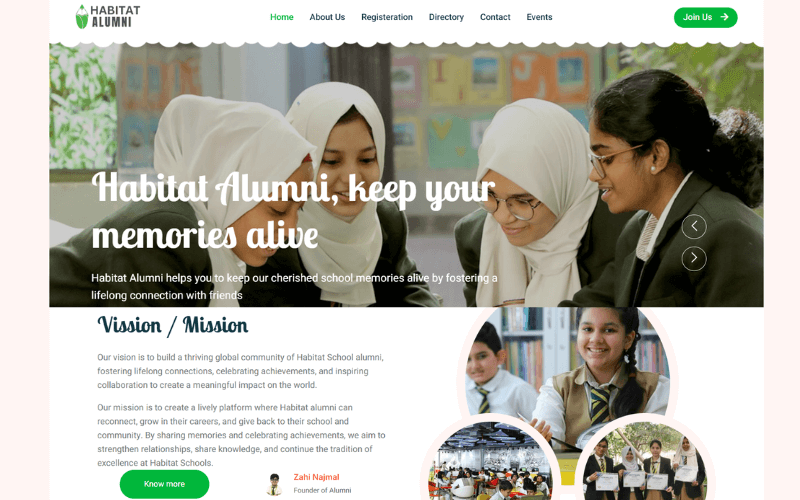
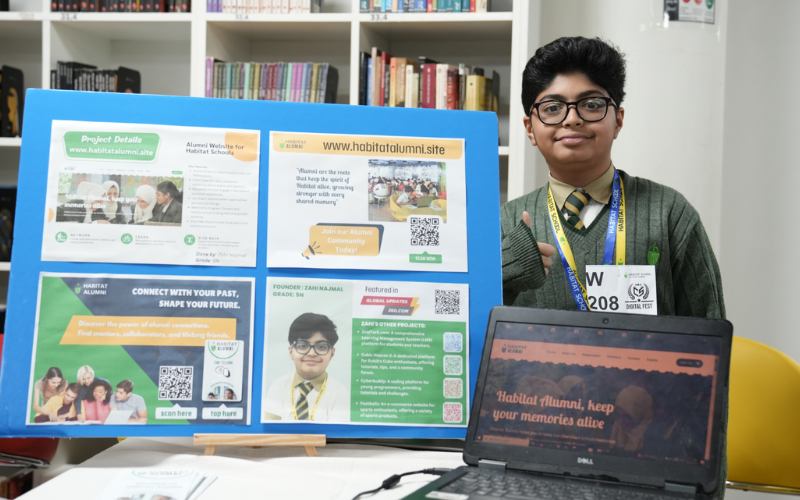
    In the fast-paced world of education and technology, it’s not often that a young student takes on a project that impacts an entire institution. But Zahi Najmal, a talented 5th grader at Habitat School Al Jurf, is doing just that. His groundbreaking initiative to establish an alumni network for his school showcases his passion for technology and his dedication to community building.

    Zahi Najmal’s story is one of innovation, leadership, and the desire to create meaningful connections. By combining his love for coding with a vision for uniting past and present students, he is setting a remarkable example of how young minds can make a difference.

    The Birth of the Habitat Alumni Network

    While Zahi Najmal’s tech ventures are impressive, his initiative to establish an alumni network for Habitat School Al Jurf takes his contributions to a new level. Recognizing the importance of alumni connections in building a school’s legacy, he decided to create a platform that fosters relationships among former students, teachers, and the institution itself.

    Zahi Najmal’s vision for the Habitat Alumni Network revolves around four key objectives:

    1. Reconnect
      The platform aims to help alumni reconnect with classmates and mentors, rekindling old friendships and creating new professional relationships.
    2. Professional Networking
      By bringing together alumni from diverse industries, the network facilitates career opportunities, mentorship, and collaboration.
    3. Stay Informed
      The platform will keep alumni updated on school news, events, and initiatives, encouraging them to remain engaged with their alma mater.
    4. Support the School
      Alumni will have opportunities to contribute to the school’s growth through mentorship programs, volunteering efforts, and financial support.

    Why Alumni Networks Matter

    Alumni networks are vital for the success and sustainability of educational institutions. They not only strengthen the bond between graduates and their schools but also contribute to a variety of tangible benefits:

    • Enhancing Reputation
      A strong alumni network highlights the achievements of graduates, showcasing the quality of education and the school’s impact on their success.
    • Providing Mentorship
      Experienced alumni can guide current students and younger graduates, offering advice and support in their academic and professional journeys.
    • Facilitating Career Opportunities
      Alumni networks serve as a platform for job postings, internships, and professional collaborations, benefiting members across generations.
    • Encouraging Philanthropy
      Alumni donations and volunteer efforts play a crucial role in funding school programs, scholarships, and infrastructure development.
    • Fostering Community Spirit
      By creating a shared sense of belonging, alumni networks strengthen the ties between members and their alma mater.

    Zahi Najmal’s Vision for Habitat School Alumni

    Zahi’s initiative is poised to make a lasting impact on Habitat School Al Jurf. The alumni network will serve as a bridge between past and present students, ensuring that the school’s legacy continues to thrive.

    The network will not only benefit the alumni but also support the school in achieving its long-term goals. From organizing events and reunions to providing mentorship and funding opportunities, the platform will become a cornerstone of the school’s community-building efforts.

    A Model for Other Schools

    Zahi’s project is a shining example of how young students can drive positive change. By leveraging technology and innovation, he has created a model that other schools can follow to strengthen their own alumni networks.

    The Habitat Alumni Network will likely inspire similar initiatives in schools across the region, encouraging institutions to invest in their alumni relations and community engagement efforts.

    Recognition and Support

    Zahi Najmal’s efforts have not gone unnoticed. His teachers, classmates, and mentors at Habitat School Al Jurf are incredibly proud of his achievements. The school’s administration has expressed its full support for the alumni network, recognizing its potential to enhance the institution’s reputation and resources.

    Zahi’s peers admire his dedication and creativity, often seeking his advice on coding and technology projects. His ability to balance academics with his extracurricular ventures is a testament to his discipline and determination.

    Looking Ahead

    As Zahi continues to grow and learn, his future looks incredibly bright. His passion for technology and community building positions him as a young leader with the potential to make a significant impact in various fields.

    For Habitat School Al Jurf, Zahi Najmal’s alumni network initiative is just the beginning. The school plans to build on its foundation, expanding the platform and exploring new ways to engage with its alumni.

    Inspiring the Next Generation

    Zahi Najmal’s story is a powerful reminder that age is no barrier to making a difference. With the right mindset, determination, and support, young people can achieve extraordinary things.

    By combining his technical skills with a vision for community building, Zahi has set a remarkable example for his peers and educators. His work on the Habitat Alumni Network will undoubtedly leave a lasting legacy, inspiring future generations of students at Habitat School Al Jurf and beyond.

    The Beginning of a Tech Journey

    Zahi Najmal’s journey into technology began at a young age. With a natural curiosity and a love for problem-solving, he started exploring coding and building digital platforms. His portfolio includes a range of projects that demonstrate his skill and creativity:

    ZahiTech.com: A Learning Management System (LMS) to support students and teachers.

    Cubic Heaven: A hub for Rubik’s Cube enthusiasts, and a community.

    Ezebeze Games: A gaming hub for fun and creativity.

    Cyberbuddy: A coding website for young learners with tutorials and coding challenges.

    Footballz: An e-commerce platform catering to sports enthusiasts.

    Each of these projects is a testament to Zahi’s ability to conceptualize and develop digital solutions. His technical skills are matched only by his passion for learning and his commitment to creating value for others.

    Conclusion

    Zahi Najmal’s initiative to establish an alumni network for Habitat School Al Jurf is a testament to his leadership, innovation, and commitment to his community. As the network grows and evolves, it will serve as a valuable resource for alumni and a pillar of support for the school.

    Through his efforts, Zahi Najmal has shown that even the youngest members of a community can drive meaningful change. His story is a celebration of the power of youth, technology, and the enduring spirit of giving back.


    Galleri: A Blood Test to Detect Multiple Types of Cancers Early

  • Qatar University’s Remarkable Achievement: Securing Spot among Top 200 Global Institutes

    Qatar University’s Remarkable Achievement: Securing Spot among Top 200 Global Institutes

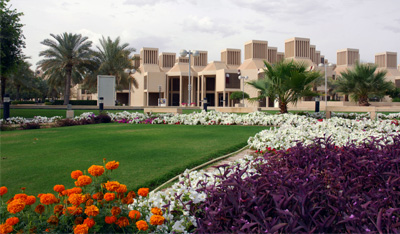
    Qatar University has also achieved top positions in the Arab region as recognized by the QS World University Rankings by Subject 2023. Qatar University has broken through to the top 200 institutions in the world after climbing to the 173rd spot in the latest international rankings.

    Qatar University’s position in the QS World Rankings 2024 has seen a remarkable improvement, jumping 35 positions up from its previous slot of 208.

    The QS World Rankings for this year introduced three new criteria: Sustainability, employment opportunities, and the scope of its international research network, suggesting recent strides by the institute on an academic level as well as its efforts to address real-world challenges and create a positive impact on an international scale.

    “We have made significant progress in the QS World Universities Rankings, ranked 173rd for this year, despite changes in ranking methodology. This is a great reflection of the success we have achieved and really illustrates QU’s vast contributions and dedication to excellence,” said President of the institution Omar Al Ansari, as quoted by Qatar News Agency.

    Qatar University’s academic programmes have also garnered recognition in the QS World University Rankings by Subject 2023. The university has achieved top positions in the Arab region, claiming the first spot in Sports Science and Theology, Divinity, and Religion subjects.

    Law and Legal Studies, Environmental Sciences, Accounting and Finance, and Social Sciences and Management have secured third positions, regionally.

    The subjects offered by Qatar Universities have also made it to the top 10 in the Arab region, and some even gaining places in the top 50 and top 200 globally.

    Located in Doha and established in 1973, Qatar University is a public institution and offers courses in various disciplines including arts and sciences, business and economics, engineering, law, and medicine.

    As the country’s oldest and largest university, Qatar University is renowned for its commitment to high-quality education and research.

    Education in Qatar

    Earlier this year, a top official said only universities within the top 300 in worldwide ranking will be allowed to open branches or campuses in Qatar under a new draft law that was announced back in early April.

    The Gulf nation has prepared a new draft law on higher education policies, the governance and licensing of higher education institutions, and their oversight and programmes.

    Currently, there are 34 higher education institutions in the country, including governmental, semi-governmental, private, and security and military bodies, attended by 40,000 students.

    To ensure the quality of educational programmes in Qatar, Law No. 31 of 2020 was issued to establish the National Commission for Qualifications and Academic Accreditation.

    However, this is a separate committee from the education ministry’s licensing body and carries out governance and review of the work of universities after a period of their opening and operation.

    Qatar University has achieved top positions in the Arab region as recognised by the QS World University Rankings by Subject 2023. It has broken through to the top 200 institutions in the world after climbing to the 173rd spot in the latest international rankings. The position of Qatar University in the QS World Rankings 2024 has seen a remarkable improvement, jumping 35 positions up from its previous slot of 208. The QS World Rankings for this year introduced three new criteria: Sustainability, employment opportunities, and the scope of its international research network. This suggests recent strides by Qatar University on an academic level as well as its efforts to address real-world challenges and create a positive impact on an international scale.

    “We have made significant progress in the QS World Universities Rankings, ranked 173rd for this year, despite changes in ranking methodology. This is a great reflection of the success we have achieved and really illustrates QU’s vast contributions and dedication to excellence,” said President of the institution Omar Al Ansari, as quoted by Qatar News Agency. The academic programmes offered by Qatar University have also garnered recognition in the QS World University Rankings by Subject 2023. The university has achieved top positions in the Arab region, claiming the first spot in Sports Science and Theology, Divinity, and Religion subjects. Law and Legal Studies, Environmental Sciences, Accounting and Finance, and Social Sciences and Management have secured third positions regionally. The subjects offered by Qatar University have also made it to the top 10 in the Arab region, and some even gaining places in the top 50 and top 200 globally.

    Qatar University, located in Doha and established in 1973, is a public institution that offers courses in various disciplines including arts and sciences, business and economics, engineering, law, and medicine. As the country’s oldest and largest university, Qatar University is renowned for its commitment to high-quality education and research.

    Education in Qatar has gained attention as the country prepares to implement a new draft law on higher education policies. As part of this law, only universities within the top 300 in worldwide ranking will be allowed to open branches or campuses in Qatar. Currently, there are 34 higher education institutions in the country, including governmental, semi-governmental, private, and security and military bodies, attended by 40,000 students. To ensure the quality of educational programmes in Qatar, Law No. 31 of 2020 was issued to establish the National Commission for Qualifications and Academic Accreditation. This commission works separately from the education ministry’s licensing body and carries out governance and review of the work of universities after a period of their opening and operation.

    In conclusion, Qatar University has made impressive strides in international rankings and has achieved top positions in the Arab region. With a commitment to excellence in education and research, Qatar University continues to be a leading institution in Qatar. The focus on sustainability, employment opportunities, and international research further showcases its dedication to tackling real-world challenges. As education in Qatar evolves, the implementation of new regulations will ensure the quality and reputation of higher education institutions in the country.