Tag: Travel

  • 5 Visa-Free Countries UAE Residents Can Fly To in Few Hours for UAE National Day long weekend travelers

    Quick getaway destinations offering hassle-free entry for UAE National Day long weekend travelers

    As Dubai announces a four-day break for Eid Al Etihad (UAE National Day) from December 2-5, 2025, UAE residents are planning quick international escapes to maximize the extended weekend. For travelers seeking hassle-free destinations without the delays and expenses of visa applications, several visa-free or visa-on-arrival countries lie within a few hours’ flight from the Emirates, offering diverse experiences from beach relaxation to cultural exploration—all accessible with minimal documentation and short travel times.

    The combination of visa-free entry, proximity, and diverse offerings makes these destinations particularly attractive for the National Day break when time is limited but the desire for a change of scenery is strong.

    Why Visa-Free Travel Matters for Short Breaks

    The four-day Eid Al Etihad holiday creates an ideal window for quick international travel, but the abbreviated timeframe makes visa-free destinations particularly appealing:

    Time efficiency: Eliminating visa application processes that can take days or weeks enables spontaneous or last-minute booking without advance planning months ahead.

    Cost savings: Visa fees, service charges, and document processing costs can add AED 200-800+ per person to trip expenses—savings that become significant for families.

    Reduced paperwork: Avoiding extensive documentation requirements including employment letters, bank statements, hotel bookings, and other visa application materials simplifies preparation.

    Flexibility: Last-minute plan changes or spontaneous decisions become feasible when visa constraints don’t lock in commitments weeks in advance.

    Peace of mind: Eliminating visa rejection risks (which can occur even with proper documentation) provides certainty that travel plans will materialize.

    For UAE residents holding various passport nationalities, visa-free access differs by citizenship, but several destinations welcome most UAE resident passport holders without advance visa requirements, making them universally accessible quick getaway options.

    1. Georgia: Caucasus Mountain Charm (4.5 Hours)

    Flight time: Approximately 4-4.5 hours from Dubai or Abu Dhabi to Tbilisi

    Visa policy: Visa-free entry for 1 year for UAE residents holding passports from over 95 countries; visa-on-arrival for many other nationalities

    Why Georgia for National Day Weekend

    Diverse experiences spanning ancient churches and fortresses, Soviet-era architecture, modern Tbilisi nightlife, wine country tours, and mountain trekking in the Caucasus.

    Affordability: Budget-friendly destination where accommodation, dining, and activities cost significantly less than UAE or Western European alternatives—luxury hotels often under AED 300 nightly, excellent restaurants under AED 80 per person.

    Unique cuisine: Georgian food offers distinctive flavors featuring khachapuri (cheese-filled bread), khinkali (dumplings), grilled meats, and wines from one of the world’s oldest wine-producing regions.

    Safety and hospitality: Georgia ranks among the safest destinations for tourists, with legendary Georgian hospitality creating welcoming atmospheres for international visitors.

    Weather considerations: Early December temperatures range 5-12°C (41-54°F)—cool but manageable with appropriate clothing, offering pleasant contrast to UAE climate.

    Rich history: Ancient churches, monasteries, and UNESCO World Heritage sites including Mtskheta and cave cities provide cultural depth.

    Suggested Itinerary for 4-Day Break

    Day 1: Arrive Tbilisi, explore Old Town, Narikala Fortress, sulfur baths, and Rustaveli Avenue evening stroll

    Day 2: Day trip to Mtskheta (ancient capital), Jvari Monastery, and Ananuri Fortress complex

    Day 3: Kakheti wine region tour visiting wineries, Sighnaghi hilltop town, and traditional Georgian feast

    Day 4: Morning in Tbilisi for last-minute shopping and sightseeing before evening flight

    Entry requirements: Valid passport (minimum 6 months validity), return ticket, proof of accommodation; UAE resident visa holders from most countries receive automatic visa-free entry stamp on arrival.

    Direct flights: FlyDubai, Wizz Air Abu Dhabi, and Air Arabia operate regular services; prices typically AED 800-1,500 return depending on booking timing.

    2. Oman: Mountains, Wadis, and Heritage (1 Hour)

    Flight time: Approximately 1 hour from Dubai to Muscat; 1.5 hours from Abu Dhabi

    Visa policy: Free visa on arrival for GCC residents holding eligible passports; 10-day visa for AED 20 (approximately OMR 2); e-visa options available

    Why Oman for National Day Weekend

    Closest international option: Minimal flight time maximizes ground time at destination—essentially a driving-distance destination accessible by air.

    Diverse landscapes: Dramatic mountains (Jebel Akhdar, Jebel Shams), pristine wadis (Wadi Shab, Wadi Bani Khalid), endless desert dunes (Wahiba Sands), and beautiful coastline.

    Cultural richness: Stunning mosques (Sultan Qaboos Grand Mosque), traditional souqs (Mutrah), forts and castles, and authentic Omani heritage villages.

    Safety and cleanliness: Oman ranks among the safest destinations globally with impeccably maintained roads, attractions, and facilities.

    Family-friendly: Excellent destination for families with children offering outdoor activities, safe environments, and manageable distances between attractions.

    Weather perfection: December temperatures (20-28°C / 68-82°F) provide ideal conditions for outdoor exploration, hiking, and beach activities.

    Culinary experiences: Traditional Omani cuisine including shuwa (slow-cooked lamb), harees, and fresh seafood in coastal areas.

    Suggested Itinerary for 4-Day Break

    Day 1: Arrive Muscat, Sultan Qaboos Grand Mosque, Royal Opera House area, Mutrah Souq, Corniche sunset walk

    Day 2: Drive to Jebel Akhdar or Jebel Shams for mountain scenery, terraced farms, ancient villages, and dramatic vistas

    Day 3: Wadi adventure (Wadi Shab or Wadi Bani Khalid) for swimming, hiking, and nature immersion

    Day 4: Morning at Bait Al Zubair Museum or Qurum Beach before afternoon flight

    Alternative: Salalah (2.5 hours flight) offers different experiences including frankincense heritage, beautiful beaches, and coconut groves—though more suited to longer stays.

    Driving option: Many UAE residents drive to Oman (3.5-5 hours to Muscat depending on departure point), offering flexibility and cost savings for families; requires vehicle insurance valid in Oman.

    Entry requirements: Valid passport, UAE resident visa, accommodation proof; visa processed on arrival or online in advance; AED 20 (approximately OMR 2) visa fee for 10-day tourist entry.

    Direct flights: Multiple daily services by Oman Air, FlyDubai, Air Arabia, Wizz Air Abu Dhabi; prices typically AED 400-900 return.

    3. Azerbaijan: Fire Country Culture (3 Hours)

    Flight time: Approximately 3 hours from Dubai or Abu Dhabi to Baku

    Visa policy: E-visa available online (issued within 3 days, valid 90 days) for approximately AED 80-100; visa-free for some nationalities

    Why Azerbaijan for National Day Weekend

    Baku’s blend: Capital city combines medieval Old City (UNESCO World Heritage Site) with ultramodern architecture including Flame Towers and Heydar Aliyev Center creating striking architectural contrasts.

    Cultural crossroads: Unique position bridging Europe and Asia creates fascinating cultural fusion in cuisine, architecture, customs, and society.

    Caspian coastline: Seaside promenades, beaches, and waterfront dining along the world’s largest lake.

    Affordable luxury: High-end hotels, restaurants, and experiences cost substantially less than Dubai equivalents—five-star hotels often AED 300-500 nightly.

    Fire heritage: Ancient Zoroastrian fire temple (Ateshgah), natural eternal flames at Yanar Dag, and petroleum history museums reflect Azerbaijan’s “Land of Fire” identity.

    Day trip options: Gobustan rock art (UNESCO site), mud volcanoes, Quba mountain town, and Shahdag ski resort (winter season).

    Compact exploration: Baku’s main attractions cluster within manageable distances enabling efficient sightseeing.

    Suggested Itinerary for 4-Day Break

    Day 1: Arrive Baku, explore Old City (Maiden Tower, Palace of the Shirvanshahs, narrow lanes), Fountains Square evening atmosphere

    Day 2: Modern Baku—Flame Towers, Heydar Aliyev Center, Carpet Museum, Highland Park panoramic views, Baku Boulevard waterfront walk

    Day 3: Day trip to Gobustan rock art, mud volcanoes, and Ateshgah Fire Temple; evening at local restaurant for traditional cuisine and possibly mugham music

    Day 4: Morning at local bazaars for souvenirs (carpets, tea, saffron) before departure

    Entry requirements: E-visa obtained online before travel (apply at least 3 days ahead), valid passport (6 months validity), return ticket, accommodation proof.

    Direct flights: Wizz Air Abu Dhabi, Azerbaijan Airlines, FlyDubai operate regular services; prices typically AED 700-1,400 return.

    4. Seychelles: Island Paradise (4 Hours)

    Flight time: Approximately 4 hours from Dubai or Abu Dhabi to Mahé

    Visa policy: Visa-free entry on arrival for all nationalities for stays up to 3 months

    Why Seychelles for National Day Weekend

    Beach perfection: Consistently ranked among the world’s most beautiful beaches with powder-white sand, granite boulders, turquoise water, and lush tropical vegetation.

    Complete relaxation: Ideal for travelers seeking pure beach holiday without cultural touring or extensive sightseeing—swim, snorkel, sunbathe, repeat.

    Unique biodiversity: Endemic species including giant tortoises, rare birds, and unique flora; UNESCO World Heritage Vallée de Mai nature reserve.

    Luxury accommodations: World-class resorts and boutique hotels offering premium experiences in spectacular natural settings.

    No visa hassles: Completely visa-free for all nationalities—simply arrive with passport, return ticket, and accommodation proof for automatic 3-month tourist permit.

    Family or romantic: Suits both family holidays (safe, easy, beach-focused) and romantic getaways (secluded resorts, stunning sunsets, intimate atmosphere).

    December weather: Transition between seasons brings occasional rain but generally warm (24-30°C / 75-86°F) with lush, green landscapes.

    Suggested Itinerary for 4-Day Break

    Day 1: Arrive Mahé, settle into accommodation, explore nearby beach (Beau Vallon or Anse Intendance), sunset at beach bar

    Day 2: Full beach day—swimming, snorkeling, water sports, beachside dining, maximum relaxation

    Day 3: Island exploration—Victoria (tiny capital), local market, botanical gardens, viewpoints; or day trip to Praslin (Vallée de Mai, Anse Lazio beach) or La Digue (bicycle-paced island exploration)

    Day 4: Morning beach time before afternoon flight

    Budget considerations: Seychelles ranks as relatively expensive destination—modest hotels AED 500-800+ nightly, meals AED 80-150+ per person—but visa-free convenience and unparalleled beauty justify costs for many travelers.

    Entry requirements: Valid passport (minimum 6 months), return ticket, accommodation proof, sufficient funds evidence; visitor’s permit issued free on arrival.

    Direct flights: Emirates, Etihad, Air Seychelles; prices typically AED 1,800-3,500+ return (the highest among these five destinations but reflecting distance and exclusivity).

    5. Armenia: Ancient Churches and Mountains (4 Hours)

    Flight time: Approximately 4 hours from Dubai or Abu Dhabi to Yerevan

    Visa policy: E-visa available online for most nationalities; some passport holders receive visa-free entry or visa on arrival

    Why Armenia for National Day Weekend

    Ancient Christian heritage: Some of the world’s oldest churches including Etchmiadzin Cathedral (UNESCO), Geghard Monastery, and Khor Virap with Mount Ararat backdrop.

    Dramatic landscapes: Mountains, gorges, Lake Sevan (high-altitude lake), and countryside dotted with monasteries in spectacular settings.

    Affordable destination: Budget-friendly across accommodation, dining, transportation, and activities—comfortable hotels AED 150-300 nightly, excellent meals AED 40-80 per person.

    Warm hospitality: Armenian culture emphasizes hospitality with welcoming locals, family-run guesthouses, and authentic cultural experiences.

    Food and wine: Distinctive Armenian cuisine featuring khorovats (barbecue), dolma, lavash bread, and emerging wine industry in Areni region.

    Compact touring: Major sites lie within day-trip distance of Yerevan enabling efficient exploration of diverse attractions.

    December atmosphere: Cold weather (0-8°C / 32-46°F) brings Christmas market preparations, cozy cafes, and potential snow in mountains creating atmospheric winter setting.

    Suggested Itinerary for 4-Day Break

    Day 1: Arrive Yerevan, explore Republic Square, Cascade Complex, Northern Avenue, evening at one of city’s excellent restaurants

    Day 2: Day trip to Etchmiadzin Cathedral, Zvartnots ruins, Khor Virap monastery with Mount Ararat views (weather permitting)

    Day 3: Lake Sevan (Sevanavank monastery on peninsula), Dilijan (Little Switzerland), or Geghard Monastery and Garni Temple

    Day 4: Morning at Vernissage market for handicrafts, Matenadaran manuscript museum, or last-minute city exploration before departure

    Entry requirements: E-visa obtained online (processed within days) or visa on arrival depending on nationality; valid passport (6 months), return ticket, accommodation documentation.

    Direct flights: FlyDubas, Wizz Air Abu Dhabi, Air Arabia; prices typically AED 700-1,300 return.

    Practical Planning Tips for National Day Travel

    Booking Strategy

    Book immediately: National Day holiday creates peak travel demand; waiting reduces availability and increases prices dramatically.

    Compare carefully: Check multiple booking platforms (Skyscanner, Google Flights, airline direct, Wego, Cleartrip) as prices vary substantially.

    Consider packages: Sometimes flight+hotel packages offer better value than separate bookings, particularly for Seychelles.

    Flexibility helps: If your dates can flex by a day, potential savings can be substantial; Tuesday-Wednesday departures often cheaper than weekend travel.

    Set alerts: Price tracking tools notify you of fare changes if you’re watching specific routes.

    Documentation Checklist

    Passport validity: Minimum 6 months beyond travel dates (some countries strict on this requirement).

    Passport copies: Carry physical and digital copies separate from original.

    Visa documentation: Print e-visa approvals, confirmation emails, and payment receipts even if electronic versions exist.

    Accommodation confirmations: Print hotel/resort bookings with contact details, addresses, and reservation numbers.

    Return tickets: Print boarding passes or booking confirmations proving departure from destination.

    Travel insurance: Policy documents with emergency contact numbers and coverage details.

    UAE resident visa: Valid residence visa in passport required for re-entry to UAE.

    Financial proof: Credit cards, sufficient cash in local/international currency, ATM cards functioning internationally.

    Emergency contacts: Embassy/consulate details for your nationality in destination country.

    COVID-related: Check current health requirements as these occasionally change.

    Packing Essentials

    Weather-appropriate clothing: Research destination December weather; Georgia and Armenia require warm layers; Oman and Seychelles need lighter clothing; Azerbaijan somewhere between.

    Comfortable shoes: Walking shoes essential for sightseeing destinations; beach sandals for Seychelles.

    Universal adapter: Electrical outlets differ across destinations; bring appropriate adapters/converters.

    Medications: Prescription medications with copies of prescriptions; basic first aid supplies; any personal health items.

    Beach essentials: If heading to Seychelles or Oman coastal areas—sunscreen, hats, sunglasses, swim gear.

    Portable chargers: Keep devices charged during long sightseeing days.

    Modest clothing: For visiting religious sites in Armenia, Azerbaijan, or Oman—covered shoulders and knees, scarves for women in some locations.

    Money Matters

    Local currency: Research whether destination prefers cash or cards; exchange small amounts at UAE exchange houses before departure for immediate needs (taxis, tips, small purchases).

    Credit cards: Inform your bank of travel dates to prevent fraud blocks; carry at least two cards in case one doesn’t work.

    ATMs: Usually best exchange rates available at destination ATMs; check your bank’s international withdrawal fees beforehand.

    Cash backup: Always carry some USD as backup currency accepted worldwide.

    Budget planning: Research typical costs at destination to estimate reasonable daily spending.

    Communication

    Local SIM cards: Available at airports offering data for maps, translation apps, booking confirmations, and communication.

    International roaming: UAE mobile operators offer international packages; compare costs against local SIMs.

    Offline maps: Download Google Maps offline versions of destination cities before departure.

    Translation apps: Google Translate offline language packs useful in non-English speaking areas.

    Important apps: Uber/Bolt (available in most destinations), restaurant booking apps, local transportation apps.

    Health and Safety

    Travel insurance: Essential covering medical emergencies, trip cancellation, lost luggage, and other contingencies.

    Vaccinations: Check if destinations require/recommend any vaccinations (generally not needed for these five).

    Medications: Carry prescription medications in original containers with prescriptions; bring extras in case return delays.

    Emergency numbers: Research local emergency services numbers (police, ambulance) and save in phone.

    Embassy details: Know location and contact information for your country’s embassy/consulate at destination.

    Common sense: Standard travel safety—don’t display wealth conspicuously, avoid isolated areas at night, stay aware of surroundings, keep valuables secure.

    Alternative Considerations

    If these five destinations don’t appeal, other relatively quick visa-free or visa-on-arrival options for UAE residents include:

    Maldives (4 hours): Island paradise similar to Seychelles; visa-free; typically expensive but occasional deals available.

    Sri Lanka (3.5 hours): E-visa required but straightforward; beaches, tea country, ancient sites; recovering tourism sector offers good value.

    Jordan (3 hours): Visa on arrival; Petra, Wadi Rum, Dead Sea, Amman; rich history and natural beauty.

    Turkey (4-5 hours): E-visa or visa-free depending on nationality; Istanbul’s blend of Europe-Asia, historical sites, diverse landscapes.

    Egypt (3.5 hours): Visa on arrival; Cairo’s pyramids, Luxor’s temples, Red Sea diving; historical richness.

    Tanzania/Kenya (4-5 hours): E-visa available; safari experiences, Zanzibar beaches, natural wonders; requires more time to justify but feasible for 4 days.

  • 5 New UAE Road Rules to Know: Dh1,500 Fine, Black Points & More

    5 New UAE Road Rules to Know: Dh1,500 Fine, Black Points & More

    Starting this October, UAE drivers must pay close attention to new road safety rules introduced nationwide. With fines as high as Dh1,500 and black points targeting risky behaviors, these updates reflect the country’s ongoing effort to keep roads safe for everyone—from daily commuters in Dubai, Abu Dhabi, and Sharjah, to long-haul truck drivers crossing the Emirates. Here’s your trusted guide to the top five new regulations every motorist should follow to avoid costly penalties and protect their driving record.

    1. Heavy Vehicle Lane Restrictions and Big Fines

    Heavy vehicles—including trucks and buses—are now required to stay strictly in designated lanes. Failure to comply with these rules will result in a Dh1,500 fine and 12 black points per violation. This tighter regulation is aimed at preventing accidents and improving overall traffic flow on highways and arterials in Dubai, Abu Dhabi, and Sharjah, supporting the UAE’s road safety vision.​

    2. Smart Speed Limiters for Taxis and Delivery Vehicles

    A new federal mandate brings smart speed limiters to taxis and delivery vehicles. These AI-driven devices automatically ensure drivers never exceed the legal speed limit for their location—reducing risky driver behaviour and accident rates. Tampering with or disabling these systems may result in additional fines and loss of your commercial driving permit.​

    3. Strict Obedience to Traffic Signs and Instructions

    All drivers must now follow posted traffic signs and electronic instructions without exception. Non-compliance, such as ignoring variable electronic speed limits or new roadside digital warnings, incurs a Dh500 fine for the first offense, Dh700 for the second, and possible permit suspension after repeated violations. This applies heavily to delivery riders and commercial fleets operating in busy city centres.​

    4. Designated Lane Rules for Motorcycles, Bikes, Heavy Vehicles & Buses

    From November, designated lanes for motorcycles, delivery bikes, and heavy vehicles must be used as assigned. In Dubai, for example, bikes cannot use the leftmost high-speed lane on five-lane roads, and heavy vehicles and buses must stay in the far-right lane. Violations trigger fines up to Dh1,500 and an increase in black points on your driving license.​

    5. Enhanced Penalties for Reckless Driving & License Offenses

    Drivers with suspended or revoked licenses face steeper punishments if found driving: up to three months in jail, a minimum Dh10,000 fine or both. The federal law allows courts to impose license suspension for up to three years for serious traffic crimes, raising the stakes for high-risk behaviours like racing, DUI, or repeated dangerous driving.​

    What These Changes Mean for Drivers

    These new law updates mean every driver in the UAE must:

    • Stay informed and adapt their driving habits to avoid steep fines and license points.
    • Fleet managers and commercial drivers should reinforce compliance training and equip vehicles as required by the new mandates.
    • Expats and residents alike should frequently check local Dubai, Abu Dhabi, and Sharjah police websites for the latest updates and enforcement actions in their emirate.

    With more smart technology and tougher enforcement, the UAE continues to build one of the safest and most efficient road networks in the region—protecting drivers, pedestrians, and daily commuters.


    Ronaldo Reaches Historic 950 Career Goals: CR7 Hungry for More as Al Nassr Stay Top with Perfect League Record

  • Saudi Arabia Reopens Doors: Visit and Umrah Visas Resume Post-Hajj 2025

    Saudi Arabia Reopens Doors: Visit and Umrah Visas Resume Post-Hajj 2025

    In a move signaling a return to normalcy after the annual Hajj pilgrimage, Saudi Arabia has officially restarted issuing visit visas and Umrah permits, welcoming international travelers back to the Kingdom’s holy sites and cultural destinations. The announcement comes exactly two weeks after the conclusion of Hajj 2025, which saw over 2.3 million pilgrims complete their spiritual journey.

    Key Updates for Travelers

    1. Visa Availability

    ✔ Tourist Visas: Now available for 63 eligible countries (including new additions)
    ✔ Umrah Visas: Special 90-day permits for spiritual visits
    ✔ eVisa Platform: Fully operational with Arabic/English support

    2. New Streamlined Processes

    • 48-hour processing for most applications
    • Multiple-entry option for frequent visitors
    • Extended validity: Stays up to 90 days permitted

    3. Post-Hajj Umrah Season

    • Special night Umrah permits during Ramadan 2026 (expected)
    • Discounted packages through approved tour operators

    Why This Matters Now

    1. Economic Boost
      The Umrah industry typically generates $12 billion annually – critical for Vision 2030 diversification
    2. Global Muslim Community
      Over 1 million applications already pending since Hajj ended
    3. Infrastructure Upgrades
      New Makkah Route Initiative allows visa processing in travelers’ home countries

    What Travelers Should Know

    ✅ Health Requirements

    • No COVID-19 restrictions remain
    • Travel insurance mandatory

    ✅ Cultural Considerations

    • Modesty dress codes still enforced
    • Photography rules around holy sites

    ✅ Tech Enhancements

    • Nusuk App now includes augmented reality wayfinding
    • Digital wallet integration for cashless transactions

    Industry Reactions

    Tour Operators
    “Bookings are already at 70% of pre-pandemic levels,” reports Al-Mulla Travel CEO

    Hospitality Sector
    Hotels near the Haram are offering early-bird Ramadan 2026 rates

    Pilgrim Testimonials
    “The new e-system made getting my Umrah visa easier than ordering dinner,” shares Indonesian traveler Ahmad Fauzi

    Looking Ahead

    • October 2025: Expected launch of GCC unified tourist visa
    • December 2025: Planned direct flights from 15 new cities
    • 2026: Projected 30 million+ visitors annually

  • UAE Visa Photo Guidelines 2025: Avoid Rejection With These Rules

    UAE Visa Photo Guidelines 2025: Avoid Rejection With These Rules

    Applying for a UAE visa? A simple photo mistake could delay your application. With stricter enforcement of biometric standards in 2025, authorities are rejecting more visa applications due to non-compliant photographs. Here’s what you need to know to ensure your UAE visa photo meets all requirements.

    Latest UAE Visa Photo Rules (2025 Update)

    1. Technical Specifications

    ✔ Size: 35mm x 45mm (passport-sized)
    ✔ Background: Plain white or light gray (no shadows, patterns, or textures)
    ✔ Resolution: Minimum 600 DPI (no pixelation or blurring)
    ✔ Format: JPEG or PNG (under 100KB for digital submissions)

    2. Composition & Appearance

    ✔ Face Coverage: 70-80% of the photo (chin to forehead visible)
    ✔ Expression: Neutral, mouth closed, no smiling or frowning
    ✔ Eyes: Open, clearly visible, no glasses (unless medically necessary)
    ✔ Headgear: Only permitted for religious reasons (must not cover face)

    3. Dress Code & Restrictions

    ✔ Clothing: Avoid white (to contrast with background)
    ✔ Hijabs/Headscarves: Allowed but must not obscure facial features
    ✔ No filters, edits, or AI enhancements (strictly natural appearance)

    Why Are Rejections Increasing?

    The UAE’s Federal Authority for Identity, Citizenship, Customs & Port Security (ICP) has tightened automated checks using AI-powered facial recognition. Common rejection reasons include:

    • Wrong background color (off-white or cream is no longer accepted)
    • Incorrect head position (must face camera directly)
    • Poor lighting (no shadows or glare on face)
    • Old photos (must be taken within the last 3 months)

    Where to Get Compliant UAE Visa Photos?

    • Approved UAE Typing Centers (AED 25-50)
    • Official ICP Mobile App (AI-check before submission)
    • Professional Studios (ask for “UAE visa specifications”)

    What If Your Photo Gets Rejected?

    • Re-upload within 72 hours (for e-visa applications)
    • No extra fee if corrected promptly
    • Delays can extend processing by 3-5 days

    OpenAI’s Latest Viral ChatGPT Moment Isn’t Really About AI – It’s About Us

  • Comprehensive Roadmap to navigate the essentials of U.S. immigration compliance: Your 2025 U.S Immigration Compliance Guide

    Comprehensive Roadmap to navigate the essentials of U.S. immigration compliance: Your 2025 U.S Immigration Compliance Guide

    For millions of foreign nationals eyeing the United States as a destination for work, study, or leisure, the path to entry has never been more intricate. As of March 2025, the U.S. immigration landscape is undergoing a seismic shift under President Donald Trump’s second term, with stricter vetting, enhanced border security, and new compliance mandates reshaping the experience for visitors, workers, and residents alike. Whether you’re a Canadian snowbird, a European tech professional, or an Asian student, understanding the latest procedures is critical to avoiding delays, denials, or deportation.

    Visa Basics: Your First Step

    The journey begins with securing the right visa, a process governed by the Immigration and Nationality Act (INA) and overseen by the U.S. Department of State and U.S. Citizenship and Immigration Services (USCIS). As of now, over 20 nonimmigrant visa categories exist, each tailored to specific purposes. Tourists and business visitors typically apply for B-1/B-2 visas, while skilled workers seek H-1B or L-1 visas, and students pursue F-1 visas. The annual cap for permanent employment-based immigrants remains at 140,000, though Trump’s recent executive orders signal potential cuts to certain categories.

    Since January 20, 2025, when Trump signed an executive order titled “Protecting the United States from Foreign Terrorists and Other National Security Threats,” visa applicants face “enhanced vetting.” This includes mandatory biometric data—fingerprints and photographs—and detailed interviews probing travel history, employment, and even social media activity. “Expect longer processing times,” warns Maria Gonzalez, an immigration attorney with Fragomen. “Consulates in high-risk countries are reporting delays of up to eight weeks due to additional security clearances.”

    To apply, foreign nationals must submit Form DS-160 online, pay fees ranging from $185 to $205 depending on the visa type, and schedule an interview at a U.S. embassy or consulate. Pro tip: Check processing times early—some posts, like New Delhi and Mexico City, are backlogged into mid-2025.

    Entry Protocols: What to Expect at the Border

    Once a visa is secured, entry into the U.S. involves rigorous screening at ports of entry, managed by U.S. Customs and Border Protection (CBP). Under Trump’s directive, all arrivals—including visa holders and Visa Waiver Program (VWP) participants from 40 eligible countries—undergo identity checks against law enforcement databases, biometric collection, and questioning about their visit’s purpose. “Be prepared for anything,” advises Gonzalez. “Officers have broad discretion to deny entry if they suspect intent to overstay or work illegally.”

    A new rule effective February 19, 2025, requires foreign nationals staying over 30 days—like Canadian snowbirds or extended business visitors—to register as aliens with USCIS within 10 days of arrival, providing fingerprints and a local address. Non-compliance risks fines up to $1,000 or removal proceedings. “It’s a game-changer for seasonal travelers,” says John Carter, a Toronto-based retiree who winters in Florida. “I had to reroute my plans to hit a USCIS office in Miami.”

    Staying Compliant: Beyond Arrival

    Once in the U.S., maintaining legal status is paramount. Temporary visa holders must adhere to their authorized stay—typically six months for B-2 visitors or three years for H-1B workers—tracked via the I-94 arrival/departure record accessible online at cbp.gov/I94. Overstaying can trigger a bar on reentry, ranging from three to ten years under INA Section 212(a)(9)(B). Extensions, like the Form I-539 for nonimmigrants, are possible but increasingly scrutinized; USCIS denials have spiked 15% since January, per agency data.

    For those seeking permanent residency, the adjustment of status process (Form I-485) requires lawful entry and an approved immigrant petition, often employment-based or family-sponsored. Trump’s policies have tightened eligibility—birthright citizenship is now restricted, and asylum claims at the southern border are largely suspended—making legal pathways narrower. “Green Card hopefuls should act fast and consult counsel,” Gonzalez notes. “Delays or missteps can derail years of planning.”

    The administration’s focus on border security and “extreme vetting” has real-world impacts. An executive order dated January 21, 2025, empowers state and local law enforcement to assist in immigration enforcement, meaning foreign nationals may face status checks beyond airports. Posts on X highlight growing anxiety among travelers, with some reporting surprise CBP interviews at highway checkpoints. “Carry your passport and visa docs everywhere,” advises Patel Singh, an Indian H-1B worker in California. “I was stopped driving to San Diego—luckily, I had everything.”

    Humanitarian programs like asylum and the U.S. Refugee Admissions Program are on hold pending agency reviews, leaving thousands in limbo. Meanwhile, the Department of Homeland Security (DHS) has flagged “high-risk” countries—yet to be officially listed—for potential travel bans, echoing Trump’s first-term restrictions on nations like Iran and Syria.

    Practical Tips for Success

    • Plan Ahead: Apply for visas at least three months early and monitor consulate updates at travel.state.gov.
    • Document Everything: Bring proof of ties to your home country (job letters, property deeds) to counter overstay suspicions.
    • Know Your Rights: If detained at entry, you can request to contact your employer or attorney, though representation isn’t guaranteed at consular interviews.
    • Stay Informed: USCIS’s Policy Manual (uscis.gov/policy-manual) and Fragomen’s compliance guides offer real-time insights.

    A Global Perspective

    The U.S. isn’t alone in tightening borders—Canada and the EU have similar vetting upgrades—but Trump’s policies amplify the stakes. “America’s still a land of opportunity,” says Gonzalez, “but the bar’s higher now.” For foreign nationals, preparation is power. As the world watches this compliance crackdown unfold, one thing is clear: entering the U.S. in 2025 demands diligence, patience, and a roadmap to stay on the right side of the law.


    UAE and China Deepen Ties with New Trade Agreement

  • Sharjah’s New Road Diversion Slashes Travel Time from 20 to 3 Minutes: A Game-Changer for Commuters

    Sharjah’s New Road Diversion Slashes Travel Time from 20 to 3 Minutes: A Game-Changer for Commuters

    Sharjah, UAE – In a move that has been hailed as a major win for residents and commuters, Sharjah’s Roads and Transport Authority (SRTA) has unveiled a new road diversion that dramatically reduces travel time between key areas of the emirate. What once took 20 minutes can now be completed in just 3 minutes, thanks to the innovative infrastructure project aimed at easing traffic congestion and improving connectivity. The diversion, which opened to the public on January 28, 2025, is already being celebrated as a game-changer for daily commuters and businesses alike.

    The New Diversion: What’s Changed?

    The newly implemented diversion is part of Sharjah’s ongoing efforts to modernize its road network and address the growing demands of its rapidly expanding population. The project focuses on optimizing traffic flow at a critical junction connecting Al Wahda Road and King Faisal Road, two of the busiest thoroughfares in the emirate.

    Key features of the diversion include:

    • A dedicated flyover that bypasses the congested intersection, allowing seamless movement of vehicles.
    • Smart traffic signals equipped with AI-powered sensors to adjust timings based on real-time traffic conditions.
    • Pedestrian-friendly pathways and cycling lanes to promote sustainable mobility.

    Impact on Travel Time

    The most significant benefit of the new diversion is the drastic reduction in travel time. Previously, commuters traveling from Al Nahda to Al Khan during peak hours faced delays of up to 20 minutes due to heavy traffic at the intersection. With the new flyover and optimized traffic management, the same journey now takes just 3 minutes.

    “This is a dream come true for us,” said Ahmed Al Marzouqi, a Sharjah resident who commutes daily for work. “I used to spend hours stuck in traffic, but now I can get to my office in no time. It’s a huge relief.”

    Benefits for Residents and Businesses

    The new diversion is expected to have far-reaching benefits for both residents and businesses in Sharjah:

    1. Improved Productivity:
      Reduced travel time means less stress and more time for commuters to focus on work, family, and personal pursuits.
    2. Economic Boost:
      Faster connectivity between commercial hubs like Al Wahda and Al Khan is expected to boost business activity and attract new investments to the emirate.
    3. Environmental Impact:
      By minimizing idling time and traffic congestion, the diversion will help reduce carbon emissions and contribute to Sharjah’s sustainability goals.
    4. Enhanced Safety:
      The project includes improved signage, lighting, and pedestrian crossings, making the roads safer for all users.

    A Testament to Sharjah’s Vision

    The new diversion is part of Sharjah’s broader 2030 Infrastructure Master Plan, which aims to transform the emirate into a smart, sustainable, and connected city. The project reflects the government’s commitment to improving the quality of life for residents and positioning Sharjah as a leading hub for business and tourism.

    “This project is a testament to our vision for a smarter, more efficient Sharjah,” said Eng. Yousef Al Athmani, Director of SRTA. “We are committed to delivering infrastructure solutions that meet the needs of our growing population and support the emirate’s long-term development goals.”

    What’s Next for Sharjah’s Road Network?

    The success of the new diversion has set the stage for further infrastructure upgrades in Sharjah. Upcoming projects include:

    • Expansion of the Emirates Road corridor to accommodate increasing traffic volumes.
    • Development of a smart traffic management system to monitor and control traffic flow across the emirate.
    • Construction of additional flyovers and underpasses at key intersections to reduce congestion.

    Residents’ Reactions

    The diversion has received widespread praise from residents, who have taken to social media to express their gratitude. “This is the best thing to happen to Sharjah in years,” tweeted one user. “Thank you, SRTA, for making our lives easier!”

    Business owners are equally enthusiastic. “The reduced travel time means more customers can visit our stores,” said Fatima Al Mansoori, who runs a boutique in Al Khan. “It’s a win-win for everyone.”

    Conclusion

    Sharjah’s new road diversion is a shining example of how innovative infrastructure projects can transform urban living. By cutting travel time from 20 minutes to just 3 minutes, the project has not only eased traffic congestion but also enhanced the quality of life for thousands of residents. As Sharjah continues to invest in its road network, the emirate is setting a benchmark for smart, sustainable urban development in the region.


    Ed Sheeran’s Delhi Concert to Feature Lisa Mishra: A Fusion of Global and Indian Musical Brilliance

  • New UAE Visa: Online Service Simplifies UAE Residents Can Inviting Friends and Relatives for Up to 90 Days

    New UAE Visa: Online Service Simplifies UAE Residents Can Inviting Friends and Relatives for Up to 90 Days

    Residents in the UAE can now breathe a sigh of relief. A new online service allows them to easily sponsor visit visas for friends and relatives, fostering closer connections and boosting tourism.

    Streamlined Process: Visa Applications Made Easy

    Gone are the days of lengthy paperwork and in-person visits. The new online platform streamlines the visa application process for residents seeking to sponsor their loved ones. This user-friendly service allows residents to:

    • Submit applications electronically
    • Pay visa fees online
    • Track application status in real-time

    Extended Stays: Up to 90 Days of Exploration

    The new service grants residents the flexibility to sponsor visas for friends and relatives for a period of 30, 60, or even 90 days. This extended duration allows visitors to fully experience the UAE’s diverse offerings, boosting tourism and strengthening social bonds.

    Benefits for All: Residents, Visitors, and Economy

    This new visa service offers a multitude of advantages:

    • Simplified process for residents: Saves time and effort compared to traditional methods.
    • Enhanced visitor experience: Allows friends and relatives to enjoy longer stays.
    • Tourism boost: Contributes to the UAE’s thriving tourism industry.

    A Welcomed Change for Residents

    Residents in the UAE have applauded the introduction of the online visa service. It allows them to effortlessly host loved ones and share the beauty of the country with them.

    Looking Ahead: A Brighter Future for Connections

    The new online visa service represents a significant step forward for the UAE. By facilitating easier connections between residents and their loved ones, this initiative fosters a more welcoming environment and further strengthens the UAE’s appeal as a global destination.

    Know More about the New UAE visa service for friends and relatives will likely have practical, process-oriented questions:

    1. What is the new UAE visa for friends and relatives? It’s an online service that allows UAE residents to sponsor visit visas for their friends and family members.
    2. How long can my friends/relatives stay in the UAE with this visa? Stays can be for 30, 60, or 90 days.
    3. Who is eligible to sponsor this visa? Legal residents of the UAE can sponsor friends and relatives.
    4. Who can be sponsored with this visa? Close family members like parents, siblings, children, and spouses, as well as friends.

    Application Process:

    1. How do I apply for this visa? The application is done online through a designated government portal.
    2. What documents are required for the application? Typically, this includes passport copies, photos, proof of relationship, and other supporting documents.
    3. How much does the visa cost? The fee varies depending on the duration of the visa (30, 60, or 90 days).
    4. How long does the visa processing take? Processing times can vary; check the official website for current estimates.
    5. Can I track the status of my visa application? Yes, the online service allows you to track the application status.
    6. Do I need to visit a visa application center in person? The process is primarily online, reducing the need for in-person visits.

    Specific Scenarios:

    1. Can I sponsor my friend’s family with this visa? It depends on the specific relationship and may require additional documentation.
    2. Can I extend this visa? Visa extension rules apply, and it’s best to check the latest regulations on the official government website.
    3. What happens if my friend/relative overstays their visa? Overstaying a visa can result in fines and other penalties.
    4. Can I sponsor someone who has been previously denied a UAE visa? Previous visa rejections might affect the outcome of a new application.

    Technical and Practical Questions:

    1. What is the official website for applying for this visa? Refer to the official website of the UAE’s General Directorate of Residency and Foreigners Affairs (GDRFA) or the relevant immigration authority in the specific emirate.
    2. What if I encounter technical problems with the online application? Contact the support services provided on the official website.
    3. Can I apply for this visa if I am on a visit visa myself? No, only UAE residents with valid residency visas can sponsor others.
    1. Are there any specific requirements for the sponsor? The sponsor must have a valid residency visa and meet certain financial requirements.
    2. Are there any restrictions on the visitor’s activities while in the UAE on this visa? Visitors are generally not allowed to work while on a visitor visa.

    DP World ILT20: Abu Dhabi Knight Riders Earn First Win of the Season

  • UAE Cracks Down on Reckless Drivers Fines Up To Dh50,000 Hit the Road in Three Emirates

    UAE Cracks Down on Reckless Drivers Fines Up To Dh50,000 Hit the Road in Three Emirates

    Buckle up, UAE drivers! Three emirates – Dubai, Sharjah, and Abu Dhabi – are taking a no-nonsense approach to reckless driving by introducing hefty fines that can reach a staggering Dh50,000 (approximately $13,600 USD). This eye-watering sum, exceeding the cost of some average cars, signifies a significant escalation in efforts to improve road safety.

    A Stinging Reminder of the Consequences:

    The new fines target a range of dangerous driving behaviors, including:

    • Jumping red lights
    • Reckless speeding
    • Stunts and dangerous maneuvers

    These actions not only endanger the driver but also pose a significant risk to other motorists, pedestrians, and cyclists. The hefty fines serve as a stark reminder of the potential consequences for such behavior.

    A Multi-Pronged Approach to Safety:

    The increased fines are just one piece of a multi-pronged approach being implemented by the UAE authorities to improve road safety. This approach also includes:

    • Public Awareness Campaigns: Educational campaigns aimed at raising awareness of the dangers of reckless driving and promoting safe driving practices.
    • Stricter Enforcement: Increased police presence on the roads to deter speeding and enforce traffic laws.
    • Improved Infrastructure: Investments in road infrastructure improvements to enhance safety features and traffic flow.

    Deterrence and Education Go Hand-in-Hand:

    While the hefty fines may grab headlines, experts believe that a combination of deterrence and education is crucial for achieving long-term success. Road safety advocacy groups emphasize the importance of ongoing educational campaigns alongside stricter enforcement.

    A Call for Responsible Driving:

    The new fines send a clear message – reckless driving will not be tolerated in Dubai, Sharjah, and Abu Dhabi. Authorities hope that these measures will encourage drivers to adopt responsible driving habits and contribute to creating a safer and more predictable environment on the roads for everyone.

    Looking Ahead:

    Whether these hefty fines prove effective in curbing reckless driving remains to be seen. However, one thing is clear: the UAE authorities are taking a strong stance on road safety. By implementing a combination of enforcement measures and educational initiatives, they aim to create a culture of responsible driving that prioritizes the safety of all road users.

    Know More About increased fines for reckless driving in the UAE:

    1. How much are the new fines for reckless driving in the UAE? Fines can reach up to Dh50,000 in Dubai, Sharjah, and Abu Dhabi.
    2. What specific driving behaviors are considered reckless? This includes jumping red lights, excessive speeding, dangerous maneuvers, and stunts.
    3. Are these fines implemented across all of the UAE? Currently, these increased fines apply to Dubai, Sharjah, and Abu Dhabi.
    4. When did these new fines come into effect? You’ll need to check official sources for the exact date of implementation.
    5. Is there a list of all the traffic fines in the UAE? Yes, official websites of the respective emirate’s traffic departments provide detailed lists.

    About the Impact and Enforcement:

    1. Why did the UAE increase fines for reckless driving? To deter dangerous driving behavior and improve road safety.
    2. How will these fines be enforced? Through increased police presence, speed cameras, and other monitoring methods.
    3. Will these fines actually reduce reckless driving? Authorities hope the hefty penalties will act as a strong deterrent.
    4. What happens if I can’t pay the fine? There may be consequences such as vehicle impoundment or further legal action.

    Specific Violations:

    1. What is the fine for jumping a red light in Dubai/Sharjah/Abu Dhabi? It can now be up to Dh50,000 in these emirates.
    2. What is the fine for excessive speeding in the UAE? Fines vary based on the speed limit exceeded. Check official sources for specifics.
    3. What are the penalties for doing stunts or dangerous maneuvers in a vehicle? These actions can result in very high fines, vehicle confiscation, and even jail time.

    Comparison and Context:

    1. How do these fines compare to other countries? These fines are among the highest globally for traffic violations.
    2. Are there any discounts for early payment of fines? Some emirates offer discounts for prompt payment. Check with the relevant traffic department.
    3. What are the black points system and how does it relate to these fines? In addition to fines, black points are added to driving licenses for violations. Accumulating too many points can lead to license suspension.

    Where to Find Official Information:

    1. Where can I find the official list of traffic fines in Dubai/Sharjah/Abu Dhabi? Check the official websites of the respective emirate’s traffic police or RTA.
    2. Where can I pay my traffic fines in the UAE? There are online portals, payment kiosks, and service centers for paying fines.
    1. Are there any changes to other traffic laws in the UAE besides the fines? It’s always a good idea to stay updated on all traffic regulations.
    2. What can I do if I believe I was wrongly fined? There are procedures for contesting traffic fines.
    3. How can I improve my driving skills and avoid traffic violations? Consider taking advanced driving courses or defensive driving training.

    Avoid Open Heart Surgery: New Heart Procedure Helps UAE Seniors Recover Faster

  • Green Beret Suspected of Using AI in Las Vegas Cybertruck Explosion

    Green Beret Suspected of Using AI in Las Vegas Cybertruck Explosion

    A new twist has emerged in the investigation of the Las Vegas Cybertruck explosion that occurred on January 5th, according to CNN. Authorities now believe the suspect, Matthew Livelsberger, a former Green Beret with combat experience in Afghanistan, may have utilized artificial intelligence (AI) to plan the attack.  

    Motive and Planning Remain Unclear:

    While Livelsberger’s motive for detonating the Tesla Cybertruck outside the Trump International Hotel remains unclear, the FBI believes he may have used AI to research and potentially plan the explosion. Details on the specific AI tool or platform Livelsberger allegedly used haven’t been released.  

    Expert Opinions:

    Cybersecurity experts consulted by CNN suggest Livelsberger might have used:

    • Generative AI: These AI systems can generate text, code, or other creative content. He may have used it to create a plan for the attack or to search for bomb-making instructions disguised as seemingly innocuous queries.  
    • Search Engine Optimization (SEO) Poisoning: This involves manipulating search results to direct users toward malicious content. Livelsberger could have used this technique to find bomb-making information hidden within seemingly unrelated searches.  

    Unprecedented Use of AI in Such Attacks:

    The potential use of AI in planning this attack marks a concerning development. Law enforcement and security agencies are still grappling with the ever-evolving capabilities of AI and how these tools can be misused.

    Focus on Mental Health:

    While the investigation into the AI’s role continues, authorities also highlight the potential link to Livelsberger’s mental health. Mobile phone notes left by Livelsberger mentioned wanting to “cleanse” his mind of the trauma he experienced during his deployments. The FBI is investigating Livelsberger’s mental state as a possible contributing factor in the attack.  

    Community Reeling:

    The explosion outside the Trump International Hotel caused significant property damage but thankfully resulted in no injuries. The Las Vegas community is shaken by this event, and residents are urged to remain vigilant and report any suspicious activity to the authorities.

    A Call for Continued Vigilance:

    This incident highlights the need for increased vigilance and collaboration between law enforcement agencies, technology companies, and mental health professionals. As AI continues to evolve, so too must our efforts to prevent its misuse and ensure the safety of our communities.

    Quote Needed:

    Securing a quote from an FBI spokesperson on the ongoing investigation and the potential use of AI would strengthen the article.

    Looking Ahead:

    The investigation into the Las Vegas Cybertruck explosion is ongoing. The potential use of AI in planning the attack raises serious concerns and underscores the need for continued vigilance and adaptation to address emerging threats. Sources and related content


    New UAE Driving License and Vehicle Registration Regulations: A Summary

  • Umrah by Car and Bus: An Essential Guide for UAE Residents

    Umrah by Car and Bus: An Essential Guide for UAE Residents

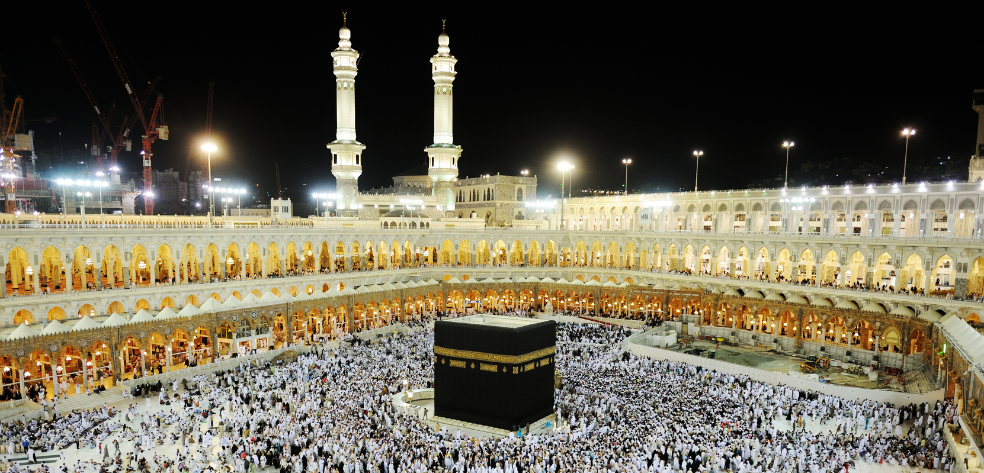
    Performing Umrah is a deeply spiritual journey for Muslims. For UAE residents, traveling to Saudi Arabia for Umrah can be undertaken in various ways, with car and bus travel being popular and often more affordable options. This guide provides essential information for UAE residents planning their Umrah trip by road.

    Planning Your Trip:

    • Visa Requirements: Ensure your passport has at least six months of validity remaining. Check the latest visa requirements for Umrah as they can change. While Saudi Arabia has introduced e-visas for many nationalities, it’s crucial to confirm eligibility and application procedures well in advance. Some nationalities may be eligible for visa-on-arrival, but it’s best not to rely on this and obtain a visa beforehand.
    • Travel Dates: Consider the time of year. Umrah during Ramadan is particularly rewarding but also very crowded and potentially more expensive. Off-peak seasons offer a less crowded experience and often lower costs.
    • Travel Insurance: Comprehensive travel insurance is highly recommended. Ensure it covers medical emergencies, trip cancellations, and other unforeseen events.
    • Accommodation: Book your accommodation in Makkah and Madinah in advance, especially if traveling during peak season. Online booking platforms offer a wide range of options to suit different budgets.

    Traveling by Car:

    • Vehicle Preparation: Ensure your vehicle is in excellent condition. Get it serviced before the trip, checking tires, brakes, fluids, and lights.
    • Driving License and Documents: Carry your valid UAE driving license, vehicle registration documents, and insurance. An International Driving Permit (IDP) is recommended.
    • Border Crossing: Familiarize yourself with the border crossing procedures between the UAE and Saudi Arabia. This usually involves customs and immigration checks on both sides. Be prepared for potential delays, especially during peak travel times.
    • Road Conditions: The roads between the UAE and Saudi Arabia are generally well-maintained. However, be aware of long stretches of desert driving and plan for rest stops.
    • Navigation: Use a reliable GPS navigation system or app. Download offline maps in case of connectivity issues.
    • Fuel: Fuel is generally cheaper in Saudi Arabia than in the UAE. However, ensure you have enough fuel to reach the next petrol station, especially in remote areas.

    Traveling by Bus:

    • Bus Companies: Several bus companies operate routes between the UAE and Saudi Arabia for Umrah pilgrims. Research and choose a reputable company with comfortable buses and a good safety record.
    • Booking Tickets: Book your bus tickets in advance, especially during peak season.
    • Travel Duration: The bus journey can be long, typically taking 18-24 hours or more depending on the route and border crossing time.
    • Comfort and Amenities: Check the bus company’s amenities, such as reclining seats, air conditioning, and onboard restrooms.

    أثناء العمرة (During Umrah):

    • Ihram: Familiarize yourself with the requirements of Ihram (the state of ritual purity). This includes specific clothing and restrictions.
    • Umrah Rituals: Understand the steps of Umrah, including Tawaf (circumambulation of the Kaaba), Sa’i (walking between Safa and Marwa), and Halq/Taqsir (shaving or trimming the hair).
    • Local Customs and Etiquette: Respect local customs and traditions in Saudi Arabia. Dress modestly and be mindful of local cultural norms.

    Essential Items to Pack:

    • Passport and visa
    • Copies of important documents
    • Travel insurance details
    • Ihram clothing
    • Comfortable walking shoes
    • Medications (with prescriptions if necessary)
    • Prayer mat and Quran
    • Sunscreen, hat, and sunglasses
    • Universal adapter
    • Cash and credit/debit cards

    Important Tips:

    • Learn basic Arabic phrases: This can be helpful for communication.
    • Stay hydrated: Drink plenty of water, especially in the hot weather.
    • Be patient and respectful: Show patience during travel and while performing Umrah.
    • Consult with religious scholars: If you have any questions about the rituals of Umrah, consult with knowledgeable religious scholars.

    By planning carefully and being well-prepared, UAE residents can have a smooth and spiritually fulfilling Umrah journey by car or bus. Remember to always check for the latest travel advisories and regulations before your trip.

    Know about Umrah travel from the UAE by car or bus:

    Visa and Documentation:

    1. Do I need a visa to go to Umrah from UAE? Yes, unless you are a GCC national. Check the latest visa requirements as they can change.
    2. How do I get an Umrah visa from UAE? You can apply online through the official Saudi visa portal or through authorized travel agencies.
    3. What documents are required for an Umrah visa from UAE? Passport, passport photos, application form, and other supporting documents as required.
    4. Is Umrah visa on arrival available for UAE residents? This depends on your nationality. It’s best to check the latest regulations and not rely on visa-on-arrival.

    Travel by Car:

    1. Can I drive my own car to Umrah from UAE? Yes, you can drive your own car.
    2. What documents do I need to drive to Saudi Arabia from UAE? Valid UAE driving license, vehicle registration, insurance, and potentially an International Driving Permit (IDP).
    3. What are the road conditions like from UAE to Makkah? The roads are generally well-maintained, but be prepared for long stretches of desert driving.
    4. How long does it take to drive from UAE to Makkah? It depends on your starting point in the UAE, but it typically takes 12-18 hours or more.
    5. Are there petrol stations on the way to Makkah from UAE? Yes, there are petrol stations along the main routes.

    Travel by Bus:

    1. Which bus companies offer Umrah trips from UAE? Several companies operate these routes; research and choose a reputable one.
    2. How much does a bus ticket to Makkah from UAE cost? Prices vary depending on the company, time of year, and type of bus.
    3. How long is the bus journey from UAE to Makkah? Typically 18-24 hours or more, depending on the route and border crossing.
    4. What are the bus travel requirements for Umrah from UAE? Passport, visa, and bus ticket.

    Umrah Specific Questions:

    1. What is Ihram and how do I wear it? Ihram is a state of ritual purity with specific clothing requirements. Research the proper way to wear it.
    2. What are the steps of Umrah? Tawaf (circumambulation of the Kaaba), Sa’i (walking between Safa and Marwa), and Halq/Taqsir (shaving or trimming the hair).

    Practical Tips and Planning:

    1. What is the best time to go for Umrah from UAE? Off-peak seasons are less crowded and often cheaper. Ramadan is a popular but busy time.
    2. Where can I book Umrah packages from UAE? Through travel agencies specializing in Umrah trips.
    3. What should I pack for Umrah from UAE? Ihram clothing, comfortable shoes, medications, prayer mat, and other personal items.
    4. How much does Umrah cost from UAE? Costs vary depending on travel method, accommodation, and other factors.
    5. Is it safe to travel to Saudi Arabia for Umrah from UAE? Generally, yes, but it’s important to stay informed about any travel advisories.

    AI Outperforms Human Experts in Detecting Ovarian Cancer, New Study Shows