Category: Health

Stay informed and prioritize your well-being with GulfInsight360.com’s Health category. Discover a wide range of articles, news, and insights dedicated to all aspects of health, including physical fitness, mental wellness, nutrition, medical advancements, and lifestyle choices. From expert advice to personal stories, our Health category offers valuable resources to help you make informed decisions and lead a healthy, balanced life. Explore topics such as exercise, nutrition, disease prevention, mental health, and more, and embark on a journey towards a happier and healthier you.

  • Groundbreaking Surgery Transforms Dubai Resident’s Life, Providing Relief from ‘Cheerleader Syndrome’

    Groundbreaking Surgery Transforms Dubai Resident’s Life, Providing Relief from ‘Cheerleader Syndrome’

    A 38-year-old Dubai resident, Marwa Alsufi Ramadan, recently underwent a groundbreaking surgery procedure that has transformed her life and provided relief from a rare and debilitating condition known as ‘cheerleader syndrome.’ Suffering from bilateral idiopathic condylar resorption, a temporomandibular joint (TMJ) disorder, Marwa endured irregular jaw function, tooth loss, and significant chewing discomfort for decades.

    Marwa’s journey to find an effective medical solution led her to NMC Royal Hospital, Sharjah, where she sought the expertise of Dr. Shyamsunder Nair, the head of oral and maxillofacial surgery, and Dr. Pramod Subhash, a consultant in craniomaxillofacial surgery. Their comprehensive examination revealed that her condition had developed from progressive resorption/erosion of her jaw joints, resulting in changes to her bite and facial profile.

    To address her long-standing condition, the medical team recommended a bilateral TMJ replacement surgery. The revolutionary procedure aimed to correct the irregular jaw bones, realign the jaw and teeth, and restore proper functioning. Utilizing cutting-edge 3D printing technology, custom-made TMJ joints were designed based on Marwa’s CT scan and virtual surgical planning.

    With skill and precision, the surgeons implanted the custom joints through small, discreet incisions, successfully relieving Marwa from pain and significantly improving her jaw’s functionality and appearance. The surgery marked a significant achievement in the region’s medical landscape and opened doors for similar cases, showcasing NMC Royal Hospital’s commitment to innovative medical solutions.

    Two months after the life-altering surgery, Marwa has been experiencing a remarkable transformation. The surgery not only alleviated her pain but also enhanced her jaw’s mobility and aesthetics, providing her with a newfound lease on life. Expressing her heartfelt gratitude, Marwa praised the medical and administrative staff for their exceptional support, care, and top-notch services throughout her journey to recovery.

    Dr. Shyamsunder Nair emphasized the importance of early diagnosis and appropriate treatment for conditions like ‘cheerleader syndrome,’ which affects less than 1 per cent of the population. He praised the dedication and expertise of the medical team and underlined that Marwa’s case represented a new frontier in the region’s medical landscape.

    Dr. Pramod Subhash expressed delight in helping Marwa return to a pain-free normal life. He highlighted the advanced care for TMJ disorders available at NMC Royal Hospital, ranging from arthroscopy to total joint replacement with jaw deformity correction.

    Marwa’s successful surgery signifies a triumph over her debilitating condition and offers hope to others facing similar challenges. The medical team’s innovative approach and dedication have reinforced NMC Royal Hospital‘s position as a leading healthcare institution in the Middle East. As Marwa continues her journey to recovery, her story serves as an inspiring testament to the transformative power of modern medicine and its potential to change lives for the better.

    Read more

    Remi Lucidi, Fearless Daredevil Tower Climber, Tragically Plunges to Death in Hong Kong

  • The Hidden Dangers of Chronic Fatigue Syndrome: What You Must Know to Stay Safe.

    The Hidden Dangers of Chronic Fatigue Syndrome: What You Must Know to Stay Safe.

    Chronic Fatigue Syndrome (CFS), also known as myalgic encephalomyelitis/chronic fatigue syndrome (ME/CFS), is a serious and long-term illness that can severely impact a person’s life. Its exact cause is unknown, and diagnosis can be challenging due to the lack of specific tests. While there is no cure, managing symptoms and seeking support from healthcare providers are crucial for individuals with CFS. It is essential to be cautious about unproven treatments and focus on evidence-based approaches to improve the quality of life for those affected.

    Chronic Fatigue Syndrome (CFS), also known as myalgic encephalomyelitis/chronic fatigue syndrome (ME/CFS), is a complex and debilitating condition that affects numerous body systems. This article explores the causes, risk factors, symptoms, diagnosis, and available management strategies for individuals living with CFS.

    What is Chronic Fatigue Syndrome (CFS)?

    Chronic Fatigue Syndrome is a severe, long-term illness characterized by persistent fatigue that does not improve with rest. It can lead to an inability to perform regular activities and, in some cases, individuals may be bedridden.

    The Elusive Causes of CFS:

    The exact cause of CFS remains unknown, but it is believed that multiple factors may contribute to its development. Researchers speculate that a combination of genetic, environmental, and immune system factors could play a role.

    Risk Factors and Demographics:

    CFS can affect anyone, but it is most commonly observed in individuals between the ages of 40 and 60, with a higher prevalence in adult women compared to adult men. Additionally, whites have a slightly higher likelihood of being diagnosed with CFS, although many cases remain undiagnosed.

    Identifying CFS Symptoms:

    Key symptoms of CFS include severe fatigue that worsens after physical or mental activity, sleep disturbances, cognitive issues, pain, and dizziness. These symptoms can be unpredictable and fluctuate over time.

    Diagnosing CFS:

    Diagnosing CFS can be challenging due to the absence of specific tests for the condition. Medical professionals need to rule out other illnesses that mimic CFS symptoms through a comprehensive medical examination, including a review of medical history and various tests.

    Treatment and Management:

    While there is no cure for CFS, symptom management is crucial in improving the quality of life for individuals with the condition. Treatment plans may involve addressing specific symptoms, such as sleep problems, with good sleep habits or medications. Learning to manage activity levels is also essential to prevent overexertion and “crash” episodes.

    The Importance of Support:

    Living with CFS can be emotionally and physically demanding. Having a strong support system from family, friends, and healthcare providers is vital in coping with the challenges of the condition.

    Caution Regarding Unproven Treatments:

    Individuals should avoid trying unproven treatments without consulting their healthcare provider. Many advertised cures for CFS lack scientific evidence and may be costly and potentially harmful.


    Chronic Fatigue Syndrome is a complex and debilitating condition that requires careful symptom management and support. While there is no cure, patients can work with healthcare providers to develop personalized treatment plans and self-care strategies to improve their overall well-being. It is essential to raise awareness about CFS to enhance understanding and support for individuals living with this challenging condition.

  • Joe Burrow injury update: Bengals star out for multiple weeks with calf strain, team reportedly acquiring XFL QB

    Joe Burrow injury update: Bengals star out for multiple weeks with calf strain, team reportedly acquiring XFL QB

    The Cincinnati Bengals recently had a scare at training camp when their franchise quarterback, Joe Burrow, went down with a non-contact injury. During Thursday’s practice, Burrow was carted off the field after grabbing at his lower leg. Head coach Zac Taylor later confirmed that Burrow suffered a strained calf.

    It is still unclear how long Joe Burrow will be out, but Taylor indicated on Friday that it could be several weeks. In the meantime, the team will be looking to add another quarterback to their roster. Trevor Siemian and Jake Browning are the two healthy passers currently on the team, and they will rotate by day until a new quarterback is signed. The team recently worked out former XFL quarterbacks Reid Sinnett and Drew Plitt, and it is expected that they will sign Sinnett.

    The injury occurred as Burrow was scrambling out of the pocket during practice. Despite the seriousness of the injury, Burrow’s wide receiver and good friend Ja’Marr Chase expressed confidence in his recovery. Chase mentioned that he received a nod from Burrow, which made him believe that his quarterback will be alright.

    Head coach Taylor also confirmed that Burrow was wearing a sleeve on his injured leg, which is not something he usually wears. However, Taylor remains calm and confident in Burrow’s ability to recover. He understands that injuries are a part of football, especially during training camp.

    Burrow’s absence could have a significant impact on the Bengals’ season. As one of the best quarterbacks in the NFL, he has been instrumental in leading the team to consecutive AFC Championship game appearances. In the 2020 season, Burrow tied for second in the NFL in passing touchdowns, ranked fifth in completions, passing yards, and sixth in passer rating. Over the last two seasons, Burrow leads the NFL in passer rating and ranks third in touchdown passes.

    To put into perspective the impact of Joe Burrow’s absence, SportsLine Data Scientist Stephen Oh analyzed the numbers. If Joe Burrow were to miss the entire season, the Bengals’ chances of success would significantly decrease. Their win percentage, playoff chances, and division standings would all take a hit. Burrow’s presence on the field has elevated the Bengals to Super Bowl contenders, and without him, the team’s prospects diminish significantly.

    Fortunately, the Bengals are hopeful that Joe Burrow’s recovery will be relatively quick. Once he recovers from the strained calf, he should be back on the field leading the team towards their Super Bowl aspirations. In the meantime, the team will focus on finding a temporary replacement to fill Burrow’s shoes.

    In conclusion, the Cincinnati Bengals faced a scare at training camp when their quarterback Joe Burrow suffered a strained calf injury. While the extent of his absence is still unknown, the team remains confident in his recovery. Burrow’s presence on the field has been crucial to the team’s success, and without him, their chances of winning a Super Bowl diminish significantly. However, once Burrow is back in action, the Bengals will continue their pursuit of a championship.

  • A Call for Compassion: Sentencing in Michael K. Williams’ Overdose Case

    In a courtroom drama linked to the tragic death of renowned actor Michael K. Williams due to a fentanyl-laced heroin overdose, Carlos Macci, a 71-year-old man associated with a drug-dealing crew, faced sentencing on Tuesday. Despite being connected to Williams’ untimely demise, the actor’s nephew passionately advocated for compassion during the sentencing, while renowned figures from the entertainment industry echoed the plea for leniency.

    Before U.S. District Judge Ronnie Abrams, Carlos Macci stood to hear his fate, having previously pleaded guilty to conspiring to possess and distribute narcotics. Macci was part of a four-member crew that operated in Brooklyn, and they were allegedly responsible for selling drugs, including the lethal mixture that claimed Michael K. Williams’ life in September 2021. Although Macci was not directly charged in the actor’s death, prosecutors sought a significant prison term for his drug-related offenses.

    Dominic Dupont, the nephew of Michael K. Williams, delivered a heartfelt plea for understanding and compassion. Dupont acknowledged the weight of the situation and empathized with Macci, recognizing the impact of the criminal justice system on individuals. He urged the court to consider the possibility of rehabilitation for the 71-year-old defendant, acknowledging that Macci’s struggles with addiction might have played a role in his actions.

    Support for leniency extended beyond Williams’ family. David Simon, the co-creator of the critically acclaimed HBO series “The Wire,” penned a poignant letter to Judge Ronnie Abrams, advocating for a more compassionate approach to Macci’s sentencing. Simon reminisced about his friendship with Michael K. Williams, who portrayed the iconic character Omar Little on “The Wire.” He emphasized that Williams himself would have advocated for understanding and rehabilitation rather than harsh punishment.

    Simon pointed out that Williams had been vocal in his opposition to mass incarceration and the drug war, and had shown empathy and support for ex-felons and restorative justice initiatives. During the show’s production, Williams even confided in a crew member about his own struggles with addiction, demonstrating his determination to resist the temptations of drugs. Simon underscored that Williams was well aware of the ever-present impulse toward addiction in his life.

    The tragedy surrounding Michael K. Williams’ death serves as a stark reminder of the devastating impact of drugs and addiction. Judge Abrams noted that over 3,000 fatal overdoses occurred in New York City in the preceding year, highlighting the urgency to address the drug crisis and its lethal consequences.

    Despite the powerful pleas for leniency, Judge Ronnie Abrams handed down a sentence of 2 1/2 years in prison for Carlos Macci. The judge emphasized that while Macci was not directly responsible for Michael K. Williams’ death, he had continued to sell drugs even after the actor’s passing, highlighting a lack of remorse and a failure to grasp the gravity of his actions.

    Assistant U.S. Attorney Micah F. Fergenson, who had advocated for a minimum sentence of four years, cited Macci’s extensive criminal history, including over 20 previous convictions. Nevertheless, Judge Abrams decided to depart from the federal sentencing guidelines, which recommended a much longer prison term.

    This sentencing hearing has once again brought the issue of drug-related offenses and addiction to the forefront. The case of Carlos Macci and its connection to the death of a beloved actor has sparked discussions about the effectiveness of punitive measures in addressing addiction and whether rehabilitation and compassion should play a more significant role in the criminal justice system.

    The courtroom drama surrounding the sentencing of Carlos Macci, linked to the death of Michael K. Williams, has highlighted the complex and sensitive nature of drug-related offenses. While the court’s decision reflects the seriousness of drug trafficking, the emotional pleas for compassion from Williams’ nephew and David Simon underscore the need for a nuanced approach to addressing addiction and its impact on individuals’ lives.

    As society grapples with the drug crisis, it remains essential to find a balance between holding individuals accountable for their actions and providing avenues for rehabilitation and healing. The tragic loss of a talented actor serves as a somber reminder of the devastating consequences of drug abuse, urging us all to seek solutions that prioritize compassion and understanding.

  • Joe Biden Takes Bold Step to Ensure Mental Health Parity in Insurance Coverage

    Joe Biden Takes Bold Step to Ensure Mental Health Parity in Insurance Coverage

    President Joe Biden is making strides to prioritize mental health care by unveiling a proposed rule that aims to ensure mental health benefits on private insurance plans are on par with physical health benefits. This new action reinforces the 2008 Mental Health Parity and Addiction Equity Act (MHPAEA) and is expected to make a significant impact on millions of Americans seeking access to mental health care. Let’s delve into the details of this proposed rule and its potential implications for the state of mental health coverage in the United States.

    President Biden’s announcement of a new proposed rule signifies a landmark step in addressing the disparities between mental health care and physical health care in the United States. The rule aims to ensure that mental health benefits offered by private insurance plans are equivalent to those provided for physical health, breaking down barriers and stigma associated with mental health.

    During a White House event, President Biden emphasized that mental health care is an essential part of overall health care and should be treated as such. He highlighted the importance of removing the distinction between physical and mental health, acknowledging that mental health care is vital for individuals’ well-being and ability to lead fulfilling lives.

    The proposed rule builds upon the foundation of the Mental Health Parity and Addiction Equity Act (MHPAEA) of 2008, aiming to reinforce its provisions and strengthen enforcement mechanisms. By requiring insurance providers to update health plans, the rule ensures that individuals have equal access to mental health and medical benefits.

    Under the proposed rule, insurance providers will be evaluated based on various benchmarks to ensure compliance with mental health parity requirements. Factors such as provider network, out-of-network coverage, and prior authorization will be assessed to identify areas where improvements in mental health care access are needed.

    Enforcement of the rule will be the responsibility of the departments of Labor, Treasury, and Health and Human Services. Clear guidelines and standards outlined in the rule will empower regulators to take necessary enforcement actions against health plans that fail to meet mental health parity requirements.

    President Biden’s proposed “unity agenda” emphasized the importance of mental health care and its equal standing with physical health care. By taking concrete actions to address mental health disparities, the administration aims to create a more inclusive and supportive healthcare system for all Americans.

    The state of mental health coverage in the United States has been a cause for concern, with millions of Americans facing barriers to accessing mental health care and treatment for substance abuse. The proposed rule seeks to address these challenges and provide much-needed support for those seeking mental health services.

    With a significant percentage of Americans, especially children, unable to access mental health care, the proposed rule aims to bridge this gap by requiring health plans to prioritize mental health services. By including more mental health professionals in their networks and reducing administrative hurdles, plans can improve access to care.

    One crucial aspect of the proposed rule is its effort to close a loophole that exempted federally provided health insurance plans from complying with the MHPAEA. By making these plans subject to mental health parity requirements, thousands of consumers will gain improved access to mental health care.

    As the proposed rule enters a 60-day public comment period, it offers an opportunity for the public to voice their opinions and provide valuable feedback. This period allows stakeholders to engage in the process, shaping the final rule that will determine the future of mental health parity in insurance coverage.

    President Joe Biden‘s proposed rule marks a significant step towards achieving mental health parity in insurance coverage. By addressing disparities and enforcing compliance with the Mental Health Parity and Addiction Equity Act (MHPAEA), the administration aims to provide millions of Americans with improved access to mental health care. As the rule enters the public comment period, it presents an opportunity for collective engagement in shaping a future where mental health care is treated with the same importance and dignity as physical health care.

  • Enhancing Risk Prediction for Death with Low-Dose CT Scans Using AI Technology

    Enhancing Risk Prediction for Death with Low-Dose CT Scans Using AI Technology

    The integration of AI and low-dose CT scans has the potential to revolutionize risk prediction for diseases like lung cancer and cardiovascular disease. By expanding the utility of these scans to include body composition measurements, AI can help identify high-risk individuals for early intervention. This early detection and intervention approach can significantly improve patient outcomes and ultimately save lives.

    Artificial intelligence (AI) has the potential to revolutionize risk prediction for various diseases, including lung cancer and cardiovascular disease. A recent study published in the Radiology journal by the Radiological Society of North America (RSNA) has shown that AI can utilize data from low-dose CT scans of the lungs to enhance risk prediction for death from these diseases and other causes. These findings have significant implications for early detection and intervention strategies.

    Currently, the U.S. Preventive Services Task Force recommends annual lung screening with low-dose CT scans for individuals aged 50 to 80 years who are at high risk of developing lung cancer, such as longtime smokers. These CT scans not only capture images of the lungs but also provide valuable information about other structures in the chest.

    “When we’re looking at the CT images, the primary focus is on identifying nodules suspicious for lung cancer, but there is much more anatomical information coded in the space, including information on body composition.”

    This statement by Kaiwen Xu, the lead author of the study and a Ph.D. candidate in the Department of Computer Science at Vanderbilt University, emphasizes the untapped potential of these CT scans. Xu and his colleagues have developed an AI algorithm that can derive body composition measurements from lung screening LDCT scans. Body composition refers to the percentage of fat, muscle, and bone in the body. Abnormal body composition, such as obesity or loss of muscle mass, is closely linked to chronic health conditions like metabolic disorders.

    Moreover, studies have demonstrated that body composition is a useful tool for risk stratification and prognosis in cardiovascular disease and chronic obstructive pulmonary disease. In the context of lung cancer therapy, body composition has also been shown to impact survival and quality of life. Therefore, it is imperative to explore the potential of AI-derived body composition measurements in improving risk prediction for various diseases.

    Xu’s study assessed the added value of AI-derived body composition measurements by analyzing the CT scans of over 20,000 individuals from the National Lung Screening Trial. The results were promising, as the inclusion of these measurements significantly enhanced risk prediction for death from lung cancer, cardiovascular disease, and overall mortality.

    According to Xu, “Automatic AI body composition potentially extends the value of lung screening with low-dose CT beyond the early detection of lung cancer. It can help us identify high-risk individuals for interventions like physical conditioning or lifestyle modifications, even at a very early stage before the onset of disease.”

    Furthermore, measurements related to fat within muscle were found to be particularly strong predictors of mortality. This aligns with existing research, which suggests that the infiltration of skeletal muscle with fat, known as myosteatosis, may be more predictive of health outcomes than reduced muscle bulk.

    The use of opportunistic screening, where imaging for one purpose provides information about other conditions, holds immense potential in routine clinical practice. In the case of lung screening LDCT, the practice of deriving body composition measurements from these scans is a prime example. The images captured during lung cancer screening contain abundant information beyond just the detection of lung cancer. They can also provide insights into body composition or coronary artery calcification, which is directly associated with cardiovascular disease risk.

    This study, however, focused solely on baseline screenings. In future research, Xu and his team aim to investigate the changes in body composition over time and how they correlate with health outcomes. A longitudinal study that follows individuals over a period of time would offer valuable insights into the progression and impact of body composition changes.

    The integration of AI and low-dose CT scans has the potential to revolutionize risk prediction for diseases like lung cancer and cardiovascular disease. By expanding the utility of these scans to include body composition measurements, AI can help identify high-risk individuals for early intervention. This early detection and intervention approach can significantly improve patient outcomes and ultimately save lives.

    Source: Radiological Society of North America

    Journal reference: Xu, K., et al. (2023) AI Body Composition in Lung Cancer Screening: Added Value Beyond Lung Cancer Detection. Radiology. doi.org/10.1148/radiol.222937.


  • Identifying Barriers and Facilitators for Breast Cancer Screening: Enhancing Accessibility and Participation

    Identifying Barriers and Facilitators for Breast Cancer Screening: Enhancing Accessibility and Participation

    Breast Cancer Screening in Saudi Arabia: Barriers and Motivators. According to the World Health Organization (WHO), breast cancer remains a significant global health concern, with millions of people affected each year. In Saudi Arabia, breast cancer is the most common type of cancer among women, making it a major public health issue. Despite efforts to promote breast cancer screening, the rates of screening in Saudi Arabia remain low. This study aims to explore the barriers and motivators to breast cancer screening as perceived by women in Saudi Arabia.

    Breast cancer is a leading cause of mortality among women worldwide. In 2020, there were an estimated 7.8 million people living with breast cancer diagnosed between 2015 and 2020. The confirmed death toll was 685,000 people. In Saudi Arabia, breast cancer cases accounted for 14.2% of all cancer cases in 2020, with 29% of the cases occurring in women. Breast cancer was the second most common cause of cancer-related death in Saudi Arabia in 2020, with 1095 deaths recorded. These statistics highlight the urgent need for effective breast cancer screening programs in Saudi Arabia.

    Breast cancer screening guidelines vary globally. The United Kingdom National Screening Committee (UK NSC) and the United States Preventive Services Task Force (USPSTF) recommend starting screening at the age of fifty using mammography imaging. However, in Saudi Arabia, the recommended starting age is forty. This is because breast cancer is the most common cancer among Saudi women, accounting for 31.8% of all registered cancers in women in the country. In an effort to reduce the prevalence of advanced disease, the Ministry of Health in Saudi Arabia provides free breast cancer screening for all women aged 40 and above.

    Despite the availability of free breast cancer screening, studies have shown that the screening rates in Saudi Arabia are still relatively low. Several barriers to screening have been identified, including poor knowledge of breast cancer warning signs, especially among women with risk factors. Additionally, studies have shown that many women abstain from routine mammography screening, indicating the need to further understand the underlying reasons for this abstention.

    To address these issues, this study aimed to investigate the barriers and motivators to breast cancer screening as perceived by women in Saudi Arabia. The study received ethical approval from the Imam Abdulrahman bin Faisal University Institutional Review Board and complied with the Declaration of Helsinki. Written consent was obtained from the participants, ensuring their anonymity and data security.

    The study was conducted using an online survey distributed through various social media platforms. The survey included questions covering various aspects related to breast cancer screening, including participants’ pregnancy history, menstrual cycle details, medical history, mammogram screening experiences, family history of cancer, and demographic information.

    A total of 973 women aged 40 and above participated in the study. The majority of participants were in their 40s, unemployed, had a bachelor’s degree, married, and Saudi nationals. In terms of health-related risk factors, most participants were overweight or obese and had never smoked. Furthermore, a significant proportion of participants had chronic diseases such as diabetes mellitus and hypertension.

    Regarding breast cancer screening, nearly half of the participants had received screening at least once in their lifetime. The main reasons for screening were age, the presence of a complaint, and a family history of cancer. The distribution of screened participants differed based on age, marital status, and place of residency. Screened participants also had a higher rate of chronic diseases and a family history of breast cancer.

    Among the participants who had not received breast cancer screening, the most common perceived barrier was the belief that screening was unnecessary, followed by the fear of pain during screening. Participants who believed screening was embarrassing, feared the results, thought it was unnecessary, were not interested in early detection, did not know where to obtain screening, or had an unsupportive family was less likely to undergo screening.

    On the other hand, the most common motivator for screening was receiving a physician’s advice. This highlights the importance of healthcare professionals in encouraging women to undergo breast cancer screening.

    Breast cancer screening rates in Saudi Arabia remain low despite efforts to promote screening. This study sheds light on the barriers and motivators perceived by women in Saudi Arabia, providing valuable insights for healthcare professionals and policymakers. Addressing these barriers, such as providing education on breast cancer warning signs and ensuring access to screening facilities, can help increase the number of women undergoing screening. By promoting early detection through effective screening programs, the burden of breast cancer can be reduced, ultimately saving lives.

  • New MERS Coronavirus Case Confirmed in Abu Dhabi by WHO: A Comprehensive Guide

    New MERS Coronavirus Case Confirmed in Abu Dhabi by WHO: A Comprehensive Guide

    New MERS Coronavirus Detected In Abu Dhabi, WHO Confirms First Case. Health officials have examined 108 people who were in contact with the man, but no secondary infections have been found as of yet.

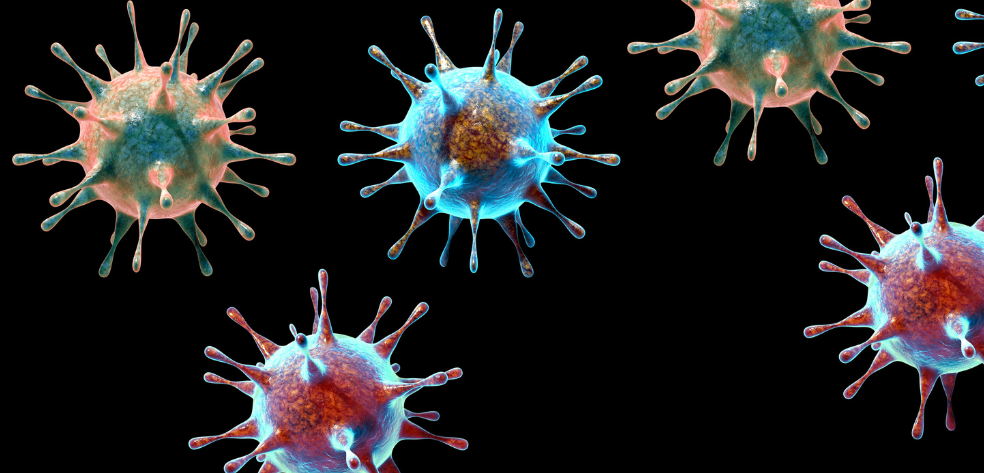
    Although the COVID pandemic may have ended, the virus is still infecting people in various parts of the world. In a recent report, the World Health Organization (WHO) confirmed that a 28-year-old man from Abu Dhabi has tested positive for the potentially fatal and deadly MERS Coronavirus Infection (Middle East Respiratory Syndrome Coronavirus). According to the initial test reports, 108 other people who came in close contact with the infected man have been examined by the city health officials, but no secondary infections have been found as of yet. Speaking to the media, the officials said, “The infected man has been hospitalized last month and is undergoing treatment. The current condition of the infected man is still awaited.”

    In a report, the WHO Ahas revealed that a total of 2,605 cases of the MERS-CoV virus have been reported so far, with 936 associated deaths. So what is this new virus? Can it trigger a COVID-19-like pandemic across the globe? Let’s check the details of this virus and the various symptoms that a [atoetn may experience after contracting the virus.

    New MERS Coronavirus Infection: All That You Need To Know

    In 2012, Saudi Arabia reported the first case of the Middle East Respiratory Syndrome Coronavirus (MERS-CoV). More than 27 countries have so far been found to have the virus, including Algeria, Austria, Bahrain, China, Egypt, France, Germany, Greece, the Islamic Republic of Iran, Italy, Jordan, Kuwait, Lebanon, Malaysia, the Netherlands, Oman, the Philippines, Qatar, the Republic of Korea, the Kingdom of Saudi Arabia, Thailand, Tunisia, Turkey, United Arab Emirates, United Kingdom, United States, and Yemen. Scroll down to know the features and characteristics of this virus and the symptoms that it can make the patient experience.

    How does the MERS virus spread?

    The newly detected MERS Coronavirus is a viral respiratory disease caused by the Middle East respiratory syndrome coronavirus (MERS CoV). It is a zootonic virus that people and animals can both contract. According to WHO data, unprotected contact with infected dromedary camels was the main method of infection in Saudi Arabia (the place where it all began in 2012).

    There are many different types of viruses in the coronavirus family, which can cause illnesses including the common cold, severe acute respiratory syndrome (SARS), and coronavirus disease-2019 (Covid-19).

    Symptoms of MERS-COVID virus

    WHO states that fever, coughing, and shortness of breath are common MERS symptoms. Although pneumonia is common, MERS patients may not always have the illness. Diarrhea and other gastrointestinal symptoms have also been noted in MERS patients.

    What Are The Available Treatment Options?

    No vaccination or specialized therapy for MERS-CoV is presently available, however, numerous such vaccines and therapies are being tested in humans. Patients with MERS receive supportive care that is dependent on their clinical state in the absence of MERS-specific medicines.


  • New Hope for COVID-19 Treatments: Fly-to-Bedside Resource Provides Vital Solutions

    New Hope for COVID-19 Treatments: Fly-to-Bedside Resource Provides Vital Solutions

    In the midst of the devastating COVID-19 pandemic, scientists are urgently seeking new ways to understand how viruses infiltrate and reprogram human cells. With the threat of future deadly viruses and pandemics emerging from the coronavirus family, the development of innovative therapies is crucial. One strategy for combating coronaviruses, including SARS-CoV-2 which causes COVID-19, is to target the mechanisms by which the virus hijacks our cells and coerces them to produce more viral particles. However, the vast number of human proteins that have the potential to interact with viral proteins presents a significant challenge in identifying the most relevant interactions for infection.

    To address this challenge, a collaborative effort between multiple institutions has produced a valuable toolkit in fruit flies (Drosophila) called the Drosophila COVID Resource (DCR). This resource provides a convenient method for assessing key SARS-CoV-2 genes and their interactions with human proteins. Led by researchers from the University of California San Diego and the Baylor College of Medicine and Texas Children’s Hospital, the study detailing the creation and potential of the DCR was published in Cell Reports.

    Viruses possess a remarkable ability to rapidly evolve, making it particularly difficult to control the SARS-CoV-2 virus. The DCR offers researchers the opportunity to quickly evaluate the functional effects of factors produced by this unique pathogen, as well as future variants. The DCR is designed as a versatile discovery system, comprising an assortment of fruit fly lines that produce each of the 29 known SARS-CoV-2 proteins and more than 230 key human targets. Additionally, it offers over 300 fly strains for assessing the counterparts to human viral targets.

    During their analysis of the DCR, the researchers discovered that nine out of the ten SARS-CoV-2 proteins known as non-structural proteins (NSPs) resulted in wing defects in adult flies. These defects provide insights into how the viral proteins influence host proteins to disrupt crucial cellular processes for the virus’s benefit. An interesting finding was that one of the viral proteins, NSP8, functions as a hub by coordinating with other NSPs in a mutually reinforcing manner. NSP8 exhibited strong interactions with five of the 24 candidate human binding proteins. Notably, the human protein with the strongest interactions with NSP8 was an enzyme called arginyltransferase 1 (ATE1).

    ATE1 modifies other proteins by adding the amino acid arginine, altering their functions. The researchers observed significantly higher levels of arginine-modified actin, a key cytoskeletal protein present in all human cells, in fly cells expressing both NSP8 and ATE1. Moreover, these cells formed abnormal ring-like structures coated with actin, similar to those observed in human cells infected with the SARS-CoV-2 virus. Encouragingly, when flies were treated with drugs that inhibit the activity of the human ATE1 enzyme, the effects of NSP8 were significantly reduced, suggesting a potential avenue for new therapeutics.

    Termed a “fly-to-bedside” resource, the researchers believe that these initial findings represent just the beginning of drug screening possibilities. Eight of the other NSPs tested also produced distinct phenotypes, laying the groundwork for identifying additional drug candidates. The identification of new candidate drugs that target important viral-human interactions could complement existing antiviral treatments, such as Paxlovid, and provide insights into the causes of various long-COVID symptoms, ultimately leading to new treatment strategies.

    The DCR represents a significant step forward in understanding the mechanisms of COVID-19 infection. By harnessing the genetic tools available in the fruit fly model system, this extensive collection of freely available reagents will facilitate a global analysis of how the SARS-CoV-2 virus interacts with human cells at molecular, tissue, and organ levels. The researchers hope that these resources will aid in the development of novel therapeutic strategies to combat the current pandemic and future health challenges posed by the SARS-CoV-2 virus and related family members.

    The DCR is a valuable tool that will contribute to the ongoing fight against COVID-19 and pave the way for advancements in virology and therapeutic development. With millions of lives at stake and the potential for future pandemics, it is imperative that the scientific community continues to explore innovative approaches to combat viral infections. The DCR represents a significant step forward in understanding the intricacies of viral infections and provides hope for a healthier and more secure future.

  • Russia on High Alert as Patients Infected with Deadly Anthrax Bacteria Escape

    Russia on High Alert as Patients Infected with Deadly Anthrax Bacteria Escape

    In a real-life plot reminiscent of an infectious disease thriller, a chilling incident has unfolded in the remote republic of Tuva, located in Russia’s southern Siberian region. Late in June, a dinner party in the arid plains of Siberia turned into a nightmare as guests unknowingly consumed horse meat contaminated with a rare and deadly bacteria – anthrax. Soon after showing signs of infection, those affected were rushed to the hospital, but some managed to escape their sick beds, prompting a local panic and official alert.

    The Russian state-run news agency, TASS, reported on the incident, raising eyebrows about its authenticity due to the media’s reputation for slanted news and propaganda. However, independently recorded cases of anthrax in the Russian hinterlands, such as the 2016 outbreak in the obscure Yamal Peninsula in northern Siberia, lend credibility to such incidents. During the 2016 outbreak, numerous people fell sick, and tragically, a child lost their life, as reported by NPR at the time.

    Anthrax outbreaks like these may become more frequent due to the escalating temperatures in Siberia, a phenomenon driven by climate change. Scientists have warned that the rapid warming of the region is thawing permafrost, releasing dormant deadly bacteria and viruses from their icy confines. As a result, regions like Siberia are at an increased risk of infectious disease outbreaks.

    The recent anthrax incident occurred in a small town called Bizhiktig-Khaya, known for its “shepherds’ encampment where over 100 unvaccinated animals were held.” A local resident who had visited the settlement on June 30 was admitted to the hospital with anthrax, along with four others who were also infected, presumably from consuming the contaminated horse meat.

    The protocol for patients with anthrax infections is to remain hospitalized until all signs of the disease on the skin have healed. However, in a worrisome development, four patients managed to escape the hospital before fully recovering. TASS noted that these patients were reportedly in a “satisfactory condition” at the time of their escape, but it was deemed premature for them to leave medical care.

    While Russian authorities are grappling with the immediate consequences of this outbreak, scientists and health experts worldwide are increasingly concerned about the potential ramifications of climate change on infectious diseases. The threat of thawing permafrost releasing ancient pathogens into the modern world poses significant challenges for global health security.

    As the investigation into this anthrax incident continues, questions arise about the measures taken to contain such outbreaks effectively. Beyond containment, addressing the root causes of infectious disease emergence, such as climate change and environmental degradation, remains critical to safeguarding public health.

    The world watches with bated breath as the Russian authorities race to mitigate the risks posed by anthrax, hoping to prevent further infections and contain the escaped patients. The situation serves as a stark reminder of the unpredictable nature of infectious diseases and the urgent need for collective global efforts to address the underlying issues that fuel their resurgence.