Category: Health

Stay informed and prioritize your well-being with GulfInsight360.com’s Health category. Discover a wide range of articles, news, and insights dedicated to all aspects of health, including physical fitness, mental wellness, nutrition, medical advancements, and lifestyle choices. From expert advice to personal stories, our Health category offers valuable resources to help you make informed decisions and lead a healthy, balanced life. Explore topics such as exercise, nutrition, disease prevention, mental health, and more, and embark on a journey towards a happier and healthier you.

  • Environment Agency – Abu Dhabi highlights efforts to boost climate action and enhance the emirate’s resilience

    Environment Agency – Abu Dhabi highlights efforts to boost climate action and enhance the emirate’s resilience

    As part of its continued strides to uphold the global aim of keeping the rise in average temperatures between 1.5 and 2 degrees Celsius, and as an affirmation of the UAE’s climate action leadership, the Environment Agency – Abu Dhabi (EAD) has outlined plans for the “Abu Dhabi Climate Change Strategy”, which was recently approved by the Abu Dhabi Executive Council.

    The comprehensive five-year plan will strengthen the emirate’s environmental resilience, achieve concrete progress towards achieving full climate neutrality, further enhance Abu Dhabi’s contribution to the UAE’s global sustainability leadership, and attract investment as part of a secure and sustainable economy.

    “Abu Dhabi is not alone in facing the impacts of global climate change, and we must take proactive measures to mitigate and adapt,” said Dr. Shaikha Salem Al Dhaheri, Secretary-General of EAD. “Our plan provides proactive solutions to promote economic diversification through innovation and the use of low-carbon technologies.”

    “Through this strategy, critical sectors, such as infrastructure, energy, environment and health will be enhanced to ensure not only business continuity but also climate resilience and agility. Having one of the most climate resilient and adapted places in the region will attract further investment and give added confidence to businesses and individuals to move to and invest in Abu Dhabi,” she added.

    Sheikha Al Mazrouei, Executive Director of the Integrated Environmental Policy and Planning Sector at EAD, elaborated, “Our goal is for all these sectors to be fully adaptable to any possible repercussions of climate change by 2050. Over the next five years, we will also reduce the emirate’s emissions by 22 percent from 2016 levels, which is equivalent to CO2 sequestered by 500 million trees for 10 years.”

    This emission reduction target represents Abu Dhabi’s commitment to the recent announcement of the UAE’s emission target reduction of 40 percent by 2030. Abu Dhabi is committed to achieving its target through a reduction of absolute emissions by 47 million tonnes of GHGs by 2030.

    The strategy was developed in collaboration with the Department of Energy, Department of Municipalities and Transport, Department of Economic Development, Abu Dhabi Agriculture and Food Safety Authority, Abu Dhabi Public Health Centre, and Abu Dhabi Waste Management Company. EAD also coordinated with the Ministry of Climate Change and the Environment, the Abu Dhabi National Oil Company (ADNOC), Emirates Global Aluminum, Mubadala, and other private sector leaders.

    Drawing on the emirate’s long history of sustainability, Abu Dhabi Climate Change Strategy will be implemented at an accelerated rate across two pillars: mitigation, which will involve reducing climate emissions while maintaining economic growth; and adaptation, which refers to enhancing the resilience and agility of key economic sectors against climate risks. The strategy will employ 81 initiatives and 12 strategic projects across key areas, including low-emissions vehicles, mangrove restoration, green procurement, building codes, negative emission technologies, decarbonization, and cleaner renewables.

    Dr. Al Dhaheri concluded, “The launch of the Abu Dhabi Climate Change Strategy is another example of the UAE’s climate leadership in the regional and global arena. It follows in the footsteps of being the first nation in the region to ratify the Paris Agreement, the first nation in the region to truly invest in cleaning its power supply by turning to renewables, and the first in the region to set a pathway to net zero by 2050.”

    The Environment Agency – Abu Dhabi (EAD) has recently approved the “Abu Dhabi Climate Change Strategy” to uphold the global aim of keeping the rise in average temperatures between 1.5 and 2 degrees Celsius. This comprehensive five-year plan aims to strengthen the emirate’s environmental resilience and achieve full climate neutrality, contributing to the UAE’s global sustainability leadership and attracting investment for a secure and sustainable economy.

    Dr. Shaikha Salem Al Dhaheri, Secretary-General of EAD, stated the need for proactive measures to mitigate and adapt to the impacts of global climate change. The plan emphasizes economic diversification through innovation and the use of low-carbon technologies. It aims to enhance critical sectors such as infrastructure, energy, environment, and health to ensure business continuity, climate resilience, and agility. This approach will make Abu Dhabi one of the most climate-resilient and adapted places in the region, further attracting investment and inspiring confidence in businesses and individuals.

    Sheikha Al Mazrouei, Executive Director of the Integrated Environmental Policy and Planning Sector at EAD, outlined the goal of making all sectors fully adaptable to any possible repercussions of climate change by 2050. In the next five years, the strategy aims to reduce the emirate’s emissions by 22 percent from 2016 levels, equivalent to CO2 sequestered by 500 million trees over ten years. This emission reduction target aligns with the UAE’s commitment to reduce emissions by 40 percent by 2030, aiming to achieve this through a reduction of absolute emissions by 47 million tonnes of GHGs.

    The strategy was developed in collaboration with various government departments and organizations, including the Department of Energy, Department of Municipalities and Transport, Department of Economic Development, Abu Dhabi Agriculture and Food Safety Authority, Abu Dhabi Public Health Centre, and Abu Dhabi Waste Management Company. EAD also coordinated with the Ministry of Climate Change and the Environment, as well as private sector leaders such as the Abu Dhabi National Oil Company (ADNOC), Emirates Global Aluminum, and Mubadala.

    Building on the emirate’s history of sustainability, the Abu Dhabi Climate Change Strategy will be implemented across two pillars: mitigation and adaptation. The mitigation pillar aims to reduce climate emissions while maintaining economic growth, while the adaptation pillar focuses on enhancing the resilience and agility of key economic sectors against climate risks. The strategy includes 81 initiatives and 12 strategic projects, covering areas such as low-emissions vehicles, mangrove restoration, green procurement, building codes, negative emission technologies, decarbonization, and cleaner renewables.

    Dr. Al Dhaheri emphasized that the launch of the Abu Dhabi Climate Change Strategy demonstrates the UAE’s climate leadership regionally and globally. The UAE was the first nation in the region to ratify the Paris Agreement, the first to invest in cleaning its power supply through renewables, and the first in the region to set a pathway to net zero by 2050. The strategy aligns with these commitments, further positioning Abu Dhabi as a leader in climate action.

    In conclusion, the Abu Dhabi Climate Change Strategy outlines Abu Dhabi’s commitment to upholding global climate goals while enhancing the emirate’s environmental resilience and attracting investment. Through proactive measures and collaboration with various sectors, Abu Dhabi aims to achieve full climate neutrality, demonstrating its climate action leadership in the region and beyond.

  • New Categories in Sharjah Government Communication Award Aim to Tackle Global Food Security and Development Challenges

    New Categories in Sharjah Government Communication Award Aim to Tackle Global Food Security and Development Challenges

    The Sharjah Government Communication Award (SGCA) takes a prominent role in addressing global challenges by highlighting effective communication strategies in food security and developmental solutions. With a focus on restoring confidence and fostering balanced media discourse, the award emphasizes the significance of effective communication in confronting pressing issues. Through two new international categories, the SGCA recognizes outstanding efforts and serves as a platform for showcasing exemplary communication models that address global challenges.

    The global challenges we face today demand urgent attention and course correction. The “Paris Summit for a New Global Financial Pact” recognized the pressing need for change, given the significant disparity in greenhouse gas emissions and the vulnerability of developing nations to climate change. In this context, the United Arab Emirates (UAE) has been actively engaging with local and international public opinion to address the consequences of these challenges.

    The Sharjah Government Media Bureau (SGMB) is at the forefront of these efforts, incorporating them into diverse activities such as the esteemed Sharjah Government Communication Award (SGCA). With a specific focus on food security, the award has introduced two new international categories in its 10th edition, highlighting the crucial role of effective communication in addressing global challenges. By fostering a balanced media discourse, the SGCA aims to restore confidence in the capabilities of governments to navigate these crises.

    The “Best Communication Plan to Support Food Security Programmes” category recognizes exceptional communication plans developed by governmental, semi-governmental, or private entities, international organizations, or civil society organizations. These plans effectively contribute to addressing the paramount issue of food security by developing solutions, raising awareness, and mobilizing global efforts to ensure sustainable and accessible food for affected communities. With over 811 million people experiencing chronic hunger, as highlighted in the 2021 United Nations report, and 20% of developing countries facing hunger, this category emphasizes the critical need to tackle this issue head-on.

    The “Best Communication Practices or Campaigns Addressing Developmental Challenges” category recognizes initiatives that have successfully implemented programs or communication campaigns leading to positive outcomes in addressing economic and social challenges. These initiatives, undertaken by governmental, semi-governmental, private entities, and institutions, encompass support for small and medium enterprises, promotion of skill-building programs, crafts and family projects, and facilitation of access to financing. Through these efforts, the category aims to enhance living standards, reduce unemployment rates, and make a positive impact on societies.

    For the past decade, the prestigious SGCA has served as a platform to showcase exemplary models in the communication field. These models effectively deliver governmental and institutional messages, foster meaningful connections with diverse populations, and address their concerns. The submission period for the award is open until August 15th, and interested parties can complete the submission forms through the official website

    In conclusion, the Sharjah Government Communication Award takes a vital role in addressing global challenges by recognizing outstanding communication efforts in food security and developmental solutions. With a specific focus on these critical issues, the SGCA aims to highlight the importance of effective communication in confronting pressing global challenges.

    By fostering a balanced media discourse and showcasing exemplary communication models, the award restores confidence in governmental capabilities and emphasizes the role of communication in finding solutions. As the submission period for the award continues, it provides a platform for recognizing and celebrating exceptional communication strategies that contribute to the betterment of societies and address the urgent needs of our world.

  • Medical Evaluation: Benjamin Netanyahu Hospitalized for Dehydration

    Medical Evaluation: Benjamin Netanyahu Hospitalized for Dehydration

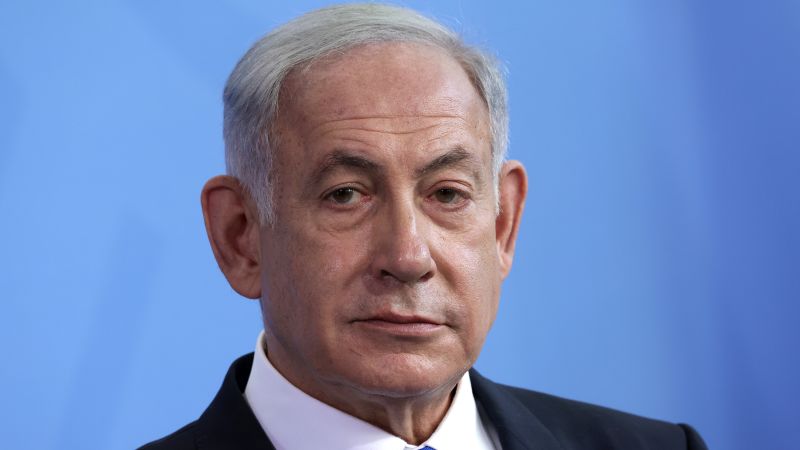
    Israeli Prime Minister Benjamin Netanyahu was hospitalized for dehydration during a heatwave in Israel. He was discharged after medical evaluation showed his heart was normal. Netanyahu advised people to stay hydrated amid soaring temperatures. The nation wishes him a speedy recovery as he continues his political journey as a dominant figure in Israeli politics.

    Introduction

    Jerusalem – Israeli Prime Minister Benjamin Netanyahu was recently hospitalized for dehydration during a heatwave in the country. After being admitted to the Sheba Medical Center in Ramat Gan, Tel Aviv, the 73-year-old leader received medical attention and was fitted with a heart monitor. Fortunately, tests revealed that his heart was normal, and he had no irregular heartbeat. This article delves into the details of Netanyahu’s hospitalization, his current health condition, and the importance of staying hydrated during the ongoing heatwave.

    Dehydration Incident and Hospitalization

    On a scorching day during the heatwave, Prime Minister Netanyahu complained of “mild dizziness,” prompting his admission to the hospital. He was admitted to the Sheba Medical Center, where he received care and underwent tests to assess his health condition.

    Assurance of Good Health

    According to Amit Segev, the director of the cardiology unit at the medical center, Netanyahu’s heart condition was found to be normal, without any heart arrhythmia or irregular heartbeat. The medical evaluation ensured that the Prime Minister was in excellent health.

    The Importance of Hydration in the Heatwave

    In a video statement released later, Benjamin Netanyahu shared the cause of his dehydration. He advised people to drink more water, especially during the ongoing heatwave, which has led to soaring temperatures in Israel. Staying hydrated is essential for avoiding heat-related health issues.

    Well Wishes from Opposition Leader

    Opposition leader Yair Lapid expressed his good wishes for Netanyahu’s speedy recovery and good health through a tweet. The concern for the Prime Minister’s well-being was evident across the political spectrum.

    Benjamin Netanyahu’s Political Journey and Health History

    As a dominant figure in Israeli politics for nearly three decades, Netanyahu’s journey has been eventful. He lost office in 2021 but made a dramatic return 18 months later, becoming prime minister again. His health history also includes a previous incident during Yom Kippur in 2022 when he fell ill while visiting a synagogue.

    Conclusion

    Israeli Prime Minister Benjamin Netanyahu’s recent hospitalization for dehydration raised concerns amid the ongoing heatwave. Fortunately, he has been discharged after medical evaluation, and his heart condition was found to be normal. As temperatures continue to soar, staying hydrated is crucial for everyone. The nation wishes for Netanyahu’s speedy recovery and good health as he continues his political journey, serving as a prominent figure in Israeli politics.