Category: Health

Stay informed and prioritize your well-being with GulfInsight360.com’s Health category. Discover a wide range of articles, news, and insights dedicated to all aspects of health, including physical fitness, mental wellness, nutrition, medical advancements, and lifestyle choices. From expert advice to personal stories, our Health category offers valuable resources to help you make informed decisions and lead a healthy, balanced life. Explore topics such as exercise, nutrition, disease prevention, mental health, and more, and embark on a journey towards a happier and healthier you.

  • How Curd is a Beneficial Product for Scalp and Hair Health

    How Curd is a Beneficial Product for Scalp and Hair Health

    Curd, also known as yogurt, offers a multitude of benefits for both scalp and hair health, primarily owing to its potent antibacterial properties. These properties make curd an effective remedy against various scalp infections. There are two primary ways to harness the advantages of curd for your hair: direct application to the scalp and consumption as part of your diet.

    When directly applied to the scalp, curd serves to soften and strengthen the hair cuticle. This contributes to overall hair health and manageability. Additionally, the rich antibacterial properties of curd help combat scalp infections, promoting a healthy and clean scalp environment.

    Curd is not only beneficial when applied externally but also when included in your diet. It contains significant amounts of essential nutrients, including vitamin B5 and vitamin D. These nutrients play a pivotal role in maintaining optimal hair health. Vitamin B5 aids in nourishing the hair follicles and supporting hair growth, while vitamin D contributes to hair follicle stimulation.

    Dandruff and itchiness are common hair concerns that can be addressed with the regular use of curd. Its natural properties have been shown to effectively alleviate these issues, providing relief and promoting a healthier scalp.

    One of the standout qualities of curd is its ability to assist in removing dandruff from the hair. This can lead to a noticeable improvement in scalp condition and overall hair appearance. Beyond its practical benefits, applying curd to your hair can provide a refreshing and rejuvenating sensation, leaving your scalp invigorated.

    When combined with appropriate ingredients, curd can also contribute to strengthening your hair. Its composition and inherent nutrients work together to enhance hair resilience and vitality.

    However, it’s important to note that while curd offers numerous advantages for scalp and hair health, it is essential to approach its usage mindfully. Individual reactions to products can vary, and it’s recommended to perform a patch test before widespread application. Furthermore, it’s advisable to seek guidance from medical professionals or nutritionists for personalized advice tailored to your specific needs.

    Disclaimer: The information provided above is intended solely for informational purposes and should not be considered a substitute for expert medical advice. These insights are derived from external sources, such as individual doctors or nutritionists. For accurate guidance on health-related matters, particularly any specific health conditions or concerns, it’s advisable to consult with a qualified medical professional. Health advice can differ based on geographic regions, so it’s important to consider advice from professionals within your local area.


    Read more

    Accountant Job Opportunities with good salary in Dubai, Abu Dhabi, and Sharjah – Apply Now!

  • Staphylococcus Aureus-Induced Wound Infections: Prevalence, Resistance, and Clinical Implications

    Staphylococcus Aureus-Induced Wound Infections: Prevalence, Resistance, and Clinical Implications

    Human skin plays a pivotal role in protecting the body against infections by serving as a robust barrier. However, when breaches occur in the skin’s structural integrity, leading to wounds, the body’s defense mechanisms are compromised. Wound infections, caused by various pathogens including Staphylococcus aureus, can result in severe morbidity and mortality, especially in surgical patients and those with burn injuries. Among these infections, those induced by Staphylococcus aureus are of particular concern due to their impact on public health.

    Staphylococcus aureus, a versatile pathogen, is capable of causing a wide range of illnesses in humans, from localized skin and soft tissue infections to life-threatening systemic diseases. The emergence of antimicrobial-resistant strains, such as Methicillin-Resistant Staphylococcus Aureus (MRSA) and Vancomycin-Resistant Staphylococcus Aureus (VRSA), has further exacerbated the clinical challenges associated with these infections. MRSA strains, which exhibit resistance to beta-lactam drugs, continue to pose a significant threat to healthcare settings.

    This study delves into the prevalence and clinical implications of Staphylococcus aureus-induced wound infections. By examining wound samples collected from Saudi Arabian tertiary hospitals, we aim to shed light on the antimicrobial susceptibility patterns of isolated Staphylococcus aureus strains, including multidrug-resistant variants. Our research seeks to contribute to a better understanding of the current landscape of wound infections and guide effective treatment strategies.

    This cross-sectional descriptive study was conducted from February 2022 to September 2022, involving patients of various ages and genders who sought medical attention at Prince Mutaib Bin Abdulaziz Hospital and Swair General Hospital in Sakaka, Al Jouf, Saudi Arabia. The study population included those with wound-related keywords, such as wound swab, abscess, wound, drain, culture, or discharge, indicated on their samples.

    Aseptic dry swab samples were collected from wounds and pus, which were subsequently cultured on Blood Agar and incubated. The identification of Staphylococcus aureus isolates was carried out using biochemical and morphological methods. Methicillin susceptibility was determined through oxacillin discs and the detection of the mecA gene via PCR. Antimicrobial resistance testing was performed using various antibiotics commonly employed in treating Staphylococcus aureus infections.

    Out of the 542 wound specimens collected, 188 Staphylococcus aureus isolates were identified. The prevalence and susceptibility patterns of MRSA and VRSA strains were assessed to understand the extent of antimicrobial resistance in wound infections. The study sheds light on the co-infection and co-colonization of MRSA and VRSA in wounds and emphasizes the significance of wound treatment in eradicating VRSA and preventing its spread.

    Staphylococcus aureus-induced wound infections remain a significant clinical challenge, particularly in the context of antimicrobial resistance. The emergence of MRSA and VRSA strains has necessitated innovative approaches to treatment and prevention. This study’s findings underscore the importance of effective wound management and antimicrobial stewardship to combat the rise of antimicrobial-resistant pathogens.

    Staphylococcus aureus-induced wound infections, particularly those caused by resistant strains like MRSA and VRSA, pose a considerable threat to global healthcare. Understanding the prevalence, resistance patterns, and clinical implications of these infections is crucial for informing evidence-based treatment strategies and infection control measures. As the medical community grapples with the rising tide of antimicrobial resistance, continued research and vigilance are essential to safeguarding public health and improving patient outcomes.

    Read more

    Ras Al Khaimah Police Issue Warning on Dh400 Traffic Fine for Tailgaters

  • Wegovy Weight Loss Drug Shines in Reducing Serious Heart Disease Risk: New Trial Unveils Exciting Potential

    Wegovy Weight Loss Drug Shines in Reducing Serious Heart Disease Risk: New Trial Unveils Exciting Potential

    Weight loss drug Wegovy has emerged as a potential game-changer in reducing the risk of serious heart disease, according to a new trial conducted by its maker, Novo Nordisk. This significant finding showcases the potential of Wegovy to tackle cardiovascular events, including heart attacks and strokes, by up to 20%. The excitement surrounding this development is palpable, as experts believe this could be a monumental step in combating heart disease, a leading cause of global mortality.

    The study, known as SELECT, followed over 18,000 adults who took Wegovy over a period of up to five years. While the study’s full publication is awaited, the preliminary results are promising. The trial’s focus on adults who are overweight or obese, aged 45 or older, and with established cardiovascular disease highlights its relevance to a real-world population. Notably, these patients did not have diabetes, making the results even more intriguing.

    Semaglutide, the active component of Wegovy, is also used to treat diabetes, and its potential heart health benefits have garnered significant attention. The trial results showed a remarkable 20% reduction in serious cardiovascular events in the study group compared to a placebo. While other drugs like cholesterol-lowering statins have shown similar risk reductions, semaglutide’s added benefit on top of existing medications has experts excited.

    The mechanism behind semaglutide’s heart health benefits is not yet fully understood, but its potential to reduce weight-induced metabolic abnormalities and its potential anti-inflammatory effects are believed to contribute. Experts are hopeful that further research will provide clarity on how the drug functions in reducing heart disease risk.

    However, while the potential of Wegovy is exciting, there are still questions to be answered. It remains to be seen how the drug will be integrated into medication regimens and whether its benefits are proportional to weight loss. The drug’s effects on blood pressure, blood sugar, and cholesterol are also under scrutiny. Additionally, access to the drug and its cost will play a crucial role in determining its availability and widespread usage.

    The potential of Wegovy to reduce the risk of serious heart disease is undoubtedly groundbreaking. However, as experts await the full publication of the SELECT trial and further research, the hope is that this drug could become a powerful tool in the fight against cardiovascular disease. With the pressing need to combat heart-related issues, Wegovy’s potential impact is nothing short of transformative.

    Read more

    Insurers Face Uphill Battle as High Coverage Costs Loom Over Obesity Drug Landscape- Health

  • Insurers Face Uphill Battle as High Coverage Costs Loom Over Obesity Drug Landscape- Health

    Insurers Face Uphill Battle as High Coverage Costs Loom Over Obesity Drug Landscape- Health

    In a groundbreaking clinical trial, Novo Nordisk’s obesity drug, Wegovy, has demonstrated a remarkable 20% reduction in serious heart problems, sending shockwaves through the health industry. The potential implications for insurers are immense, as this landmark finding may drive increased demand for coverage of this blockbuster medication and other similar weight loss treatments. However, this development poses a significant challenge for insurers, given the high cost associated with covering these drugs.

    The trial results have ignited hope for obesity drugs, shedding light on their potential health benefits beyond just weight loss. Despite this positive momentum, organizations representing insurers in the U.S. have been cautious, emphasizing that the data is still preliminary. The high cost of covering these medications, which can amount to nearly $1,350 per month for a single patient, remains a key concern for insurers.

    While initial results are promising, insurers stress the need for more comprehensive evidence to evaluate the long-term effectiveness and health benefits of prescription drugs. The ambiguity surrounding these factors has led insurers to tread carefully in expanding coverage for obesity drugs, even in the wake of groundbreaking findings like those associated with Wegovy.

    The landscape for obesity drugs and their coverage by insurers is complex and varied. While some insurers cover these treatments, others remain hesitant due to concerns about the costs involved. The disparity in coverage highlights the challenges and uncertainties insurers face in providing comprehensive coverage for obesity drugs.

    Furthermore, the coverage scenario is shifting, with some health insurers retracting coverage for obesity drugs in recent months. A survey conducted by Found, a company specializing in obesity-care services, revealed a 50% decline in coverage for GLP-1 drugs used for diabetes and weight loss treatment since December 2022.

    The new data from Novo Nordisk challenges traditional perceptions of obesity drugs as mere lifestyle products with cosmetic benefits. Instead, the trial results underscore significant cardiovascular health benefits associated with these drugs, a finding that could reshape insurers’ perspectives on covering them.

    While the data offers hope for insurers to expand their coverage, the high costs associated with obesity drugs remain a substantial barrier. The cost-effectiveness of covering these medications at a price point of $12,000 per year raises concerns for insurers’ profitability and budget constraints.

    As more insurers evaluate the data and weigh the benefits against the costs, the future of coverage for obesity drugs remains uncertain. Bipartisan efforts to eliminate coverage restrictions may play a role in shaping insurers’ decisions, although the outcome in Congress is uncertain.

    Amidst the evolving landscape, experts highlight the need for more robust data to solidify insurers’ decisions. Additional studies demonstrating the cardiovascular benefits of obesity drugs could hold the key to widespread coverage expansion. Eli Lilly’s study on the heart-health benefits of its diabetes drug, Mounjaro, could provide further insights into the potential benefits of such medications.

    While Novo Nordisk’s Wegovy trial has created waves in the health industry, insurers face a complex road ahead. Balancing the promising health benefits of obesity drugs with the high coverage costs presents a challenge that insurers will continue to grapple with as the landscape evolves. The implications of this groundbreaking data could reshape coverage policies and redefine the future of obesity drug coverage.

    Read more

    Sultan Al Neyadi Engages with Families of Umm Al Quwain Students in ‘Meeting from Space’ Series

  • Impact of Children’s Mental Health on Parents’ Well-Being: A Growing Crisis

    Impact of Children’s Mental Health on Parents’ Well-Being: A Growing Crisis

    The rising prevalence of children’s mental health challenges in the United States has brought to light a hidden crisis: the toll it takes on parents’ well-being. As parents strive to support their children’s mental health needs, they often find themselves facing a double burden – not only coping with their children’s conditions but also experiencing a significant decline in their own physical and mental health. A combination of factors, including a national shortage of mental health care providers and the search for affordable care, has intensified the strain on parents, who are often the primary caregivers responsible for maintaining the health and well-being of their children.

    Parents of children with mental health issues often find themselves grappling with a multitude of challenges that extend beyond their child’s well-being. The stress of navigating the mental health care system’s shortcomings can start to take a physical and mental health toll on parents. Christine Crawford, the associate medical director at the National Alliance on Mental Illness, points out that parents pour their energy into helping their children, often at the expense of their own health. The constant worry and anxiety about their child’s well-being can put parents in a state of constant alertness, triggering a fight-or-flight response that further exacerbates stress.

    Recent reports from reputable sources, including the Centers for Disease Control and Prevention and the surgeon general’s office, indicate a concerning rise in severe mental health challenges among children in the U.S. This growing issue has left about 40% of parents with children under 18 extremely or very worried about their children’s potential struggles with anxiety or depression. While evidence-based therapies typically involve parents in their child’s treatment, the focus on the caregivers’ anxiety and stress often falls short. While addressing a child’s mental health is essential, neglecting the well-being of parents can have detrimental effects on both parents and children.

    The toll of children’s mental health challenges on parents is both physical and mental. Parents often report experiencing a decline in their overall health as they strive to support their children’s needs. Sarah Delarosa, a mother of four from Corpus Christi, Texas, whose teenage daughter has bipolar disorder, oppositional defiant disorder, and attention-deficit/hyperactivity disorder, noticed a decline in her own health as she sought support for her daughter. Delarosa suffered from mini strokes and stomach bleeding, which were exacerbated by the stress and strain of her daughter’s deteriorating mental health. Additionally, Delarosa’s financial strain increased due to the need to take time off work as a home health aide to care for her daughter, resulting in a loss of income crucial for her family’s support.

    A significant factor contributing to the strain on parents is the shortage of mental health care providers and the challenge of finding affordable care. Many parents struggle to access the necessary help for their children, resulting in long waiting lists and inadequate support. The lack of available care places parents in a constant state of worry and hopelessness, exacerbating their stress levels. Even when parents do manage to secure care for their children, it often comes at a significant financial cost, creating additional financial strain on families.

    Parents navigating the complex landscape of children’s mental health care often find themselves feeling isolated and overwhelmed. The lack of resources and support compounds their struggles, leading to feelings of helplessness and guilt. Recognizing the need to address this crisis, some states are taking steps to support parents by offering services from certified family peer specialists or navigators who have firsthand experience raising a child with mental illness.

    However, experts stress the importance of recognizing parents as individuals affected by their child’s health. While therapies that focus on improving parent-child interaction are essential, there’s a growing need for interventions that directly address parents’ mental and physical health. Without proper support and interventions, the cycle of stress and decline in parents’ health could perpetuate, further impacting their ability to care for their children’s mental health needs effectively.

    The growing prevalence of children’s mental health challenges in the U.S. is revealing a distressing reality: the toll it takes on parents’ well-being. Parents are increasingly grappling with physical and mental health challenges as they navigate a complex and often inadequate mental health care system. Addressing this crisis requires recognizing parents as a vital component of their children’s well-being and providing them with the necessary resources, support, and interventions to ensure their health is safeguarded. As the nation focuses on addressing the mental health needs of children, it’s crucial not to overlook the health and well-being of the parents who play a central role in their children’s lives.

    Read more

    UAE President Meets US NSA: Strengthening Bilateral and Global Relations

  • Fatal Consequences: Excessive Water Intake Leads to Tragic Death

    Fatal Consequences: Excessive Water Intake Leads to Tragic Death

    A somber incident in Indiana serves as a poignant reminder that even good intentions can lead to unforeseen consequences. The tragic death of a 35-year-old mother, Ashley Miller, sheds light on the potential dangers of consuming too much water, particularly during the sweltering summer months.

    The heart-wrenching incident unfolded as Ashley and her family enjoyed the Fourth of July weekend by Lake Freeman. Described as someone who cherished water-related activities, Ashley and her husband took their two daughters out on their boat, basking in the sun and leisurely moments.

    Devon Miller, Ashley’s brother, recounted the family’s carefree time together: “They were out on the boat all week and long Saturday, Sunday, Monday and Tuesday.”

    However, tragedy struck on Tuesday, a day that would forever change the Miller family’s lives. Devon received a devastating call that something was terribly wrong with Ashley’s health.

    “My sister Holly called me, and she was just an absolute wreck,” Devon recalled. “She’s like, ‘Ashley’s in the hospital. She has brain swelling. They don’t know what’s causing it. They don’t know what they can do to get it to go down and it’s, it’s not looking good.’”

    On that ill-fated day, Ashley had been feeling dehydrated and struggling to quench her thirst. She experienced dizziness and an unrelenting headache.

    Devon Miller explained the shocking volume of water Ashley had consumed in a short span of time: “Someone said that she drank four bottles of water in that 20 minutes. And I mean, you know, an average water bottle is, her bottle of water is like 16 ounces… 64 ounces that she drank in the span of 20 minutes. That’s half a gallon. That’s what you’re supposed to drink in a whole day.”

    Despite making it home, Ashley’s condition rapidly deteriorated. She collapsed in her garage and never regained consciousness.

    Subsequent medical investigations revealed a tragic cause of death: water toxicity.

    “It was a shock to all of us when they first started talking about water toxicity. And it was like, ‘This is a thing?’” expressed Devon, reflecting the family’s disbelief.

    Dr. Blake Froberg, a toxicologist from the Indiana University School of Medicine, explained the mechanisms of water toxicity, which occurs when an individual consumes excessive water in a short period.

    “The overall thing that happens is that you have too much water and not enough sodium in your body,” clarified Dr. Froberg.

    While relatively rare, water toxicity can become a risk during hot summer months, especially for individuals engaged in outdoor activities. A balanced hydration strategy is essential, including electrolyte-rich beverages like those containing sodium and potassium.

    Devon Miller shared a crucial lesson learned from this tragedy: “If I’m thirsty and I drink a bottle of water and I still feel like I haven’t got enough, that might be the light bulb for me to go, ‘OK, you know what? I need to drink a Gatorade.”

    Symptoms of water toxicity encompass a range of discomforts, such as muscle cramps, nausea, and headaches. Amid the sorrow, Ashley Summers’ legacy shines as an organ donor. Her selfless act has given new life to five individuals.

    Read more

    Unveiling the Future of Customer Experience: CX Evolve Summit Returns to Dubai on Aug 24

  • Preventing Liver Cancer: Understanding Viral Hepatitis and Its Treatment

    Preventing Liver Cancer: Understanding Viral Hepatitis and Its Treatment

    Viral hepatitis, a silent killer affecting millions worldwide, poses a significant threat to public health, leading to liver cancer and other serious complications. With over 350 million people living with viral hepatitis globally and more than a million losing their lives each year due to acute and chronic infections, health experts emphasize the importance of prevention and early detection.

    Hepatitis is a medical condition characterized by inflammation of the liver, a vital organ responsible for processing nutrients, filtering blood, and fighting infections. Hepatitis viruses, namely A, B, C, D, and E, are the leading causes of the condition. Apart from viral infections, toxic substances like alcohol, certain drugs, and autoimmune diseases can also lead to hepatitis.

    Most alarming is the fact that viral hepatitis often exhibits no symptoms, and patients may remain unaware of their infection. However, symptoms can manifest as fever, fatigue, loss of appetite, nausea, vomiting, abdominal pain, dark urine, light-colored stools, joint pain, and jaundice. Some individuals may carry chronic viral hepatitis for years without experiencing symptoms, only to develop advanced liver scarring (cirrhosis) and liver cancer.

    Types of Viral Hepatitis and Their Impact

    • Hepatitis A: Highly contagious, hepatitis A spreads through contaminated food or water, as well as through contact with infected individuals or objects. While most cases are mild and recover without complications, vaccines are recommended, especially for children.
    • Hepatitis B: A more severe liver infection, hepatitis B can become chronic if left untreated, increasing the risk of liver failure, liver cancer, or cirrhosis. The virus primarily spreads through sexual contact, sharing needles, and mother-to-child transmission during childbirth. Vaccination is available for prevention, but no cure exists for active cases.
    • Hepatitis C: Untreated hepatitis C can lead to serious liver damage, inflammation, cirrhosis, and potential liver failure. Transmission routes are similar to hepatitis B, and chronic infections are common. Unlike hepatitis B, a cure in the form of medication is available for hepatitis C.

    Preventing viral hepatitis involves adopting several precautionary measures, such as getting vaccinated for hepatitis A and B, practicing good personal hygiene, avoiding the use of infected personal items, and taking precautions during tattoos or body piercings. Additionally, travelers to areas with poor sanitation should consume bottled water.

    Early detection is crucial, and regular testing for hepatitis B and C is recommended for most adults. For those diagnosed with hepatitis B in the past, regular follow-ups with gastroenterologists or hepatologists are essential. Monitoring virus activity through blood tests and liver ultrasounds every six months can help detect early signs of liver cancer, offering a better chance of successful treatment.

    Viral hepatitis remains a significant global health challenge, affecting millions of lives each year and causing liver cancer and other serious complications. Understanding the disease, its symptoms, and its types is vital in taking proactive measures for prevention and early detection. Public awareness, vaccination, and regular screenings are key components in the fight against this silent threat. With concerted efforts from healthcare professionals and individuals alike, we can work towards a future free from the devastating impact of viral hepatitis.

    Read more

    France’s First Harvest Begins at Domaine Lafage in Roussillon

  • Toronto Public Health Reports First Probable Human Case of West Nile Virus in 2023

    Toronto Public Health Reports First Probable Human Case of West Nile Virus in 2023

    Toronto Public Health (TPH) announced on Friday the first probable human case of West Nile Virus in 2023 in an adult resident of the city. Although the case is yet to be confirmed by laboratory testing, TPH is urging residents to take precautions to avoid mosquito bites as the long weekend approaches.

    Dr. Eileen De Villa, the city’s medical officer of health, advised residents to use insect repellent, wear light-colored clothing, long pants, and long-sleeved shirts, and take extra care during peak mosquito-biting hours between dusk and dawn.

    West Nile Virus is transmitted through the bite of infected mosquitoes and can lead to symptoms such as fever, headache, nausea, vomiting, body aches, skin rash, and swollen lymph glands. These symptoms typically develop around two to 14 days after being bitten. Older individuals, especially those with compromised immune systems, are at a higher risk of experiencing severe illness from the virus.

    In 2022, there were 14 laboratory-confirmed cases of West Nile in Toronto. This year, the city has been actively conducting mosquito surveillance using 22 traps from mid-June through mid-September. So far, 20 batches of mosquitoes have tested positive for West Nile.

    The recent increase in hot weather in Toronto has raised concerns about a higher risk of mosquito infection and subsequent transmission of the virus. Other regions and cities in the Greater Toronto Area, including Brampton, Markham, and Hamilton, have also reported finding mosquitoes positive for the virus.

    As West Nile Virus poses a potential health threat, TPH advises residents to remain vigilant and take necessary precautions to protect themselves from mosquito bites while enjoying the beautiful summer weather.

    Read more

    Bianka Bryant Receives Heartwarming Gift from Taylor Swift During Concert

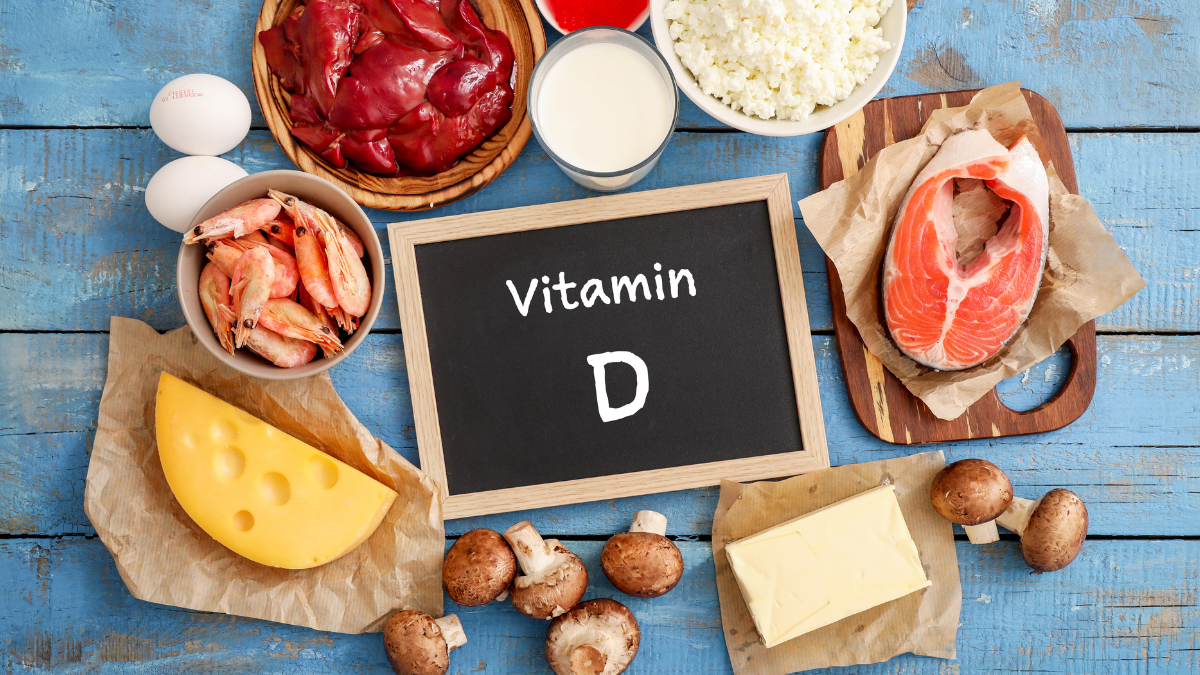
  • Vitamin D: Boosting Immunity and Fighting Infections

    Vitamin D: Boosting Immunity and Fighting Infections

    Recently, scientists delved into the immunomodulatory and antiviral properties of vitamin D and its impact on pediatric respiratory health, including COVID-19. This review sheds light on the potential benefits of vitamin D supplementation in children with respiratory tract infections and the ongoing pandemic. Read on to discover the latest findings and insights

    Introduction

    Acute respiratory tract infections (ARTI) are prevalent among children, accounting for a significant percentage of pediatric fatalities. This review focuses on upper respiratory tract infections (URTIs) and lower respiratory tract infections (LRTIs), including viral infections caused by various pathogens. Notably, the ongoing COVID-19 pandemic, caused by severe acute respiratory syndrome coronavirus-2 (SARS-CoV-2), has posed significant challenges in managing pediatric respiratory health.

    Vitamin D and Immune Function

    Vitamin D plays a crucial role in immune function. It enhances innate immunity, regulates T lymphocyte production, and influences cytokine levels. The vitamin’s role in reducing pro-inflammatory cytokines and increasing anti-inflammatory cytokines makes it a potential candidate for combating respiratory infections.

    Study Design

    The study reviewed relevant articles from PubMed, including clinical trials, systematic reviews, and meta-analyses, focusing on children under 19 years of age. A total of 27 studies met the inclusion criteria, yielding valuable insights into the impact of vitamin D on pediatric respiratory health.

    Key Findings

    The major circulating form of vitamin D, 25-hydroxycholecalciferol (25(OH)D), exhibits antiviral properties through antimicrobial peptides. Vitamin D receptor (VDR) and CYP27B1, a critical enzyme for vitamin D metabolism, are found in significant quantities in cells and tissues.

    Numerous studies indicated a strong association between vitamin D status and the incidence of ARTIs, including COVID-19 infections. Vitamin D deficiency (VDD) was inversely related to the severity of COVID-19 in most cases.

    Vitamin D supplementation was found to lower the risk of recurring pneumonia, demonstrating its potential as a preventive measure. The study also highlighted VD’s ability to enhance natural antibodies synthesis, improve immunity, and promote phagocytic activity.

    Challenges and Further Research

    While systematic reviews have indicated that lower levels of 25(OH)D increase the risk of ARTIs in children, some experimental findings have presented contradictions. The causality between vitamin D and COVID-19 remains an area of ongoing research.

    Conclusion

    Vitamin D holds promise as an immunomodulatory agent with potential antiviral effects against pediatric respiratory tract infections, including COVID-19. Maintaining adequate vitamin D levels may enhance overall health and reduce the risk of severe infections. Further research is essential to fully understand the impact of vitamin D on respiratory health and its potential in fighting COVID-19. Dietary intake and supplements are recommended to ensure optimal vitamin D levels and combat respiratory infections in all age groups.

    Read more

    Etihad Airways Introduces Boston to Abu Dhabi Service in 2024

  • Middle East Digital Health Forum to Explore the Transformative Power of Digital Health in Dubai

    Middle East Digital Health Forum to Explore the Transformative Power of Digital Health in Dubai

    Digital health is revolutionizing the healthcare landscape across the Middle East, and the highly anticipated third edition of the Middle East Digital Health Forum is poised to delve into the region’s potential in this digital revolution. Scheduled to take place in Dubai on August 31, the forum promises to explore the vast opportunities and challenges presented by digital health in the region.

    With the advent of advanced technologies, the healthcare industry is undergoing a major transformation, and digital health is at the forefront of this paradigm shift. The Middle East Digital Health Forum will bring together experts, healthcare professionals, and industry leaders to discuss and showcase the latest innovations and trends in digital health.

    The forum’s agenda covers a diverse range of topics, providing a comprehensive outlook on the digital health landscape in the region. Attendees can expect insightful discussions on telemedicine and remote healthcare, which have gained significant traction during the pandemic, offering unprecedented access to medical services and consultations.

    Healthcare megatrends until 2030 will also be explored, giving attendees a glimpse of the future of healthcare and the transformative impact of technological advancements. Data analytics and artificial intelligence in healthcare will take center stage, highlighting how these technologies are driving personalized and efficient patient care.

    As digital health expands, cybersecurity and privacy have become critical concerns. The forum will delve into these essential aspects to ensure the safe and secure implementation of digital health solutions. Building a digitally advanced healthcare ecosystem will be another focal point, discussing how technology integration can streamline healthcare processes and enhance patient outcomes.

    The importance of patient-centric care and digital transformation cannot be overstated, and this will be a key area of discussion at the forum. Experts will explore how digital health solutions can empower patients to take control of their health and well-being.

    Public-Private Partnerships (PPPs) in healthcare will also be explored as they play a vital role in facilitating the adoption of digital health solutions. Collaborative efforts between the public and private sectors can create a conducive environment for the growth of digital health in the region.

    Moreover, the forum will address the role of digital health in achieving a connected patient experience, offering insights into how seamless integration of healthcare services can lead to better patient outcomes.

    Highlighting the innovative potential of the region, the forum will feature discussions on disruptive startups in the digital health space. These startups are driving innovation and transforming healthcare delivery, making the forum a hub for networking and collaboration.

    Finally, the future of digital health will be explored in-depth, examining how collaborations, policies, and regulations can shape the growth and adoption of digital health solutions across the Middle East.

    With its comprehensive agenda and esteemed lineup of speakers, the Middle East Digital Health Forum promises to be a transformative event that will shed light on the exciting possibilities of digital health in the region. Healthcare stakeholders, innovators, and enthusiasts are invited to join the forum and be a part of the digital health revolution that is changing the face of healthcare in the Middle East.

    Read more

    UAE Dispatches 250 Tonnes of Aid to Support Crisis-Hit Ukraine