Category: Health

Stay informed and prioritize your well-being with GulfInsight360.com’s Health category. Discover a wide range of articles, news, and insights dedicated to all aspects of health, including physical fitness, mental wellness, nutrition, medical advancements, and lifestyle choices. From expert advice to personal stories, our Health category offers valuable resources to help you make informed decisions and lead a healthy, balanced life. Explore topics such as exercise, nutrition, disease prevention, mental health, and more, and embark on a journey towards a happier and healthier you.

  • Can Drinking Beer Boost Gut Health and the Immune System? Scientists Weigh In

    Can Drinking Beer Boost Gut Health and the Immune System? Scientists Weigh In

    Drinking beer might have unexpected health benefits, according to recent research suggesting it could promote gut health and enhance the immune system when consumed in moderation.

    The study, conducted by the Dalian Medical University in China, found that beer, when consumed moderately, could stimulate the growth of beneficial gut bacteria. This effect is attributed to several key ingredients found in beer, including polyphenols, fiber, and ethanol. Surprisingly, these components were found to be more effective at enhancing the immune system than probiotics.

    Probiotics are known for their potential health benefits as they contain live bacteria and yeasts that can help restore the natural balance of gut bacteria, particularly after disruptions caused by illnesses. Foods like kimchi, kombucha, cheese, and yogurt are rich in probiotics.

    The research highlights beer’s potential health benefits, stating that “beer is rich in many essential amino acids, vitamins, trace elements, and bioactive substances that are involved in the regulation of many human physiological functions.”

    While this may sound like good news for beer enthusiasts, it’s crucial to remember that moderation is key. Both the NHS and the Centers for Disease Control and Prevention provide guidelines for alcohol consumption. In the UK, adults are advised not to exceed 14 units of alcohol per week, which equates to approximately six pints of beer. It’s also recommended to spread alcohol consumption over three or more days to avoid binge drinking.

    Drinking excessive amounts of alcohol over an extended period is already associated with various health issues, including high blood pressure, an increased risk of stroke, and several types of cancer.

    The study suggests that “beer bioactives” could potentially be used in future products, including “health beers” designed to prevent diseases like arteriosclerosis, heart disease, and improve blood circulation. However, it’s important to note that these findings are preliminary, and such products are not yet available.

    Despite the potential benefits, the study emphasizes that these positive effects are limited to moderate beer consumption. Excessive alcohol consumption can lead to serious health conditions such as heart disease, stroke, liver disease, and various types of cancer.

    Professor Naveed Sattar, a specialist in cardiovascular and metabolic health at the University of Glasgow, cautioned against overlooking the harmful effects of alcohol. He emphasized that while some beer ingredients may have positive impacts on health, these benefits can be outweighed by the detrimental effects of alcohol itself.

    To minimize health risks associated with alcohol, both men and women are advised not to regularly consume more than 14 units of alcohol per week, according to NHS guidelines.

    Read more

    Hurricane Idalia Hits Florida with 125mph Winds, Flooding Streets, Snapping Trees and Cutting Power

  • Current Situation of Middle East Respiratory Syndrome Coronavirus (MERS-CoV) in Saudi Arabia

    Current Situation of Middle East Respiratory Syndrome Coronavirus (MERS-CoV) in Saudi Arabia

    From September 13, 2022, to August 12, 2023, the Kingdom of Saudi Arabia (KSA) reported three laboratory-confirmed cases of Middle East respiratory syndrome coronavirus (MERS-CoV) to the World Health Organization (WHO). Among these cases, two individuals tragically succumbed to the virus. The Ministry of Health of KSA undertook comprehensive follow-ups on close contacts related to the three cases, and reassuringly, no secondary cases were identified. These occurrences underscore the ongoing global need for vigilance and awareness of MERS-CoV, particularly in regions where the virus is prevalent among dromedary camels, including the Middle East.

    Situation Details:

    Between September 13, 2022, and August 12, 2023, KSA’s Ministry of Health reported three additional cases of MERS-CoV, accompanied by two fatalities. These cases were recorded in various regions: Riyadh, Asser, and Makkah Al Mukarramah (Figure 1). Rigorous laboratory confirmation was conducted using real-time polymerase chain reaction (RT-PCR) testing.

    All three cases involved non-healthcare workers, who presented symptoms such as fever, cough, and shortness of breath, and had existing medical conditions. Notably, two of the cases had direct contact with dromedary camels, while all three cases consumed raw camel milk within two weeks preceding symptom onset. The age range of the affected individuals was 42, 83, and 85 years (Table 1).

    Since the initial MERS-CoV report in KSA in 2012, human infections have been documented across 27 countries and all six World Health Organization (WHO) regions. KSA remains at the forefront with the highest number of reported cases, accounting for 2,196 out of 2,605 globally. Furthermore, out of 937 reported deaths worldwide, 856 occurred in KSA, including the recent cases.

    Epidemiology of MERS-CoV:

    MERS, caused by the Middle East respiratory syndrome coronavirus (MERS-CoV), results in a viral respiratory infection. The mortality rate among MERS patients is approximately 36%. The virus is primarily transmitted to humans through direct or indirect contact with dromedary camels, the natural host and zoonotic source of the virus. While human-to-human transmission has been observed, it remains limited.

    Symptoms of MERS-CoV infection can range from mild respiratory symptoms to severe acute respiratory disease, with potential fatalities. Gastrointestinal symptoms have also been reported. Severe cases can lead to respiratory failure, necessitating intensive care. Those at higher risk of severe illness include older individuals, those with weakened immune systems, and those with underlying medical conditions.

    At present, there is no specific treatment or vaccine for MERS-CoV. Supportive care is administered based on clinical conditions.

    Public Health Response:

    All close contacts of the three cases were closely monitored, and no secondary cases were identified.

    For cases involving contact with camels, the Ministry of Agriculture was notified, leading to an investigation of the camels involved. Isolation was implemented for positive camels until negative RT-PCR test results were obtained.

    WHO Risk Assessment:

    From September 13, 2012, to August 12, 2023, a total of 2,605 laboratory-confirmed MERS-CoV infections have been reported globally, with 937 associated deaths (case fatality ratio of 36%). The majority of cases (2,196 cases with 856 deaths) were reported in KSA. The risk of further cases and exportation remains, especially in regions with dromedaries carrying the virus. WHO continues to monitor the situation and conduct risk assessments.

    The number of reported MERS cases has decreased due to the prioritization of COVID-19 surveillance. The ongoing pandemic has also led to decreased testing for MERS-CoV, in addition to similar clinical presentations of both diseases.

    WHO Recommendations:

    WHO emphasizes strong surveillance for respiratory infections, including MERS-CoV, and urges vigilance in identifying unusual patterns.

    Effective infection prevention and control measures are essential, especially in healthcare settings. Early identification, case management, and isolation, along with hygiene practices, can help prevent human-to-human transmission. Those with underlying medical conditions should avoid close contact with dromedaries.

    At present, WHO does not recommend travel or trade restrictions related to MERS-CoV.

  • New Model Predicts 10-Year Risk of Dying from Breast Cancer

    New Model Predicts 10-Year Risk of Dying from Breast Cancer

    A groundbreaking study led by the Nuffield Department of Primary Care Health Sciences at the University of Oxford has unveiled a revolutionary new model capable of accurately predicting a woman’s likelihood of both developing and succumbing to breast cancer within a decade. This innovative research, published in the Lancet Digital Health, leverages anonymized data collected from 11.6 million women aged 20-90 between 2000 and 2020, who had no history of cancer or the precursor condition known as ‘ductal carcinoma in situ’ (DCIS).

    The value of accurate breast cancer screening cannot be overstated, yet it comes with challenges such as ‘overdiagnosis’—detecting non-harmful tumors that lead to unnecessary treatments. The newly developed ‘risk-based screening’ aims to personalize screening strategies based on individual risk factors, maximizing benefits and minimizing drawbacks. While most risk-based models focus on estimating the risk of breast cancer diagnosis, the Oxford team’s model takes it a step further, predicting the combined risk of developing and ultimately dying from breast cancer.

    The model’s implications are profound. It enables the identification of women at the highest risk of deadly breast cancers, allowing for personalized screening initiatives. This could involve earlier screenings, more frequent screenings, or different imaging techniques tailored to the individual’s risk profile. Ultimately, this personalized approach not only reduces breast cancer deaths but also avoids unnecessary screenings for lower-risk individuals. Furthermore, women at elevated risk for developing fatal cancers could be targeted for preventive treatments.

    Professor Julia Hippisley-Cox, Senior Author and Professor of General Practice and Epidemiology at the University of Oxford’s Nuffield Department of Primary Care Health Sciences, emphasized the significance of this research in redefining screening strategies and improving decision-making. This approach also optimizes healthcare resources, ensuring interventions are directed where they are most likely to be effective.

    The study evaluated various modeling techniques, including traditional statistical-based methods and machine learning, which incorporates artificial intelligence. Factors like age, weight, smoking history, family history of breast cancer, and hormone therapy usage were considered. The results showed that one statistical model, utilizing ‘competing risks regression,’ outperformed others, accurately predicting breast cancer mortality risk within a decade.

    Dr. Ashley Kieran Clift, Clinical Research Fellow at the University of Oxford’s Nuffield Department of Primary Care Health Sciences, highlighted the potential impact of this research on risk-based public health strategies. Supported by Cancer Research UK and utilizing the extensive QResearch database, this study paves the way for improved screening and preventative measures for women at high risk of lethal breast cancers.

    As this pioneering model continues to undergo evaluation and validation, its implications are far-reaching. The prospect of enhancing screening accuracy and targeting preventive strategies based on an individual’s risk profile holds the promise of a brighter future in breast cancer prevention and treatment.

    In conclusion, the University of Oxford’s breakthrough study introduces a new era in breast cancer prediction and prevention. By accurately determining the 10-year risk of developing and dying from breast cancer, this model transforms how we approach screening and intervention strategies. As this research gains further validation and acceptance, it has the potential to reshape breast cancer management, ensuring a more personalized and effective approach for all individuals.

    Read more

    Dubai Gold Prices Surge by Dh 4 per Gram as Precious Metal Crosses $1,900 Mark

  • Medical Team in Riyadh Provides Vital Assistance to 11-Year-Old Girl with Speech and Hearing Impairments

    Medical Team in Riyadh Provides Vital Assistance to 11-Year-Old Girl with Speech and Hearing Impairments

    In a heartwarming display of compassion and dedication, a medical team in Riyadh has extended its support to an 11-year-old girl facing challenges of speech and hearing impairments. The team’s unwavering commitment to improving the girl’s quality of life underscores the transformative impact of healthcare professionals on individuals’ well-being.

    The medical team in Riyadh, driven by a shared mission to make a positive difference, embarked on a journey to help the young girl overcome the obstacles presented by her speech and hearing impairments. These impairments can significantly impact a person’s ability to communicate effectively and participate fully in various aspects of life.

    Recognizing the importance of early intervention, the medical team in Riyadh worked tirelessly to assess the girl’s unique needs and develop a tailored approach to address her challenges. Through a comprehensive evaluation, they gained valuable insights into the nature and extent of her impairments, enabling them to formulate a targeted plan of action.

    The team’s dedication extended to the implementation of therapeutic interventions specifically designed to enhance the girl’s speech and hearing abilities. These interventions leveraged cutting-edge techniques and technology, harnessing the power of modern medical advancements to unlock her potential.

    With unwavering support and guidance from the medical professionals, the 11-year-old girl embarked on a transformative journey toward improved communication skills and enhanced quality of life. The team’s commitment to her progress was not limited to the medical setting; they worked closely with her family to provide guidance and strategies for continued development at home and in various environments.

    The results of the medical team’s efforts are both heartening and inspiring. The girl’s progress in overcoming her speech and hearing impairments serves as a testament to the profound impact that dedicated healthcare professionals can have on individuals’ lives. Her newfound ability to communicate more effectively not only empowers her but also enriches her interactions and experiences.

    The medical team’s holistic approach reflects their deep understanding of the interconnected nature of health and well-being. By addressing the girl’s challenges comprehensively and providing guidance for ongoing support, they have paved the way for her to thrive in various spheres of life.

    This remarkable journey reminds us of the transformative role that healthcare professionals play in shaping individuals’ lives and promoting inclusivity. Through their expertise, dedication, and empathy, they illuminate pathways toward brighter futures for those in their care.

    In a world where medical advancements continue to evolve, stories like these underscore the immense potential of healthcare professionals to create meaningful change. The medical team in Riyadh exemplifies the impact that can be achieved when expertise is coupled with compassion and a deep commitment to enhancing lives.

    As we celebrate the accomplishments of the medical team and the young girl they have supported, we are reminded of the far-reaching ripple effects of their efforts. Their story serves as an inspiration to us all, highlighting the importance of empathy, expertise, and the unwavering pursuit of positive outcomes in healthcare.

    Read more

    Fujairah Ruler Issues Decree Separating Fujairah Creative City from Fujairah Culture and Media Authority

  • Rising COVID-19 Cases: What It Means and What to Expect

    Rising COVID-19 Cases: What It Means and What to Expect

    As COVID-19 cases and hospitalizations surge once again, many are left wondering about the implications of this uptick. The situation is not unexpected, as both Ottawa and various parts of the world witness a resurgence. What does this rise entail? Should we anticipate changes in habits? Could mask mandates return? Will booster shots be the solution? We explore these questions and more as we navigate the evolving landscape of the pandemic.

    In Ottawa, the numbers provide a clear picture of the current state. Over the past week, Ottawa Public Health reported 174 new COVID-19 cases, with hospitalizations, deaths, and outbreaks on the rise. Health authorities emphasize vigilance, particularly in congregate settings. The message is clear: COVID-19 is not fading away; it’s resurging, especially among higher-risk populations.

    Epidemiologist Raywat Deonandan, of the University of Ottawa’s Faculty of Health Sciences, predicts that the numbers will continue to rise, amplified by the return of schools. Across Ontario and the United States, the upward trajectory is noticeable too. Amidst these concerns, a new variant emerges—the EG.5 variant. While more adept at infecting individuals, it is not necessarily more severe.

    So, what should the level of concern be? The vaccination efforts thus far have yielded significant immunity, reducing the need for immediate panic. However, should hospitalizations surge and healthcare resources be strained, a heightened alertness may be warranted.

    As for mask mandates, there’s no definitive answer. While Deonandan suggests it may be late to mandate masks in schools, it might be wise to reintroduce them in hospitals and crowded indoor spaces. Ottawa Public Health continues to recommend existing protective measures—masking, hand hygiene, and distancing.

    The availability of COVID-19 testing kits is another consideration. Though Ontario ended its program, Ottawa Public Health still offers kits at select locations. Additionally, questions arise about the effectiveness of last year’s vaccines against new variants. Booster shots are being discussed, particularly for vulnerable populations. Canada’s National Advisory Committee on Immunization suggests waiting six months between booster shots and considers monovalent vaccines targeting specific variants.

    As the pandemic landscape evolves, vigilance remains crucial. The surge in cases serves as a reminder of the virus’s persistent presence. While measures are in place to safeguard public health, personal responsibility is equally vital. As we navigate this uncertain journey, staying informed and adhering to health guidelines are our best defenses against the ongoing threat of COVID-19.

    Read more

    Green Data City and Phoenix Group Collaborate on $300 Million Crypto-Mining Farm in Oman

  • Gulf Medical University Earns Distinctive Recognition from the Kuwaiti Ministry of Higher Education

    Gulf Medical University Earns Distinctive Recognition from the Kuwaiti Ministry of Higher Education

    The Ministry of Higher Education in Kuwait has granted prestigious recognition to Gulf Medical University (GMU) in the UAE as a leading institution for Kuwaiti students pursuing medical studies. The recognition reflects GMU’s commitment to delivering high-quality medical education and preparing competent healthcare professionals for the future.

    Gulf Medical University (GMU), a beacon of excellence in the UAE’s healthcare education system, has achieved a momentous milestone as the Ministry of Higher Education in Kuwait officially acknowledges it as a prestigious institution for Kuwaiti students pursuing medical studies. This recognition underscores GMU’s unwavering dedication to providing top-tier medical education and shaping a skilled healthcare workforce. The accreditation follows a meticulous evaluation process, encompassing a comprehensive review of the university’s programs, facilities, laboratories, and affiliated teaching hospitals by Kuwaiti ministry officials.

    The endorsement garnered by GMU stands as a testament to its enduring commitment to fostering an environment of academic distinction. With a diverse student body representing over 90 nationalities, GMU has ascended to a global pinnacle in medical education. This multicultural setting enriches the learning journey and cultivates an international perspective among future healthcare professionals.

    Celebrating this achievement, Prof Hossam Hamdy, the Chancellor of Gulf Medical University, expressed, “The recognition bestowed upon Gulf Medical University by the Kuwaiti Ministry of Higher Education as a distinguished institution for Kuwaiti students seeking healthcare education is a moment of immense pride. This acknowledgment affirms our unwavering dedication to offering a world-class learning ecosystem, nurturing global perspectives, and producing exceptional healthcare practitioners. Our vision is to nurture the potential and aspirations of our students while equipping them for success in the dynamic healthcare landscape. This recognition further fuels our commitment to pushing boundaries, pioneering innovative programs, and revolutionizing clinical training systems.”

    The comprehensive review undertaken by the Ministry involved a meticulous examination of various facets of GMU’s offerings. This encompassed academic programs, faculty credentials, research endeavors, infrastructure, cutting-edge laboratories, and partnerships with renowned medical institutions.

    GMU’s remarkable achievements extend beyond this recognition, as it was recently honored with the esteemed ‘Excellence in Research award by the UAE’s Ministry of Health and Prevention (MoHP). Moreover, the university has solidified its stature among the top 10 health research institutions in the country, showcasing its academic eminence and groundbreaking contributions to the healthcare domain.

    Over the past 24 years, GMU has witnessed the graduation of more than 3,000 students who have embarked on successful career trajectories. These graduates have assumed pivotal roles such as CEOs, COOs, medical directors, and department heads across healthcare and research sectors globally, spanning the Middle East, Africa, South Asia, Europe, North America, and Australia. Notably, GMU’s graduates enjoy international recognition and employment prospects due to the university’s collaborations with over 70 foreign universities and research entities.

    Al-Nassr vs. Shabab Al Ahli: Clash for AFC Champions League Qualification

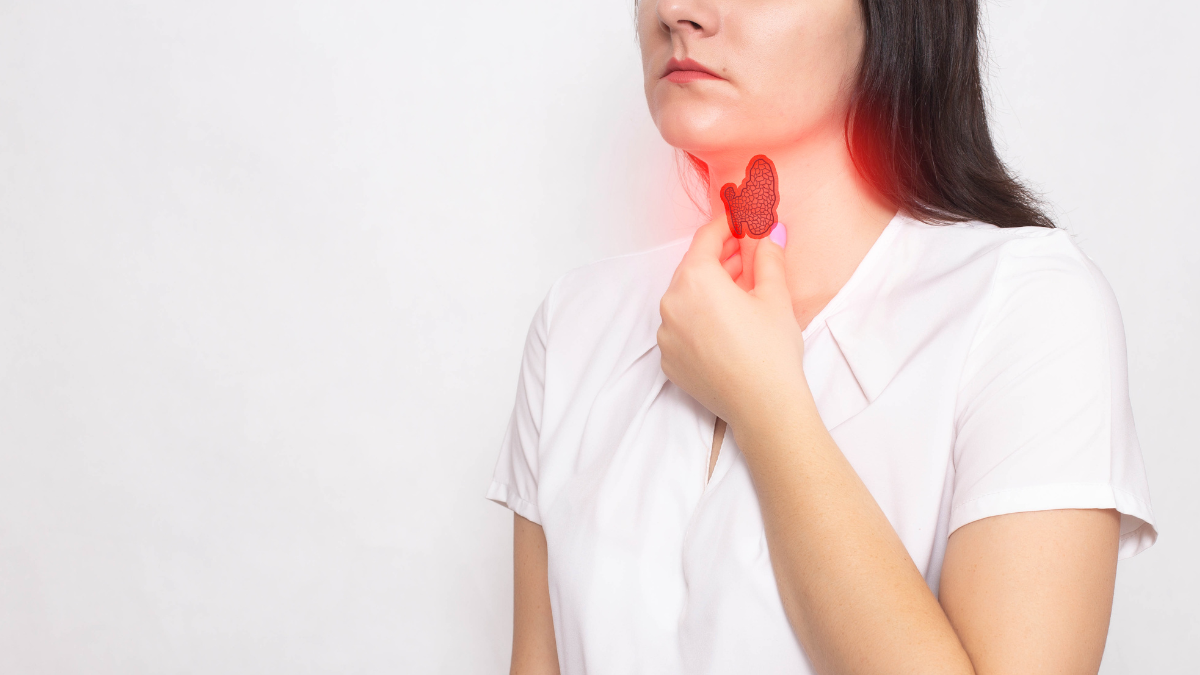
  • Understanding Hypothyroidism: Causes, Symptoms, and Treatment

    Understanding Hypothyroidism: Causes, Symptoms, and Treatment

    Hypothyroidism, an underactive thyroid condition, is characterized by decreased production of thyroid hormones, leading to various symptoms. These include tiredness, weight gain, hoarseness, and increased cholesterol levels.

    People are curious about its symptoms, causes, diagnosis, and treatment. Commonly caused by iodine deficiency or Hashimoto’s thyroiditis, it’s diagnosed through blood tests. Treatment involves synthetic thyroid hormones. Hypothyroidism can impact pregnancy, children’s development, and is linked to mood disorders. Addressing this complex condition through early diagnosis and proper medical management is crucial for overall health.

    Hypothyroidism, also known as underactive thyroid or hypothyreosis, is a condition characterized by reduced production of thyroid hormones by the thyroid gland. This disorder can manifest differently in individuals, leading to varying symptoms.

    Symptoms of Hypothyroidism:

    Common signs of hypothyroidism include fatigue, weight gain, a swollen face, hoarseness, and elevated blood cholesterol levels.

    What People Want to Know:

    • Hypothyroidism TSH level
    • Hypothyroidism symptoms
    • Hypothyroidism vs hyperthyroidism
    • Hypothyroidism due to Hashimoto’s thyroiditis


    Causes of Hypothyroidism:

    Hypothyroidism primarily occurs due to decreased production of thyroid hormones by the thyroid gland. This condition can stem from various factors and underlying causes.

    Diagnosis:

    Diagnosing hypothyroidism often involves specific laboratory tests that are recommended based on the presented symptoms. These tests help healthcare professionals confirm the presence of the condition.

    Common Treatment Options:

    While there is no known cure for hypothyroidism, treatments can effectively manage the condition. One common approach is the prescription of synthetic thyroid hormones.

    Therapeutic Approaches:

    One popular therapy involves hormone therapy using synthetic thyroid hormones, such as Levothyroxine. This treatment aims to regulate the body’s functions by supplementing the deficient thyroid hormones.

    Highlights of Hypothyroidism:

    • Treatment can effectively manage the condition, but there is no cure.
    • Diagnosis requires the expertise of a medical professional.
    • Diagnostic processes may involve lab tests or medical imaging.
    • Hypothyroidism is more commonly observed in individuals aged 60 and older.
    • It is more prevalent among females.
    • A family history of the condition can increase the likelihood of its occurrence.

    Pregnancy and Hypothyroidism:

    Hypothyroidism can significantly impact pregnancy. Even mild or subclinical hypothyroidism can lead to infertility and an increased risk of miscarriage. It’s essential for pregnant individuals with hypothyroidism to receive proper medical attention and care.

    Children and Hypothyroidism:

    Newborns with hypothyroidism may exhibit various symptoms, including drowsiness, poor weight gain, constipation, and more. Normal growth and development may be delayed, leading to intellectual impairment in severe cases. Older children and adolescents may experience fatigue, cold intolerance, muscle weakness, and other symptoms.

    Hypothyroidism can be associated with other medical conditions, such as mood disorders and schizophrenia-spectrum disorders. Screening for these disorders may be necessary in individuals with thyroid illness.

    Causes of Hypothyroidism:

    The condition can result from inadequate thyroid gland function (primary hypothyroidism), insufficient stimulation by thyroid-stimulating hormone from the pituitary gland (secondary hypothyroidism), or inadequate release of thyrotropin-releasing hormone from the brain’s hypothalamus (tertiary hypothyroidism). Worldwide, iodine deficiency and Hashimoto’s thyroiditis are common causes.


    Hypothyroidism is a complex condition that can have significant effects on an individual’s health and well-being. Early diagnosis, appropriate medical management, and adherence to prescribed treatments are essential in mitigating the impact of this disorder. If you have concerns about hypothyroidism, consult medical professionals for accurate information and guidance.

    Read more

    Indian Community in UAE Commemorates Independence Day with Focus on India’s 2047 Goals

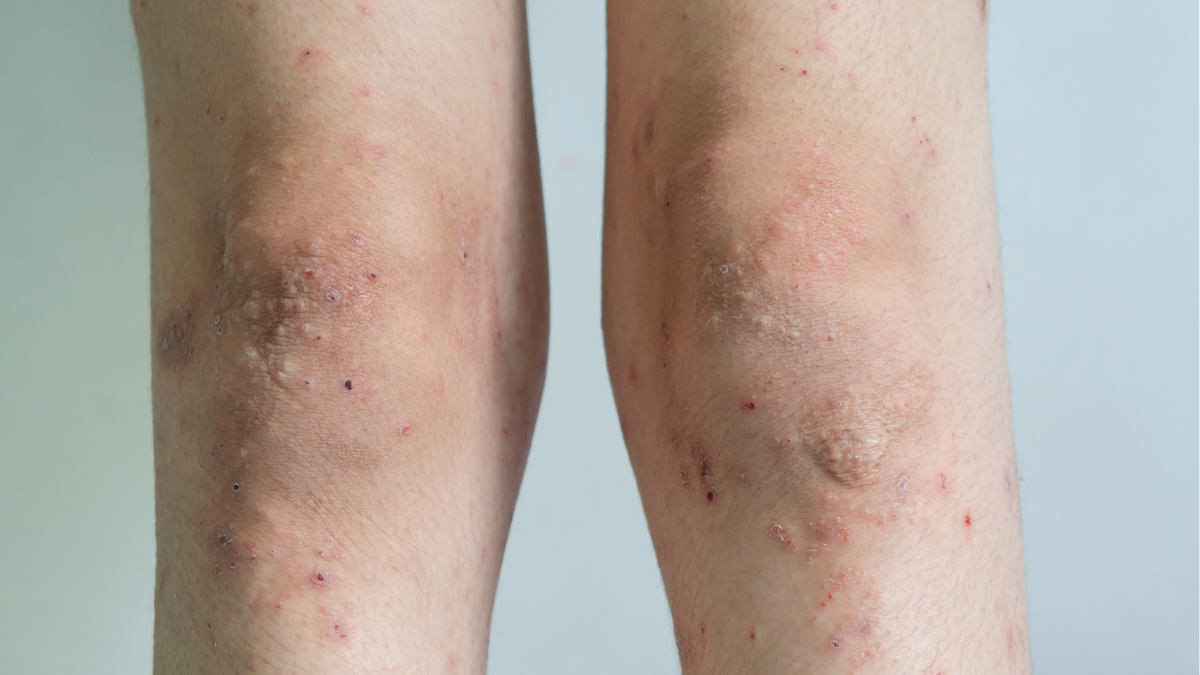
  • Understanding Hives: Causes, Symptoms, and Treatment Options

    Understanding Hives: Causes, Symptoms, and Treatment Options

    This article is all about hives, which are those red, itchy bumps that can show up on your skin due to allergic reactions. They might make you scratch your head. The symptoms include bumpy and itchy rashes. People are curious about things like how to get relief from them and how long they stick around. Hives can happen because of allergies to things like medicines, foods, stress, and more. Figuring out the cause is like solving a little mystery. Doctors use your history and a checkup to figure out what’s going on. To make things better, there are treatments like special medicines to calm down the reaction. Remember, it’s always smart to chat with a doctor for the best advice!

    Hives, also known as urticaria, is a skin condition characterized by red, itchy bumps on the skin resulting from allergic reactions within the body. This article provides an overview of hives, including their symptoms, causes, and available treatments.

    Symptoms Of Hive:

    Hives manifest as itchy rashes and raised bumps on the skin. These red, elevated patches of rash can appear anywhere on the body, with varying sizes and durations. The discomfort ranges from burning sensations to stinging.

    Curiosity and Common Queries:

    People often search for information related to allergic reaction hives, hives on the skin, relief from hives, and the duration of hives.

    Causes of Hives:

    Hives occur due to allergic reactions, but the exact triggers are often unknown. They can be prompted by various factors, including infections, allergies to medications, insect bites, food, stress, cold temperatures, and vibration.

    Diagnosis of Hives:

    Medical professionals diagnose hives through a combination of patient history and physical examination. Patch testing may also be employed to identify specific allergens.

    Available Medications:

    • Antihistamines: These drugs reduce hives symptoms and include options like loratadine, fexofenadine, cetirizine, and desloratadine.
    • Corticosteroids: These help in reducing swelling and itching. Prednisone is a common corticosteroid used for hives treatment.
    • Histamine (H-2) Blockers: These are used when antihistamines are ineffective. Examples include cimetidine, ranitidine, and famotidine.
    • Monoclonal Antibodies: In challenging cases of hives, monoclonal antibodies like omalizumab can be effective.
    • Leukotriene Receptor Antagonists: Drugs like montelukast prevent histamine release from mast cells.

    Hives, or urticaria, is a skin condition characterized by itchy red bumps caused by allergic reactions. While hives can be triggered by various factors, their exact causes are often unknown. Diagnosing hives involves considering patient history and performing physical exams. Effective treatments, including antihistamines, corticosteroids, and other medications, help manage symptoms and provide relief from discomfort. It’s important to consult a medical professional for accurate diagnosis and treatment recommendations.

    Read more

    Invasive Yellow-Legged Hornet Detected in the Wild for the First Time in the United States, Posing Threat to Honeybees

  • Isaiah Bolden, Patriots’ Rookie Cornerback, to Remain Hospitalized Overnight Following Injury

    Isaiah Bolden, Patriots’ Rookie Cornerback, to Remain Hospitalized Overnight Following Injury

    The New England Patriots’ preseason game against the Green Bay Packers took a somber turn on Saturday night as rookie cornerback Isaiah Bolden suffered a concerning injury. Early in the fourth quarter, Bolden absorbed a hit from a teammate that left him immobilized on the field. The severity of the situation led to the suspension of the game and Bolden being placed on a stretcher and carted off the field.

    The Patriots provided an update on Isaiah Bolden’s condition, stating that he had “feeling in all his extremities.” However, as a precaution, he will remain hospitalized in the Green Bay area overnight for observation. An update on his condition is expected by 9 a.m. ET on Sunday.

    Patriots coach Bill Belichick expressed his concern for Isaiah Bolden, saying, “We’re all saying a prayer for Isaiah. Appreciate the way the league handled it. I think that was the right thing to do.” The game’s suspension was a unanimous decision made by both head coaches and team leadership, showing the priority of player safety.

    At the time of the suspension, the Patriots were leading with a score of 21-17. The injury occurred as Bolden was covering a slant pass, colliding with teammate Calvin Munson. The entire Patriots team gathered on the field as medical personnel attended to Bolden, demonstrating the seriousness of the situation.

    Packers coach Matt LaFleur also acknowledged the gravity of the injury, describing it as “a very scary ending to the game.” Despite the competitive nature of the match, both teams agreed that player safety was paramount, leading to the decision to suspend play.

    Patriots players were reminded of a similar incident involving Damar Hamlin from the Buffalo Bills last season, who suffered cardiac arrest on the field during a game. The Patriots’ concern for Bolden’s well-being was evident, with team captain Matthew Slater leading players in a prayer on the field.

    Isaiah Bolden, a seventh-round draft pick from Jackson State, is a young player with promising potential. In 2021, he led the nation in kickoff return average and tied for the FCS lead in kickoff returns for touchdowns. Despite his rookie status, Isaiah Bolden had already made a positive impact on his team, bringing energy and effort to practice.

    The incident came after two days of joint practices between the Patriots and Packers, which had their fair share of tensions and skirmishes. Both teams recognized the need to prioritize the safety and well-being of players, ultimately leading to the suspension of the game.

    As the Patriots await further updates on Isaiah Bolden’s condition, the incident serves as a reminder of the risks involved in professional sports and the importance of maintaining a safe and secure playing environment.

    Read more

    Invasive Yellow-Legged Hornet Detected in the Wild for the First Time in the United States, Posing Threat to Honeybees

  • UAE Extends Visas for Foreign Patients’ Companions: A Necessity Supported by Medical Reports

    UAE Extends Visas for Foreign Patients’ Companions: A Necessity Supported by Medical Reports

    In a significant development, the Federal Authority for Identity, Citizenship, Customs and Port Security (ICP) in the UAE has introduced a provision allowing foreign patients to bring their companions along when seeking medical treatment. This progressive move emphasizes the importance of ensuring a patient’s emotional and physical well-being during their healthcare journey. The ICP’s directive grants foreign patients the opportunity to enter the UAE under the sponsorship of the medical establishment where they are seeking treatment.

    This initiative comes with a valuable provision – the entry permit for the patient’s companion can be extended, albeit once, provided that a duly certified medical report underlines the necessity of the companion’s presence. Such a report should highlight the patient’s need for ongoing treatment and the indispensable role of the companion in aiding the patient’s recovery process within the UAE.

    Taking into account the patient’s specific requirements and ensuring a smooth process, the sponsor, typically a medical establishment, takes the responsibility of processing the entry permits required for the patient and their companion. This facilitation aims to streamline the entry process, eliminating unnecessary barriers for patients seeking medical care in the UAE.

    In Dubai, the General Directorate of Residency and Foreigners Affairs oversees the entry permit issuance process for treatment, ensuring that both public and private medical establishments can sponsor foreigners seeking medical attention. The entry permits come in two variants – single entry and multiple entry – catering to the varied needs of patients and their companions.

    The required documents for processing the entry permit include a copy of the patient’s passport, a letter from a registered hospital explaining the purpose of the visit, along with the patient’s health insurance and financial security details. It is essential for the sponsor to be a hospital licensed and registered in the UAE, ensuring that the patient’s healthcare journey is under the supervision of accredited institutions.

    In Abu Dhabi and the Northern Emirates, the ICP offers an efficient and streamlined process for granting treatment and entry permits through their eChannels platform. This service encompasses the emirates of Abu Dhabi, Sharjah, Ajman, Umm Al Quwain, Ras Al Khaimah, and Fujairah. The ICP issues different types of entry permits for patients and their companions, including single entry and multiple entry treatment visas for individuals and family groups.

    Expanding the focus to the companions of foreign patients in Dubai, the General Directorate of Residency and Foreigners Affairs similarly grants entry permits for these crucial supporters. The permits are categorized into two types – single entry and multiple entries – allowing flexibility to cater to different circumstances.

    The extension of the companion’s entry permit hinges on the endorsement of a duly certified medical report, which confirms the patient’s ongoing treatment requirements and the essential role of the companion. The necessary documents for processing this permit include the companion’s passport copy, health insurance details, and financial security information.

    It is reiterated that the issuance of entry permits is strictly contingent on the medical sponsor being a duly licensed and registered hospital within the UAE. Furthermore, for companions to be eligible for the entry permit extension, they must enter the UAE alongside the patient, holding a similar entry permit.

    The ICP’s commitment to facilitating entry permits for patient companions remains consistent across Abu Dhabi and the Northern Emirates, operating via the efficient eChannels platform. This accessible and well-organized service encompasses a range of entry permit types, reflecting the diverse needs of both patients and their accompanying companions. As the UAE continues to make strides in healthcare and hospitality, this provision stands as a testament to the nation’s dedication to comprehensive and compassionate medical care.

    Read more

    Madonna’s 65th Birthday: A Dive into Her Enchanting Music Journey