Category: Health

Stay informed and prioritize your well-being with GulfInsight360.com’s Health category. Discover a wide range of articles, news, and insights dedicated to all aspects of health, including physical fitness, mental wellness, nutrition, medical advancements, and lifestyle choices. From expert advice to personal stories, our Health category offers valuable resources to help you make informed decisions and lead a healthy, balanced life. Explore topics such as exercise, nutrition, disease prevention, mental health, and more, and embark on a journey towards a happier and healthier you.

  • Tamil Actor Vijay Antony’s Daughter Tragically Passes Away at Chennai Home

    Tamil Actor Vijay Antony’s Daughter Tragically Passes Away at Chennai Home

    Tragedy Strikes: 16-Year-Old Daughter of Tamil Actor Vijay Antony Takes Her Own Life

    Chennai, India: In a heart-wrenching incident, the 16-year-old daughter of Tamil Actor and music composer Vijay Antony tragically took her own life in the early hours of Tuesday, leaving her family and the entire entertainment industry in shock and grief.

    The young girl, identified as Meera, was a student in Class 12 at a private school in Chennai. The incident occurred at her residence in Alwarpet, a residential area in Chennai, around 3 a.m. The local police were alerted to the incident, and they have initiated an investigation into the matter.

    At this stage, police officers are diligently searching her room to determine whether Meera left behind a suicide note, which might shed light on the reasons behind this devastating decision.

    According to initial reports and statements from relatives, the teenager had been battling depression and was actively undergoing treatment for her mental health condition. The news of her untimely passing has sent shockwaves through the community, highlighting the critical issue of mental health awareness and support, especially among young people.

    This heartbreaking incident serves as a poignant reminder of the importance of mental health awareness, support, and early intervention. It is essential that individuals experiencing mental health challenges receive the care and assistance they need to prevent such devastating outcomes.

    The Tamil film industry and the broader community are expressing their condolences to Vijay Antony and his family during this difficult time. This tragic event has brought to the forefront the need for open conversations about mental health and support systems for those who may be struggling silently.

    As the investigation continues, our thoughts and sympathies are with the family, friends, and loved ones of Meera as they navigate this unimaginable loss.


    Impact of Children’s Mental Health on Parents’ Well-Being: A Growing Crisis

  • Understanding and Managing Seven Common Sleep Disorders

    Understanding and Managing Seven Common Sleep Disorders

    Sleep is essential for our overall health and well-being. It allows our bodies and minds to rest and repair themselves. When we don’t get enough sleep, we can experience a range of negative consequences, including fatigue, irritability, difficulty concentrating, and increased risk of accidents and injuries.

    Parasomnias are sleep disorders that involve abnormal behaviors or experiences during sleep. Some examples of parasomnias include sleepwalking, sleeptalking, and nightmares.

    There are a number of things that you can do to manage sleep disorders, including:

    • Establish a regular sleep schedule and stick to it as much as possible, even on weekends.
    • Create a relaxing bedtime routine.
    • Make sure your bedroom is dark, quiet, and cool.
    • Avoid caffeine and alcohol before bed.
    • Get regular exercise, but avoid exercising too close to bedtime.
    • See a doctor if you have trouble sleeping for more than two weeks.

    If you have a sleep disorder, there are a number of treatments that can help. Depending on the type of sleep disorder you have, your doctor may recommend lifestyle changes, medication, or therapy.

    Here are some additional tips for managing seven common sleep disorders:

    • Insomnia: Insomnia is the most common sleep disorder. It is characterized by difficulty falling asleep, staying asleep, or waking up too early and not being able to get back to sleep. Try relaxation techniques such as deep breathing or meditation before bed. Establish a regular sleep schedule and stick to it as much as possible, even on weekends. Avoid caffeine and alcohol before bed. 
    • OSA: OSA is a condition in which breathing is repeatedly interrupted during sleep. This can lead to snoring, gasping for air, and daytime fatigue. Lose weight if you are overweight or obese. Avoid smoking and excessive alcohol consumption. Sleep on your side or stomach instead of your back.
    • RLS: RLS is a neurological disorder that causes an irresistible urge to move the legs, usually in the evening or at night. Exercise regularly, but avoid exercising too close to bedtime. Avoid caffeine and alcohol before bed. Take a warm bath or shower before bed.
    • Narcolepsy: Narcolepsy is a chronic sleep disorder that causes excessive daytime sleepiness and sudden, uncontrollable attacks of sleep. Get regular exercise, but avoid exercising too close to bedtime. Avoid caffeine and alcohol. Take naps during the day, but keep them short (no more than 30 minutes).
    • SWSD: SWSD is a sleep disorder that affects people who work irregular or rotating shifts. It can cause difficulty sleeping during the day and/or excessive daytime sleepiness. Try to keep a regular sleep schedule, even on days off. Get some exposure to bright light during the day. Avoid caffeine and alcohol before bed.
    • Circadian rhythm sleep disorders: Circadian rhythm sleep disorders are a group of sleep disorders that are caused by a disruption to the body’s natural sleep-wake cycle. This can lead to difficulty falling asleep, staying asleep, or waking up too early. Try to get some exposure to bright light during the day. Avoid caffeine and alcohol before bed. Establish a regular sleep schedule and stick to it as much as possible, even on weekends.
    • Parasomnias: Parasomnias are sleep disorders that involve abnormal behaviors or experiences during sleep. Some examples of parasomnias include sleepwalking, sleeptalking, and nightmares. Make sure your bedroom is safe. Avoid caffeine and alcohol before bed. Establish a regular sleep schedule and stick to it as much as possible, even on weekends.

    If you have any concerns about your sleep, please talk to your doctor. They can help you determine if you have a sleep disorder and recommend the best course of treatment.


    In an era of fast-paced lives and an “always-on” society, the importance of quality sleep often takes a backseat. Sleep disorders can profoundly impact our daily lives and overall health, making it crucial to address them. Stress, anxiety, global events, and financial concerns have exacerbated these sleep-related challenges for many individuals. To shed light on these issues, Get Laid Beds, a luxury wooden bed manufacturer, collaborated with sleep expert Doctors to identify and explain the seven most commonly Googled sleep problems in the UK and offer guidance on how to manage them effectively.

    1. Sleep Apnoea (110,000 monthly searches)

    Sleep apnea is a prevalent condition affecting approximately one in eight UK adults, with many being unaware of it. It occurs due to a loss of muscle tone in the throat and upper airways, causing breathing to halt for up to 30 seconds, followed by a startled awakening. Effective treatments include lifestyle changes such as quitting smoking, weight loss, and addressing acid reflux. Mandibular devices or continuous positive airway pressure (CPAP) machines are often recommended for managing sleep apnoea.

    2. Insomnia (74,000 monthly searches)

    Insomnia is a multifaceted condition linked to stress, anxiety, and depression, often triggered by life events like work-related stress, relationship problems, or bereavement. Practical steps to alleviate insomnia include creating a comfortable sleeping environment in a cool, dark room, establishing a consistent sleep routine, and embracing natural light exposure upon waking. In cases where sleep disturbances persist, seeking professional guidance, including cognitive-behavioral therapy (CBT), is advisable, as sleeping pills are typically not recommended.

    3. Restless Leg Syndrome (49,500 monthly searches)

    Restless Leg Syndrome (RLS) manifests as an irresistible urge to move one’s legs at night, accompanied by sensations like pricking or crawling. Though the cause remains unknown, lifestyle changes can help manage RLS. Avoiding alcohol, caffeine, and smoking, as well as engaging in regular physical exercise, have shown positive effects. Compression socks are another option for alleviating RLS symptoms.

    4. Narcolepsy (33,000 monthly searches)

    Narcolepsy, characterized by excessive daytime sleepiness, cataplexy, sleep paralysis, hypnagogic hallucinations, and insomnia, is linked to lower levels of hypocretin in the brain. Managing narcolepsy involves adhering to sleep hygiene practices, avoiding triggers like alcohol and caffeine, engaging in regular physical activity, and refraining from sedatives. Medications like dexamphetamine, methylphenidate, or antidepressants may also be prescribed by a sleep physician.

    5. Delayed Sleep Phase Syndrome (1,900 monthly searches)

    Delayed Sleep Phase Syndrome (DSPS) results in a delay of approximately two hours in falling asleep after bedtime. It differs from being a night owl, where one voluntarily stays awake late. DSPS can be addressed by gradually shifting bedtime by two hours every five or six days and using a lightbox upon waking to reset the Circadian body clock.

    6. Shift Work Sleep Disorder (390 monthly searches)

    Shift Work Sleep Disorder (SWSD) is common among shift workers who struggle to sleep during the day due to misaligned Circadian rhythms. To mitigate SWSD, workers are advised to limit consecutive night shifts to five, take a minimum of 48 hours off before starting a new shift cycle, avoid sunlight after night shifts, and nap before commencing a night shift. Additionally, refraining from caffeine in the hours leading up to bedtime can be beneficial.

    7. REM Sleep Behavior Disorder (210 monthly searches)

    REM Sleep Behavior Disorder occurs when individuals act out their dreams during REM sleep due to the lack of muscle paralysis, which typically occurs during this phase. While the exact cause is unknown, it often precedes the diagnosis of neurological conditions like Parkinson’s Disease or Lewy Body dementia. Treatment options include melatonin, prescribed by a sleep physician, or clonazepam. To prevent nighttime injuries, bedrooms should be modified to remove potential hazards.

    Understanding these sleep disorders and implementing the recommended strategies can contribute to improved sleep quality, better health, and enhanced productivity in daily life. Doctors emphasized the significance of managing sleep disorders to maximize overall well-being and productivity.

    Your Queries Answered:

    Q: What are the seven most common sleep disorders?

    A: The seven most common sleep disorders are:

    • Insomnia
    • Obstructive sleep apnea (OSA)
    • Restless legs syndrome (RLS)
    • Narcolepsy
    • Shift work sleep disorder (SWSD)
    • Circadian rhythm sleep disorders
    • Parasomnias

    Q: What are the symptoms of insomnia?

    A: The symptoms of insomnia include:

    • Difficulty falling asleep
    • Difficulty staying asleep
    • Waking up too early and not being able to get back to sleep
    • Daytime fatigue

    Q: What are the symptoms of obstructive sleep apnea (OSA)?

    A: The symptoms of OSA include:

    • Snoring
    • Gasping for air during sleep
    • Daytime fatigue
    • Morning headaches
    • Difficulty concentrating

    Q: What are the symptoms of restless legs syndrome (RLS)?

    A: The symptoms of RLS include:

    • An irresistible urge to move the legs, usually in the evening or at night
    • Unpleasant sensations in the legs that are relieved by movement
    • Difficulty falling asleep or staying asleep

    Q: What are the symptoms of narcolepsy?

    A: The symptoms of narcolepsy include:

    • Excessive daytime sleepiness
    • Sudden, uncontrollable attacks of sleep
    • Cataplexy (a sudden loss of muscle control triggered by strong emotions)
    • Hypnagogic hallucinations (dreamlike images or experiences that occur while falling asleep)
    • Hypnopompic hallucinations (dreamlike images or experiences that occur while waking up)

    Q: What are the symptoms of shift work sleep disorder (SWSD)?

    A: The symptoms of SWSD include:

    • Difficulty sleeping during the day
    • Excessive daytime sleepiness
    • Gastrointestinal problems
    • Mood swings
    • Difficulty concentrating

    Q: What are the symptoms of circadian rhythm sleep disorders?

    A: The symptoms of circadian rhythm sleep disorders include:

    • Difficulty falling asleep or staying asleep at the desired times
    • Excessive daytime sleepiness or fatigue
    • Difficulty concentrating
    • Gastrointestinal problems
    • Mood swings

    Q: What are the symptoms of parasomnias?

    A: Parasomnias are a group of sleep disorders that involve abnormal behaviors or experiences during sleep. Some examples of parasomnias include:

    • Sleepwalking
    • Sleep talking
    • Nightmares
    • Sleep terrors
    • Sleep eating disorder

    Q: What are some lifestyle changes that I can make to improve my sleep?

    A: There are a number of lifestyle changes that you can make to improve your sleep, including:

    • Establish a regular sleep schedule and stick to it as much as possible, even on weekends.
    • Create a relaxing bedtime routine.
    • Make sure your bedroom is dark, quiet, and cool.
    • Avoid caffeine and alcohol before bed.
    • Get regular exercise, but avoid exercising too close to bedtime.

    Q: What are some medical treatments for sleep disorders?

    A: There are a number of medical treatments for sleep disorders, depending on the type of sleep disorder you have. Some common treatments include:

    • Insomnia: Medication, therapy, or a combination of both.
    • OSA: Continuous positive airway pressure (CPAP) therapy, surgery, or a combination of both.
    • RLS: Medication, exercise, or a combination of both.
    • Narcolepsy: Medication, lifestyle changes, or a combination of both.
    • SWSD: Light therapy, medication, or a combination of both.
    • Circadian rhythm sleep disorders: Light therapy, medication, or a combination of both.
    • Parasomnias: Medication, therapy, or a combination of both.

    Q: What should I do if I think I have a sleep disorder?

    A: If you think you have a sleep disorder, talk to your doctor. They can help you determine if you have a sleep disorder and recommend the best course of treatment.


    Emirates Responds to Increased Demand with Extra Flights for Saudi National Day

  • Gulf Medical University Welcomes 666 New Health Professionals in 25th White Coat Ceremony

    Gulf Medical University Welcomes 666 New Health Professionals in 25th White Coat Ceremony

    The Gulf Medical University (GMU) celebrated its 25th White Coat Ceremony with great enthusiasm as it welcomed 666 new health professionals into its academic fold. This time-honored tradition took place at the Al Jurf (Ajman) Campus on September 13, marking the initiation of the 2023 cohort of students across GMU’s six colleges.

    The White Coat Ceremony holds profound significance as it symbolizes the students’ commitment to patient care. During the event, students publicly pledged their dedication, taking their oaths in the presence of their families, distinguished leaders, and fellow peers.

    Dr. Thumbay Moideen, the founder and president of Thumbay Group, graced the ceremony as the chief guest. He was joined by vice-chancellors, deans, and Prof. Hossam Hamdy, the university’s chancellor. Dr. Moideen delivered an inspiring address to the incoming students, emphasizing the pivotal role GMU would play in nurturing their journey toward becoming healthcare leaders. He expressed his congratulations to the new batch of health professions students and highlighted the institution’s commitment to supporting their career aspirations.

    This year’s incoming cohort of 666 students joins GMU’s diverse international community, representing 102 nationalities. They will pursue a wide range of medical and healthcare courses across the university’s six colleges. Notably, this academic year introduces a significant milestone with the incorporation of a course on artificial intelligence (AI) in healthcare across all programs. This addition allows students to delve into the cutting-edge world of AI and its profound implications for the healthcare industry alongside their core academic pursuits.

    The White Coat Ceremony saw students from various programs, including Bachelor of Medicine and Bachelor of Surgery (MBBS), Bachelor of Biomedical Sciences (BBMS), Associate Degree in Pre-Clinical Sciences (ADPCS), Doctor of Dental Medicine (DMD), Doctor of Pharmacy (PharmD), Bachelor of Physiotherapy (BPT), Bachelor of Science – Medical Laboratory Sciences (BSc MLS), Bachelor of Science – Medical Imaging Sciences (BSc MIS), Bachelor of Science – Anesthesia Technology (BSc AT), Bachelor of Science in Nursing (BSN), and Bachelor of Science in Healthcare Management and Economics (BSc HME), donning their white coats. In addition to the new admissions, GMU welcomed 81 students for various internship programs.

    Prof. Hossam Hamdy, the university’s chancellor, reminded the incoming students that they are part of the historic class of 2023. He emphasized the importance of effective communication in the field of healthcare, highlighting its enduring significance in connecting with patients, fellow students, healthcare providers, and medical educators. Prof. Hamdy stressed that the ability to communicate, establish connections, interact, and empathize would remain a fundamental aspect of educating healthcare professionals.

    Furthermore, Prof. Hossam Hamdy underscored the importance of collaboration and teamwork in modern medical practice. He noted that the role of healthcare professionals has expanded beyond individual doctors caring for patients. Instead, they are integral members of a collective team that harnesses the combined expertise of various professionals within the healthcare system. Developing teamwork skills, Prof. Hamdy explained, is a vital competency that students must cultivate during their academic journey and throughout their professional careers.

    GMU’s commitment to academic excellence and innovation in healthcare was recognized during the ceremony. The university has collaboration agreements with 68 top international universities across Europe, the United States, Japan, and the Far East, providing students with opportunities for training abroad. Additionally, GMU offers merit-based scholarships to deserving students.

    Dr. Manda, vice chancellor of academics and dean of the College of Medicine, highlighted GMU’s remarkable achievements. The university recently received the prestigious ‘Excellence in Research’ award from the Ministry of Health and Prevention (MoHP) of the UAE. GMU has consistently ranked among the top 10 institutions in the country for its contributions to health research, affirming its academic excellence and innovations in healthcare.

    Over the past 24 years, GMU has witnessed the graduation of more than 3,000 students who have gone on to achieve successful positions, including CEOs, COOs, medical directors, and department heads in the healthcare and research sectors across the Middle East, Africa, South Asia, Europe, North America, and Australia. GMU’s graduates are internationally recognized and have access to employment opportunities through partnerships with over 70 foreign universities and research institutions.

    GMU embraces cutting-edge technology to enhance the learning experience of its students. The Virtual Patient Learning (VPL) platform, developed by the university, and the recently launched 3D classroom, which leverages Artificial Intelligence and Virtual Reality, offer interactive and immersive learning experiences for GMU students.

    As the only private Academic Health System (AHS) in the region, GMU is uniquely positioned to integrate healthcare, education, and research. The Thumbay Medicity, a state-of-the-art healthcare complex that includes Thumbay Dental Hospital, Thumbay Rehabilitation and Physical Therapy Hospital, and Thumbay University Hospital, operates under GMU’s umbrella. GMU’s advanced research facility, the Thumbay Research Institute for Precision Medicine (TRIPM), focuses on real-time cancer and diabetes research, with findings incorporated into postgraduate studies. This transformation into a research-based university reaffirms GMU’s commitment to advancing healthcare and education in the region.


    Apple Unveils iPhone 15 Pro and iPhone 15 Pro Max: A Quantum Leap in Smartphone Innovation

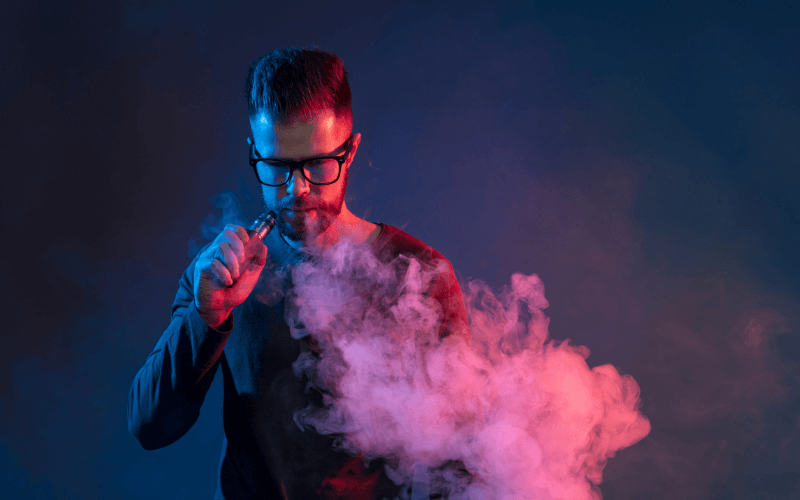
  • Vaping Could Shrink Testicles and Reduce Sperm Count, Study Finds

    Vaping Could Shrink Testicles and Reduce Sperm Count, Study Finds

    A new study published in the journal Human Reproduction has found that vaping could have a negative impact on male fertility. The study, which was conducted by researchers at the University of California, San Francisco, found that men who vaped had smaller testicles and lower sperm counts than men who did not vape.

    The study involved 450 men, of whom 150 were current vapers, 150 were former vapers, and 150 had never vaped. The researchers measured the size of the men’s testicles and their sperm counts. They also asked the men about their vaping habits and their health history.

    The researchers found that the men who vaped had significantly smaller testicles than the men who did not vape. The average testicle size of the vapers was 1.75 milliliters, compared to 2.06 milliliters for the men who did not vape. The vapers also had lower sperm counts, with an average of 15 million sperm per milliliter of semen, compared to 22 million sperm per milliliter for the men who did not vape.

    The researchers believe that the chemicals in e-cigarettes could be responsible for the negative effects on male fertility. These chemicals can damage the DNA of sperm cells, which can lead to infertility.

    The study’s findings are a further warning about the dangers of vaping. Vaping is often marketed as a safer alternative to smoking, but this study suggests that it may have serious health consequences, including a negative impact on fertility.

    Tips to Stop Vaping:

    If you are addicted to vaping, there are a number of things you can do to quit:

    • Talk to your doctor. They can help you develop a plan to quit vaping and provide support.
    • Join a support group. There are many support groups available for people who are trying to quit vaping.
    • Use nicotine replacement therapy. Nicotine replacement therapy can help to reduce cravings and withdrawal symptoms.
    • Set a quit date and stick to it. Once you have set a quit date, make sure to avoid vaping on that day.
    • Be patient. Quitting vaping is not easy, but it is possible. Be patient with yourself and don’t give up if you slip up.

    If you are struggling to quit vaping, please reach out for help. There are many resources available to you.

    Here are some more details about this article:

    • “What is vaping?”
      • Vaping is the act of inhaling and exhaling the vapor produced by an electronic cigarette or other vaping device. E-cigarettes are battery-powered devices that heat a liquid, usually containing nicotine, flavorings, and other chemicals, to produce the vapor.
    • “Is vaping safe?”
      • Vaping is generally considered to be less harmful than smoking cigarettes, but it is not without its risks. The long-term health effects of vaping are still unknown, but there is some evidence that it can damage the lungs and lead to other health problems.
    • “How does vaping work?”
      • An electronic cigarette typically consists of a battery, a heating element, a cartridge or pod containing the liquid, and a mouthpiece. When the user inhales, the battery powers the heating element, which vaporizes the liquid. The vapor is then inhaled into the lungs.
    • “What are the different types of vaping devices?”
      • There are many different types of vaping devices available, including disposable e-cigarettes, refillable e-cigarettes, and pod-based systems. Disposable e-cigarettes are the simplest type of device and are designed to be used one time only. Refillable e-cigarettes allow users to change the liquid in the cartridge, while pod-based systems use pre-filled pods that are not designed to be refilled.
    • “What are the different types of e-liquids?”
      • E-liquids come in a variety of flavors, including tobacco, menthol, fruit, and candy flavors. They also come in different nicotine strengths, from zero nicotine to high nicotine.
    • “How much does vaping affect sperm count?”
      • The study found that men who vaped had significantly lower sperm counts than men who did not vape. The average sperm count for the vapers was 15 million sperm per milliliter of semen, compared to 22 million sperm per milliliter for the men who did not vape.
    • “Can I still have kids if I vape?”
      • It is possible to have kids if you vape, but it is more difficult. The chemicals in e-cigarettes can damage the DNA of sperm cells, which can lead to infertility.
    • “How can I quit vaping?”
      • There are a number of things you can do to quit vaping:
        • Talk to your doctor. They can help you develop a plan to quit vaping and provide support.
        • Join a support group. There are many support groups available for people who are trying to quit vaping.
        • Use nicotine replacement therapy. Nicotine replacement therapy can help to reduce cravings and withdrawal symptoms.
        • Set a quit date and stick to it. Once you have set a quit date, make sure to avoid vaping on that day.
        • Be patient. Quitting vaping is not easy, but it is possible. Be patient with yourself and don’t give up if you slip up.

    Impact of Immersive Technologies in the Metaverse: Real-World Transformations

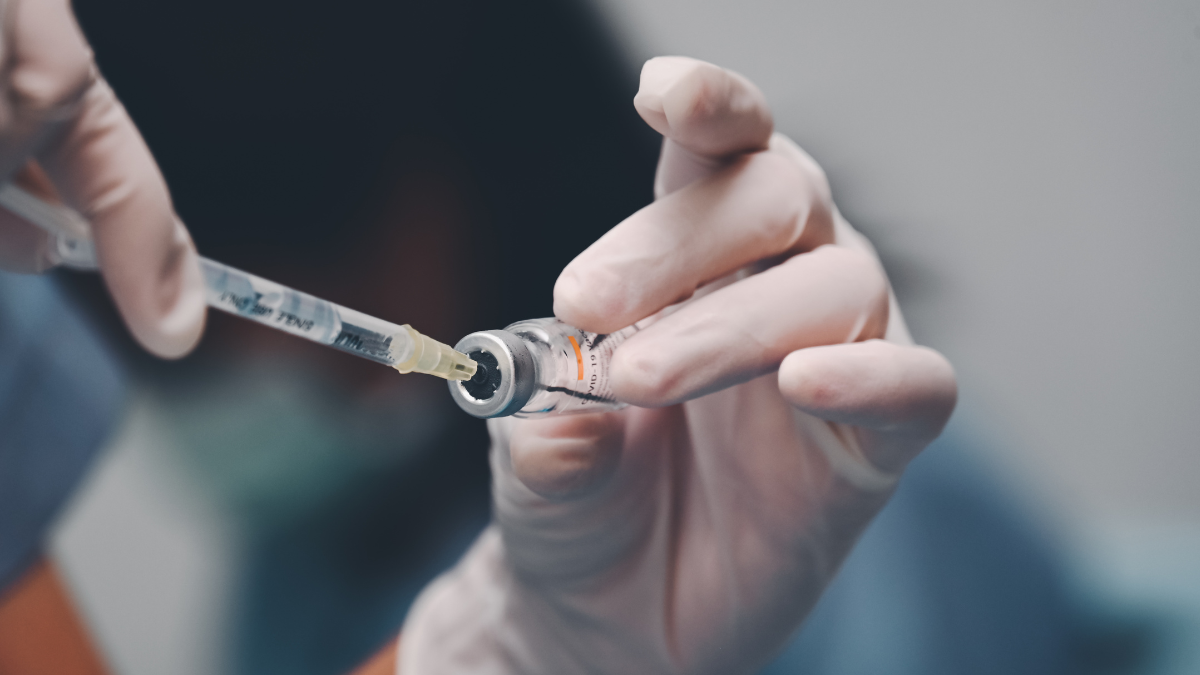
  • Sharjah’s Seasonal Influenza Vaccination Campaign for Senior Citizens and People with Disabilities

    Sharjah’s Seasonal Influenza Vaccination Campaign for Senior Citizens and People with Disabilities

    In a dedicated effort to safeguard the health of senior citizens and individuals with disabilities residing in the Emirate of Sharjah, the Sharjah Social Services Department (SSSD) is set to launch an essential seasonal influenza vaccination campaign on Monday, 9/11/2023. This vital initiative will extend its services throughout the entirety of the winter season.

    Kholoud Al Ali, the Director of the Seniors Services Center, has shared that the primary objective of this year’s campaign is to administer vaccinations to 2,000 individuals within the comfort of their homes. Notably, the Department of Social Services’ 800700 helpline reported that 1,155 individuals received the influenza immunization during the preceding year.

    The Department of Social Services in Sharjah, along with its affiliated regions, including Al Dhaid City, Al Hamriyah, Al Madam, Al Bataeh, Kalba, Khorfakkan, Dibba Al Hisn, and Al Mleiha, has approved a comprehensive database for the vaccination initiative. This database meticulously records vital information about the elderly and individuals with disabilities, encompassing their health profiles, existing medical conditions, and their current health status.

    Kholoud Al Ali has underscored that the department conducts this annual campaign as part of its unwavering commitment to promoting the well-being of elderly and disabled residents. The overarching goal of SSSD is to provide free seasonal influenza vaccinations to all senior citizens and disabled individuals across the Emirate of Sharjah. This outreach is made possible through the dedicated efforts of the home care team, which conducts essential home visits. She emphasized that the vaccination program for senior citizens is perfectly aligned with the department’s overarching mission and its collaborative partnerships to implement initiatives that serve and protect the elderly population in the comfort of their homes.

    The seasonal influenza vaccination campaign in Sharjah represents a crucial healthcare initiative aimed at enhancing the health and quality of life for senior citizens and individuals with disabilities. The campaign’s proactive approach ensures that these vulnerable populations receive the necessary protection against seasonal influenza from the comfort and safety of their homes.

    Kholoud Al Ali reiterated the importance of the campaign, emphasizing its role in mitigating health risks associated with influenza, especially among elderly and disabled individuals who may face greater susceptibility to infections. The convenience of home-based vaccinations eliminates barriers that may hinder these individuals from accessing vital healthcare services.

    The campaign is an integral component of Sharjah’s commitment to prioritizing the well-being and health of its residents, particularly those who may face challenges in seeking medical care outside their homes. By extending this vaccination outreach to encompass a wide range of areas in Sharjah and its affiliated regions, the Department of Social Services ensures that vulnerable populations are comprehensively covered.

    As part of the campaign’s strategy, the SSSD will mobilize its home care team, comprised of dedicated healthcare professionals, to visit the homes of senior citizens and individuals with disabilities. This approach not only simplifies the vaccination process but also promotes a sense of safety and comfort for those receiving the immunization.

    Kholoud Al Ali acknowledged the collaborative efforts of SSSD’s partners in delivering this essential healthcare service to the community. By working in conjunction with various stakeholders, including government agencies and healthcare providers, the department can efficiently execute its mission of providing vital vaccinations to those in need.

    In conclusion, the launch of Sharjah‘s seasonal influenza vaccination campaign is a testament to the emirate’s commitment to the health and well-being of its senior citizens and individuals with disabilities. Through this campaign, Sharjah aims to protect its vulnerable populations by ensuring access to crucial healthcare services in the most convenient and accessible manner—right in the comfort of their own homes. The campaign underscores the value of proactive healthcare initiatives in promoting community health and safety.

    Read more

    Ukrainian Army Receives Shipment of American Anti-Tank Missiles

  • NHRI’s Active Participation in the International Conference on ‘The Right to a Healthy Environment’

    NHRI’s Active Participation in the International Conference on ‘The Right to a Healthy Environment’

    The National Human Rights Institution (NHRI) delegation, led by Maqsoud Kruse, Chairperson of NHRI, enthusiastically participated in the international conference on “The Right to a Healthy Environment” held in Bahrain on September 6th, 2023.

    This significant conference, meticulously organized by the National Institution for Human Rights (NIHR) in Bahrain, witnessed extensive regional and international participation. The central theme of the event was “The Impact of Human Activity on the Right to a Healthy and Clean Environment: Practices, Challenges, and Solutions.”

    The conference unfolded through four informative sessions, each delving into the intricacies of legislation and general concepts associated with the right to a healthy environment and human rights. It also cast a spotlight on the commendable efforts of national human rights institutions in advancing environmental rights and underscored the pivotal role of official entities in safeguarding this fundamental right. Furthermore, deliberations revolved around human activities, providing innovative solutions and recommendations to safeguard biodiversity and bolster environmental rights.

    Throughout the conference, the critical significance of preserving a healthy and clean environment was continually emphasized. It sought to elevate awareness concerning the profound impact of human activities on human rights linked to the environment. A resounding call was made for a human rights-based approach to preempt and mitigate negative environmental consequences. Moreover, the event offered invaluable insights by delving into the experiences of national institutions, governmental and non-governmental organizations, and countries, all united in their dedication to the protection of environmental rights. It tackled current practices and challenges associated with preserving the right to a conducive environment while proposing innovative solutions in this regard.

    The distinguished NHRI delegation comprised several eminent members, each contributing their expertise to the discourse. Fatima Al Kaabi, Deputy Chairperson, played a vital role, as did Dr. Ahmed Al Mansoori, who leads the Promotion of Human Rights Culture Committee. Ameirah Al Seraidi, Head of the Economic, Social, Cultural, and Environmental Rights Committee, brought her extensive knowledge to the table. Dr. Zayed Al Shamsi, Head of the Legal and Legislative Affairs Committee, shared valuable insights. Amro Al Qahtani, Manager of the Chairperson’s Office, and Fajr Al Haidan, Head of the Executive Affairs Section at the Chairperson’s Office, played pivotal roles in facilitating the delegation’s participation.

    Not to be overlooked, Abdulaziz Alawbathani, Head of the International and Regional Organisations Department, made a significant contribution, as did Fatima Al Hosni, Head of the International Relations and Communications Department, who played a key role in ensuring effective communication and collaboration with international partners.

    In summary, the NHRI‘s active and thoughtful participation in the international conference on “The Right to a Healthy Environment” in Bahrain exemplifies their unwavering commitment to advancing environmental rights and human rights on a global scale. The event served as a platform for meaningful dialogue and collaborative efforts to address the critical challenges facing our environment today.

    Read more

    Ukrainian Army Receives Shipment of American Anti-Tank Missiles

  • Capitol Hill Doctor Debunks: No Evidence of Mitch McConnell’s Seizure Disorder or Stroke During Camera Freeze

    Capitol Hill Doctor Debunks: No Evidence of Mitch McConnell’s Seizure Disorder or Stroke During Camera Freeze

    The Capitol’s attending physician, Brian Monahan, has released a new letter confirming that there is no evidence of Senate GOP Leader Mitch McConnell having a seizure disorder, stroke, or movement disorder such as Parkinson’s disease.

    McConnell experienced two recent health scares in front of TV cameras, raising concerns about his ability to continue his position as the leader of the Senate GOP Conference. Mitch McConnell was evaluated by four neurologists following his most recent episode in Covington, Kentucky last week. Monahan conducted various evaluations, including brain MRI imaging and a test that measures electrical imaging in the brain, all of which showed no evidence of any serious health conditions.

    On Tuesday, Dr. Sanjay Gupta explained that although the tests Mitch McConnell underwent were detailed and significant, they cannot definitively rule out a seizure. Gupta noted that someone could have a seizure at a later time even if their EEG results are normal. However, Mitch McConnell’s test results provide valuable information about his health at the time they were conducted.


    Mitch McConnell addressed the freezing episode during his floor remarks, mentioning that it has received a fair share of attention in the press. He assured everyone that August had been a busy and productive month for him and his staff back in Kentucky. Mitch McConnell is expected to discuss his health during a closed door conference meeting with Republican senators on Wednesday, where he will have the opportunity to address any concerns they may have.


    Members of the Senate GOP leadership team dismissed worries about Mitch McConnell’s health during their weekly meeting, expressing their full support for him. When asked if he supports McConnell staying as leader in the next Congress, Senate GOP Whip John Thune stated that he did not want to speculate about that but emphasized his support for McConnell.


    The exact cause of McConnell’s freezing episodes remains unclear. His office previously attributed them to “lightheadedness,” and Monahan had mentioned in a previous letter that lightheadedness is common for concussed individuals. McConnell suffered a concussion and broken ribs after falling at a Washington hotel in March, which kept him out of the Senate for nearly six weeks.


    As the Senate returns from recess, questions about McConnell’s ability to continue leading his conference arise among GOP senators. While he is expected to remain leader for the current Congress, concerns grow about his future in the next Congress starting in 2025.


    Despite these concerns, GOP senators such as Susan Collins and Mitt Romney believe McConnell is fully capable of handling his duties. Collins stated that she spoke to McConnell the day after the recent episode and he sounded fine, assuring her that he is prepared for the resumption of business. Romney mentioned that even if McConnell experiences brief checkouts, he still does an excellent job for the rest of the time.


    However, not all GOP senators are satisfied with McConnell’s explanation. Rand Paul called the dehydration diagnosis inadequate and suggested that McConnell’s previous concussion has not yet fully healed. Tommy Tuberville expressed similar concerns and said that he wants to hear from McConnell during the full conference meeting to determine if he is able to fulfill his role as leader. Tuberville drew a parallel to his experience as a football coach, stating that players are not allowed back in the game until they have completely recovered from a concussion.


    In conclusion, according to the latest statement from the Capitol physician, there is no evidence to suggest that McConnell has a seizure disorder, stroke, or movement disorder. McConnell underwent thorough evaluations and tests, which showed no evidence of any serious health conditions. While concerns remain among some GOP senators, others believe that McConnell is fully capable of continuing his leadership role in the Senate. The issue is likely to be discussed further during the upcoming conference meeting.

    Read more

    Ukrainian Army Receives Shipment of American Anti-Tank Missiles

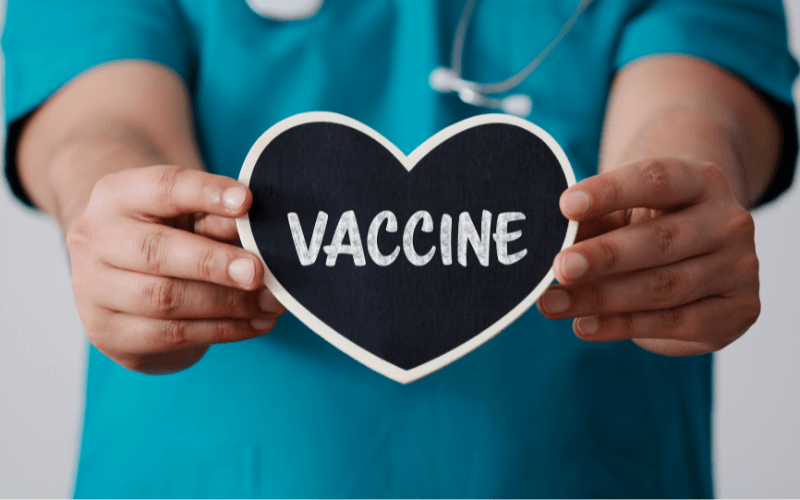
  • Influenza Vaccine: What You Need to Know

    Influenza Vaccine: What You Need to Know

    Influenza, commonly known as the flu, is a respiratory illness caused by influenza viruses. It can cause mild to severe illness, and at times can lead to death. The best way to protect yourself from the flu is to get vaccinated.

    The flu vaccine is the best way to protect yourself from the flu. It is safe and effective, and it can help you stay healthy all flu season long. If you have any questions about the flu vaccine, talk to your doctor.

    How does the flu vaccine work?

    The flu vaccine helps your body develop immunity to the flu. When you get vaccinated, your body is exposed to a weakened or inactive form of the flu virus. This helps your body develop antibodies that fight off the virus if you are exposed to it later.

    Who should get the flu vaccine?

    Everyone 6 months of age and older should get a flu vaccine every year. This includes healthy people and people with chronic health conditions. The flu vaccine is especially important for people who are at high risk of serious complications from the flu, such as:

    • Children younger than 5 years old
    • Adults 65 years old and older
    • People with chronic health conditions, such as asthma, heart disease, or diabetes
    • Pregnant women
    • People who live with or care for people at high risk

    When should I get the flu vaccine?

    The flu vaccine is available in the fall, and it is best to get vaccinated early in the season. This gives your body time to develop immunity before the flu starts to spread.

    Are there any side effects from the flu vaccine?

    Most people who get the flu vaccine have no side effects. Some people may experience mild side effects, such as soreness at the injection site, fever, or muscle aches. These side effects are usually mild and go away on their own within a few days.

    Is the flu vaccine safe?

    The flu vaccine is very safe. Serious side effects from the flu vaccine are very rare. The benefits of getting the flu vaccine far outweigh the risks.

    The flu vaccine is the best way to protect yourself from the flu. It is safe and effective, and it can help you stay healthy all flu season long. If you have any questions about the flu vaccine, talk to your doctor.

    Here are some additional tips for staying healthy during flu season:

    • Wash your hands often with soap and water.
    • Avoid close contact with people who are sick.
    • Cover your mouth and nose when you cough or sneeze.
    • Stay home from work or school if you are sick.
    • Drink plenty of fluids.
    • Get plenty of rest.

    By following these tips, you can help protect yourself and your loved ones from the flu.

    Here are some more details about this article:

    • How does the flu vaccine work?

    The flu vaccine helps your body develop immunity to the flu. When you get vaccinated, your body is exposed to a weakened or inactive form of the flu virus. This helps your body develop antibodies that fight off the virus if you are exposed to it later.

    • Who should get the flu vaccine?

    Everyone 6 months of age and older should get a flu vaccine every year. This includes healthy people and people with chronic health conditions. The flu vaccine is especially important for people who are at high risk of serious complications from the flu, such as: * Children younger than 5 years old * Adults 65 years old and older * People with chronic health conditions, such as asthma, heart disease, or diabetes * Pregnant women * People who live with or care for people at high risk

    • When should I get the flu vaccine?

    The flu vaccine is available in the fall, and it is best to get vaccinated early in the season. This gives your body time to develop immunity before the flu starts to spread.

    • Are there any side effects from the flu vaccine?

    Most people who get the flu vaccine have no side effects. Some people may experience mild side effects, such as soreness at the injection site, fever, or muscle aches. These side effects are usually mild and go away on their own within a few days.

    • Is the flu vaccine safe?

    The flu vaccine is very safe. Serious side effects from the flu vaccine are very rare. The benefits of getting the flu vaccine far outweigh the risks.

    • How effective is the flu vaccine?

    The flu vaccine is not 100% effective, but it is still the best way to protect yourself from the flu. The vaccine can reduce your chances of getting the flu by about 60%.

    • What are the different types of flu vaccines?

    There are two main types of flu vaccines: the inactivated influenza vaccine (IIV) and the live attenuated influenza vaccine (LAIV). The IIV is the most common type of flu vaccine. It is made with killed flu viruses. The LAIV is made with weakened flu viruses. It is not recommended for everyone, but it is an option for healthy people ages 2 and older.

    • Can I get the flu from the flu vaccine?

    It is very rare to get the flu from the flu vaccine. The vaccine does not contain live flu viruses, so it cannot make you sick.

    • What should I do if I get sick after getting the flu vaccine?

    If you get sick after getting the flu vaccine, it is most likely not from the vaccine. The flu vaccine takes about two weeks to start working, so it is possible to get sick before the vaccine has had a chance to protect you. If you do get sick, see your doctor to get treatment.


    Emirates to Boost Services to Hong Kong with Third Daily Flight from November

  • Alkhair Capital Dubai Launches $100 Million Islamic Healthcare Fund

    Alkhair Capital Dubai Launches $100 Million Islamic Healthcare Fund

    Alkhair Capital Dubai, a prominent financial services firm, has unveiled a $100 million Islamic fund designed to tap into the burgeoning healthcare sector. Domiciled in the Dubai International Financial Centre (DIFC), the Alkhair Capital Healthcare Sector Fund is set to focus on enterprises harnessing cutting-edge artificial intelligence (AI) to enhance healthcare providers, as stated in a recent announcement.

    The fund’s primary objective is to address the persistent challenges faced by hospitals and healthcare facilities in the UAE, particularly the considerable delays in processing medical claims payments. Simultaneously, it seeks to generate substantial annual returns ranging from 6% to 12%. Investments will be strategically allocated across varying short to medium-term durations to optimize returns.

    Currently, the UAE’s healthcare sector grapples with a staggering $1.2 billion in pending medical claims, mired in lengthy processing procedures.

    Naveed Aurakzai, CEO of Alkhair Capital, highlighted the critical issue, stating, “Healthcare facilities encounter a delay of 112 days on average to receive 90% of their payments from insurance companies. We launched this investment fund with the primary aim of addressing one of the most formidable challenges within the sector, estimated to encompass $100 billion spending within the GCC.”

    To meet the fund’s objectives efficiently, Alkhair Capital has entered into a strategic partnership with fintech firm Klaim Technologies. Klaim Technologies specializes in AI-powered solutions for assessing insurance claims.

    Karim Dakki, CEO of Klaim, emphasized their role, stating, “Leveraging our AI-driven insurance claims assessment technology, we aim to optimize and accelerate the claims process, facilitating prompt payments to medical facilities.”

    The Alkhair Capital Healthcare Sector Fund not only seeks to capitalize on the rapid advancements in AI technology but also addresses a critical issue in the healthcare sector, ultimately aiming to enhance efficiency and financial stability for medical facilities in the UAE.


    Affordable UAE-India Flight Prices: Enjoy One-Way Trips for Just Rs 17-21K

  • Ways to Enhance Medication Adherence in Breast Cancer Survivors: Study Reveals Effective Techniques

    Ways to Enhance Medication Adherence in Breast Cancer Survivors: Study Reveals Effective Techniques

    Breast cancer survivors often need to take medication for several years to block sex hormones that can fuel tumor growth and recurrence. However, many patients stop taking these life-saving medications early or do not adhere to the prescribed regimen. A recent study conducted by researchers at the University of Colorado at Boulder investigated strategies to improve medication adherence among breast cancer survivors. The study found that interventions can increase medication adherence by nearly 1.5 times, but some strategies are more effective than others.

    The researchers analyzed 25 studies involving approximately 368,000 women to determine which interventions were successful in promoting medication adherence. They discovered that cost-cutting policies, such as providing generic alternatives and ensuring insurance coverage for oral pills, consistently improved adherence rates. Additionally, mobile apps, text reminders, and psychological/coping strategies showed modest improvements. However, educating women about the side effects of the medications did not significantly increase adherence rates, whereas physical therapy, exercise, and behavioral counseling aimed at managing side effects proved to be more effective.

    The study highlighted the importance of addressing mental health issues in promoting medication adherence. Depression was identified as a significant predictor of non-adherence, and the researchers emphasized the need for further research on the role of depression in medication adherence. One study included in the meta-analysis involved participants creating stickers with their goals or motivations for taking the medication. It was found that those who created and used these stickers were more likely to adhere to their medication regimen.

    The findings of this study have important implications for healthcare providers and insurance companies. The researchers recommend that doctors provide referrals to specialists who can help manage medication side effects, as well as follow up with appointment reminders. They also emphasized the need to treat depression, as it can significantly impact motivation and adherence. Insurance companies can use this data to make informed decisions about coverage for interventions that improve medication adherence among breast cancer survivors.

    While the study demonstrates that interventions can be helpful, the effects are relatively modest, indicating that there is room for improvement. The researchers believe that more research is needed to explore innovative ways to support breast cancer survivors in adhering to their medication regimen. By developing effective strategies to promote medication adherence, healthcare providers can ensure that breast cancer survivors receive the maximum benefits of these life-extending medications.

    medication adherence is a crucial factor in the long-term treatment of breast cancer survivors. The study conducted by the University of Colorado at Boulder identifies strategies that can improve medication adherence among these patients. By implementing cost-cutting policies, utilizing mobile apps and text reminders, and addressing mental health issues, healthcare providers can support breast cancer survivors in adhering to their prescribed medication regimen. Further research is needed to develop novel approaches to enhance medication adherence and promote better outcomes for breast cancer survivors.


    Al Tadamun Microfinance Foundation Secures EGP 120m Credit Facility from First Abu Dhabi Bank Egypt