Category: Health

Stay informed and prioritize your well-being with GulfInsight360.com’s Health category. Discover a wide range of articles, news, and insights dedicated to all aspects of health, including physical fitness, mental wellness, nutrition, medical advancements, and lifestyle choices. From expert advice to personal stories, our Health category offers valuable resources to help you make informed decisions and lead a healthy, balanced life. Explore topics such as exercise, nutrition, disease prevention, mental health, and more, and embark on a journey towards a happier and healthier you.

  • Protect Your Vision: Preventing and Treating Eye Infections

    Protect Your Vision: Preventing and Treating Eye Infections

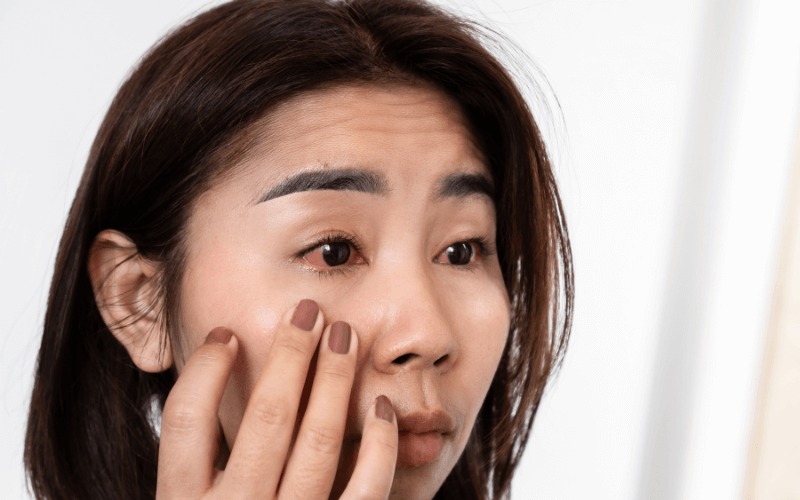
    Eye infections can be a major inconvenience, causing redness, irritation, and discomfort. While most eye infections are relatively minor, they can still impact your daily life.

    Here’s how to prevent and treat them:

    Prevention Tips:

    • Wash Your Hands Frequently: This simple habit can significantly reduce the risk of eye infections.
    • Avoid Touching Your Eyes: Refrain from rubbing your eyes, especially with dirty hands.
    • Practice Good Contact Lens Hygiene: Clean and disinfect contact lenses as instructed and avoid wearing them while sleeping or swimming.
    • Protect Your Eyes from UV Rays: Wear sunglasses with UV protection to shield your eyes from harmful rays.
    • Clean Eyeglasses Regularly: Clean your eyeglasses regularly to prevent the buildup of bacteria.

    What to Do If You Get an Eye Infection

    If you experience symptoms such as redness, itching, pain, or discharge, consult an eye care professional promptly. They can diagnose the specific type of infection and recommend appropriate treatment.

    Here are some general tips for managing eye infections:

    • Avoid Rubbing Your Eyes: Rubbing can worsen the infection.
    • Use Clean Towels and Washcloths: Avoid sharing personal items that could spread infection.
    • Apply Warm Compresses: Warm compresses can help relieve discomfort and promote healing.
    • Use Over-the-counter Eye Drops: Consult with your doctor before using any over-the-counter eye drops.
    • Follow Your Doctor’s Instructions: Adhere to your doctor’s prescribed treatment plan, including medication and eye care instructions.

    By following these preventive measures and seeking prompt medical attention, you can minimize your risk of eye infections and maintain optimal eye health.

    Know More About Eye Infections:

    1. What are eye infections? Eye infections are conditions that affect the eye or its surrounding structures.
    2. What are the common types of eye infections? Common types include conjunctivitis (pink eye), corneal ulcers, and blepharitis.
    3. What causes eye infections? Eye infections can be caused by bacteria, viruses, fungi, or parasites.
    4. What are the symptoms of an eye infection? Symptoms may include redness, itching, pain, tearing, discharge, and blurred vision.
    5. When should you see a doctor for an eye infection? If symptoms worsen, persist, or affect your vision, consult an eye care professional.

    Prevention of Eye Infections

    1. How can I prevent eye infections? Good hygiene, avoiding touching your eyes, and wearing protective eyewear can help prevent infections.
    2. Is it important to wash your hands frequently to prevent eye infections? Yes, washing hands frequently, especially before touching your eyes, can significantly reduce the risk of infection.
    3. How can I protect my eyes from harmful UV rays? Wear sunglasses with UV protection, especially when outdoors for extended periods.
    4. Should I avoid sharing personal items like towels and makeup? Yes, sharing personal items can increase the risk of transmitting eye infections.
    5. What are some tips for contact lens wearers to prevent eye infections? Clean and disinfect contact lenses as instructed, avoid sleeping in them, and replace them regularly.

    Treatment of Eye Infections

    1. How are eye infections treated? Treatment typically involves antibiotic or antiviral eye drops or ointments.
    2. Can over-the-counter eye drops help with eye infections? Over-the-counter eye drops may provide temporary relief but are not always effective in treating infections.
    3. Is it safe to use homemade remedies for eye infections? It’s best to consult a healthcare professional before using any home remedies.
    4. How long does it take for an eye infection to heal? The duration of treatment varies depending on the type of infection and the severity of symptoms.
    5. Can untreated eye infections lead to serious complications? Untreated eye infections can lead to more severe complications, such as vision loss.

    Eye Hygiene and Health

    1. How often should I have a comprehensive eye exam? Regular eye exams are important for detecting and treating eye problems early.
    2. What is the importance of a balanced diet for eye health? A balanced diet rich in vitamins and minerals can contribute to healthy eyes.
    3. How can I reduce eye strain from excessive screen time? Practice the 20-20-20 rule: Every 20 minutes, look at something 20 feet away for 20 seconds.
    4. What are some common myths about eye health? Some common myths include the belief that carrots improve eyesight and that wearing glasses can weaken your eyes.
    5. How can I protect my eyes from environmental factors like pollution and dust? Wearing protective eyewear, such as goggles or safety glasses, can help shield your eyes from harmful particles and pollutants.
    Galleri: A Blood Test to Detect Multiple Types of Cancers Early

  • Why Some People Still Aren’t Protecting Themselves from HIV

    Why Some People Still Aren’t Protecting Themselves from HIV

    Despite decades of awareness campaigns and advancements in medical science, HIV infections persist. While many individuals are taking precautions, others continue to engage in risky behaviors. Understanding the factors that contribute to these disparities is crucial for effective prevention strategies.

    Factors Influencing Risk-Taking Behavior

    Several factors contribute to individuals engaging in risky behaviors:

    • Lack of Knowledge: Misconceptions and outdated information about HIV transmission can lead to risky behaviors.
    • Stigma and Discrimination: Fear of stigma and discrimination can prevent people from seeking testing and treatment.
    • Substance Use: Substance use can impair judgment and increase risky sexual behaviors.
    • Mental Health Issues: Depression, anxiety, and other mental health conditions can contribute to risky behaviors.
    • Socioeconomic Factors: Poverty, lack of education, and limited access to healthcare can increase vulnerability to HIV.

    Promoting Safer Sex and Prevention Strategies

    To reduce the risk of HIV infection, it’s essential to promote safer sex practices, including:

    • Consistent Condom Use: Using condoms correctly and consistently during all sexual encounters can significantly reduce the risk of HIV transmission.
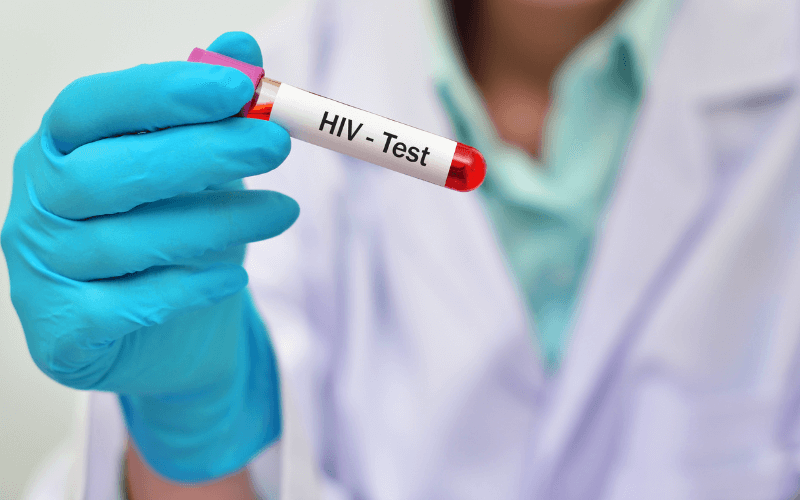
    • HIV Testing: Regular HIV testing allows individuals to know their status and take appropriate steps to protect themselves and their partners.
    • Pre-Exposure Prophylaxis (PrEP): PrEP is a medication that can prevent HIV infection when taken as prescribed.
    • Harm Reduction Strategies: For individuals who use drugs, harm reduction strategies, such as needle exchange programs, can help reduce the risk of HIV transmission.

    By addressing the factors that contribute to risky behavior and promoting safer sex practices, we can work towards a future where HIV is no longer a significant public health threat.

    Know More About Protecting Yourself from HIV

    1. What is HIV? HIV, or Human Immunodeficiency Virus, is a virus that attacks the body’s immune system.
    2. How is HIV transmitted? HIV is primarily transmitted through unprotected sexual contact, blood-to-blood contact, and from mother to child during pregnancy, childbirth, or breastfeeding.
    3. What are the symptoms of HIV infection? Initial symptoms may include flu-like illness, but many people experience no symptoms. As the virus progresses, it can lead to serious health problems.
    4. How is HIV diagnosed? HIV is diagnosed through a blood test.
    5. Is there a cure for HIV? Currently, there is no cure for HIV, but effective treatments can significantly prolong life and reduce the risk of transmission.

    Prevention Strategies

    1. What is the most effective way to prevent HIV transmission? Consistent and correct condom use during sexual activity is the most effective way to prevent HIV transmission.
    2. What is PrEP? Pre-exposure prophylaxis (PrEP) is a medication that can prevent HIV infection when taken as prescribed.
    3. How does PrEP work? PrEP works by preventing the HIV virus from taking hold in the body.
    4. Who should consider taking PrEP? People who are at high risk of HIV infection, such as those who have multiple sexual partners or engage in high-risk behaviors, should consider PrEP.
    5. What are the side effects of PrEP? Side effects of PrEP are generally mild and may include fatigue, nausea, and headache.

    Seeking Testing and Treatment

    1. How often should people get tested for HIV? The frequency of HIV testing depends on individual risk factors. It’s recommended to get tested at least once a year.
    2. Where can people get tested for HIV? HIV testing is available at many healthcare clinics, hospitals, and community health centers.
    3. What happens if someone tests positive for HIV? If someone tests positive for HIV, they will be referred to a healthcare provider for treatment and counseling.
    4. What is the importance of early HIV diagnosis? Early diagnosis allows for early treatment, which can significantly improve health outcomes.
    5. How can people reduce the stigma associated with HIV? Educating the public about HIV, promoting empathy, and challenging stereotypes can help reduce stigma.

    Myths and Misconceptions

    1. Can HIV be transmitted through casual contact? No, HIV cannot be transmitted through casual contact, such as hugging, kissing, or sharing utensils.
    2. Can people with HIV live long, healthy lives? With effective treatment, people with HIV can live long, healthy lives.
    3. Is HIV a death sentence? No, HIV is no longer a death sentence. With advancements in treatment, people with HIV can live long and healthy lives.
    4. Can people with HIV have children? With proper medical care, people with HIV can have healthy children.
    5. How can we work towards an HIV-free future? By promoting education, prevention, and treatment, we can work towards a future where HIV is no longer a threat.

    Galleri: A Blood Test to Detect Multiple Types of Cancers Early

  • Galleri: A Blood Test to Detect Multiple Types of Cancers Early

    Galleri: A Blood Test to Detect Multiple Types of Cancers Early

    The medical world has witnessed a significant breakthrough with the advent of the Galleri blood test. This innovative test has the potential to revolutionize cancer detection by identifying multiple types of cancer at an early stage.

    How Does Galleri Work?

    Galleri is a simple blood test that analyzes circulating cell-free DNA (cfDNA) fragments in the blood. These fragments, shed by tumors, can be indicative of various types of cancer. By examining the genetic makeup of these fragments, the test can identify potential cancer signals.

    What Cancers Can Galleri Detect?

    Galleri is designed to detect a wide range of cancers, including those that are difficult to detect through traditional screening methods. While the specific cancers that can be detected may vary, the test has shown promise in identifying cancers of the lung, breast, colon, rectum, esophagus, stomach, liver, pancreas, kidney, ovary, uterus, cervix, and prostate.

    Early Detection and Improved Outcomes

    Early detection is crucial in cancer treatment. By identifying cancer at an early stage, when it is often more treatable, Galleri can significantly improve patient outcomes.

    Limitations and Considerations

    It’s important to note that Galleri is not a definitive diagnostic test. A positive result from the Galleri test may indicate the presence of cancer, but further diagnostic tests, such as imaging or biopsies, are necessary to confirm the diagnosis and determine the exact type and location of the cancer.

    The Future of Cancer Detection

    The development of Galleri represents a significant step forward in cancer detection. As technology continues to advance, it is likely that blood-based cancer tests will become increasingly sophisticated and accurate. By enabling early detection and intervention, these tests have the potential to save countless lives.


    The Science of Quitting Smoking: A Look at Anti-Smoking Pills

  • The Science of Quitting Smoking: A Look at Anti-Smoking Pills

    The Science of Quitting Smoking: A Look at Anti-Smoking Pills

    Anti-smoking medications, including nicotine replacement therapy (NRT) and non-nicotine medications like bupropion and varenicline, can be effective tools in helping individuals quit smoking. By addressing nicotine cravings and withdrawal symptoms, these medications can significantly increase the chances of successful quitting.

    Understanding Nicotine Addiction

    Nicotine, the addictive substance in cigarettes, works by stimulating the brain’s reward centers, leading to cravings and withdrawal symptoms when smoking ceases. Anti-smoking pills, also known as smoking cessation aids, are designed to help individuals overcome these challenges and successfully quit smoking.

    How Anti-Smoking Pills Work:

    Anti-smoking pills primarily work by reducing nicotine cravings and withdrawal symptoms. They achieve this through a combination of pharmacological mechanisms:

    • Nicotine Replacement Therapy (NRT): NRT products, such as nicotine patches, gum, or lozenges, provide a controlled dose of nicotine to reduce cravings and withdrawal symptoms.
    • Non-Nicotine Medications: These medications, like bupropion and varenicline, work on brain chemistry to reduce nicotine cravings and withdrawal symptoms.
    1. Nicotine Replacement Therapy (NRT):
      • Nicotine patches: Deliver nicotine through the skin.
      • Nicotine gum: Releases nicotine when chewed.
      • Nicotine lozenges: Dissolve in the mouth, releasing nicotine.
      • Nicotine inhalers: Deliver nicotine vapor.
    2. Non-Nicotine Medications:
      • Bupropion: An antidepressant that can help reduce cravings and withdrawal symptoms.
      • Varenicline: A medication that works on nicotine receptors in the brain to reduce cravings and reward.

    Effectiveness and Side Effects:

    Anti-smoking medications have been proven effective in helping people quit smoking. However, like any medication, they can have side effects. It’s essential to consult with a healthcare professional to determine the best course of treatment and to monitor for any adverse effects.

    Factors to Consider When Choosing a Medication:

    • Severity of Addiction: The level of addiction can influence the choice of medication.
    • Individual Preferences: Some people may prefer one type of medication over another.
    • Medical Conditions: Certain medical conditions may affect the choice of medication.

    Beyond Medication: A Comprehensive Approach to Quitting

    While anti-smoking medications can be a valuable tool in the quitting process, a comprehensive approach is often necessary. This may include:

    • Behavioral Therapy: Learning coping strategies for dealing with cravings and triggers.
    • Support Groups: Connecting with others who are going through the same experience.
    • Stress Management Techniques: Practicing relaxation techniques like yoga or meditation.

    By combining medication with behavioral strategies, individuals can significantly increase their chances of quitting smoking successfully.

    Know More About Quitting Smoking and Anti-Smoking Pills

    1. Why is smoking harmful to health? Smoking is harmful to health as it increases the risk of various diseases, including lung cancer, heart disease, and stroke.
    2. What are the common reasons for smoking? Common reasons for smoking include stress relief, social pressure, and addiction to nicotine.
    3. How can smoking cessation improve health? Quitting smoking can significantly improve lung function, reduce the risk of heart disease, and enhance overall health.
    4. What are the common withdrawal symptoms experienced by smokers? Common withdrawal symptoms include cravings, irritability, anxiety, and difficulty concentrating.
    5. How can anti-smoking pills help in quitting smoking? Anti-smoking pills can help reduce nicotine cravings and withdrawal symptoms, making it easier to quit.

    Anti-Smoking Medications

    1. What are the different types of anti-smoking medications? Common types include nicotine replacement therapy (NRT) and non-nicotine medications like bupropion and varenicline.
    2. How does nicotine replacement therapy (NRT) work? NRT provides a controlled dose of nicotine to reduce cravings and withdrawal symptoms.
    3. What are the common forms of NRT? Common forms of NRT include nicotine patches, gum, lozenges, and inhalers.
    4. How does bupropion help in quitting smoking? Bupropion works by reducing nicotine cravings and withdrawal symptoms.
    5. How does varenicline help in quitting smoking? Varenicline works by reducing the rewarding effects of nicotine and reducing cravings.

    The Quitting Process

    1. What is the best way to quit smoking? The best way to quit smoking is through a combination of methods, including medication, behavioral therapy, and support groups.
    2. How long does it take to quit smoking? Quitting smoking is a process that takes time and effort. It may take several attempts before successfully quitting.
    3. What are some tips for quitting smoking? Tips include setting a quit date, avoiding triggers, seeking support from friends and family, and practicing stress management techniques.
    4. How can one manage withdrawal symptoms? Withdrawal symptoms can be managed through medication, relaxation techniques, and physical activity.
    5. What are the long-term benefits of quitting smoking? Long-term benefits include improved lung function, reduced risk of heart disease, and a lower risk of cancer.

    Seeking Professional Help

    1. When should one consult a doctor to quit smoking? It is advisable to consult a doctor, especially if one has underlying health conditions or is struggling with severe addiction.
    2. What are the costs associated with quitting smoking? The costs may include the cost of medication, therapy sessions, and potential medical treatments.
    3. Are there any free resources available to help people quit smoking? Many countries offer free smoking cessation programs and resources, including counseling and medication assistance.

    Additional Considerations

    1. Can vaping help in quitting smoking? While vaping may be less harmful than smoking, it is not a guaranteed way to quit and can still pose health risks.
    2. What is the role of mental health in quitting smoking? Mental health plays a significant role in quitting smoking, and addressing underlying mental health issues can improve success rates.

    Digital Health’s Vital Signs: A Market Map

  • Digital Health’s Vital Signs: A Market Map

    Digital Health’s Vital Signs: A Market Map

    The digital health landscape is undergoing a significant transformation, driven by technological advancements, changing consumer preferences, and a growing emphasis on preventive healthcare. This article delves into the key trends and drivers shaping the digital health market.  

    1. Remote Patient Monitoring (RPM): RPM solutions are gaining traction, enabling healthcare providers to monitor patients remotely and intervene early to prevent adverse health outcomes.
    2. Telehealth: Virtual consultations and telemedicine services have become mainstream, offering convenient and accessible healthcare.
    3. Wearable Devices and Health Apps: Wearable devices and health apps are empowering individuals to track their health metrics and make informed decisions.
    4. Artificial Intelligence (AI) and Machine Learning: AI-powered tools are being used to analyze vast amounts of health data, enabling early disease detection and personalized treatment plans.
    5. Internet of Medical Things (IoMT): The integration of IoT devices in healthcare is revolutionizing patient care and remote monitoring.

    Market Challenges and Opportunities:

    While the digital health market is experiencing rapid growth, several challenges need to be addressed:

    • Data Privacy and Security: Ensuring the security of sensitive patient data is a paramount concern.
    • Regulatory Hurdles: Navigating complex regulatory landscapes can be a significant challenge.
    • Interoperability: Achieving seamless integration between different digital health systems is essential.

    Despite these challenges, the digital health market presents numerous opportunities:

    • Improved Patient Outcomes: Digital health solutions can lead to better patient outcomes and reduced healthcare costs.
    • Enhanced Patient Engagement: Digital tools can empower patients to take an active role in their healthcare.
    • New Business Models: Digital health companies can create innovative business models and disrupt traditional healthcare delivery.

    The Future of Digital Health:

    The future of digital health is promising, with continued innovation and adoption driving the market forward. As technology advances and regulatory frameworks evolve, we can expect to see even more groundbreaking developments in the digital health space.


    Lulu IPO: Lulu Group International Eyes $1.43 Billion IPO in UAE

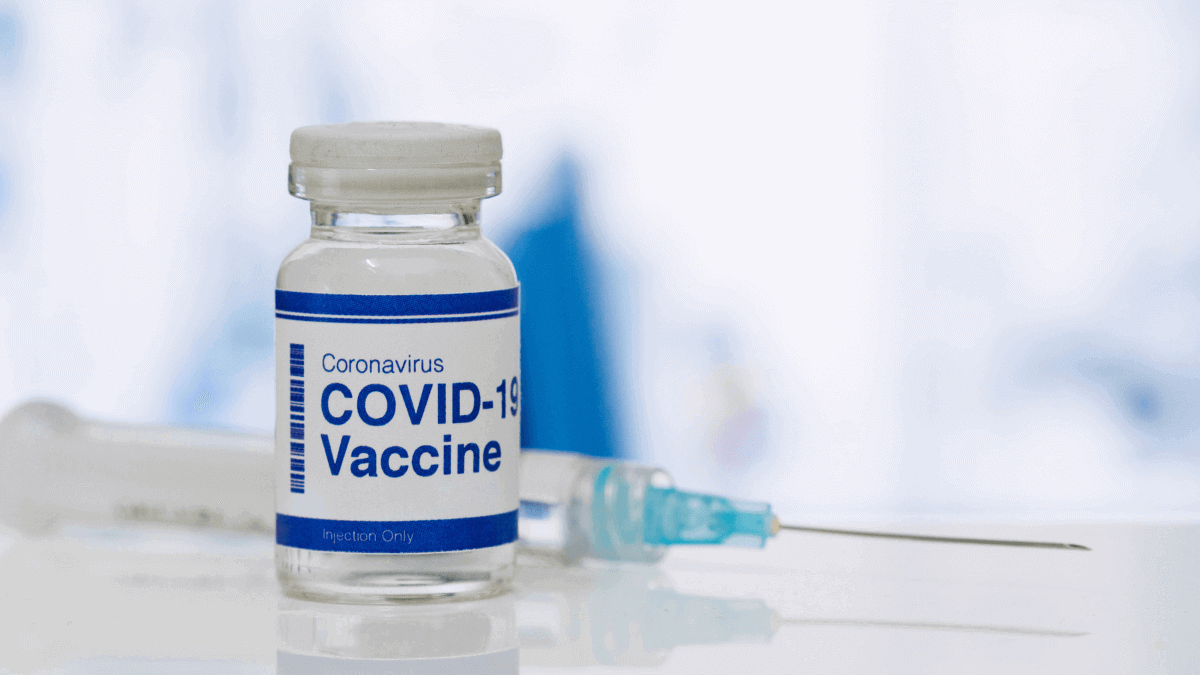
  • Second COVID-19 Vaccine Dose Recommended for Seniors

    Second COVID-19 Vaccine Dose Recommended for Seniors

    Health officials are recommending a second dose of the updated COVID-19 vaccine for individuals aged 65 and older. This recommendation comes as a precautionary measure to bolster immunity against emerging variants and waning protection from previous vaccinations.

    The Centers for Disease Control and Prevention (CDC) and the Food and Drug Administration (FDA) have authorized a second dose of the updated vaccine for seniors, particularly those with weakened immune systems. The additional dose aims to provide an extra layer of protection against severe illness, hospitalization, and death.

    “While the initial dose of the updated vaccine offers significant protection, a second dose can provide additional immunity, especially for older adults who are more vulnerable to severe COVID-19,” said [Name of Health Official]. “We encourage eligible individuals to consult with their healthcare providers to determine if a second dose is right for them.”

    The CDC and FDA are closely monitoring the evolving COVID-19 landscape and will continue to provide updated recommendations as needed. It’s crucial for individuals to stay informed and follow the guidance of health experts to protect themselves and their communities.


    Severe Flu Cases on the Rise in UAE: Doctors Urge Flu Vaccination

  • Social Media Use Linked to Negative Mental Health Outcomes in High School Students

    Social Media Use Linked to Negative Mental Health Outcomes in High School Students

    A new study published in the Journal of Adolescent Health has found a strong association between frequent social media use and negative mental health outcomes in high school students. Researchers analyzed data from a large-scale survey of adolescents to investigate the relationship between social media use and factors such as depression, anxiety, and sleep disturbances.

    The study revealed that high school students who spent more than three hours per day on social media were significantly more likely to report symptoms of depression, anxiety, and sleep problems compared to those who spent less than an hour per day. Additionally, the study found that excessive social media use was associated with lower self-esteem and increased feelings of loneliness.

    While the study does not definitively prove that social media use causes negative mental health outcomes, the findings suggest a strong correlation between the two. Researchers believe that factors such as exposure to cyberbullying, unrealistic comparisons with peers, and the constant pressure to maintain a positive online image may contribute to these negative effects.

    The study’s authors emphasize the importance of responsible social media use and recommend that parents and educators encourage adolescents to limit their screen time and engage in healthy activities offline. They also call for further research to better understand the long-term consequences of excessive social media use.

    The findings of this study highlight the need for ongoing discussions about the impact of technology on young people’s mental health. As social media continues to play an increasingly important role in our lives, it is essential to be mindful of its potential risks and take steps to promote healthy digital habits.

    Know More About Social Media:

    1. What is social media? Social media are online platforms that allow users to create, share, and interact with content.

    2. What are some popular social media platforms? Some popular social media platforms include Facebook, Instagram, Twitter, TikTok, Snapchat, and LinkedIn.

    3. How does social media affect our lives? Social media has a significant impact on our lives, affecting our communication, relationships, and mental health.

    4. What are the benefits of using social media? Some benefits of using social media include staying connected with friends and family, learning about current events, and finding new interests.  

    5. What are the risks of using social media? Some risks of using social media include cyberbullying, privacy concerns, and negative impacts on mental health.

    6. How can I use social media safely? To use social media safely, be mindful of what you share online, be cautious of strangers, and report any harmful or abusive content.

    7. How can I protect my privacy on social media? You can protect your privacy on social media by adjusting your privacy settings, being careful about what information you share, and avoiding sharing personal details.

    8. What is the impact of social media on mental health? Studies have shown that excessive use of social media can negatively impact mental health, leading to feelings of anxiety, depression, and loneliness.

    9. How can I reduce my screen time on social media? You can reduce your screen time by setting limits on how much time you spend on social media, using apps that track your usage, and taking breaks from social media.

    10. What is social media addiction? Social media addiction is a compulsive need to use social media, even when it has negative consequences.

    11. How can I prevent social media addiction? To prevent social media addiction, it is important to set limits on your usage, be mindful of your time spent online, and engage in other activities that bring you joy.

    12. What is cyberbullying? Cyberbullying is the use of technology to harass, threaten, or embarrass someone.

    13. How can I protect myself from cyberbullying on social media? To protect yourself from cyberbullying, be mindful of what you share online, report any abusive content, and block users who harass you.

    14. How can I use social media to connect with like-minded people? You can use social media to join groups and communities related to your interests. This can help you connect with people who share your passions.

    15. How can I use social media to build my professional network? You can use social media platforms like LinkedIn to connect with professionals in your industry and build your professional network.

    16. How can I use social media to promote my business? You can use social media to promote your business by creating engaging content, running ads, and interacting with your followers.

    17. What are some tips for creating engaging social media content? To create engaging social media content, use high-quality images and videos, write catchy captions, and use relevant hashtags.

    18. How can I measure the success of my social media campaigns? You can measure the success of your social media campaigns by tracking metrics such as likes, shares, comments, and website traffic.

    19. What are some best practices for using social media professionally? Some best practices for using social media professionally include maintaining a consistent brand voice, responding to comments and messages promptly, and using analytics to track your performance.

    20. What is the future of social media? The future of social media is likely to be shaped by emerging technologies such as artificial intelligence and augmented reality. We can expect to see new features and platforms that offer more personalized and immersive experiences.


    What is Mpox: A Global Health Challenge

  • Severe Flu Cases on the Rise in UAE: Doctors Urge Flu Vaccination

    Severe Flu Cases on the Rise in UAE: Doctors Urge Flu Vaccination

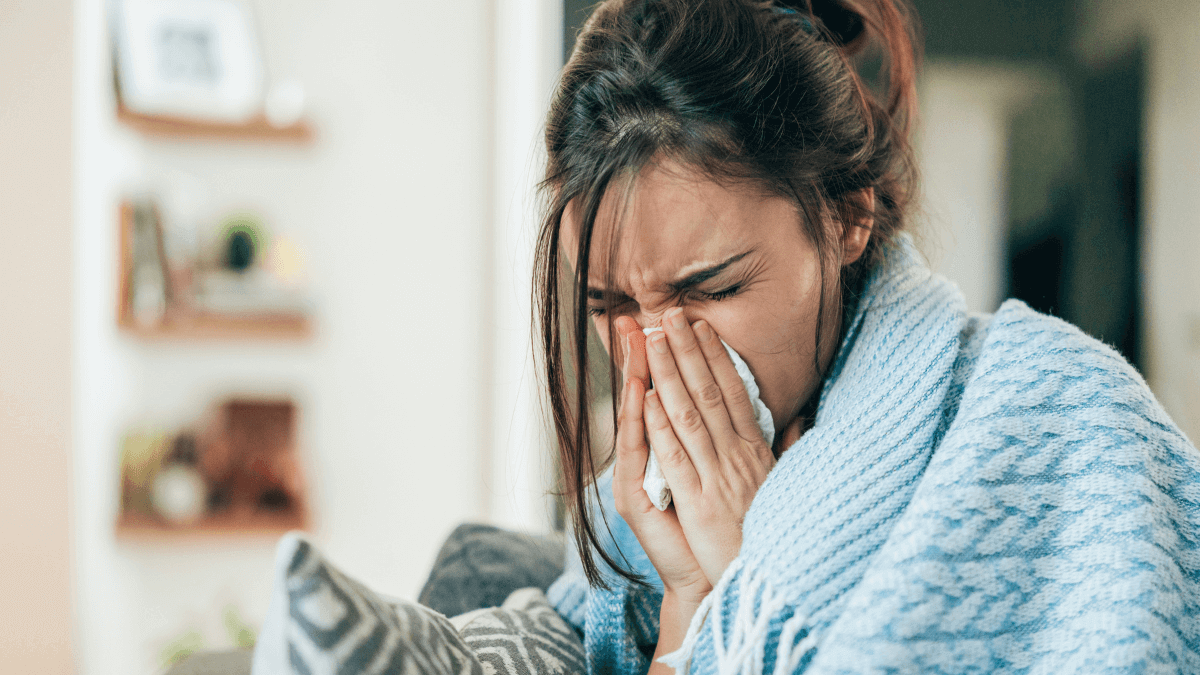
    Abu Dhabi, UAE – As flu season intensifies in the UAE, healthcare professionals are warning of a surge in severe cases that can feel “like being hit by a truck.” The highly contagious nature of the virus, coupled with the emergence of new strains, has led to an increase in hospitalizations and complications.

    Doctors are urging residents to prioritize flu vaccination as the most effective way to protect themselves and others from severe illness. The vaccine is particularly important for high-risk groups, including the elderly, pregnant women, children, and individuals with underlying health conditions.

    Symptoms of the flu can include fever, cough, sore throat, muscle aches, fatigue, and congestion. While most cases resolve on their own, some individuals may experience severe complications that require medical attention.

    In addition to vaccination, healthcare professionals are also recommending preventive measures such as:

    • Washing hands frequently with soap and water
    • Covering coughs and sneezes
    • Avoiding close contact with sick individuals
    • Staying home when sick

    By taking these precautions, individuals can help reduce the spread of the flu and protect themselves and their loved ones from illness.

    Know more about flu vaccination:


    1. What is the flu? The flu, or influenza, is a contagious respiratory illness caused by a virus.

    2. What are the symptoms of the flu? Common symptoms of the flu include fever, cough, sore throat, muscle aches, fatigue, and congestion.

    3. How is the flu spread? The flu is primarily spread through airborne droplets when an infected person coughs or sneezes.

    4. What are the complications of the flu? The flu can lead to serious complications, such as pneumonia, bronchitis, and heart failure.

    5. Who is at high risk for complications from the flu? Individuals at high risk for complications include the elderly, children, pregnant women, and people with underlying health conditions.

    6. What is a flu vaccine? A flu vaccine is a preventive measure that helps protect against the flu virus.

    7. How does a flu vaccine work? A flu vaccine exposes your body to a weakened or inactive form of the flu virus, triggering an immune response that helps protect you from infection.

    8. Is the flu vaccine effective? The flu vaccine is generally effective, but its effectiveness can vary from year to year depending on the match between the vaccine strains and the circulating flu viruses.

    9. When should I get a flu vaccine? The best time to get a flu vaccine is in the fall, before the flu season begins. However, it is still beneficial to get vaccinated later in the season.

    10. How long does it take for the flu vaccine to work? It typically takes about two weeks for the flu vaccine to become effective.

    11. Is the flu vaccine safe? Yes, the flu vaccine is generally considered safe.

    12. Can I get the flu from the flu vaccine? No, the flu vaccine cannot cause the flu.

    13. Can I get a flu vaccine if I have allergies? If you have egg allergies, you should talk to your doctor about whether the flu vaccine is safe for you.

    14. Can I get a flu vaccine if I am pregnant? Yes, pregnant women should get a flu vaccine.

    15. Can I get a flu vaccine if I have a chronic health condition? If you have a chronic health condition, talk to your doctor about whether the flu vaccine is right for you.

    16. How long does immunity from the flu vaccine last? Immunity from the flu vaccine typically lasts for one season.

    17. Can I get the flu vaccine if I have already had the flu this season? Yes, you can still get the flu vaccine even if you have already had the flu this season.

    18. Where can I get a flu vaccine? Flu vaccines are available at many healthcare providers, including doctors’ offices, pharmacies, and health departments.

    19. Is the flu vaccine covered by insurance? Most health insurance plans cover the cost of the flu vaccine.

    20. What should I do if I get sick after getting a flu vaccine? If you develop flu-like symptoms after getting a flu vaccine, it is important to see a doctor to rule out other illnesses.


    Alexa Demie: Rising Star of Hollywood

  • What is Mpox: A Global Health Challenge

    What is Mpox: A Global Health Challenge

    Mpox, formerly known as monkeypox, is a rare viral infection causing a rash similar to smallpox. While primarily prevalent in Central and West Africa, a significant global outbreak occurred in 2022, prompting the World Health Organization (WHO) to declare it a Public Health Emergency of International Concern (PHEIC).

    Mpox in the Middle East and UAE

    While the initial global outbreak of mpox (monkeypox) primarily affected Western countries, the virus has spread to various regions, including the Middle East.

    UAE and Mpox:

    • The UAE has implemented robust public health measures to prevent and contain infectious diseases.
    • Health authorities in the UAE have been closely monitoring the global mpox situation.
    • The UAE has access to vaccines and treatments for mpox, aligning with global health protocols.

    What is Mpox?

    • What is Mpox?
      A rare viral infection causing a rash similar to smallpox.  
    • How is Mpox spread? Primarily through close contact with an infected person, respiratory droplets, or bodily fluids.
    • What are the symptoms of Mpox?
      Fever, headache, muscle aches, swollen lymph nodes, and a rash.  

    Mpox Outbreak and Global Impact

    • When was the Mpox outbreak declared a global health emergency?
      July 23, 2022.  
    • Which countries were most affected by the Mpox outbreak?
      Initially, many Western countries, but cases have declined globally.
    • Has the Mpox outbreak been contained?
      While cases have decreased significantly, the virus remains a concern.

    Mpox Prevention and Treatment

    • How can Mpox be prevented?
      Practice good hygiene, avoid close contact with infected individuals, and get vaccinated.
    • Is there a vaccine for Mpox?
      Yes, vaccines are available in some countries.
    • How is Mpox treated?
      Primarily supportive care, with antiviral medications in severe cases.

    Current Mpox Situation

    • Are there still new Mpox cases being reported?
      Yes, but the number of cases has declined significantly.
    • Which countries are currently reporting Mpox cases?
      Data on current cases is available from the WHO and CDC websites.

    Mpox in Specific Regions

    • Is Mpox a concern in Africa?
      Yes, especially in Central and West Africa where it is endemic.  
    • Are there specific concerns about Mpox in children?
      Children can be infected, but adults are at higher risk.

    Note: For the most accurate and up-to-date information on Mpox cases and distribution, please refer to the World Health Organization (WHO) and Centers for Disease Control and Prevention (CDC) websites.


    What is Hindenburg Research?

  • Keeping You Healthy: A Guide to Free Vaccinations in the UAE

    Keeping You Healthy: A Guide to Free Vaccinations in the UAE

    Vaccinations are a crucial part of staying healthy and preventing the spread of diseases. The United Arab Emirates (UAE) offers free vaccination programs for residents, ensuring everyone has access to essential immunizations. Here’s a breakdown of how to get free vaccinations in the UAE:

    Who Qualifies for Free Vaccinations?

    • Children under five years old: The UAE government prioritizes childhood immunization. Children of residents with valid visas are entitled to a comprehensive vaccination schedule, typically starting after birth and continuing until the age of five. This covers essential vaccines such as Hepatitis B, Measles, Mumps, Rubella (MMR), and Polio.
    • Pregnant women: Pregnant residents can receive free vaccinations against certain diseases, such as Tdap (tetanus, diphtheria, and pertussis) to protect both mother and baby.

    Where to Get Free Vaccinations:

    • Government health centers and primary healthcare clinics: These facilities throughout the UAE offer free vaccinations to eligible residents. You can find your nearest clinic through the website of your emirate’s health authority.
    • Some private hospitals and clinics: While some private facilities may charge for vaccinations, a few offer them for free, particularly for children. It’s best to check directly with the specific hospital or clinic beforehand.

    What to Bring with You:

    • Emirates ID or passport for both yourself and your child (if applicable).
    • Child’s vaccination card (if they have one).
    • Proof of residency visa.

    Additional Points to Consider:

    • Health card: While vaccinations are free, some emirates, like Dubai, may require a health card for a nominal fee. This card allows access to various government health services and is typically valid for a year.
    • Appointment scheduling: Some clinics recommend scheduling appointments in advance, especially during peak hours. Contact your chosen clinic for their specific procedures.
    • Vaccinations not covered: Not all vaccinations are included in the free program. Some vaccines, like the influenza vaccine, may require a fee, even at government facilities.

    Staying Up-to-Date:

    • Vaccination schedule: Consult with your doctor or clinic to understand the recommended vaccination schedule for your age group or your child’s age.
    • Health authority websites: The websites of your emirate’s health authority provide valuable information about available vaccinations, recommended schedules, and clinic locations.

    Staying Healthy Together

    Free vaccination programs in the UAE play a vital role in protecting public health. By taking advantage of these programs, residents can ensure they and their families are properly immunized against preventable diseases. Remember, getting vaccinated is a responsible decision that benefits both you and the community.

    Know More About Free Vaccinations in the UAE:

    General Questions:

    1. Who is eligible for free vaccinations in the UAE?
      Children under 5 and pregnant residents with valid visas are typically eligible.
    2. What vaccinations are free in the UAE?
      The program covers essential vaccines like Hepatitis B, MMR, Polio, and Tdap for pregnant women.
    3. Where can I get free vaccinations in the UAE?
      Government health centers, primary healthcare clinics, and some private hospitals offer them.
    4. What documents do I need for free vaccinations?
      Bring your Emirates ID/passport, child’s vaccination card (if applicable), and proof of residency visa.
    5. Do I need an appointment for free vaccinations?
      Some clinics recommend appointments, especially during peak hours. Contact your chosen clinic beforehand.
    6. Are all vaccinations free in the UAE?
      No, some vaccines like the flu shot may require a fee, even at government facilities.

    Eligibility and Specifics:

    1. Can my child get free vaccinations in the UAE if they are not a citizen?
      Yes, children of residents with valid visas are eligible.
    2. I’m pregnant. What free vaccinations can I get in the UAE?
      You can receive the Tdap vaccine to protect yourself and your baby.
    3. What if I don’t have health insurance?
      Free vaccination programs are separate from health insurance and are available to eligible residents regardless of insurance status.
    4. Do I need a health card to get free vaccinations?
      While vaccinations are free, some emirates (like Dubai) may require a health card for a nominal fee.

    Logistics and Resources:

    1. How can I find the nearest clinic offering free vaccinations?
      Dubai: Dubai Health Authority https://services.dha.gov.ae/
      Abu Dhabi: Department of Health Abu Dhabi https://www.doh.gov.ae/en/
      Sharjah: Sharjah Health Authority https://sha.shj.ae/
      Other Emirates: Search online for the health authority website of your specific emirate.
    2. Is there a recommended vaccination schedule in the UAE?
      Yes, consult your doctor or clinic to understand the schedule for your age group or your child’s age.
    3. What are some reliable resources for information on free vaccinations?
      The website of your emirate’s health authority should have detailed information.
    4. Can I get vaccinated at a private clinic and get reimbursed?
      No, the free vaccination program covers government health facilities and some private clinics offering them for free.

    Additional Considerations:

    1. What if I have missed some vaccinations in the past?
      Talk to your doctor about catching up on any missed vaccinations.
    2. Can I travel freely within the UAE if I am not vaccinated?
      While vaccination is not mandatory for domestic travel within the UAE, some vaccinations might be required for international travel.
    3. Are there any side effects to the free vaccinations offered in the UAE?
      As with any vaccine, there’s a possibility of mild side effects. Consult your doctor for information specific to each vaccine.
    4. Is it safe to get vaccinated in the UAE?
      Yes, the UAE has strict regulations regarding vaccine safety and storage.
    5. What should I do if I have questions or concerns about vaccinations?
      Talk to your doctor or a healthcare professional at a government health clinic.
    6. Why are vaccinations important?
      Vaccinations help protect you and your community from preventable diseases.

    Submitting Your US Visa Documents from the UAE with Emirates Post