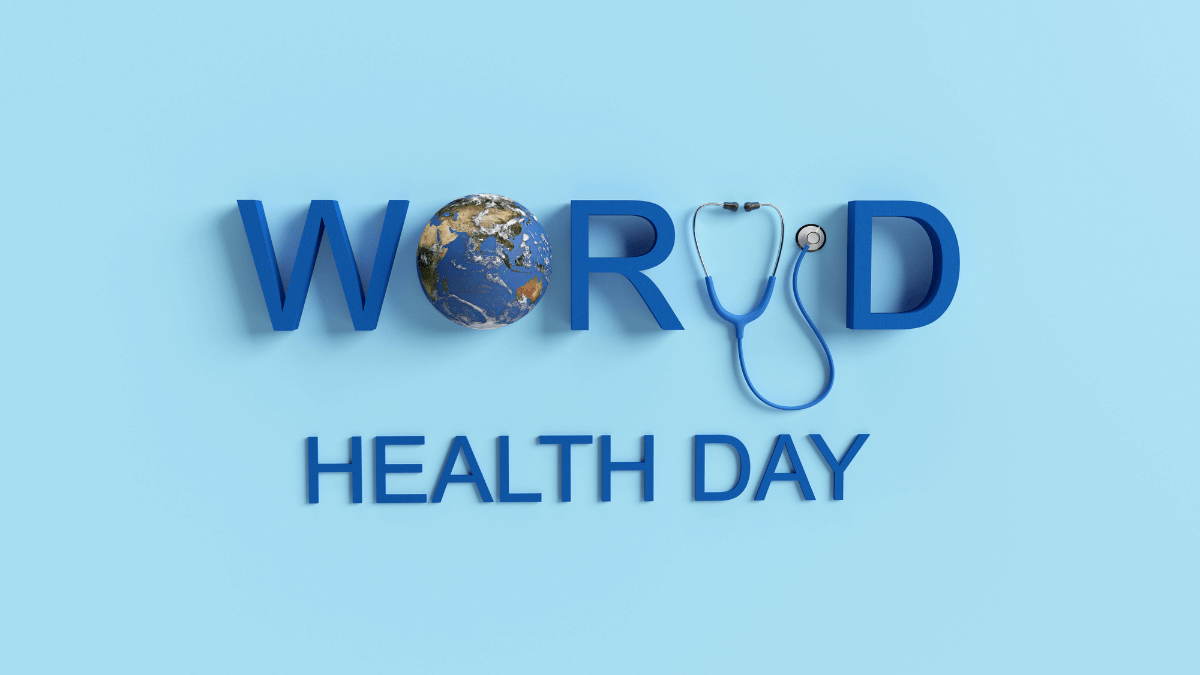
Category: Health

Stay informed and prioritize your well-being with GulfInsight360.com’s Health category. Discover a wide range of articles, news, and insights dedicated to all aspects of health, including physical fitness, mental wellness, nutrition, medical advancements, and lifestyle choices. From expert advice to personal stories, our Health category offers valuable resources to help you make informed decisions and lead a healthy, balanced life. Explore topics such as exercise, nutrition, disease prevention, mental health, and more, and embark on a journey towards a happier and healthier you.

  • UAE Sounds the Alarm: Dengue Fever Risk on the Rise

    UAE Sounds the Alarm: Dengue Fever Risk on the Rise

    The Ministry of Health and Prevention (MoHAP) in the United Arab Emirates (UAE) has issued a public health warning regarding a potential rise in dengue fever cases. While historically uncommon, recent spikes in infections and the presence of the Aedes aegypti mosquito, the primary transmitter of the virus, have prompted authorities to urge residents to be vigilant.

    Shifting Tides:

    Dengue fever, a mosquito-borne viral illness, was traditionally associated with tropical climates. However, climate change and increased global travel have facilitated the spread of the Aedes aegypti mosquito into previously unaffected regions, including the UAE. This, coupled with heavy rainfall events creating ideal breeding grounds for the mosquitos, has heightened the risk of local transmission.

    A Cause for Vigilance:

    While the UAE has historically seen imported dengue fever cases among returning travelers, a growing number of locally acquired infections have been identified in recent months. This shift necessitates a proactive approach to prevent a full-blown outbreak.

    Symptoms to Watch Out For:

    Dengue fever can present with a range of symptoms, including:

    • Sudden high fever
    • Severe headache
    • Muscle and joint pain
    • Nausea and vomiting
    • Fatigue
    • Skin rash

    In severe cases, the virus can lead to potentially life-threatening complications like dengue hemorrhagic fever.

    Taking Action:

    The MoHAP is urging residents to take the following measures to minimize the risk of infection:

    • Eliminate mosquito breeding grounds: Regularly empty and clean any containers that can hold stagnant water, such as flower pots, tires, and birdbaths.
    • Use mosquito repellent: Apply insect repellent containing DEET (N,N-Diethyl-meta-toluamide) to exposed skin when outdoors, especially during peak mosquito biting times (dawn and dusk).
    • Wear protective clothing: Wear long-sleeved shirts and pants when outdoors, particularly in areas with high mosquito activity.
    • Seek medical attention promptly: If you experience any symptoms suggestive of dengue fever, consult a doctor immediately. Early diagnosis and treatment are crucial in preventing complications.

    Protecting Public Health:

    The MoHAP is also intensifying its efforts to control the mosquito population. This includes fogging campaigns, public awareness initiatives, and enhanced surveillance to identify and isolate potential outbreaks.

    A Message of Cooperation:

    The MoHAP emphasizes that preventing a dengue fever outbreak requires a collective effort. By working together, residents and authorities can significantly reduce the risk of transmission and safeguard public health.

    Know More About Dengue Fever in UAE:

    General Information:

    1. What is dengue fever?
      Dengue fever is a mosquito-borne viral illness that can cause flu-like symptoms and, in severe cases, lead to complications.
    2. Is dengue fever common in the UAE?
      Historically, no. However, there have been recent cases of both imported and locally acquired dengue fever in the UAE.
    3. What mosquito transmits dengue fever?
      The Aedes aegypti mosquito is the primary transmitter of dengue fever.

    Symptoms and Diagnosis:

    1. What are the symptoms of dengue fever?
      Symptoms include sudden high fever, severe headache, muscle and joint pain, nausea and vomiting, fatigue, and skin rash.
    2. How is dengue fever diagnosed?
      Dengue fever is diagnosed through a combination of physical examination, blood tests, and sometimes, imaging studies.
    3. Is there a test for dengue fever readily available in the UAE?
      This information would likely be best obtained from a local doctor or health clinic.

    Prevention and Treatment:

    1. How can I prevent dengue fever?
      Eliminate mosquito breeding grounds, use mosquito repellent with DEET, wear protective clothing, and avoid areas with high mosquito activity.
    2. What kind of mosquito repellent should I use in the UAE?
      Look for repellents containing DEET (N, N-Diethyl-meta-toluamide).
    3. Is there a vaccine for dengue fever available in the UAE?
      This information would likely be best obtained from a local doctor or health clinic.
    4. How is dengue fever treated?
      There is no specific cure for dengue fever, but treatment focuses on managing symptoms and preventing complications.

    Risk and Spread:

    1. Why is there an increased risk of dengue fever in the UAE now?
      Climate change, increased travel, and the presence of the Aedes aegypti mosquito are contributing factors.
    2. Are there specific areas within the UAE with higher risk?
      This information might not be readily available publicly, but local health authorities may have updates.
    3. Can dengue fever spread from person to person?
      No, dengue fever is transmitted through mosquito bites.

    Outbreak and Public Health Measures:

    1. Has there been a major dengue fever outbreak in the UAE?
      Not yet, but recent cases have prompted public health warnings.
    2. What is the UAE government doing to control the risk of dengue fever?
      The MoHAP is intensifying mosquito control efforts, public awareness campaigns, and outbreak surveillance.
    3. What resources are available for learning more about dengue fever in the UAE?
      The UAE Ministry of Health and Prevention website or local health clinics would be good sources.

    Personal Concerns:

    1. Should I be worried about dengue fever in the UAE?
      Be aware of the risk and take preventative measures, but there’s no need for undue panic.
    2. What should I do if I experience symptoms of dengue fever?
      Seek medical attention immediately for early diagnosis and treatment.
    3. Can dengue fever be fatal?
      In severe cases, yes. Early diagnosis and treatment are crucial.
    4. Will I be able to travel to the UAE safely?
      Generally, yes, with proper precautions against mosquito bites. However, it’s always wise to consult travel advisories for the latest information.


    Attention UAE Businesses: Don’t Miss the June 30th Deadline to Avoid Corporate Tax Penalties!

  • Breakthrough Surgical Procedure Offers Hope for Parkinson’s Patients in India 2024

    Breakthrough Surgical Procedure Offers Hope for Parkinson’s Patients in India 2024

    In a promising development in the field of medical science, the Indian Institute of Technology-Madras (IIT-M) is spearheading efforts to revolutionize the treatment of Parkinson’s disease (PD) through the development of an indigenous prototype of deep brain stimulation (DBS). This pinhole surgery method aims to place an implant that can effectively control the debilitating symptoms of PD, offering new hope to patients in India and beyond.

    Parkinson’s disease, characterized by progressive impairment of motor functions, poses a significant health challenge globally. However, in India, it remains an under-diagnosed disorder, with limited access to advanced treatment options such as DBS. The introduction of an indigenous prototype by IIT-M represents a crucial step towards addressing this gap and improving the quality of life for PD patients in the country.

    At the inauguration of the Movement Disorder and DBS Troubleshooting Clinic at Rela Hospital in Chromepet, doctors highlighted the potential of DBS as a modifiable and reversible procedure. With the aid of a physical remote, the implant can be customized according to the patient’s condition, offering personalized treatment and improved outcomes.

    Despite its effectiveness, DBS has been largely inaccessible to many due to the high costs associated with the procedure. With equipment primarily available in western countries and the implant cost not covered by healthcare schemes such as the Chief Minister’s Comprehensive Health Insurance Scheme (CMCHIS), the financial burden on patients has been a significant barrier to treatment. However, IIT-M’s efforts to develop an indigenous prototype aim to make DBS therapy more affordable and accessible to all segments of society.

    While the road to realizing this goal may be long, with an estimated timeline of five to 10 years for prototype completion, the potential impact on Parkinson’s patients is immense. By leveraging indigenous innovation and expertise, India can emerge as a global leader in the field of medical technology, driving progress and innovation in healthcare.

    In addition to advancements in surgical procedures, experts emphasize the importance of holistic management approaches in addressing Parkinson’s disease. Diet plays a crucial role in managing the condition, with the potential to mitigate symptoms and improve overall well-being. On World Parkinson’s Day, experts underscored the significance of a well-balanced diet rich in whole foods, lean protein, and antioxidants in supporting patients’ nutritional needs.

    According to Sweedal Trinidade, Chief Dietician at P. D. Hinduja Hospital & MRC, Mahim, there is no single superfood for Parkinson’s disease, but rather a combination of functional foods and dietary patterns that can impact the risk of the disease. Emphasizing the importance of regular monitoring of nutritional status, Trinidade highlights the risk of weight loss and malnutrition in Parkinson’s patients, urging individuals to maintain a balanced diet and consume meals at shorter intervals.

    Charu Dua, Chief Clinical Nutritionist at Amrita Hospital, Faridabad, echoes this sentiment, emphasizing the role of healthy fats, protein distribution, and hydration in optimizing medication effectiveness and supporting muscle health in Parkinson’s patients.

    Furthermore, experts recommend incorporating high-fiber foods and flavonoids into the diet to address common symptoms such as constipation and osteogenic effects. While dairy products have been associated with potential risks, including low serum uric acid levels, more research is needed to establish conclusive evidence.

    In conclusion, the convergence of medical innovation and holistic management approaches offers new hope for Parkinson’s patients in India. With initiatives like IIT-M’s indigenous DBS prototype and a focus on dietary interventions, the healthcare community is poised to make significant strides in improving the quality of life for individuals living with Parkinson’s disease. As efforts continue to unfold, the future looks promising for patients and caregivers alike, heralding a new era of innovation and progress in Parkinson’s care.


    Read more

    Apple’s M4 Chip Overhaul to Boost Mac Sales and AI Capabilities, Lifts Stock by 4.3%

  • Battling India’s Cancer Crisis: Strategies for a Healthier Future 2024

    Battling India’s Cancer Crisis: Strategies for a Healthier Future 2024

    India’s health landscape is grappling with alarming trends in non-communicable diseases (NCDs), with cancer cases surging across the country. According to a recent report released by Apollo Hospitals for World Health Day 2024, India has been dubbed the “cancer capital of the world,” reflecting the nation’s grim reality. The report paints a troubling picture of the prevalence of chronic conditions such as cancer, diabetes, heart disease, and mental health disorders, which are reaching critical levels and significantly impacting public health.

    The statistics are sobering: one-third of Indians are pre-diabetic, two-thirds are pre-hypertensive, and one in ten suffers from depression. These figures underscore the urgent need for comprehensive strategies to address the growing burden of NCDs and their associated risk factors. Among these, cancer stands out as a particularly concerning issue, with incidence rates exceeding global averages and diagnoses occurring at younger ages.

    The root causes of India’s cancer epidemic are multifaceted and complex. Lifestyle factors, environmental pollutants, and socioeconomic disparities all contribute to the nation’s high cancer burden. Rampant tobacco use, both smoking and smokeless forms, significantly elevates the risk of various cancers, including lung, oral, and throat cancers. Additionally, air pollution from vehicles and industries exposes millions of people to carcinogenic substances, further increasing cancer risk.

    Unhealthy dietary habits and sedentary lifestyles are also significant contributors to India’s cancer crisis. The shift towards processed foods and declining physical activity levels has led to rising obesity rates, which are linked to several types of cancer, including breast, colorectal, and endometrial cancers. However, despite the prevalence of these risk factors, awareness of cancer symptoms remains low, and widespread screening programs are lacking, leading to missed opportunities for early detection and intervention.

    Addressing India’s cancer epidemic requires a multi-faceted approach involving various stakeholders, including government agencies, healthcare providers, non-governmental organizations (NGOs), researchers, and the community. Efforts to curb tobacco use through stricter regulations, public education campaigns, and tobacco control policies are essential steps in reducing cancer risk. Promoting healthy lifestyles, including balanced diets and regular exercise, can also play a crucial role in prevention efforts.

    Investing in healthcare infrastructure, particularly in underserved areas, is paramount for improving cancer detection and treatment outcomes. This includes expanding access to cancer specialists, diagnostic facilities, treatment centers, and affordable medications. Furthermore, research and innovation in cancer prevention, diagnosis, and treatment are vital for advancing the fight against cancer in India.


    India’s status with cancer presents a concerning and escalating public health challenge, as reflected in recent reports and data. The nation’s landscape is witnessing a sharp rise in cancer cases, earning it the dubious title of the “cancer capital of the world.

    ” This designation underscores the severity of the situation and highlights the urgency of addressing this growing epidemic. Cancer prevalence in India has surpassed global rates, indicating a pressing need for comprehensive strategies to mitigate its impact on public health and well-being.

    The statistics paint a stark picture of the gravity of the situation. With one in three Indians classified as pre-diabetic and two in three as pre-hypertensive, coupled with a significant proportion grappling with depression, the burden of non-communicable diseases (NCDs) is reaching critical levels across the country.

    Among these NCDs, cancer stands out as a particularly formidable challenge, with incidence rates surging and diagnoses occurring at alarmingly younger ages. These trends highlight the urgent need for concerted action to address the underlying factors driving the cancer crisis in India.

    One of the key factors contributing to India’s high cancer burden is the prevalence of modifiable risk factors, including tobacco use, sedentary lifestyles, and unhealthy dietary habits. Rampant tobacco consumption, in both smoking and smokeless forms, significantly elevates the risk of various cancers, including lung, oral, and throat cancers.

    Additionally, environmental factors such as air pollution further exacerbate cancer risk, exposing millions of individuals to carcinogenic substances on a daily basis. These factors, compounded by limited awareness of cancer symptoms and inadequate screening programs, contribute to delayed diagnoses and poorer treatment outcomes.

    In conclusion, India‘s battle against cancer is a complex and challenging one, but with concerted efforts and collective action, progress can be made. By addressing the root causes of the disease, investing in healthcare infrastructure and research, and empowering communities with knowledge and resources, India can work towards a future with a lower cancer burden and a healthier population.


    Read more

    Etihad Airways Expands Its Reach: New Saudi Destination and Increased Frequencies 2024

  • UAE Celebrates World Health Day: Advancing Healthcare Excellence

    UAE Celebrates World Health Day: Advancing Healthcare Excellence

    As the world observes World Health Day on April 7th, the United Arab Emirates (UAE) stands at the forefront of advocating for universal access to quality healthcare services under the theme “My Health, My Right.” This annual event highlights the UAE’s unwavering commitment to promoting a holistic approach to healthcare, ensuring that every individual has the right to access essential health services without discrimination. In line with its vision for a healthier society, the UAE continues to pioneer initiatives aimed at enhancing healthcare accessibility, affordability, and quality for its citizens and residents.

    Introduction:

    Today, the UAE joins the global community in commemorating World Health Day, underscoring the importance of prioritizing health as a fundamental human right. Against the backdrop of unprecedented global health challenges, the UAE reaffirms its dedication to fostering a robust healthcare system that addresses the evolving needs of its population. With a focus on innovation, sustainability, and inclusivity, the UAE strives to set new standards of excellence in healthcare delivery, positioning itself as a beacon of progress in the region and beyond.

    UAE’s Commitment to Healthcare Excellence:

    The UAE has made significant strides in advancing healthcare excellence, evident in its continuous efforts to invest in state-of-the-art medical infrastructure, cutting-edge technology, and specialized healthcare services. Over the years, the country has witnessed substantial growth in healthcare spending, reflecting its commitment to prioritizing the well-being of its citizens and residents. In the UAE’s federal budget for 2024, allocations for health services and community prevention have risen to AED 5.2 billion, highlighting the government’s proactive approach towards strengthening the healthcare sector.

    Furthermore, the UAE has been proactive in fostering international partnerships and collaborations to drive innovation and development in healthcare. Embracing artificial intelligence (AI) technologies, the UAE has embarked on an ambitious plan to integrate AI fully into medical services by 2071, aligning with its long-term vision for sustainable healthcare transformation. By leveraging AI-driven solutions, the UAE aims to enhance diagnostic accuracy, streamline patient care, and improve overall healthcare outcomes, paving the way for a more efficient and patient-centric healthcare ecosystem.

    Excellence in Global Health Competitiveness:

    The UAE’s commitment to healthcare excellence is further underscored by its remarkable achievements in global health competitiveness indexes. According to the Prosperity Index 2023 by the Legatum Institute, the UAE ranks first globally in measles immunization and prenatal care coverage, reflecting its robust healthcare infrastructure and preventive healthcare measures. Additionally, the country has attained top rankings in various health indicators, including low infant mortality rate, effective disaster response, and the presence of national early detection programs, highlighting its proactive approach towards safeguarding public health.

    Moreover, the UAE’s dedication to providing comprehensive healthcare coverage and addressing environmental health challenges has garnered international recognition. With initiatives aimed at reducing fuel-caused air pollution and promoting community well-being, the UAE has emerged as a leader in environmental health stewardship. The country’s efforts to prioritize sustainability and resilience in healthcare have been instrumental in fostering a healthier and more sustainable future for its citizens and the global community.

    Conclusion:

    As World Health Day is celebrated across the UAE, it serves as a poignant reminder of the nation’s ongoing commitment to advancing healthcare excellence. Through strategic investments, collaborative partnerships, and forward-thinking policies, the UAE continues to chart a course towards a healthier and more resilient future. By placing individuals at the center of its healthcare agenda and embracing a holistic approach to well-being, the UAE is poised to inspire positive change and create lasting impact in the realm of public health. As the nation reflects on its achievements and aspirations on this auspicious day, it reaffirms its unwavering resolve to ensure that “My Health, My Right” becomes a reality for all.

    With its proactive approach to healthcare innovation, robust infrastructure, and commitment to global health leadership, the UAE stands ready to shape a brighter and healthier future for generations to come. As the world looks towards the UAE as a beacon of progress in healthcare, the nation remains steadfast in its mission to advance healthcare excellence, leaving a lasting legacy of health, well-being, and prosperity for all.


    Read more

    Asthma : Understanding Airway Damage and Promising Preventive Measures 2024

  • Asthma : Understanding Airway Damage and Promising Preventive Measures 2024

    Asthma : Understanding Airway Damage and Promising Preventive Measures 2024

    Asthma is a prevalent chronic respiratory condition affecting millions worldwide, characterized by inflammation and narrowing of the airways, leading to symptoms such as wheezing, coughing, and shortness of breath. While existing treatments focus on managing symptoms and reducing inflammation, a recent study by UK scientists at King’s College London has uncovered a new understanding of the underlying mechanisms behind asthma-related lung damage.

    The research, published in the journal Science, sheds light on a previously overlooked aspect of asthma pathology: the damage inflicted on the cells lining the airways during asthma attacks. The study reveals that during an asthma attack, the smooth muscle surrounding the airways contracts, causing a process known as bronchoconstriction. This contraction leads to the squeezing and destruction of the cells lining the airways, resulting in long-term inflammation, impaired wound healing, and increased susceptibility to infections.

    Lead researcher Prof. Jody Rosenblatt emphasized the significance of this finding, stating that the epithelial lining serves as the body’s first line of defense against infections. However, during asthma attacks, this vital barrier is compromised, perpetuating a cycle of damage and inflammation. The study’s findings suggest that targeting the prevention of airway cell damage could offer a novel approach to asthma treatment, potentially disrupting the cycle of harm and reducing the risk of long-term complications.

    Furthermore, the study identified a potential preventive treatment in the form of gadolinium, which demonstrated promising results in animal models by mitigating airway cell damage. However, extensive research is needed to determine the safety and efficacy of this approach in human subjects, a process that could span several years. Nevertheless, the discovery opens new avenues for exploring alternative treatments aimed at addressing the root causes of asthma-related lung damage.

    The scientists conducted detailed research using both mice and human lung tissue samples to study the process of bronchoconstriction during asthma attacks. This comprehensive approach allowed them to observe and analyze the cellular changes occurring in the airways. Through their investigation, they identified the damage inflicted on the cells lining the airways as a significant contributor to the overall lung damage seen in asthma. This breakthrough provides valuable insights into the underlying mechanisms of asthma pathology and suggests new avenues for potential preventive treatments aimed at blocking the cellular damage caused by bronchoconstriction.

    The scientists discovered that during asthma attacks, the cells lining the airways are squeezed to destruction. This process, known as bronchoconstriction, leads to significant damage to the airway lining, resulting in long-term inflammation, impaired wound healing, and increased susceptibility to infections. This finding sheds light on a previously overlooked aspect of asthma pathology, highlighting the importance of addressing airway cell damage to prevent the cycle of harm associated with the condition.

    In conclusion, the study represents a significant step forward in our understanding of asthma pathology and offers hope for the development of novel therapeutic interventions. By targeting the prevention of airway cell damage, researchers aim to break the cycle of inflammation and reduce the risk of long-term complications associated with asthma. As further research unfolds, the potential for innovative treatments to improve the lives of asthma patients remains promising.


    Read more

    Comprehensive Safety Measures for Eid Al Fitr in UAE: Abu Dhabi Police’s Proactive Approach 2024

  • Understanding Meningococcal Disease: Causes, Symptoms, and Prevention 2024

    Understanding Meningococcal Disease: Causes, Symptoms, and Prevention 2024

    Meningococcal disease, caused by the bacterium Neisseria meningitidis, is a serious and potentially life-threatening infection that can lead to meningitis and sepsis. Although it is vaccine-preventable, it remains a significant health concern worldwide, causing illness, death, and disability in both developed and under-developed countries.

    The disease’s impact varies across different regions, with the United States experiencing approximately 2,600 cases of bacterial meningitis each year, while developing countries face an average of 333,000 cases annually. The mortality rate ranges between 10 and 20 percent, emphasizing the importance of early detection and treatment.

    Understanding the epidemiology of meningococcal disease is crucial for effective prevention and control strategies. Endemic rates vary between 1 and 5 cases per 100,000 in developed countries and between 10 and 25 cases per 100,000 in developing countries. During epidemics, these numbers can escalate dramatically, highlighting the need for rapid response measures.

    Recent efforts have focused on unraveling the pathogenesis of the disease, shedding light on how the bacterium colonizes and invades the bloodstream, causing serious illness. While the exact mechanisms remain elusive, ongoing research aims to develop improved treatments and effective vaccines to combat meningococcal disease.

    Meningococcal disease is primarily transmitted through saliva and close contact with infected individuals. Although it is not as contagious as the common cold, precautions should be taken to prevent its spread, especially during outbreaks.

    Symptoms of meningococcal disease include:

    • Fever: A high body temperature, often accompanied by chills.
    • Headache: Persistent or severe headaches that may worsen over time.
    • Stiff Neck: Difficulty bending the neck forward due to stiffness and discomfort.
    • Nausea: Feeling sick to the stomach, sometimes leading to vomiting.
    • Vomiting: The act of forcefully expelling stomach contents through the mouth.
    • Photophobia: Sensitivity to light, causing discomfort or pain when exposed to bright lights.
    • Altered Mental Status: Confusion, disorientation, or changes in consciousness.

    In cases of meningococcal bloodstream infection (meningococcemia), additional symptoms may include:

    • Cold Hands and Feet: Extremities feeling unusually cold to the touch.
    • Diarrhea: Frequent, loose, or watery bowel movements.
    • Fatigue: Extreme tiredness or weakness, often accompanied by lethargy.
    • Rapid Breathing: Increased respiratory rate, sometimes associated with shortness of breath.
    • Severe Aches and Pains: Intense discomfort or pain, especially in the muscles and joints.
    • Dark Purple Rash: A distinctive rash that may appear late in the infection, consisting of small purple or red spots that do not fade when pressure is applied.

    It’s essential to seek medical attention promptly if you or someone you know experiences any of these symptoms, especially if they worsen rapidly or are accompanied by a rash. Meningococcal disease can progress quickly and lead to serious complications, so early diagnosis and treatment are crucial for a successful outcome.

    The Centers for Disease Control and Prevention (CDC) have identified six known types of meningitis serogroups, with serogroups A, B, C, W, X, and Y being the most prevalent. Of particular concern is the emergence of variant strains, such as the Neisseria meningitidis serogroup Y, which has caused a significant number of cases in recent years, affecting adults aged 30 to 60 and disproportionately impacting Black and African American communities as well as those with HIV.

    Recognizing the symptoms of meningococcal disease is essential for early intervention. Common symptoms include fever, headache, stiff neck, nausea, vomiting, sensitivity to light, and altered mental status. In cases of meningococcal septicemia, additional symptoms such as cold extremities, diarrhea, fatigue, rapid breathing, severe aches and pains, and a dark purple rash may occur.

    Prevention of meningococcal disease primarily revolves around vaccination and awareness. Vaccines have played a significant role in reducing the incidence of the disease in developed countries. However, outbreaks, such as the recent statewide outbreak in Virginia, underscore the importance of continued vigilance and proactive measures.

    In conclusion, meningococcal disease remains a significant public health challenge, requiring ongoing research, education, and vaccination efforts to mitigate its impact. By understanding its causes, symptoms, and prevention strategies, we can work towards reducing the burden of this potentially devastating illness on individuals and communities worldwide.


    Read more

    Taylor Swift Adds Glamour to Super Bowl as She Cheers on Boyfriend Travis Kelce 2024

  • UAE Hospitals Experience Surge in Flu Vaccine Demand as Airlines Enforce New MoHAP Rule

    UAE Hospitals Experience Surge in Flu Vaccine Demand as Airlines Enforce New MoHAP Rule

    Amidst the anticipation of the forthcoming Ramadan season, the United Arab Emirates (UAE) finds itself at the forefront of a crucial public health initiative. With the announcement of a new directive from the UAE Ministry of Health and Prevention (MoHAP), mandating influenza vaccination for Umrah pilgrims traveling to Saudi Arabia, the nation is witnessing a surge in demand for flu vaccines.

    This preemptive measure aims to fortify health protocols ahead of the annual pilgrimage, emphasizing the paramount importance of vaccination in safeguarding the well-being of pilgrims and mitigating the risk of disease transmission. As hospitals across the UAE report heightened demand for flu vaccines and airlines swiftly move to enforce the new mandate, the stage is set for a concerted effort to ensure the health and safety of all individuals embarking on religious journeys during the sacred month of Ramadan.

    The recent directive from MoHAP mandates that all individuals embarking on the sacred journey of Umrah must obtain the influenza vaccination, underscoring the importance of vaccination protocols in preventing the spread of contagious diseases. Effective March 26, 2024, Umrah travelers are required to present proof of influenza vaccination prior to departure, with MoHAP recommending administration of the vaccine at least 10 days before travel to ensure optimal efficacy and immunity.

    The implementation of the influenza vaccine requirement for Umrah pilgrims ahead of Ramadan was prompted by a proactive approach to public health management amidst the ongoing global health challenges. Given the potential risks associated with mass gatherings, such as the Umrah pilgrimage, and the increased transmission of respiratory illnesses during these events, health authorities in the UAE recognized the importance of bolstering preventive measures.

    By mandating the influenza vaccination, authorities aim to reduce the likelihood of influenza outbreaks among pilgrims, safeguarding their health and well-being. Additionally, the decision aligns with international health guidelines and best practices to minimize the spread of infectious diseases within densely populated settings, reinforcing the UAE’s commitment to prioritizing public health and safety.

    In response to this regulatory requirement, hospitals across the UAE have reported a surge in demand for flu vaccines as individuals rush to comply with the new mandate. Recognizing the significance of vaccination in safeguarding public health, healthcare facilities have ramped up efforts to accommodate the heightened demand and streamline vaccination processes for Umrah pilgrims and other travelers alike.

    Leading UAE-based airlines, including Etihad Airways, have swiftly moved to enforce the MoHAP directive, thereby aligning with health protocols established by local authorities. Etihad Airways, in particular, has announced that all passengers traveling from Abu Dhabi to Jeddah must possess a valid influenza vaccination certificate, effective immediately and until further notice. This proactive measure underscores the airline’s commitment to ensuring the safety and well-being of passengers while adhering to regulatory guidelines aimed at curbing the spread of communicable diseases.

    The implementation of the influenza vaccination requirement for Umrah pilgrims reflects a proactive approach by UAE health authorities to mitigate health risks associated with large-scale religious gatherings. By mandating vaccination and emphasizing the importance of preventive healthcare measures, MoHAP aims to enhance public health preparedness and reduce the likelihood of disease outbreaks during the upcoming pilgrimage season.

    As the UAE gears up for the influx of Umrah pilgrims and travelers during Ramadan, concerted efforts are underway to facilitate seamless adherence to health protocols and vaccination requirements. Through collaborative endeavors between healthcare providers, airlines, and regulatory bodies, the UAE endeavors to uphold the highest standards of health and safety for all individuals undertaking religious journeys and international travel.

    In conclusion, the surge in demand for flu vaccines and the implementation of mandatory vaccination requirements for Umrah pilgrims underscore the UAE’s commitment to prioritizing public health and ensuring the well-being of its citizens and visitors. By proactively addressing health concerns and enforcing stringent health measures, the UAE reaffirms its dedication to fostering a safe and secure environment for all members of society, particularly during significant religious events and travel periods.


    Read more

    Weather: Dusty Conditions Persist in UAE as 45kmph Winds Continue

  • Time-restricted eating linked to a 91% higher risk of cardiovascular death

    Time-restricted eating linked to a 91% higher risk of cardiovascular death

    In the quest for improved health and wellness, many have turned to various dietary approaches, including the popular trend of time-restricted eating (TRE). However, recent research presented at the American Heart Association’s Epidemiology and Prevention Lifestyle and Cardiometabolic Scientific Sessions 2024 has shed new light on the potential risks associated with this dietary regimen. Contrary to its perceived benefits, findings from a study involving over 20,000 U.S. adults suggest that time-restricted eating, particularly when limited to less than an 8-hour window per day, may significantly increase the risk of cardiovascular death.

    The study, conducted by researchers led by Dr. Victor Wenze Zhong from the Shanghai Jiao Tong University School of Medicine, sought to investigate the long-term health implications of following an 8-hour time-restricted eating plan. Time-restricted eating involves restricting the hours for eating to a specific window each day, with popular variations such as the 16:8 method, where individuals fast for 16 hours and consume all their meals within an 8-hour period. While previous research has highlighted potential benefits of TRE on cardiometabolic health measures like blood pressure and cholesterol levels, its impact on overall mortality and cardiovascular outcomes remained uncertain.

    Analyzing data from the National Health and Nutrition Examination Surveys (NHANES) spanning from 2003 to 2018, as well as mortality data from the Centers for Disease Control and Prevention, the researchers made several striking observations:

    Increased Cardiovascular Risk: Individuals who adhered to a pattern of eating within less than an 8-hour window per day exhibited a staggering 91% higher risk of death due to cardiovascular disease compared to those with a broader eating window of 12-16 hours per day.

    Adverse Outcomes in Diseased Populations: The heightened risk of cardiovascular death associated with time-restricted eating was particularly pronounced among individuals already diagnosed with heart disease or cancer, highlighting potential vulnerabilities in certain subgroups.

    Limited Benefits on Mortality: Despite the purported benefits of time-restricted eating, such as weight management and improved metabolic health, the study found no overall reduction in the risk of death from any cause.

    Exploring Optimal Eating Windows: Interestingly, an eating duration exceeding 16 hours per day was associated with a lower risk of cancer mortality among individuals with cancer, suggesting nuanced effects of eating patterns on different health outcomes.

    These findings challenge the prevailing notion that time-restricted eating offers a universally beneficial approach to health and longevity. While short-term benefits may be observed, the long-term consequences, particularly in relation to cardiovascular health, warrant careful consideration. Dr. Zhong emphasizes the importance of a personalized approach to dietary recommendations, especially for individuals with pre-existing health conditions, to ensure alignment with the latest scientific evidence.

    However, it’s essential to recognize the limitations of the study, including reliance on self-reported dietary information and the need for further research to elucidate the underlying mechanisms driving the observed associations. Dr. Christopher D. Gardner from Stanford University underscores the importance of exploring additional factors such as nutrient quality and demographic characteristics to better understand the nuanced effects of time-restricted eating on health outcomes.

    In conclusion, while time-restricted eating may offer short-term benefits, this study underscores the critical need for cautious and personalized dietary recommendations. The quest for improved health should prioritize evidence-based approaches that consider individual health status and the broader context of scientific research. As we navigate the complexities of dietary trends, it’s imperative to remain vigilant and informed, ensuring that our pursuit of wellness does not inadvertently compromise our cardiovascular health.


    Read more

    The TikTok Ban: Navigating Politics, Privacy, and Global Influence

  • Popular Acne Treatments Under Fire: Lab Report Finds Cancer-Causing Chemical in Clinique, Clearasil Products

    Popular Acne Treatments Under Fire: Lab Report Finds Cancer-Causing Chemical in Clinique, Clearasil Products

    pendent U.S. laboratory has raised concerns about the safety of some popular acne treatments. Valisure, a Connecticut-based lab, claims to have detected “unacceptably high levels” of benzene, a known carcinogen, in certain products from brands like Estée Lauder’s Clinique, Reckitt Benckiser’s Clearasil, and other over-the-counter and prescription acne medications.

    The report sent shockwaves through the beauty and healthcare industries, prompting investigations and causing concern among consumers.

    What is Benzene and Why is it a Concern?

    Benzene is a colorless liquid found in various industrial processes and is classified as a human carcinogen by the International Agency for Research on Cancer (IARC). Exposure to benzene has been linked to various health risks, including leukemia, blood disorders, and certain types of cancer.

    What Do the Lab Reports Say?

    Valisure claims to have tested several acne treatment products and found concerning levels of benzene in some. The report states that the levels detected were “substantially different” from previous cases of benzene contamination in consumer products, such as sunscreens and hand sanitizers.

    According to Valisure, the benzene in these acne treatments appears to be a byproduct of the benzoyl peroxide, a common ingredient used to fight acne. The report further suggests that these levels might exceed safety limits set by the U.S. Food and Drug Administration (FDA).

    What is the Industry Response?

    The companies mentioned in the report have issued various statements. Estée Lauder, the owner of Clinique, stated that they stand by the safety and efficacy of their products, claiming the level of benzene detected is “within acceptable industry standards.”

    Reckitt Benckiser, the owner of Clearasil, stated that the findings from the report “reflect unrealistic scenarios rather than real-world conditions” and emphasized the safety of their products when used as directed.

    What is the FDA Doing?

    The FDA has not yet officially responded to Valisure’s report. However, the agency is responsible for ensuring the safety and efficacy of over-the-counter and prescription drugs. It is expected that the FDA will investigate the claims and take appropriate action if necessary.

    What Should Consumers Do?

    While the long-term health risks associated with the reported levels of benzene in these acne treatments are still being investigated, the situation highlights the importance of consumer awareness.

    Here are some steps you can take:

    • Consult your healthcare provider to discuss your concerns and alternative acne treatment options.
    • Monitor the FDA website for official updates and recommendations related to the reported findings.
    • Consider contacting the manufacturers of the products you use to learn more about their response to the reports.

    It is important to remember that this is a developing situation, and further investigation is needed to understand the full extent of the potential risks. Consumers are advised to stay informed and consult with their healthcare providers for personalized guidance.


    A Beacon of Hope: Breast Cancer Vaccine Shows Promise in Preventing Recurrence

  • Emirates Takes Flight with Vegetarian Cuisine: Unveiling a “Vegan Vault” of 300+ Recipes to Meet Soaring Demand

    Emirates Takes Flight with Vegetarian Cuisine: Unveiling a “Vegan Vault” of 300+ Recipes to Meet Soaring Demand

    As global interest in veganism skyrockets, Emirates Airlines is soaring ahead with its commitment to plant-based options. The Dubai-based carrier recently unveiled its impressive “vegan vault,” boasting over 300 curated recipes for its passengers across all travel classes. This impressive culinary arsenal comes amidst a 40% surge in demand for vegan meals on Emirates flights, a clear indication of evolving dietary preferences and a growing appetite for plant-powered travel experiences.

    From Chickpea Crepes to Coconut Mousse: A Vegan Feast in the Skies

    Emirates’ “vegan vault” isn’t just a numbers game; it’s a treasure trove of culinary creativity. Economy class passengers can indulge in delights like chickpea crepes stuffed with vegetables, textured pumpkin frittatas, and hearty chickpea kale stews with parsley pilaf. Premium Economy offers jackfruit curries and rich squash lasagna, while First and Business Class passengers can savor gourmet vegan creations like tofu tikka masala and luscious chocolate pudding with cocoa soil. Emirates caters to diverse palates and dietary needs, ensuring a satisfying and delicious journey for every vegan traveler.

    Beyond the Vault: Emirates Champions Sustainability and Well-Being

    The “vegan vault” isn’t just about appeasing evolving palates. Emirates recognizes the environmental and ethical benefits of plant-based cuisine, aligning with its commitment to sustainability. Reducing meat consumption onboard contributes to lowering the airline’s carbon footprint and aligns with Dubai’s ambitious sustainability goals. Moreover, offering healthy and delicious vegan options caters to passengers seeking wellness-focused travel experiences, making Emirates a conscious choice for health-minded travelers.

    The Future of Flight is Plant-Powered

    Emirates’ dedication to vegan cuisine extends beyond its impressive recipe collection. The airline actively sources fresh, regional ingredients and collaborates with renowned chefs to develop innovative and flavorful plant-based dishes. Additionally, Emirates invests in training its cabin crew on vegan food preparation and service, ensuring a seamless and enjoyable experience for vegan passengers. With its “vegan vault” and ongoing commitment to plant-based cuisine, Emirates is setting a new standard for in-flight dining, catering to the growing demand for ethical, sustainable, and delicious travel experiences.

    So, buckle up and raise a glass of plant-based bubbly! The future of flight is looking greener, healthier, and more delicious than ever before, thanks to Emirates’ pioneering spirit and unwavering commitment to vegan-friendly travel.


    Emirates Takes Off: Airline Expands Seoul Service with 3 New Weekly Flights