Category: UAE

Stay informed about the latest news and happenings in the United Arab Emirates (UAE) with GulfInsight360.com’s UAE category. Explore a wide range of topics, including politics, economy, culture, tourism, and more, providing comprehensive coverage of the UAE’s dynamic landscape. Our dedicated team of writers delivers timely updates, insightful analysis, and in-depth features to keep you well-informed about the UAE’s developments, achievements, challenges, and opportunities.

  • Emirati Start-Up Unveils Revolutionary E-Motorcycle in Sharjah

    Emirati Start-Up Unveils Revolutionary E-Motorcycle in Sharjah

    In a groundbreaking development for the UAE’s sustainable transportation sector, the Sharjah Research, Technology, and Innovation Park (SRTIP) has launched the Sulmi EB-ONE, a cutting-edge electric motorcycle, making it the first market-ready product from SRTIP’s state-of-the-art makerspace, SoiLAB. The debut of the EB-ONE marks a significant milestone for the country’s clean energy goals ahead of COP28 in Dubai in December. This revolutionary e-motorcycle has the potential to reshape the motorbike market both in the UAE and beyond, offering innovative clean-energy solutions for personal and delivery vehicles. The launch also presents lucrative investment opportunities, aligning with the COP28 conference’s aims to promote sustainability and reduce carbon emissions.

    In a historic moment for the UAE‘s sustainable transportation and mobility sector, Sharjah Research, Technology, and Innovation Park (SRTIP) unveiled the highly-anticipated Sulmi EB-ONE, an innovative electric motorcycle that represents the first market-ready product to emerge from SRTIP’s SoiLAB facility. This state-of-the-art makerspace is the largest of its kind in the region and reflects the UAE’s commitment to pioneering clean energy solutions. The launch of the EB-ONE represents a significant step towards achieving the country’s clean energy goals, particularly in the lead-up to COP28, the upcoming climate conference scheduled to take place in Dubai in December.

    The Sulmi EB-ONE has the potential to revolutionize the motorcycle market in the UAE and beyond. As an innovative and efficient electric motorcycle, it addresses the pressing need for environmentally-friendly solutions in the transportation sector. With its clean-energy technology, the EB-ONE not only offers an eco-friendly mode of personal transportation but also presents an attractive option for last-mile delivery vehicles, contributing to the UAE’s efforts to promote sustainable practices in logistics and transportation.

    The launch of Sulmi’s EB-ONE aligns perfectly with the UAE’s vision to reduce carbon emissions and embrace clean energy alternatives. By introducing advanced electric motorcycles to the market, the country demonstrates its commitment to sustainable economic growth and a greener future. As COP28 approaches, the spotlight on the UAE’s clean energy initiatives intensifies, making the EB-ONE’s unveiling all the more significant.

    Sheikha Bodour, an influential figure in the UAE’s innovation landscape, highlighted the importance of supporting local start-ups like Sulmi. She emphasized that these homegrown ventures play a crucial role in shaping the future of clean technology, green businesses, and sustainable economic growth. The launch of the EB-ONE is not just a milestone for the electric motorcycle industry but also a testament to the UAE’s commitment to empowering its entrepreneurs and fostering a culture of innovation.

    The CEO of SRTIP, Hussain Al Mahmoudi, expressed pride in the launch of the Sulmi EB-ONE, which emerged from the Open Innovation Labs (SoiLAB). This achievement not only aligns with the UAE’s mission to reduce carbon emissions in the transportation sector but also underscores the significance of the “Made in the UAE” campaign. Witnessing the realization of an Emirati-designed and locally-built concept is a moment of immense pride for all involved in this pioneering endeavor.

    The unveiling of the Sulmi EB-ONE electric motorcycle marks a remarkable achievement for the UAE’s sustainable transportation and mobility sector. As a significant contribution towards clean energy goals, the EB-ONE presents new possibilities for personal and delivery vehicles, shaping the future of the motorcycle market in the region and beyond. Supported by SRTIP’s commitment to driving innovation and empowering local start-ups, the EB-ONE exemplifies the UAE‘s vision for a greener and sustainable future. With COP28 approaching, this revolutionary e-motorcycle launch takes center stage in the country’s mission to promote sustainability, reduce carbon emissions, and embrace clean energy solutions.

  • Turkey and UAE sign 13 agreements worth $50.7 bn boosting bilateral relations

    Turkey and UAE sign 13 agreements worth $50.7 bn boosting bilateral relations

    In a momentous move to fortify their relationship, Turkey and the UAE have joined hands to sign a series of 13 bilateral agreements, valued at an astonishing $50.7 billion. These groundbreaking accords encompass a wide array of sectors, including energy, transportation, infrastructure, logistics, e-commerce, finance, health, food, tourism, real estate, construction, defense industry, artificial intelligence, and advanced technologies. The agreements were formalized during Turkish President Recep Tayyip Erdogan’s visit to Abu Dhabi, alongside UAE President Sheikh Mohamed bin Zayed Al Nahyan.

    The President’s office, in a statement released on Wednesday, hailed these agreements as transformative in bolstering the bilateral relations between both nations, elevating their alliance to a level of strategic partnership. As part of this historic development, both Turkey and the UAE have consented to establish a bilateral High-Level Strategic Council, tasked with overseeing the seamless implementation of these agreements, as reported by the Xinhua news agency.

    President Erdogan embarked on a significant three-day Gulf tour, commencing with Saudi Arabia, followed by Qatar, and concluding with the UAE. The primary objective behind this diplomatic tour was to secure investment and finance deals for Turkey. After navigating through years of tensions, Ankara has been fervently working to enhance its ties with the Gulf countries. A noteworthy advancement from last year was the $5-billion swap agreement between the UAE and Turkey in local currencies, designed to bolster support for the beleaguered Turkish lira. This agreement served as a beacon of warming diplomatic relations between the two nations.

    The multi-billion-dollar agreements inked between Turkey and the UAE encompass diverse sectors, underscoring their strengthened economic cooperation. Energy, as a pivotal domain of collaboration, is symbolized by the signing of agreements pertaining to energy infrastructure and projects. Such collaborative endeavors hold the potential to fulfill both countries’ energy needs and foster greater energy security. Moreover, transportation and logistics agreements are poised to streamline the smooth movement of goods and people, further propelling bilateral trade.

    The agreements pertaining to e-commerce, finance, and advanced technologies signify the ever-accelerating digitalization of both economies. In an increasingly interconnected world, cooperation in these sectors assumes paramount significance for sustainable economic growth. The advent of the COVID-19 pandemic has further accelerated the relevance of digital transformation, rendering these agreements all the more vital.

    Tourism, a vital pillar of the UAE’s economy, stands to gain from these agreements, with Turkish tourists expected to experience enhanced ease in traveling to the UAE. Similarly, the real estate and construction sectors are poised to witness fresh opportunities, as Turkish companies endeavor to expand their footprint in the UAE market, thereby contributing to the economic development of both nations.

    The collaboration in the defense industry is another notable facet of these agreements. With the UAE standing as a substantial defense spender, Turkey can explore novel avenues for defense industry cooperation, encompassing joint projects, technology transfer, and defense equipment sales. Such collaboration can yield positive repercussions, generating employment opportunities and fostering technological advancements in both countries.

    The emphasis on artificial intelligence and advanced technologies reflects the shared vision of Turkey and the UAE in embracing innovation and driving economic growth through cutting-edge technology. Collaboration in these fields holds the promise of pioneering solutions that can benefit various sectors, including healthcare, finance, and logistics.

    In conclusion, the signing of these 13 bilateral agreements between Turkey and the UAE marks a pivotal milestone in their relationship. These comprehensive accords not only bolster economic cooperation but also forge deeper diplomatic ties. The establishment of a High-Level Strategic Council further underscores the unwavering commitment of both nations to effectively implement these agreements. With these groundbreaking partnerships, Turkey and the UAE are poised to experience mutual benefits, facilitating the growth and development of both nations.

  • MOHRE Takes Strict Action Against 441 Private Establishments for Emiratisation Violations

    MOHRE Takes Strict Action Against 441 Private Establishments for Emiratisation Violations

    The MOHRE (Ministry of Human Resources and Emiratisation) cracks down on 441 private establishments for violating Emiratisation decisions, imposing penalties and emphasizing the significance of genuine Emiratisation jobs.

    The MOHRE (Ministry of Human Resources and Emiratisation) has issued a stern warning to private establishments in the UAE as it revealed that 441 of them have violated Emiratisation decisions from the second half of 2022 to the present date. Out of these establishments, 436 were fined for false Emiratisation, while five others were found to have circumvented Emiratisation targets.

    In response to these violations, the MOHRE has taken decisive actions, including imposing penalties and administrative procedures on the erring establishments. Moreover, they have ceased the financial benefits provided by the Nafis program to UAE nationals who were found to have been falsely employed under the Emiratisation initiative.

    These measures align with the recent Cabinet Resolution No. (44) of 2023, which amends provisions related to violations and administrative penalties concerning the initiatives and programs of the Emirati Talent Competitiveness Council (Nafis).

    The Ministry has underscored the significance of upholding Emiratisation decisions to achieve its objectives of enhancing the UAE’s human development system, building productive and sustainable Emirati human capital within the private sector, and ensuring active participation from Emiratis in the national economy.

    In contrast, the MOHRE commends private sector establishments that have dutifully complied with Emiratisation decisions. They consider these establishments as valuable partners in achieving Emiratisation objectives—a national priority staunchly supported and closely overseen by the UAE’s wise leadership.

    In addition to financial penalties, establishments found guilty of Emiratisation violations are downgraded to the lowest category, the third category, within the Ministry’s classification system for private sector establishments. This downgrade entails higher fees for the Ministry’s services compared to those paid by establishments in the first and second categories.

    For severe violations, the Ministry refers establishments to Public Prosecution for legal action and cancels work permits of UAE nationals who were falsely appointed. Moreover, violating establishments are directed to pay financial contributions towards meeting Emiratisation targets.

    MOHRE urges UAE nationals not to accept false Emiratisation jobs, emphasizing that the financial support allocated by Nafis aims to empower Emiratis with authentic employment opportunities, enabling them to actively contribute to the UAE’s development across diverse sectors.

    The Ministry extends a call to Emiratis working in the private sector and the general public to report any violations related to Emiratisation decisions. Reports can be lodged through MOHRE’s channels, including contacting the call center at 600590000 or using the Ministry’s smart application.

    In conclusion, MOHRE‘s firm stance against Emiratisation violations sends a clear message to private establishments that adherence to Emiratisation decisions is non-negotiable. By penalizing violators and emphasizing the importance of genuine Emiratisation jobs, the UAE aims to create a workforce that actively contributes to the nation’s growth and development. As the UAE continues to prioritize Emiratisation as a national priority, it reinforces its commitment to building a sustainable and diverse economy that thrives on the strengths and capabilities of its citizens.

  • UAE Showcases Pioneering Model in G20 Labour and Employment Ministers’ Meeting

    The UAE actively participates in the G20 Labour and Employment Ministers’ meeting, highlighting its innovative approach to social security and labor market empowerment. As a major global forum, the G20 provides a platform for the UAE to demonstrate its commitment to gender balance and supporting youth in the workforce. With its comprehensive national policy, the UAE continues to excel in talent attraction and labor market stability, solidifying its position as a world leader in sustainable development.

    The UAE, represented by the Ministry of Human Resources and Emiratisation (MOHRE), will play an active role in the upcoming G20 Labour and Employment Ministers’ meeting hosted by India on 20th and 21st July 2023. This significant global gathering provides a platform for the UAE to showcase its pioneering model in social security and legal coverage systems for new forms of work, including online jobs. Additionally, the UAE will highlight its commitment to supporting and empowering women, achieving gender balance in the labor market, and promoting the youth’s entry into the workforce.

    His Excellency Dr. Abdulrahman Al Awar, Minister of Human Resources and Emiratisation, emphasized the UAE’s dedication to participating in high-level international meetings like the G20 Employment Working Group. The UAE’s active engagement in such forums enables it to explore future-oriented topics, address current challenges, enhance policies, establish benchmark indicators, and foster global partnerships—all aligned with the UAE’s strategic vision for sustainable development.

    The UAE has achieved remarkable progress in regulating labor relations and creating an integrated system of legislation and policies. This vision aims to foster an enabling and empowering labor market, attracting local Emirati talent, global competencies, and keeping pace with development across all key sectors. This approach solidifies the UAE’s prominent global position in various fields.

    The 2023 G20 meeting will delve into several critical themes, including the latest global employment trends, as per the International Labour Organisation’s (ILO) report. It will also examine recent developments and prospects in the labor market, the impact of artificial intelligence (AI), and employment projections by the Organisation for Economic Cooperation and Development (OECD) in the economic field. The gathering will address major developments related to social security, including new forms of protection and means to enhance stability for workers.

    Furthermore, the meeting will focus on tackling the global skills gap, mediation in international labor markets for new jobs, temporary labor, and the utilization of digital technology. As a major forum for economic cooperation, the G20 plays a strategic role in enhancing global economic growth and prosperity. The forum brings together leaders from the world’s largest economies, with member countries contributing to over 80% of global GDP and 75% of international trade. Notably, G20 member countries collectively represent nearly 60% of the world’s population.

    The Countries comprehensive national policy for the labor market has earned it a leading position globally, particularly in talent attraction and low labor disputes. As a world leader in developing advanced and sustainable labor policies tailored to the specific needs of its market, It has achieved remarkable results. In 2022, the country witnessed a remarkable 13% growth in its labor force compared to the previous year, and this growth trend continued into the second quarter of 2023, with a 9.9% increase in the workforce compared to the same period last year.

    In conclusion, the UAE’s active participation in the G20 Labour and Employment Ministers’ meeting underscores the nation’s commitment to shaping global labor policies and contributing to economic growth and prosperity. By showcasing its pioneering model in social security and legal coverage systems for new forms of work, as well as its efforts to empower women and promote gender balance, the UAE sets a remarkable example for other nations to follow. Their dedication to fostering a dynamic and inclusive labor market further cements its position as a global leader in driving sustainable development and progress.

  • UAE Facility Management Market Shows Remarkable Growth with Focus on Infrastructure Projects

    UAE Facility Management Market Shows Remarkable Growth with Focus on Infrastructure Projects

    The United Arab Emirates (UAE) Facility Management Market is witnessing remarkable growth, fueled by ongoing infrastructure development projects and the government’s focus on economic expansion. According to the latest market research report titled “United Arab Emirates Facility Management Market Report (2023-2028),” the market is estimated to reach USD 7.14 billion in 2023, with a projected Compound Annual Growth Rate (CAGR) of 6.68% during the forecast period. This surge in demand for facility management services is attributed to the country’s increasing investments in various sectors and its commitment to sustainable practices.

    The facility management industry in prominent UAE cities such as Dubai, Abu Dhabi, Sharjah, Ras Al Khaimah, Umm al Quwain, and Ajman is experiencing significant expansion due to ongoing infrastructure development projects. These projects have created a demand for comprehensive facility management services to ensure the smooth operation and maintenance of these newly established structures. Additionally, the government’s emphasis on economic growth has led to increased investments in various industries, further boosting the demand for facility management solutions.

    The UAE is actively promoting green building practices to achieve sustainability goals. This emphasis on environmental responsibility has resulted in increased demand for facility management services that align with green building standards. As the country takes strides towards digitizing services, facility management is being integrated with smart technology to optimize energy consumption, reduce waste, and enhance overall operational efficiency.

    The commercial end-user segment is expected to dominate the UAE facility management market share. Dubai, in particular, has witnessed substantial development in the commercial sector, with investments of USD 7.0 billion from the Dubai government for the Dubai Expo 2020. These investments have stimulated the demand for facility management services in the retail sector. The commercial segment encompasses industries like IT, finance, insurance, and property, all of which are witnessing significant growth in the UAE. The rapid expansion of the IT sector is anticipated to drive further demand for facility management services in the commercial domain.

    Dubai is expected to play a pivotal role in the growth of the UAE facility management market. The Dubai Expo 2020, held in 2022, necessitated substantial government investments, leading to an upsurge in demand for facility management services in the commercial sector. Additionally, the surge in e-commerce activities has spurred the construction of new warehouses and logistics centers, further driving the need for facility management solutions.

    The ongoing development in the Dubai region, driven by government investments, is expected to positively impact the facility management market. Furthermore, the post-pandemic recovery in tourism is anticipated to contribute to the growth of the hotel industry, creating additional demand for facility management services.

    Recent developments in the UAE facility management market include the establishment of an advanced freight terminal in collaboration with Etihad Rail and Dubai Industrial City. This initiative aims to enhance the country’s infrastructure and transportation network, solidifying its position as a gateway to North Africa, the Middle East, and South Asia. Additionally, leading companies like JLL have secured facilities management contracts, further highlighting the growing potential of the market.

    The United Arab Emirates Facility Management Market is witnessing significant growth driven by infrastructure development projects and the government’s commitment to economic expansion. The commercial and IT sectors in Dubai are pivotal contributors to this growth, with investments in retail and logistics bolstering the demand for facility management services. Dubai’s active participation and investments are expected to play a key role in shaping the market’s future. With recent developments supporting the expansion of the facility management sector, the UAE is well-positioned to continue its growth trajectory in the coming years.

  • MOHRE Collaborates with Delivery Companies to Establish 356 Rest Stations for Workers’ Safety

    MOHRE Collaborates with Delivery Companies to Establish 356 Rest Stations for Workers’ Safety

    MOHRE, in partnership with leading delivery companies, has taken a proactive step to prioritize the well-being of delivery drivers in the UAE. Through the establishment of 356 rest stations equipped with essential services, this initiative aims to protect workers from heat exhaustion during the scorching summer months.

    The collaborative efforts between MOHRE, private sector delivery companies, and relevant government entities underscore a shared commitment to social responsibility and occupational safety. By complying with the Midday Break regulations and providing suitable working environments, employers demonstrate their dedication to workers’ comfort and welfare. This comprehensive approach fosters a sustainable and efficient delivery sector, ensuring optimal services while safeguarding the rights and safety of its workforce.

    In a proactive effort to prioritize the safety and well-being of delivery drivers across the UAE, the Ministry of Human Resources and Emiratisation (MOHRE) has launched a commendable initiative. This joint venture involves the establishment of 356 rest stations equipped with essential services, aimed at protecting delivery workers from heat exhaustion during scorching summer months. These rest stations will provide much-needed respite for delivery drivers, particularly during the noon hours when the Midday Break is in effect.

    The Midday Break, which spans from 15th June to 15th September, prohibits working under direct sunlight and in open areas from 12:30 pm to 3:00 pm. With the implementation of this break, the UAE government strives to safeguard workers from the hazardous effects of extreme heat. The collaborative efforts between MOHRE, private sector delivery companies, and relevant government entities demonstrate a shared commitment to social responsibility and occupational safety.

    Prominent delivery companies, including Talabat, Deliveroo, Noon, Careem, and InstaShop, among others, have actively participated in this initiative. Recognizing the unique challenges faced by delivery drivers, these companies have taken a proactive approach to ensure the well-being of their workforce. By providing suitable rest stations equipped with essential amenities, they aim to create a working environment that mitigates health risks and promotes the utmost comfort for their employees.

    The allocation of 356 rest stations across various regions in the UAE signifies the comprehensive reach of this initiative. Delivery drivers can easily locate these stations using the GPS location system, enabling them to take the necessary breaks and rejuvenate during their demanding work shifts.

    HE Mohsen Al Nassi, Assistant Undersecretary for Inspection Affairs at MOHRE, emphasizes the significance of this initiative, stating, “This reflects the commitment of these delivery companies to social responsibility, as well as their awareness of the importance of complying with health and occupational safety requirements.” He further highlights that the delivery sector is a pivotal logistical domain that requires continuous readiness to serve diverse customer segments across the nation effectively.

    Compliance with the Midday Break regulations ensures that employers provide suitable shaded areas for workers to rest during their break, protecting them from direct sunlight. Employers must also offer adequate cooling devices and ample drinking water to keep workers hydrated and comfortable. Additionally, public health and safety requirements are maintained by providing hydrating materials approved by relevant local authorities. First aid facilities must also be readily available at the work site to attend to any emergencies promptly.

    MOHRE encourages community members to report any violations of the Midday Break through its dedicated call center at 600590000, which operates 24/7 in 20 languages, including the three main languages used in the UAE. Furthermore, MOHRE’s smart app facilitates convenient reporting, streamlining efforts to ensure the welfare and safety of workers.

    By prioritizing workers’ well-being and safety, the collaborative efforts of MOHRE and delivery companies will enhance the sustainability and efficiency of the vital delivery sector. Ensuring optimal working conditions and respecting workers’ rights will inevitably foster a stronger and more resilient workforce, contributing to the nation’s overall progress and development.

    In conclusion, the establishment of 356 rest stations for delivery drivers across the UAE stands as a testament to the nation’s dedication to safeguarding the welfare of its workforce. This proactive initiative, carried out in collaboration with prominent delivery companies, reflects a collective commitment to social responsibility and occupational safety. As the UAE continues to foster a thriving work environment that prioritizes its workers, such initiatives demonstrate the nation’s unwavering dedication to progress and prosperity.

  • President Erdogan Gifts UAE President with Turkish-Made Electric Car Strengthening Bilateral Relations

    President Erdogan Gifts UAE President with Turkish-Made Electric Car Strengthening Bilateral Relations

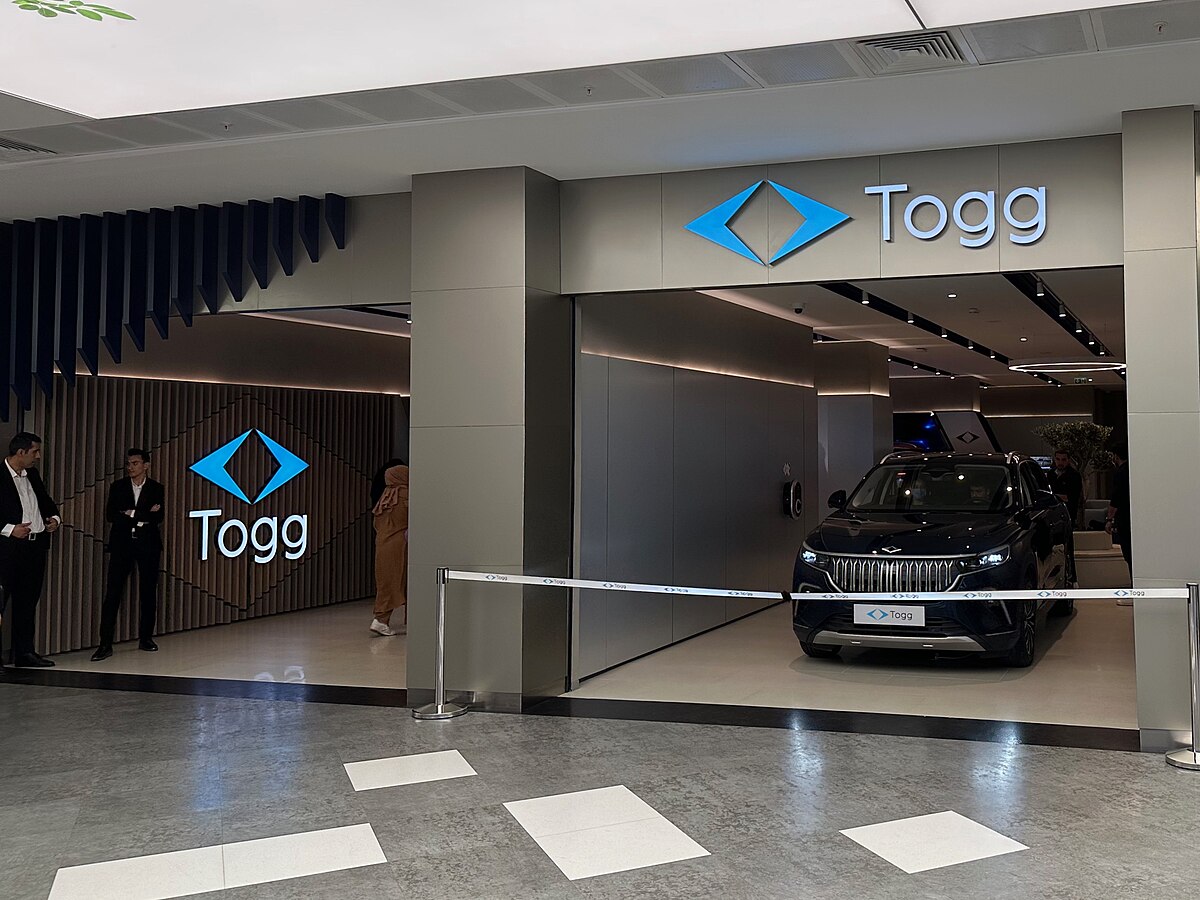
    Turkish President Recep Tayyip Erdogan’s official visit to the UAE was marked by a remarkable gesture of friendship and diplomacy. President Erdogan presented His Highness Sheikh Mohamed bin Zayed Al Nahyan, the UAE President, with a cutting-edge Turkish-made electric car, the Togg, as a symbol of the deep and enduring ties between their nations.

    The presentation of the Togg electric vehicle serves as a testament to the close relationship shared by Turkey and the UAE. President Erdogan expressed his immense pride in the strong bond that unites the two nations and sought to further reinforce this connection through this thoughtful and eco-friendly gift.

    The Togg electric car, a marvel of Turkish engineering, represents a significant milestone in Turkey’s commitment to sustainable development and eco-friendly transportation. The vehicle embodies Turkey’s dedication to innovation and progress in the automotive industry. This remarkable creation stands as a symbol of Turkey’s emergence as a leading player in the global electric vehicle market.

    In response to the generous gesture from President Erdogan, Sheikh Mohamed conveyed his sincere appreciation. He praised the Turkish President’s thoughtful gift and hailed it as a symbol of the deep-rooted friendship between Turkey and the UAE. The UAE President extended his heartfelt wishes for Turkey’s continued success and prosperity, as well as its progress in national projects and industries.

    The exchange of the Turkish-made electric car highlights the growing importance of renewable energy and eco-consciousness in international relations. As both nations strive to achieve sustainable development goals and reduce their carbon footprints, this gift signifies a mutual commitment to a greener and cleaner future.

    The Togg electric vehicle boasts state-of-the-art features, including cutting-edge technology, advanced safety measures, and impressive mileage, making it a significant asset to the UAE President’s motorcade. Furthermore, it represents Turkey’s ambition to become a major player in the global electric vehicle market, capitalizing on the increasing demand for eco-friendly transportation alternatives.

    President Erdogan’s visit to the UAE not only solidified diplomatic ties but also paved the way for potential collaborations in various sectors. Both leaders discussed opportunities for bilateral trade, investment, and cultural exchange, further deepening the connection between their nations.

    This gesture also holds significant implications for Turkey’s automotive industry. The Togg electric car project, which began in 2018, has been a source of national pride for Turkey. With the goal of designing and manufacturing its own indigenous electric vehicles, Turkey has shown its determination to reduce its reliance on imported cars and boost its domestic automotive sector. The successful completion and presentation of the Togg electric car mark a triumph for the Turkish automotive industry, setting a precedent for future innovation and advancement in the sector.

    The Togg electric car project represents a collaborative effort between some of Turkey’s most prominent companies, including Anadolu Group, BMC, Kıraça Holding, Turkcell, and Zorlu Holding. This joint venture showcases Turkey’s capabilities in harnessing its technological and industrial prowess to develop cutting-edge products with global appeal.

    The UAE has been a key partner in supporting Turkey’s automotive industry, and this generous gift further solidifies their strong economic and diplomatic relationship. The Togg electric car’s introduction to the UAE market opens up exciting opportunities for collaboration in the electric vehicle sector and facilitates the exchange of technical expertise between the two nations.

    The visit of President Erdogan to the UAE was not only an occasion for diplomacy but also an opportunity to promote Turkish culture and heritage. Both leaders highlighted the importance of preserving and celebrating their respective cultural identities while fostering mutual understanding and respect.

    As the world moves towards a more sustainable and eco-friendly future, the gift of the Turkish-made electric car serves as a shining example of how nations can come together to address global challenges collectively. Both Turkey and the UAE have demonstrated their commitment to combat climate change and promote sustainable development through this symbolic exchange.

    In conclusion, President Erdogan’s gesture of presenting the Turkish-made Togg electric car to Sheikh Mohamed bin Zayed Al Nahyan during his official visit to the UAE symbolizes the strength of the bilateral relationship between the two nations. Beyond the diplomatic exchange, the gift showcases Turkey’s ambition to become a prominent player in the global electric vehicle market and underscores both nations’ commitment to sustainable development and eco-consciousness.

    This historic event marks a new chapter in Turkey-UAE relations, promising further collaboration and growth in various sectors. As the world witnesses this display of friendship and technological innovation, it stands as a testament to the potential for positive change when nations unite for a shared vision of a greener and more prosperous future.

  • Dubai and Abu Dhabi Offer Free Parking in Celebration of Islamic New Year

    Dubai and Abu Dhabi Offer Free Parking in Celebration of Islamic New Year

    Dubai and Abu Dhabi, two of the United Arab Emirates’ most prominent cities, have come together to announce a special treat for their residents on the occasion of the Islamic New Year holiday. In a bid to facilitate joyful celebrations and encourage people to come together with their loved ones, the authorities have declared free parking across various areas in both cities. This generous initiative will surely bring smiles to the faces of thousands of residents and visitors alike.

    The Islamic New Year, also known as the Hijri New Year, is a significant event observed by Muslims worldwide. On Friday, July 21, which marks the beginning of the Islamic year 1445, public and private sector workers will be granted a holiday to commemorate this auspicious occasion.

    In Dubai, the Roads and Transport Authority (RTA) has taken the lead in extending their goodwill to the public. They have announced that parking will be free of charge on Friday in all paid areas, with the exception of multi-storey car parks. This thoughtful gesture aims to encourage people to venture out to various attractions and join in the festivities with ease.

    To facilitate the smooth movement of people during the celebrations, the RTA has also made changes to the operating hours of the Dubai Metro and Tram. The red and green metro lines will operate from 5:00 am to 1:00 am, providing extended hours of service to accommodate late-night travelers. Similarly, the Dubai Tram will be in operation from 6:00 am to 1:00 am, offering a convenient mode of transportation to revelers.

    For those relying on the public bus system, the buses will commence their services at 5:00 am and run until 12:30 am, ensuring people have access to public transportation throughout the day. The metro link bus services will be synchronized with the metro timetables, allowing commuters to seamlessly switch between different modes of transportation.

    Abu Dhabi‘s Integrated Transport Centre has also joined the festivities, announcing free parking for the public holiday. The Mawaqif parking fees will be suspended from midnight on Friday until 8:00 am on Saturday. This will enable residents and visitors to explore the city’s various attractions without the hassle of parking fees.

    Additionally, the authorities have made it even more convenient for travelers by waiving the toll charges for passing through the emirate’s toll gates on Friday. The toll gates, situated on several bridges across the capital, will remain inactive throughout the day and will resume operation at 7:00 am on Saturday.

    To complement the transportation services, public bus services in Abu Dhabi will adhere to the Friday and official holiday schedule, ensuring people can move around the city comfortably during their celebrations.

    This joint initiative by Dubai and Abu Dhabi exemplifies the spirit of unity and cooperation between the two emirates. By offering free parking and enhanced public transportation services during the Islamic New Year holiday, they demonstrate their commitment to ensuring the happiness and well-being of their citizens and visitors.

    As families and friends come together to celebrate the Islamic New Year, the free parking and extended transportation services will enable everyone to join in the festivities and create cherished memories. It is heartening to witness how the UAE’s cities prioritize the needs and happiness of their people during such special occasions.

    In conclusion, the news of free parking in Dubai and Abu Dhabi and the extended public transportation services during the Islamic New Year holiday comes as a welcome surprise for residents and visitors alike. This thoughtful gesture from the authorities showcases their dedication to making this auspicious occasion as joyous and memorable as possible. It is a testament to the UAE’s commitment to fostering a sense of community and shared celebration among its diverse population.

  • UAE Expands Emiratisation Targets for Private Establishments, Driving National Workforce Growth

    UAE Expands Emiratisation Targets for Private Establishments, Driving National Workforce Growth

    The UAE Ministry of Human Resources and Emiratisation (MOHRE) is set to implement an expansion of Emiratisation targets for private establishments, reflecting the government’s ongoing efforts to boost the employment of Emirati nationals in the private sector. The new initiative, announced by His Excellency Dr. Abdulrahman Al Awar, Minister of Human Resources and Emiratisation, aims to further enhance the national workforce by requiring private companies with 20 to 49 employees to hire Emiratis in targeted economic sectors.

    The decision to expand Emiratisation targets to smaller private establishments comes as a result of a thorough study conducted by the ministry, analyzing the economic sectors and business activities of companies in this specific employee range. The study revealed the rapid growth experienced by these establishments and their potential to provide additional job opportunities and a suitable work environment for Emirati citizens.

    Under the new rules, private establishments falling within the 20 to 49-employee range will be required to hire at least one UAE citizen in 2024 and another in 2025. The objective is to increase the representation of Emiratis in key economic sectors, including information and communications, financial and insurance activities, real estate, professional and technical activities, administrative and support services, arts and entertainment, mining and quarrying, transformative industries, education, healthcare and social work, construction, wholesale and retail, transportation and warehousing, as well as hospitality and residency services.

    To ensure compliance with the Emiratisation targets, establishments failing to meet the requirements will face fines. In January 2025, non-compliant companies will be subject to a yearly financial contribution of AED96,000. For those still non-compliant in 2025, a fine of AED108,000 will be imposed in January 2026. However, the ministry has allowed for payment of these fines in installments to lessen the financial burden on businesses.

    Dr. Al Awar expressed his confidence in the positive impact of expanding the Emiratisation targets, stating that it will benefit both Emirati citizens and the establishments themselves. He emphasized the importance of Emiratisation in enhancing the private sector’s contribution to the national initiative, which has yielded remarkable results under the guidance of the UAE’s wise leadership and the supervision of His Highness Sheikh Mansour bin Zayed Al Nahyan, UAE’s Vice President, Deputy Prime Minister, Minister of Presidential Court, and Chairman of the Board of Directors of the Emirati Talent Competitiveness Council.

    In addition to the expansion of Emiratisation targets, the UAE government has set ambitious goals for increasing Emiratisation in the private sector. The aim is to reach a 10% Emiratisation rate by 2026, reflecting the government’s commitment to promoting a more inclusive job market and providing Emirati citizens with enhanced employment opportunities.

    The new Emiratisation rules for private establishments with 20 to 49 employees run parallel to the existing policies targeting larger companies with 50 or more employees. The latter are required to achieve a 1% growth in the number of Emiratis working in skilled jobs every six months. This comprehensive approach demonstrates the government’s determination to ensure Emiratisation becomes a driving force in the private sector’s growth and development.

    The Ministry of Human Resources and Emiratisation will inform targeted establishments through its digital channels, considering factors such as job types, work environments, geographical locations, growth patterns in economic sectors, and Emiratisation priorities. Establishments found to be circumventing or providing false information regarding Emiratisation will face fines and penalties as stipulated by UAE Cabinet Resolution No. 95 of 2022 and its amendments.

    The expanded Emiratisation targets and associated fines send a clear message to private establishments in the UAE that Emiratisation is a top priority. By fostering the employment of Emirati nationals and creating a more diverse workforce, the UAE aims to build a sustainable economy that benefits both citizens and businesses. The government’s dedication to Emiratisation reflects its commitment to nurturing talent, creating job opportunities, and ensuring a prosperous future for the nation.

    What is Emiratisation?

    Emiratisation is a government initiative in the United Arab Emirates (UAE) to increase the number of Emirati citizens employed in the workforce. The goal of Emiratisation is to ensure that Emiratis have a stake in the economy and to create a more sustainable future for the UAE.

    Why is Emiratisation important?

    Emiratisation is important for a number of reasons. First, it helps to ensure that Emiratis have a stake in the economy and that they are able to benefit from the country’s economic growth. Second, it helps to create a more sustainable future for the UAE by ensuring that there is a skilled workforce available to meet the needs of the economy. Third, it helps to promote social stability by giving Emiratis a sense of ownership and belonging.

    What are the benefits of Emiratisation for companies?

    There are a number of benefits of Emiratisation for companies in the UAE. First, it can help to improve the company’s image and reputation. Second, it can help to attract and retain talented Emirati employees. Third, it can help to comply with government regulations.

    What is the future of Emiratisation?

    The future of Emiratisation is uncertain. However, the government is committed to increasing Emiratisation in the private sector, and it is likely that the government will continue to introduce new policies and regulations to support Emiratisation.

  • Environment Agency – Abu Dhabi highlights efforts to boost climate action and enhance the emirate’s resilience

    Environment Agency – Abu Dhabi highlights efforts to boost climate action and enhance the emirate’s resilience

    As part of its continued strides to uphold the global aim of keeping the rise in average temperatures between 1.5 and 2 degrees Celsius, and as an affirmation of the UAE’s climate action leadership, the Environment Agency – Abu Dhabi (EAD) has outlined plans for the “Abu Dhabi Climate Change Strategy”, which was recently approved by the Abu Dhabi Executive Council.

    The comprehensive five-year plan will strengthen the emirate’s environmental resilience, achieve concrete progress towards achieving full climate neutrality, further enhance Abu Dhabi’s contribution to the UAE’s global sustainability leadership, and attract investment as part of a secure and sustainable economy.

    “Abu Dhabi is not alone in facing the impacts of global climate change, and we must take proactive measures to mitigate and adapt,” said Dr. Shaikha Salem Al Dhaheri, Secretary-General of EAD. “Our plan provides proactive solutions to promote economic diversification through innovation and the use of low-carbon technologies.”

    “Through this strategy, critical sectors, such as infrastructure, energy, environment and health will be enhanced to ensure not only business continuity but also climate resilience and agility. Having one of the most climate resilient and adapted places in the region will attract further investment and give added confidence to businesses and individuals to move to and invest in Abu Dhabi,” she added.

    Sheikha Al Mazrouei, Executive Director of the Integrated Environmental Policy and Planning Sector at EAD, elaborated, “Our goal is for all these sectors to be fully adaptable to any possible repercussions of climate change by 2050. Over the next five years, we will also reduce the emirate’s emissions by 22 percent from 2016 levels, which is equivalent to CO2 sequestered by 500 million trees for 10 years.”

    This emission reduction target represents Abu Dhabi’s commitment to the recent announcement of the UAE’s emission target reduction of 40 percent by 2030. Abu Dhabi is committed to achieving its target through a reduction of absolute emissions by 47 million tonnes of GHGs by 2030.

    The strategy was developed in collaboration with the Department of Energy, Department of Municipalities and Transport, Department of Economic Development, Abu Dhabi Agriculture and Food Safety Authority, Abu Dhabi Public Health Centre, and Abu Dhabi Waste Management Company. EAD also coordinated with the Ministry of Climate Change and the Environment, the Abu Dhabi National Oil Company (ADNOC), Emirates Global Aluminum, Mubadala, and other private sector leaders.

    Drawing on the emirate’s long history of sustainability, Abu Dhabi Climate Change Strategy will be implemented at an accelerated rate across two pillars: mitigation, which will involve reducing climate emissions while maintaining economic growth; and adaptation, which refers to enhancing the resilience and agility of key economic sectors against climate risks. The strategy will employ 81 initiatives and 12 strategic projects across key areas, including low-emissions vehicles, mangrove restoration, green procurement, building codes, negative emission technologies, decarbonization, and cleaner renewables.

    Dr. Al Dhaheri concluded, “The launch of the Abu Dhabi Climate Change Strategy is another example of the UAE’s climate leadership in the regional and global arena. It follows in the footsteps of being the first nation in the region to ratify the Paris Agreement, the first nation in the region to truly invest in cleaning its power supply by turning to renewables, and the first in the region to set a pathway to net zero by 2050.”

    The Environment Agency – Abu Dhabi (EAD) has recently approved the “Abu Dhabi Climate Change Strategy” to uphold the global aim of keeping the rise in average temperatures between 1.5 and 2 degrees Celsius. This comprehensive five-year plan aims to strengthen the emirate’s environmental resilience and achieve full climate neutrality, contributing to the UAE’s global sustainability leadership and attracting investment for a secure and sustainable economy.

    Dr. Shaikha Salem Al Dhaheri, Secretary-General of EAD, stated the need for proactive measures to mitigate and adapt to the impacts of global climate change. The plan emphasizes economic diversification through innovation and the use of low-carbon technologies. It aims to enhance critical sectors such as infrastructure, energy, environment, and health to ensure business continuity, climate resilience, and agility. This approach will make Abu Dhabi one of the most climate-resilient and adapted places in the region, further attracting investment and inspiring confidence in businesses and individuals.

    Sheikha Al Mazrouei, Executive Director of the Integrated Environmental Policy and Planning Sector at EAD, outlined the goal of making all sectors fully adaptable to any possible repercussions of climate change by 2050. In the next five years, the strategy aims to reduce the emirate’s emissions by 22 percent from 2016 levels, equivalent to CO2 sequestered by 500 million trees over ten years. This emission reduction target aligns with the UAE’s commitment to reduce emissions by 40 percent by 2030, aiming to achieve this through a reduction of absolute emissions by 47 million tonnes of GHGs.

    The strategy was developed in collaboration with various government departments and organizations, including the Department of Energy, Department of Municipalities and Transport, Department of Economic Development, Abu Dhabi Agriculture and Food Safety Authority, Abu Dhabi Public Health Centre, and Abu Dhabi Waste Management Company. EAD also coordinated with the Ministry of Climate Change and the Environment, as well as private sector leaders such as the Abu Dhabi National Oil Company (ADNOC), Emirates Global Aluminum, and Mubadala.

    Building on the emirate’s history of sustainability, the Abu Dhabi Climate Change Strategy will be implemented across two pillars: mitigation and adaptation. The mitigation pillar aims to reduce climate emissions while maintaining economic growth, while the adaptation pillar focuses on enhancing the resilience and agility of key economic sectors against climate risks. The strategy includes 81 initiatives and 12 strategic projects, covering areas such as low-emissions vehicles, mangrove restoration, green procurement, building codes, negative emission technologies, decarbonization, and cleaner renewables.

    Dr. Al Dhaheri emphasized that the launch of the Abu Dhabi Climate Change Strategy demonstrates the UAE’s climate leadership regionally and globally. The UAE was the first nation in the region to ratify the Paris Agreement, the first to invest in cleaning its power supply through renewables, and the first in the region to set a pathway to net zero by 2050. The strategy aligns with these commitments, further positioning Abu Dhabi as a leader in climate action.

    In conclusion, the Abu Dhabi Climate Change Strategy outlines Abu Dhabi’s commitment to upholding global climate goals while enhancing the emirate’s environmental resilience and attracting investment. Through proactive measures and collaboration with various sectors, Abu Dhabi aims to achieve full climate neutrality, demonstrating its climate action leadership in the region and beyond.