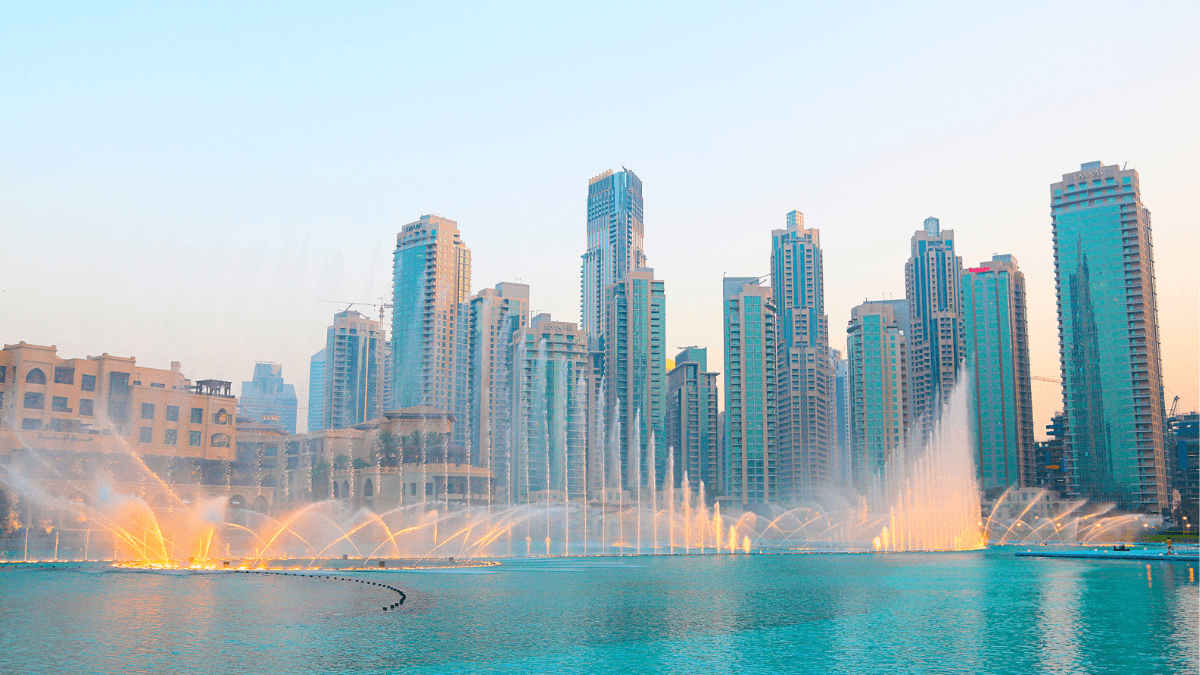
Category: UAE

Stay informed about the latest news and happenings in the United Arab Emirates (UAE) with GulfInsight360.com’s UAE category. Explore a wide range of topics, including politics, economy, culture, tourism, and more, providing comprehensive coverage of the UAE’s dynamic landscape. Our dedicated team of writers delivers timely updates, insightful analysis, and in-depth features to keep you well-informed about the UAE’s developments, achievements, challenges, and opportunities.

  • Beyond Annoyance: Why ‘Noisy Chewing’ is Triggering a Workplace Crisis in the UAE

    Beyond Annoyance: Why ‘Noisy Chewing’ is Triggering a Workplace Crisis in the UAE

    For many in the UAE’s high-octane corporate world, the greatest threat to productivity isn’t a missed deadline or a technical glitch it is the sound of a colleague eating an apple three desks away.

    What might sound like a minor “pet peeve” to most is a debilitating daily reality for thousands of residents suffering from misophonia. UAE medical experts are now sounding the alarm, warning that this “hatred of sound” is a legitimate neurological condition that is causing silent burnout, workplace friction, and significant economic losses in the nation’s open-plan offices.

    The Science of Sound Hatred

    Misophonia, or Selective Sound Sensitivity Syndrome, is far more complex than simply being “irritable.” According to specialists at Maudsley Health Abu Dhabi, the condition involves a hyperactivation of the brain’s anterior insular cortex, which links auditory stimuli to intense emotional responses.

    When a sufferer hears a “trigger” sound most commonly chewing, slurping, pen-clicking, or heavy breathing their brain interprets the noise as a direct physical threat.

    “It isn’t just annoyance; it’s a full-scale neurological hijack,” says Dr. Sameer Al-Bahri, a consultant psychologist in Dubai. “The individual is suddenly flooded with adrenaline. Their heart rate spikes, their muscles tense, and they enter a ‘fight-or-flight’ state. Imagine trying to finish a financial report while your brain thinks you are being hunted by a predator. That is the daily experience of a misophonic at work.”

    The Open-Office Nightmare

    The UAE’s shift toward collaborative, open-plan workspaces has inadvertently created a “minefield” for those with the condition. Recent data suggests that nearly 500 million is lost annually in the UAE due to workplace stress and productivity declines a portion of which experts attribute to “sensory overload” and environmental triggers.

    Common Workplace Triggers include:

    • Oral Sounds: Chewing, crunching, slurping, or loud swallowing.
    • Repetitive Actions: Typing on mechanical keyboards, pen-clicking, or finger-tapping.
    • Environmental: The hum of specific AC units or the “hiss” of a coffee machine.

    The struggle has moved beyond the doctor’s office and into the courtroom. Under the UAE Federal Law No. 10 of 2023 on Mental Health, which came into full effect in mid-2024, employees with diagnosed mental health conditions including severe sensory processing disorders are granted specific protections.

    The law mandates that employers must provide a supportive work environment and prohibits termination based on a psychiatric condition without a specialized medical committee report. For misophonia sufferers, this means they may be entitled to “Reasonable Accommodations,” such as:

    1. Noise-Canceling Equipment: Permission to wear high-end ANC headphones during focus hours.
    2. Zoning: Relocation to a “quiet zone” or a corner desk with less foot traffic.
    3. Flexible Work: The option to work remotely during peak office “snack times” or lunch hours.

    Breaking the Stigma

    Despite its severity, misophonia remains a “hidden” struggle. A 2025 survey of UAE professionals revealed that 60% of employees avoid disclosing sensory sensitivities for fear of being perceived as “difficult” or “weak.”

    Doctors emphasize that the first step to a solution is diagnosis and communication. Cognitive Behavioral Therapy (CBT) and Tinnitus Retraining Therapy (TRT) have shown success in helping UAE patients “rewire” their emotional response to sounds, while white-noise generators are becoming a staple in modern Dubai office designs to “mask” the repetitive noises that trigger outbursts.

    “We need to move past the ‘just ignore it’ advice,” adds Dr. Al-Bahri. “For a misophonic, that is physiologically impossible. Acknowledging the condition is the only way to save both the employee’s mental health and the company’s bottom line.”


    The UAE’s Green Lungs: A Comprehensive Guide to Navigating UAE Neighborhood Parks entry in 2025

  • The UAE’s Green Lungs: A Comprehensive Guide to Navigating UAE Neighborhood Parks entry in 2025

    The UAE’s Green Lungs: A Comprehensive Guide to Navigating UAE Neighborhood Parks entry in 2025

    As the UAE continues its rapid urban expansion, the “neighborhood park” has evolved from a simple patch of grass into a high-tech, inclusive community hub. With the “Green Dubai” and “Abu Dhabi 2030” visions in full swing, accessing these suburban oases has become more seamless than ever, provided you have the right digital tools in your pocket.

    Whether you are looking for a jogging track in Sharjah or a quiet sensory garden in Dubai, here is the expert’s guide to navigating and accessing the UAE’s residential green spaces today.

    Dubai: The Power of the Nol Card and ‘Makani’

    In Dubai, the line between public transit and public leisure has officially blurred. While hundreds of small “pocket parks” in residential areas like Jumeirah and Mirdif are entirely free and open-access, larger neighborhood parks (such as Al Barsha Pond Park or Safa Park) utilize the Nol Card for entry.

    • Entry Fees: Typically AED 5 to AED 10.
    • Access Method: Simply tap your Nol card at the gate. As of late 2025, the Nol Pay app also allows for virtual QR-code entry, eliminating the need for a physical card.
    • Smart Navigation: The Makani system—Dubai’s unique geo-addressing platform—has been integrated into most park entrances. Visitors can use the Makani app to find the exact gate coordinates and even check real-time “occupancy levels” to avoid crowds.

    Sharjah: The ‘Resident-First’ Model

    Sharjah has doubled down on its commitment to family privacy and neighborhood security. Most neighborhood parks in the emirate are gated and reserved exclusively for local residents.

    To gain access, residents must apply for a Park Entry Card via the Sharjah Municipality e-portal.

    • Requirements: A copy of your Emirates ID and a valid tenancy contract or utility bill (SEWA).
    • Cost: A nominal annual fee of AED 15.
    • Digital Integration: Once approved, the card is issued digitally to your smartphone. This ensures that neighborhood parks remain safe, quiet havens for the families living in the immediate vicinity.

    Abu Dhabi: Open Access and Pet Registration

    Abu Dhabi’s Department of Municipalities and Transport (DMT) has focused on “open-border” parks. Most residential parks in the capital, such as those in Rabdan or Khalifa City, are fence-free and open 24/7.

    However, 2025 saw the full implementation of the TAMM Pet Registration mandate. If you plan to access a pet-friendly park (like Sheikha Fatima Park), your pet’s digital “passport” must be updated on the TAMM app. Smart sensors at park perimeters can now verify registered pets via their microchips, ensuring all furry visitors are vaccinated and accounted for.

    The Gold Standard: Accessibility for All

    The biggest story of 2025 is the UAE’s achievement of the Universal Design Code. Following the AccessAbilities Expo earlier this year, 80% of all neighborhood parks are now fully accessible for People of Determination (POD).

    • Free Access: Entry remains free for POD and up to two companions upon presenting a Sanad Card or the Ministry of Community Development ID.
    • New Features: Look for the “Quiet Rooms” in major neighborhood parks, designed specifically for children on the autism spectrum, and tactile paving that connects the nearest bus stop directly to the park’s play zones.

    Pro-Tip: Check the ‘Family-Only’ Status

    Before you pack your picnic, remember that many neighborhood parks operate on a “Families Only” policy during weekends. This is strictly enforced by municipal “Community Ambassadors” (the 2025 evolution of park security) to ensure a comfortable environment for parents and children.

    Know More about the UAE Neighborhood Parks entry:

    1. Is entry to neighborhood parks in the UAE free?
      Many smaller neighborhood parks (residential parks) are free of charge. However, larger “major” parks (like Safa Park or Zabeel Park) typically charge a nominal fee of AED 3 to AED 5.
    2. How do I pay for park entry in Dubai?
      In Dubai, most paid parks require a Nol Card for entry. There are usually no cash counters at the gates; you simply tap your card at the turnstile.
    3. Do Abu Dhabi parks require a special pass?
      While many are free, some premium parks like Umm Al Emarat Park require a ticket (often AED 10), which can be purchased via cash, card, or sometimes through dedicated apps like Darbi.
    4. Are there “Ladies Only” days in UAE parks?
      Yes, several parks (such as Al Barsha Pond Park or specific sections of Mushrif Park) designate certain days of the week exclusively for women and children.
    5. What are the typical operating hours?
      Most neighborhood parks open around 8:00 AM and close between 10:00 PM and midnight, with hours often extended during weekends and public holidays.
    1. Can I use my phone to enter the park?
      Yes, if your Nol card is linked to your digital wallet (Apple Pay/Samsung Pay) or if the park uses a QR-code-based ticketing system available via the Dubai Public Parks app.
    2. What if I don’t have a Nol card?
      You can usually purchase or top up a Nol card at nearby RTA bus stations, metro stations, or some grocery stores near the park entrance.
    3. Is entry free for “People of Determination”?
      Yes, in almost all public parks across the UAE, People of Determination and two companions are granted free entry upon presenting a valid ID card (Sanad Card).
    1. Are there dedicated running and cycling tracks?
      Most modern neighborhood parks feature high-quality rubberized jogging tracks. Cycling is often restricted to specific parks with dedicated bike paths, like Mushrif Park.
    2. Is Wi-Fi available in public parks?
      Through the “Smart Palm” and “Digital Dubai” initiatives, many major parks offer free public Wi-Fi hotspots for visitors.
    3. Are there prayer rooms available?
      Yes, almost all neighborhood parks in the UAE are equipped with clean Musallahs (prayer rooms) for both men and women.
    4. Are kids’ play areas shaded?
      Due to the climate, the UAE government has prioritized shaded play areas with UV-protective canopies to ensure children can play safely even during warmer hours.
    1. Can I bring my dog to neighborhood parks?
      Generally, dogs are not allowed in most public municipal parks. However, specific “Dog Parks” (like those in JLT, The Greens, or Bark Park) are designed for pets.
    2. Is BBQ allowed in neighborhood parks?
      Barbecuing is only permitted in designated BBQ pits. Doing so on the grass or in non-designated areas can result in a fine.
    3. What is the dress code for visiting public parks?
      Visitors are expected to dress modestly, in line with the UAE’s cultural values. Swimwear is generally restricted to beach parks.
    4. Can I play loud music?
      Loud music that disturbs other visitors is generally prohibited. Use of headphones is encouraged to maintain the tranquil environment of the neighborhood.
    5. Are e-scooters allowed inside the park?
      Most parks prohibit e-scooters and motorized boards on pedestrian walkways for safety reasons, though some larger parks have designated zones for them.
    1. What is the best neighborhood park for families in Dubai?
      Al Barsha Pond Park is highly searched for its large boating pond, cycling track, and ample green space for picnics.
    2. Which park is best for views of the Dubai skyline?
      Zabeel Park is the top choice, as it houses the Dubai Frame and offers expansive views of both Old and New Dubai.
    3. How can I find the nearest park to my location?
      People frequently use the Dubai 24/7 app or Google Maps to check “Parks Near Me,” which provides live updates on peak hours and facility availability.

    Apple Manufacturing Academy Launches Virtual Programming to Train More American Businesses

  • UAE Government Announces New School Admission Age Rule Starting 2026-27

    UAE Government Announces New School Admission Age Rule Starting 2026-27

    The UAE government has announced a major change to school admission age requirements that will benefit thousands of families across the Emirates, particularly those with children born in the final months of the year. Starting from the 2026-27 academic year, the official age cut-off for kindergarten and Grade 1 admissions will shift from August 31 to December 31 of the admission year.

    The policy change, approved by the Education, Human Development, and Community Development Council, represents a significant reform in the UAE’s education system and has been welcomed by parents who previously faced difficult decisions about their children’s schooling.

    Key Changes to Admission Requirements

    The December 31 cut-off applies to all schools and kindergartens whose academic year begins in August or September, regardless of curriculum. This includes British, American, IB, Indian, French, and other international curricula operating in Dubai, Abu Dhabi, Sharjah, and the northern emirates.

    However, schools that begin their academic year in April will maintain the existing March 31 cut-off date. This distinction ensures that different academic calendars can operate smoothly within the UAE’s diverse educational landscape.

    Under the new age criteria established by the council, children must reach specific ages by December 31 of the admission year:

    • Pre-Kindergarten (Foundation Stage 1 in British curriculum, Petite Section in French, Pre-KG in other curricula): 3 years old
    • KG1 (FS2 in British curriculum, Moyenne Section in French): 4 years old
    • KG2/Grade 1 (Year 1 in British curriculum): 5 years old

    Who Benefits Most from the Change

    The revised policy particularly benefits children born between September and December, who under the previous system would have been required to wait an additional year before starting school. A child who turns three in October can now start school in August or September of that year, joining at age two, whereas previously that same child would have been required to wait until the following academic year.

    This change eliminates a frustrating situation that many families faced. Parents of children born in the last quarter of the year often found their children too old for most nurseries but too young to meet school admission requirements, forcing difficult decisions about their education timeline.

    Current Students Unaffected

    The updated policy applies only to new student admissions for the 2026-27 academic year, and students currently enrolled will continue under the admission rules that were in place at the time of their original registration, with no changes to their placement.

    This grandfather clause ensures continuity for existing students and prevents any disruption to their educational progression. Schools will maintain their current year group structures while implementing the new requirements for incoming students.

    Transfer Students and International Arrivals

    For students transferring between schools, switching curricula, or arriving from outside the UAE, placement will be based on the last successfully completed grade. This ensures that children moving to the UAE or changing schools within the country can continue their education without unnecessary gaps or repetition.

    The Ministry of Education has established approved grade equivalency procedures to facilitate smooth transitions between different educational systems, recognizing that families in the UAE come from diverse international backgrounds.

    Parent Reactions and Relief

    The announcement has been met with overwhelming relief from families who had been advocating for this change. Many parents had faced agonizing choices about whether to delay their children’s education, seek alternative schooling options, or even consider relocating to ensure their children could start school at an appropriate age.

    Mousa Abdelkarim, a Jordanian expat living in the UAE, was on the verge of sending his family back home to ensure his son didn’t fall behind, stating he thanks everyone who contributed to changing this decision because it was causing a dilemma in his family life.

    Parents have expressed that the new system ends years of uncertainty and prevents children from losing an entire academic year simply due to their birth dates falling after the previous August 31 deadline. The change brings peace of mind to families planning their children’s educational journey in the UAE.

    Research-Based Decision Making

    The government’s decision was not made arbitrarily but was grounded in comprehensive research and data analysis. A national dataset of more than 39,000 students was analyzed, including children who had enrolled at ages 3, 4, and 5 under the previous cut-off system, and the academic performance data revealed no significant disadvantages associated with early entry.

    This evidence-based approach examined child readiness across core developmental domains including cognitive abilities, socio-emotional development, language skills, and motor skills. The research confirmed that while age is a factor in school readiness, it is shaped by a broader set of interacting developmental indicators rather than age alone.

    Alignment with International Standards

    The Ministry of Education stated the change would ensure fair access to early education through unified admission criteria and align UAE education with international standards. The new policy reflects best practices observed in education systems worldwide and acknowledges that calendar-year-based admissions provide greater flexibility and fairness than school-year-based cutoffs.

    The reform also addresses the unique challenges of the UAE’s multicultural population, where families from different countries have varying expectations and norms regarding school starting ages based on their home country practices.

    Impact on Different Curricula

    The policy change affects all major curricula operating in the UAE:

    British Curriculum Schools: Children can now enter Foundation Stage 1 (FS1) if they turn three by December 31, rather than August 31. This means children born in autumn months can start their educational journey several months earlier than before.

    American Curriculum Schools: Pre-Kindergarten admission now extends to children turning three by December 31, providing earlier access for late-year births.

    IB and International Schools: The standardized cut-off creates consistency across different international programs, making it easier for families to compare options and plan transitions.

    Indian Curriculum Schools: Schools following the April-start calendar remain on the March 31 cut-off, maintaining alignment with India’s educational calendar while the majority of UAE schools adopt the December standard.

    Practical Implications for Schools

    Educational institutions across the UAE are expected to update their admissions guidance well ahead of the 2026-27 admissions cycle. Schools will need to revise their enrollment procedures, adjust capacity planning, and ensure that facilities and staffing can accommodate the potential increase in younger students entering the system.

    The Knowledge and Human Development Authority (KHDA) in Dubai and education regulators in other emirates will provide oversight to ensure smooth implementation across all registered schools. Parents are advised to check directly with their chosen schools for specific entry criteria and availability as implementation details may vary.

    Timeline for Implementation

    The new admission rules will take effect for the 2026-27 academic year, giving schools and families more than a year to prepare for the transition. This lead time allows:

    • Schools to plan capacity and resources
    • Parents to make informed decisions about their children’s education timeline
    • Education authorities to provide guidance and support to institutions
    • Curriculum adjustments where necessary to accommodate potentially younger learners

    Schools are expected to open admissions for the 2026-27 academic year in early 2026, with the new age requirements in full effect.

    Historical Context and Advocacy

    The policy change culminates more than a year of public discussion and official advocacy. In late 2024, the Federal National Council addressed the issue after receiving numerous complaints from parents whose children were born in the final quarter of the year. FNC members argued that the August 31 cut-off created an artificial barrier that disadvantaged children and complicated family planning.

    The subsequent government response demonstrates the UAE’s commitment to responsive governance and willingness to adjust policies based on community needs and evidence-based research. The decision reflects the country’s broader educational reform efforts aimed at providing world-class learning opportunities for all children regardless of their birth dates.

    Looking Ahead

    As the UAE continues to position itself as a global education hub, this reform enhances the country’s attractiveness to international families considering relocation. The standardized, fair, and research-backed approach to school admissions aligns with the nation’s vision for educational excellence and accessibility.

    The change also sets a precedent for evidence-based policy making in education, demonstrating that the UAE is willing to revise established practices when data supports better outcomes for students and families. Education experts anticipate that this reform will reduce stress on families, improve school readiness, and contribute to better long-term educational outcomes for children across the Emirates.

    Parents planning their children’s education in the UAE can now do so with greater confidence and flexibility, knowing that admission policies reflect international best practices and the developmental needs of young learners rather than arbitrary calendar constraints.

  • UAE Friday Prayers: Unified Timing Across All Mosques Starting January 2026

    UAE Friday Prayers: Unified Timing Across All Mosques Starting January 2026

    In a significant move aimed at standardizing religious practices across the nation, the United Arab Emirates has announced that all mosques throughout the country will observe Friday prayers at a single, unified time beginning January 2, 2026.

    The General Authority of Islamic Affairs, Endowments and Zakat revealed on Tuesday that the Friday sermon and congregational prayer will begin at 12:45 pm across all mosques, marking a departure from the varied timings that have existed between different emirates.

    End of Regional Time Differences

    The standardization represents a major shift from the current system, where prayer times varied considerably across the seven emirates. Previously, Dubai and Abu Dhabi conducted Friday prayers around 1:30 PM, while Sharjah and the northern emirates held them closer to 12:30 PM. Since 2022, most emirates followed a 1:15 PM timing, with Sharjah maintaining its earlier schedule due to its unique Friday-to-Sunday weekend arrangement.

    The new policy eliminates these regional discrepancies, establishing a single nationwide schedule that worshippers can rely on regardless of which emirate they find themselves in on Friday.

    Organizational Benefits and Community Impact

    Religious authorities have outlined several key objectives behind the timing unification. The standardized schedule is designed to eliminate confusion for residents who travel between emirates for work or family obligations, ensuring that no one misses the important congregational prayer due to uncertainty about local timings.

    Officials believe the synchronized timing will strengthen community bonds by encouraging simultaneous participation across all mosques nationwide. The authority called on worshippers to arrive early at the mosques to ensure they do not miss the sermon, emphasising the importance of attending promptly to earn the full reward.

    The move is also expected to improve crowd management and organizational efficiency at mosques throughout the country. By having all congregations begin at the same moment, authorities hope to create a more cohesive spiritual experience that reinforces national unity.

    Implications for Daily Life

    The timing change will likely require adjustments across multiple sectors of society. Schools, businesses, and government offices may need to modify their Friday schedules to accommodate the new prayer time, which falls 30 minutes earlier than the timing most emirates have followed since 2022.

    For many residents, particularly those who commute between emirates for work, the unified schedule promises to simplify their weekly routines. Workers in Dubai who live in Sharjah, for example, will no longer need to navigate different prayer times depending on where they choose to worship.

    Residents have expressed mixed reactions, with many welcoming the predictability of a single nationwide time. Some noted that the earlier timing allows them to complete their prayers and return to work or family activities with more time remaining in the day, while others are already adjusting their Friday plans to account for the change.

    The retail and service sectors will also need to adapt, as many businesses traditionally pause operations during Friday prayers. A fixed, universal time may help these establishments plan their weekly operations more efficiently, reducing disruptions and supporting workforce stability.

    Religious and Seasonal Considerations

    From a religious perspective, the 12:45 PM timing falls comfortably within the prescribed window for Friday prayers, which according to Islamic jurisprudence must occur after the sun passes its zenith but before the afternoon Asr prayer. The timing therefore meets all required religious conditions while providing practical benefits.

    The decision to adopt a fixed time year-round, rather than adjusting seasonally based on astronomical variations, reflects a preference for consistency and ease of planning. This approach reduces confusion and allows institutions to maintain stable schedules throughout the year.

    The announcement comes as the UAE prepares to designate 2026 as the “Year of the Family,” and authorities have noted that the adjusted timing supports family life and shared activities, contributing to a more balanced Friday routine for residents.

    Implementation Timeline

    The General Authority of Islamic Affairs, Endowments and Zakat has emphasized that the new timing will not take effect immediately. The change is scheduled to begin on Friday, January 2, 2026, giving residents, schools, and businesses more than a month to prepare and adjust their schedules accordingly.

    This lead time is intended to ensure a smooth transition, allowing all stakeholders to coordinate necessary changes to work hours, school schedules, and commuting patterns. The authority has urged all worshippers to familiarize themselves with the new schedule and plan to arrive at mosques punctually.

    Looking Ahead

    As the implementation date approaches, the success of this nationwide standardization will depend on effective communication and coordination across all sectors of society. Religious authorities continue to emphasize the spiritual significance of Friday prayers and encourage residents to view the unified timing as an opportunity to strengthen communal bonds and deepen their collective worship experience.

    The unified prayer time represents one of several recent initiatives aimed at standardizing practices and improving efficiency across the UAE’s diverse emirates, reflecting the country’s ongoing commitment to balancing religious tradition with modern organizational needs.

  • Cheapest Gold Price in UAE: Who Will Gain Most from 14K Rate in Dubai?

    Cheapest Gold Price in UAE: Who Will Gain Most from 14K Rate in Dubai?

    New lower-karat gold offering targets budget-conscious consumers as market dynamics reshape Dubai’s jewelry landscape

    Dubai’s gold market, renowned globally as a premier destination for precious metal jewelry, has witnessed the introduction and growing popularity of 14-karat (14K) gold—a lower-purity option priced significantly below the traditional 22-karat and 24-karat products that have historically dominated the UAE market. As 14K gold establishes itself as the cheapest gold option available in Dubai, questions arise about which consumer segments stand to benefit most from this market evolution and how the lower-karat alternative is reshaping the Emirates’ centuries-old relationship with the precious metal.

    The emergence of 14K gold reflects broader market dynamics including rising gold prices, evolving consumer preferences, demographic shifts, and competitive pressures that are transforming Dubai from exclusively a high-purity gold market into one offering diverse options spanning the quality and price spectrum.

    Understanding Gold Purity: The Karat System

    Before examining who benefits from 14K gold availability, understanding the karat system provides essential context:

    Gold Purity Measurements

    24-karat (24K) gold: 99.9% pure gold with virtually no other metals; soft, highly malleable, bright yellow color; traditionally used for investment-grade bars and coins rather than jewelry.

    22-karat (22K) gold: 91.67% pure gold (22 parts gold, 2 parts other metals); traditional choice in the Gulf region, South Asia, and many Middle Eastern markets; relatively soft but suitable for intricate jewelry designs with cultural significance.

    21-karat (21K) gold: 87.5% pure gold; popular in some regions as a compromise between purity and durability.

    18-karat (18K) gold: 75% pure gold (18 parts gold, 6 parts other metals); international standard for fine jewelry; significantly harder than 22K, making it more durable for daily wear; common in European and American markets.

    14-karat (14K) gold: 58.3% pure gold (14 parts gold, 10 parts other metals); substantially more affordable than higher karats; very durable due to higher alloy content; popular in Western markets; newest addition to Dubai’s traditional gold market.

    Lower karats (10K, 9K): Legal minimum standards in some countries, but rare in the UAE market, where quality expectations remain high even for budget offerings.

    The remaining content in lower-karat gold consists of alloy metals, including copper, silver, zinc, nickel, or palladium, that affect color (yellow, white, rose variations), durability, and price while reducing pure gold content.

    Price Differentials: The Economic Appeal

    The fundamental attraction of 14K gold lies in its significantly lower price compared to traditional higher-purity options:

    Comparative Pricing Example

    When international gold prices trade at approximately $2,650 per troy ounce (rates fluctuate constantly), approximate per-gram prices in UAE dirhams are:

    24K gold: ~AED 315-320 per gram (depending on daily rates and seller markup)

    22K gold: ~AED 290-295 per gram (traditional UAE standard)

    18K gold: ~AED 235-240 per gram (international fine jewelry standard)

    14K gold: ~AED 180-185 per gram (budget-friendly option)

    Price differential: 14K gold costs approximately 40-45% less than 22K gold and nearly 45-50% less than 24K gold—dramatic savings that fundamentally change affordability calculations.

    Jewelry Piece Cost Comparisons

    The savings become more tangible when considering actual jewelry purchases:

    Simple gold chain (10 grams):

    • 22K: ~AED 2,900-2,950 plus making charges
    • 14K: ~AED 1,800-1,850 plus making charges
    • Savings: ~AED 1,000-1,100 (38-40%)

    Wedding ring set (15 grams total):

    • 22K: ~AED 4,350-4,425 plus making charges
    • 14K: ~AED 2,700-2,775 plus making charges
    • Savings: ~AED 1,650-1,650 (38-40%)

    Elaborate necklace (25 grams):

    • 22K: ~AED 7,250-7,375 plus making charges
    • 14K: ~AED 4,500-4,625 plus making charges
    • Savings: ~AED 2,750-2,750 (38-40%)

    Note: Making charges (craftsmanship fees) apply to both karats and vary by design complexity, typically AED 15-80+ per gram. However, percentage-based calculations mean absolute dirham savings often favor higher-karat pieces despite similar percentage savings.

    These substantial price differences create accessibility for consumers previously priced out of gold jewelry markets or enable purchases of larger, more elaborate pieces within existing budgets.

    Consumer Segments Benefiting from 14K Gold

    The availability of 14K gold in Dubai specifically advantages several distinct consumer demographics:

    1. Budget-Conscious Residents and Young Professionals

    Who they are: Entry-level professionals, young families, students, and residents earning modest salaries who desire gold jewelry but face budget constraints with traditional 22K options.

    Why 14K benefits them:

    • Affordability: Enables gold jewelry ownership on limited budgets
    • Gift-giving: Makes gold gifts financially feasible for weddings, births, graduations, and celebrations where gold holds cultural significance
    • Fashion jewelry: Allows following trends without substantial investment
    • First purchases: Provides an entry point into gold jewelry ownership
    • Peer parity: Maintains social and cultural participation in gift-giving traditions despite financial limitations

    Example scenario: A young professional earning AED 6,000-8,000 monthly can purchase a 14K gold chain or bracelet for AED 1,500-2,500 versus AED 3,000-4,500 for an equivalent 22K piece—difference between an affordable occasional purchase and financial strain.

    Market impact: This segment represents a growing portion of the UAE’s demographic, particularly among expatriate communities and younger Emiratis early in their careers.

    2. Western Expatriates and Tourists

    Who they are: European, American, Australian, and other Western expatriates and tourists accustomed to 14K and 18K gold standards in their home markets, where 22K is rare and often perceived as “too soft” or “too yellow.”

    Why 14K benefits them:

    • Cultural familiarity: Matches quality expectations from home countries
    • Durability preferences: Higher alloy content creates harder jewelry, better suited to active lifestyles and daily wear
    • Color expectations: Alloys can create a lighter yellow or white gold shade,s some prefer over 22K’s rich yellow color
    • Budget optimization: Visiting tourists maximize purchasing power with lower per-gram prices
    • Gifting from Dubai: Enables bringing substantial gold gifts from “Gold City” without excessive spending

    Example scenario: European tourist visiting Dubai during holiday can purchase 14K jewelry at prices below, even discounted 18K in their home country, while obtaining “Dubai gold” with its quality reputation—compelling value proposition.

    Market impact: Dubai attracts ~17 million international tourists annually, with Western visitors representing a significant segment with distinct gold preferences; 14K availability better serves these expectations.

    3. Parents Shopping for Children and Teens

    Who they are: Parents purchasing jewelry for children’s occasions—birthdays, graduations, religious milestones, or fashion accessories—where loss or damage risks make expensive investments impractical.

    Why 14K benefits them:

    • Risk mitigation: Lower financial stakes if jewelry is lost, damaged, or outgrown
    • Larger pieces possible: Budget constraints loosened, enabling chunkier, trendier designs that children prefer
    • Multiple children: Parents with several children can provide equitable gifts without excessive spending
    • Growing children: Temporary jewelry for children who will grow and require different sizes reduces investment requirements
    • School and play wear: Durability of 14K suits active children’s lifestyles better than softer 22K

    Example scenario: Parent purchasing graduation gifts for three children can afford meaningful 14K pieces (totaling AED 4,500-6,000) versus a single 22K piece at a similar price, ensuring all children receive comparable recognition.

    Market impact: UAE’s family-oriented culture and celebration of children’s milestones creates a substantial market for age-appropriate jewelry where 14K’s price-durability combination excels.

    4. Daily-Wear Jewelry Consumers

    Who they are: Consumers seeking practical jewelry for everyday wear—simple chains, bracelets, rings worn constantly—where durability and practicality outweigh investment value.

    Why 14K benefits them:

    • Superior durability: Higher hardness from increased alloy content resists scratching, denting, and deformation better than 22K
    • Active lifestyle compatibility: Suitable for physical work, sports, or active lifestyles where 22K might damage
    • Lower anxiety: Less worry about damage or loss of a moderately-priced piece versus a valuable 22K investment
    • Practical luxury: Maintains a gold aesthetic and quality feel without excessive investment in utilitarian pieces
    • Complementary to investments: Can own 22K/24K for investment and occasions, while wearing an affordable 14K daily

    Example scenario: Fitness enthusiast wanting a simple gold chain for daily wear, including gym visits, chooses durable 14K at AED 1,500 over delicate 22K at AED 2,800 that might be damaged or require removal during activities.

    Market impact: Modern UAE lifestyles are increasingly active and casual compared to previous generations; the practical jewelry market segment expands as younger demographics adopt different usage patterns than traditional investment-focused approaches.

    5. Fashion-Forward Consumers

    Who they are: Style-conscious individuals prioritizing trendy designs, contemporary aesthetics, and fashion statement pieces over traditional investment value or cultural conventions.

    Why 14K benefits them:

    • Trend affordability: Can purchase current fashion trends without major investment, replacing pieces as styles evolve
    • Design focus: Budget flexibility enables prioritizing intricate designs, gemstone accents, or branded pieces where gold content is secondary
    • Multiple pieces: Can own a diverse jewelry wardrobe—different styles for various occasions and outfits—within a reasonable budget
    • Lighter colors: 14K white gold or rose gold variations are often more affordable and fashion-forward than traditional yellow 22K
    • Statement jewelry: Larger, bolder pieces are financially feasible in 14K versus prohibitively expensive in 22K

    Example scenario: Fashion-conscious professional can own 3-4 different 14K pieces for various occasions (work, evening, casual) at AED 6,000-7,000 total versus a single versatile 22K piece at a similar price—variety enhancing personal style expression.

    Market impact: UAE’s cosmopolitan culture and social media influence drive fashion jewelry trends; 14K availability serves this growing segment, previously underserved by traditional high-karat market.

    6. Gift-Givers for Social and Professional Occasions

    Who they are: Individuals purchasing gold gifts for weddings, newborns, housewarmings, corporate gifts, or appreciation tokens where gesture matters but excessive expenditure is inappropriate or impossible.

    Why 14K benefits them:

    • Expanded gifting capacity: Can provide gold gifts to more recipients within budget constraints
    • Appropriate value: 14K price point suits occasions where a generous gift is desired without excessive opulence
    • Cultural fulfillment: Maintains gold gifting traditions central to Gulf and South Asian cultures despite economic constraints
    • Corporate gifting: Businesses can afford employee recognition gold gifts in 14K that would be prohibitive in 22K
    • Bulk purchases: Wedding planners or event organizers can secure multiple gold tokens at an accessible total cost

    Example scenario: A Wedding guest can gift a 14K bracelet at AED 1,800-2,200 versus being unable to afford an appropriate 22K gift at AED 3,500-4,000, enabling cultural participation without financial hardship.

    Market impact: UAE’s multicultural population celebrates diverse occasions with gift-giving expectations; affordable gold options enable broader participation in cultural traditions.

    7. Investors Seeking Liquidity Balance

    Who they are: Gold investors maintaining portfolios but desiring wearable pieces offering some liquidity while serving ornamental purposes—balancing investment and utility.

    Why 14K benefits them (strategically):

    • Portfolio diversification: Adds wearable component to pure investment holdings (24K bars, coins)
    • Partial liquidation: Can sell or pledge 14K pieces if needed without touching primary 22K/24K investment holdings
    • Utility value: Extracts practical use from gold holdings versus vault storage of pure investment pieces
    • Lower opportunity cost: Capital deployed in an affordable 14K leaves more funds available for higher-return investments
    • Gift-ready inventory: Maintains gold pieces suitable for gifts or occasions without impacting the core investment portfolio

    Example scenario: Gold investor with 500 grams in 24K bars adds 50 grams in wearable 14K jewelry, providing functional use while preserving bulk holdings for investment purposes—total portfolio value similar with enhanced utility.

    Market impact: Sophisticated investors increasingly view gold portfolios holistically, balancing pure investment with practical utility; 14K enables this balance cost-effectively.

    Who Benefits LESS from 14K Gold

    Conversely, certain consumer segments find less advantage in 14K options:

    Traditional investors: Those purchasing gold purely for wealth preservation prefer maximum purity (22K/24K), where price-per-gram most closely tracks international gold prices, making lower-karat options unattractive.

    Cultural conservatives: Consumers from backgrounds where 22K represents a quality standard may perceive 14K as inferior or inappropriate for significant occasions like weddings or religious celebrations.

    Resale-focused buyers: Since gold jewelry resale value primarily reflects pure gold content, 14K pieces are worth ~58% of equivalent-weight 22K pieces, creating a disadvantage for those prioritizing eventual resale.

    Status-conscious consumers: Individuals for whom gold jewelry signals wealth or social status may find 14K’s lower purity conflicts with display objectives.

    Generational preferences: Older demographics, particularly in Gulf and South Asian communities, often maintain strong preferences for traditional 22K, viewing innovation with skepticism.

    Market Dynamics Driving 14K Adoption

    Several factors beyond consumer segments explain 14K gold’s emergence and growth:

    Record Gold Prices

    International gold prices reaching historic highs throughout 2024-2025 created affordability crisis for traditional gold consumers:

    • Prices exceeding $2,600-2,700 per troy ounce place 22K jewelry beyond many budgets
    • Affordability pressures particularly acute for expatriate communities facing cost-of-living increases
    • 14K provides pressure-relief valve maintaining market accessibility despite elevated prices

    Retail Competition

    Dubai’s intense gold retail competition drives innovation:

    • Hundreds of retailers in Gold Souq, Dubai Mall, and across Emirates compete fiercely
    • Differentiation through product range, including lower-karat options, attracts new customer segments
    • International chains entering Dubai market bring 14K/18K heritage from home markets
    • Price-conscious consumers increasingly comparing across karats seeking value

    Demographic Evolution

    UAE’s changing population composition affects market preferences:

    • Growing younger demographic (millennials, Gen Z) with different values than older generations
    • Increasing Western expatriate population familiar with lower-karat standards
    • Rising educational levels correlating with informed purchasing analyzing value propositions
    • Cosmopolitan tastes blending international preferences with traditional local standards

    Consumer Education

    Improved information access enables sophisticated decisions:

    • Online resources educating consumers about karat differences, pricing, and trade-offs
    • Social media sharing experiences and recommendations across communities
    • Transparency around gold pricing and purity creating informed market participants
    • Reduced information asymmetry between sellers and buyers

    Regulatory Confidence

    Robust UAE regulatory frameworks ensure quality:

    • Strict hallmarking requirements guarantee stated purity regardless of karat level
    • Consumer protection laws providing recourse against misrepresentation
    • Industry reputation incentivizing compliance with quality standards
    • Confidence that 14K jewelry is genuine 14K, not lower purity misrepresented

    Cultural and Traditional Considerations

    14K adoption navigates complex cultural terrain:

    Traditional Resistance

    22K as standard: Generations in Gulf and South Asian cultures consider 22K the minimum acceptable quality for significant occasions.

    Cultural meaning: Gold purity carries symbolic weight representing quality of relationship, respect for recipient, and family status.

    Investment tradition: Gold jewelry historically served dual purpose—ornament and wealth storage—favoring higher purity.

    Elders’ preferences: Family elders, particularly in gift-receiving roles, may express disappointment with lower-karat gifts.

    Wedding customs: Bridal gold traditionally 22K as symbol of substantial family investment in new couple.

    Evolving Acceptance

    Practical recognition: Younger generations increasingly appreciate 14K’s practical advantages for daily wear and fashion jewelry.

    Financial realism: Economic pressures create openness to affordable alternatives without abandoning gold entirely.

    Lifestyle alignment: Active, casual modern lifestyles suit durable 14K better than delicate 22K.

    Occasional differentiation: Emerging norm: 22K for special occasions/investments, 14K for daily wear/fashion—complementary rather than competing.

    Western cultural influence: Globalization and cultural exchange gradually shifting rigid purity preferences.

    Retailer and Industry Perspectives

    Gold retailers view 14K through commercial lens:

    Advantages for Retailers

    Market expansion: Access to price-sensitive segments previously unable to participate significantly.

    Differentiation: Product range including 14K distinguishes progressive retailers from traditional competitors.

    Volume potential: Lower price points enable higher transaction volumes offsetting smaller per-unit margins.

    International appeal: Better serving tourist and expatriate markets with familiar quality standards.

    Fashion inventory: 14K economics enable carrying trend-focused inventory with acceptable obsolescence risk.

    Operational Considerations

    Inventory complexity: Managing multiple purities increases stock-keeping complexity.

    Education requirements: Staff must explain purity differences, trade-offs, and appropriate uses to diverse customers.

    Cultural sensitivity: Presenting 14K without implying traditional 22K is obsolete or inferior.

    Margin structures: Lower absolute margins per gram require higher volumes for profitability.

    Mixing inventory: Physical separation and clear labeling preventing accidental mixing of karats.

    Investment Value Considerations

    14K gold’s investment characteristics differ significantly from higher purities:

    Resale Value

    Pure gold content: 14K jewelry’s resale value reflects ~58% gold content—a 10-gram 14K piece contains ~5.8 grams pure gold.

    Making charge loss: Reselling jewelry typically recovers only gold value, not making charges, proportionally affecting all karats but representing larger percentage loss for elaborate 14K pieces.

    Market liquidity: While 22K finds ready buyers in UAE market, 14K may have smaller resale market locally (though international markets more receptive).

    Buy-back policies: Some retailers offer buy-back programs, though terms vary by karat and may be less favorable for 14K.

    Wealth Preservation

    Investment unsuitability: 14K jewelry serves poorly as pure wealth preservation vehicle compared to high-purity alternatives.

    Utility value: However, 14K provides value through USE rather than pure investment—different purpose justifying purchase.

    Complementary roles: Financial advisors might suggest: investment gold (24K bars/coins), traditional jewelry (22K), practical jewelry (14K)—each serving distinct purpose.

    Inflation hedge: All gold jewelry provides some inflation protection, though higher-purity options more directly track gold price appreciation.

    Consumer Decision Framework

    For consumers evaluating whether 14K gold suits their needs:

    Choose 14K Gold If:

    • Primary goal is wearable jewelry for fashion, daily wear, or practical use
    • Budget constraints make 22K prohibitively expensive for desired pieces
    • Durability is priority due to active lifestyle or rough use conditions
    • Purchasing for children, teens, or occasions where loss/damage risk is high
    • Fashion trends and style variety matter more than investment value
    • Comfortable with lower purity for non-traditional/non-significant occasions
    • Cultural background accepts or prefers 14K/18K standards

    Choose 22K Gold If:

    • Purchase serves investment purpose or wealth preservation
    • Traditional occasion (wedding, major religious milestone) where cultural expectations favor high purity
    • Gift for recipients (particularly elders) expecting traditional quality standards
    • Resale value and liquidity are important considerations
    • Prefer rich yellow color and prestige associated with high-purity gold
    • Budget accommodates higher price for smaller piece rather than larger 14K piece
    • Long-term heirloom piece passing through generations

    Hybrid Approach:

    Many consumers increasingly adopt mixed strategies:

    • 22K/24K for investments and major occasions
    • 14K for daily wear, fashion jewelry, children’s pieces, and practical items
    • Balanced portfolio approach optimizing for different purposes

    Future Outlook: 14K Market Evolution

    The 14K gold segment in UAE likely to continue evolving:

    Growing acceptance: As more consumers experience 14K quality and value, adoption likely accelerates, particularly among younger demographics.

    Retailer expansion: More retailers adding 14K options as market validates demand and competitive pressures intensify.

    Design innovation: Dedicated 14K design lines optimizing for this segment’s preferences rather than simply offering 22K designs in 14K.

    Marketing sophistication: Targeted marketing communicating 14K benefits to appropriate segments rather than generic promotion.

    Cultural integration: Gradual acceptance of 14K for appropriate occasions within cultural frameworks while maintaining 22K for traditional purposes.

    Lower-karat exploration: Potential introduction of 10K (common in some Western markets) for ultra-budget segments, though cultural acceptance uncertain.

    Regulatory clarity: Potential government guidance ensuring consumer protection while enabling market innovation.


    Hajj 2026 Registration Opens for Muslim-Minority Countries Through Nusuk Platform

  • 5 Visa-Free Countries UAE Residents Can Fly To in Few Hours for UAE National Day long weekend travelers

    Quick getaway destinations offering hassle-free entry for UAE National Day long weekend travelers

    As Dubai announces a four-day break for Eid Al Etihad (UAE National Day) from December 2-5, 2025, UAE residents are planning quick international escapes to maximize the extended weekend. For travelers seeking hassle-free destinations without the delays and expenses of visa applications, several visa-free or visa-on-arrival countries lie within a few hours’ flight from the Emirates, offering diverse experiences from beach relaxation to cultural exploration—all accessible with minimal documentation and short travel times.

    The combination of visa-free entry, proximity, and diverse offerings makes these destinations particularly attractive for the National Day break when time is limited but the desire for a change of scenery is strong.

    Why Visa-Free Travel Matters for Short Breaks

    The four-day Eid Al Etihad holiday creates an ideal window for quick international travel, but the abbreviated timeframe makes visa-free destinations particularly appealing:

    Time efficiency: Eliminating visa application processes that can take days or weeks enables spontaneous or last-minute booking without advance planning months ahead.

    Cost savings: Visa fees, service charges, and document processing costs can add AED 200-800+ per person to trip expenses—savings that become significant for families.

    Reduced paperwork: Avoiding extensive documentation requirements including employment letters, bank statements, hotel bookings, and other visa application materials simplifies preparation.

    Flexibility: Last-minute plan changes or spontaneous decisions become feasible when visa constraints don’t lock in commitments weeks in advance.

    Peace of mind: Eliminating visa rejection risks (which can occur even with proper documentation) provides certainty that travel plans will materialize.

    For UAE residents holding various passport nationalities, visa-free access differs by citizenship, but several destinations welcome most UAE resident passport holders without advance visa requirements, making them universally accessible quick getaway options.

    1. Georgia: Caucasus Mountain Charm (4.5 Hours)

    Flight time: Approximately 4-4.5 hours from Dubai or Abu Dhabi to Tbilisi

    Visa policy: Visa-free entry for 1 year for UAE residents holding passports from over 95 countries; visa-on-arrival for many other nationalities

    Why Georgia for National Day Weekend

    Diverse experiences spanning ancient churches and fortresses, Soviet-era architecture, modern Tbilisi nightlife, wine country tours, and mountain trekking in the Caucasus.

    Affordability: Budget-friendly destination where accommodation, dining, and activities cost significantly less than UAE or Western European alternatives—luxury hotels often under AED 300 nightly, excellent restaurants under AED 80 per person.

    Unique cuisine: Georgian food offers distinctive flavors featuring khachapuri (cheese-filled bread), khinkali (dumplings), grilled meats, and wines from one of the world’s oldest wine-producing regions.

    Safety and hospitality: Georgia ranks among the safest destinations for tourists, with legendary Georgian hospitality creating welcoming atmospheres for international visitors.

    Weather considerations: Early December temperatures range 5-12°C (41-54°F)—cool but manageable with appropriate clothing, offering pleasant contrast to UAE climate.

    Rich history: Ancient churches, monasteries, and UNESCO World Heritage sites including Mtskheta and cave cities provide cultural depth.

    Suggested Itinerary for 4-Day Break

    Day 1: Arrive Tbilisi, explore Old Town, Narikala Fortress, sulfur baths, and Rustaveli Avenue evening stroll

    Day 2: Day trip to Mtskheta (ancient capital), Jvari Monastery, and Ananuri Fortress complex

    Day 3: Kakheti wine region tour visiting wineries, Sighnaghi hilltop town, and traditional Georgian feast

    Day 4: Morning in Tbilisi for last-minute shopping and sightseeing before evening flight

    Entry requirements: Valid passport (minimum 6 months validity), return ticket, proof of accommodation; UAE resident visa holders from most countries receive automatic visa-free entry stamp on arrival.

    Direct flights: FlyDubai, Wizz Air Abu Dhabi, and Air Arabia operate regular services; prices typically AED 800-1,500 return depending on booking timing.

    2. Oman: Mountains, Wadis, and Heritage (1 Hour)

    Flight time: Approximately 1 hour from Dubai to Muscat; 1.5 hours from Abu Dhabi

    Visa policy: Free visa on arrival for GCC residents holding eligible passports; 10-day visa for AED 20 (approximately OMR 2); e-visa options available

    Why Oman for National Day Weekend

    Closest international option: Minimal flight time maximizes ground time at destination—essentially a driving-distance destination accessible by air.

    Diverse landscapes: Dramatic mountains (Jebel Akhdar, Jebel Shams), pristine wadis (Wadi Shab, Wadi Bani Khalid), endless desert dunes (Wahiba Sands), and beautiful coastline.

    Cultural richness: Stunning mosques (Sultan Qaboos Grand Mosque), traditional souqs (Mutrah), forts and castles, and authentic Omani heritage villages.

    Safety and cleanliness: Oman ranks among the safest destinations globally with impeccably maintained roads, attractions, and facilities.

    Family-friendly: Excellent destination for families with children offering outdoor activities, safe environments, and manageable distances between attractions.

    Weather perfection: December temperatures (20-28°C / 68-82°F) provide ideal conditions for outdoor exploration, hiking, and beach activities.

    Culinary experiences: Traditional Omani cuisine including shuwa (slow-cooked lamb), harees, and fresh seafood in coastal areas.

    Suggested Itinerary for 4-Day Break

    Day 1: Arrive Muscat, Sultan Qaboos Grand Mosque, Royal Opera House area, Mutrah Souq, Corniche sunset walk

    Day 2: Drive to Jebel Akhdar or Jebel Shams for mountain scenery, terraced farms, ancient villages, and dramatic vistas

    Day 3: Wadi adventure (Wadi Shab or Wadi Bani Khalid) for swimming, hiking, and nature immersion

    Day 4: Morning at Bait Al Zubair Museum or Qurum Beach before afternoon flight

    Alternative: Salalah (2.5 hours flight) offers different experiences including frankincense heritage, beautiful beaches, and coconut groves—though more suited to longer stays.

    Driving option: Many UAE residents drive to Oman (3.5-5 hours to Muscat depending on departure point), offering flexibility and cost savings for families; requires vehicle insurance valid in Oman.

    Entry requirements: Valid passport, UAE resident visa, accommodation proof; visa processed on arrival or online in advance; AED 20 (approximately OMR 2) visa fee for 10-day tourist entry.

    Direct flights: Multiple daily services by Oman Air, FlyDubai, Air Arabia, Wizz Air Abu Dhabi; prices typically AED 400-900 return.

    3. Azerbaijan: Fire Country Culture (3 Hours)

    Flight time: Approximately 3 hours from Dubai or Abu Dhabi to Baku

    Visa policy: E-visa available online (issued within 3 days, valid 90 days) for approximately AED 80-100; visa-free for some nationalities

    Why Azerbaijan for National Day Weekend

    Baku’s blend: Capital city combines medieval Old City (UNESCO World Heritage Site) with ultramodern architecture including Flame Towers and Heydar Aliyev Center creating striking architectural contrasts.

    Cultural crossroads: Unique position bridging Europe and Asia creates fascinating cultural fusion in cuisine, architecture, customs, and society.

    Caspian coastline: Seaside promenades, beaches, and waterfront dining along the world’s largest lake.

    Affordable luxury: High-end hotels, restaurants, and experiences cost substantially less than Dubai equivalents—five-star hotels often AED 300-500 nightly.

    Fire heritage: Ancient Zoroastrian fire temple (Ateshgah), natural eternal flames at Yanar Dag, and petroleum history museums reflect Azerbaijan’s “Land of Fire” identity.

    Day trip options: Gobustan rock art (UNESCO site), mud volcanoes, Quba mountain town, and Shahdag ski resort (winter season).

    Compact exploration: Baku’s main attractions cluster within manageable distances enabling efficient sightseeing.

    Suggested Itinerary for 4-Day Break

    Day 1: Arrive Baku, explore Old City (Maiden Tower, Palace of the Shirvanshahs, narrow lanes), Fountains Square evening atmosphere

    Day 2: Modern Baku—Flame Towers, Heydar Aliyev Center, Carpet Museum, Highland Park panoramic views, Baku Boulevard waterfront walk

    Day 3: Day trip to Gobustan rock art, mud volcanoes, and Ateshgah Fire Temple; evening at local restaurant for traditional cuisine and possibly mugham music

    Day 4: Morning at local bazaars for souvenirs (carpets, tea, saffron) before departure

    Entry requirements: E-visa obtained online before travel (apply at least 3 days ahead), valid passport (6 months validity), return ticket, accommodation proof.

    Direct flights: Wizz Air Abu Dhabi, Azerbaijan Airlines, FlyDubai operate regular services; prices typically AED 700-1,400 return.

    4. Seychelles: Island Paradise (4 Hours)

    Flight time: Approximately 4 hours from Dubai or Abu Dhabi to Mahé

    Visa policy: Visa-free entry on arrival for all nationalities for stays up to 3 months

    Why Seychelles for National Day Weekend

    Beach perfection: Consistently ranked among the world’s most beautiful beaches with powder-white sand, granite boulders, turquoise water, and lush tropical vegetation.

    Complete relaxation: Ideal for travelers seeking pure beach holiday without cultural touring or extensive sightseeing—swim, snorkel, sunbathe, repeat.

    Unique biodiversity: Endemic species including giant tortoises, rare birds, and unique flora; UNESCO World Heritage Vallée de Mai nature reserve.

    Luxury accommodations: World-class resorts and boutique hotels offering premium experiences in spectacular natural settings.

    No visa hassles: Completely visa-free for all nationalities—simply arrive with passport, return ticket, and accommodation proof for automatic 3-month tourist permit.

    Family or romantic: Suits both family holidays (safe, easy, beach-focused) and romantic getaways (secluded resorts, stunning sunsets, intimate atmosphere).

    December weather: Transition between seasons brings occasional rain but generally warm (24-30°C / 75-86°F) with lush, green landscapes.

    Suggested Itinerary for 4-Day Break

    Day 1: Arrive Mahé, settle into accommodation, explore nearby beach (Beau Vallon or Anse Intendance), sunset at beach bar

    Day 2: Full beach day—swimming, snorkeling, water sports, beachside dining, maximum relaxation

    Day 3: Island exploration—Victoria (tiny capital), local market, botanical gardens, viewpoints; or day trip to Praslin (Vallée de Mai, Anse Lazio beach) or La Digue (bicycle-paced island exploration)

    Day 4: Morning beach time before afternoon flight

    Budget considerations: Seychelles ranks as relatively expensive destination—modest hotels AED 500-800+ nightly, meals AED 80-150+ per person—but visa-free convenience and unparalleled beauty justify costs for many travelers.

    Entry requirements: Valid passport (minimum 6 months), return ticket, accommodation proof, sufficient funds evidence; visitor’s permit issued free on arrival.

    Direct flights: Emirates, Etihad, Air Seychelles; prices typically AED 1,800-3,500+ return (the highest among these five destinations but reflecting distance and exclusivity).

    5. Armenia: Ancient Churches and Mountains (4 Hours)

    Flight time: Approximately 4 hours from Dubai or Abu Dhabi to Yerevan

    Visa policy: E-visa available online for most nationalities; some passport holders receive visa-free entry or visa on arrival

    Why Armenia for National Day Weekend

    Ancient Christian heritage: Some of the world’s oldest churches including Etchmiadzin Cathedral (UNESCO), Geghard Monastery, and Khor Virap with Mount Ararat backdrop.

    Dramatic landscapes: Mountains, gorges, Lake Sevan (high-altitude lake), and countryside dotted with monasteries in spectacular settings.

    Affordable destination: Budget-friendly across accommodation, dining, transportation, and activities—comfortable hotels AED 150-300 nightly, excellent meals AED 40-80 per person.

    Warm hospitality: Armenian culture emphasizes hospitality with welcoming locals, family-run guesthouses, and authentic cultural experiences.

    Food and wine: Distinctive Armenian cuisine featuring khorovats (barbecue), dolma, lavash bread, and emerging wine industry in Areni region.

    Compact touring: Major sites lie within day-trip distance of Yerevan enabling efficient exploration of diverse attractions.

    December atmosphere: Cold weather (0-8°C / 32-46°F) brings Christmas market preparations, cozy cafes, and potential snow in mountains creating atmospheric winter setting.

    Suggested Itinerary for 4-Day Break

    Day 1: Arrive Yerevan, explore Republic Square, Cascade Complex, Northern Avenue, evening at one of city’s excellent restaurants

    Day 2: Day trip to Etchmiadzin Cathedral, Zvartnots ruins, Khor Virap monastery with Mount Ararat views (weather permitting)

    Day 3: Lake Sevan (Sevanavank monastery on peninsula), Dilijan (Little Switzerland), or Geghard Monastery and Garni Temple

    Day 4: Morning at Vernissage market for handicrafts, Matenadaran manuscript museum, or last-minute city exploration before departure

    Entry requirements: E-visa obtained online (processed within days) or visa on arrival depending on nationality; valid passport (6 months), return ticket, accommodation documentation.

    Direct flights: FlyDubas, Wizz Air Abu Dhabi, Air Arabia; prices typically AED 700-1,300 return.

    Practical Planning Tips for National Day Travel

    Booking Strategy

    Book immediately: National Day holiday creates peak travel demand; waiting reduces availability and increases prices dramatically.

    Compare carefully: Check multiple booking platforms (Skyscanner, Google Flights, airline direct, Wego, Cleartrip) as prices vary substantially.

    Consider packages: Sometimes flight+hotel packages offer better value than separate bookings, particularly for Seychelles.

    Flexibility helps: If your dates can flex by a day, potential savings can be substantial; Tuesday-Wednesday departures often cheaper than weekend travel.

    Set alerts: Price tracking tools notify you of fare changes if you’re watching specific routes.

    Documentation Checklist

    Passport validity: Minimum 6 months beyond travel dates (some countries strict on this requirement).

    Passport copies: Carry physical and digital copies separate from original.

    Visa documentation: Print e-visa approvals, confirmation emails, and payment receipts even if electronic versions exist.

    Accommodation confirmations: Print hotel/resort bookings with contact details, addresses, and reservation numbers.

    Return tickets: Print boarding passes or booking confirmations proving departure from destination.

    Travel insurance: Policy documents with emergency contact numbers and coverage details.

    UAE resident visa: Valid residence visa in passport required for re-entry to UAE.

    Financial proof: Credit cards, sufficient cash in local/international currency, ATM cards functioning internationally.

    Emergency contacts: Embassy/consulate details for your nationality in destination country.

    COVID-related: Check current health requirements as these occasionally change.

    Packing Essentials

    Weather-appropriate clothing: Research destination December weather; Georgia and Armenia require warm layers; Oman and Seychelles need lighter clothing; Azerbaijan somewhere between.

    Comfortable shoes: Walking shoes essential for sightseeing destinations; beach sandals for Seychelles.

    Universal adapter: Electrical outlets differ across destinations; bring appropriate adapters/converters.

    Medications: Prescription medications with copies of prescriptions; basic first aid supplies; any personal health items.

    Beach essentials: If heading to Seychelles or Oman coastal areas—sunscreen, hats, sunglasses, swim gear.

    Portable chargers: Keep devices charged during long sightseeing days.

    Modest clothing: For visiting religious sites in Armenia, Azerbaijan, or Oman—covered shoulders and knees, scarves for women in some locations.

    Money Matters

    Local currency: Research whether destination prefers cash or cards; exchange small amounts at UAE exchange houses before departure for immediate needs (taxis, tips, small purchases).

    Credit cards: Inform your bank of travel dates to prevent fraud blocks; carry at least two cards in case one doesn’t work.

    ATMs: Usually best exchange rates available at destination ATMs; check your bank’s international withdrawal fees beforehand.

    Cash backup: Always carry some USD as backup currency accepted worldwide.

    Budget planning: Research typical costs at destination to estimate reasonable daily spending.

    Communication

    Local SIM cards: Available at airports offering data for maps, translation apps, booking confirmations, and communication.

    International roaming: UAE mobile operators offer international packages; compare costs against local SIMs.

    Offline maps: Download Google Maps offline versions of destination cities before departure.

    Translation apps: Google Translate offline language packs useful in non-English speaking areas.

    Important apps: Uber/Bolt (available in most destinations), restaurant booking apps, local transportation apps.

    Health and Safety

    Travel insurance: Essential covering medical emergencies, trip cancellation, lost luggage, and other contingencies.

    Vaccinations: Check if destinations require/recommend any vaccinations (generally not needed for these five).

    Medications: Carry prescription medications in original containers with prescriptions; bring extras in case return delays.

    Emergency numbers: Research local emergency services numbers (police, ambulance) and save in phone.

    Embassy details: Know location and contact information for your country’s embassy/consulate at destination.

    Common sense: Standard travel safety—don’t display wealth conspicuously, avoid isolated areas at night, stay aware of surroundings, keep valuables secure.

    Alternative Considerations

    If these five destinations don’t appeal, other relatively quick visa-free or visa-on-arrival options for UAE residents include:

    Maldives (4 hours): Island paradise similar to Seychelles; visa-free; typically expensive but occasional deals available.

    Sri Lanka (3.5 hours): E-visa required but straightforward; beaches, tea country, ancient sites; recovering tourism sector offers good value.

    Jordan (3 hours): Visa on arrival; Petra, Wadi Rum, Dead Sea, Amman; rich history and natural beauty.

    Turkey (4-5 hours): E-visa or visa-free depending on nationality; Istanbul’s blend of Europe-Asia, historical sites, diverse landscapes.

    Egypt (3.5 hours): Visa on arrival; Cairo’s pyramids, Luxor’s temples, Red Sea diving; historical richness.

    Tanzania/Kenya (4-5 hours): E-visa available; safari experiences, Zanzibar beaches, natural wonders; requires more time to justify but feasible for 4 days.

  • How to Rent a Car Without Credit Card in Dubai ; Pay-Later Option, Documents Explained

    How to Rent a Car Without Credit Card in Dubai ; Pay-Later Option, Documents Explained

    Complete guide to alternative payment methods and requirements for car rental in the Emirates

    Renting a car in the United Arab Emirates has traditionally required a credit card, creating barriers for residents and visitors who rely on debit cards, cash, or alternative payment methods. However, evolving market dynamics and competitive pressures have prompted many car rental companies to expand payment options, making vehicle rental accessible to broader customer segments. Understanding the alternatives to credit card payments, pay-later arrangements, and documentation requirements enables UAE residents and visitors to navigate car rental confidently regardless of their payment preferences.

    Why Credit Cards Have Been the Standard

    Before exploring alternatives, understanding why rental companies traditionally required credit cards provides important context:

    Security Deposit Requirements

    Damage protection: Rental companies require security deposits—often AED 1,500 to AED 5,000 or more depending on vehicle category—as protection against damage, traffic fines, or other charges that may arise after the rental period.

    Credit card holds: Credit cards enable “authorization holds” where amounts are reserved without actual charges, releasing automatically after the rental concludes without incident. This mechanism protects both parties while avoiding actual fund transfers.

    Debit card limitations: Traditional debit cards require actual debits from accounts rather than temporary holds, meaning customers lose access to deposit amounts for days or weeks while charges process and reverse.

    Verification and Fraud Prevention

    Identity verification: Credit card details provide additional identity confirmation beyond driving licenses and passports.

    Financial credibility: Credit card possession suggests financial standing and established banking relationships, reducing perceived risk.

    International acceptance: Credit cards work seamlessly for international visitors without local bank accounts or payment cards.

    Revenue Management

    Additional charges: Services including GPS rentals, additional drivers, fuel, extensions, or damage assessments are easily charged to credit cards.

    Deposit interest: Amounts held on credit cards don’t affect customer liquidity or incur charges, unlike cash deposits.

    These factors explain credit card prevalence but don’t eliminate alternatives increasingly available across UAE’s competitive car rental market.

    Alternative Payment Methods Now Available

    The UAE car rental landscape has evolved to accommodate diverse payment preferences:

    1. Debit Cards

    Growing acceptance: Many rental companies now accept debit cards, particularly Visa and Mastercard debit cards issued by UAE banks or recognized international institutions.

    Enhanced security deposits: Debit card rentals often require higher deposits (sometimes double credit card amounts) as protection given that disputed charges are more complex with debit cards.

    Verification requirements: Additional documentation including salary certificates, Emirates ID, utility bills, or employment letters may be required to verify financial standing.

    Processing considerations: Funds blocked on debit cards represent actual account holds affecting available balances, potentially for 7-14 days or longer depending on bank processing.

    Card restrictions: Some rental companies accept only specific debit card types or require cards with certain features (international usage enabled, sufficient balance, etc.).

    2. Cash Payments

    Availability varies: Select rental companies accept cash, particularly smaller local operators or for budget vehicle categories.

    Substantial deposits required: Cash rentals typically require significantly higher security deposits (AED 3,000-7,000+) returned after rental completion minus any charges.

    Documentation intensity: Expect rigorous documentation requirements including passport copies, visa pages, Emirates ID, UAE residence proof, employment verification, and contact references.

    Limited fleet access: Premium vehicles and luxury cars are rarely available for cash rentals due to risk management concerns.

    Receipt importance: Maintain all payment receipts meticulously as these constitute your only proof of deposit payments and eventual returns.

    3. Pay-Later / Buy-Now-Pay-Later (BNPL) Options

    Emerging services: Fintech companies including Tabby, Tamara, and Postpay have entered UAE car rental markets offering installment payment options.

    Split payments: Rental costs can be divided into 3-4 monthly installments with the first payment due immediately and subsequent payments automatically charged.

    Approval process: Applications undergo rapid credit assessment (often instant) based on factors including income, credit history, existing obligations, and payment behavior.

    Interest considerations: Some BNPL services charge no interest if payments occur on schedule, while others include fees or interest depending on terms.

    Eligibility requirements: Typically require UAE residency, minimum age (usually 21-23), valid ID documentation, income verification, and acceptable credit standing.

    Vehicle restrictions: May not be available for all vehicle categories, with luxury and premium cars sometimes excluded.

    4. Bank Transfers / Direct Deposits

    Corporate arrangements: Business customers sometimes arrange advance bank transfers for rental payments and deposits.

    Timing requirements: Transfers must clear before vehicle collection, requiring planning ahead (typically 2-3 business days minimum).

    Refund processes: Deposit returns via bank transfer can take several days to process back to customer accounts.

    Documentation: Companies require proof of transfer, bank reference numbers, and clear identification matching transfer originator.

    5. Digital Wallets and Alternative Payments

    Growing adoption: Some rental companies accept Apple Pay, Google Pay, Samsung Pay, or regional digital wallet services.

    Typically supplementary: Digital wallets often supplement rather than replace credit/debit cards for deposit holds.

    Verification challenges: Deposits and holds may still require traditional payment cards even when rental charges can be paid via digital methods.

    Platform-specific: Availability varies significantly across rental companies based on payment system integrations.

    Documents Required for Non-Credit Card Rentals

    Rental companies typically require more extensive documentation when credit cards aren’t used:

    For UAE Residents

    Essential Documents:

    • Valid UAE driving license (for UAE residents; international visitors can use valid home country license for 30 days or International Driving Permit)
    • Emirates ID (both sides, must be valid)
    • Valid passport with residence visa page (for expatriate residents)
    • Proof of address such as DEWA bill, Ejari registration, or tenancy contract
    • Employment verification including employment letter, salary certificate, or labor contract
    • Contact information including UAE mobile number and emergency contact

    Additional Documentation for Debit Card / Cash Rentals:

    • Bank statements (typically last 3 months) demonstrating financial capacity
    • Salary transfer letters or payslips showing regular income
    • Credit bureau consent for some companies conducting credit checks
    • Reference contacts including employer, family member, or friend in UAE
    • Multiple contact numbers for verification purposes

    For Tourists and Visitors

    Core Requirements:

    • Valid passport with entry stamp or visa
    • Home country driving license (valid, must be in English or Arabic, or accompanied by certified translation)
    • International Driving Permit (IDP) recommended or required by some companies, particularly for non-English licenses
    • Return flight ticket or proof of onward travel
    • Hotel booking confirmation or accommodation address in UAE
    • Valid payment card or sufficient cash for rental and substantial deposit

    Enhanced Requirements for Non-Credit Card Payments:

    • Significantly higher deposits (often AED 3,000-5,000 minimum for standard vehicles)
    • Travel insurance documentation sometimes requested
    • Emergency contacts in home country and locally if available
    • Additional identification such as national ID card from home country

    For Young or New Drivers

    Age considerations: Minimum rental age typically 21-25 years depending on vehicle category and company policy.

    Additional requirements:

    • Young driver surcharges for those under 25 (commonly AED 20-50 daily)
    • Experience verification: Driving license issue date proving minimum experience (often 1-2 years minimum)
    • Enhanced deposits: Higher security deposits for drivers under 25 or with limited experience
    • Vehicle restrictions: Sports cars, luxury vehicles, and large SUVs typically unavailable to young drivers

    Pay-Later Services: Detailed Explanation

    Buy-Now-Pay-Later (BNPL) services have revolutionized car rental payment flexibility:

    How BNPL Works for Car Rentals

    1. Selection and Booking:

    • Browse rental company website or app, select vehicle, dates, and optional extras
    • Choose BNPL payment option at checkout
    • Select preferred BNPL provider (Tabby, Tamara, or available alternative)

    2. Application and Approval:

    • Provide required information (Emirates ID, mobile number, employment details)
    • BNPL service conducts instant credit assessment
    • Receive immediate approval or decline decision
    • Approved amounts and repayment schedules displayed clearly

    3. First Payment:

    • Pay initial installment (typically 25% of total cost) immediately via debit card, credit card, or bank transfer
    • Rental confirmed and vehicle reservation secured
    • Company receives full payment upfront from BNPL provider

    4. Subsequent Installments:

    • Remaining amounts automatically charged on scheduled dates (typically monthly)
    • Payment reminders sent via SMS and email before each installment
    • Charges processed to registered payment method automatically

    5. Vehicle Collection:

    • Collect vehicle with standard rental procedures
    • Security deposit still required (via credit card, debit card, or cash depending on company)
    • All documentation requirements apply as with traditional rentals

    Advantages of BNPL for Car Rentals

    Cash flow management: Spreads costs over time rather than requiring full payment upfront, preserving liquidity for other expenses.

    Budget-friendly: Makes higher-category vehicles more accessible by reducing immediate financial impact.

    No interest (typically): Many BNPL services charge zero interest if payments occur on schedule.

    Credit building: Responsible payment behavior may positively influence credit profiles.

    Flexibility: Enables rental when immediate liquidity is constrained but income is stable.

    Disadvantages and Considerations

    Commitment obligation: Creates payment obligation extending beyond rental period that must be honored regardless of circumstances.

    Late payment consequences: Missed or late payments trigger fees, interest charges, and potential negative credit reporting.

    Deposit still required: BNPL covers rental costs but security deposits still need separate funding.

    Approval uncertainty: Not all applicants receive approval; those with limited credit history or existing obligations may be declined.

    Financial discipline required: Easy payment can encourage overspending beyond comfortable budgets.

    Limited availability: Not all rental companies offer BNPL; vehicle categories may be restricted.

    Major BNPL Providers in UAE

    Tabby:

    • Split purchases into 4 interest-free payments
    • First payment at purchase, remaining 3 every month
    • No interest or fees if paid on time
    • Available at numerous retailers and service providers
    • Eligibility: UAE residents aged 18+, valid Emirates ID, income verification

    Tamara:

    • Similar split payment structure
    • Integrated with many merchants across UAE
    • Instant approval process
    • Transparent terms with no hidden fees on-time payment

    Postpay:

    • Growing presence in UAE market
    • Flexible payment options
    • Focus on millennial and Gen-Z customers
    • Digital-first experience

    Step-by-Step: Renting Without a Credit Card

    1. Research and Compare

    • Identify companies accepting your preferred payment method (debit card, cash, or BNPL)
    • Compare prices across multiple providers as terms and rates vary significantly
    • Read terms carefully especially regarding deposits, insurance, fuel policies, and additional charges
    • Check reviews from customers who used alternative payment methods

    2. Prepare Documentation

    • Gather required documents based on payment method and your residency status
    • Make copies of all important documents for your records
    • Verify validity ensuring all documents are current and accepted
    • Organize clearly for smooth presentation during rental process

    3. Book in Advance

    • Reserve online or contact companies directly explaining payment method
    • Confirm acceptance that your specific payment method is acceptable for your booking
    • Understand policies including cancellation terms, modification fees, and deposit requirements
    • Get written confirmation of all arrangements including agreed payment method

    4. Arrange Deposit Funds

    • Ensure availability of required deposit amounts in accessible form
    • Account for holds understanding that debit card deposits affect available balances
    • Prepare cash if paying deposit in cash, counting exact amounts beforehand
    • Confirm refund process understanding timeline and method for deposit return

    5. Vehicle Collection

    • Arrive with all documents organized and readily available
    • Complete inspection thoroughly documenting existing damage with photos and videos
    • Review rental agreement carefully before signing, clarifying any unclear terms
    • Confirm insurance coverage understanding what’s included and any excess amounts
    • Note fuel policy (full-to-full, pre-purchase, or other arrangement)
    • Test vehicle briefly ensuring everything functions before leaving premises

    6. During Rental Period

    • Keep all receipts for fuel, Salik (toll) payments, parking, or other expenses
    • Document any incidents immediately including photos and police reports if applicable
    • Maintain contact with rental company if questions or issues arise
    • Respect vehicle avoiding damage, smoking, or policy violations
    • Monitor payment schedule if using BNPL, ensuring installments process successfully

    7. Vehicle Return

    • Refuel appropriately per fuel policy to avoid expensive refueling charges
    • Clean vehicle removing trash and excessive dirt
    • Conduct return inspection jointly with company representative
    • Obtain completion receipt confirming vehicle accepted and no additional charges
    • Confirm deposit release understanding timing for fund return

    Common Challenges and Solutions

    Challenge: High Deposit Requirements

    Solution:

    • Shop around as deposit amounts vary significantly across companies
    • Consider less expensive vehicle categories requiring lower deposits
    • Use BNPL for rental costs, preserving cash/credit for deposits
    • Bring proof of financial capacity to negotiate deposit reductions

    Challenge: Limited Vehicle Selection

    Solution:

    • Book well in advance for better selection
    • Be flexible on vehicle type and features
    • Consider multiple rental locations if specific vehicle needed
    • Upgrade to credit card rental for premium vehicles if essential

    Challenge: Documentation Requirements

    Solution:

    • Prepare comprehensive document packages proactively
    • Keep digital copies accessible via smartphone for quick reference
    • Contact rental company beforehand confirming exactly what’s needed
    • Consider multiple options if documentation gaps exist with one company

    Challenge: BNPL Application Rejection

    Solution:

    • Try alternative BNPL providers as approval criteria differ
    • Consider debit card or cash alternatives
    • Arrange credit card from friend/family member willing to assist
    • Postpone rental until financial situation improves if possible

    Challenge: Language or Communication Barriers

    Solution:

    • Use rental companies with multilingual staff
    • Bring interpreter friend/colleague if needed
    • Use translation apps for written materials
    • Confirm understanding of all terms before committing

    Cost Considerations and Hidden Fees

    Beyond rental rates, understand all potential costs:

    Daily rental rate: Base cost varying by vehicle category, season, and booking duration

    Insurance: Typically included in base rate but verify coverage details and excess amounts

    Deposit: Refundable security amount (but funds tied up during hold period)

    Young driver surcharge: Additional daily fee for drivers under 25

    Additional driver: Charge for each extra authorized driver (AED 30-75 per driver for rental duration)

    GPS/navigation: Daily rental fee if required (AED 15-30 per day)

    Child seats: Rental charge per seat (AED 25-50 per rental period)

    Salik (toll) charges: Automatic toll charges (AED 4-5 per crossing) plus administration fee (AED 3-5 per day or per transaction)

    Traffic fines: Any violations during rental period plus administration fee (typically AED 50-100)

    Fuel policy charges: Expensive refueling if vehicle returned without full tank (often 3-4x pump prices)

    Excess mileage: Charges beyond included daily allowance (typically 250km per day included)

    Late return: Hourly or daily charges if vehicle returned beyond agreed time

    Cleaning fees: Charges for excessive dirt or odors

    Damage charges: Beyond deposit if damage exceeds covered amount

    Airport pickup/dropoff: Convenience fees for airport locations

    One-way rental: Additional charges if pickup and dropoff locations differ

    Understanding these potential costs prevents unpleasant surprises at rental conclusion.

    Insurance Considerations

    Car rental insurance requires careful attention:

    Standard Coverage (Usually Included)

    Collision Damage Waiver (CDW): Limits financial responsibility for vehicle damage, typically with excess amount (AED 1,500-3,000+) customer pays for damages.

    Theft Protection: Covers vehicle theft with similar excess arrangements.

    Third Party Liability: Covers damage to other vehicles or property.

    Optional Upgrades

    Super CDW / Full Coverage: Reduces or eliminates excess amounts on standard coverage (AED 20-60 per day).

    Personal Accident Insurance: Covers medical costs for driver and passengers.

    Personal Effects Coverage: Protects belongings inside vehicle.

    Important Exclusions

    Most insurance doesn’t cover:

    • Damage to tires, wheels, windshield, or undercarriage
    • Damage from off-road driving
    • Interior damage including stains or burns
    • Damage occurring while under influence
    • Violations of rental agreement terms

    Personal car insurance: Check if your existing policy covers rental vehicles, potentially saving money on rental company insurance.

    Credit card insurance: Some premium credit cards provide rental car insurance automatically when card is used for booking (another credit card advantage).

    Best Practices for Non-Credit Card Rentals

    1. Plan ahead: Book early rather than last-minute for better availability and rates

    2. Compare thoroughly: Check multiple companies’ policies, prices, and payment options

    3. Read everything: Understand all terms before committing to avoid surprises

    4. Document thoroughly: Photograph vehicle extensively at pickup and return

    5. Maintain records: Keep all receipts, messages, and confirmations

    6. Communicate clearly: Ensure complete understanding of all arrangements

    7. Respect agreements: Follow all terms to avoid penalties or disputes

    8. Stay within budget: Don’t overextend financially through easy payment options

    9. Monitor payments: Ensure BNPL installments process successfully if using those services

    10. Leave feedback: Review your experience to help others and encourage good service

    Recommended Car Rental Companies

    While offerings change, several companies historically accommodate diverse payment methods:

    Major International Brands:

    • Hertz
    • Budget
    • Thrifty
    • Europcar
    • Sixt

    Local UAE Companies:

    • Diamond Lease
    • Fast Rent A Car
    • Al Futtaim Rent A Car
    • Dollar UAE
    • Quick Lease

    Always verify current payment policies directly with companies as these evolve.

    Conclusion: Car Rental Accessibility Expanding

    The UAE car rental market has evolved significantly, expanding beyond exclusive credit card requirements to accommodate debit cards, cash, and innovative pay-later options. This diversification makes vehicle rental accessible to residents and visitors regardless of payment preferences, supporting the UAE’s mobility needs for its diverse population.

    Understanding available alternatives, documentation requirements, and potential challenges enables informed decisions and smooth rental experiences. Whether you’re a UAE resident without credit cards, a visitor preferring cash payments, or someone seeking budget flexibility through installment options, car rental in the Emirates is more accessible than ever.

    As competition intensifies and fintech innovations continue, expect further payment flexibility and customer-friendly options emerging in the UAE’s dynamic car rental sector, making personal mobility increasingly accessible across all customer segments.

  • Dubai: 2 Bridges to Open in January 2026 as Trade Centre Roundabout Work 40% Complete

    Dubai: 2 Bridges to Open in January 2026 as Trade Centre Roundabout Work 40% Complete

    Major infrastructure milestone approaches as RTA confirms project timeline for strategic intersection transformation

    Dubai’s Roads and Transport Authority (RTA) has announced that two new bridges at the Trade Centre Roundabout will open to traffic in January 2026, marking a significant milestone in the comprehensive transformation of one of the city’s most critical intersections. The announcement comes as overall project completion reaches 40%, with the multi-phase infrastructure development on track to revolutionize traffic flow along the vital Sheikh Zayed Road corridor and surrounding areas.

    Project Status and Timeline Update

    According to RTA officials, the Trade Centre Roundabout redevelopment has achieved substantial progress:

    Current completion status: 40% of total project work finished as of late 2025

    Next major milestone: Opening of two new bridges scheduled for January 2026

    Overall project timeline: Expected full completion by 2027, though phased openings will provide traffic relief progressively

    Construction pace: Work proceeding according to schedule despite the project’s complexity and need to maintain traffic flow during construction

    The January 2026 bridge openings represent the first tangible traffic improvements residents and commuters will experience from the ambitious project, which has required extensive road works, diversions, and construction activity since commencement.

    The Two Bridges: Strategic Traffic Relief

    While RTA has not released final technical specifications, the bridges opening in January 2026 are designed to address critical traffic movements:

    Bridge configurations will likely provide grade-separated connections reducing conflict points where vehicles currently must navigate the roundabout at ground level, competing for space across multiple lanes.

    Capacity enhancement through free-flow movements eliminating stops and starts at traffic signals or roundabout yield points, significantly increasing throughput.

    Journey time reductions for specific directional movements that will benefit from uninterrupted flow across the new structures.

    Safety improvements by separating traffic streams that currently intersect at grade, reducing accident risks associated with merging and weaving maneuvers.

    Pedestrian considerations with the bridges potentially incorporating dedicated facilities or being part of a broader network including safe crossing points separated from vehicular traffic.

    The strategic importance of these first two bridges lies not only in their direct traffic benefits but in demonstrating progress on a project that has tested commuter patience through extended construction periods.

    Understanding the Trade Centre Roundabout Challenge

    The Trade Centre Roundabout ranks among Dubai’s most congested and strategically critical intersections:

    Geographic Significance

    Located along Sheikh Zayed Road between Financial Centre and World Trade Centre metro stations, the roundabout sits at the heart of Dubai’s central business district, connecting:

    • Sheikh Zayed Road: Dubai’s primary north-south artery carrying hundreds of thousands of vehicles daily
    • Al Khail Road: Major east-west route connecting western Dubai developments with eastern communities
    • Financial Centre Road: Accessing DIFC (Dubai International Financial Centre) and surrounding business districts
    • Za’abeel Road: Providing connectivity to Za’abeel and Al Karama residential and commercial areas

    Traffic Volume Pressures

    The intersection handles massive daily traffic volumes from multiple sources:

    • Business district commuters accessing offices in World Trade Centre, DIFC, and surrounding towers
    • Through-traffic on Sheikh Zayed Road traveling between northern areas (Deira, Sharjah) and southern destinations (Jebel Ali, Abu Dhabi)
    • Residential access for communities including Downtown Dubai, Business Bay, Al Karama, and Bur Dubai
    • Commercial vehicles serving the extensive business activities concentrated in the area
    • Event traffic for exhibitions and conferences at Dubai World Trade Centre

    Historical Challenges

    The existing roundabout configuration has struggled with:

    • Capacity constraints as traffic volumes have far exceeded what the infrastructure was originally designed to accommodate
    • Congestion spillback affecting Sheikh Zayed Road and surrounding streets during peak hours
    • Safety concerns from complex merging maneuvers across multiple lanes
    • Journey time unpredictability as congestion levels vary significantly affecting route planning
    • Public transport impacts as buses and taxis face same congestion affecting service reliability

    The transformation project addresses these longstanding issues through comprehensive infrastructure upgrades creating grade-separated movements and additional capacity.

    Comprehensive Project Scope

    The Trade Centre Roundabout development encompasses more than just bridge construction:

    Infrastructure Components

    Multiple bridges and flyovers providing grade-separated movements for major traffic flows, eliminating conflict points that currently constrain capacity.

    Underground tunnels for specific movements, complementing elevated structures to create fully segregated traffic streams.

    Road widening along connecting routes increasing lane capacity approaching and departing the intersection.

    Intersection redesign at grade level for local traffic and movements not served by bridges or tunnels.

    Pedestrian infrastructure including footbridges, underpasses, or signalized crossings providing safe passage separated from vehicular traffic.

    Utility relocations involving water, electricity, telecommunications, and other services affected by construction, requiring coordination across multiple authorities.

    Landscaping and beautification transforming the intersection into an architecturally significant gateway reflecting Dubai’s design standards.

    Technology Integration

    Intelligent Transportation Systems (ITS) incorporating:

    • Traffic monitoring cameras and sensors
    • Dynamic lane management systems
    • Incident detection capabilities
    • Integration with Dubai’s central traffic management center
    • Real-time information dissemination to drivers

    Smart lighting with energy-efficient LED systems and potentially adaptive controls responding to traffic conditions and ambient light.

    Sustainability features including efficient drainage systems, water-wise landscaping, and materials selected for durability and environmental performance.

    Impact on Daily Commuters

    The project’s progression and January 2026 milestone will significantly affect Dubai residents and workers:

    During Construction (Current)

    Commuters continue experiencing:

    • Lane closures and diversions requiring attention to changed traffic patterns
    • Reduced speeds through construction zones for safety
    • Variable journey times depending on construction activity schedules
    • Alternative route considerations as some drivers avoid the area entirely during peak hours

    Post-January 2026 (First Bridges Open)

    Expected improvements include:

    • Reduced congestion for movements served by the new bridges
    • Faster journey times for specific directional flows utilizing grade-separated infrastructure
    • Improved reliability as capacity increases reduce congestion variability
    • Safer conditions with fewer complex merging maneuvers required
    • Ongoing construction impacts as work continues on remaining project elements

    Upon Full Completion (2027)

    Ultimate benefits will include:

    • Dramatically increased capacity accommodating current and future traffic growth
    • Significantly reduced journey times across all movements through the intersection
    • Enhanced safety through comprehensive separation of conflicting traffic streams
    • Improved public transport efficiency as buses benefit from reduced congestion
    • Better pedestrian experience with dedicated, safe crossing facilities

    Economic and Development Implications

    The Trade Centre Roundabout transformation carries significance beyond traffic flow:

    Business District Accessibility

    Enhanced connectivity to DIFC, World Trade Centre, and surrounding business areas supports:

    • Commercial attractiveness by reducing commute challenges deterring some businesses or employees
    • Property values in well-connected areas that benefit from improved accessibility
    • Business operations as logistics and employee movement becomes more efficient
    • Event hosting at World Trade Centre and nearby venues with improved visitor access

    Broader Economic Productivity

    Reduced congestion generates economic benefits through:

    • Time savings translating to economic value when multiplied across millions of daily trips
    • Fuel efficiency from reduced idling and stop-start driving patterns
    • Lower transportation costs for businesses operating vehicle fleets
    • Improved quality of life for residents spending less time in traffic congestion
    • Environmental benefits from reduced emissions as traffic flows more smoothly

    Development Enablement

    The infrastructure upgrade supports:

    • Existing developments in Business Bay, Downtown Dubai, and DIFC by improving accessibility
    • Future projects in the corridor with increased confidence in infrastructure adequacy
    • Transit-oriented development around nearby metro stations benefiting from reduced surface congestion
    • Mixed-use planning enabling higher-density development supported by improved transportation infrastructure

    Comparison with Similar Dubai Projects

    The Trade Centre Roundabout transformation follows Dubai’s established pattern of ambitious infrastructure upgrades:

    Deira Islands Intersection

    Another complex RTA project involving multiple bridges, tunnels, and road reconfigurations demonstrating similar scale and ambition.

    Al Khail Road-Sheikh Mohammed Bin Zayed Road Interchange

    Massive infrastructure development creating grade-separated movements at this critical junction.

    Saih Shuaib Interchanges

    Series of flyovers and bridges along the Dubai-Al Ain Road corridor enhancing capacity and safety.

    Shindagha Corridor Project

    Comprehensive transformation of historic area including bridges and tunnels managing traffic between Deira and Bur Dubai.

    These projects collectively demonstrate RTA’s systematic approach to addressing congestion through major infrastructure investment, typically delivered on schedule despite complexity.

    Construction Methodology and Traffic Management

    Managing construction while maintaining traffic flow requires sophisticated approaches:

    Phased Construction

    Sequential delivery of project elements enables:

    • Continuous traffic accommodation with at least some lanes remaining operational throughout construction
    • Progressive improvements as completed elements open while work continues on others
    • Risk management by validating designs and methods on early phases before later stages
    • Flexibility to adjust remaining work based on operational experience with completed sections

    Night and Off-Peak Work

    Timing strategies minimize disruption:

    • Major activities scheduled during low-traffic periods (late night, early morning)
    • Weekend intensive work utilizing lighter traffic for activities requiring extensive lane closures
    • Holiday period acceleration taking advantage of reduced traffic during Eid, National Day, and summer vacation periods
    • Coordination with events avoiding major construction activities during Dubai World Trade Centre exhibitions that generate high traffic

    Traffic Management Plans

    Sophisticated control measures including:

    • Dynamic lane assignments adjusting to traffic patterns and construction requirements
    • Temporary signals managing movements through work zones
    • Barrier systems protecting workers while maintaining traffic flow
    • Signing and communication keeping drivers informed of changing conditions
    • Enforcement presence ensuring compliance with work zone speed limits and restrictions

    Stakeholder Coordination

    Multi-agency collaboration involving:

    • RTA as project owner and traffic authority
    • Dubai Police managing traffic enforcement and incident response
    • Dubai Municipality coordinating utility works and approvals
    • DEWA (Dubai Electricity and Water Authority) relocating utility infrastructure
    • Du and Etisalat managing telecommunications facilities
    • Private developers coordinating access to adjacent properties

    Technology and Innovation in Project Delivery

    Modern construction management techniques support the complex project:

    Building Information Modeling (BIM) creating comprehensive 3D models enabling:

    • Clash detection identifying design conflicts before construction
    • Coordination across multiple contractors and disciplines
    • Visualization helping stakeholders understand the final outcome
    • Maintenance planning providing detailed asset information for future operations

    Project management software tracking:

    • Progress against schedule identifying delays requiring mitigation
    • Resource allocation optimizing labor, equipment, and material deployment
    • Budget management monitoring costs and flagging variances
    • Quality control documenting inspections and testing results

    Monitoring systems including:

    • Structural monitoring of adjacent buildings ensuring construction doesn’t cause damage
    • Environmental monitoring tracking noise, dust, and other impacts
    • Traffic monitoring quantifying congestion and validating management strategies
    • Safety systems protecting workers and the public

    Public Communication and Transparency

    RTA maintains active communication about the project:

    Regular Updates

    • Progress announcements through press releases and media briefings
    • Social media providing frequent updates via Twitter, Instagram, and other platforms
    • Website information with project details, maps, and timeline updates
    • Mobile apps including navigation guidance around construction areas

    Community Engagement

    • Public consultations during planning phases gathering stakeholder input
    • Business liaison with affected commercial entities managing access and operations
    • Resident communication for nearby communities affected by construction
    • Media tours allowing journalists to document progress and interview officials

    Traffic Guidance

    • Alternative route suggestions helping drivers navigate around congestion
    • Real-time traffic information through RTA apps and digital signage
    • Journey planning tools enabling commuters to make informed decisions
    • Public transport promotion encouraging metro use during peak construction impacts

    Regional Context: Gulf Infrastructure Investment

    Dubai’s infrastructure investment reflects broader regional patterns:

    Saudi Arabia’s massive infrastructure programs under Vision 2030 including highways, public transport, and smart city developments.

    Abu Dhabi’s ongoing road network enhancements and transit projects connecting expanding urban areas.

    Qatar’s infrastructure legacy from World Cup preparations including roads, metro, and urban development.

    Oman’s highway network expansion connecting regions and supporting economic diversification.

    The Gulf region’s infrastructure investment demonstrates commitment to economic growth, quality of life, and positioning as global business and tourism destinations.

    Looking Ahead: Post-2026 Expectations

    Beyond the January 2026 bridge opening:

    Continued construction on remaining project elements through 2027 full completion, with ongoing traffic management and phased improvements.

    Operational optimization as traffic patterns adjust to new infrastructure and RTA fine-tunes signal timing and traffic management strategies.

    Long-term monitoring assessing project success against objectives including capacity, safety, and journey time improvements.

    Future enhancements potentially including further upgrades as Dubai continues growing and traffic patterns evolve.

    Lessons learned informing future RTA projects benefiting from experience gained during this complex transformation.

    Practical Advice for Commuters

    For Dubai residents and workers navigating the ongoing construction:

    Stay informed through RTA social media, apps, and announcements about changing traffic patterns and closures.

    Plan extra time for journeys through the area, particularly during peak hours when construction impacts are most noticeable.

    Consider alternatives including:

    • Dubai Metro serving nearby stations avoiding road congestion entirely
    • Different routes using Al Khail Road, Al Wasl Road, or other alternatives
    • Flexible timing adjusting commute hours if possible to avoid peak congestion
    • Carpooling maximizing vehicle occupancy and potentially using shared lanes

    Exercise patience recognizing that short-term inconvenience enables long-term improvements benefiting all road users.

    Drive safely through work zones, observing reduced speed limits and remaining alert to changing conditions.

  • UAE Public Holidays 2026: 6-Day Break, Long Weekends, Transferable Dates Explained

    UAE Public Holidays 2026: 6-Day Break, Long Weekends, Transferable Dates Explained

    New flexible holiday law creates extended breaks as residents plan ahead for vacation scheduling in the Emirates

    The United Arab Emirates has released its official public holiday calendar for 2026, revealing a mix of long weekends, mid-week breaks, and a substantial six-day holiday period that will allow residents to plan vacations, travel, and family time well in advance. Under new legislation that took effect at the beginning of 2025, certain public holidays falling mid-week can be transferred to the start or end of the week, creating longer continuous breaks that enhance work-life balance and maximize leisure opportunities for the Emirates’ diverse population.

    The flexible holiday framework represents a significant evolution in UAE labor policy, acknowledging the practical benefits of consolidated time off for both employees and employers while supporting the nation’s tourism sector, family wellbeing objectives, and quality of life goals central to the UAE’s social and economic vision.

    UAE Public Holidays 2026: Complete Calendar

    Based on the Gregorian calendar and subject to Islamic calendar confirmations for religious holidays, the UAE public holidays for 2026 are projected as follows:

    New Year’s Day

    Date: Thursday, January 1, 2026 Duration: 1 day (potential for 4-day weekend if Friday-Saturday off extended with Monday leave) Notes: Marks the beginning of the Gregorian calendar year with celebrations across the Emirates

    Eid Al Fitr

    Tentative Dates: Approximately March 20-23, 2026 (subject to moon sighting). Duration: 3-4 days official holiday Notes: Celebrates the conclusion of Ramadan’s month-long fasting period; dates depend on the Islamic lunar calendar, moon sighting, and will be confirmed closer to the time

    Arafat Day and Eid Al Adha

    Tentative Dates: Approximately May 26-29, 2026 (subject to moon sighting). Duration: 4 days, including Arafat Day (Day of Hajj), Eid Al Adha, and the following days. Notes: Islamic Festival of Sacrifice commemorating Prophet Ibrahim’s willingness to sacrifice; actual dates confirmed based on Hijri calendar moon sighting

    Islamic New Year (Hijri New Year)

    Tentative Date: Approximately June 17, 2026 (subject to moon sighting) Duration: 1 day (potential for long weekend depending on the weekly day it falls) Notes: Marks the beginning of the Islamic calendar year (1448 AH)

    Prophet Muhammad’s Birthday (Mawlid)

    Tentative Date: Approximately August 26, 2026 (subject to moon sighting) Duration: 1 day (potential for long weekend based on transferable date policy) Notes: Celebrates the birth of Prophet Muhammad (Peace Be Upon Him)

    Commemoration Day (Martyrs’ Day)

    Date: Wednesday, December 1, 2026 (observed) Duration: 1 day (may be transferred to create long weekend under the new policy) Notes: Honors Emirati martyrs who sacrificed their lives in service to the nation

    UAE National Day

    Dates: Wednesday-Thursday, December 2-3, 2026 Duration: 2 days (potential for 6-day break when combined with weekend and Commemoration Day) Notes: Celebrates the unification of the Emirates on December 2, 1971; typically the longest holiday period of the year

    Important Note: Islamic holiday dates are tentative and depend on official moon sighting announcements by the UAE’s Moon Sighting Committee, typically confirmed 1-2 days before the holiday begins. Dates may shift by 1-2 days from projections.

    The 6-Day Break: Year-End Holiday Bonanza

    The most substantial holiday period in 2026 occurs at year-end when Commemoration Day and UAE National Day combine with the weekend:

    Potential Configuration (if dates transferred):

    • Saturday, November 28: Weekend
    • Sunday, November 29: Weekend
    • Monday, November 30: Transferred Commemoration Day
    • Tuesday, December 1: Regular working day OR part of extended break
    • Wednesday, December 2: National Day
    • Thursday, December 3: National Day (Day 2)

    Alternative Configuration:

    • Wednesday, December 1: Commemoration Day
    • Thursday, December 2: National Day
    • Friday, December 3: National Day (Day 2)
    • Saturday-Sunday, December 4-5: Regular weekend
    • Potential for 5-6 day continuous break depending on exact transfer arrangements

    The precise configuration will be announced by UAE authorities closer to the dates, but residents can anticipate an extended break ideal for international travel, staycations, or extended family gatherings during the UAE’s pleasant winter weather season.

    Understanding the Transferable Holiday Policy

    The legislative framework introduced in early 2025 modernizes UAE holiday management:

    Core Principle

    When public holidays fall on Tuesday, Wednesday, or Thursday (mid-week), authorities may transfer observance to Monday (creating a long weekend at week start) or Friday (extending the weekend at week end), enabling continuous multi-day breaks rather than fragmented days off.

    Objectives

    • Employee well-being through consolidated rest periods is more beneficial than scattered single days
    • Economic efficienc,y as businesses find extended closures easier to manage than repeated mid-week disruptions
    • Tourism stimulation by creating travel-friendly extended breaks supporting domestic and outbound tourism
    • Work-life balance enhancement, enabling better vacation planning and family time
    • Productivity benefits, as concentrated breaks may improve focus and energy upon return, compared to fragmented schedules

    Application Authority

    The UAE Cabinet determines which holidays qualify for transfer and announces specific arrangements for each year, typically several months in advance to enable planning.

    Holidays Potentially Subject to Transfer

    • Mawlid (Prophet Muhammad’s Birthday)
    • Islamic New Year
    • Commemoration Day
    • Certain Eid holidays depending on the lunar calendar positioning

    Fixed Holidays (Generally Not Transferred)

    • UAE National Day (December 2-3) as these dates hold specific historical significance
    • Eid Al Fitr and Eid Al Adha core days, though surrounding days may be adjusted

    The flexibility acknowledges that rigid holiday schedules sometimes create inefficiencies, while transferred dates maintain the same total holiday count.

    Long Weekend Opportunities in 2026

    Beyond the major six-day break, several opportunities for extended weekends emerge:

    New Year 2026: Thursday, January 1 holiday could combine with Friday-Saturday weekend and potentially Monday personal leave for 4-5 day break.

    Eid Al Fitr: Typically provides 3-4 consecutive days, automatically creating an extended break during spring season, ideal for travel or outdoor activities in moderate weather.

    Eid Al Adha: Four-day holiday period, including Arafat Day, traditionally creates a substantial break during late spring, popular for international travel.

    Islamic New Year: Single-day holiday may be transferred to create 3-4 day weekend, depending on which weekday it falls.

    Mawlid: Similarly, a single day could be moved to extend the weekend if falling mid-week.

    Year-End Mega Break: As discussed, the Commemoration Day and National Day clustering creates 2026’s longest holiday period.

    Strategic use of annual leave days around these public holidays can extend breaks significantly for those with flexible leave arrangements.

    Planning Considerations for Residents

    UAE residents should consider several factors when planning holidays around 2026:

    Early Booking Advantages

    • Travel costs: Flight and hotel prices increase dramatically around public holidays, particularly for popular destinations; booking months ahead secures better rates
    • Availability: Premium resorts, family-friendly hotels, and certain destinations sell out during major holiday periods
    • Visa processing: Countries requiring visitor visas need application time, particularly before major holidays when consular offices face high demand

    Islamic Holiday Uncertainty

    • Moon sighting dependencies: Eid dates confirmed only 1-2 days before actual holidays based on lunar observation
    • Flexible bookings: Travel insurance or refundable reservations provide protection against date changes
    • Regional variations: Some neighboring countries observe Islamic holidays on different days based on local moon sighting, affecting cross-border travel plans

    School Calendar Alignment

    • Academic breaks: Public holidays may or may not align with school mid-term breaks, affecting family vacation planning
    • Different systems: British, American, IB, Indian, and other curriculum schools follow different academic calendars
    • Traffic and crowding: Holiday periods when schools are also closed create peak demand for family attractions and travel routes

    Employer Policies

    • Private versus public sector: Government and some private entities may have different holiday observances
    • Essential services: Healthcare, hospitality, retail, and other sectors may require staff during public holidays with compensation
    • Annual leave rules: Understanding company policies on leave requests during peak periods helps avoid disappointment

    Regional Travel Considerations

    • GCC differences: Saudi Arabia, Oman, Qatar, and other Gulf countries may observe slightly different holiday dates
    • Cross-border implications: Business meetings, deliveries, and transactions involving other countries require checking their holiday calendars

    Economic and Tourism Implications

    The 2026 holiday calendar carries significant economic ramifications:

    Domestic Tourism Boost

    Extended breaks encourage UAE residents to explore domestic destinations including:

    • Staycation packages at hotels across Dubai, Abu Dhabi, Ras Al Khaimah, and other Emirates
    • Desert experiences including overnight camping, dune bashing, and desert resorts
    • Mountain getaways in Ras Al Khaimah and Fujairah’s Hajar Mountains
    • Beach destinations along UAE’s extensive coastline
    • Theme parks and attractions including Dubai Parks, Ferrari World, Warner Bros. World, and cultural sites
    • Adventure activities from skydiving to hot air ballooning and water sports

    Domestic tourism contributes billions to UAE economy while distributing economic benefits across all Emirates beyond Dubai and Abu Dhabi.

    Outbound Travel Patterns

    UAE residents’ international travel preferences during 2026 holidays likely include:

    European destinations: Popular during Eid Al Adha and summer holidays when European weather peaks; cities like London, Paris, Barcelona, and Rome attract Gulf travelers

    Asian getaways: Thailand, Maldives, Indonesia, Sri Lanka, and Malaysia offer beach resorts, cultural experiences, and value for money

    Regional travel: Oman, Jordan, Egypt, and Turkey provide cultural richness, historical sites, and relatively short travel times

    Long-haul destinations: North America, Australia, and East Asia attract visitors during extended six-day December break

    Religious tourism: Umrah pilgrimages to Saudi Arabia peak around Islamic holidays and school breaks

    Outbound spending by UAE residents exceeds $20 billion annually, with holiday periods representing peak travel seasons.

    Retail and Hospitality Sectors

    • Shopping festivals often coincide with major holidays, particularly National Day period
    • Restaurant reservations spike during extended breaks as families dine out
    • Entertainment venues experience peak attendance at cinemas, attractions, and cultural events
    • Service industries including spas, salons, and recreation facilities see increased bookings

    Business Operational Planning

    Companies must plan around holiday periods:

    • Staffing schedules ensuring adequate coverage while allowing employee time off
    • Project deadlines accounting for reduced productivity around fragmented holidays
    • Supply chain timing as deliveries, customs clearance, and logistics slow during public holidays
    • Client communication managing expectations for response times and service availability

    Cultural and Social Significance

    Public holidays serve important cultural functions beyond time off:

    National Identity

    UAE National Day celebrations reinforce Emirati identity through:

    • Flag displays across buildings, vehicles, and public spaces
    • Cultural performances showcasing Emirati heritage, music, and dance
    • Fireworks displays in major cities marking the occasion
    • Commemorative events honoring the nation’s founding and development

    Islamic Observance

    Religious holidays enable spiritual practice and community:

    • Eid prayers at mosques and prayer grounds bringing communities together
    • Charitable giving particularly during Ramadan and Eid periods
    • Family gatherings strengthening kinship bonds across generations
    • Cultural traditions including special foods, gift exchanges, and festive atmospheres

    Martyrs Remembrance

    Commemoration Day honors:

    • Military sacrifice recognizing Emirati armed forces members who gave their lives
    • National gratitude expressing collective appreciation for those protecting the nation
    • Solemn observance through flag displays at half-mast and respectful commemoration

    Multicultural Integration

    While reflecting Emirati and Islamic traditions, public holidays in the UAE’s diverse society enable:

    • Cultural exchange as expatriates from 200+ nationalities learn about and participate in UAE traditions
    • Inclusive celebrations welcoming diverse communities to join National Day festivities
    • Mutual understanding building appreciation for Islamic culture among non-Muslim residents

    Comparison with Regional and Global Holiday Calendars

    UAE’s 2026 holiday allocation compares favorably with regional and international norms:

    Gulf Comparison:

    • Saudi Arabia: Similar Islamic holidays plus founding day; comparable total days
    • Qatar: Similar pattern with National Day on December 18
    • Oman: National Day on November 18-19, otherwise comparable Islamic holidays
    • Kuwait: National and Liberation Days in February, similar religious holidays

    International Comparison:

    • European countries: Typically 10-13 public holidays annually plus generous annual leave
    • United States: Only 10-11 federal holidays, though private sector varies widely
    • Asian countries: Range from 10-20+ days depending on nation
    • UAE advantage: Tax-free salaries and reasonable holiday count create attractive total compensation packages

    Maximizing Your 2026 Holiday Experience

    Practical strategies for residents:

    Strategic Annual Leave Planning

    • Bridge days: Taking 2-3 annual leave days around public holidays can create 7-10 day breaks
    • Split strategies: Some employees prefer several shorter breaks while others consolidate for major trips
    • Early requests: Submitting leave requests as soon as 2026 calendars are confirmed improves approval chances
    • Team coordination: Discussing with colleagues to ensure adequate coverage while everyone gets preferred dates

    Budget Management

    • Holiday savings: Setting aside funds monthly for peak-season travel when prices surge
    • Early bird discounts: Airlines and hotels offer significant savings for advance bookings
    • Package deals: All-inclusive arrangements sometimes provide better value than component booking
    • Alternative dates: Traveling immediately before or after peak holidays saves substantially

    Family Coordination

    • School calendars: Obtaining academic calendars at year start enables integrated planning
    • Extended family: For expatriates, coordinating with family in home countries requires advance planning
    • Childcare arrangements: For parents working during holidays, planning childcare or camps early is essential

    Travel Documentation

    • Passport validity: Ensuring passports valid 6+ months beyond travel dates
    • Visa applications: Starting visa processes months ahead for countries with lengthy processing
    • Travel insurance: Comprehensive coverage for medical, trip cancellation, and other contingencies

    Home and Personal Security

    • Extended absences: Arranging home security, plant care, and mail management
    • Utility management: Adjusting air conditioning and utilities during absences
    • Vehicle care: Long-term parking arrangements or battery maintenance

    Special Considerations for Different Resident Groups

    Working Parents

    Balancing professional obligations with family time during school holidays and public holidays requires:

    • Advance leave requests submitted as early as possible
    • Flexible work arrangements including remote work possibilities
    • Backup childcare plans for when holidays don’t align with school breaks
    • Family-friendly employers who understand and accommodate parental scheduling needs

    Essential Workers

    Healthcare, hospitality, retail, security, and other sectors requiring holiday staffing:

    • Compensation arrangements including overtime, holiday pay, or compensatory days off
    • Rotation systems ensuring fair distribution of holiday work requirements
    • Advance notice of holiday schedules enabling personal planning
    • Recognition programs acknowledging those who work while others celebrate

    Business Owners and Entrepreneurs

    Managing operations during holiday periods involves:

    • Staffing coverage ensuring adequate personnel while honoring employee holiday rights
    • Customer communication managing expectations for service availability
    • Inventory planning for retail businesses anticipating holiday demand or closures
    • Cash flow management accounting for payment delays around extended holidays

    New Residents

    Expatriates in their first year in UAE should:

    • Understand entitlements including how holiday pay, leave accrual, and benefits work
    • Learn traditions about how different holidays are celebrated and observed
    • Explore destinations using holidays to discover UAE and regional attractions
    • Build community through holiday gatherings and social connections

    Technology and Holiday Planning Tools

    Digital resources assist holiday planning:

    Official Sources:

    • UAE government official websites and apps for confirmed holiday dates
    • Ministry of Human Resources and Emiratisation for labor-related holiday information

    Travel Planning:

    • Flight comparison tools like Skyscanner, Kayak, and Google Flights
    • Hotel booking platforms offering flexible cancellation policies
    • Travel forums sharing UAE resident experiences and recommendations

    Calendar Integration:

    • Digital calendar apps allowing marking of public holidays and personal plans
    • Shared family calendars coordinating multiple schedules

    Budget Tools:

    • Expense tracking apps monitoring holiday spending
    • Savings apps helping build travel funds through automated saving

    Community Resources:

    • Expatriate forums discussing holiday plans and destination recommendations
    • Social media groups organizing group trips or sharing tips

    Environmental and Sustainable Holiday Practices

    As UAE emphasizes sustainability through initiatives like Net Zero 2050:

    Eco-Conscious Travel:

    • Carbon offsetting for flights through recognized programs
    • Sustainable accommodation choosing eco-certified hotels and resorts
    • Responsible tourism respecting local environments and cultures at destinations
    • Reduced consumption minimizing single-use plastics and waste during travel

    Domestic Alternatives:

    • Local exploration reducing carbon footprint compared to international flights
    • Public transportation using Dubai Metro, Abu Dhabi buses, or carpooling
    • Outdoor activities hiking, camping, and nature experiences with minimal environmental impact

    Mindful Consumption:

    • Quality over quantity in gift-giving and holiday shopping
    • Food waste reduction during festive periods when overconsumption common
    • Local products supporting UAE businesses and reducing transportation emissions

    Looking Ahead: Post-2026 Holiday Trends

    The UAE’s holiday framework continues evolving:

    Potential Future Developments:

    • Further flexibility in holiday transfers as policy matures
    • Digital coordination through apps providing real-time holiday confirmations
    • Work-life integration with hybrid work models changing holiday dynamics
    • Four-day workweek pilots potentially affecting how weekends and holidays interact
    • Personalized leave policies offering more individual choice within regulatory frameworks

    The UAE’s commitment to quality of life, work-life balance, and competitive advantage as a global talent destination suggests continued refinement of holiday policies supporting these objectives.

  • UAE Freelancers Back Stricter Reviews of Self-Employment Visas, Seek Clarity on New Rules

    UAE Freelancers Back Stricter Reviews of Self-Employment Visas, Seek Clarity on New Rules

    Growing freelance community welcomes regulatory improvements while calling for transparent guidelines and streamlined processes

    Freelancers and independent professionals across the United Arab Emirates are expressing support for stricter reviews of self-employment visas, viewing enhanced scrutiny as necessary to maintain program integrity and protect legitimate practitioners from association with visa abuse. However, the freelance community is simultaneously calling for greater clarity on new regulations, clearer eligibility criteria, and more transparent processes to help genuine professionals navigate the self-sponsorship landscape without unnecessary complications.

    The evolving conversation reflects maturation of the UAE’s freelance ecosystem, which has expanded dramatically in recent years as the Emirates positioned itself as a hub for independent professionals, remote workers, and creative talents seeking alternatives to traditional employment sponsorship.

    The Growth of UAE Freelance Visas

    Self-employment and freelance visa programs have proliferated across UAE free zones and mainland jurisdictions over the past decade, offering professionals in creative industries, technology, consulting, and various service sectors the ability to secure residency without traditional employer sponsorship.

    Free zone permits from entities including Dubai Media City, Dubai Internet City, Fujairah Creative City, Ajman Media City, and numerous others have enabled tens of thousands of professionals to establish UAE residency while maintaining flexibility to work with multiple clients or pursue entrepreneurial ventures.

    Mainland freelance licenses introduced more recently in some Emirates provide alternatives to free zone permits, sometimes offering broader geographic operating permissions or different cost structures.

    Remote work visas launched during the pandemic complement traditional freelance permits, addressing specifically the digital nomad segment working for overseas companies.

    This ecosystem has attracted graphic designers, writers, videographers, web developers, consultants, photographers, social media specialists, and countless other professionals who value the independence and flexibility self-sponsorship provides compared to traditional employment-based residency.

    Why Stricter Reviews Gain Support

    The call for enhanced scrutiny stems from concerns that have emerged as freelance visa programs matured:

    Visa trading allegations as some individuals allegedly obtain freelance permits primarily for residency benefits rather than conducting genuine professional activities, potentially undermining program credibility and inviting regulatory crackdowns affecting legitimate practitioners.

    Undeclared employment situations where individuals hold freelance visas but work full-time for single employers without proper employment contracts—arrangements that circumvent labor protections, tax implications, and regulatory compliance intended by employment visa frameworks.

    Professional standards concerns as minimal vetting in some programs has allowed individuals without relevant qualifications, portfolios, or professional backgrounds to obtain permits in specialized fields, potentially diluting industry standards.

    Market credibility issues when clients, particularly larger corporations and government entities, question whether freelance permit holders possess legitimate credentials and operate under appropriate oversight.

    Regulatory attention from authorities who have observed patterns suggesting some freelance visa routes are being exploited for purposes beyond their intended scope, creating pressure for reforms.

    “We welcome stricter reviews because they protect genuine freelancers,” explains Sarah Al-Mansouri, a Dubai-based graphic designer and freelance visa holder. “When people abuse the system, it creates negative perceptions affecting all of us. Proper vetting ensures only qualified professionals participate, which benefits the entire community.”

    Areas Where Clarity Is Needed

    While supporting enhanced scrutiny, freelancers identify specific areas where current regulations or processes lack sufficient clarity:

    Eligibility criteria that often remain vague about required qualifications, years of experience, portfolio standards, or educational backgrounds needed for approval, leaving applicants uncertain whether they qualify before investing time and money in applications.

    Permitted activities definitions that use broad or ambiguous category descriptions, creating confusion about which specific services freelancers can legally provide under their permits and whether activities outside core categories require additional approvals.

    Client limitations regarding whether freelance permit holders can accept work from UAE-based clients, international clients, or both, with different free zones and authorities seemingly applying different interpretations.

    Tax and financial reporting obligations that remain unclear to many freelancers who lack guidance on whether their income constitutes business revenue subject to potential corporate taxation under the new UAE tax framework, or falls under other categories.

    Renewal requirements including documentation, minimum income thresholds, proof of active professional activity, or other criteria that may be required for permit renewals but aren’t consistently communicated during initial applications.

    Geographic operating restrictions as some permits limit activity to specific Emirates or free zone premises while others allow broader operations, with rules not always clearly stated upfront.

    Mainland versus free zone comparisons lacking clear official guidance about relative advantages, limitations, cost differences, and strategic considerations helping professionals choose optimal paths.

    Transition pathways for freelancers seeking to establish companies, take employment positions, or change visa categories, with processes often unclear and potentially requiring permit cancellation and reapplication rather than smoother transitions.

    “The biggest challenge isn’t stricter rules—it’s not knowing what the rules actually are,” notes Mohammed Hassan, a freelance web developer in Abu Dhabi. “Different free zones give different answers to the same questions. Official government websites often lack detail. We need clear, published guidelines we can reference.”

    Recent Regulatory Developments

    Several developments indicate authorities are refining freelance visa frameworks:

    Enhanced documentation requirements with some free zones now requesting more comprehensive portfolios, client testimonials, professional certifications, or educational credentials during application and renewal processes.

    Activity verification including requests to demonstrate active freelance work through contracts, invoices, or client communications rather than simply holding permits without conducting business.

    Financial thresholds being considered or implemented in some jurisdictions, requiring minimum annual revenues or bank balances to demonstrate viable professional practices.

    Professional association partnerships where certain permits may require or benefit from memberships in recognized industry bodies providing additional credibility verification.

    Digital monitoring systems being developed to track permit holder activities, though specific mechanisms and privacy protections remain subjects of discussion.

    Mainland integration as federal and emirate authorities work toward more consistent approaches across different jurisdictions, potentially standardizing practices that currently vary significantly.

    These developments reflect authorities’ efforts to balance the UAE’s commitment to attracting global talent with ensuring regulatory compliance and preventing system abuse.

    Impact on Different Freelance Categories

    Regulatory changes and clarity needs affect various professional segments differently:

    Creative professionals including designers, photographers, and videographers often possess tangible portfolios making qualification verification straightforward, though questions remain about client restrictions and geographic operating permissions.

    Technology specialists such as developers, data analysts, and IT consultants may face questions about whether their work overlaps with activities requiring different licensing categories or technology sector-specific permits.

    Business consultants and advisors encounter ambiguity about whether consultancy activities require freelance permits, professional services licenses, or commercial trading licenses depending on scope and client relationships.

    Content creators and influencers represent emerging categories where traditional licensing frameworks sometimes struggle to accommodate business models involving social media monetization, brand partnerships, and digital content.

    Language professionals including translators, copywriters, and language instructors face questions about whether their activities fall under media, educational, or professional services categories.

    Health and wellness practitioners offering services like yoga instruction, nutrition consulting, or fitness training may require sector-specific approvals beyond standard freelance permits depending on credentials and service nature.

    The varying impacts underscore the need for category-specific guidance rather than one-size-fits-all approaches.

    Economic and Professional Implications

    The freelance visa evolution carries significant implications:

    Cost considerations as stricter requirements may increase application expenses through higher documentation standards, potential mandatory certifications, or professional association memberships, potentially excluding lower-income professionals.

    Processing times could extend if enhanced reviews require more thorough vetting, affecting professionals needing quick visa resolution for client commitments or personal circumstances.

    Market positioning for the UAE as a freelancer-friendly destination depends on balancing regulatory integrity with accessibility, as overly burdensome requirements might redirect talent to competing jurisdictions like Estonia’s e-Residency, Portugal’s D7 visa, or other digital nomad-friendly locations.

    Formalization benefits as clearer requirements and stricter vetting could enhance freelance sector credibility, potentially improving access to corporate clients, government contracts, and banking services that currently sometimes view freelance permit holders skeptically.

    Professional development incentives if requirements include continuing education, portfolio development, or certification maintenance, potentially raising overall industry standards.

    Entrepreneurship pathways as clearer distinctions between freelancing and business establishment might help professionals understand appropriate times to transition from freelance permits to full company formations.

    Freelancer Community Recommendations

    Professional associations and freelance communities are articulating specific requests to authorities:

    Published eligibility guidelines providing clear, comprehensive, publicly accessible criteria for each permit category including required qualifications, experience levels, and documentation.

    Standardized processes across Emirates and free zones where possible, or at minimum clear comparison resources helping professionals understand different options.

    Online portals consolidating information, application procedures, and status tracking in user-friendly digital platforms rather than requiring physical visits to multiple offices.

    Helplines and support staffed by knowledgeable representatives who can answer specific questions about individual circumstances rather than generic responses.

    Regular updates through official channels whenever regulations change, including sufficient transition periods for compliance rather than retroactive enforcement.

    Appeals mechanisms for application denials or disputes, providing transparency about rejection reasons and opportunities to address deficiencies.

    Integration with other visa types enabling smoother transitions when freelancers take employment, establish companies, or shift to different residency categories.

    Tax guidance specifically addressing freelancer circumstances under the new UAE corporate tax regime and any reporting obligations.

    “We’re not asking for looser rules—we’re asking for clearer rules,” emphasizes Priya Sharma, a freelance marketing consultant and community organizer. “Give us transparent criteria, and we’ll meet them. The uncertainty is what creates problems.”

    International Comparisons

    UAE freelance visa evolution occurs in global context:

    Estonia’s e-Residency offers digital business establishment and EU market access but doesn’t provide physical residency rights, limiting its applicability for those seeking to actually live in Estonia.

    Portugal’s D7 visa attracts remote workers and freelancers with relatively straightforward income requirements but involves longer processing, lower income thresholds requiring proof of sustainable earnings, and EU bureaucracy.

    Spain’s digital nomad visa introduced recently requires minimum income levels and temporary residence permits with pathways to permanent residence but involves bureaucratic complexity.

    Thailand’s proposed digital nomad initiatives target extended stays for remote workers though details remain under development and tax implications require consideration.

    Dubai’s remote work visa already provides one-year renewable options specifically for employed remote workers, complementing traditional freelance routes.

    The UAE’s advantages include processing speed, zero personal income tax, strategic location, quality of life, and safety, though competition for mobile talent requires maintaining accessible, clear pathways.

    Case Studies: Freelancer Experiences

    Real experiences illustrate the landscape:

    Successful navigation: James Chen, a web developer, researched thoroughly before applying to Dubai Internet City’s freelance program, prepared a comprehensive portfolio, and had his permit approved within two weeks. “The process was smooth because I did my homework and had everything ready. But I relied heavily on unofficial forums and Facebook groups for information because official sources were vague.”

    Unexpected complications: Lisa Schmidt, a photographer, faced renewal challenges when asked to provide client contracts and tax documentation that weren’t mentioned during initial application. “I had been working, but I wasn’t keeping formal records because I didn’t know they’d be required. Having clearer guidance upfront would have helped me prepare properly.”

    Category confusion: Ahmed Al-Rashid, offering business consulting, spent months uncertain whether he needed a freelance permit, professional services license, or full company establishment. “I got different answers from different consultants and free zones. Eventually I chose based on cost rather than clarity, which isn’t ideal.”

    Transition difficulties: Maria Rodriguez wanted to convert her freelance visa to employment sponsorship when accepting a job offer, but faced permit cancellation, visa status gaps, and reapplication rather than streamlined transition. “There should be easier pathways between visa types without leaving the country or losing legal status.”

    These experiences highlight both successes and improvement opportunities in current systems.

    Role of Free Zones and Service Providers

    Free zones and visa service companies play critical roles:

    Competitive differentiation as free zones seek to attract professionals through streamlined processes, attractive pricing, and comprehensive support services distinguishing them from competitors.

    Information provision responsibilities as authorized entities should provide accurate, current guidance to applicants rather than generic or outdated information.

    Quality control through proper vetting protects free zone reputations and ensures permit holders meet intended standards.

    Customer service standards affecting applicant experiences and UAE’s broader reputation as a freelancer-friendly jurisdiction.

    Policy feedback channels where free zones communicate practitioner experiences and challenges to regulatory authorities informing policy refinement.

    Technology platforms development to digitalize applications, reduce processing times, and improve transparency.

    Leading free zones are investing in these areas, though consistency across all providers remains a work in progress.

    Government Perspectives and Balancing Acts

    Authorities face competing considerations:

    Talent attraction objectives requiring accessible pathways bringing skilled professionals contributing to UAE’s knowledge economy and cultural vibrancy.

    Regulatory integrity ensuring visas serve intended purposes rather than becoming loopholes for undeclared employment or residency-only arrangements.

    Labor market protection preventing freelance visas from undermining employment frameworks designed to protect worker rights and ensure proper employer obligations.

    Revenue considerations as business licensing and visa programs generate government income while supporting broader economic diversification.

    International reputation maintenance as the UAE positions itself as a global business hub requiring credible, well-regulated professional frameworks.

    Bureaucratic efficiency balancing thorough vetting with processing speed and user-friendly experiences.

    The evolution toward stricter-yet-clearer frameworks reflects efforts to optimize across these sometimes competing priorities.

    Technology Solutions and Digital Transformation

    Digital platforms could address many clarity and efficiency concerns:

    Comprehensive information portals consolidating eligibility criteria, processes, costs, and requirements across all UAE freelance visa options with comparison tools.

    Eligibility self-assessment tools where prospective applicants answer questions receiving preliminary guidance about qualification likelihood before investing in applications.

    Document checklists customized by profession, free zone, and individual circumstances providing specific requirements rather than generic lists.

    Application tracking systems offering real-time status updates, digital document submission, and direct communication with processing authorities.

    Renewal reminders and guidance ensuring permit holders understand upcoming requirements well before expiration dates.

    Integrated payment systems streamlining fee payments, eliminating physical check requirements, and providing transparent cost breakdowns.

    Feedback mechanisms allowing applicants to report issues, suggest improvements, or seek clarification on unclear aspects.

    Several free zones have developed portions of these capabilities, though comprehensive integration across the UAE remains aspirational.

    Looking Ahead: Future Developments

    The freelance visa landscape will likely continue evolving:

    Federal coordination potentially creating more consistent standards across Emirates while respecting local variations and competitive dynamics.

    Tiered systems might emerge with different permit levels based on experience, credentials, or revenue, providing progression pathways for developing professionals.

    Sector-specific requirements could develop for industries like technology, healthcare, education, or legal services where professional credentials carry particular importance.

    Integration with taxation as the UAE’s corporate tax implementation clarifies, freelancer obligations will become more defined, requiring clear guidance.

    Professional development requirements might be incorporated, encouraging continuing education and skill enhancement.

    International credential recognition systems could streamline verification for professionals with foreign qualifications.

    Demographic tracking of freelance visa holders providing policymakers data for evidence-based regulation refinement.

    These potential developments would further mature the UAE’s freelance ecosystem, addressing current gaps while maintaining competitiveness.

    Practical Guidance for Current and Prospective Freelancers

    For professionals navigating the current landscape:

    Research thoroughly across multiple sources including official channels, free zone websites, professional communities, and recent applicant experiences.

    Document comprehensively maintaining portfolios, client testimonials, contracts, invoices, and professional credentials beyond minimum stated requirements.

    Seek professional advice from reputable visa consultants, legal advisors, or experienced freelancers who have recently navigated processes.

    Choose carefully among free zone and mainland options based on comprehensive comparison of costs, processes, permitted activities, and support quality.

    Maintain compliance through accurate activity reporting, appropriate licensing for all services offered, and adherence to permit conditions.

    Plan for renewals by keeping records demonstrating active professional practice throughout permit validity periods.

    Stay informed about regulatory changes through official channels, professional associations, and community networks.

    Provide feedback to authorities and free zones about process experiences, suggesting specific improvements.

    Consider long-term pathways including potential transitions to company establishment, employment, or other visa categories as careers evolve.