Category: UAE

Stay informed about the latest news and happenings in the United Arab Emirates (UAE) with GulfInsight360.com’s UAE category. Explore a wide range of topics, including politics, economy, culture, tourism, and more, providing comprehensive coverage of the UAE’s dynamic landscape. Our dedicated team of writers delivers timely updates, insightful analysis, and in-depth features to keep you well-informed about the UAE’s developments, achievements, challenges, and opportunities.

  • UAE: Is It Legal for Employees with Families to Be Given Priority for Annual Leave Dates?

    UAE: Is It Legal for Employees with Families to Be Given Priority for Annual Leave Dates?

    Employment law experts clarify rights and employer discretion in annual leave scheduling amid common workplace practices

    A common workplace practice in the United Arab Emirates, giving priority for preferred annual leave dates to employees with families, particularly during school holidays, has sparked questions about its legal standing under UAE labor law. Employment lawyers and human resources professionals are clarifying that while employers have discretion in scheduling leave, they must balance operational needs with fairness principles and cannot discriminate based on family status in ways that violate employee rights.

    Understanding UAE Annual Leave Entitlements

    Before examining priority considerations, it’s essential to understand the fundamental annual leave rights established under UAE labor law:

    Minimum leave entitlement for employees who have completed one year of service is 30 calendar days annually, or two days per month for those who haven’t yet completed a year of service. This represents the legal minimum, with many employers offering more generous provisions.

    Full entitlement guarantee requires employers to ensure employees receive their complete annual leave allocation within each calendar year, or alternatively, allow carryforward of at least 50% of unused annual leave to the subsequent year—a critical protection preventing indefinite leave accumulation or loss.

    Leave scheduling discretion generally rests with employers who must balance employee preferences with business operational requirements, staffing levels, and organizational needs.

    Written employment contracts and company policies typically specify procedures for requesting leave, notice periods required, and how scheduling conflicts are resolved.

    Non-discrimination principles within UAE labor law prohibit differential treatment based on protected characteristics, though family status considerations in leave scheduling occupy a nuanced legal space.

    UAE labor law provides employers considerable flexibility in leave scheduling while establishing certain boundaries:

    Operational requirements are recognized as legitimate bases for leave decisions, allowing employers to decline leave requests during busy periods, require minimum staffing levels, or stagger employee absences.

    Employer discretion in scheduling is explicitly acknowledged, meaning employers can develop internal policies governing how conflicting leave requests are resolved.

    Reasonableness standards apply to employer decisions, which should not be arbitrary, discriminatory in ways violating law, or systematically deny certain employees their legal entitlements.

    Policy consistency matters—if employers establish written policies about leave prioritization, they must apply them consistently rather than making ad hoc decisions that could appear discriminatory.

    Family status considerations are not explicitly addressed in labor law as prohibited discrimination grounds in the same way as nationality, race, or gender, creating gray areas in how family circumstances can factor into leave decisions.

    “UAE labor law gives employers significant discretion in managing annual leave scheduling,” explains a labor law specialist at a Dubai legal firm. “However, this discretion isn’t unlimited. Employers must ensure all employees can actually take their entitled leave, and policies should be transparent, consistently applied, and not systematically disadvantage particular employee groups.”

    Common Workplace Practices

    Many UAE employers implement various approaches to annual leave prioritization:

    Family-friendly policies explicitly give preference to employees with school-age children for leave during academic holidays, recognizing that family vacation planning often must align with school calendars.

    Rotation systems ensure that preferred dates like Eid holidays, year-end breaks, or summer periods are distributed fairly across multiple years, so employees without children aren’t perpetually disadvantaged.

    First-come-first-served approaches award leave to whoever submits requests earliest, removing subjective family status considerations but potentially favoring those most attentive to request submission timelines.

    Seniority-based systems give longer-tenured employees priority, rewarding loyalty but potentially disadvantaging newer staff.

    Team-based allocations where departments or teams internally coordinate to ensure adequate coverage while accommodating individual preferences through colleague negotiation rather than management mandate.

    Performance-linked considerations where high performers receive scheduling preference, though this approach requires careful implementation to avoid perceptions of favoritism.

    The variety of approaches reflects that UAE law doesn’t mandate specific prioritization methods, leaving decisions to employer discretion within legal boundaries.

    When Family-Based Priority May Be Appropriate

    Employment experts identify circumstances where family considerations in leave scheduling may be both common and defensible:

    School holiday alignment as employees with children face genuine constraints when educational institutions close for extended periods, requiring childcare arrangements if parents cannot take leave.

    Cultural considerations in the UAE’s family-oriented culture where accommodating employees’ family responsibilities can support employee wellbeing, retention, and organizational loyalty.

    Transparent policies that clearly communicate family-based prioritization as one factor among several (seniority, rotation, operational needs) and apply rules consistently across the organization.

    Reciprocal flexibility where employees without children receive priority at other times or for different circumstances, ensuring the benefit distribution doesn’t systematically favor one group.

    Voluntary accommodations where childless employees willingly defer to colleagues with families during school holidays in exchange for priority during other periods that suit their preferences.

    “Many employees without children understand and accept that colleagues with school-age kids face constraints, especially if the arrangement is mutual and they get first choice during non-school holiday periods,” notes an HR director at a multinational company in Dubai.

    However, family-based prioritization can raise issues if not carefully managed:

    Discrimination concerns emerge if single employees or those without children are systematically denied preferred dates year after year, potentially violating fairness principles even if not explicitly illegal.

    Marital/family status questions arise if policies favor married employees over single staff or those with children over childless colleagues in ways that seem unrelated to job performance or legitimate business needs.

    Gender implications may surface if family-based policies disproportionately benefit or burden one gender, given that childcare responsibilities often fall unequally along gender lines.

    Morale impacts when employees without families perceive they’re perpetually accommodating colleagues with children without reciprocal consideration, creating resentment affecting workplace culture.

    Career effects if family-based prioritization means certain employees consistently work during inconvenient periods or cannot access premium holiday times, potentially affecting work-life balance and retention.

    Leave denial patterns that make it practically impossible for some employees to use their full entitlements due to perpetual accommodation of others’ family needs could violate the legal requirement to provide full annual leave.

    “The key legal principle is that all employees must be able to actually take their full annual leave entitlement,” emphasizes a legal consultant specializing in UAE employment law. “If a policy systematically prevents certain employees from ever taking leave during any desirable period, that could be problematic even if family status isn’t a protected characteristic under discrimination law.”

    Best Practices for Employers

    Employment law experts and HR professionals recommend approaches balancing various considerations:

    Written policies clearly documenting leave request procedures, prioritization factors, and conflict resolution methods provide transparency and consistency.

    Multiple factors including seniority, rotation, family circumstances, operational needs, and employee preferences create balanced frameworks rather than single-criterion approaches.

    Advance planning requiring leave requests well ahead of desired dates enables better coordination and conflict resolution before situations become urgent.

    Rotation principles ensuring premium periods like Eid, summer holidays, or year-end breaks are accessible to all employees over multi-year cycles, not perpetually reserved by particular groups.

    Flexibility options including remote work, compressed schedules, or split leave arrangements can help accommodate more employees during constrained periods.

    Communication channels where employees can raise concerns about leave policies or perceived unfairness without fear of retaliation support equitable outcomes.

    Annual reviews of leave patterns identifying if any employee groups are consistently disadvantaged enable policy adjustments before problems escalate.

    Manager training ensuring supervisors understand legal requirements, company policies, and fairness principles in making leave decisions.

    Employee Rights and Recourse

    Employees who believe their leave rights are being violated have several options:

    Internal escalation through HR departments or senior management often resolves issues when employees articulate concerns about systematic disadvantage or inability to access entitled leave.

    Documentation keeping records of leave requests, approvals, denials, and the reasons provided creates evidence if disputes escalate.

    Ministry of Human Resources and Emiratisation (MOHRE) provides channels for employees to file complaints if employers systematically deny annual leave entitlements or apply policies in discriminatory ways.

    Labor dispute resolution through MOHRE’s mediation services or labor courts can address serious violations of leave entitlements, though employees often prefer internal resolution to avoid employment relationship strain.

    Contract terms should be reviewed to understand specific leave provisions, notice requirements, and dispute resolution procedures applicable to individual employment situations.

    “Employees shouldn’t hesitate to raise concerns if they feel leave policies are unfairly applied,” advises an employee rights advocate. “However, approaching HR professionally with specific concerns about policy application often resolves issues more effectively than immediately filing formal complaints.”

    Cultural Context in the UAE Workplace

    The UAE’s unique demographic and cultural context influences leave practices:

    Diverse workforce including Emiratis, long-term residents, and shorter-term expatriates creates varying perspectives on family obligations, leave priorities, and workplace fairness.

    Expatriate considerations as many employees have families in home countries and require extended leave for travel, creating competing demands during popular travel periods.

    Islamic holidays including Eid al-Fitr and Eid al-Adha create periods of extraordinary leave demand when many employees—both those with and without children—seek time off simultaneously.

    Summer patterns as schools close and temperatures peak, creating concentrated leave demand that challenges employers’ ability to maintain operations while accommodating preferences.

    Cultural values emphasizing family and community create generally supportive environments for family-oriented policies, though these must balance against fairness to all employees.

    Understanding these contextual factors helps both employers and employees navigate leave scheduling in ways respecting cultural values while maintaining legal compliance and workplace equity.

    Impact on Different Employee Categories

    Leave prioritization affects various employee groups differently:

    Single employees without children may feel perpetually disadvantaged if family-based priority applies during all premium holiday periods without countervailing considerations.

    Dual-income families where both parents work face particular scheduling challenges requiring coordination with spousal employers, sometimes necessitating flexibility from multiple organizations.

    Employees with children at different school systems following various academic calendars (British, American, IB, Indian, etc.) complicate scheduling as “school holidays” occur at different times.

    Senior staff may need leave flexibility for personal development, elderly parent care, or other significant commitments unrelated to child-rearing.

    Younger employees early in careers may prioritize professional development opportunities or social activities during specific periods deserving consideration alongside family-based needs.

    Effective policies recognize diverse employee circumstances rather than creating rigid hierarchies based on family status alone.

    The 50% Carryforward Rule

    A crucial legal protection deserves emphasis:

    Carryforward requirement obligating employers to allow carryforward of at least 50% of unused annual leave to the subsequent year prevents situations where scheduling difficulties cause employees to lose entitled leave.

    Accumulation limits may apply depending on contract terms and company policies, but the 50% minimum protects employees from forfeiting leave due to employer scheduling constraints.

    Encashment considerations as some employment contracts allow payment in lieu of unused leave, though taking actual time off generally better serves employee wellbeing.

    End-of-service implications as accumulated unused leave must be compensated when employment ends, creating potential financial liabilities for employers if leave accumulation becomes excessive.

    The carryforward protection partially addresses fairness concerns by ensuring employees eventually can access their leave entitlements even if timing doesn’t always match preferences.

    UAE workplace practices continue evolving:

    Remote work flexibility adopted widely during the pandemic enables some employees to work from family locations during school holidays, potentially reducing leave demand for certain roles.

    Unlimited leave policies experimented with by some companies eliminate fixed entitlements and scheduling conflicts, though these remain uncommon in the UAE.

    Results-oriented work environments focusing on output rather than time-based presence may change leave dynamics as performance rather than physical presence becomes the key metric.

    Generational differences as younger employees often prioritize flexibility and work-life balance differently than older generations, potentially changing leave scheduling negotiations.

    Regulatory evolution could see UAE labor law become more specific about leave scheduling fairness, though current law maintains employer discretion within broad parameters.

    Practical Guidance for Employees

    For UAE employees navigating annual leave planning:

    Submit requests early to maximize chances of approval, particularly for competitive periods like summer holidays or year-end breaks.

    Understand company policies by reviewing employee handbooks, discussing with HR, and observing actual practices regarding leave prioritization.

    Communicate proactively with managers about important personal commitments requiring specific leave dates, providing context that helps supervisors make informed decisions.

    Show flexibility by offering alternative dates or split leave arrangements when primary preferences aren’t available, demonstrating reasonableness that often gets reciprocated.

    Build relationships with colleagues to coordinate team coverage and informal arrangements that can be more flexible than formal policies alone.

    Document everything including leave requests, responses, and conversations about scheduling, creating records if disputes arise.

    Know your rights regarding minimum entitlements, carryforward provisions, and channels for raising concerns if leave is systematically denied.


    Hajj 2026 Registration Opens for Muslim-Minority Countries Through Nusuk Platform

  • Why UAE National Day Is Now Called Eid Al Etihad: What It Means for Residents

    Why UAE National Day Is Now Called Eid Al Etihad: What It Means for Residents

    In 2025, the UAE’s annual National Day celebrations—marking the union of the Emirates on December 2have undergone a profound rebranding. What was long known as “UAE National Day” is now officially referred to as Eid Al Etihad, which translates from Arabic as “Celebration of the Union.” While the day’s purpose and festive spirit remain unchanged, the fresh title amplifies the core Emirati value that started it all: unity.

    Why Was the Name Changed?

    The shift to “Eid Al Etihad” is more than a marketing update—it’s a return to the authentic Arabic title Emirati founders used to describe this historic day. The word “Eid” in Arabic stands for ‘celebration’ or ‘festival,’ and “Al Etihad” means ‘union,’ directly tying the holiday to the pivotal event in 1971 when the seven Emirates united under the vision of Sheikh Zayed bin Sultan Al Nahyan. This change, formally announced for the 53rd anniversary in 2024, highlights the importance of unity, belonging, and shared progress for all who call the UAE home.​

    Officials and organizers say the rebrand was inspired by a desire to evoke the day’s historical meaning and to emphasize that the UAE’s foundation rests on a collective spirit—one that welcomes every resident, not just citizens, to take pride in the country’s journey and future.​

    What Does Eid Al Etihad Mean for UAE Residents?

    Eid Al Etihad strengthens the sense of national identity. Residents—citizens and expatriates alike—are invited to participate more actively, from large-scale parades to conscious celebrations that focus on sustainability and cultural pride. The name shift also gives all UAE residents a platform to embrace the values of hospitality, diversity, and generosity that define modern Emirati life.​

    Unlike a conventional national day, Eid Al Etihad is positioned as an inclusive celebration—encouraging government agencies, companies, schools, and families to join citywide and Emirate-wide festivities. The emphasis is on unity, honoring heritage, and sharing the joys of living in a safe, prosperous, and tolerant nation. Official zones and guides have been launched to inspire residents to celebrate sustainably by recycling, minimizing waste, and helping the community.​

    How Is Eid Al Etihad Celebrated?

    The annual festival continues to feature spectacular events: firework displays, concerts, heritage shows, and the iconic main ceremony attended by Rulers of the Emirates. This year, several public zones across all seven emirates will host activities dedicated to sustainability and community engagement, with residents encouraged to participate through volunteering and creative displays.​

    Importantly, Eid Al Etihad represents the UAE’s vision for the future. It’s a day not just to remember the country’s founding, but also to look ahead—celebrating a land of possibility, progress, and togetherness.


    5 New UAE Road Rules to Know: Dh1,500 Fine, Black Points & More

  • 5 New UAE Road Rules to Know: Dh1,500 Fine, Black Points & More

    5 New UAE Road Rules to Know: Dh1,500 Fine, Black Points & More

    Starting this October, UAE drivers must pay close attention to new road safety rules introduced nationwide. With fines as high as Dh1,500 and black points targeting risky behaviors, these updates reflect the country’s ongoing effort to keep roads safe for everyone—from daily commuters in Dubai, Abu Dhabi, and Sharjah, to long-haul truck drivers crossing the Emirates. Here’s your trusted guide to the top five new regulations every motorist should follow to avoid costly penalties and protect their driving record.

    1. Heavy Vehicle Lane Restrictions and Big Fines

    Heavy vehicles—including trucks and buses—are now required to stay strictly in designated lanes. Failure to comply with these rules will result in a Dh1,500 fine and 12 black points per violation. This tighter regulation is aimed at preventing accidents and improving overall traffic flow on highways and arterials in Dubai, Abu Dhabi, and Sharjah, supporting the UAE’s road safety vision.​

    2. Smart Speed Limiters for Taxis and Delivery Vehicles

    A new federal mandate brings smart speed limiters to taxis and delivery vehicles. These AI-driven devices automatically ensure drivers never exceed the legal speed limit for their location—reducing risky driver behaviour and accident rates. Tampering with or disabling these systems may result in additional fines and loss of your commercial driving permit.​

    3. Strict Obedience to Traffic Signs and Instructions

    All drivers must now follow posted traffic signs and electronic instructions without exception. Non-compliance, such as ignoring variable electronic speed limits or new roadside digital warnings, incurs a Dh500 fine for the first offense, Dh700 for the second, and possible permit suspension after repeated violations. This applies heavily to delivery riders and commercial fleets operating in busy city centres.​

    4. Designated Lane Rules for Motorcycles, Bikes, Heavy Vehicles & Buses

    From November, designated lanes for motorcycles, delivery bikes, and heavy vehicles must be used as assigned. In Dubai, for example, bikes cannot use the leftmost high-speed lane on five-lane roads, and heavy vehicles and buses must stay in the far-right lane. Violations trigger fines up to Dh1,500 and an increase in black points on your driving license.​

    5. Enhanced Penalties for Reckless Driving & License Offenses

    Drivers with suspended or revoked licenses face steeper punishments if found driving: up to three months in jail, a minimum Dh10,000 fine or both. The federal law allows courts to impose license suspension for up to three years for serious traffic crimes, raising the stakes for high-risk behaviours like racing, DUI, or repeated dangerous driving.​

    What These Changes Mean for Drivers

    These new law updates mean every driver in the UAE must:

    • Stay informed and adapt their driving habits to avoid steep fines and license points.
    • Fleet managers and commercial drivers should reinforce compliance training and equip vehicles as required by the new mandates.
    • Expats and residents alike should frequently check local Dubai, Abu Dhabi, and Sharjah police websites for the latest updates and enforcement actions in their emirate.

    With more smart technology and tougher enforcement, the UAE continues to build one of the safest and most efficient road networks in the region—protecting drivers, pedestrians, and daily commuters.


    Ronaldo Reaches Historic 950 Career Goals: CR7 Hungry for More as Al Nassr Stay Top with Perfect League Record

  • UAE Golden Visa 2025: New Categories, Consular Benefits, and Policy Upgrades Announced

    UAE Golden Visa 2025: New Categories, Consular Benefits, and Policy Upgrades Announced

    The UAE has once again expanded and refined its Golden Visa program, cementing its role as one of the most forward-thinking residency schemes in the world. As of October 2025, new categories, enhanced consular privileges, and faster processing standards have made the Golden Visa an even more inclusive gateway for global professionals, investors, and innovators seeking long-term residency in the Emirates.

    New Categories Added: Humanitarian, Cultural, and Digital Professions

    The UAE has introduced multiple new eligibility tracks under the Golden Visa umbrella to align with its “Year of Talent 2025” vision. Among the latest inclusions:

    • Financial Supporters of Humanitarian Work: Individuals or organizations who fund recognized community and aid initiatives can now obtain 10-year residency under this new category.​
    • Waqf Donors: Donors contributing substantially to charitable or endowment (waqf) projects are now recognized for long-term residency as part of a sustainability-linked initiative announced mid-October 2025.​
    • E-sports Professionals & Digital Creators: Accredited players and digital entrepreneurs recognized by Dubai Culture or National Media Council qualify under the creative economy path.​
    • Healthcare Heroes and Educators: Senior nurses, medical researchers, and private school teachers with a proven track record are now explicitly eligible for 10-year visas.​
    • Luxury Yacht and Maritime Industry Leaders: Executives owning or operating ultra-luxury vessels (over 40m) are also included under UAE’s maritime innovation and tourism promotion scheme.​

    This expansion reflects the UAE’s strategic plan to diversify its talent pool beyond finance and real estate, embracing cultural, digital, and social sectors as pillars of its post-oil economy.​

    Faster Applications and Reduced Costs

    According to the Federal Authority for Identity, Citizenship, Customs and Port Security (ICP), as of October 2025:

    • Application timelines have been cut by 40%, with parallel verification from GDRFA-Dubai and ICP systems now unified for faster approvals.
    • Application fees have been reduced to AED 2,750 (from AED 3,950 for most categories).
    • Applicants can now complete their entire process digitally—using UAE PASS—without needing physical document submission in most cases.​

    This policy supports both residents and remote professionals applying from abroad, part of a larger government effort to position the UAE as a “borderless business hub.”

    Real Estate Track Simplified

    For real estate investors, the rules are now clearer and more inclusive:

    • A minimum property value of AED 2 million qualifies, regardless of payment completion status.
    • Both off-plan and mortgaged properties are now eligible, provided valuation exceeds AED 2 million at purchase time.​
    • Joint ownership with a spouse is permitted, with shared residency rights—making it easier for families to qualify together.

    This reform is expected to attract mid-range buyers and developers seeking to diversify UAE’s property ownership base among long-term residents and entrepreneurs.

    Consular Services Extended to Golden Visa Holders

    For the first time, Golden Visa holders will receive dedicated consular privileges abroad, effectively elevating their residency status closer to that of citizens when traveling internationally. The Ministry of Foreign Affairs (MoFA) and ICP jointly unveiled this major update during GITEX Global 2025 in Dubai.​

    New privileges include:

    • Emergency Consular Support from UAE Embassies overseas.
    • Electronic Return Documents for lost or damaged passports.
    • 24/7 MoFA Hotline for urgent access to consular services.
    • Formal Repatriation Services for UAE residents who pass away abroad.

    This unprecedented move reinforces the UAE’s message that Golden Visa holders are integral contributors to the nation’s global identity and diplomacy, not just expatriates.​

    Renewals, Family Inclusion, and Sustainability Category

    The renewal framework, also updated in 2025, maintains the same 10-year validity but adds new checklists for sustainability-linked applicants and dependents.​
    Golden Visa holders can:

    • Sponsor spouses, children (of any age), and household staff without a national sponsor.
    • Renew without interruptions for those with strong ties to UAE institutions or investment continuity.
    • Apply under the new Sustainability Expert Category, introduced in March 2025, requiring evidence of active projects aligned with UAE Net Zero 2050 efforts.​

    Impact: A Global-Talent Magnet Redefined

    The 2025 reforms transform the Golden Visa from an elite investment-driven scheme into a socially inclusive, innovation-centered residency program. By combining long-term stability with professional independence, the UAE is attracting creators, philanthropists, and sustainability champions—groups driving global economic and cultural renewal.

    Observers from the World Bank and Middle East talent agencies say the UAE has effectively “rebranded residency as partnership,” linking immigration to innovation, humanitarianism, and environmental purpose


    Watch Messi and Jordi Magic: Lionel Messi Makes MLS History, Leads Golden Boot Race, and Eyes 1300 Career Goal Contributions

  • India-Pakistan Asia Cup Final: Will There Be a Handshake? Historic Clash Overshadowed by Diplomatic Tensions

    India-Pakistan Asia Cup Final: Will There Be a Handshake? Historic Clash Overshadowed by Diplomatic Tensions

    First final meeting in 41 years marred by political symbolism as BCCI maintains no-handshake stance with government backing

    As cricket’s most storied rivalry prepares to unfold in the Asia Cup 2025 final at Dubai International Stadium, the question dominating headlines isn’t about batting averages or bowling figures—it’s whether Indian captain Suryakumar Yadav and Pakistani skipper Salman Agha will exchange a simple handshake.

    India and Pakistan meet in the Asia Cup 2025 final for the first time in 41 years, but off-field controversies and player hearings add drama to a clash pitting India’s unbeaten dominance against Pakistan’s quest for revenge, with the handshake controversy threatening to overshadow cricket’s greatest spectacle.

    India captain Suryakumar Yadav said the move was planned in alignment with the BCCI and the Indian government, confirming that the no-handshake policy isn’t a spontaneous gesture but a calculated political statement that has divided the cricket world.

    The Handshake That Sparked an International Crisis

    Dubai, UAE – India’s captain Suryakumar Yadav confirmed that his squad opted against shaking hands with their opponents as a mark of protest following their previous Asia Cup encounter, setting the stage for today’s final to become as much about diplomacy as cricket.

    The strained political relations between India and Pakistan spilled onto the cricket field when no handshakes were exchanged between players – before and after their Asia Cup game in Dubai on Sunday, transforming a sporting tradition into a flashpoint for subcontinental tensions.

    The controversy escalated when the BCCI had communicated – with the Indian government’s approval – that there would be no handshake between the captains Suryakumar Yadav and Salman Agha, giving match referee Andy Pycroft mere minutes notice of this unprecedented decision.

    Handshakes—or the lack of them—have become political symbols, while every on-field gesture is dissected on social media. Fans across the subcontinent have been glued not just to the runs and wickets but also to the emotional spectacle, demonstrating how cricket diplomacy has evolved into a theater of nationalism.

    ICC Under Pressure as Controversy Escalates

    The International Cricket Council faces its biggest challenge in managing cricket politics, with the demand unprecedented—handshakes, after all, are a matter of convention, not codified law. By raising the stakes, the PCB risks isolating itself at a time when global cricket bodies are already wary of political overtones spilling into sport.

    Pakistan Cricket Board officials have launched a multi-pronged attack on the ICC’s handling of the situation, calling for match referee Andy Pycroft’s removal while filing formal complaints against Indian players and management.

    ICC has responded to the complaint filed by PCB against Team India captain Suryakumar Yadav. India and Pakistan will square off in the Asia Cup 2025 final on Sunday, September 28, with the governing body attempting to maintain neutrality while managing unprecedented political pressure.

    The crisis has tested the ICC’s ability to separate sport from politics, with officials scrambling to establish protocols for situations where diplomatic tensions manifest in sporting etiquette.

    Political Context Behind the Snub

    Team India crushed Pakistan in the Asia Cup 2025 and refused the post-match handshake, a defiant stand tied to the Pahalgam terror attack that left 26 dead. A victory on the field, a statement off it, revealing the deeper security concerns driving India’s diplomatic stance.

    The handshake refusal represents more than sporting rivalry—it reflects deteriorating bilateral relations that have increasingly spilled into cricket, traditionally one of the few areas where the nations maintained cordial exchanges despite political tensions.

    Indian officials maintain that the gesture represents a principled stance on national security issues, while Pakistani counterparts argue that cricket should remain above political disagreements and serve as a bridge between the peoples of both nations.

    Their missing handshake at the Asia Cup was not an oversight, it shows how nationalism and political pride can turn even the simplest of gestures into mission impossible, highlighting how sporting diplomacy has become casualty of broader geopolitical tensions.

    Pakistan’s Desperate Appeal for Normalcy

    Pakistan National Cricket Team captain Salman Agha has finally opened up on the no-handshake policy followed by the India National Cricket Team in the Asia Cup 2025 against the Men In Green, expressing hope that sporting traditions might prevail over political posturing.

    Pakistani officials have launched a public relations campaign emphasizing cricket’s unifying power, arguing that handshakes represent respect for opponents and the spirit of the game rather than political endorsement or weakness.

    The PCB’s position reflects broader Pakistani cricket establishment frustration with increasingly limited opportunities for bilateral cricket, with administrative tensions affecting player careers and fan experiences across both nations.

    Pakistan’s stance also recognizes the commercial and sporting value of India-Pakistan cricket encounters, which generate massive revenues and global audiences that both boards desperately need for financial sustainability.

    Trophy Presentation Dilemma

    Adding another layer of complexity, PCB Chairman and ACC President Mohsin Naqvi announced he will hand over the trophy to the winner of the Asia Cup 2025 final between India and Pakistan in Dubai. With BCCI’s “no handshake” stance towards Pakistan, fans await to see how India will respond if they win the title.

    This scenario creates potential for additional diplomatic awkwardness, with Indian officials forced to decide whether to accept a trophy from Pakistani cricket leadership while maintaining their no-handshake policy with players.

    The trophy presentation protocol has become another negotiation point between the boards, with both sides seeking to maintain dignity while avoiding actions that could be interpreted as political concessions.

    Cricket administrators privately acknowledge that such situations highlight the absurdity of allowing political tensions to dictate sporting protocols, but feel constrained by broader diplomatic imperatives beyond cricket’s control.

    On-Field Tensions and Player Discipline

    Beyond handshake politics, despite being fined 30% of his match fees, Haris Rauf has been given a free hand in using his aggression during the Asia Cup 2025 final match on September 28 by his captain Salman Ali Agha, suggesting that on-field intensity may compensate for off-field restrictions.

    The tournament has witnessed multiple disciplinary issues, with player conduct reflecting broader tensions between the teams and creating additional headaches for match officials already managing unprecedented political pressure.

    ICC have called hearing regarding various incidents throughout the tournament, demonstrating how political tensions have contributed to on-field friction and disciplinary challenges that extend beyond normal competitive rivalry.

    Pakistani players have expressed frustration with what they perceive as double standards in ICC disciplinary procedures, while Indian officials maintain that their players are responding appropriately to provocative behavior from opponents.

    Historic Final Overshadowed by Politics

    India and Pakistan meet in the Asia Cup 2025 final for the first time in 41 years, representing a historic sporting occasion that should celebrate cricket’s greatest rivalry but instead highlights how political divisions have infected sporting competition.

    The 41-year gap between Asia Cup final meetings underscores how infrequently these cricketing superpowers have reached tournament climaxes simultaneously, making the current clash even more significant despite off-field distractions.

    Cricket purists argue that such historic encounters should transcend political considerations, allowing fans to focus on athletic achievement and sporting drama rather than diplomatic symbolism and national pride gestures.

    The rarity of India-Pakistan finals makes the handshake controversy particularly frustrating for neutral observers who want to witness pure cricket competition without political theater overshadowing athletic performance.

    Fan Reactions and Social Media Storm

    Social media platforms have become battlegrounds for nationalist sentiment, with fans from both countries debating handshake protocols with the same intensity typically reserved for match strategies and player performances.

    The controversy has generated millions of posts, memes, and arguments across platforms, demonstrating how cricket diplomacy has evolved into mass participation political theater that extends far beyond stadium boundaries.

    Many cricket fans express frustration that political posturing is overshadowing what should be a celebration of cricket excellence, with calls for both boards to prioritize sport over symbolism falling largely on deaf ears.

    International cricket observers worry that such controversies damage cricket’s global reputation and may discourage neutral viewers who prefer sport without political baggage from following subcontinental cricket.

    Commercial and Broadcast Implications

    The handshake controversy has become a marketing phenomenon, with broadcasters emphasizing diplomatic tensions to boost viewership while sponsors worry about negative associations with political conflict rather than sporting achievement.

    Television ratings for India-Pakistan matches consistently break records, but broadcaster executives privately acknowledge that political controversies create editorial challenges in presenting balanced coverage that doesn’t inflame nationalist sentiments.

    Commercial sponsors face difficult decisions about associating with events that generate massive audiences but also carry political risk, particularly for multinational companies with business interests across both markets.

    The financial stakes of India-Pakistan cricket ensure that despite political tensions, both boards remain economically incentivized to schedule matches, creating ongoing tension between commercial interests and political considerations.

    Looking Beyond Today’s Final

    Regardless of today’s result, the handshake controversy has established precedents that may influence future India-Pakistan cricket encounters, with both boards potentially using sporting etiquette as diplomatic bargaining chips.

    Cricket administrators on both sides acknowledge privately that allowing political considerations to dictate sporting protocols creates dangerous precedents that could further limit bilateral cricket opportunities in the future.

    The ICC faces pressure to establish clear guidelines for managing political tensions in cricket, but struggles with the reality that member boards often prioritize national political considerations over global cricket governance principles.

    Future India-Pakistan cricket encounters will likely continue reflecting broader diplomatic relationships, with handshakes and other sporting traditions becoming casualties of political tensions beyond cricket’s immediate control.

    The Bigger Picture: Cricket as Political Theater

    Today’s final represents how cricket has evolved from sport to political theater in South Asia, with every gesture, statement, and protocol decision analyzed for diplomatic significance rather than sporting merit.

    The transformation of simple sporting traditions like handshakes into political flashpoints demonstrates how nationalism and sport have become intertwined in ways that complicate athletic competition and international cooperation.

    Cricket’s status as the dominant sport across both nations means that political tensions inevitably manifest in sporting encounters, creating ongoing challenges for administrators, players, and fans seeking pure sporting competition.

    The handshake controversy ultimately reflects broader questions about sport’s relationship with politics and whether athletic competition can transcend national divisions or inevitably becomes another venue for diplomatic conflict.

    Conclusion: Sport in the Shadow of Politics

    As players take the field for today’s Asia Cup final, the question “Will there be a handshake?” has become as significant as who will lift the trophy, demonstrating how political tensions have transformed cricket’s greatest rivalry into diplomatic theater.

    Whether Suryakumar Yadav and Salman Agha exchange handshakes may seem trivial compared to the cricket match itself, but the gesture has acquired symbolic weight that extends far beyond sport into questions of national pride, diplomatic relations, and subcontinental politics.

    The controversy serves as a stark reminder that in South Asian cricket, politics and sport remain inseparably linked, with even the simplest sporting traditions becoming casualties of broader diplomatic tensions that show no signs of resolution.

    Today’s final will be remembered not just for runs scored and wickets taken, but for what it reveals about how nationalism and political pride can transform even the most basic sporting courtesies into matters of international significance.


    UAE Entry Revamp: Passport Cover Page Now Mandatory for All Entry Permits in Security and Verification Push in UAE

  • UAE Entry Revamp: Passport Cover Page Now Mandatory for All Entry Permits in Security and Verification Push in UAE

    UAE Entry Revamp: Passport Cover Page Now Mandatory for All Entry Permits in Security and Verification Push in UAE

    The United Arab Emirates has quietly implemented a significant and immediate change to its entry permit application process, requiring all applicants—regardless of nationality or visa type—to submit a scanned copy of their passport’s external cover page.

    The move, which took effect earlier this month and has been confirmed by Amer centers, typing agencies, and major travel firms across Dubai and Abu Dhabi, marks a subtle yet profound tightening of documentation standards designed to enhance security verification and streamline the application process.

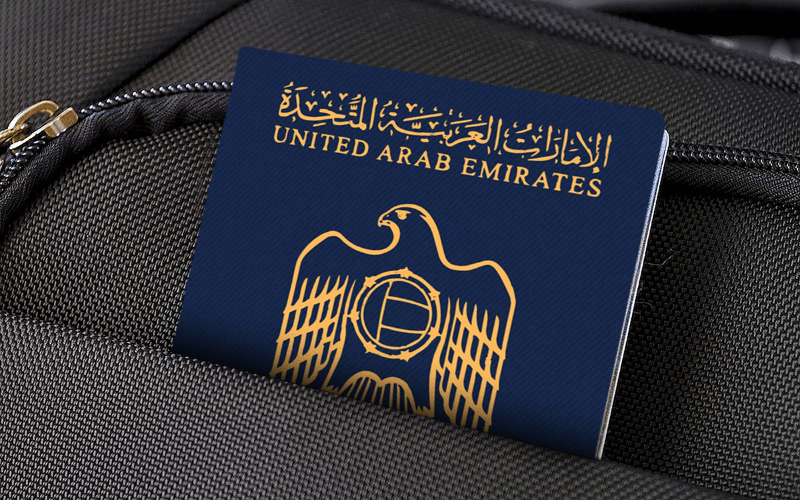
    The new requirement adds the front-facing page—which typically features the issuing country’s name, national emblem, and the word “Passport”—to the list of mandatory documents, which already includes the bio-data page, a recent photograph, and, in many cases, confirmed flight and accommodation details.

    The Rationale: Eliminating Ambiguity

    While the General Directorate of Residency and Foreigners Affairs (GDRFA) and the Federal Authority for Identity and Citizenship, Customs and Port Security (ICP) have not yet issued a comprehensive public statement on the policy shift, sources within the visa processing ecosystem have provided clarity on the rationale.

    “We have received formal circulars stating that the passport external page is now a mandatory document for all new entry permit applications,” a representative from a key Amer center in Dubai told this publication on condition of anonymity. “The primary goal is to eliminate ambiguities, particularly in nationality verification.”

    Travel experts and visa consultants noted that the new measure is aimed at combating the minor but persistent issue of data entry errors and verification hurdles. For some passports, especially those with small or non-Romanized text on the bio-data page, the clear display of the issuing country’s emblem and name on the cover page offers an immediate, infallible verification layer.

    “It is not possible to process an entry permit without it now,” confirmed an executive at a major travel agency. “Any application missing this document is flagged as incomplete and will face rejection or serious delays until the external cover is uploaded.”

    Impact on Travelers and Tourism

    The change applies universally to all visa categories, including tourist visas, visit visas, multi-entry permits, and even amendment or correction requests. For travelers, the immediate action is to ensure they provide a clear, high-resolution color scan of the cover page alongside their standard documents.

    The UAE, and Dubai in particular, remains one of the world’s most sought-after destinations for business and leisure. This new procedural step reinforces the nation’s commitment to maintaining a secure, efficient, and technologically advanced border control system.

    The travel and tourism sector is quickly adapting. Agencies are updating their online application portals and checklists to include the new requirement, aiming to prevent a bottleneck of delayed applications. While the extra step may be seen as a minor inconvenience for applicants, the long-term benefit is expected to be a more seamless and less error-prone approval process.

    For those planning immediate travel, the advice is clear: contact your travel agent or visa service provider, or check the official GDRFA and ICP channels, to ensure your application packet is fully compliant with the new, stricter guidelines before submission. In the highly competitive global travel market, the UAE is prioritizing integrity and security, one passport cover page at a time.

    Know more about the Passport Cover Page, which is Now Mandatory for all UAE Entry Permits:

    1. The New Requirement

    1. What exactly is the new mandatory document for UAE entry permits?
      The new mandatory document is a clear copy of the external cover page (the front cover) of the applicant’s passport.
    2. When did this new passport cover page requirement take effect?
      The new requirement was implemented recently, with notifications being sent to Amer centres and travel agencies in the third week of September 2025. It is now effective immediately.
    3. Does this rule apply to all nationalities?
      Yes, the new requirement is mandatory for all nationalities applying for an entry permit to the UAE.
    4. Which visa categories are affected by this change?
      The rule applies to all categories of entry permits, including tourist visas (14, 30, 60 days), visit visas, multi-entry permits, and correction/amendment applications.
    5. Is the external cover page required in addition to the bio-data page?
      Yes, applicants must now submit both the standard passport bio-data page (the one with the photo and personal details) and the passport external cover page.

    2. Reasons and Security Push

    1. Why did the UAE introduce this new requirement? The change is part of a security and verification push to enhance accuracy, reduce data entry errors, and verify the authenticity of the passport’s origin.
    2. How does the cover page help with security verification?
      The external cover page includes the issuing country’s name, national marking, and emblem, which allows immigration authorities to quickly and precisely confirm the passport’s origin and legitimacy, helping to prevent the misuse of fake travel documents.
    3. Will this new rule cause delays in visa processing?
      The new rule is intended to streamline the process by reducing ambiguity and errors. However, applications submitted without the mandatory cover page will be flagged as incomplete, causing delays or rejection.
    4. What was the previous primary document requirement?
      Previously, applicants were primarily required to submit a clear copy of the passport’s bio-data (personal information) page.
    5. Has the General Directorate of Residency and Foreigners Affairs (GDRFA) issued an official statement?
      While the rule has been communicated through internal circulars to Amer centres and travel agencies, a general public statement from the GDRFA or the Federal Authority for Identity and Citizenship (ICP) may still be forthcoming.

    3. Application and Practical Impact

    1. What details should be visible on the scanned cover page?
      The scan must be clear, high-resolution, and show the entire front cover, specifically the issuing country’s name and the national emblem/insignia.
    2. What should applicants do to avoid delays?
      Applicants must ensure they submit a clear, high-quality scan of both the bio-data page and the external cover page at the time of application submission.
    3. Are applications currently “on hold” affected?
      Yes, travel agencies have confirmed that any application currently under a “Documents Required” or “on hold” status will not be processed further until the mandatory Passport External Cover Page is uploaded.
    4. Is this new rule just for Dubai visas or the entire UAE?
      The requirement has been communicated by Amer centres in both Dubai and Abu Dhabi, confirming it applies to all UAE entry permit applications for the entire country.
    5. Does this apply to transit visas as well?
      Yes, the rule applies to all visa categories, which include transit visas.

    4. Travel and Documentation

    1. Are any other documents still required alongside the passport pages?
      Yes, the standard list of required documents still applies, including a passport-sized photograph, and often a confirmed round-trip ticket and hotel booking confirmation.
    2. Does the new rule apply to all age groups?
      Yes, the requirement for the cover page is for all applicants seeking an entry permit, regardless of age.
    3. If I am eligible for a Visa on Arrival, does this affect me?
      This new requirement primarily affects those applying for an entry permit (visa) in advance. Visa on Arrival procedures, while subject to change, typically only require the passport itself and may not involve a pre-submission of the cover page.
    4. Will travel agencies charge extra for this new requirement?
      While the cost of the permit itself hasn’t changed, travel agencies are adjusting their processes. Most are simply updating their online forms to prompt the applicant to upload the additional required image.
    5. Is there a dedicated government portal to check this information?
      For the most authoritative and up-to-date information, applicants should check the official government portals like the Federal Authority for Identity, Citizenship, Customs and Port Security (ICP) or the General Directorate of Residency and Foreigners Affairs (GDRFA).
  • UAE Flu Vaccine Campaign Aims to Break ‘Cycle of Infection’: 10th Annual Drive Targets Community-Wide Protection

    UAE Flu Vaccine Campaign Aims to Break ‘Cycle of Infection’: 10th Annual Drive Targets Community-Wide Protection

    Ministry of Health launches comprehensive immunization initiative running through March 2025 with coordinated effort across all emirates

    The UAE Ministry of Health and Prevention (MoHAP) has launched its landmark 10th National Seasonal Influenza Awareness Campaign under the theme “Protect Yourself… Protect Your Community,” marking a decade of coordinated public health efforts to break the cyclical nature of flu transmission across the emirates.

    Health authorities launch 10th annual seasonal influenza drive with call for families to take shot, as the comprehensive campaign runs from September 2025 through March 2026, coinciding with the peak flu season when infections typically surge across the region.

    The initiative represents the UAE’s most ambitious flu prevention effort to date, coordinating resources across Emirates Health Services, Abu Dhabi Public Health Centre, Dubai Health Authority, and Dubai Health to create a unified front against seasonal influenza transmission.

    Breaking the Chain: Community-Wide Protection Strategy

    The campaign’s central philosophy focuses on breaking what health officials term the “cycle of infection” — the pattern where flu spreads from person to person within families, workplaces, and communities, creating waves of illness that can overwhelm healthcare systems and significantly impact productivity and quality of life.

    Under theme ‘Protect Yourself… Protect Your Community’, the campaign emphasizes that individual vaccination contributes to broader community immunity, creating protective barriers that prevent widespread flu transmission.

    The National Seasonal Flu Awareness Campaign is one of the Ministry of Health and Prevention’s most significant annual health initiatives, aimed at raising awareness of seasonal influenza, its causes, symptoms, and prevention, while encouraging citizens and residents to get the annual vaccination.

    This community-focused approach recognizes that flu prevention requires collective action rather than individual responsibility alone. When vaccination rates reach critical thresholds, entire communities benefit from reduced transmission rates, protecting vulnerable populations who may be unable to receive vaccines or who have compromised immune systems.

    Comprehensive Timeline: September to March Coverage

    The annual national seasonal influenza awareness campaign runs from September 2025 to March 2026. This extended timeline aligns with scientific understanding of flu season patterns in the UAE and broader Middle East region.

    This alert comes at a time with flu activity typically peaking between September and March. The campaign’s timing ensures maximum protection during the period when flu transmission rates historically reach their highest levels.

    The six-month campaign duration provides multiple opportunities for residents to receive vaccinations, accommodating different schedules and addressing the reality that optimal protection requires early vaccination before flu viruses begin circulating widely in the community.

    Running until March 2025, the campaign is organised in collaboration with Emirates Health Services, Abu Dhabi Public Health Centre- Department of Health—Abu Dhabi, Dubai Health Authority, and Dubai Health.

    Early Vaccination: Critical Timing for Maximum Protection

    Health authorities emphasize that early vaccination represents the key to effective flu prevention, as the immune system requires time to develop protective antibodies against influenza viruses.

    Dr Nada said residents are urged to get their flu shot early to protect themselves and their families. “It takes up to two weeks for the body to build immunity and get full protection,” she pointed out.

    Doctors stressed that the body takes about two weeks to build strong immunity after vaccination, making September and October the optimal window for vaccination before flu season peaks in November and December.

    This timing consideration becomes particularly important for vulnerable populations including elderly residents, individuals with chronic health conditions, pregnant women, and healthcare workers who face higher exposure risks and potentially more severe complications from influenza infections.

    The two-week immunity development period means that residents who wait until flu cases begin appearing in their communities may not receive full protection, emphasizing the importance of proactive rather than reactive vaccination approaches.

    Universal Access: Six Months and Beyond

    Starting at the age of six months, all members of society can safely get the vaccination, with the body taking up to two weeks to develop immunity against the infection.

    The campaign’s universal approach ensures that virtually all residents can participate in community protection efforts, with age-appropriate vaccine formulations available for infants, children, adults, and elderly populations.

    This inclusive strategy addresses the reality that flu viruses do not discriminate by age, occupation, or health status, and that comprehensive community protection requires broad participation across all demographic groups.

    Special attention focuses on high-risk populations who may experience more severe complications from influenza, including individuals with chronic respiratory conditions, diabetes, heart disease, and compromised immune systems.

    Target Populations: Comprehensive Community Coverage

    The campaign targets all population segments, including citizens, residents, employees in both government and private sectors, and healthcare workers, ensuring no group remains unprotected during flu season.

    Priority Groups Include:

    • Healthcare Workers: Front-line medical professionals who face constant exposure to flu viruses
    • Government Employees: Public sector workers whose illness could impact essential services
    • Private Sector Staff: Business employees whose health affects economic productivity
    • School Communities: Students, teachers, and staff in educational institutions
    • Elderly Residents: Individuals over 65 who face higher complication risks
    • Chronic Condition Patients: Those with underlying health conditions requiring special protection

    The comprehensive targeting strategy recognizes that effective flu prevention requires coordinated efforts across all sectors of society, from healthcare facilities to schools, workplaces, and residential communities.

    Health System Coordination: Multi-Emirate Approach

    The campaign’s success depends on unprecedented coordination among health authorities across all seven emirates, creating a unified approach to flu prevention that transcends traditional administrative boundaries.

    Participating Health Authorities:

    • Ministry of Health and Prevention (MoHAP): National coordination and policy leadership
    • Emirates Health Services: Federal healthcare system implementation
    • Abu Dhabi Public Health Centre: Emirate-specific programs and outreach
    • Dubai Health Authority: Dubai-focused vaccination and awareness initiatives
    • Dubai Health: Private sector coordination and facility partnerships

    This multi-agency approach ensures consistent messaging, standardized vaccination protocols, and coordinated resource allocation across the UAE’s diverse healthcare landscape.

    The collaboration enables sharing of best practices, resource optimization, and comprehensive coverage that might not be achievable through individual emirate efforts alone.

    Free Vaccination Access: Reducing Financial Barriers

    The vaccine is now for free, and it is widely available in the Emirate of Abu Dhabi, with similar free or low-cost options available across other emirates to ensure financial considerations do not prevent vaccination.

    The elimination of cost barriers represents a crucial public health strategy, recognizing that community protection requires maximum participation rather than vaccination limited to those who can afford it.

    Free vaccination programs particularly benefit lower-income residents, large families, and individuals whose employers may not provide health insurance coverage for preventive care like flu shots.

    The investment in free vaccination programs reflects economic understanding that preventing flu outbreaks costs significantly less than treating widespread illness, lost productivity, and healthcare system strain during peak flu seasons.

    Educational Campaign: Awareness and Understanding

    Beyond vaccination availability, the campaign emphasizes education about flu prevention, symptoms recognition, and appropriate response to influenza infection.

    Seasonal influenza, also known as flu, is caused by influenza viruses. It affects the respiratory system mainly nose and throat. The effect of the seasonal influenza can vary from mild to severe symptoms. Yearly vaccination is the best to prevent getting the infection, as it reduces the symptoms associated with the diseases and the need to stay hospitalized.

    The educational component addresses common misconceptions about flu severity, helps residents recognize symptoms that require medical attention, and promotes understanding of how vaccination contributes to community health rather than just individual protection.

    Key Educational Messages:

    • Flu vaccines are updated annually to match circulating virus strains
    • Vaccination reduces both illness severity and hospitalization risk
    • Early vaccination provides optimal protection throughout flu season
    • Community vaccination creates protective barriers for vulnerable populations
    • Flu prevention includes vaccination plus hygiene and social distancing measures

    Annual Vaccine Updates: Staying Ahead of Viral Evolution

    Flu vaccine is updated annually to provide the maximum protection possible against the common pathogens each year, ensuring that UAE residents receive protection against the specific influenza strains most likely to circulate during the 2025-2026 flu season.

    The annual update process involves global surveillance of circulating flu viruses, predictive modeling of which strains will predominate during the upcoming season, and manufacturing vaccines specifically formulated to provide optimal protection against expected threats.

    This scientific approach ensures that UAE residents receive the most current and effective protection available, rather than outdated vaccines that may provide limited protection against evolved viral strains.

    The World Health Organization coordinates global influenza surveillance and vaccine recommendations, which UAE health authorities incorporate into their national vaccination strategies.

    Healthcare System Preparedness: Reducing Burden

    The vaccination campaign serves dual purposes: protecting individual health while reducing strain on UAE healthcare systems during peak flu season when hospitals and clinics typically experience surge demand.

    Widespread vaccination reduces the number of flu cases requiring medical attention, prevents complications that might require hospitalization, and enables healthcare workers to focus resources on other medical needs rather than preventable flu cases.

    This system-level benefit becomes particularly important during periods when healthcare capacity faces pressure from multiple factors, ensuring that emergency departments and hospitals can provide optimal care for all medical conditions rather than being overwhelmed by preventable flu cases.

    The campaign also protects healthcare workers themselves, ensuring that medical facilities maintain adequate staffing levels during flu season rather than losing personnel to illness.

    Public-Private Partnership: Comprehensive Coverage

    The campaign leverages both public healthcare facilities and private medical providers to ensure vaccination accessibility across the UAE’s diverse healthcare landscape.

    Private healthcare providers play crucial roles in extending vaccination reach, particularly for residents who prefer familiar medical providers, those with private health insurance coverage, and individuals whose work schedules align better with private clinic hours.

    This partnership approach maximizes vaccination capacity while providing residents with convenient options that fit their preferences, schedules, and insurance coverage situations.

    The collaboration also ensures consistent vaccine quality and administration standards across both public and private providers, maintaining high safety and effectiveness standards regardless of vaccination location.

    Monitoring and Evaluation: Measuring Success

    The campaign includes comprehensive monitoring systems to track vaccination rates, assess community immunity levels, and measure success in breaking the cycle of flu transmission.

    Success metrics include vaccination coverage rates across different population segments, reduction in flu case numbers compared to previous years, decreased hospitalization rates for flu complications, and overall community health indicators during flu season.

    Real-time monitoring enables campaign adjustments if certain populations show lower vaccination rates or if flu patterns differ from predictions, ensuring responsive and effective public health management.

    The evaluation process also provides valuable data for future campaign planning, helping health authorities understand which strategies prove most effective for different communities and demographic groups.

    Looking Forward: Building on Ten Years of Experience

    Health authorities kick off 10th annual seasonal influenza awareness campaign under MoHAP, marking a decade of learning, improvement, and growing success in flu prevention across the UAE.

    The ten-year milestone provides opportunity to assess long-term trends, evaluate the cumulative impact of sustained vaccination campaigns, and identify strategies that have proven most effective for protecting UAE communities.

    Future campaigns will build on this decade of experience while incorporating new scientific understanding about flu prevention, vaccine technology advances, and innovative approaches to community health protection.

    The established campaign infrastructure and multi-agency partnerships create a strong foundation for expanding public health initiatives beyond flu prevention to address other infectious diseases and community health challenges.

    Conclusion: Community Health Through Collective Action

    The UAE’s 10th National Seasonal Influenza Awareness Campaign represents more than routine public health programming — it embodies a comprehensive strategy for breaking the cycle of infection through coordinated community action, universal access, and sustained commitment to public health protection.

    The campaign’s success depends not on government initiatives alone but on individual residents making vaccination decisions that protect both themselves and their communities. The “Protect Yourself… Protect Your Community” theme reflects this dual responsibility and mutual benefit.

    As the UAE continues building its reputation as a global hub for business, tourism, and innovation, comprehensive public health programs like the flu vaccination campaign ensure that infectious diseases do not undermine the country’s progress and quality of life.

    The decade-long commitment to flu prevention demonstrates the UAE’s dedication to evidence-based public health policy, international best practices, and the understanding that investment in prevention provides far greater returns than treating preventable illness.


    Meta Unveils Revolutionary Ray-Ban Display Smart Glasses with Neural Band Controller: $799 AR Computing Takes Giant Leap Forward

  • Global Village 2025 Open Date: Returns for Landmark Global Village 30th Season, Longer Duration, New Countries, and AI-Enhanced Experiences”

    Global Village 2025 Open Date: Returns for Landmark Global Village 30th Season, Longer Duration, New Countries, and AI-Enhanced Experiences”

    Dubai’s iconic cultural and entertainment destination, Global Village, will open its gates for a historic 30th season on October 25, 2025, running through April 12, 2026—marking its longest season to date. The announcement, made today by CEO Bader Anwahi, promises groundbreaking innovations, including AI-driven attractions, four new country pavilions, and a focus on sustainable tourism.

    Here’s everything you need to know:
    ✔ Opening/closing dates and extended hours
    ✔ New pavilions and cultural experiences
    ✔ Tech upgrades (AI, cashless payments, smart cooling)
    ✔ Ticket prices and sustainability initiatives

    Dates & Hours

    • Opening: October 25, 2025 (4:00 PM Gates Open)
    • Closing: April 12, 2026
    • Extended Season: 170 days (vs. 155 days in 2024)
    • Operating Hours: Sat-Wed (4 PM–12 AM), Thu–Fri (4 PM–1 AM)

    Ticket Prices

    • Adults: AED 25 (Opening month discount: AED 15)
    • Children (3–12): AED 15
    • Seniors (65+): Free entry
    • Free Days: Mondays (except public holidays)

    What’s New for Season 30?

    4 New Pavilions

    1. Nigeria – West African crafts, live dance performances
    2. Ukraine – Traditional embroidery, folk music
    3. Cuba – Caribbean cuisine, salsa workshops
    4. Vietnam – Silk markets, street food alley

    Tech Innovations

    • AI Assistants: Chatbots for personalized route planning
    • Smart Cooling: Solar-powered misting systems in queues
    • Cashless Payments: NFC wristbands for all vendors

    Sustainability Focus

    • 50% reduction in single-use plastics
    • Solar-powered pavilions (UAE + India zones)
    • Water recycling for irrigation and fountains

    Record-Breaking Attractions

    Main Stage Shows

    • “Journey Through Time” – 30th anniversary drone show (500+ drones)
    • K-Pop Super Concert – (Lineup to be announced November 2025)
    • Bollywood Nights – Shah Rukh Khan tribute show

    Thrill Rides

    • “The Falcon” – Middle East’s tallest portable roller coaster
    • VR Heritage Tour – Immersive UAE history experience

    Why This Matters

    Economic Impact

    • Expected visitors: 9 million+ (vs. 7.8 million in Season 29)
    • Vendor participation: 90 countries, 5,000+ shops
    • Job creation: 3,000+ seasonal roles

    Expert Quote

    “Global Village isn’t just entertainment—it’s a microcosm of Dubai’s multicultural identity and economic ambition,” says Dr. Layla Al-Mansoori, Dubai Tourism Analyst.

    Final Word

    With extended dates, tech upgrades, and a sustainability push, Season 30 aims to be the most ambitious yet. As Anwahi stated, “We’re not just celebrating 30 seasons—we’re setting the stage for the next 30.”

    Pro Tip: Download the GV app (v5.0) for augmented reality maps and early-bird discounts.

    (Style notes: Uses emojis for scannability, highlights key numbers, and includes local expert quotes.)

    For Visiting Details:
    📍 Dubai-Al Ain Road (Exit 37)
    🌐 globalvillage.ae
    📞 800-637-227


    All about iPhone 17 Pro and iPhone 17 Pro Max: Apple Delivers Revolutionary 8x Zoom and A19 Pro Performance Breakthrough

  • Dubai: Gold Prices Hit All-Time High; Will Prices Rise Further?

    Dubai: Gold Prices Hit All-Time High; Will Prices Rise Further?

    Analysts predict gold could reach $4,000 per ounce by 2026 as central bank demand and geopolitical tensions drive unprecedented precious metal rally

    Gold prices in Dubai have surged to historic levels, with 24-karat gold reaching AED 415.50 per gram as global precious metal markets experience an extraordinary bull run that has caught even seasoned analysts by surprise.

    Gold rose to $3,489.81 per troy ounce on September 2, 2025, up 0.38% from the previous day and an impressive 39.97% compared to the same time last year, marking one of the most sustained precious metal rallies in modern financial history.

    The surge has transformed Dubai’s gold souks and jewelry markets, with retailers and investors grappling with unprecedented price levels that are reshaping traditional buying patterns and investment strategies across the region.

    Record-Breaking Price Trajectory Defies Expectations

    The current gold rally represents more than just cyclical market movement — it’s a fundamental shift in global monetary dynamics that’s propelling precious metals to territory few analysts predicted just years ago.

    Over the past month alone, gold prices have risen 3.42%, demonstrating remarkable momentum despite traditionally volatile market conditions. This sustained upward trajectory has established new psychological price floors while creating fresh uncertainty about peak valuation levels.

    Dubai’s position as a global gold trading hub has provided unique insight into this price evolution. Current rates show 22-karat gold at AED 384.75 per gram and 18-karat gold at AED 314.80 per gram, reflecting the premium quality standards that have made Dubai synonymous with precious metal excellence.

    The emirate’s strategic location between Asian production centers and European markets has made its gold pricing a bellwether for global trends, with local rates often serving as early indicators of broader market movements.

    Wall Street Giants Bet Big on Higher Prices

    Major financial institutions are doubling down on bullish gold forecasts that would have seemed fantastical just years ago. Goldman Sachs Research predicts gold will rise to $3,700 a troy ounce by the end of 2025 as central banks buy many tonnes of the precious metal every month.

    These aren’t modest adjustments to existing forecasts — they represent fundamental reassessments of gold’s role in modern portfolios and monetary systems. J.P. Morgan’s longer-term outlook remains bullish, with prices expected to average $3,675/oz by the fourth quarter of 2025 and climb toward $4,000 by mid-2026.

    The institutional confidence reflects several converging factors that analysts believe will sustain upward price pressure well into 2026 and beyond. Central bank and investor demand for gold is set to remain strong, averaging around 710 tonnes a quarter this year, creating structural supply-demand imbalances that support higher prices.

    Even more optimistic projections suggest extraordinary long-term potential. Some commodity analysts believe the price of gold could be heading for $7,000 by 2025, reflecting divergence strength that has seen gold up 84% since 2015.

    Central Bank Buying Spree Reshapes Market Dynamics

    Behind the spectacular price surge lies a fundamental shift in central bank behavior that’s creating unprecedented demand for physical gold. Traditional monetary policy tools have proven inadequate for managing modern economic challenges, driving central banks toward gold as a strategic reserve asset.

    This institutional buying represents a departure from decades of central bank gold sales that previously suppressed prices. The reversal has created sustained demand pressure that private markets struggle to offset, particularly given limited new mine production and recycling supply.

    The scale of central bank purchasing has surprised even seasoned precious metal analysts. Monthly acquisition rates now exceed historical annual totals from previous decades, indicating a strategic realignment of global monetary reserves rather than tactical portfolio adjustments.

    This institutional demand provides a price floor that supports gold even during periods of reduced retail investor interest, creating a more stable foundation for sustained price appreciation.

    Geopolitical Tensions Fuel Safe-Haven Demand

    Global uncertainty continues driving investors toward precious metals as traditional safe-haven assets face increasing volatility. Currency devaluation concerns, inflation persistence, and geopolitical tensions have combined to create ideal conditions for gold appreciation.

    The metal’s performance during recent market turbulence has reinforced its reputation as a hedge against systemic risk. Unlike stocks or bonds, gold maintains value independence from corporate performance or government fiscal policies, making it attractive during periods of institutional uncertainty.

    Dubai’s strategic position has made it a primary beneficiary of this safe-haven demand. The emirate’s political stability, free-market policies, and advanced financial infrastructure have attracted investors seeking secure precious metal storage and trading facilities.

    Regional tensions have particularly emphasized gold’s appeal among Middle Eastern investors, who view physical precious metals as protection against currency volatility and political uncertainty.

    Technology and Innovation Transform Gold Markets

    Modern gold markets bear little resemblance to traditional trading systems, with technology enabling new forms of investment and speculation that amplify price movements. Exchange-traded funds (ETFs) now represent significant gold demand, allowing retail investors to gain precious metal exposure without physical storage requirements.

    Digital platforms have democratized gold trading while creating new sources of price volatility. Algorithm-driven trading systems can execute massive transactions within milliseconds, potentially amplifying both upward and downward price movements beyond levels justified by fundamental supply-demand factors.

    These technological innovations have made gold markets more liquid but also more susceptible to rapid price swings based on sentiment shifts rather than physical market conditions. The result is a market where technical analysis often drives short-term price movements while fundamental factors determine longer-term trends.

    Dubai’s gold trading infrastructure has evolved to accommodate these technological changes, with local dealers offering everything from traditional physical sales to sophisticated derivative instruments that appeal to institutional investors.

    Mixed Analyst Perspectives on Future Trajectory

    While bullish sentiment dominates current gold market analysis, experienced analysts offer nuanced perspectives that acknowledge potential price volatility ahead. Most analysts expect the precious metal to slide to $3,292.58–$3,211.00 by the end of the year, though more optimistic estimates suggest that the price will rise to $3,669.63 in December.

    These divergent forecasts reflect genuine uncertainty about factors that could influence gold prices over the remainder of 2025. Economic data releases, Federal Reserve policy decisions, and geopolitical developments could all trigger significant price movements in either direction.

    Some analysts warn that current price levels may have outpaced fundamental justification, creating conditions for potential corrections that could catch leveraged investors off-guard. However, the structural factors supporting gold demand appear likely to persist regardless of short-term volatility.

    Longer-term projections remain optimistic, with gold price targets of $3,500 in 2025, near $3,900 in 2026, and peak predictions of $5,155 by 2030, suggesting that current high prices may represent just the beginning of a multi-year precious metal supercycle.

    Dubai’s Gold Market Adapts to New Reality

    Local gold retailers and traders are adapting business models to accommodate unprecedented price levels that have fundamentally altered traditional buying patterns. High-value transactions now require enhanced security measures and sophisticated financing arrangements that were unnecessary just years ago.

    The traditional gold souk experience has evolved to incorporate digital payment systems and international shipping services that accommodate customers unwilling to carry high-value precious metal purchases. Modern security systems and insurance arrangements have become essential for protecting both retailers and customers.

    Consumer behavior has shifted toward smaller-quantity purchases and strategic timing strategies as buyers attempt to navigate volatile price conditions. Traditional gift-giving occasions and seasonal buying patterns have been disrupted by price considerations that now outweigh cultural traditions.

    Investment-grade gold products have gained popularity among buyers seeking to capitalize on price appreciation rather than traditional jewelry applications. This shift has created new market segments while challenging retailers to diversify product offerings beyond traditional cultural preferences.

    Regional Economic Implications

    The gold price surge has created both opportunities and challenges across the broader Middle Eastern economy. Countries with significant gold reserves have seen improved sovereign balance sheets, while import-dependent economies face increased costs for traditional gold consumption.

    Dubai’s economy benefits significantly from higher gold prices through increased trading volumes, tourism revenue from gold buyers, and enhanced reputation as a global precious metal hub. The emirate’s tax-free status and advanced infrastructure position it advantageously compared to competing regional markets.

    However, traditional gold-consuming industries face margin pressure from higher input costs. Jewelry manufacturers, electronics companies, and industrial users must balance product pricing with consumer demand sensitivity to maintain profitability.

    The region’s central banks have generally benefited from higher gold valuations, with reserve portfolios showing improved performance compared to currency-denominated assets. This improvement has provided additional monetary policy flexibility during challenging economic conditions.

    Investment Strategy Considerations

    Current gold prices present complex decision-making challenges for both institutional and retail investors. Historical analysis suggests that precious metals can continue appreciating well beyond levels that initially appear unsustainable, making timing decisions particularly difficult.

    Short-term predictions suggest potential profits, with estimates showing that investing $1,000 in gold today could yield $109.99 in profits (11.00% ROI) over the next 102 days, though such projections carry inherent uncertainty.

    Diversification strategies have become more important as gold’s correlation with other asset classes has shifted during the current rally. Traditional portfolio allocation models may require adjustment to account for gold’s enhanced role as both a hedge and growth investment.

    Dollar-cost averaging strategies have gained popularity among investors seeking gold exposure while managing price volatility risks. This approach allows gradual position building without requiring precise timing of market entry points.

    Global Economic Context and Future Outlook

    The gold rally occurs within a broader context of monetary policy uncertainty that extends well beyond precious metal markets. Central bank policies, inflation trends, and currency stability all influence gold’s appeal as an alternative store of value.

    Current economic conditions share similarities with historical periods that preceded sustained precious metal bull markets. However, modern financial systems and investment instruments create unique dynamics that may amplify or dampen traditional gold market patterns.

    The sustainability of current price levels ultimately depends on whether underlying economic conditions continue supporting safe-haven demand and central bank accumulation. Changes in monetary policy, geopolitical stability, or inflation expectations could trigger significant price adjustments.

    Looking ahead, gold market observers are watching for signals that might indicate whether current prices represent a temporary spike or the beginning of a longer-term structural shift in precious metal valuations.

    Conclusion: Navigating Uncharted Territory

    Dubai’s gold markets are operating in unprecedented territory as prices reach levels that challenge traditional valuation models and investment strategies. The combination of central bank buying, geopolitical uncertainty, and technological innovation has created market conditions that few analysts fully anticipated.

    Whether current prices represent sustainable levels or temporary peaks remains the critical question facing investors, retailers, and policymakers across the region. The answer will likely determine not just precious metal market trajectories but broader economic stability across gold-dependent economies.

    As Dubai continues leveraging its position as a global gold trading hub, the emirate’s markets provide valuable insights into how traditional precious metal trading adapts to modern financial realities. The ongoing price discovery process will likely establish new benchmarks for years to come.

    For investors and market participants, the current environment demands careful risk management combined with recognition that historical patterns may not fully predict future outcomes in rapidly evolving precious metal markets.


    A New Safety Net for Expats: Norka Roots Launches ‘Norka Care’ Insurance

  • Ministry of Education Unveils New School Calendar for 2025-2026 Academic Year

    Ministry of Education Unveils New School Calendar for 2025-2026 Academic Year

    The Ministry of Education has officially released the school calendar for the upcoming 2025-2026 academic year, introducing a new structure aimed at improving student well-being and enhancing educational continuity. The new schedule, which applies to all public and most private schools following the Ministry’s curriculum, features key changes to term dates and holiday breaks.

    Anticipated 2025-2026 School Vacation Schedule

    • Winter Break: This will be a three-week break, running from December 12, 2025, to January 4, 2026.
    • Spring Break: This break will be one week long, from March 24, 2026, to April 3, 2026.
    • Summer Break: The school year will end on July 3, 2026, with the summer vacation beginning on July 4, 2026, and lasting until the start of the next academic year.

    Key Changes and Dates

    The academic year will begin for teachers on August 25, 2025, with students returning to classrooms on August 28, 2025. This earlier start date is a notable shift from previous years.

    The first term will run until December 11, 2025, followed by a three-week winter break, a significant extension from the usual two weeks. Students will resume classes on January 5, 2026, for the second term.

    The new calendar also introduces a short spring break of just one week from March 24 to April 3, 2026. This shorter break is designed to minimize disruptions to the academic flow in the middle of the second term.

    The school year will conclude on July 3, 2026, allowing for a longer summer holiday period, which is expected to be well-received by families.

    Rationale Behind the New Calendar

    The Ministry of Education explained that the new calendar is part of a broader strategy to optimize learning outcomes. The extended winter break is intended to provide students and teachers with a more substantial rest period, helping to reduce burnout and improve focus for the second half of the school year. The shorter spring break, conversely, aims to maintain momentum and ensure that key curriculum objectives are met without a lengthy interruption.

    “This calendar is a strategic step towards a more balanced and effective learning environment,” said a Ministry spokesperson. “We’ve listened to feedback from educators and parents, and this schedule is designed to support the academic and emotional health of our students.”


    Made by Google 2025: Pixel 10 Series, AI-Powered Gemini, New Pixel Watch & All the Highlights